




Four series, and why they don't mix
Each Shure digital series speaks its own radio language. An SLX-D transmitter only works with an SLX-D receiver, a QLX-D transmitter only with a QLX-D receiver, and Axient Digital transmitters only with Axient Digital receivers. If you add separate transmitters to your request, make sure there is a receiver from the same series for them.
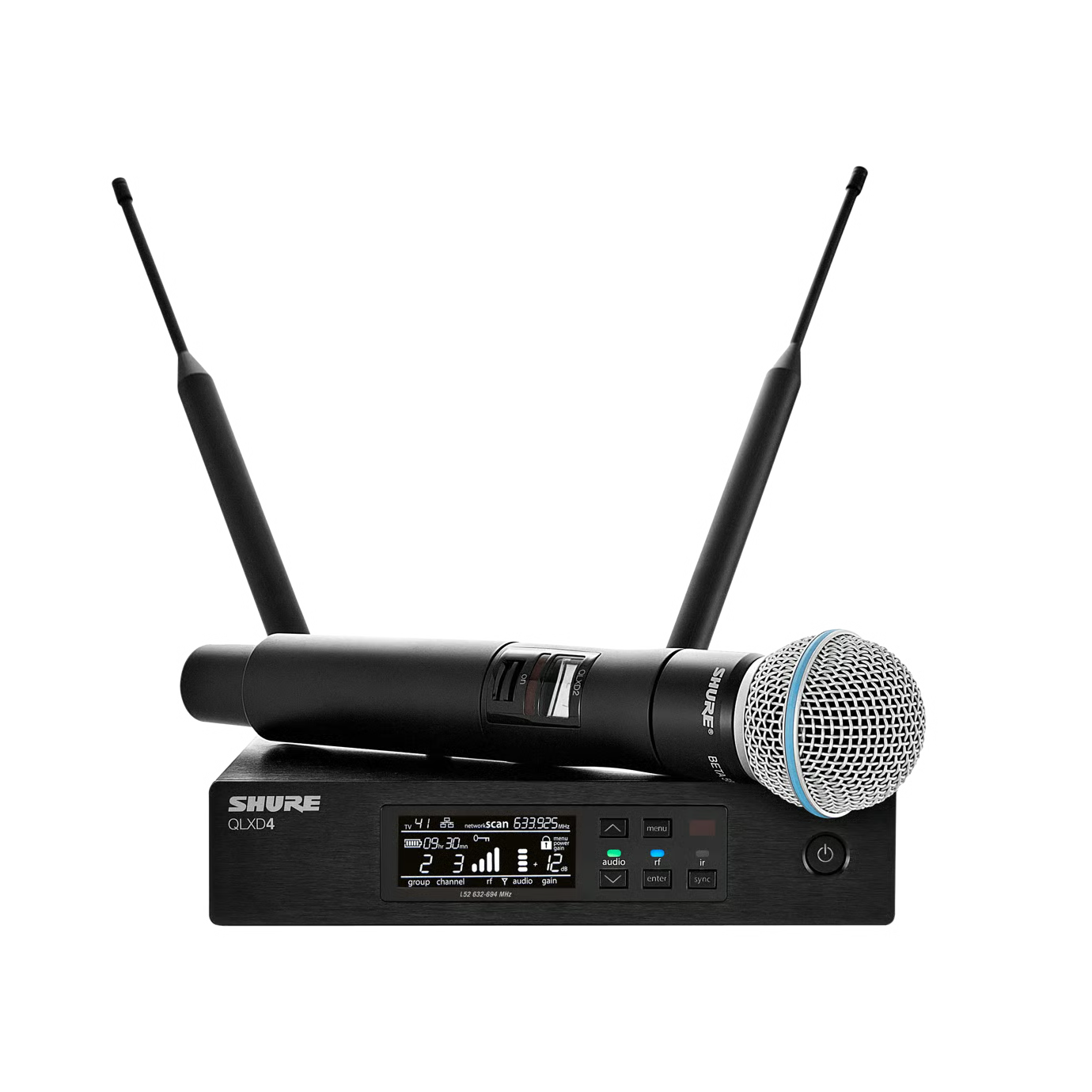
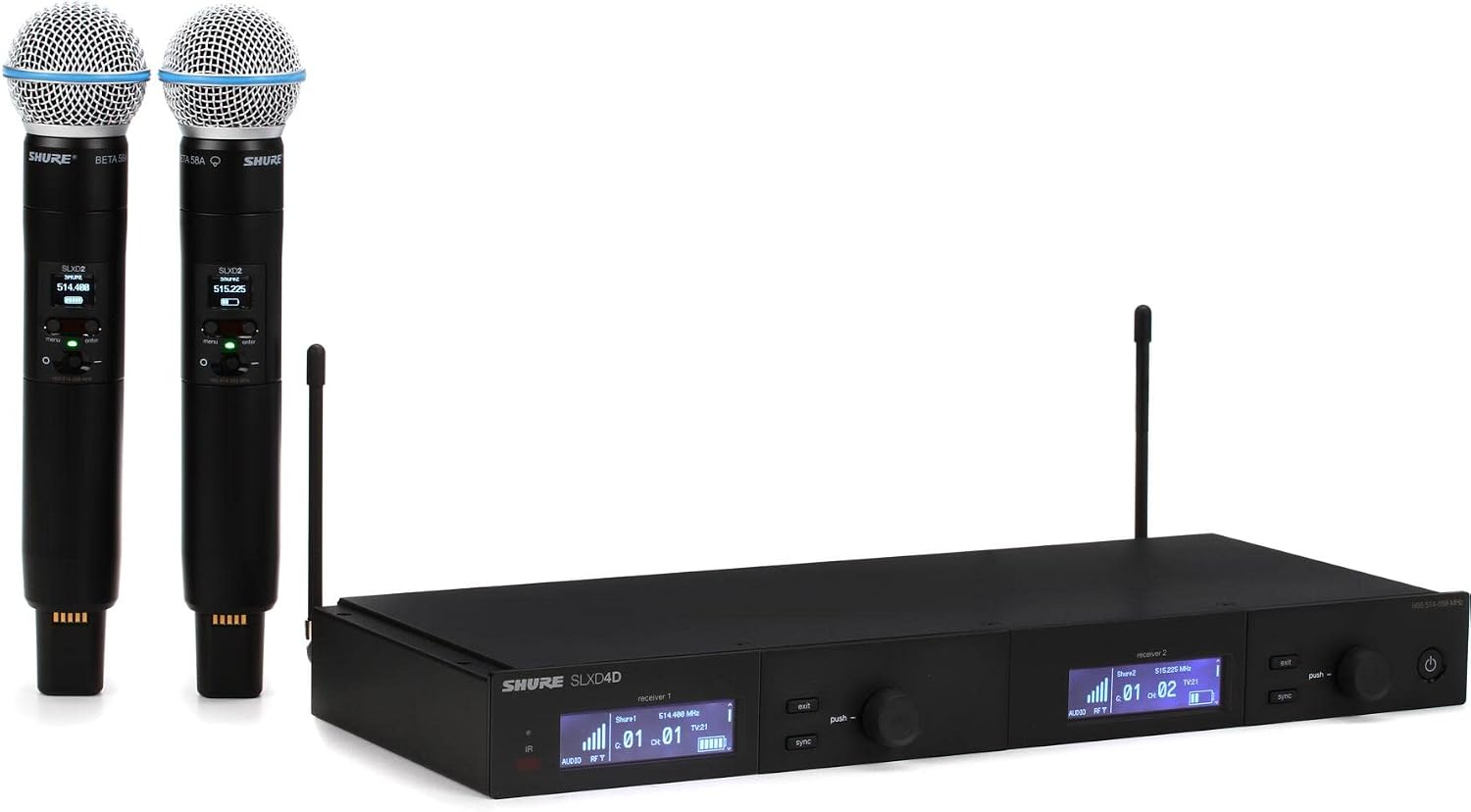
SLX-D is the workhorse for speech events: easy to set up and the standard choice in our speech, party and conference kits. QLX-D is a step more professional, with single-channel receivers, often taken for one soloist or a DJ. Axient Digital (AD and ADX) is Shure's top series for concerts, broadcasts and large galas, where the airwaves are busy and the channel count runs into dozens.
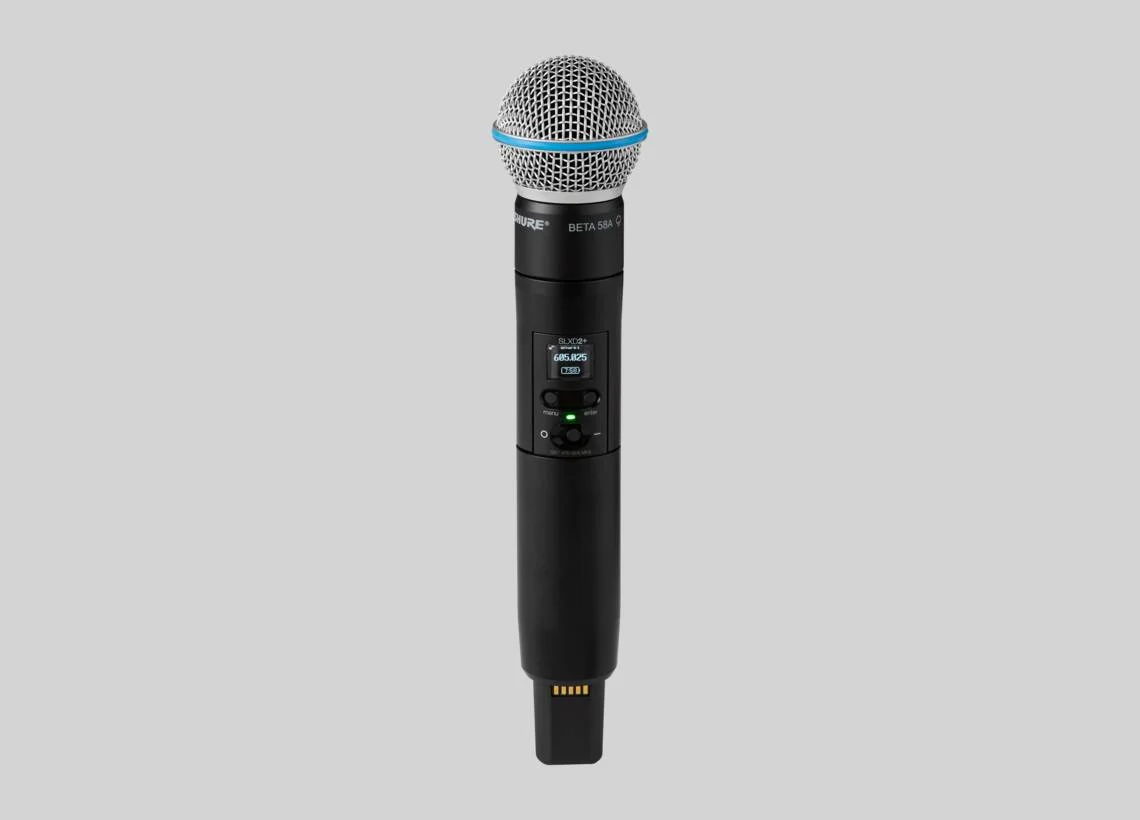
- SLX-D: SLXD24D/B58 (two handhelds and a dual-channel receiver), SLXD4QDAN (four-channel receiver with Dante output) and the separate SLXD2/B58 handheld transmitter.
- QLX-D: QLXD24/B58 (one handheld with its receiver) and the QLXD2/K11 handheld with a KSM11 condenser head.
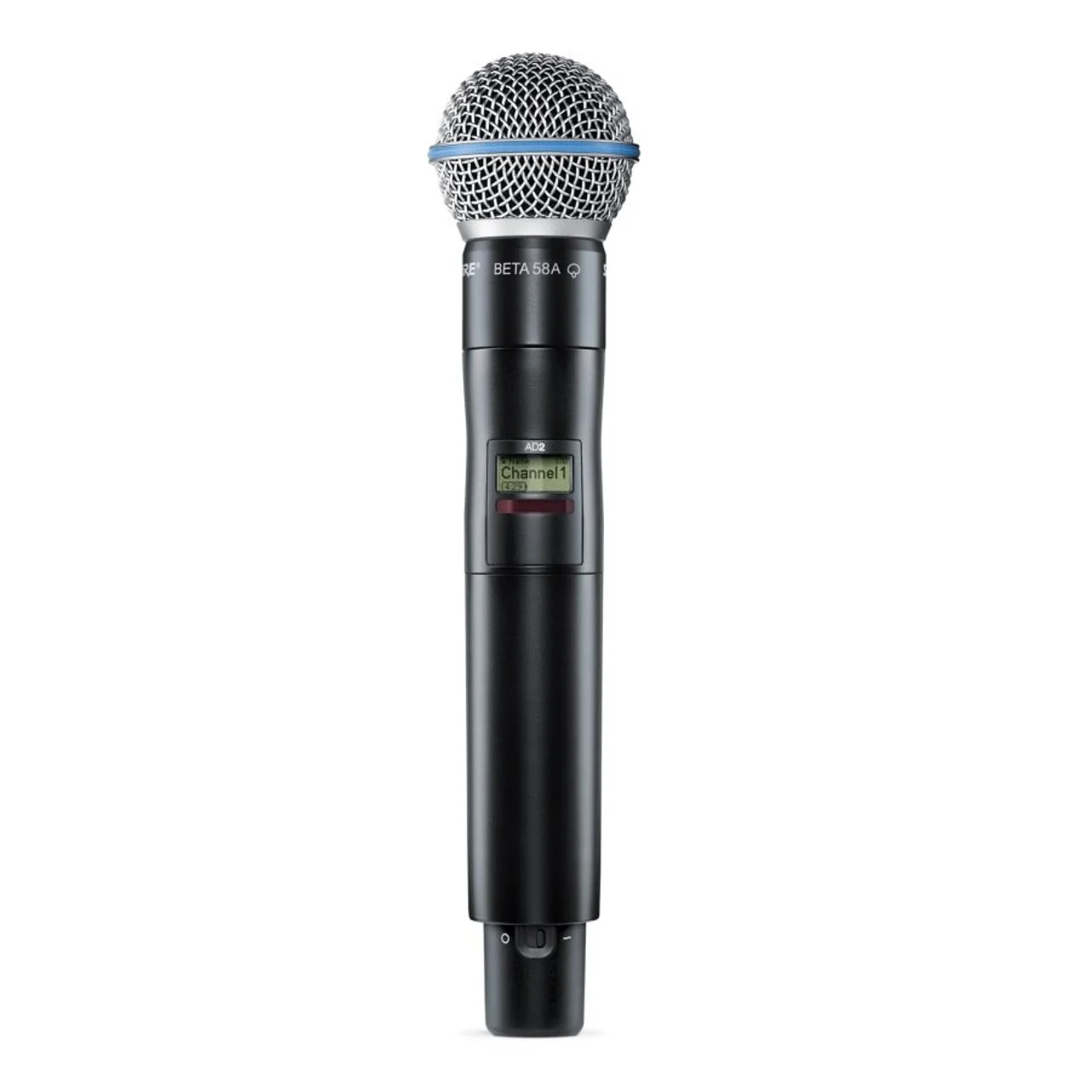
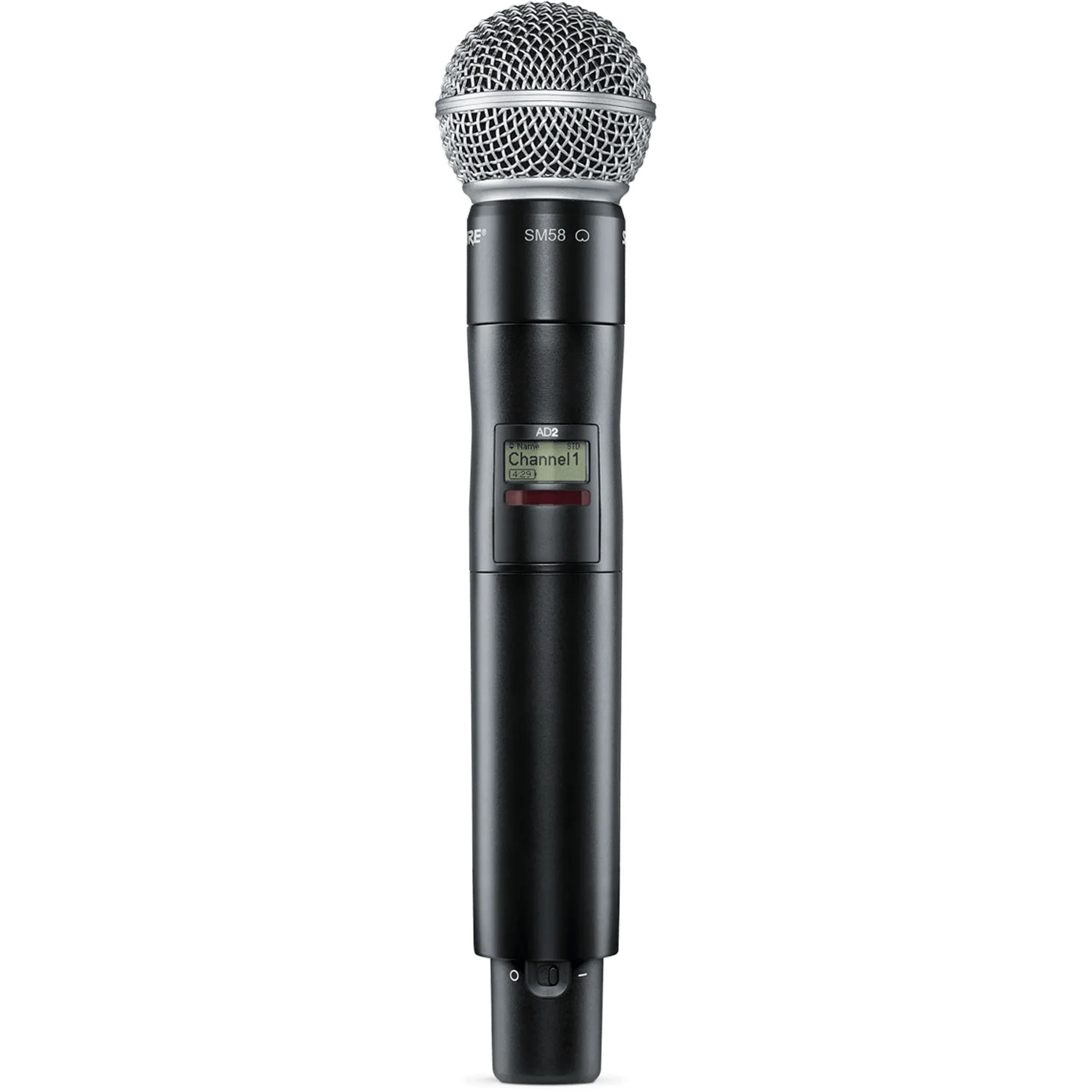
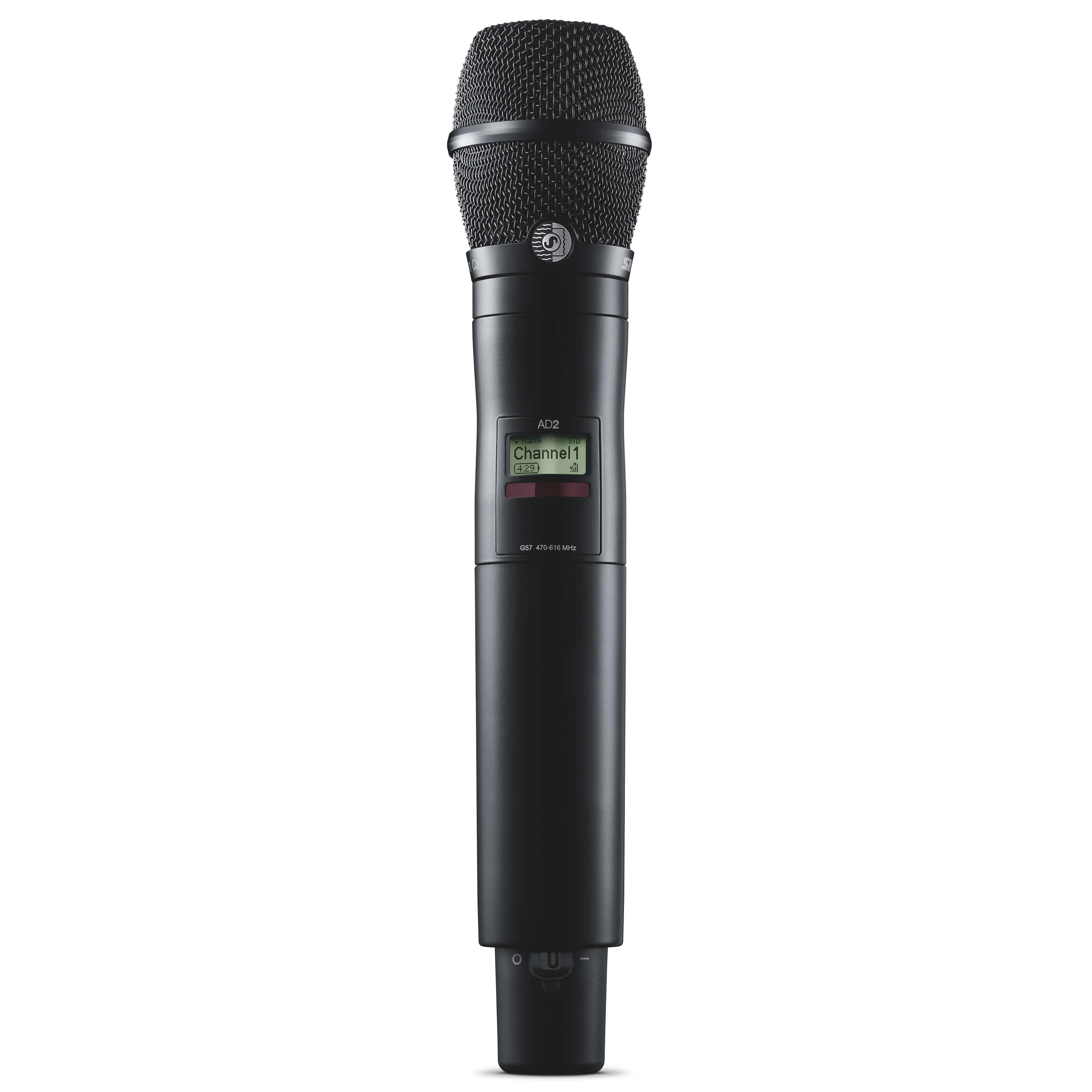
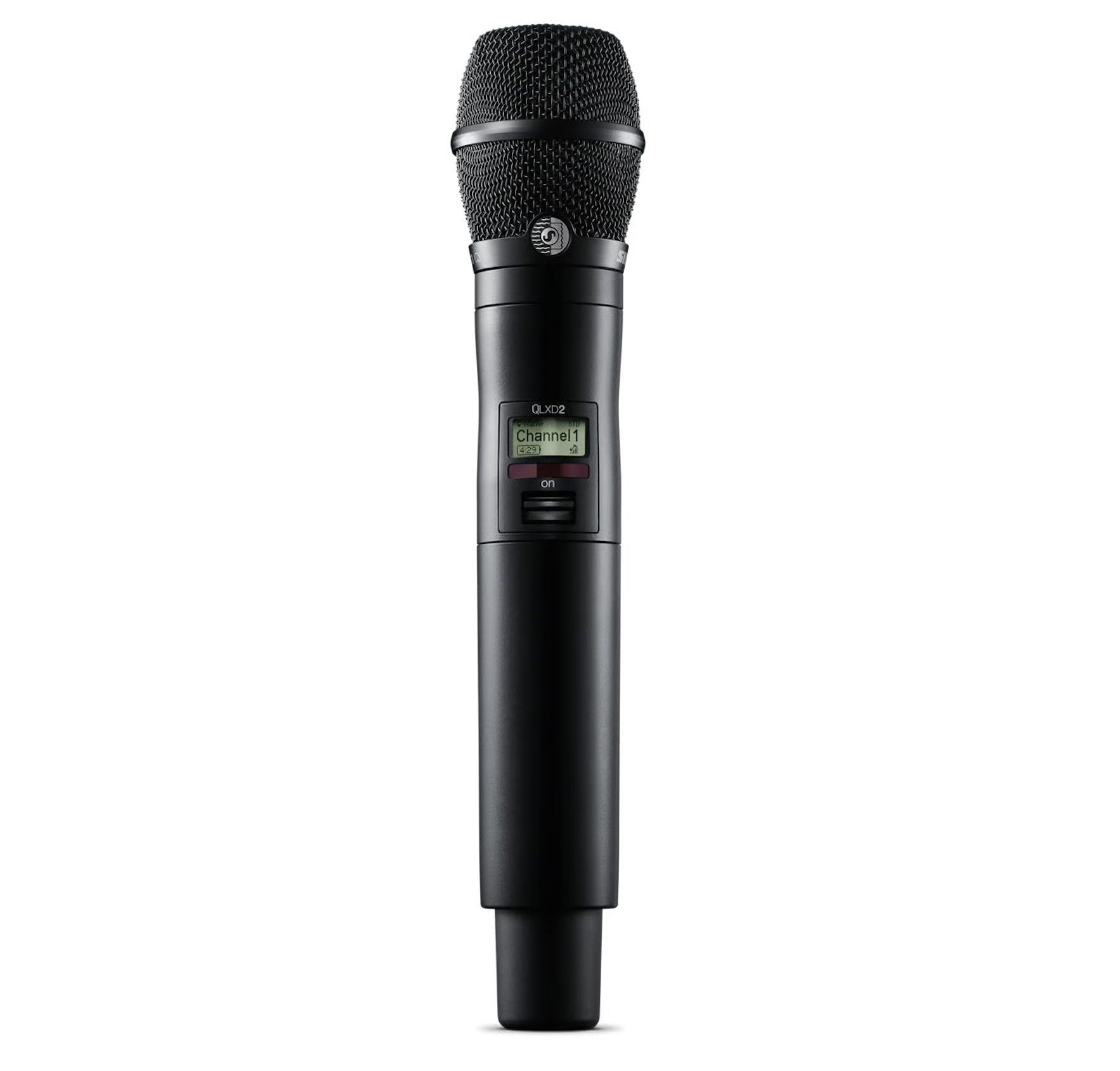
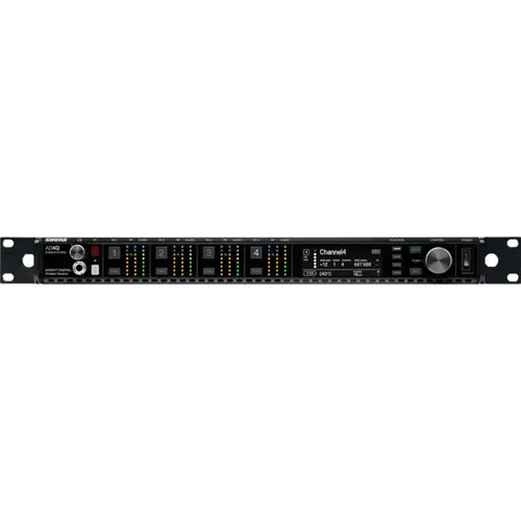
- Axient Digital AD: AD4D (two channels) and AD4Q (four channels) receivers, AD2 handhelds with four different heads.
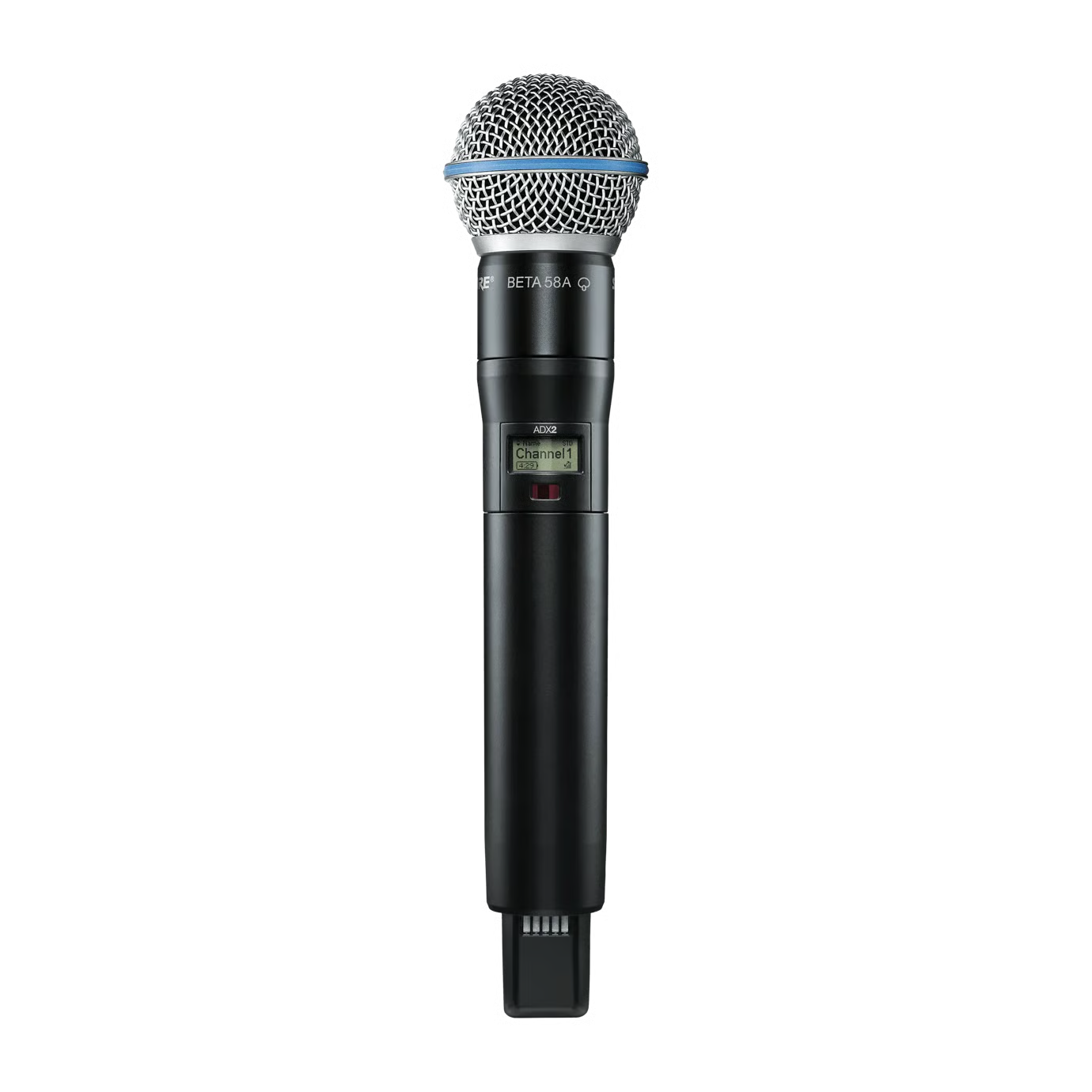
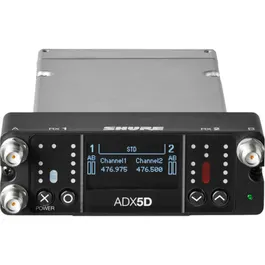
- Axient Digital ADX: ADX2/B58A and ADX2/K11 handhelds and the portable dual-channel ADX5D receiver.
How many channels in one receiver
The receiver's channel count sets how many microphones run at once. For a speaker and a moderator the dual SLXD24D/B58 is enough. For a panel with four people on stage, one four-channel SLXD4QDAN with four SLXD2/B58 transmitters is tidier. That is exactly what the ‘Four wireless handheld microphone kit’ contains, together with an antenna distribution unit, two directional antennas and a battery charger.
A four-channel receiver takes less rack space and all channels are set up in one place. The SLXD4QDAN also has a Dante output: if the mixer is on a Dante network, like the Yamaha QL1, all four channels reach the desk over one network cable. With an analogue mixer each channel goes out on its own XLR.
With Axient Digital you pick the AD4D for two microphones and the AD4Q for four. Eight channels means two AD4Q units, and then it is time to think about antenna distribution, because eight pairs of whip antennas in one rack interfere with each other.
Which transmitter works with which receiver
The Axient Digital AD4D and AD4Q receivers accept both AD2 and ADX2 handhelds. ADX transmitters are smaller and have ShowLink remote control: the technician can change a transmitter's gain or frequency without the performer leaving the stage. The catalog has the Shure AD610 ShowLink access point for this.
The ADX5D is a portable dual-channel receiver built for camera bags and film sets. It works with the same Axient Digital transmitters, so on a shoot the handheld signal can go straight into the camera or a recorder.
QLX-D and SLX-D are simpler: the QLXD2/K11 needs a QLX-D receiver, the SLXD2/B58 an SLX-D receiver such as a free channel on the SLXD4QDAN. If you are unsure whether a separate transmitter has a receiver, write in the request how many microphones you need in total and we will set out the right combination in the offer.
Capsules: dynamic or condenser
Shure handheld transmitters take interchangeable heads. The BETA 58A is a supercardioid dynamic head that copes with a loud stage and wedge monitors and suits speech as well as most singers. The SM58 head (AD2/SM58) is cardioid and gives the familiar, slightly softer sound.
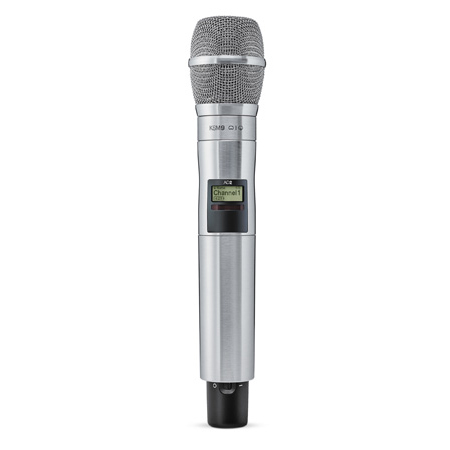
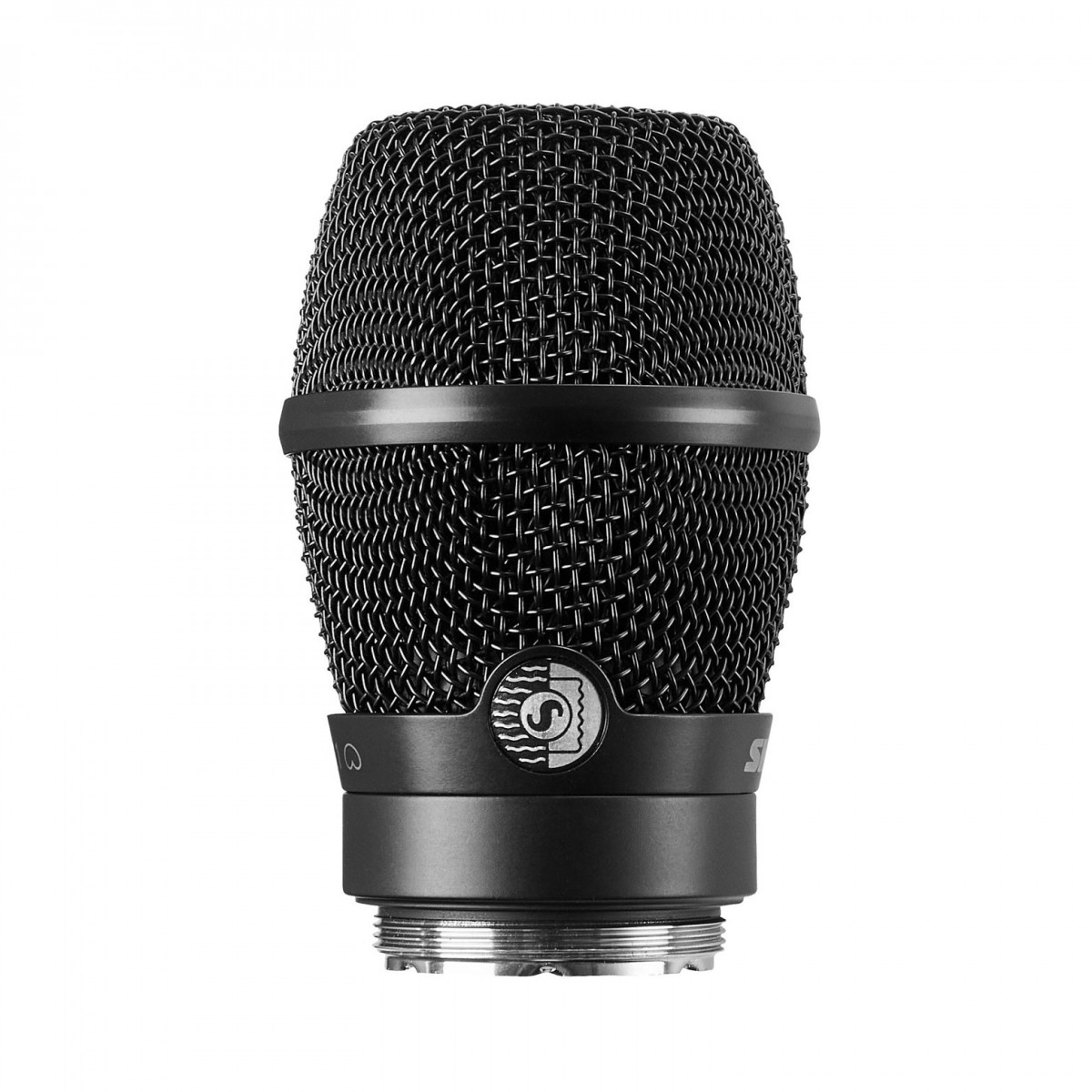
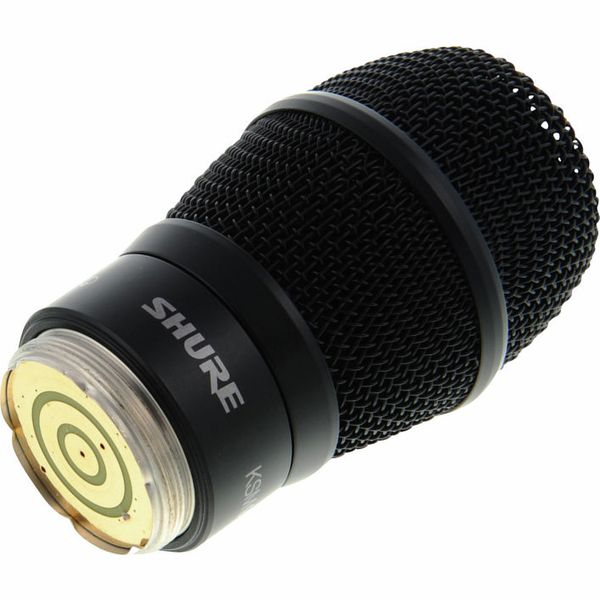
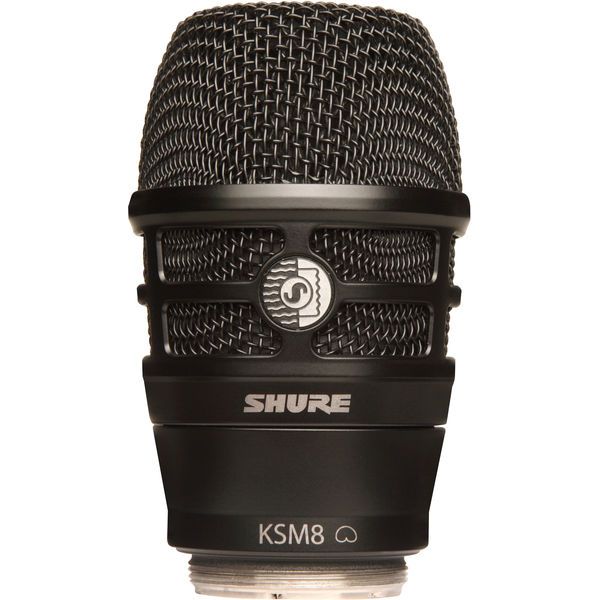
Condenser heads give the voice more detail and air. The KSM11 (AD2/K11, ADX2/K11, QLXD2/K11 and the separate RPW 192 capsule) is a cardioid condenser for singers who want a natural sound in the room. The KSM9 (AD2/K9N and the RPW 184 capsule) is a condenser whose pattern switches between cardioid and supercardioid. The RPW 174 is the KSM8 Dualdyne dynamic head, built to reduce proximity effect, the bass boost you get when a singer puts the mic right against the lips.
Renting a separate capsule makes sense when you already have the transmitter and the soloist asks for a favourite head. It screws on in seconds, but do it before the sound check, not during the show.
Batteries, frequencies and the sound check
Shure digital transmitters run on batteries or Shure rechargeable packs. For a long event, fit fresh batteries or fully charged packs before the start and keep a spare set at the desk. The Shure SBRC in the four-mic kit is a rack-mounted charger, so packs can be topped up during a break.
The more channels, the more frequency planning matters. The receiver can scan for a free frequency itself, but at a large event with other companies' wireless, in-ear monitors and a TV crew, agree the frequencies beforehand. Do the sound check with all microphones on at once and walk with a mic to the stage edge and the back of the hall to find spots where the signal drops or the speakers start to howl.