
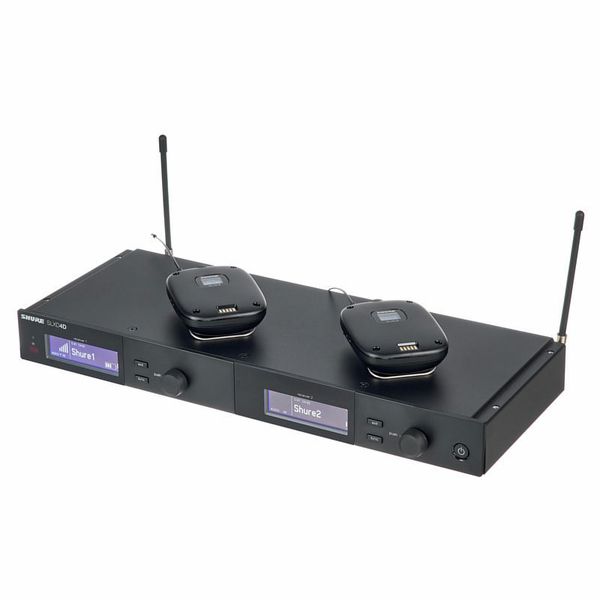



A headset needs a bodypack transmitter
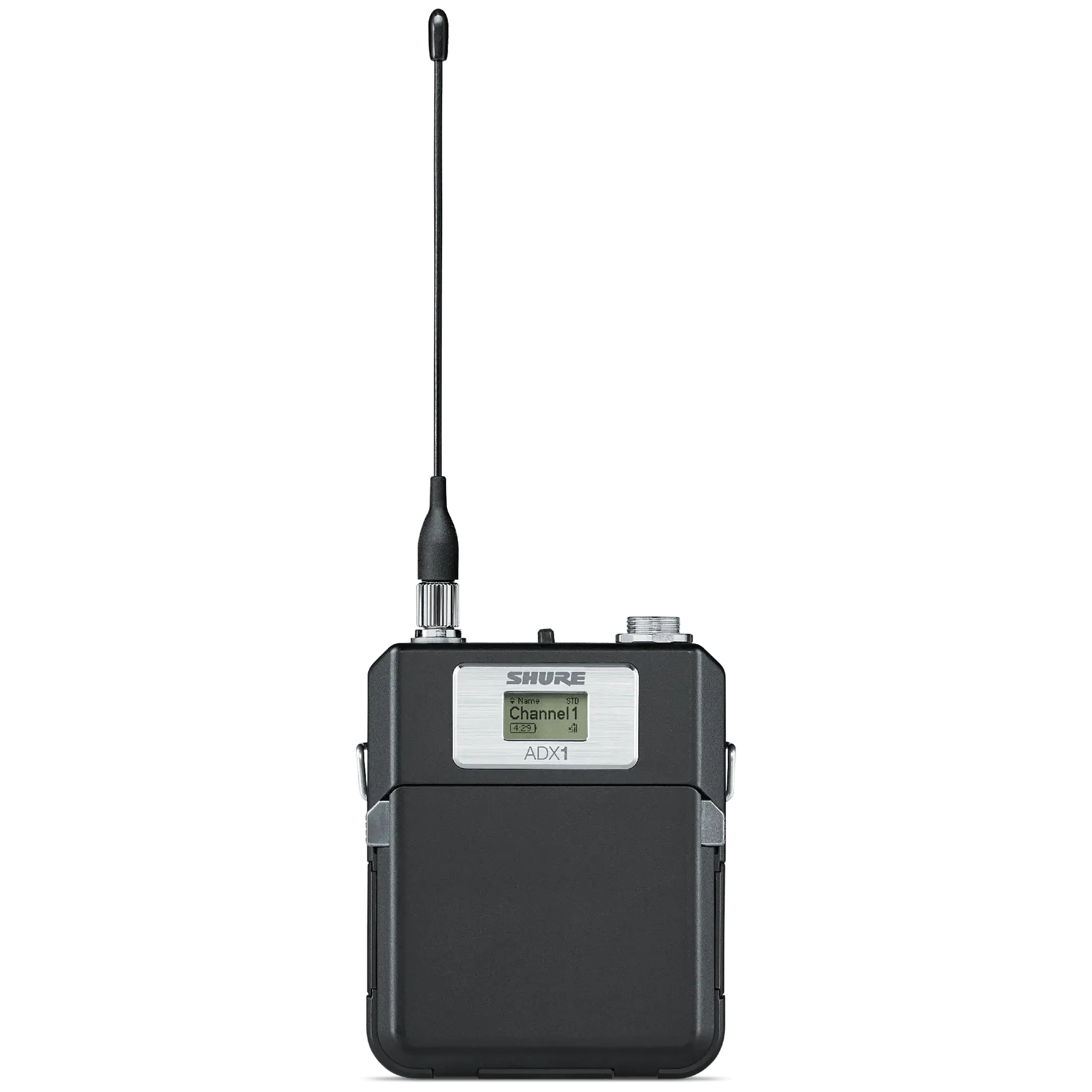
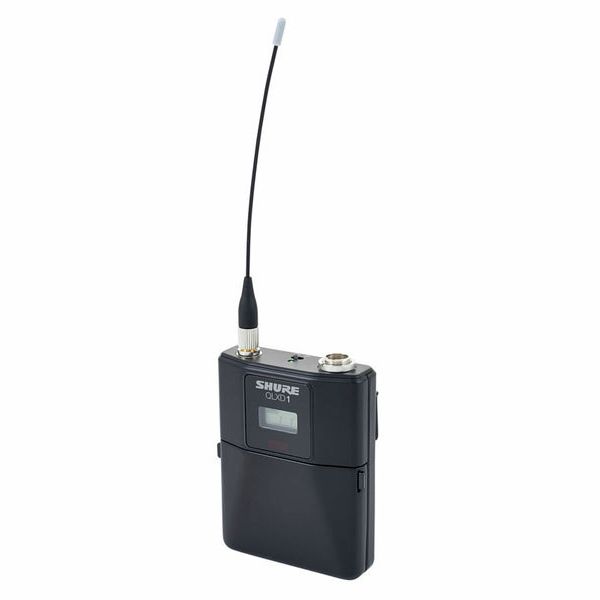
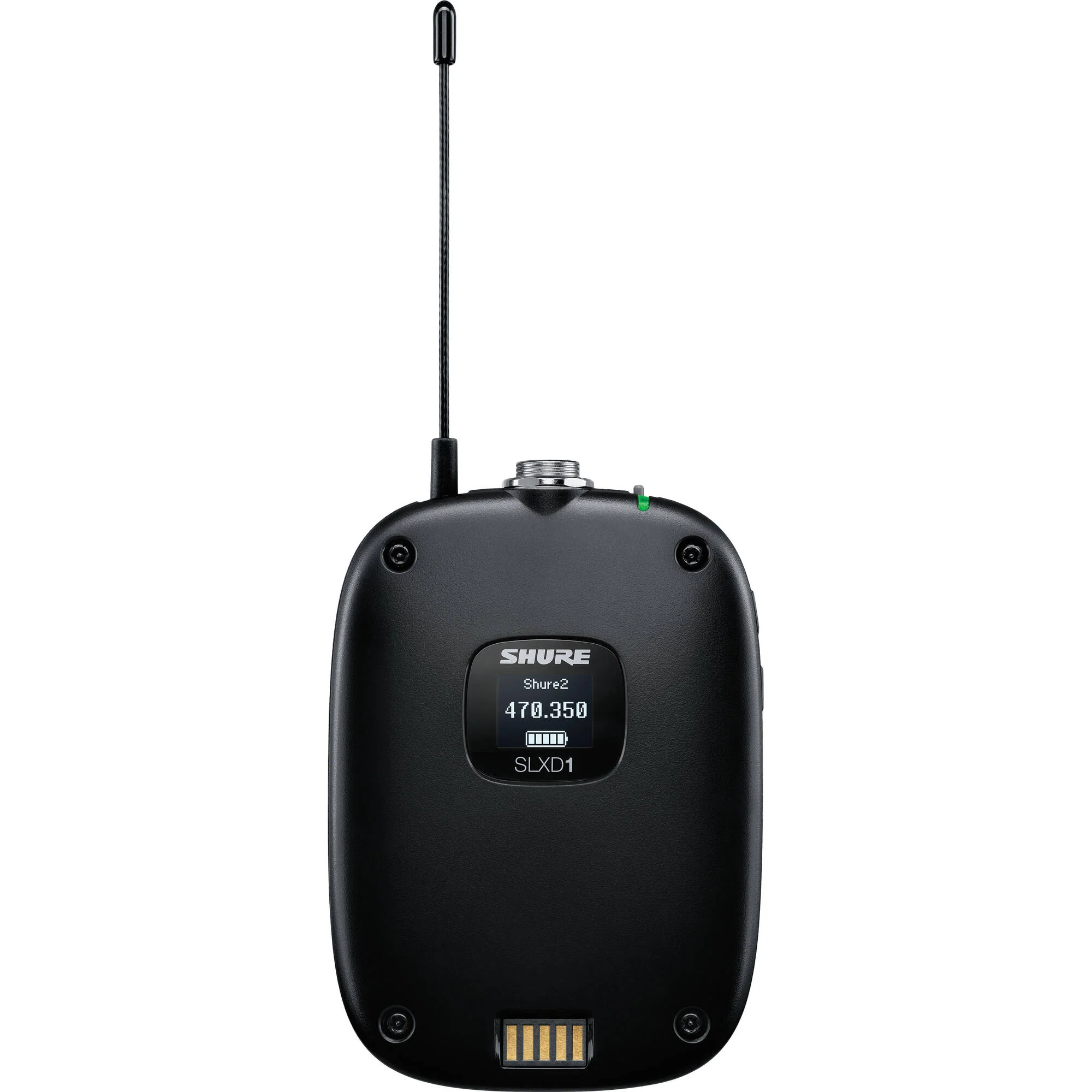
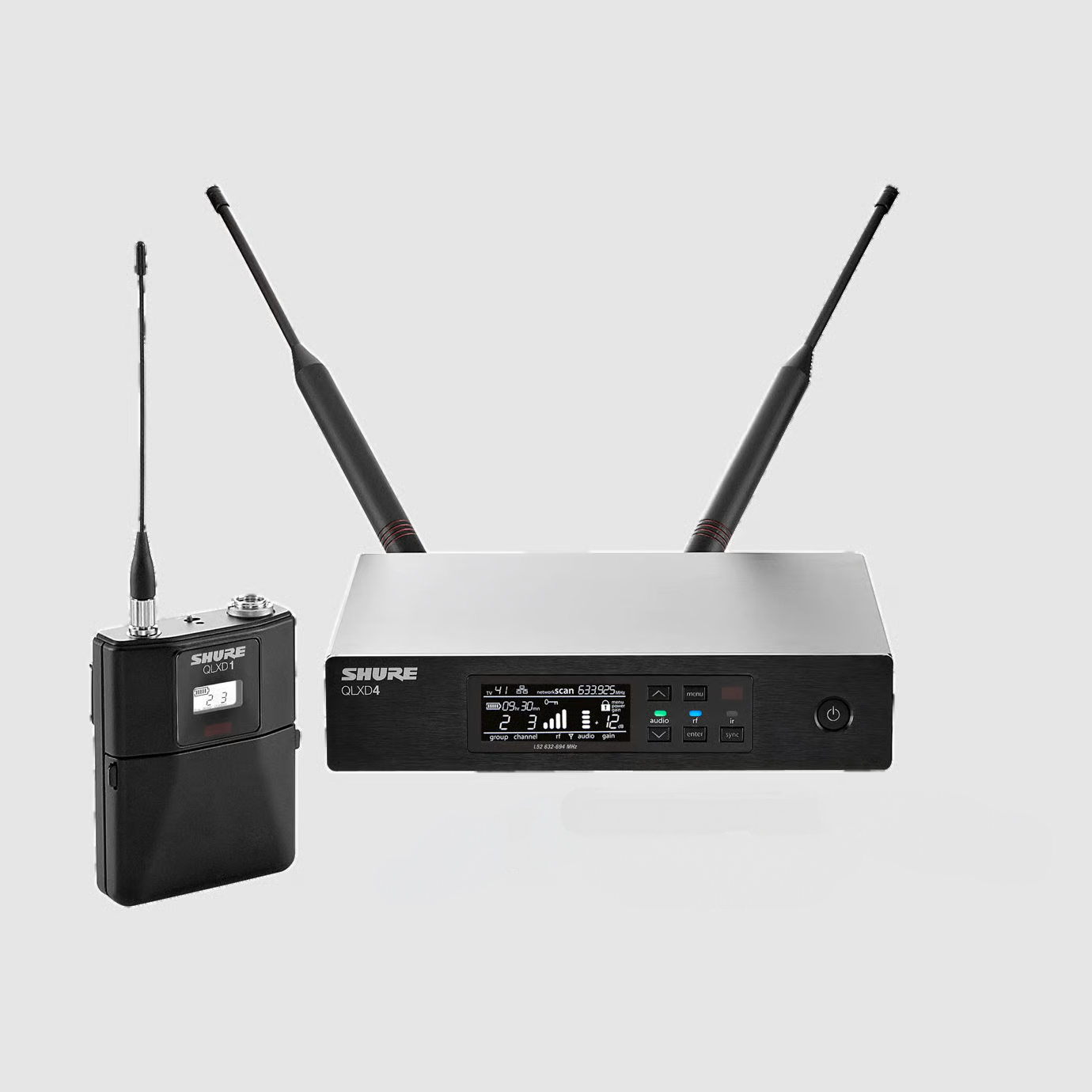
All three Shure headsets have a TA4F plug (TQG in the model name), which fits every Shure bodypack in the catalog. Which bodypack you pick depends on the receiver series you use, because SLX-D, QLX-D and Axient Digital are not cross-compatible.
The simplest option is a complete system with the receiver included. For four or more headsets, a four-channel SLXD4QDAN receiver with four SLXD1 bodypacks does the job.
- Shure SLXD14D: dual-channel receiver and two SLXD1 bodypacks, for two presenters.
- Shure QLXD14: one QLXD1 bodypack with its receiver, for one presenter.
- Separate SLXD1 and QLXD1: extra bodypacks for a receiver of the same series.
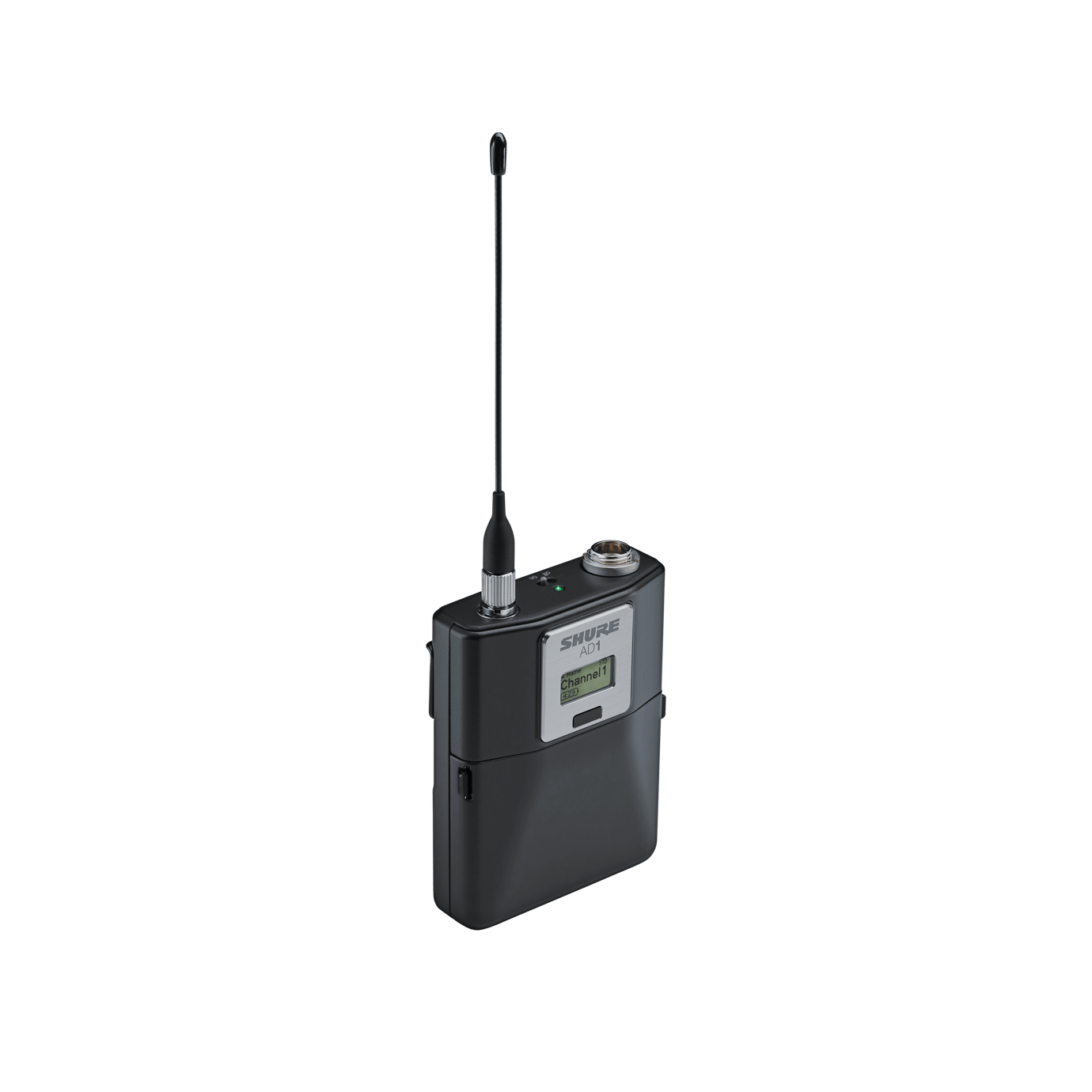
- Shure AD1 and ADX1: Axient Digital bodypacks for the AD4D and AD4Q receivers. The ADX1 has ShowLink remote control.
Three headsets and who they suit
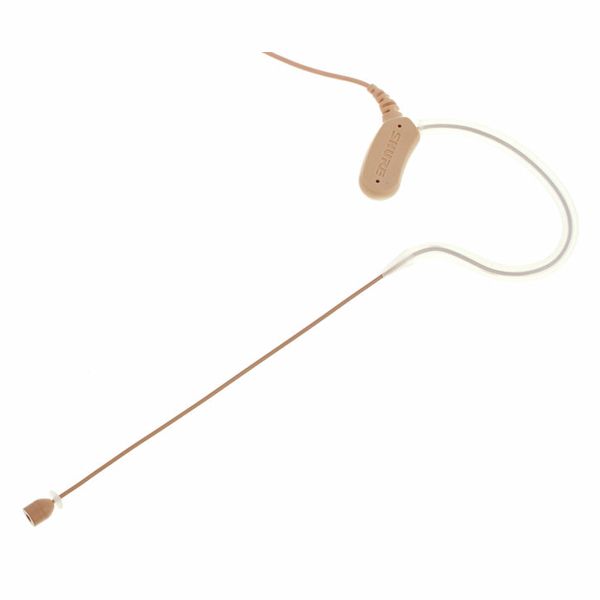
The Shure MX153T/O-TQG is an earset: a thin boom resting on one ear, in skin tone (the T), so it barely shows to the audience or camera. A good choice for conference and presentation speakers. The presentation kit for 150 people has two MX153 with an SLXD14D.
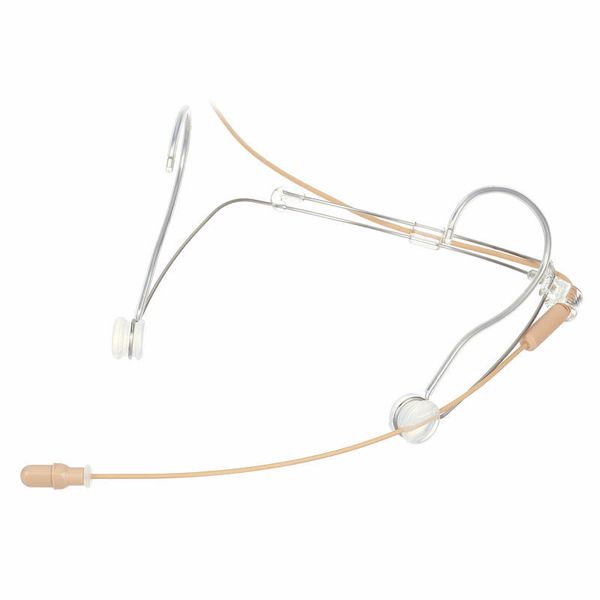
The Shure DH5T/O-MTQG is a subminiature headset from the DuraPlex line. DuraPlex capsules are built to cope with sweat and stage make-up, which is why theatres and musicals use them. The theatre headset kit has four DH5 with an SLXD4QDAN receiver, four SLXD1 bodypacks and antennas.
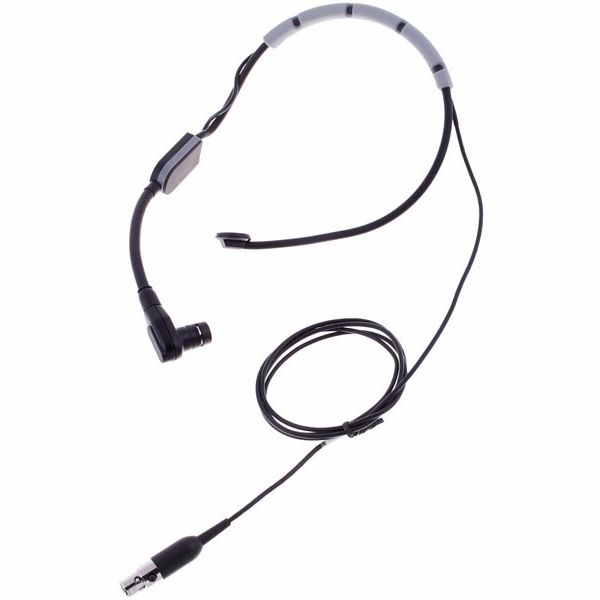
The Shure SM35-TQG is a cardioid condenser headset. Unlike the two omnidirectional models it picks up mainly from the front, so less surrounding noise gets in. It suits a singing drummer, a group fitness class with loud music and a singer standing in front of a wedge monitor.
Omnidirectional or cardioid capsule
An omnidirectional capsule (DH5, MX153) hears equally in every direction. It is easy to fit, because a small shift on the cheek does not change the sound, and the voice stays natural. In a quiet hall with speakers in front of the stage it is the best choice for speech.
On a loud stage, or when speakers and monitors are close to the performer, an omni capsule hears them too and feedback comes sooner. The cardioid SM35 is the safer pick there. Either way it helps to keep the speakers in front of the performer and stop them walking in front of the boxes.
How to fit a headset on a performer
The ear hook goes behind the ear and the capsule sits on the cheek near the corner of the mouth, not right in front where breath and plosives hit it. Tape or clip the cable behind the neck and down the back so it does not pull when the head turns. The bodypack goes on the belt or in a belt pouch at the back.
Fit the mic before the sound check and have the performer speak as loud as in the real show. In theatre, fit headsets before make-up and costume so cables stay under the clothes. The headset fitting guide has the step-by-step version.
How many channels, and which series
For a conference or school event SLX-D is the usual choice: two channels with an SLXD14D or four with an SLXD4QDAN. One speaker or instructor needs just a QLXD14. For a large musical or a broadcast with ten or more headsets, Axient Digital AD1 or ADX1 bodypacks with AD4Q receivers are safer, because the system copes better with crowded airwaves.
Plan one channel per person speaking at the same time. If there are more actors than bodypacks, mics must be swapped between scenes, which needs someone backstage and a proper plan. Change batteries in the interval too, so the second act does not run on a half-empty pack.