How many microphones does a conference need
The most common mistake when renting conference sound is underestimating the number of microphones. The programme lists three speakers, but on the day it turns out the moderator needs one of her own, four people sit on the panel and the audience wants to ask questions. Here is a simple way to count, plus a few things worth thinking about before the day.
Count roles, not people
There may be ten speakers over the day, but rarely more than four or five people talk on stage at once. The number of microphones is set by how many people must be ready to speak at the same moment, plus a spare. One microphone is handed to the next speaker during the changeover.
Beyond the microphones on stage, think about whether the welcome is also heard in the foyer, whether workshops run in parallel in other rooms and whether an interpreter needs a microphone of their own. Every parallel room is a small sound system in its own right, with its own microphones and speakers.
- Moderator: one microphone of their own, usually a headset or handheld they keep all day.
- Presenter: one headset, with a second already fitted on the next speaker so the handover happens without a pause.
- Panel of four: four microphones, plus the moderator's.
- Audience questions: one or two handhelds carried around the room.
- Spare: at least one handheld on the table that can be switched on in seconds.
Typical setups
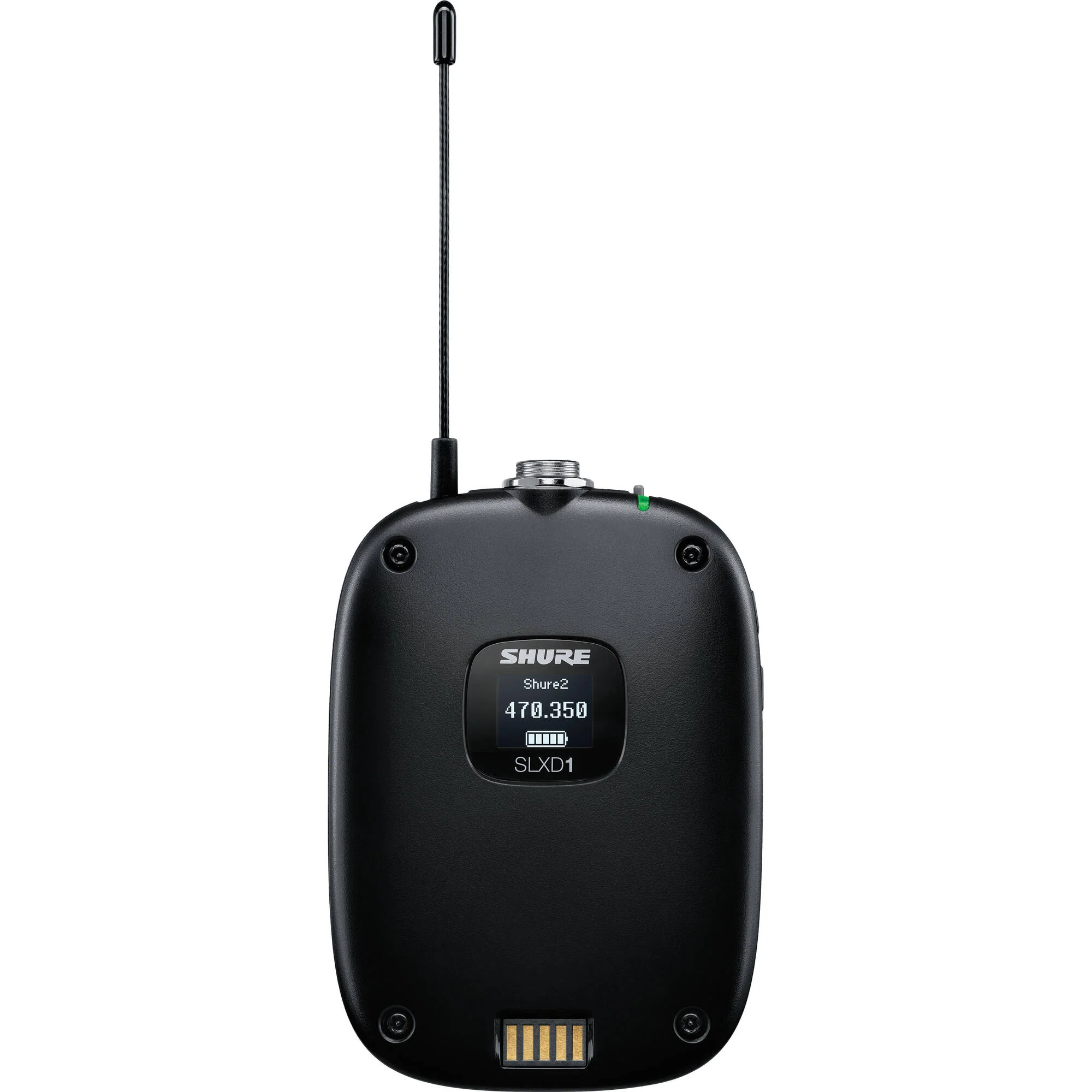
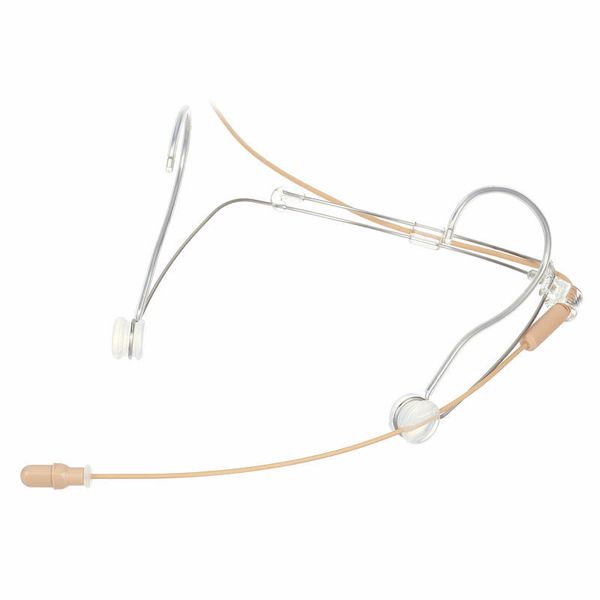
Seminar for up to 150 people, one speaker at a time and questions from the floor: two headsets on bodypack transmitters and two handhelds. That is exactly how the Presentation and seminar kit for up to 150 people is assembled: a Shure SLXD14D with two bodypacks, MX153T headsets and an SLXD24D/B58 with two handhelds. Four channels, all usable at any moment.
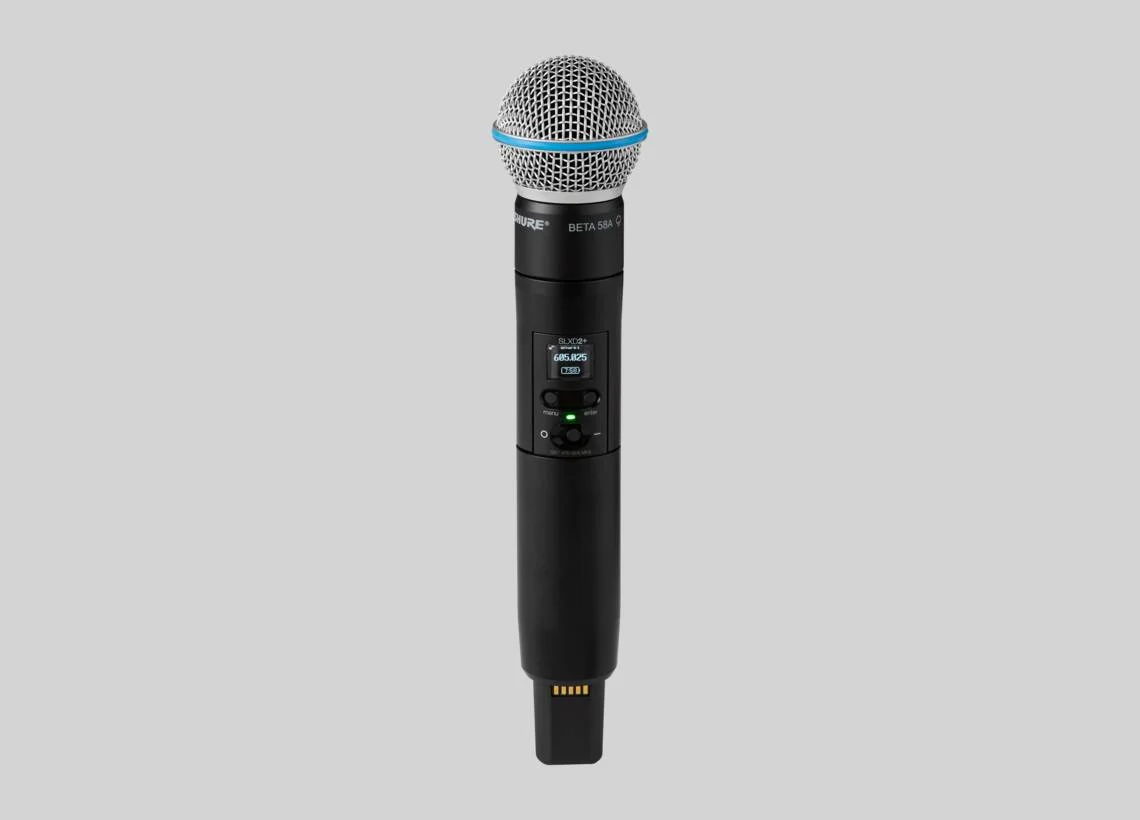
Conference for 300 people with a panel: four channels from one Shure SLXD4QDAN receiver, two DH5T headsets for the presenters and two SLXD2/B58 handhelds for the audience, as in the Conference kit for up to 300 people. If the panel has four members plus a moderator, add a second four-channel set, for example the Four wireless handheld microphones kit.
How many channels a receiver gives
Every microphone that is live at the same time needs its own channel in a receiver. A Shure SLXD24D gives two channels, an SLXD4QDAN gives four in one unit. There can be more transmitters than channels as long as they do not run together: two headsets on one channel, where the next speaker switches theirs on only after the previous one has switched off, is a common and economical conference trick, but it needs discipline.
From four channels upwards we recommend an antenna distributor and directional antennas, the Shure UA844+ and UA874WB, which are already included in our four-channel kits. They keep the link solid even when a speaker walks to the back of the hall.
Charging and batteries on a long day
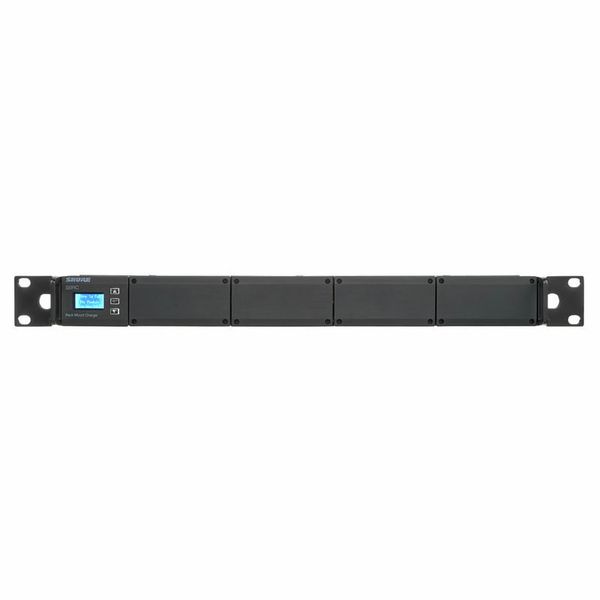
A conference day runs eight hours and a wireless microphone will not last that long without a charge or a battery change in between. Plan for all transmitters to go on the charger or get fresh batteries at lunch. The Shure SBRC battery rack charger is in our four-handheld kit for exactly that.
Good practice: at the start of each session the technician checks the battery level on the receiver display and swaps any doubtful transmitter straight away, not when it goes silent in the middle of a talk.
Laptop audio, recording and streaming
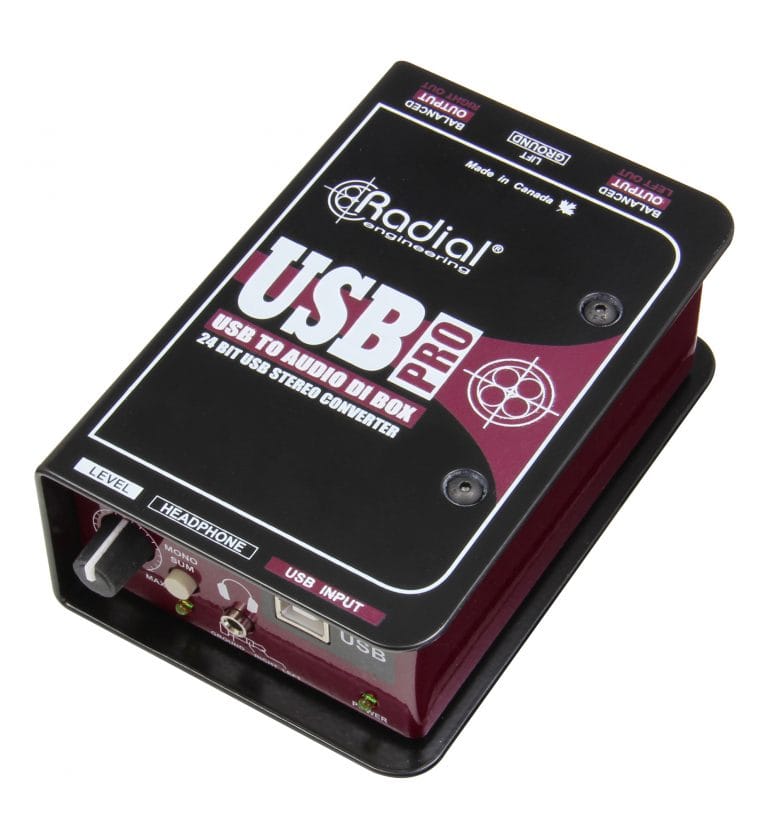
Almost every talk has a video whose sound must reach the speakers. For that the kits include a Radial USB-PRO DI box, which takes audio from the laptop over USB and feeds the mixer a clean balanced signal without hum. For the backup laptop there is a Palmer PLI-04 passive stereo DI box, so a presenter can plug in from a 3.5 mm jack.
If the talks are recorded or streamed, a digital mixer is a real advantage. The Yamaha DM3 in the conference kit and the Soundcraft Ui24R provide a separate recording output, and the SLXD4QDAN receiver can pass its audio straight onto a Dante network, from which a recording can be made or a feed handed to the streaming crew. Tell us when ordering whether recording is planned and we will configure the right output and cables.