Batteries in wireless microphones: how to avoid a flat one on stage
The most common reason a wireless microphone goes silent mid-speech is not radio interference or a broken mic, but a flat battery. It is easy to avoid if batteries have a fixed routine: who changes them, when, and where the spares come from. This guide is for anyone whose sound equipment rental includes handhelds, headsets, lavaliers or in-ear monitors, and especially for those running an event without a technician. We do not give a number for battery life, because it depends on the system, the battery type, the temperature and the settings. The right routine does not need that number: start with full batteries and read the level on the receiver.
What needs a battery
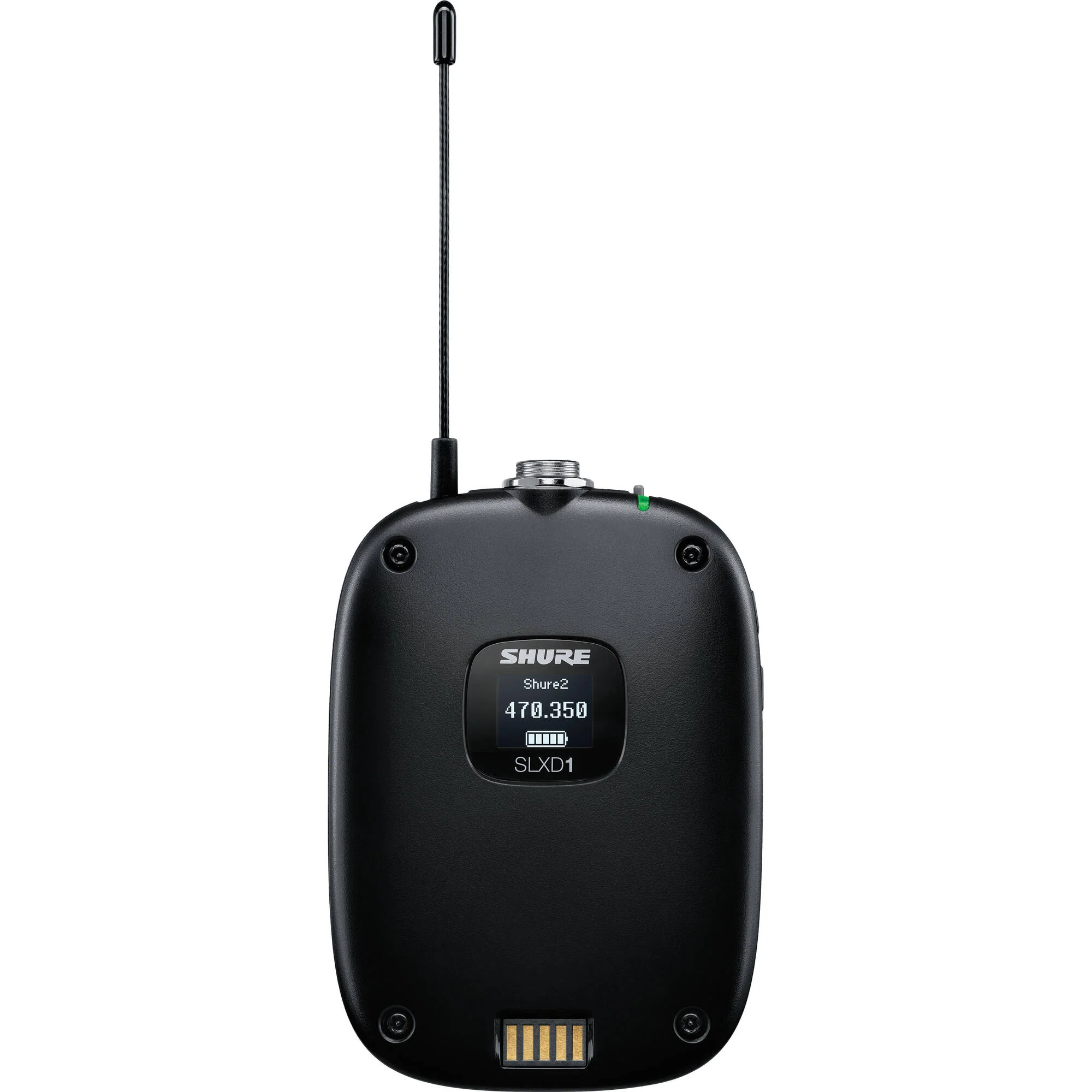
In a wireless system only the part that moves with the person needs its own power. The receiver is on mains power; the transmitter runs on a battery. In a handheld, such as the mic in a Shure SLXD2/B58 or QLXD24/B58 system, the battery sits in the handle. Headsets and lavaliers plug into a bodypack transmitter such as the SLXD1, QLXD1 or ADX1, which clips to a belt or clothing.
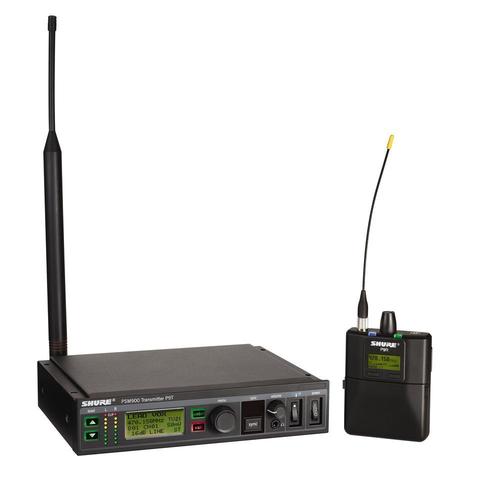
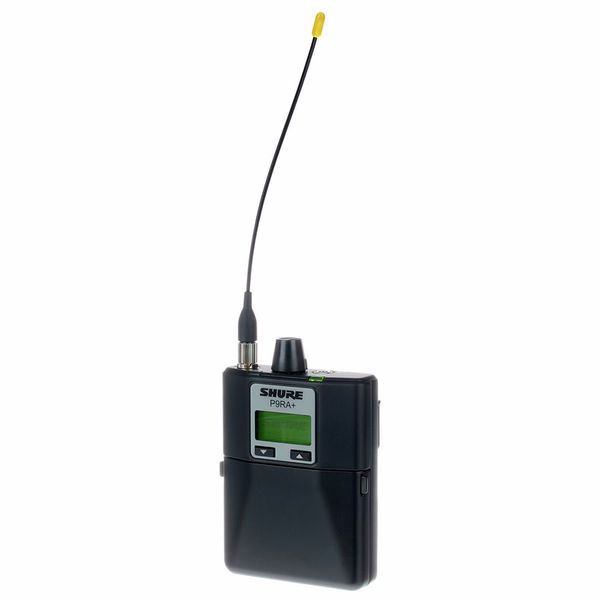
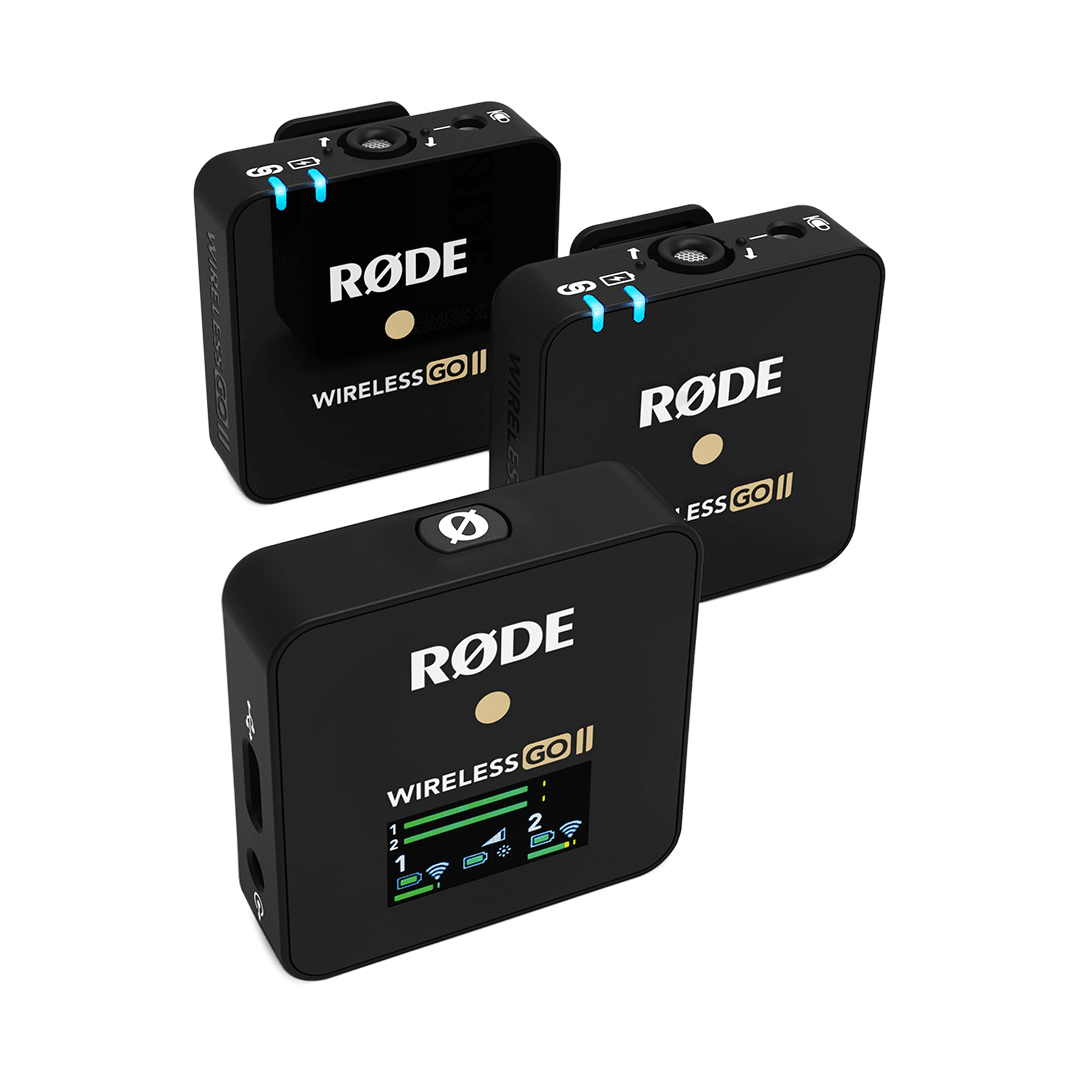
Do not forget the in-ear monitors. The musician's Shure P9RA+ bodypack receiver also runs on batteries, and when it goes flat the whole monitor mix disappears from their ears. Small systems such as the RØDE WIRELESS GO II have a built-in battery that must be charged before the event.
- Handheld transmitter: battery in the handle.
- Bodypack for a headset or lavalier.
- In-ear monitor bodypack receiver.
- Camera and interview systems with built-in batteries.
Disposable or rechargeable, and how
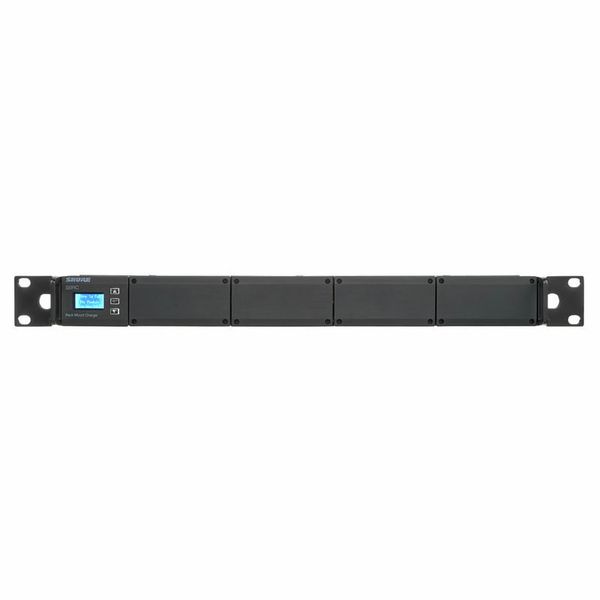
Many Shure transmitters run on standard AA batteries or on Shure rechargeable packs. The advantage of the packs is that the receiver shows more precise information about remaining time. The "Four wireless handheld microphone kit" comes with a Shure SBRC charging rack for this, where the packs go back after the event or in a break.
If you use AA batteries, take new ones for every event, all alkaline from one maker. Never mix old and new cells, or alkaline and rechargeable, in one transmitter. On some transmitters you can set the battery type in the menu so the meter reads correctly; check that setting if you switch type.
Before the event: start full
The simplest rule: every event starts with fresh batteries or fully charged packs. A half-used battery that still worked yesterday is the biggest risk. If the event runs all day or two days in a row, plan the swap in advance.
Put rechargeables on charge the evening before, not the morning of setup. The charger shows which ones are full. If transmitters are used both in the rehearsal and in the evening, remember the rehearsal drains batteries too. Switch transmitters off between rehearsal and show.
During the event: watch the receiver, not the mic
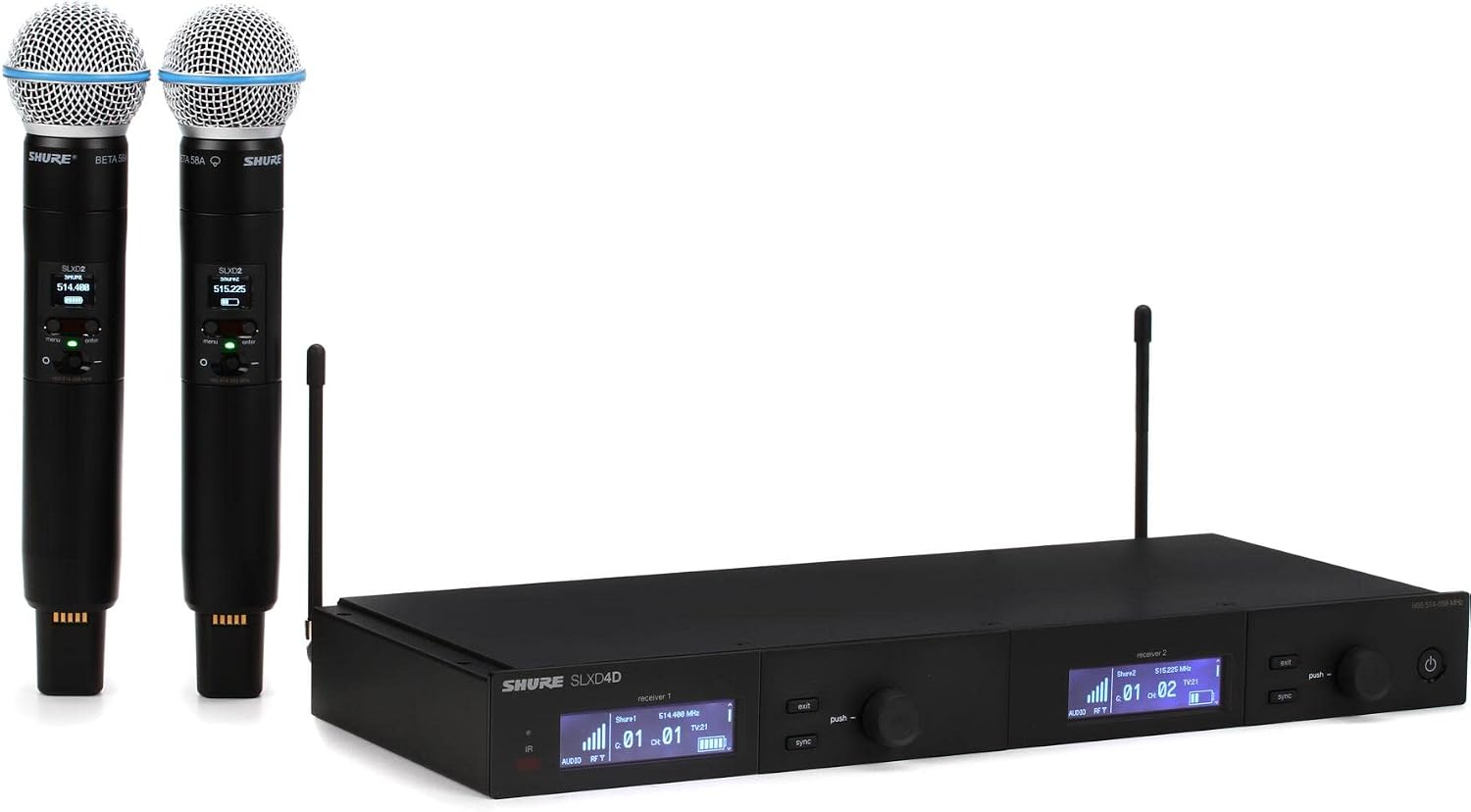
Transmitters have a battery meter too, but nobody can see a transmitter on stage. The receiver display by the mixer shows each channel's battery level, and that is where to look. Shure digital receivers such as the SLXD4QDAN show all four channels on one screen.
Decide who watches the receivers. At an event without a technician, that is usually whoever plays the music or runs the mixer. Check levels before each part of the programme and in every break. If a level is low, swap in the break, not when the warning is already flashing.
Spares and swapping
Spare batteries belong next to the mixer, not in the car or the storeroom. Keep them in a box, with a second box for used ones so nobody puts them back by mistake. With rechargeables, keep the charger switched on nearby so flat packs can be exchanged in the break.
Practise the swap before the event. On a handheld you usually unscrew the handle; on a bodypack you open the battery door. After swapping, switch the transmitter on, check the receiver sees the signal, and say one sentence into the mic. Tell anyone wearing a headset in advance that someone will come to swap the pack in the break.
- Spares by the mixer, in a labelled box.
- Used batteries in a separate box.
- After a swap: on, signal check, one sentence.
- Tell the performer when and who will swap.
Cold, outdoors and long days
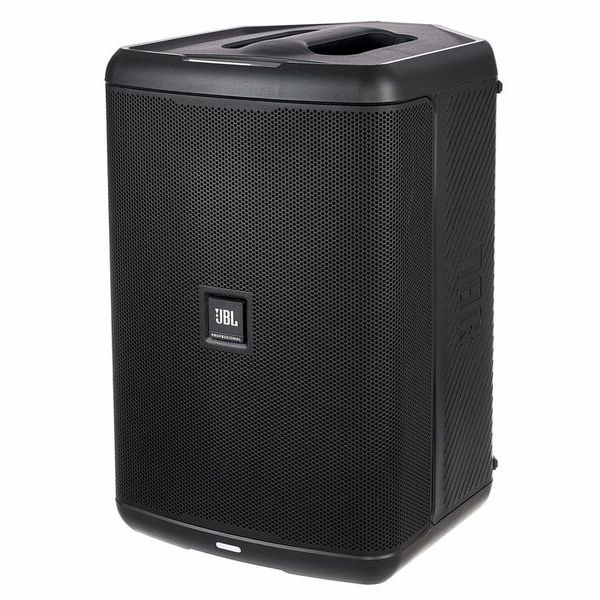
Batteries and rechargeables drain faster in the cold. At an outdoor event in late autumn or winter, keep spares warm, indoors or in a pocket, and check levels more often than in a hall. The same goes for battery-powered speakers such as the JBL EON COMPACT ONE in the "Battery-powered speech kit for outdoors": charge them fully and keep mains power at hand where possible.
For a long conference day or a festival, make a swap plan: which transmitters are changed in which break. It takes a few minutes and makes sure all batteries do not go flat at once. The wider organisation of a conference is in the guide "Conference audio: a checklist for the organiser".
After the event
Take AA batteries out of the transmitters before returning or storing the gear. A battery left in a transmitter can leak and damage the contacts. Put rechargeable packs back on the charger.
Take used batteries to a collection box, not household waste. If a transmitter behaved oddly during the event, for example the level fell unexpectedly fast, mention it when you return the gear so it can be checked before the next rental.