
Three lavaliers in the catalog
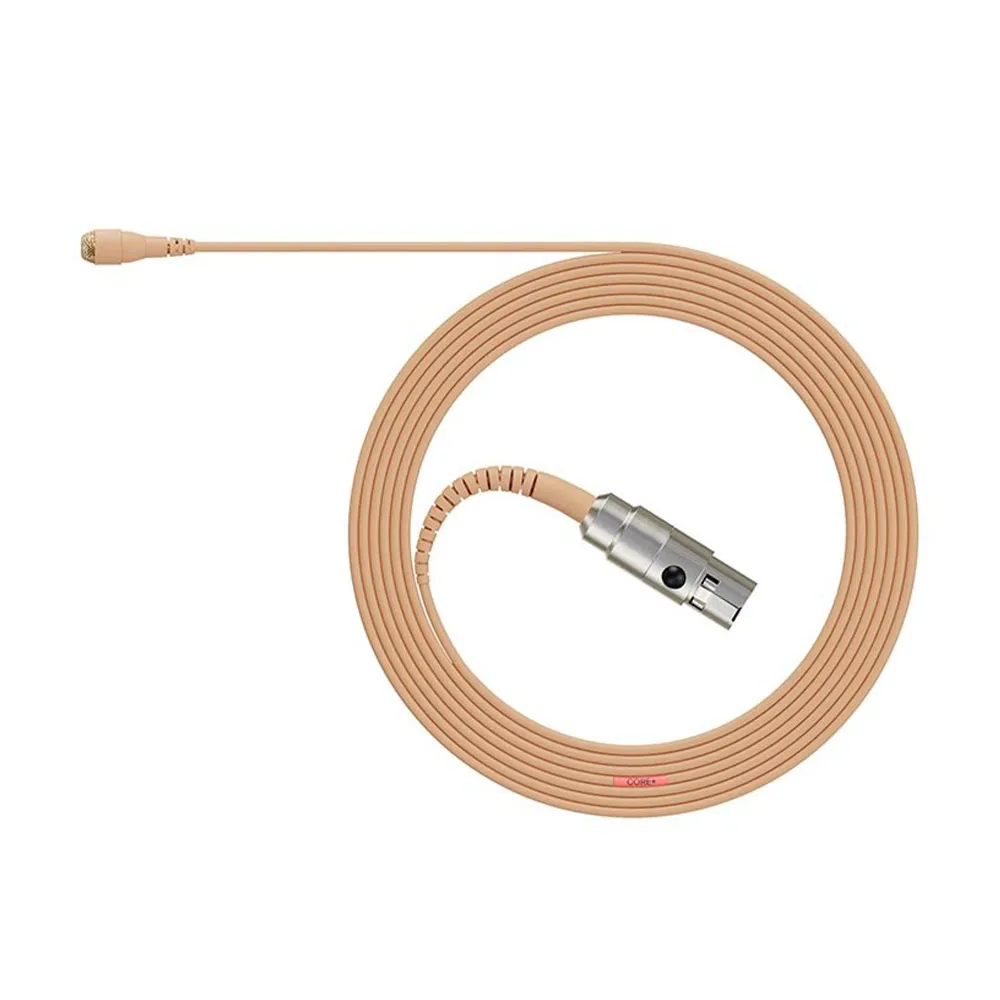
The DPA 4061 Core is an omnidirectional condenser clip mic from the Danish maker DPA. It gives a very natural voice and is a good choice when the speech is also recorded or streamed. DPA uses its own small connector, so plugging it into a Shure bodypack needs an adapter: note in the request which transmitter you will use it with.
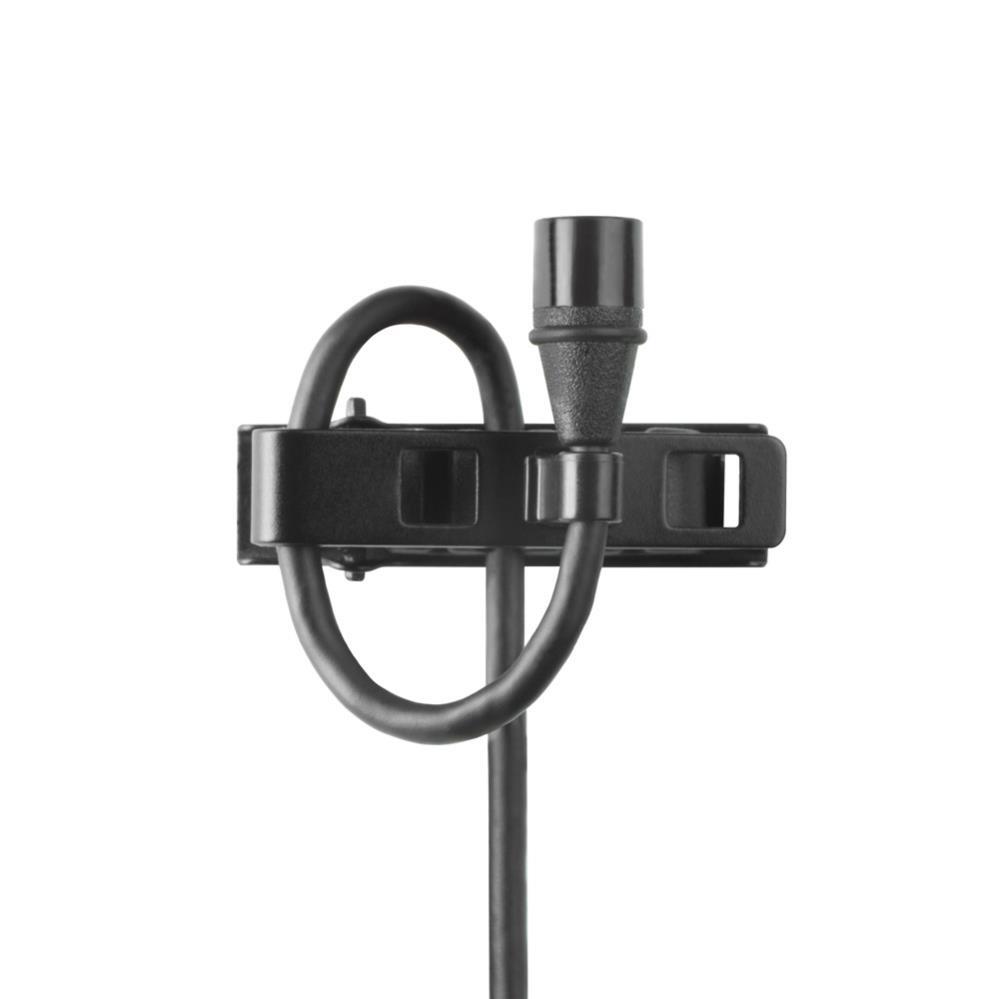
The Shure MX150B/O-TQG is a subminiature omnidirectional lavalier with a black body (B) and a TA4F plug that goes straight into any Shure bodypack. It is the simplest choice for a church, a talk or a panel where the mic just has to work.
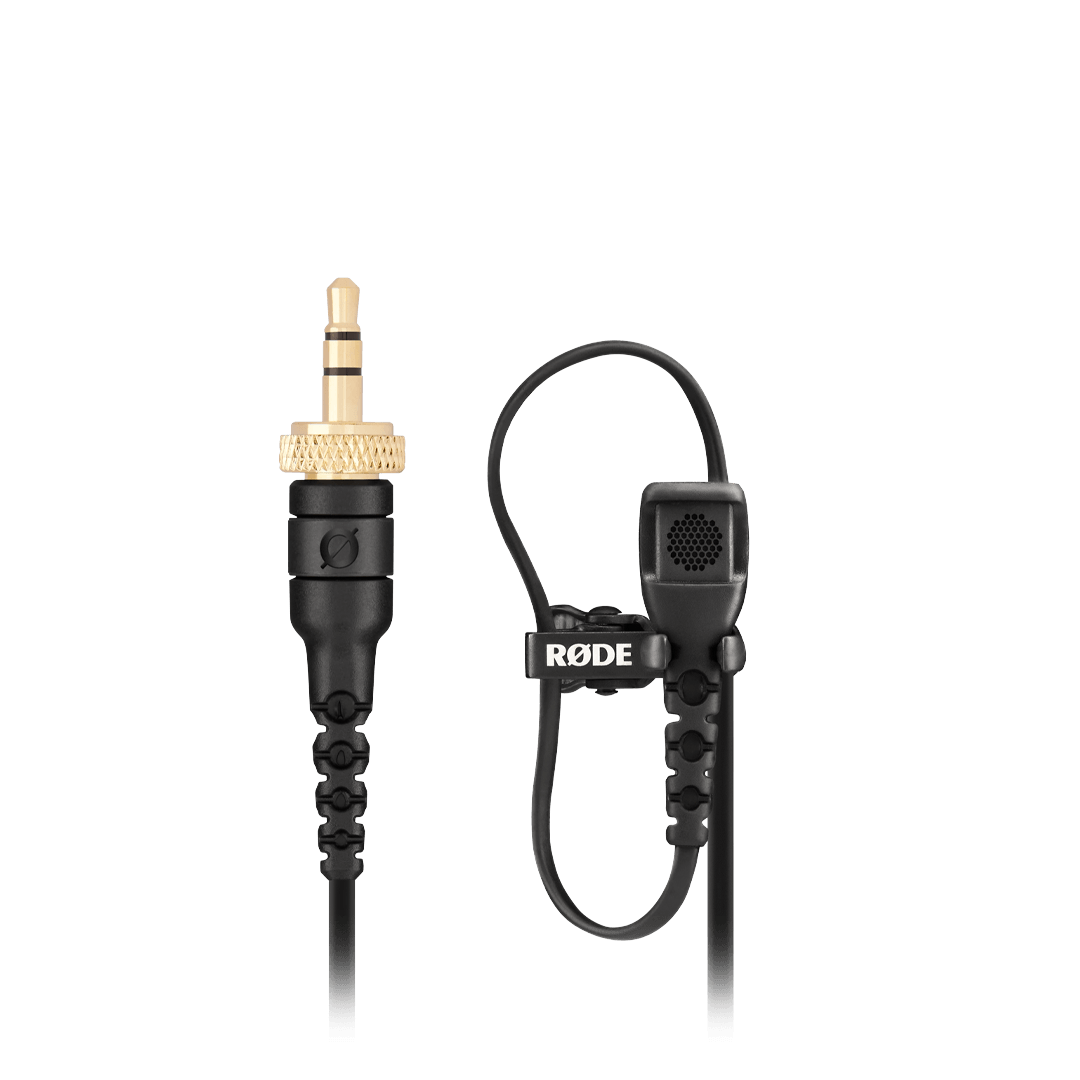
The RØDE Lavalier II is a low-profile lavalier with a 3.5 mm plug. It is meant for the RØDE Wireless GO II transmitter and for cameras or recorders, not for Shure bodypacks.
For the PA: Shure bodypacks
When the speech has to come out of the room's speakers, the lavalier plugs into a Shure bodypack and the receiver feeds the mixer. The bodypack follows the receiver series, because the series do not work with each other.
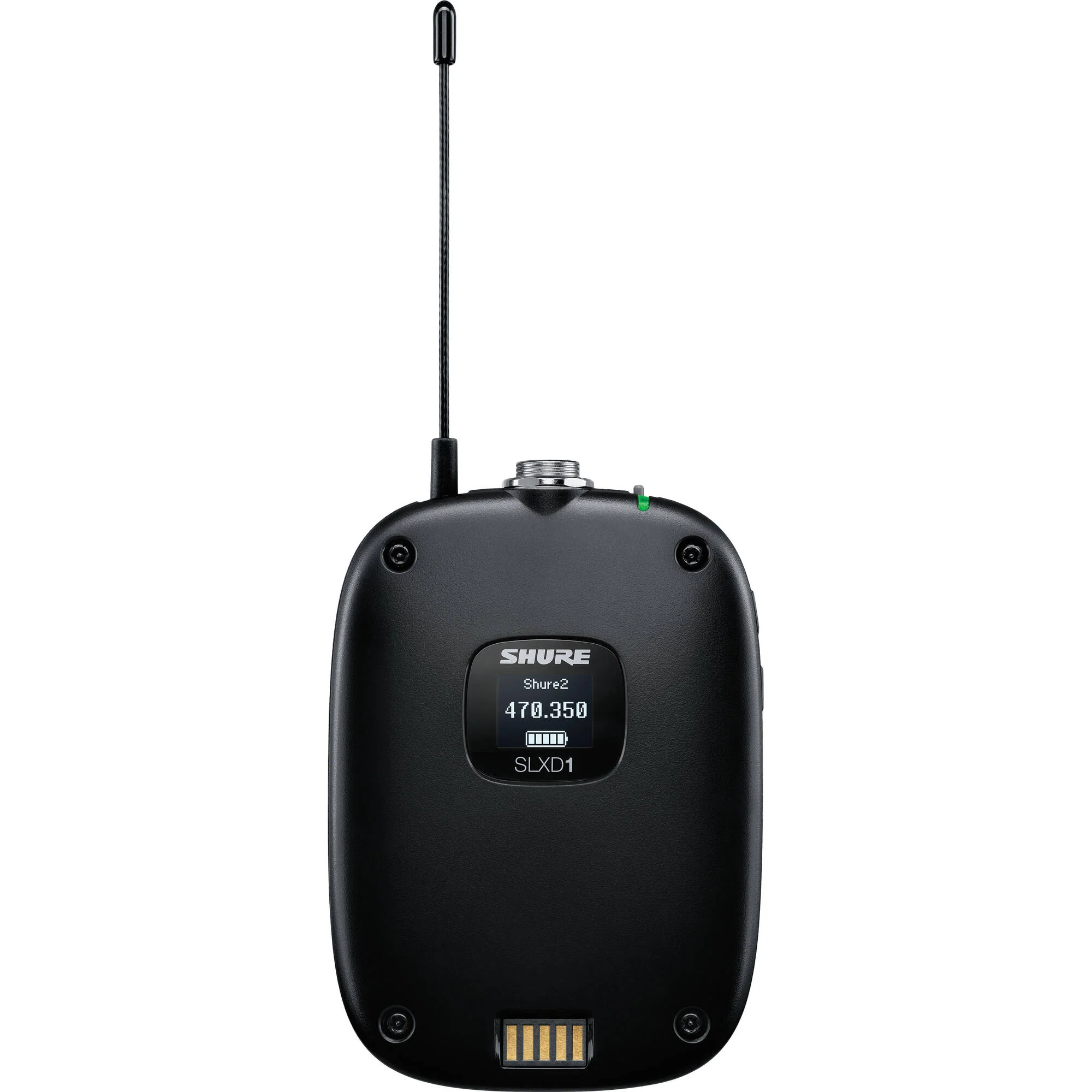
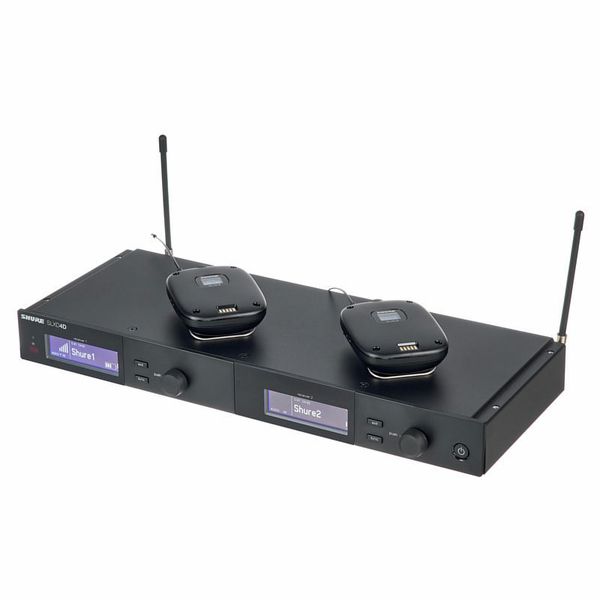
- SLXD14D: two SLXD1 bodypacks and a dual-channel receiver, for example for a preacher and a host.
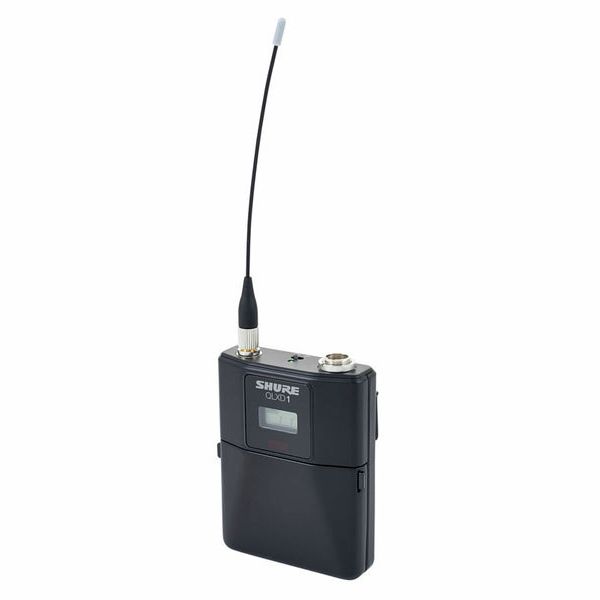
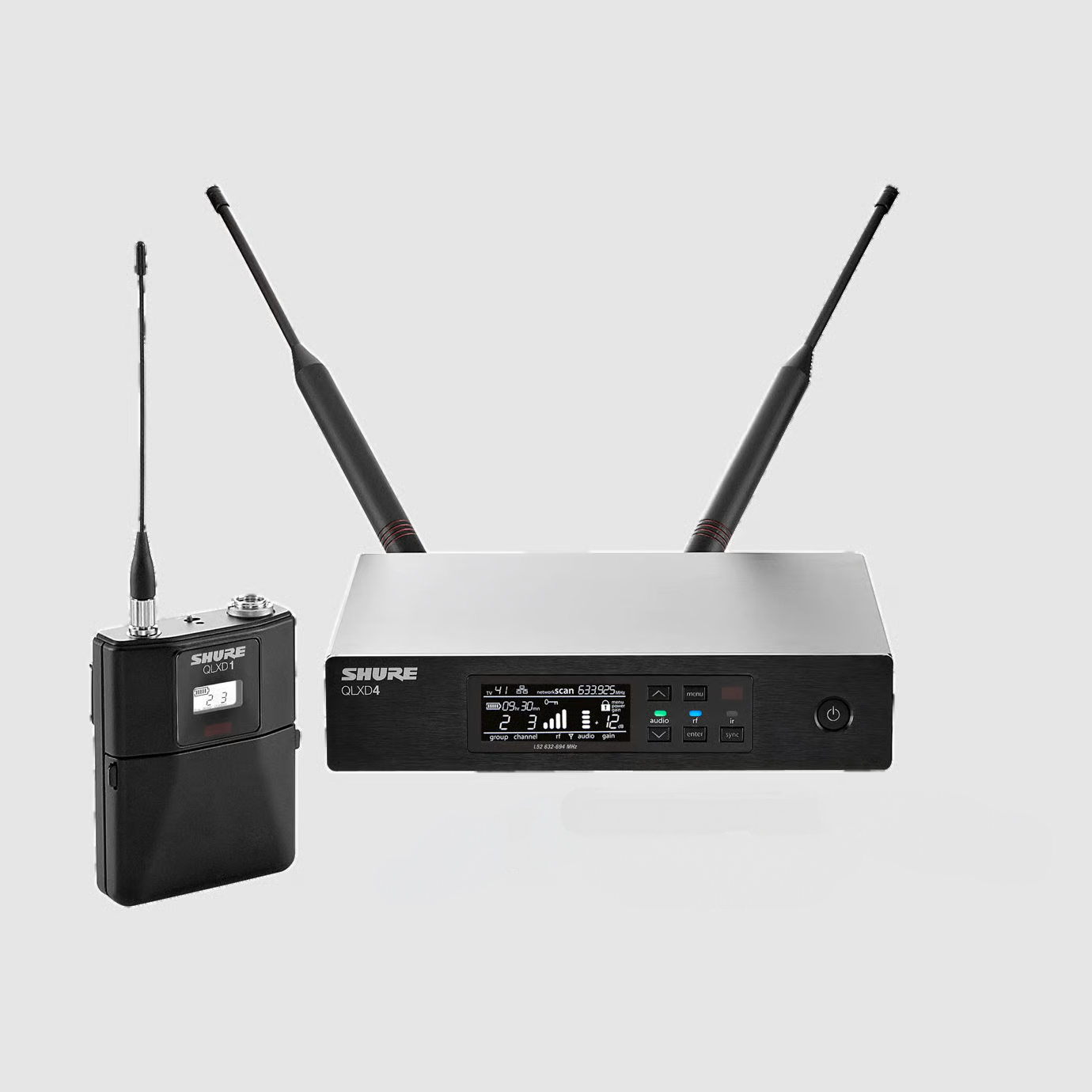
- QLXD14: one QLXD1 bodypack with its receiver, for a single speaker. In the ‘Wedding sound kit’ it is meant for the officiant.
- SLXD1 and QLXD1 on their own: an extra bodypack for a receiver of the same series, such as a free channel on an SLXD4QDAN.
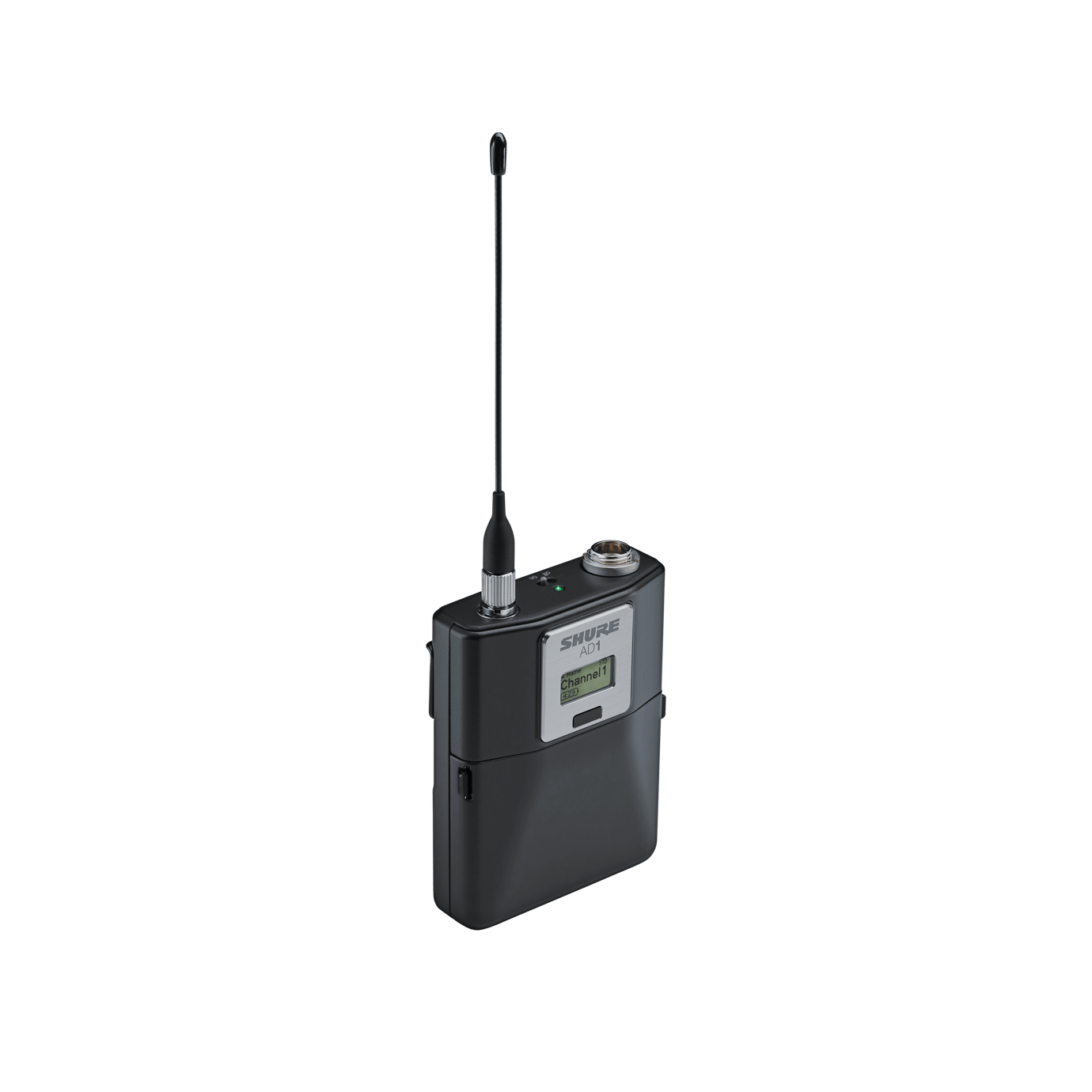
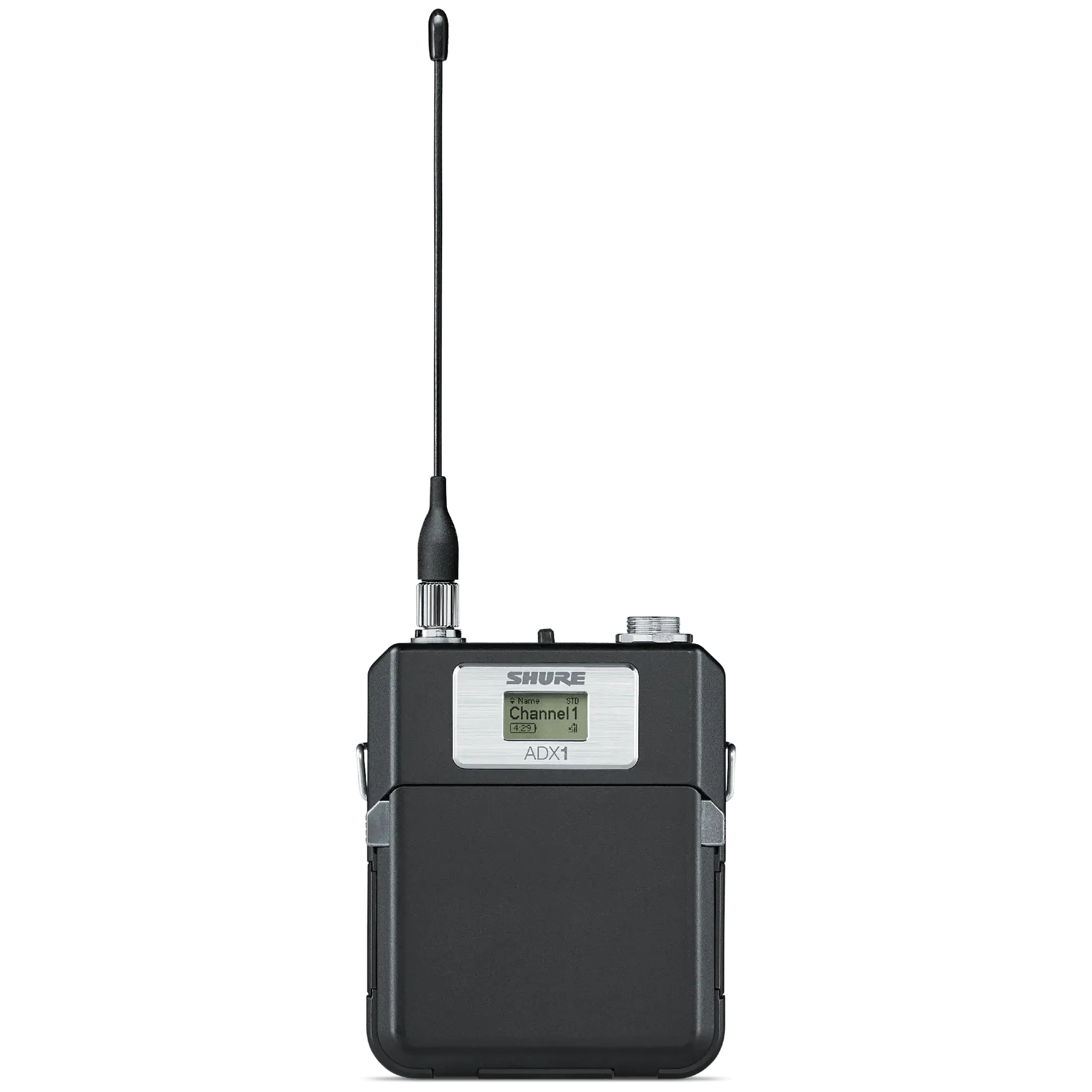
- AD1 and ADX1: Axient Digital bodypacks for AD4D and AD4Q receivers, and for the portable ADX5D receiver on a film set.
For video: RØDE Wireless GO II
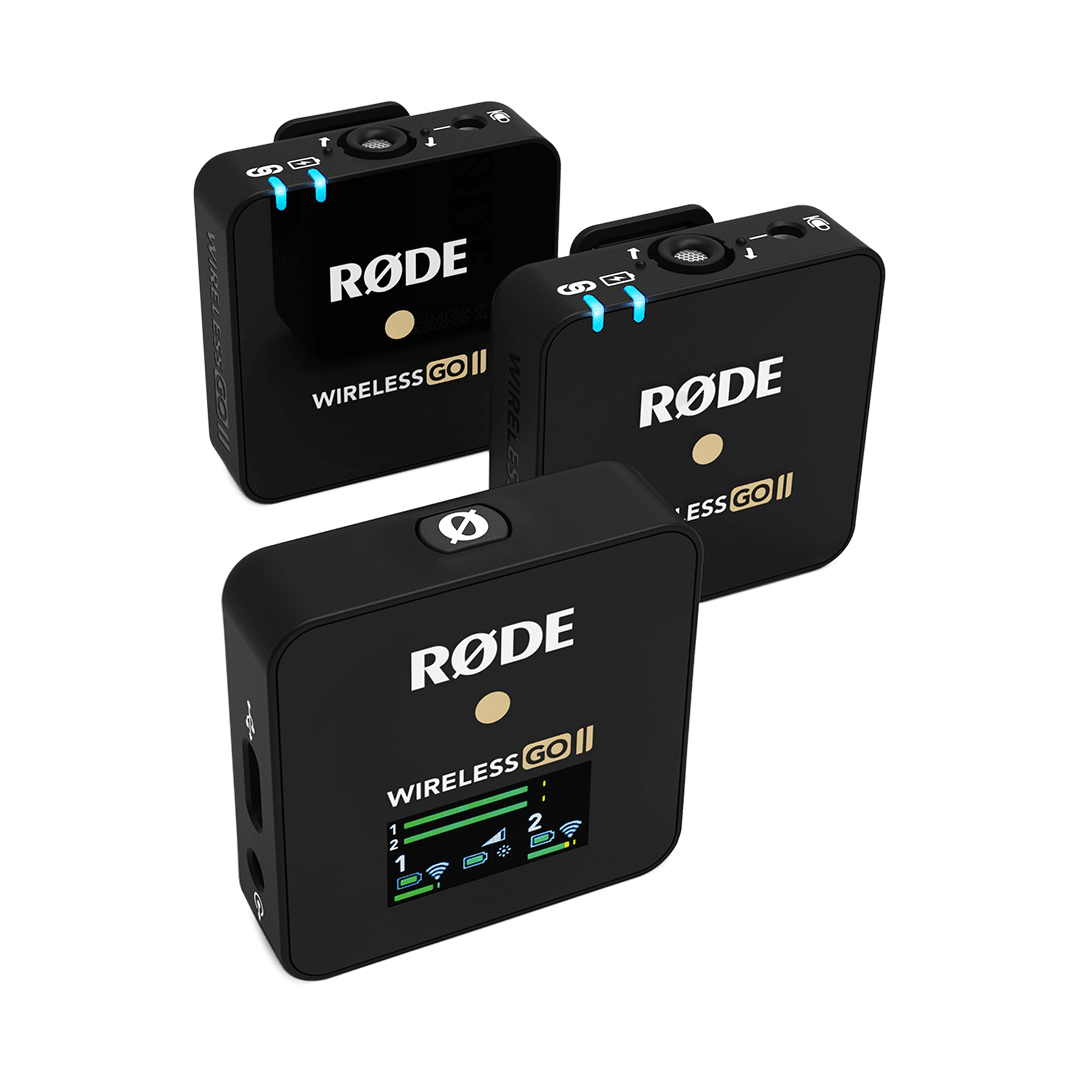
The RØDE Wireless GO II is a compact two-person system: two small transmitters with built-in mics and one receiver that mounts on the camera. You can clip the transmitter directly to clothing, or plug the RØDE Lavalier II into it when the mic must stay hidden. According to the catalog the system can also record on its own, a useful backup if the camera audio fails.
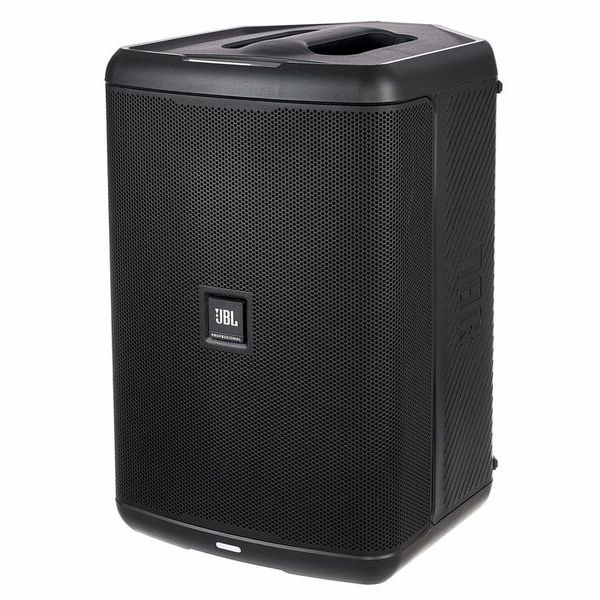
The same system is in the ‘Battery-powered speech kit for outdoors’ with two JBL EON ONE COMPACT speakers, for outdoor events without mains power. For a larger room and several speakers, a Shure system and a mixer are still the better route.
Where to clip a lavalier
The best spot is the middle of the chest, about a hand's width below the chin, so turning the head left or right does not change the voice much. If the speaker turns more to one side, towards a screen for example, clip it on that side.
The most common problem is clothing noise. A scarf, tie, necklace or stiff collar rubbing against the capsule comes through the speakers as scratching. Run the cable under the clothes with a small loop so any pull does not reach the capsule, and check before the sound check whether the speaker's movements make noise.
When a lavalier is the wrong choice
Because a lavalier is far from the mouth, the mixer has to amplify it more. With loud music, wedge monitors or a very large hall, feedback comes sooner than with a headset or handheld. Lavaliers are generally not for singing.
Outdoors the wind blows straight into the capsule, so you need a windscreen and preferably a headset. If the speaker talks quietly or turns their head a lot, consider a headset such as the Shure MX153 too.