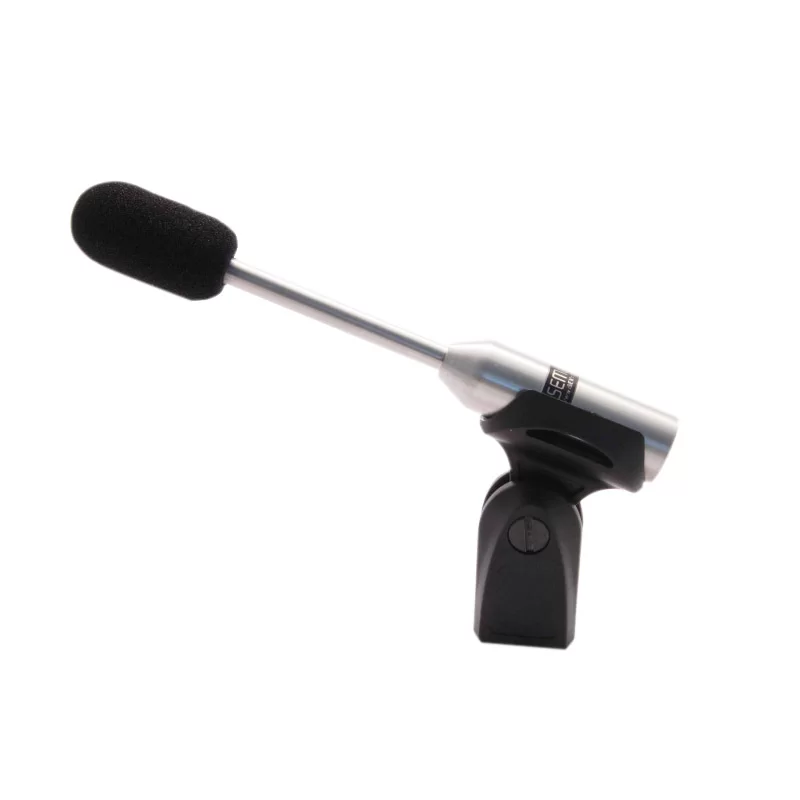
Omnidirectional microphone
An omnidirectional microphone hears sound equally from every direction, so it does not matter exactly which way the capsule is pointing.
What an omnidirectional microphone is
An omni mic's sensitivity plot is a circle. Sound from the front, side and back reaches the signal at the same strength. It is called omni or omnidirectional, and in the catalog it is marked /O or omni-directional.
Because the mic favours no direction, it has no proximity effect: the voice does not get bass-heavy close to the mouth. The tone is natural and even. An omni capsule is also less sensitive to handling noise, clothing rustle and wind than a directional one.
Where events use them
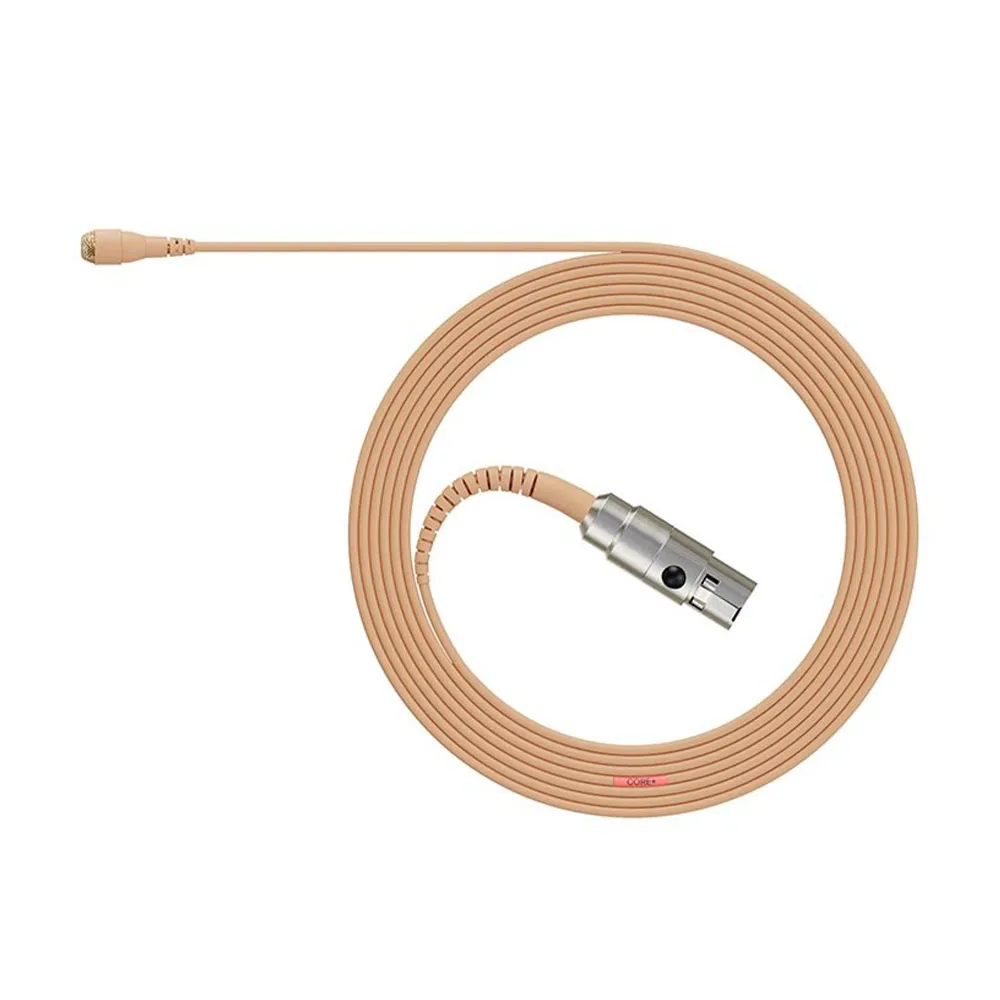
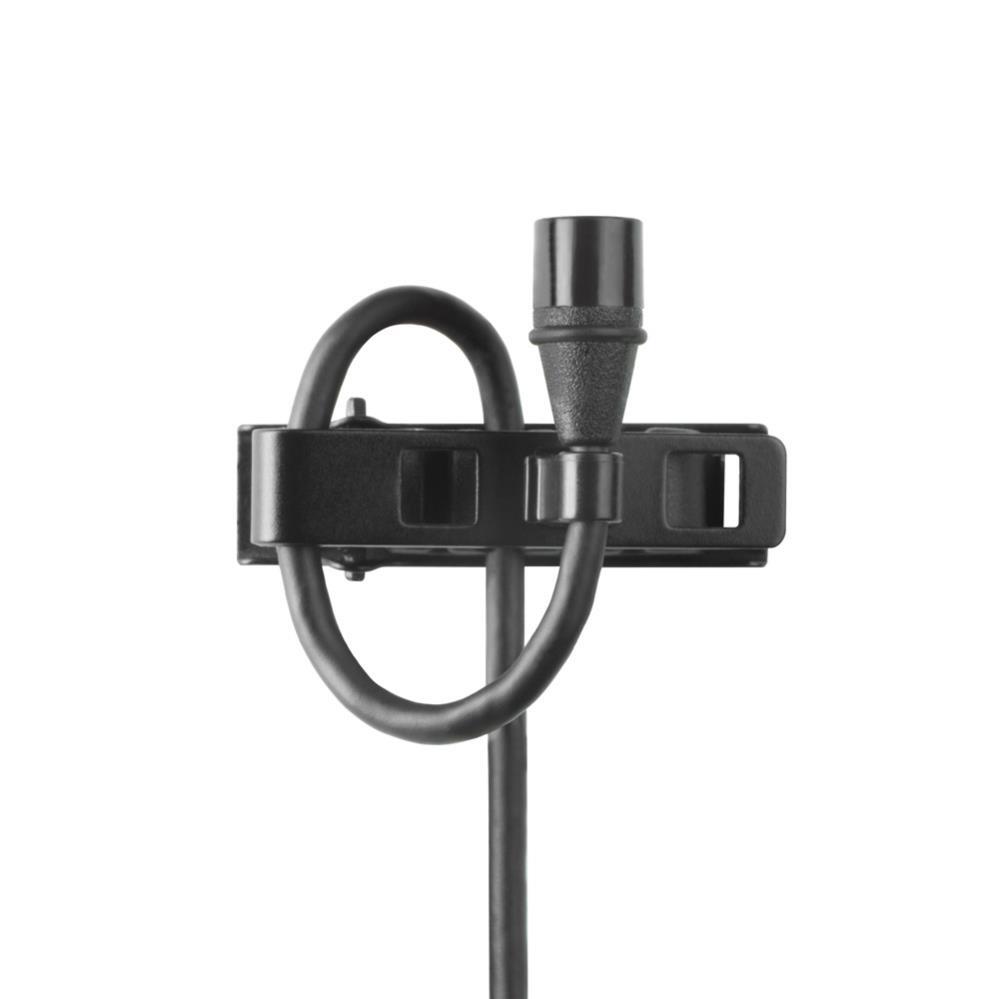
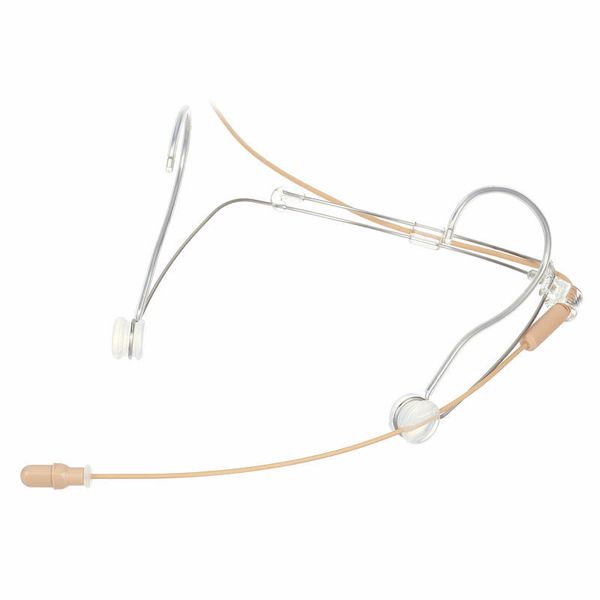
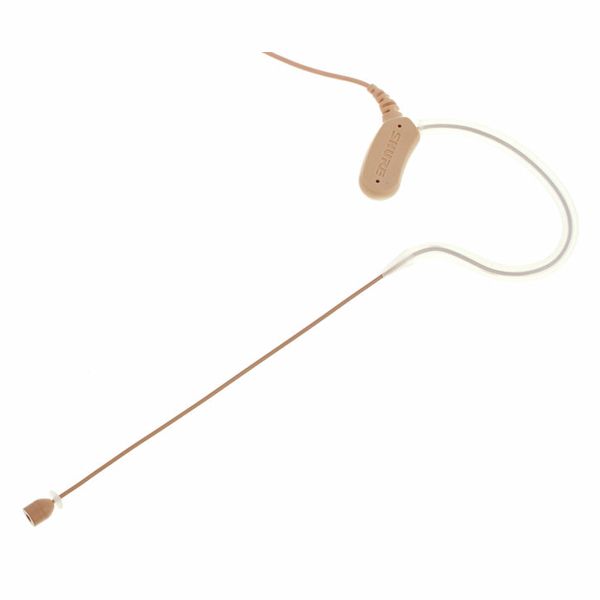
Omni is most common in mics worn on the body. A lavalier's position changes each time the speaker turns their head, and a directional capsule would sound clear one moment and dull the next. An omni keeps the voice even. In our stock that means the DPA 4061 Core, the Shure MX150B/O lavalier, the Shure DH5T/O headset and the light MX153T/O earset.
The other use is recording or measuring room and audience sound. The iSEMcon EMX-7150 measurement mic that an engineer uses to tune the system in a hall also has to hear every direction the same way.
Avoiding feedback, and common mistakes
An omni mic rejects the speakers from no direction. What protects it is a short distance to the mouth: a headset sits at the corner of the mouth, where the voice is far louder than the room. A lavalier is further away, so more care is needed.
- Clip a lavalier at the centre of the chest, about a palm's width below the chin, not on the collar or shoulder.
- Do not let a lavalier wearer walk in front of the main speakers. It is the surest way to cause feedback.
- Mistake: choosing an omni earset for the singer of a very loud band without asking the engineer.
- Mistake: thinking an omni handheld is right for karaoke. People hold the mic near the speakers there, and a directional model is safer.