Headset, lavalier or floor microphone
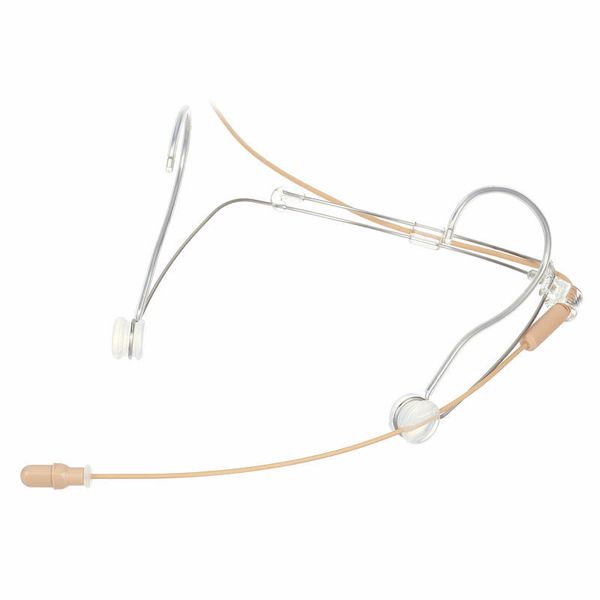
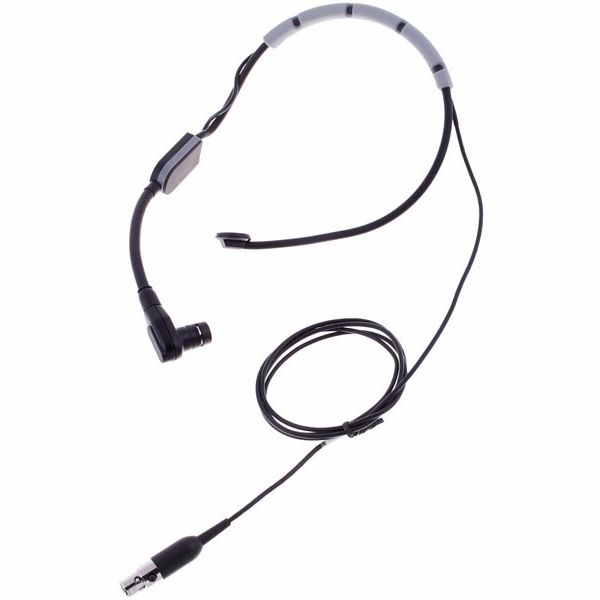
A headset mic is the usual choice in theatre because the capsule stays at the same distance from the mouth however the actor turns his head. The Shure DH5T is a very small omnidirectional headset that, being skin coloured, is almost invisible to the audience. For singing roles there is also the Shure SM35, a condenser headset made for stage performance.
A lavalier such as the DPA 4061 or Shure MX150 helps when a headset does not suit the costume or make-up, but it picks up less level and rustles against clothing more easily. For crowd scenes a short shotgun like the Sennheiser MKH 416 at the front of the stage catches the ensemble as a general pick-up.
Transmitters, receivers and antennas
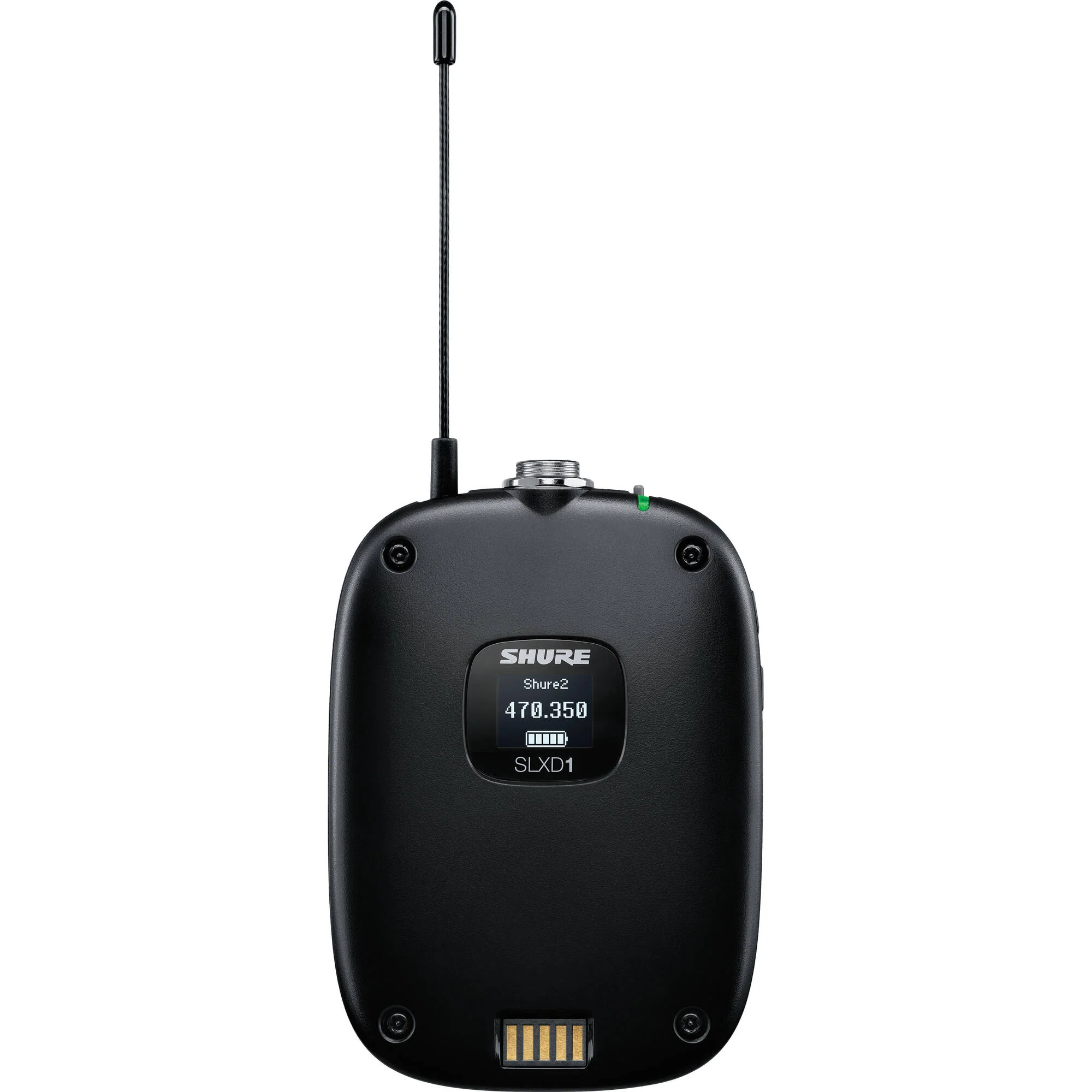
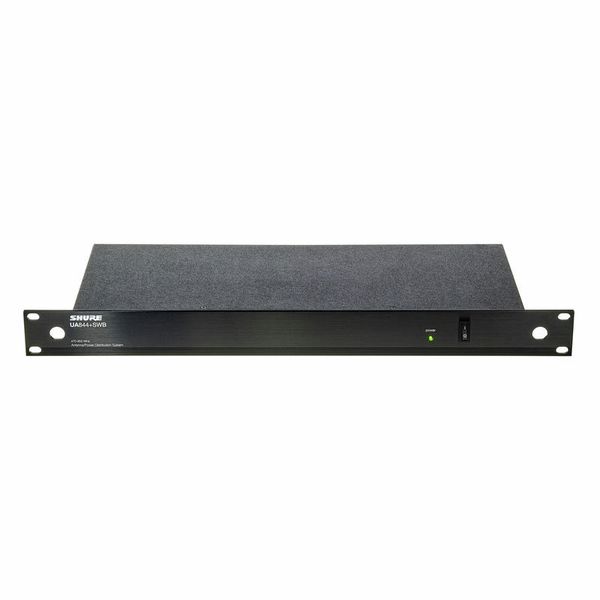
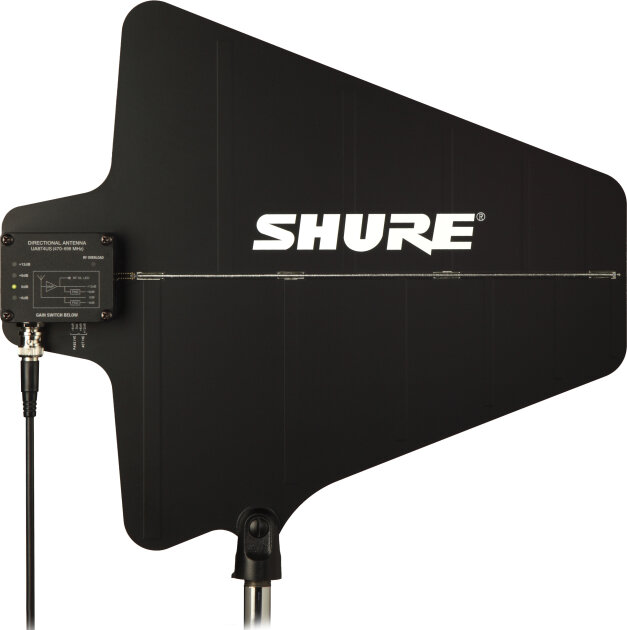
Every miked actor wears a bodypack transmitter, from us for example a Shure SLXD1, clipped to a belt or a pouch under the costume. Four transmitters go into one Shure SLXD4QDAN receiver, which has a Dante connection for a digital console. The “Theatre and musical headset mic kit (4 performers)” holds the receiver, four transmitters, four DH5T headsets, a Shure UA844+ antenna distribution system and two UA874WB directional antennas.
The directional antennas face the stage, because the actor moves behind flats and in costumes where the body shields the transmitter and the signal weakens. For a larger cast add receivers and transmitters and give the engineer the frequency plan before the dress rehearsal.
Console, scenes and cue playback
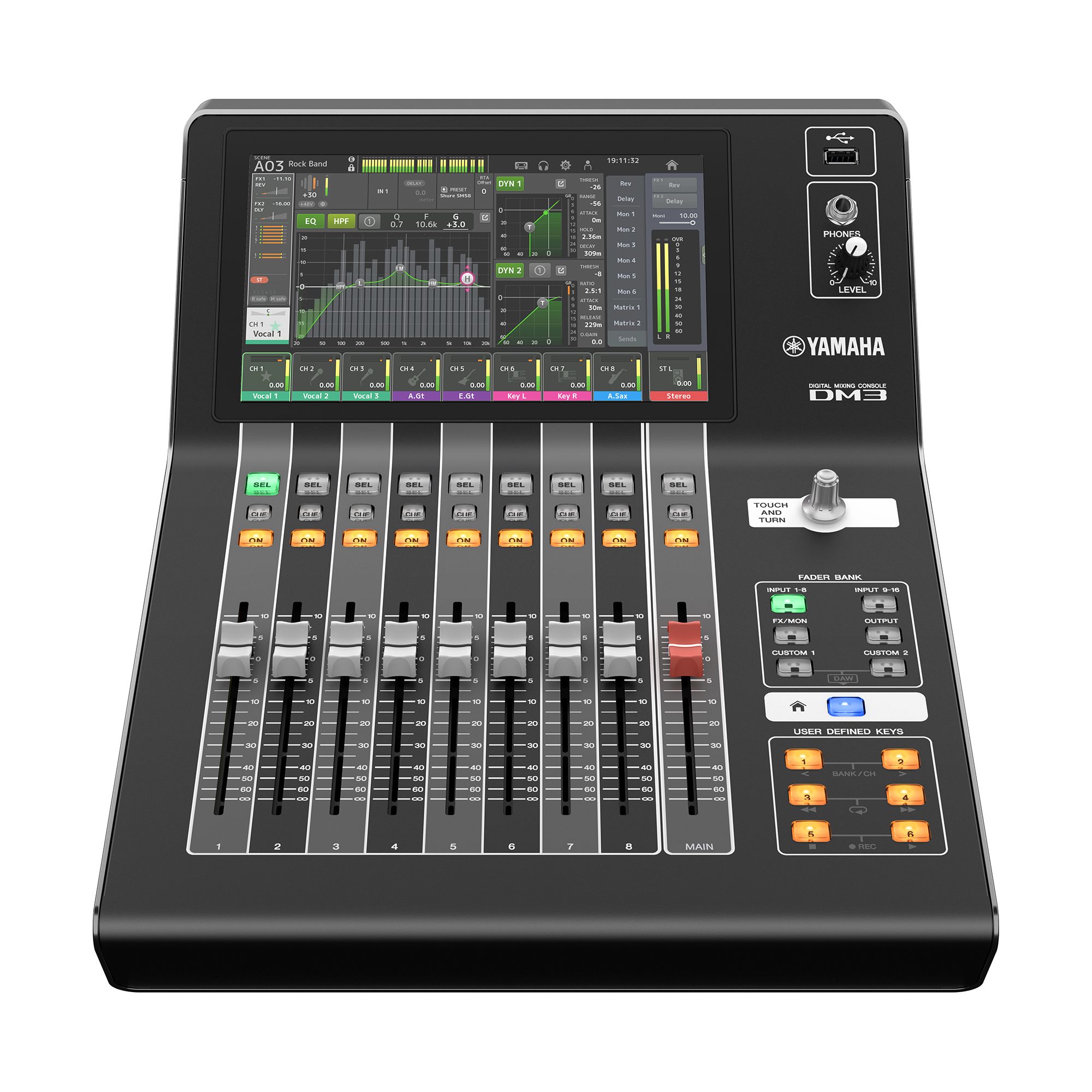
A theatre console has to remember which mics are open in each scene. The Yamaha DM3 digital console stores them as scenes, so the operator presses one button at each scene change and mics of actors who are off stage stay closed. Otherwise the audience hears what the actors say in the wings.
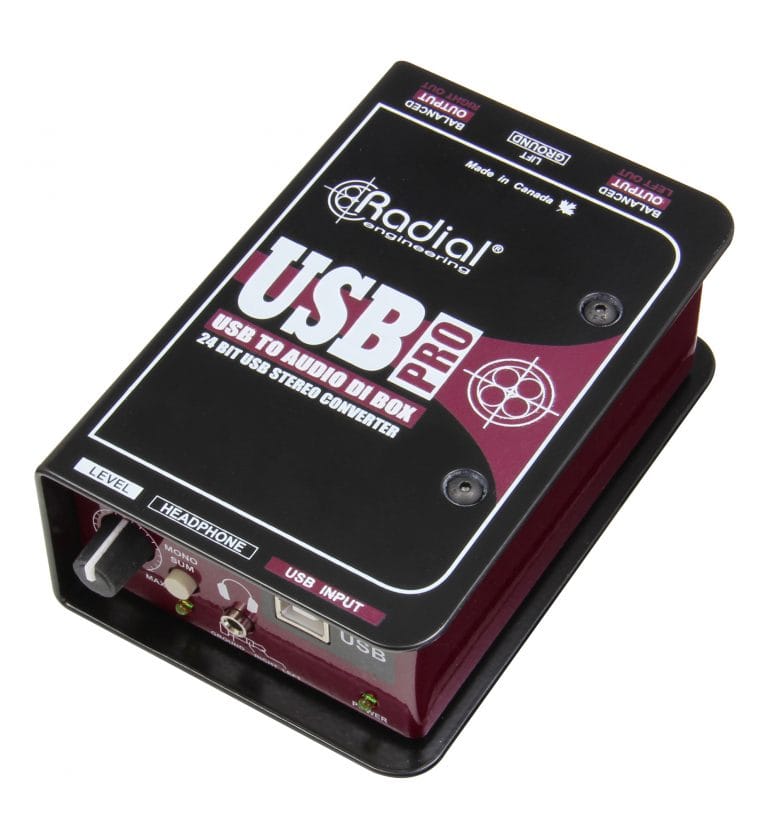
The sound design is usually played from a laptop running playback software, with each sound as a numbered cue. The laptop connects to the console through a Radial USB-PRO or Palmer PLI 04 USB, which isolates the computer's ground from the sound system and prevents hum. The operator follows the script and fires cues from the notes in it.
Speakers in the house and on stage
The house speakers must sit in front of or beside the stage edge, never on the stage itself, because an omnidirectional headset hears in every direction and will start to feed back. In a small room two JBL PRX812 on stands are enough. In a long room a delay speaker near the back rows helps.
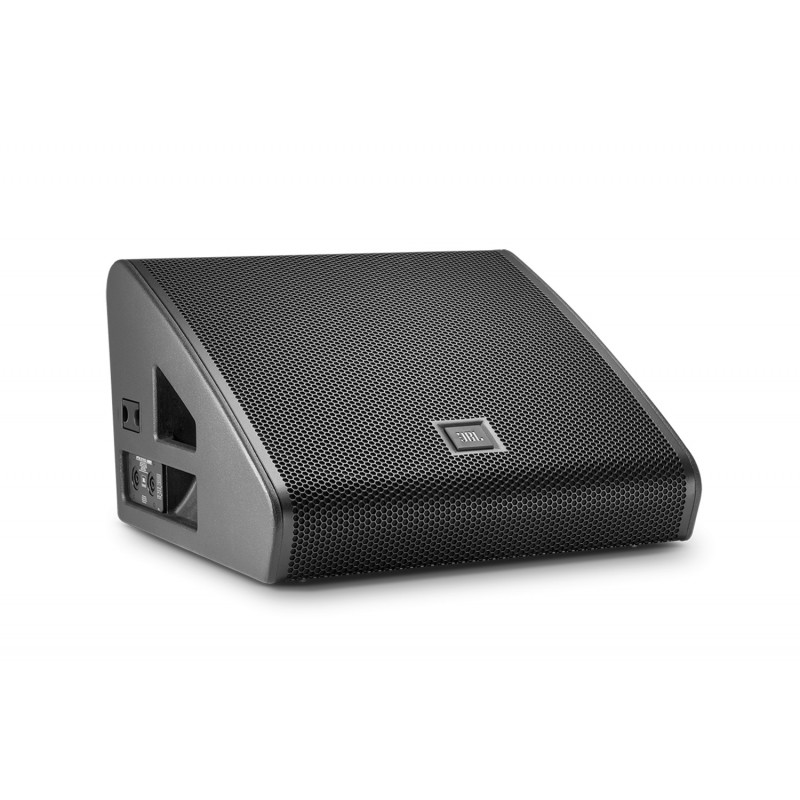
Actors need to hear the music and cues they react to. Monitors such as the JBL VTX M20 go at the sides of the stage and carry only music and effects, not the actors' voices.
Common mistakes in a theatre show
Most problems come from things nobody tested in rehearsal. Run the dress rehearsal in costume, under full lighting and with every microphone on.
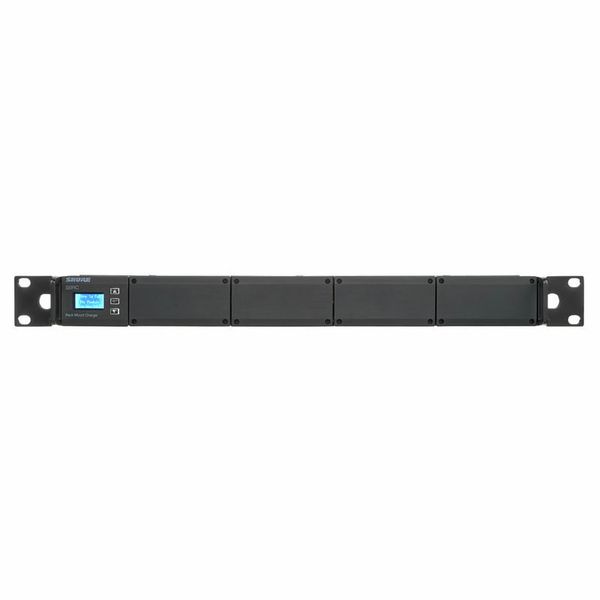
- A battery dies in the second act: charge before every show; the Shure SBRC charges several batteries at once.
- Sweat reaches the capsule: tape the cable and keep a spare capsule ready.
- Two actors stand close with both mics open and the voice sounds hollow.
- A costume change pulls the mic cable out of the transmitter.
- The cue list does not match the script and a sound fires on the wrong line.