Cardioid
Cardioid is a heart-shaped polar pattern: the microphone hears well from the front, less from the sides and almost nothing from directly behind.
What cardioid means
The name comes from the Greek word for heart. Seen from above, the mic's sensitivity plot looks like a heart with its notch behind the mic. Sound from the front comes through at full strength, sound from the side is noticeably quieter and sound from directly behind is barely heard.
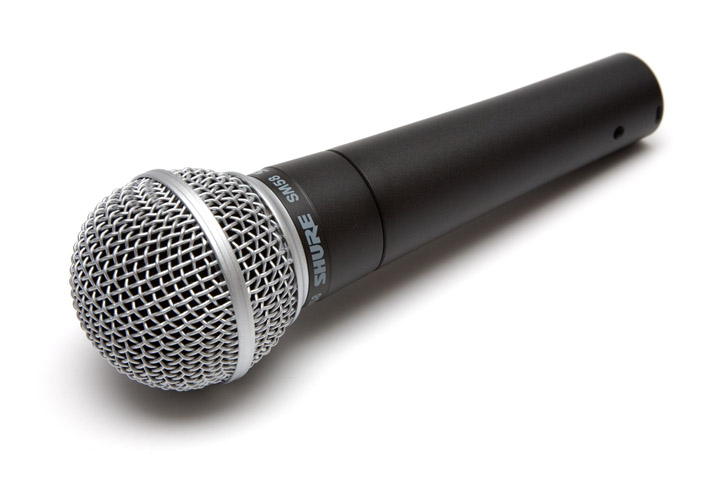
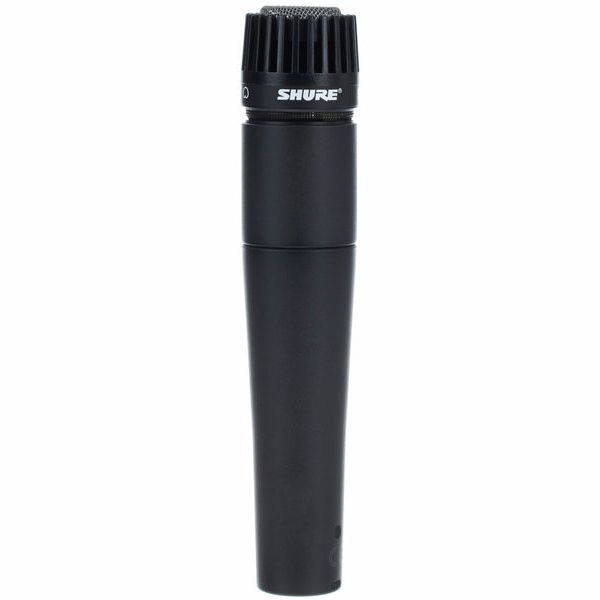
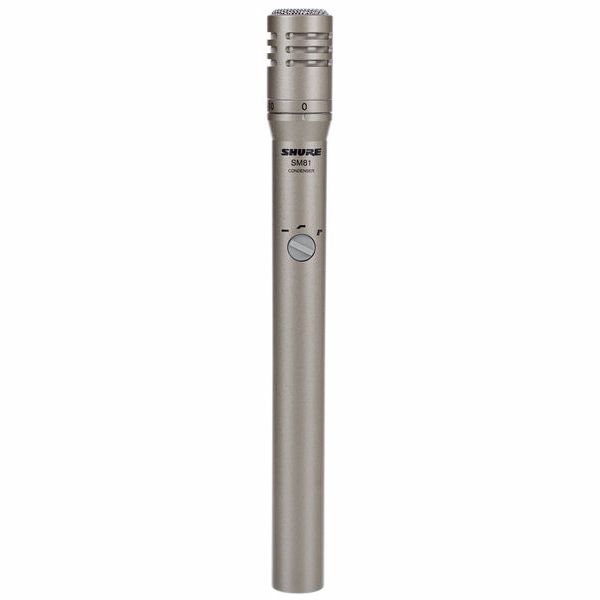
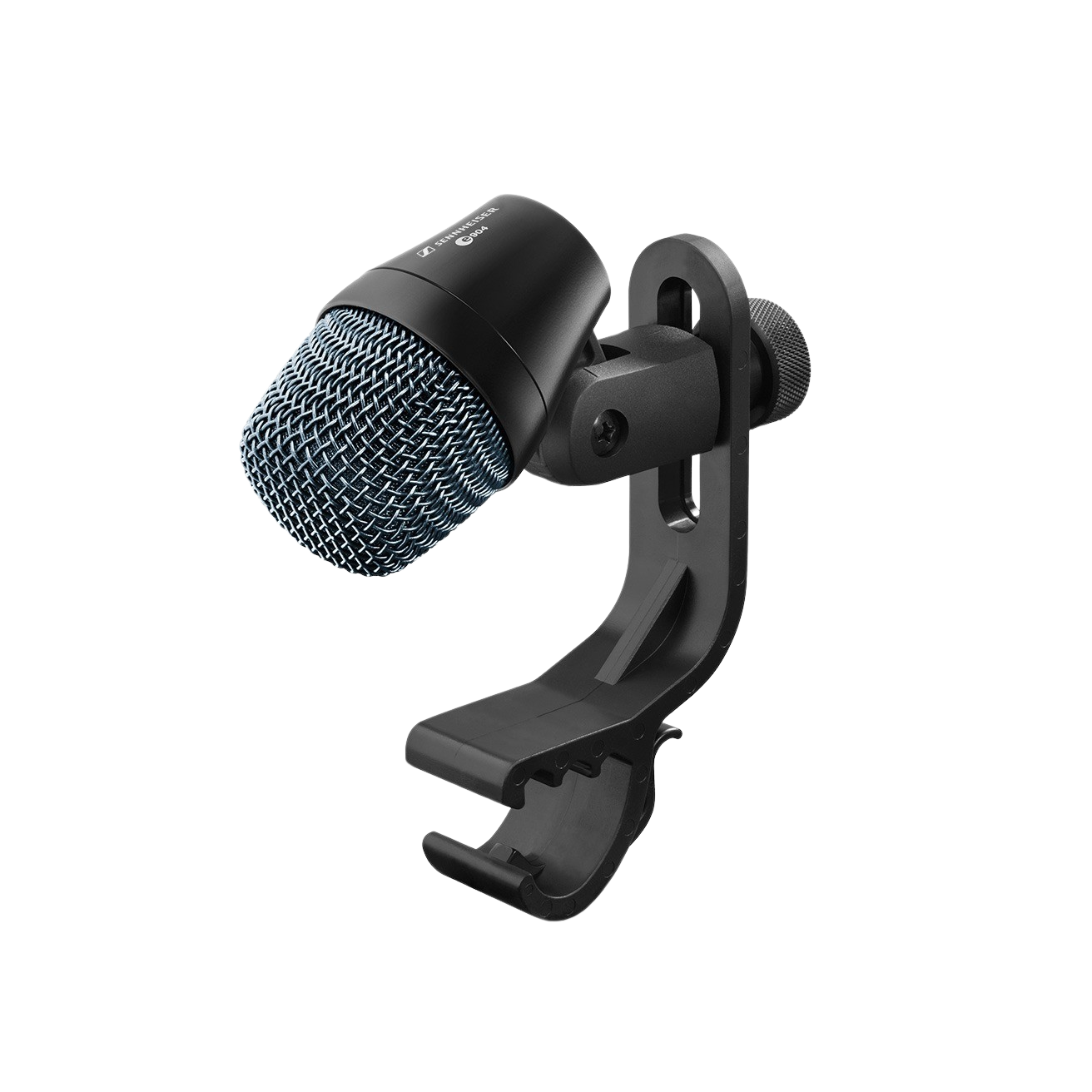
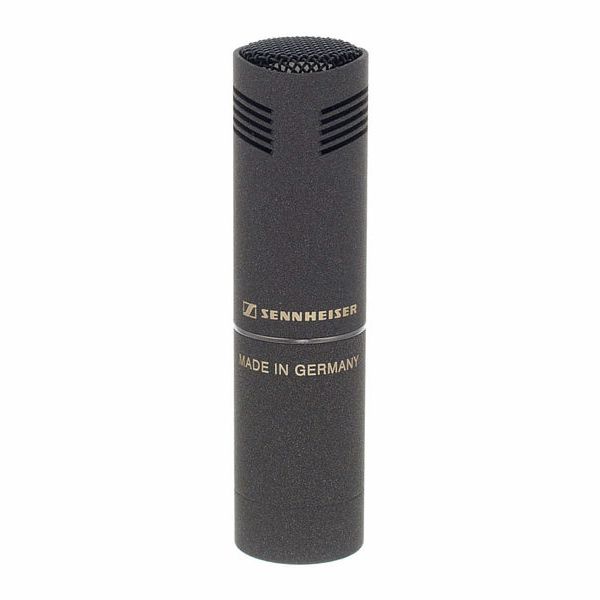
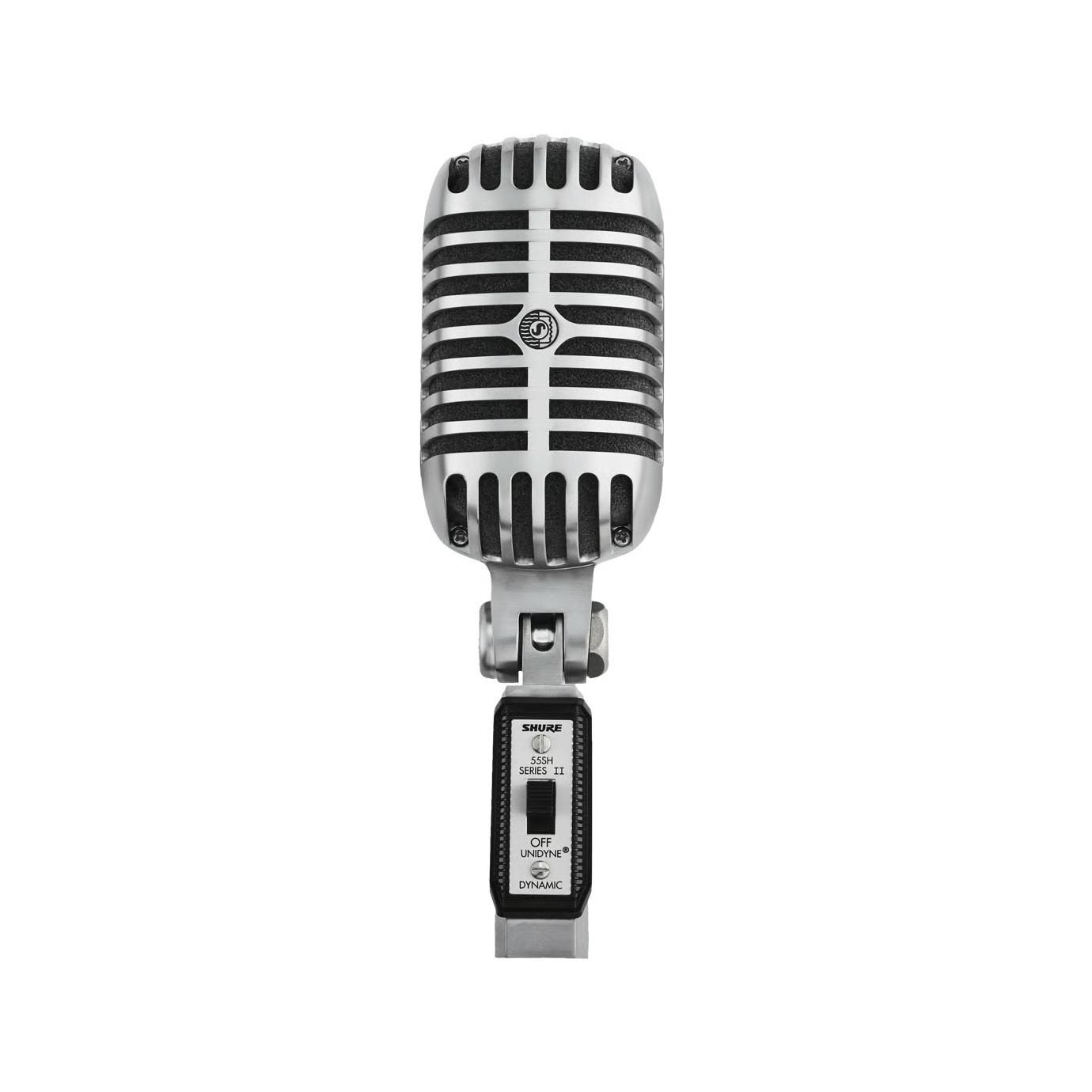
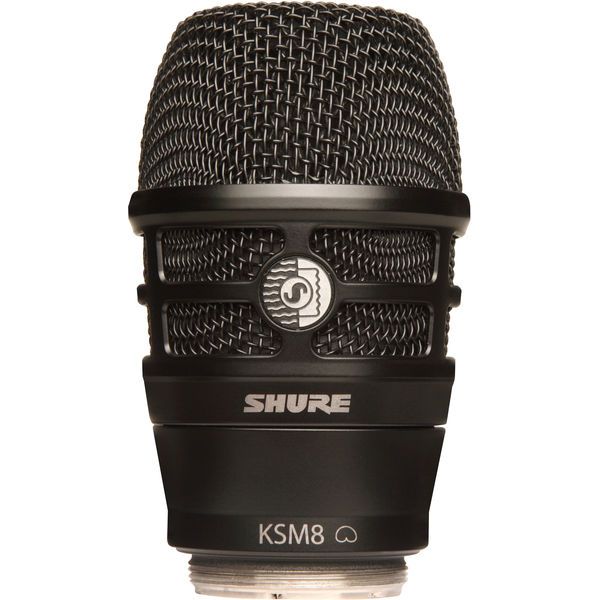
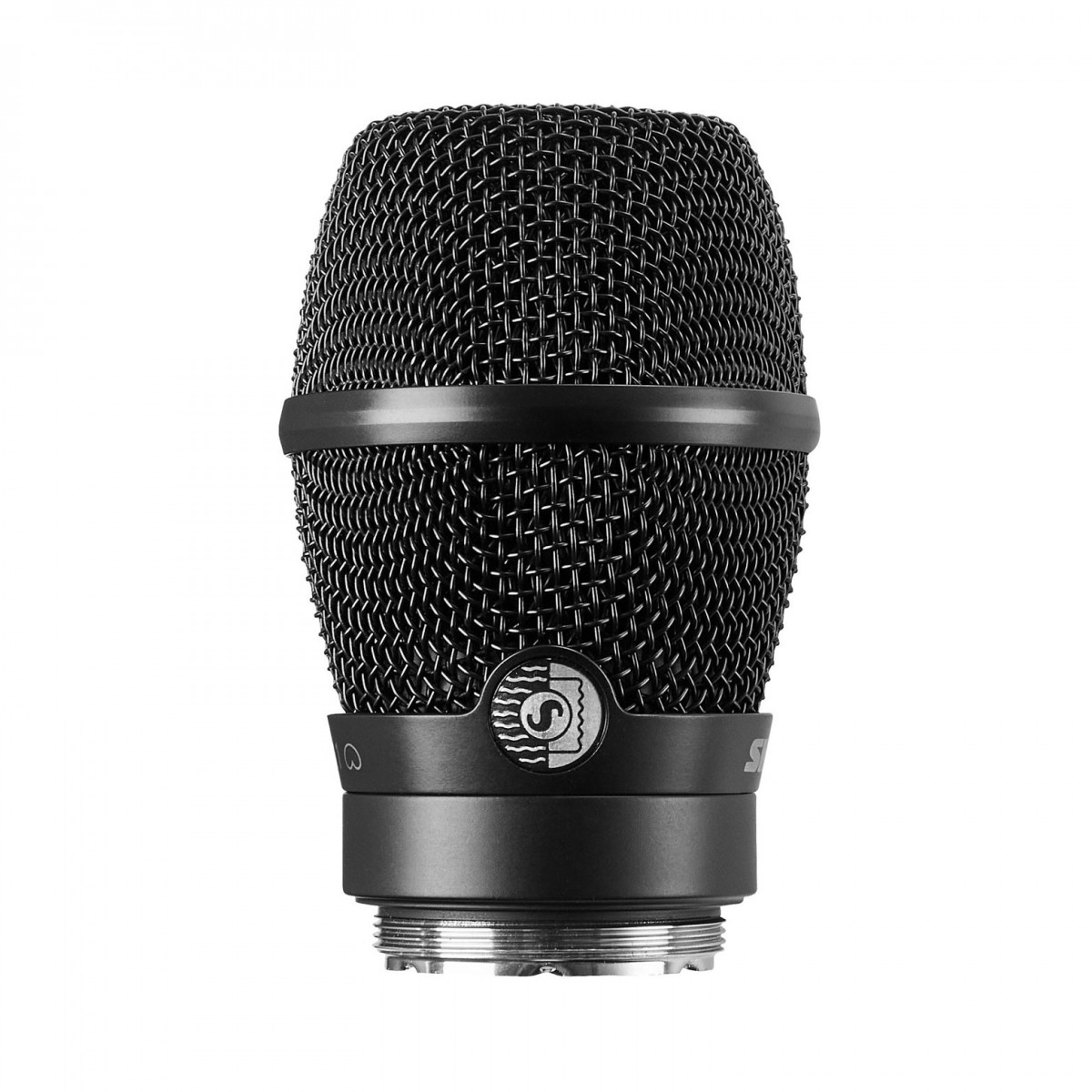
It is the most common shape on stage. The Shure SM58 vocal mic, the SM57 instrument mic, the SM81 condenser, the Sennheiser e904 used on drums and the Sennheiser MKH8040 for recording are all cardioids. The Shure KSM8 and KSM11 capsules for radio mics are cardioid too.
Why cardioid is a good default
A cardioid is a compromise: directional enough to leave out monitor and audience sound from behind, but wide enough that the voice does not vanish the moment a singer turns their head or holds the mic at a slant. That makes it a better fit for an inexperienced presenter, someone giving a toast or a karaoke singer than the narrower supercardioid.
A cardioid has one strong null, directly behind it. That gives a simple rule for the stage monitor: the wedge sits on the floor in front of the singer, facing them, so it is behind the mic. The monitor's sound then arrives at the mic's quietest direction.
Practical advice and common mistakes
A cardioid on a lectern or a stand should point at the speaker's mouth, and the main speakers have to be in front of the mic and aimed at the audience, not at the stage. If a speaker is next to the mic or behind it off to the side, good directionality will not save you.
- A cardioid has proximity effect: close to the mouth the voice is fuller in the bass, further away thinner. Use it on purpose.
- Several SM81s in front of a choir: place them so each covers its own section, and do not bunch them together.
- Mistake: a singer holds the mic so its back faces the PA and its front faces the ceiling.
- Mistake: two cardioids in front of one person. Two mics on one voice sound odd; one is enough.