Speech: minister, readers and speakers
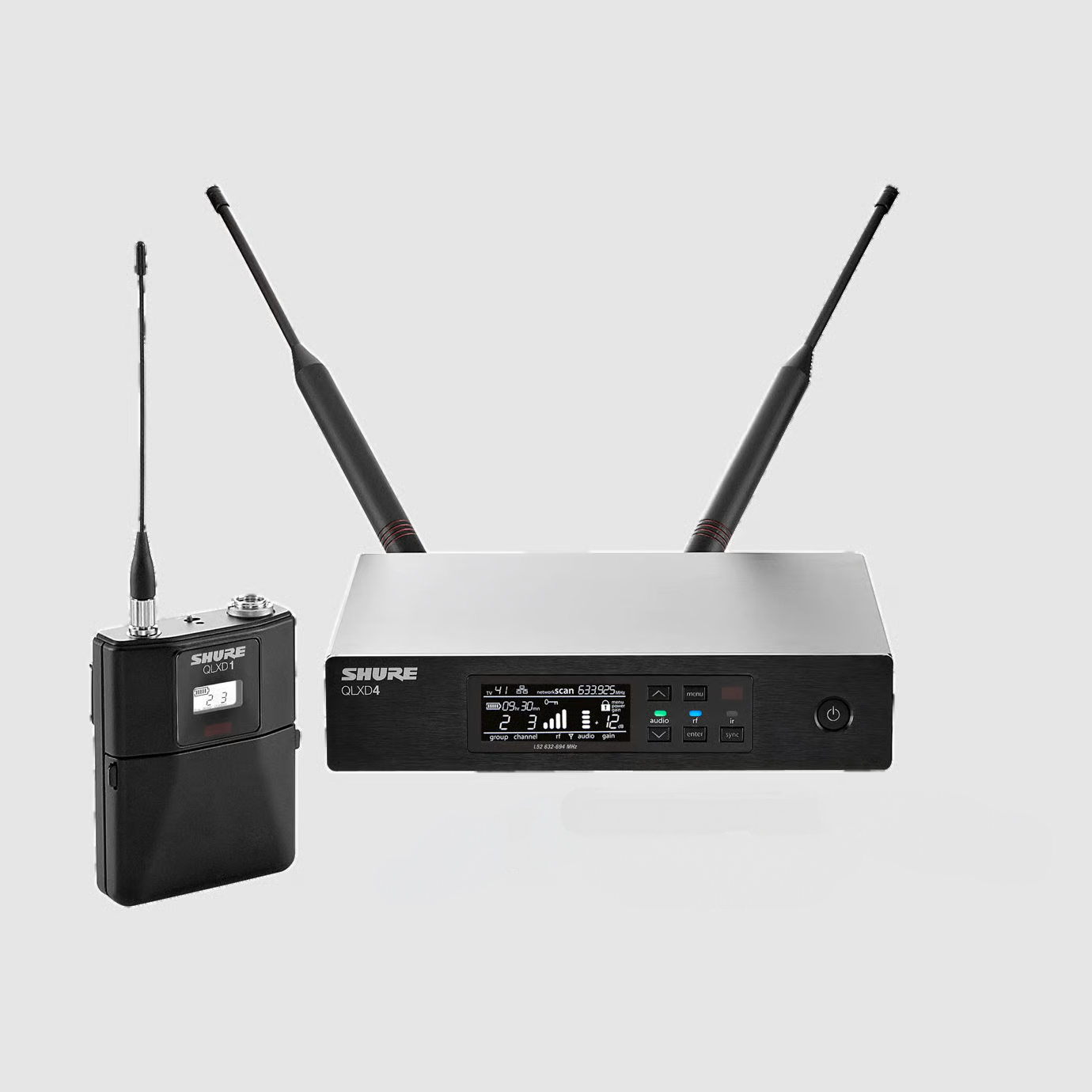
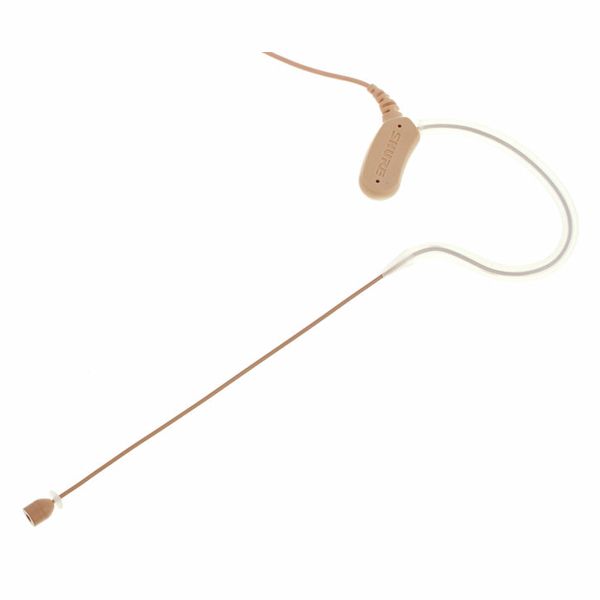
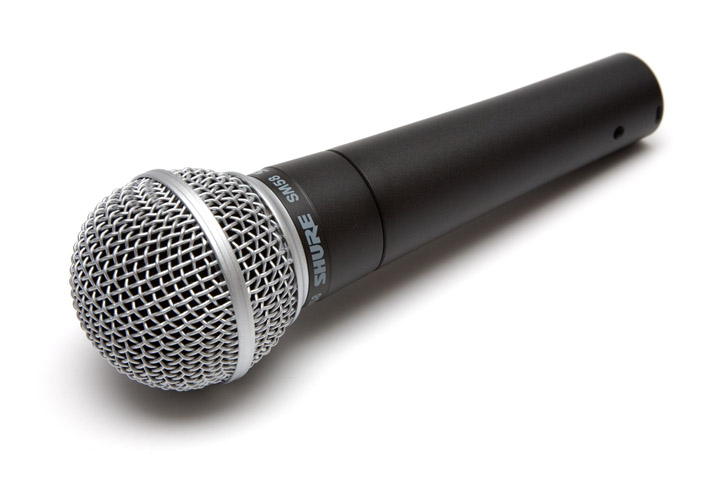
A speaker who moves between altar and pulpit needs a hands-free mic. A Shure QLXD14 bodypack with a Shure MX153T earset is almost invisible and stays the same distance from the mouth whether the person reads from a book or turns to the congregation. For readers and speakers who come forward one at a time, a Shure SM58 on a stand or a wireless handheld works.
In a reverberant room the mic must be close to the mouth and the speakers must not play louder than needed. Cut the low frequencies on the console: speech does not need them, and in a church they only add rumble. Our guide on speech intelligibility in large rooms goes further.
Where the speakers go in a church
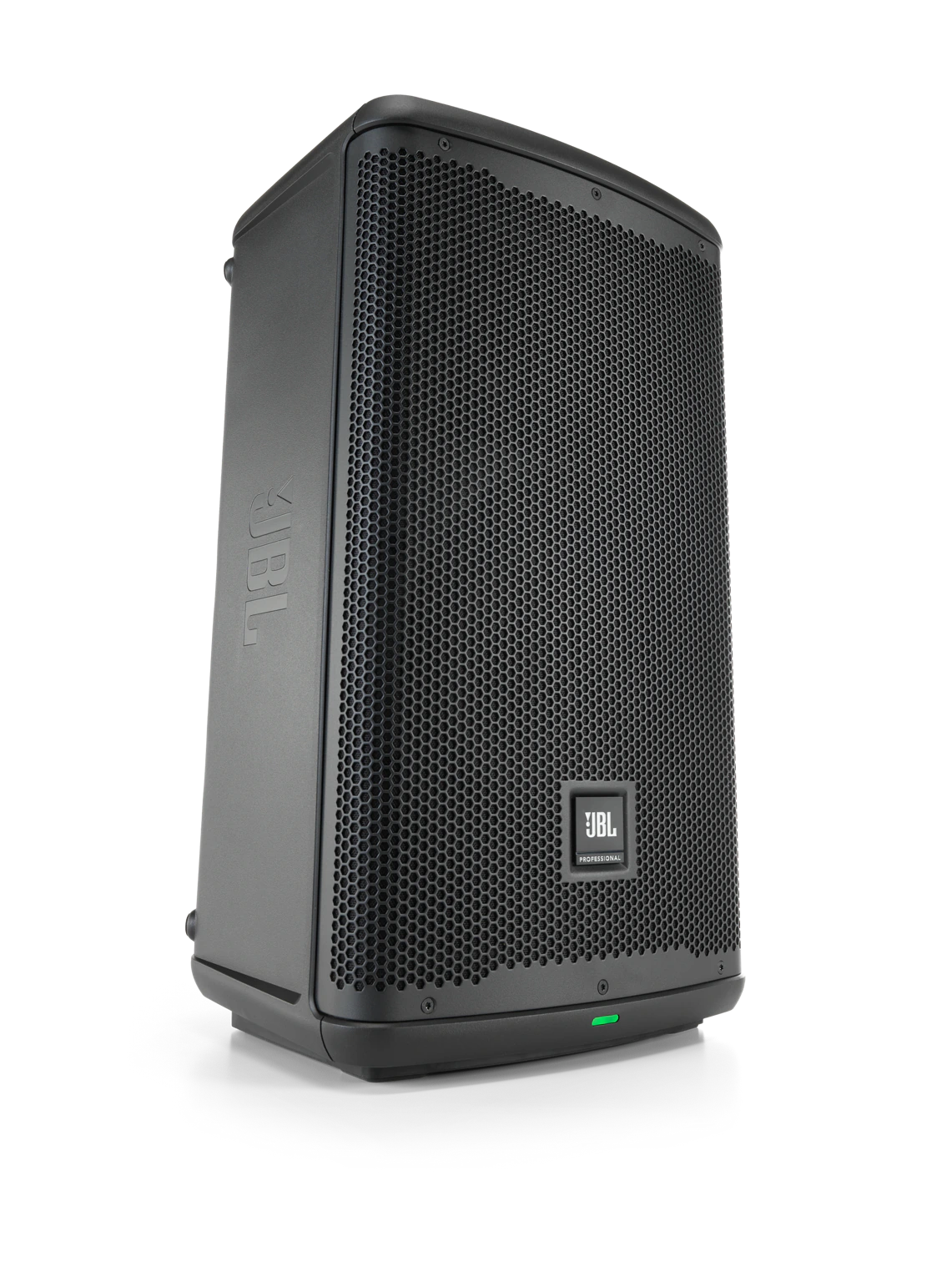
Put two speakers on tall stands in front of the altar, a little ahead of the speaker, and aim them at the congregation rather than at the walls and vault. A JBL PRX812, or in a smaller church a JBL EON710, is enough. The more sound goes straight to people and the less into the stone, the clearer the speech.
In a long nave two speakers cannot reach the back pews intelligibly. A second pair then goes in the middle or at the back, playing with a slight delay so that, for the listener, the sound still comes from the front. Nothing is taped to walls or historic surfaces, and cables run under covers in the aisles.
Choir and ensemble
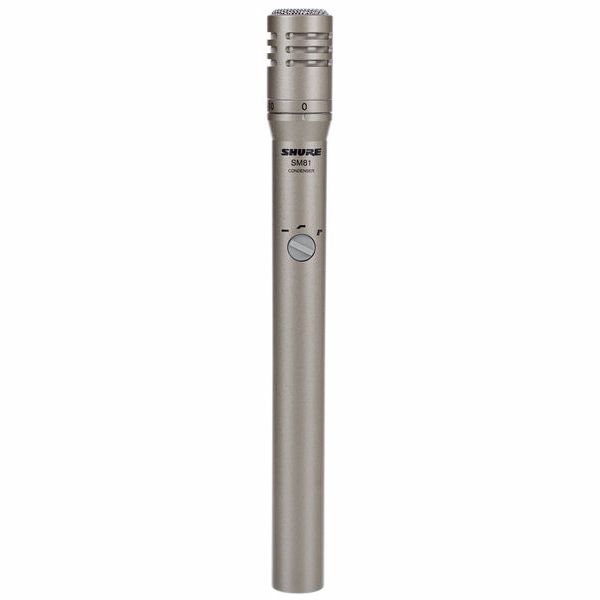
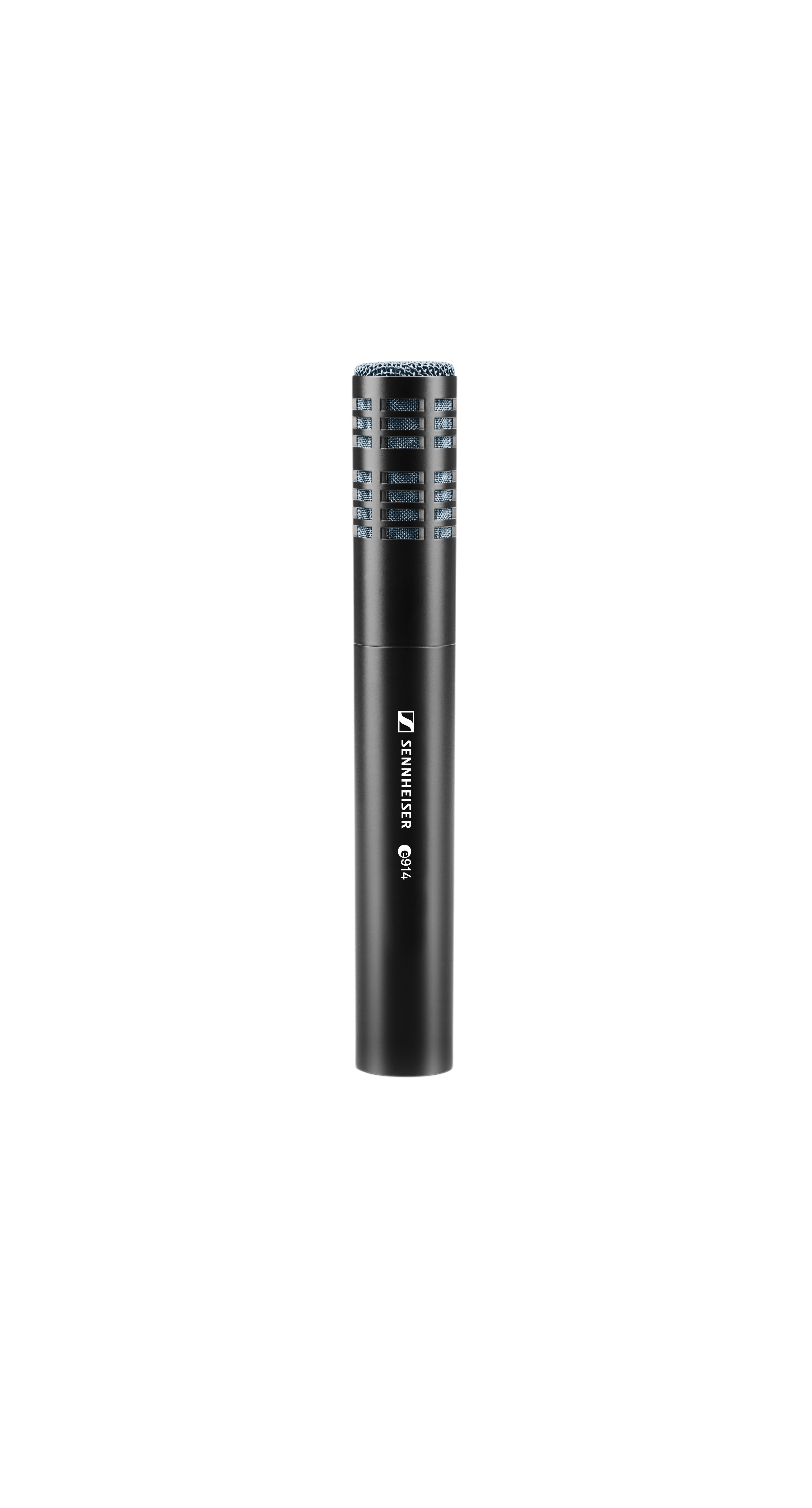
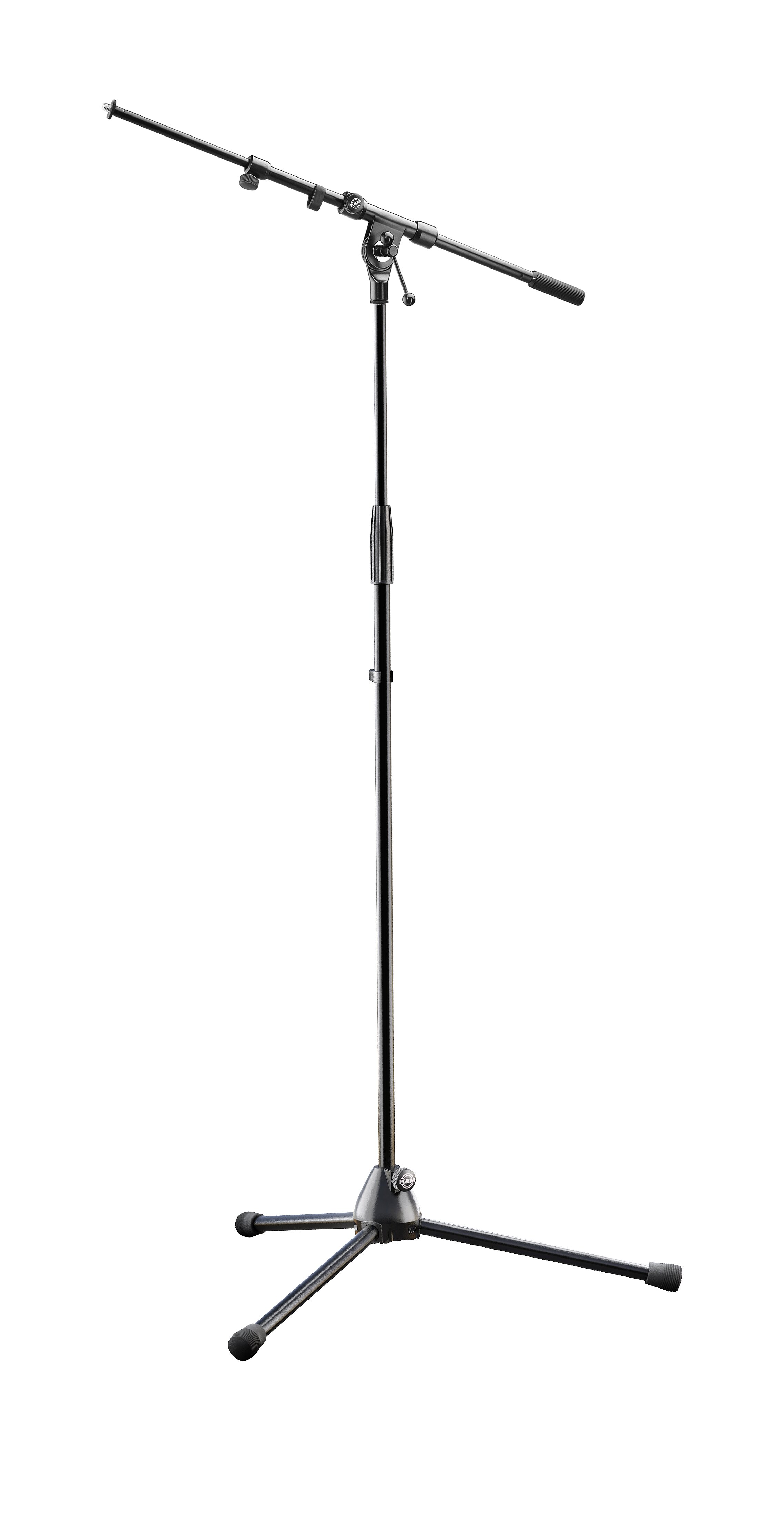
A choir in a church is usually supported or recorded rather than amplified. Two to four small-diaphragm condensers such as the Shure SM81 or Sennheiser e914 go on tall K&M 210/9 stands in front of and above the choir. The choir has to stay behind the speakers, or it will feed back.
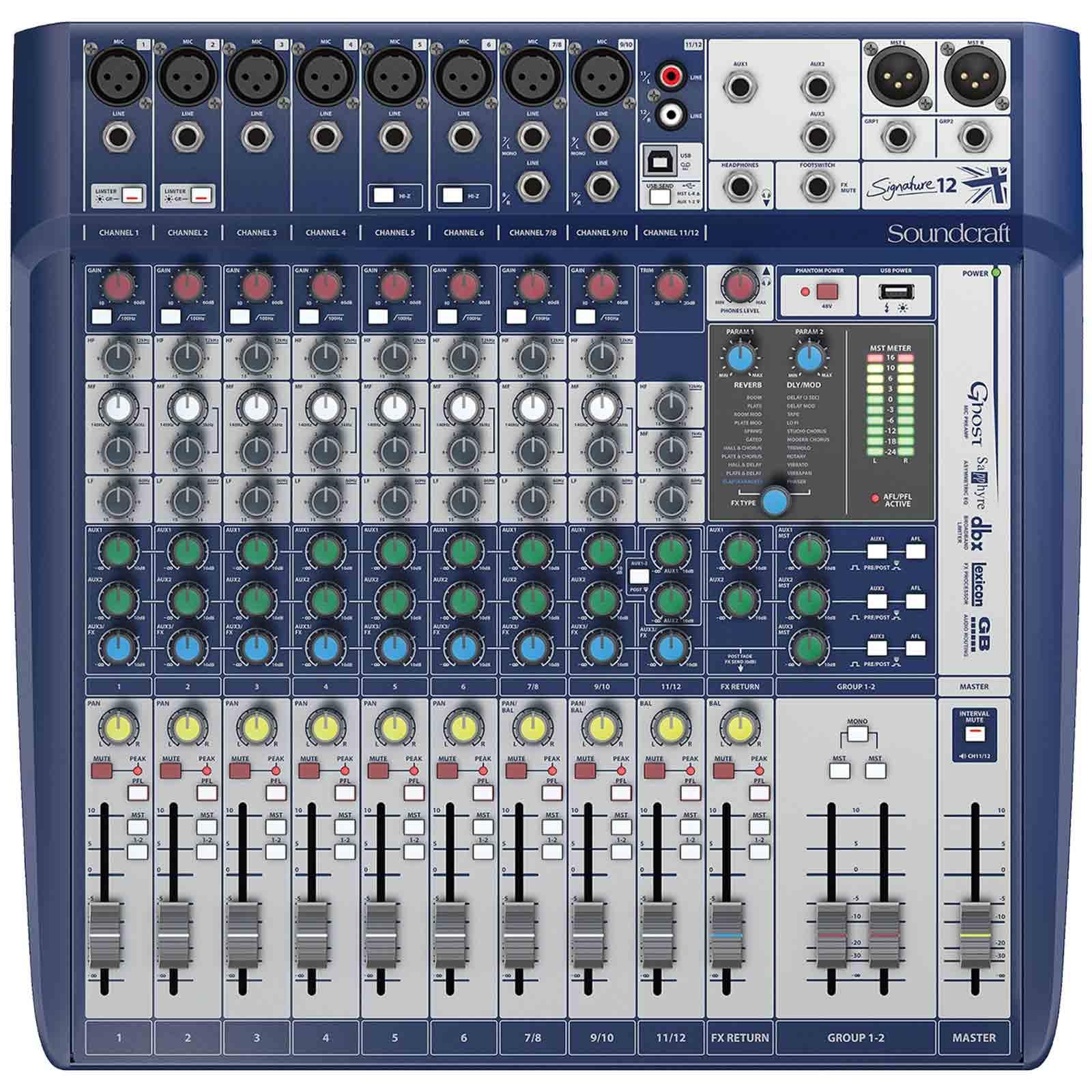
When a service has a band with guitar, keyboard and singers, the “Acoustic duo kit for up to 80 people” with a Soundcraft Signature 10, two SM58s and two DI boxes fits. Keyboard and guitar go through the DI boxes, and the singer hears herself through a small monitor.
Organ and recording
An organ is built for its room and sounds without amplification. When it plays with a choir or a soloist, usually neither needs amplifying; finding the balance in rehearsal is enough. A microphone in front of the organ makes sense only for a recording or a stream.
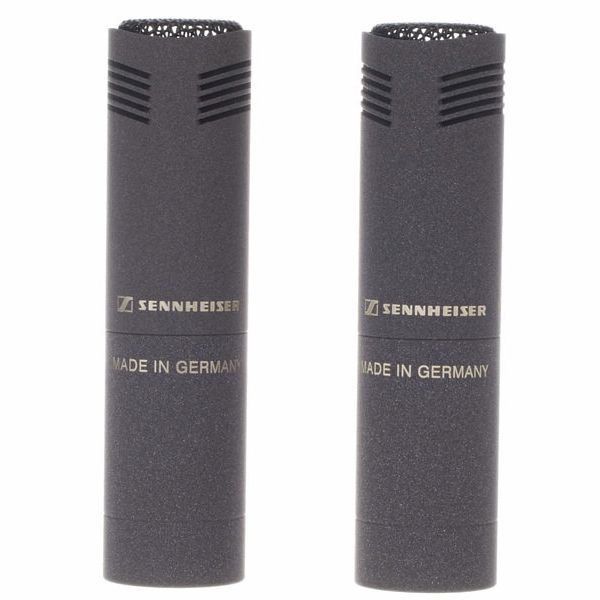
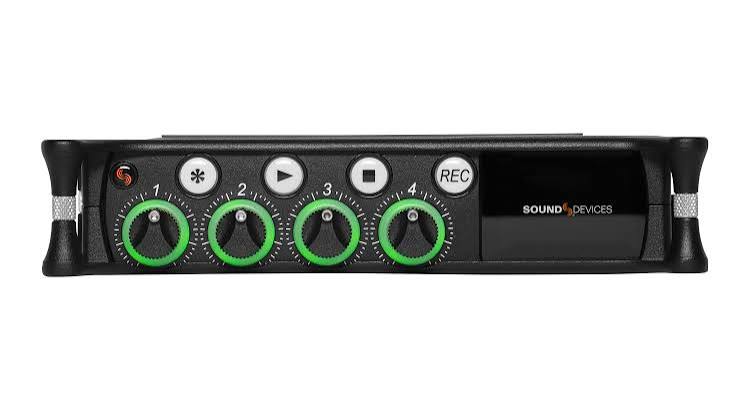
For recording a concert there is the “Concert recording kit”: a Sennheiser MKH8040 stereo pair on a tall stand, a Sound Devices MixPre6 MKII recorder and a TASCAM FR-AV2 as a backup recorder. Put the pair in the centre aisle where it sounds best, not next to the choir.
What often goes wrong in a church
A church usually gives you less time and freedom than a hall: set-up has to fit between services and there are few sockets.
- The speakers play too loud and the reverberation makes speech unintelligible.
- The speakers point at the vault instead of the listeners.
- Nobody mutes the earset when the minister talks quietly with someone aside.
- Not enough extension cables, because the sockets are only along the walls.
- The set-up was not agreed with the parish or the building manager.