Pop filter and windscreen
A pop filter or windscreen is a foam, mesh or furry cover in front of or around a microphone that reduces breath pops and wind noise.
What pops and wind noise are
When someone says a P or B, a short burst of air leaves the mouth. To the diaphragm it is like a shove, and a low thump comes out of the speakers. Wind does the same thing constantly: air flowing around the mic creates a rumble that can bury a whole speech. Both are worst on directional mics, especially close to the mouth.
A pop filter or windscreen slows the moving air before it reaches the diaphragm. Sound passes through the material almost unhindered, while the burst of air spreads out.
Types of cover and where they are used
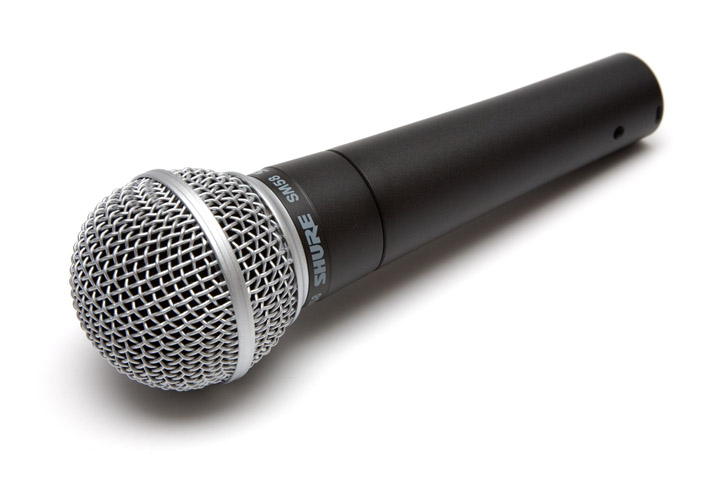
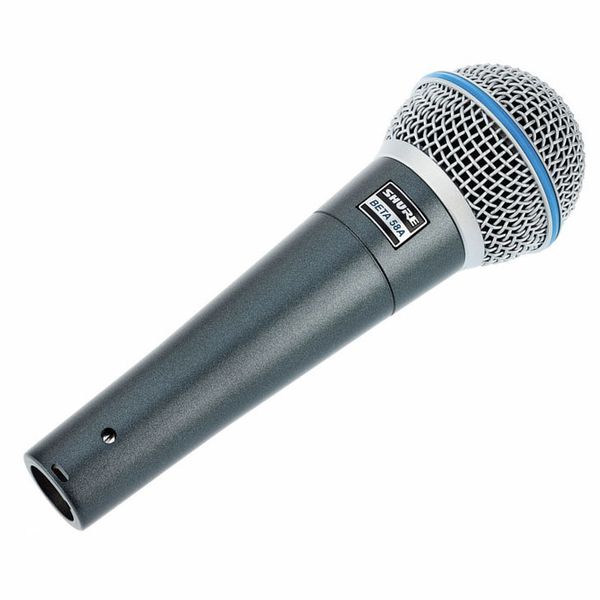
Vocal mics already have a foam layer under the grille, so an SM58 or Beta 58A copes with normal speech on stage without an extra cover. Outdoors, or with a very plosive speaker, a slip-on foam cover helps. Coloured foam covers also tell mics apart when several identical ones are on stage.
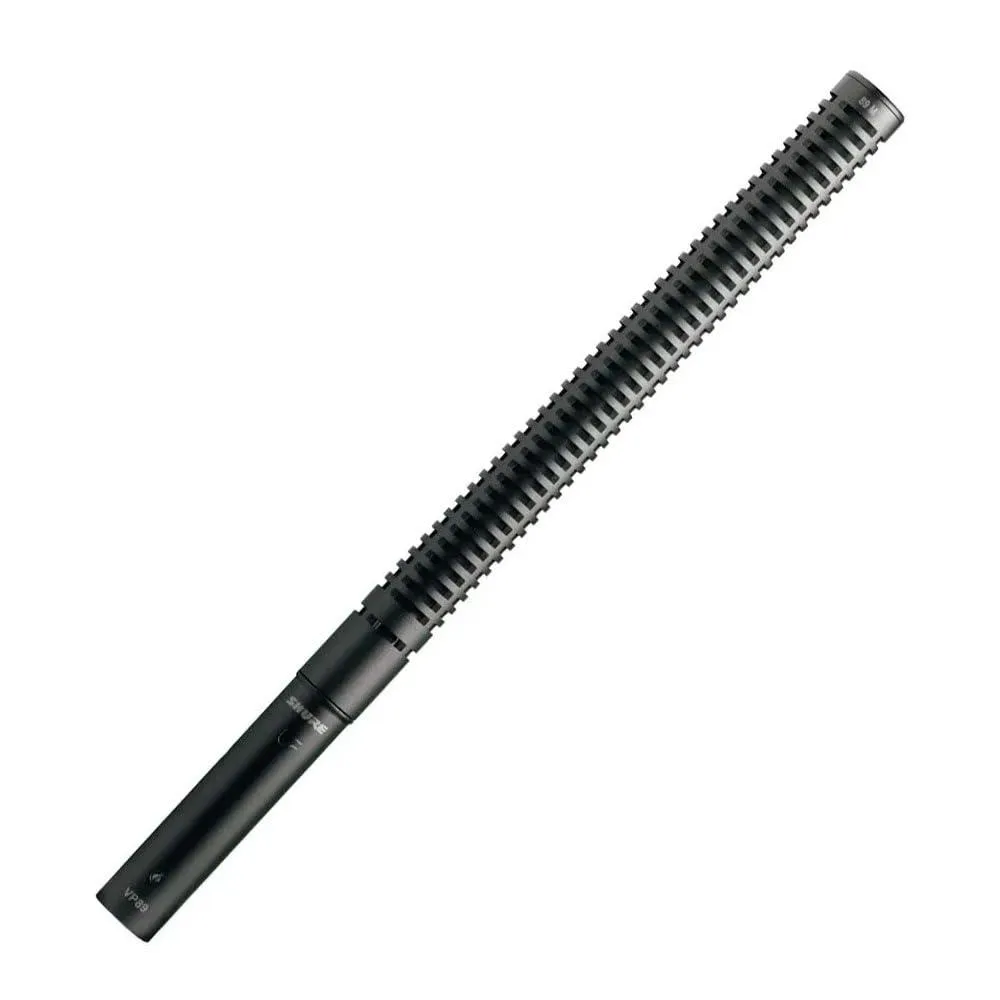
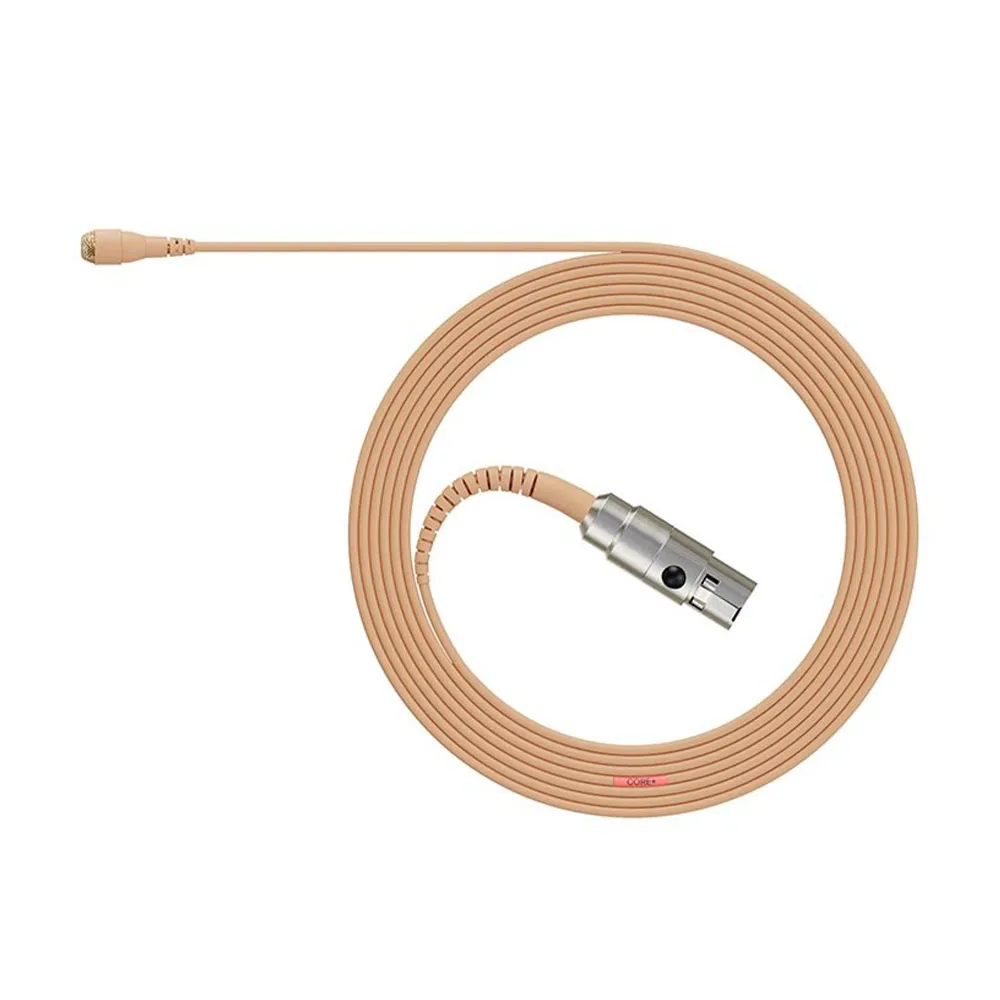
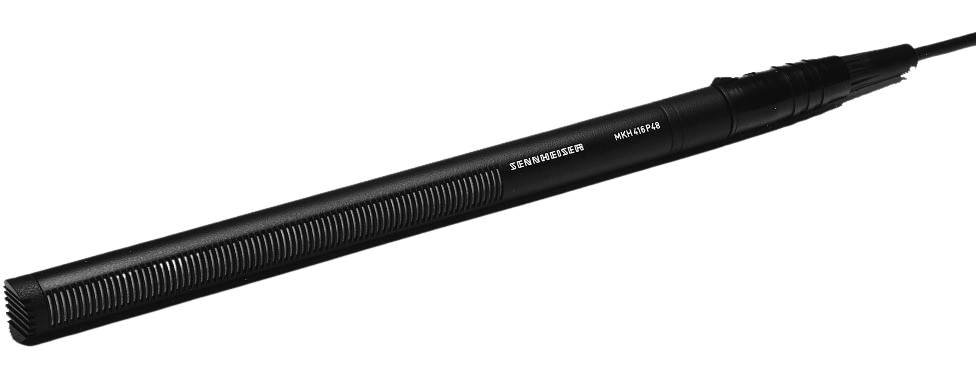
In the studio and for podcasts, a round mesh screen on the stand is put in front of a condenser. A furry windshield for shotgun mics and outdoor shooting is the most effective: the Shure VP89M, for example, comes with a Rycote windshield kit. Lavaliers and headsets have tiny foam and fur covers.
Practical advice and common mistakes
At an outdoor event, think about wind before it becomes a problem. Speech outdoors is one of the most common cases where the system works but listeners catch only half the words.
- Outdoors, fit a windscreen on every mic before the sound check.
- At the desk, add a high-pass filter to speech channels; it removes much of the wind rumble.
- Mistake: expecting a thin foam cover to stop a strong gust. Only a furry cover or sheltering the mic helps then.
- Mistake: using a wet foam cover. Damp foam dulls the highs and can carry moisture into the capsule.
- When several presenters share one handheld, swappable covers are sensible for hygiene too.