
Why speech breaks up in a church
Reverberation hurts speech more the further a listener sits from the speaker. In the front pews the direct sound is stronger than the echo; in the back rows it is the other way round. Turn the volume up and both grow equally, so speech does not get clearer, only louder.
The answer is to bring the sound closer to the listener. In a long church that means a second pair of speakers in the middle or towards the back of the nave, playing quieter than the pair by the altar. The person speaking should also talk more slowly than usual and pause between sentences.
Speakers and delay speakers
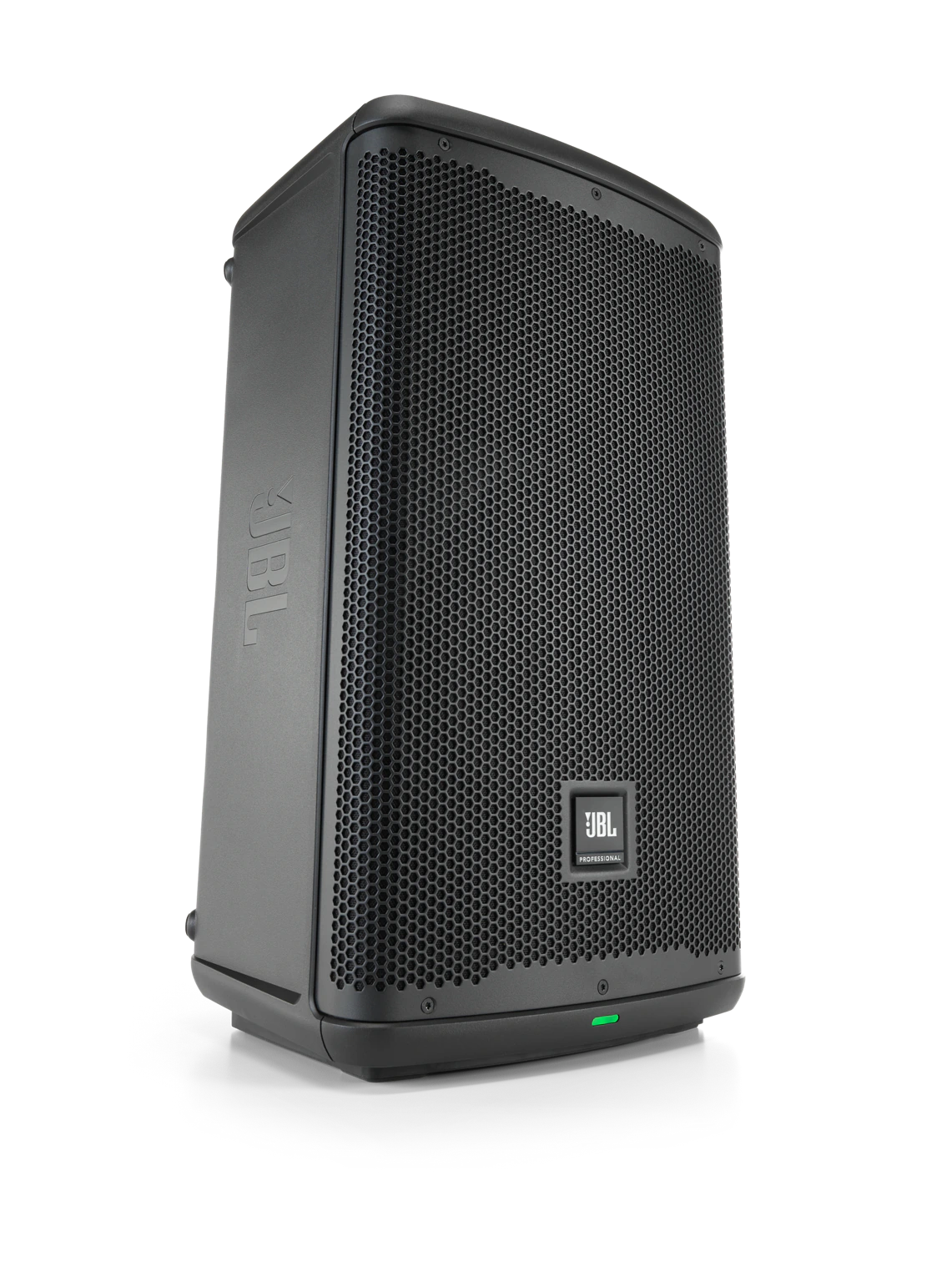
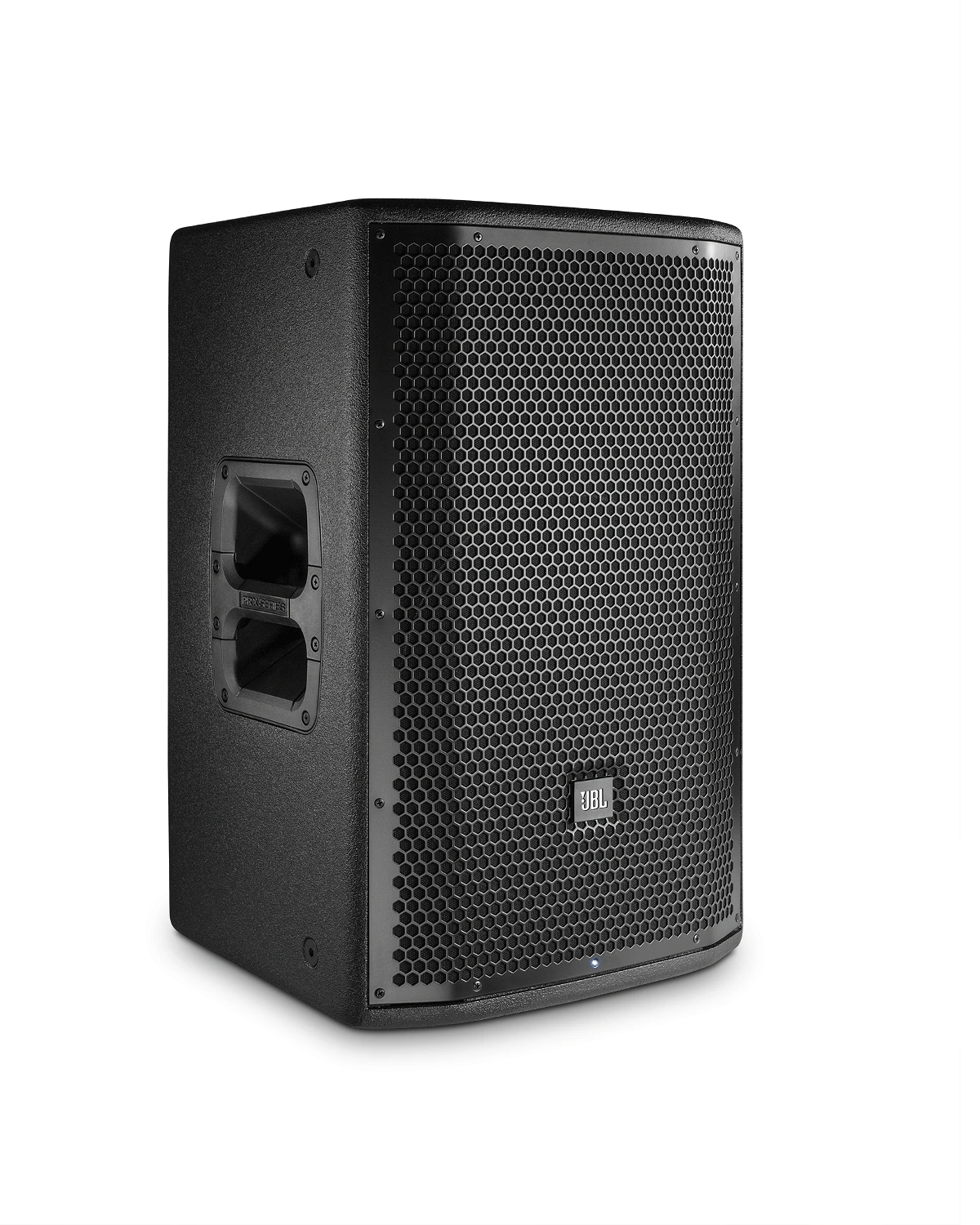
In front of the altar or pulpit, two JBL PRX812 on tall stands work well, aimed at the pews, not at the vaults. The less sound hits the ceiling and walls, the less echo. Halfway down the nave two smaller JBL EON710 do the job. They need a small delay so that their sound reaches the listener at the same time as the sound from the front. The delay is set in a digital mixer, and it is best left to a technician.
A church rarely needs a subwoofer. Bass rings longest in a stone room and makes speech even muddier. The exception is a concert with a band on electric instruments.
- Speakers in front of the microphones, never behind them.
- Front speakers high, so the sound clears the first pews.
- Rear speakers quieter than the front ones.
- Low frequencies cut from the speech channel at the mixer.
Microphones for the clergy and speakers
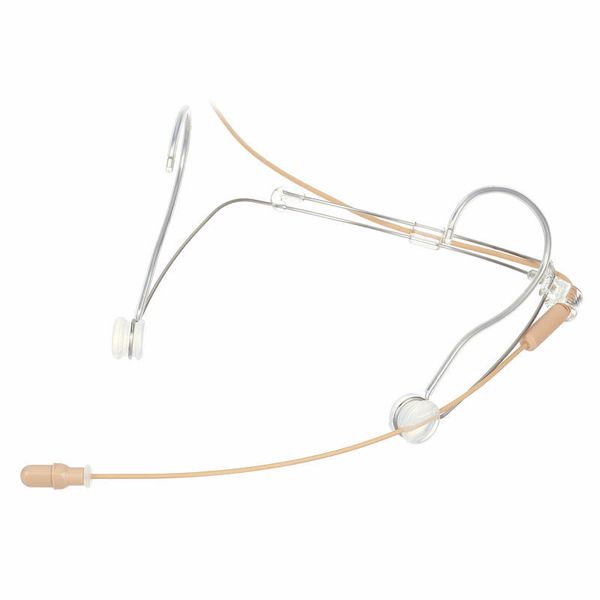
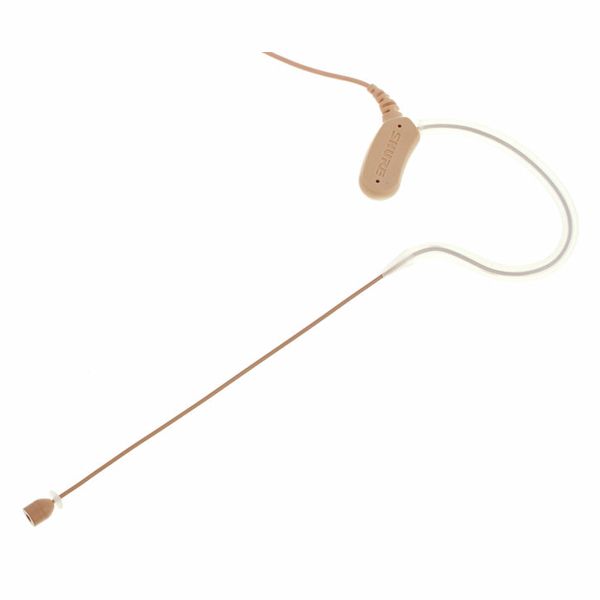
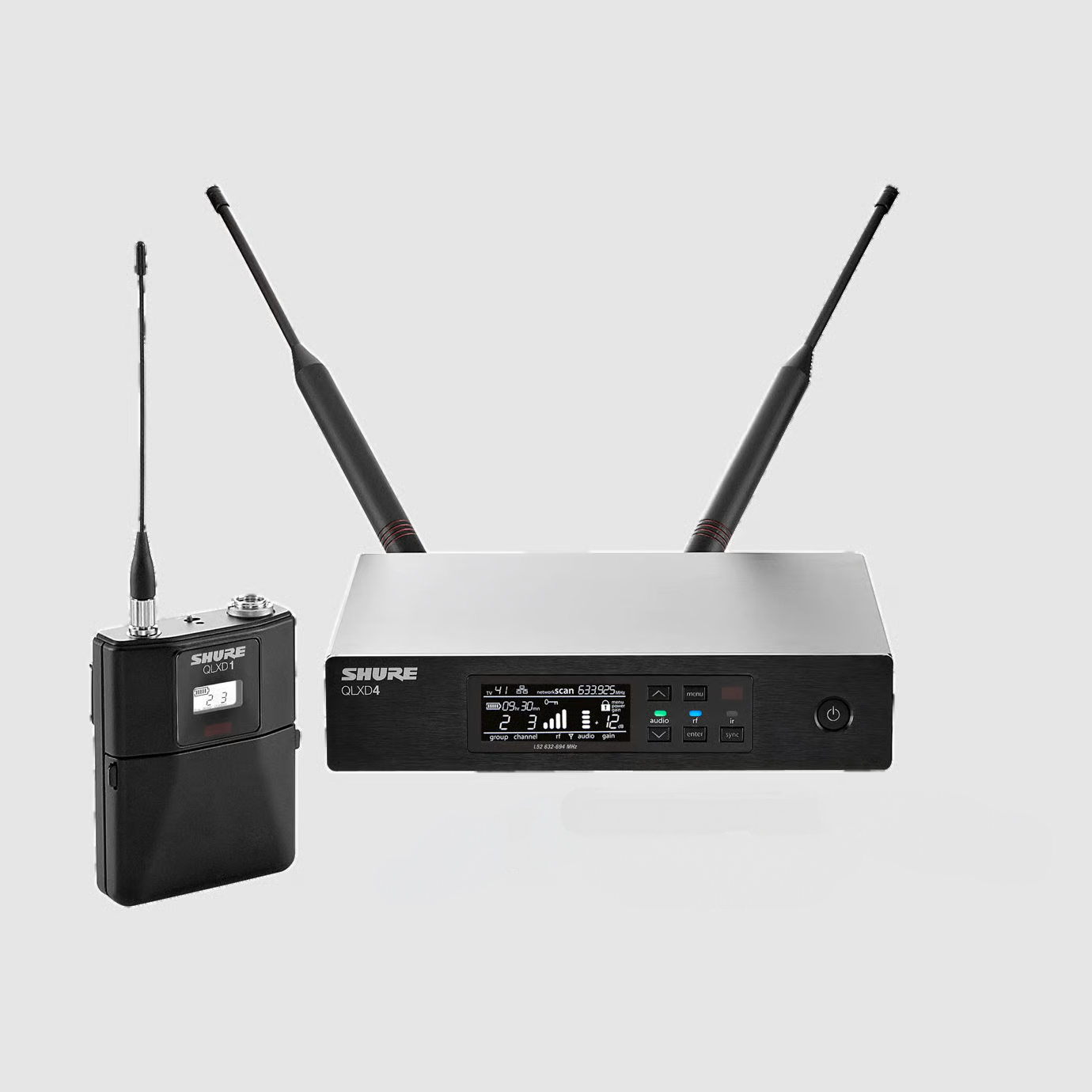
In a reverberant room every centimetre between mouth and microphone counts. A headset such as the Shure MX153T earset or the DH5T sits close to the mouth and picks up far more voice than room. A lavalier is less visible but further away, so it needs more gain and brings the echo into the speakers with it.
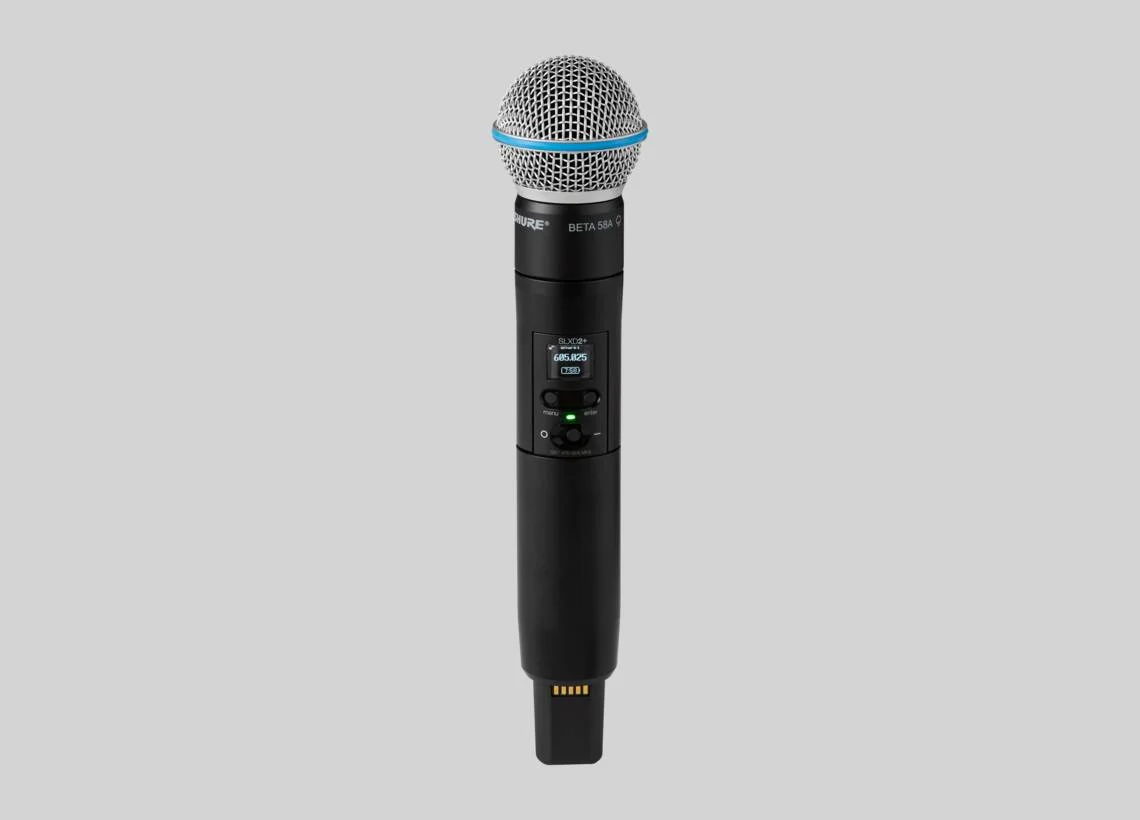
For readers and speakers a wireless Shure SLXD2/B58 handheld or a wired SM58 on a stand by the pulpit works well. Churches are often cold in winter, which drains batteries faster. Put fresh batteries in before the service and keep spares warm.
Choir, soloists and organ
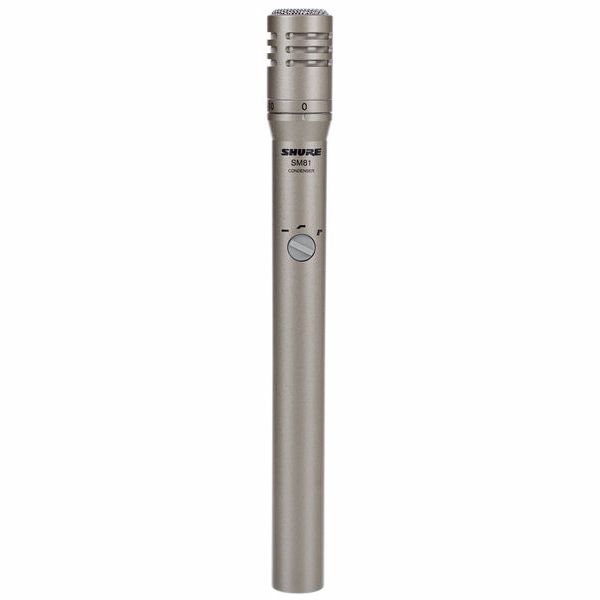
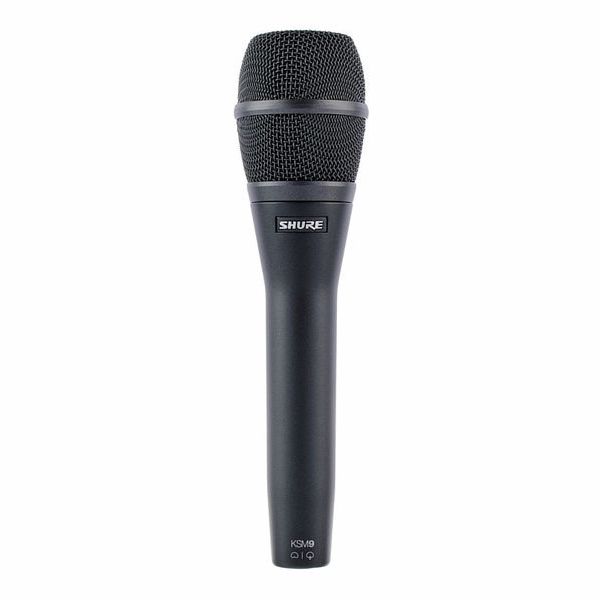
A choir sounds good in a church without amplification and often needs nothing more than gentle support. If the choir is small or the audience large, a pair of condenser microphones in front of it helps, for example two Shure SM81 on tall stands. For a soloist the Shure KSM9/CG condenser gives a detailed voice and stays controlled when sung into closely.
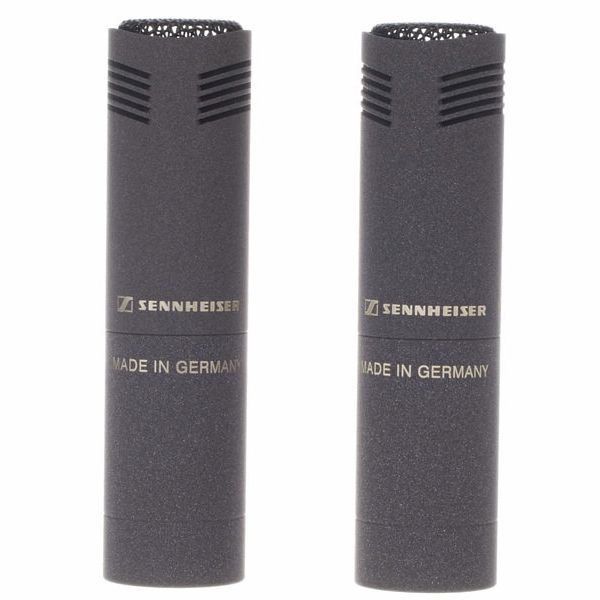
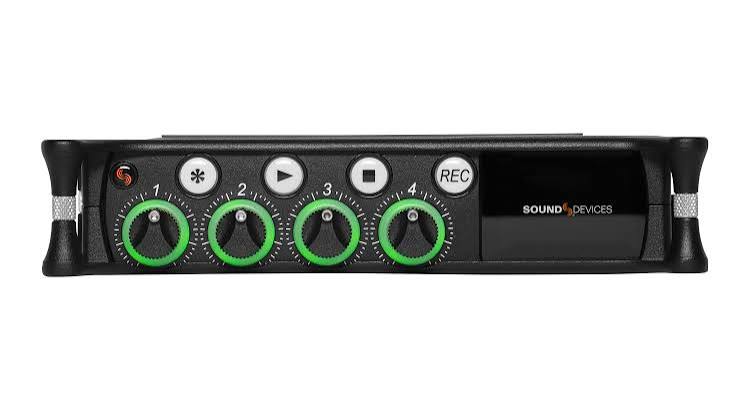
The organ is usually not amplified. It was built for that room and is loud enough. If the concert is recorded, the Concert recording kit with a Sennheiser MKH8040 stereo pair and a Sound Devices MixPre6 fits. A stereo pair high on a stand in the middle of the nave captures choir, organ and room as one whole.
Respect for the space
A church is not an ordinary venue. Agree with the parish or the church administration where equipment may stand, whether tape may go on the floor and when you can set up. Do not put stands on historic stone floors or grave slabs without asking.
Run cables along the walls, away from candles and aisles. Do not sound-check during prayer or while visitors are in the church. Keep the equipment minimal and neat: black boxes stand out less in a white church when there are few of them and they are placed with care.