

Guitar amp
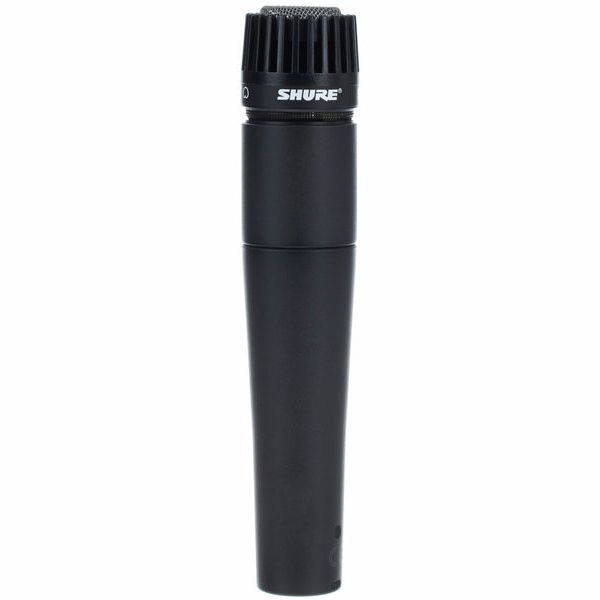
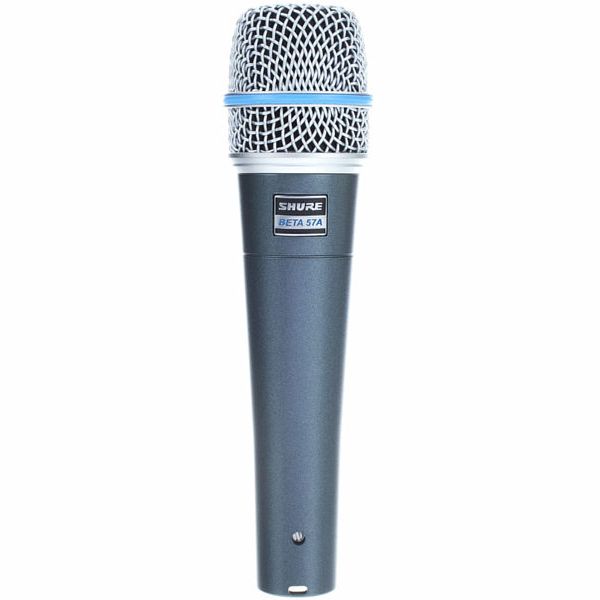
The Shure SM57 (cardioid, 40–15,000 Hz) is the standard on guitar amps. Put it close to the grille, between the centre and the edge of the speaker cone: aimed at the centre the sound is brighter, towards the edge softer. The BETA 57A is the supercardioid take on the same idea (50–16,000 Hz) and picks up less of the drum kit next to it.
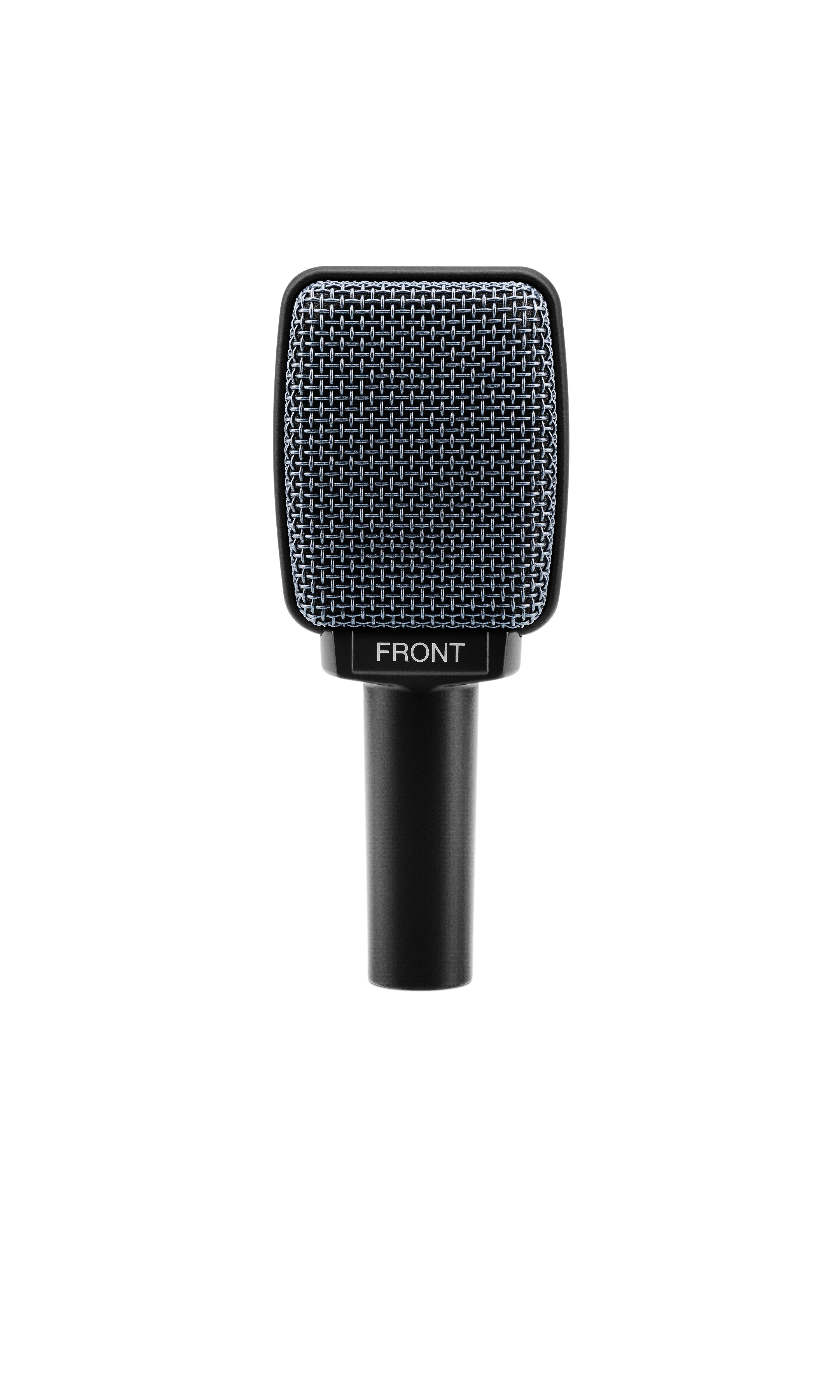
The Sennheiser e906 is a flat supercardioid that can hang by its cable in front of the amp with no stand. Its switch changes the treble emphasis, so you can shape the tone at the mic.
Drums: kick, snare and toms
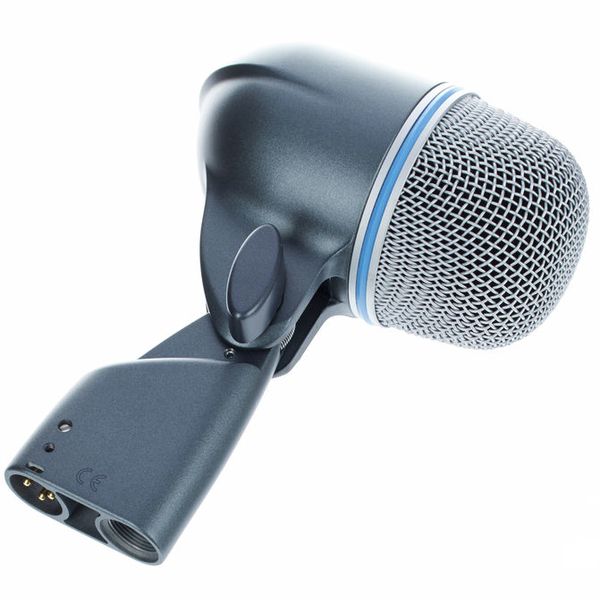
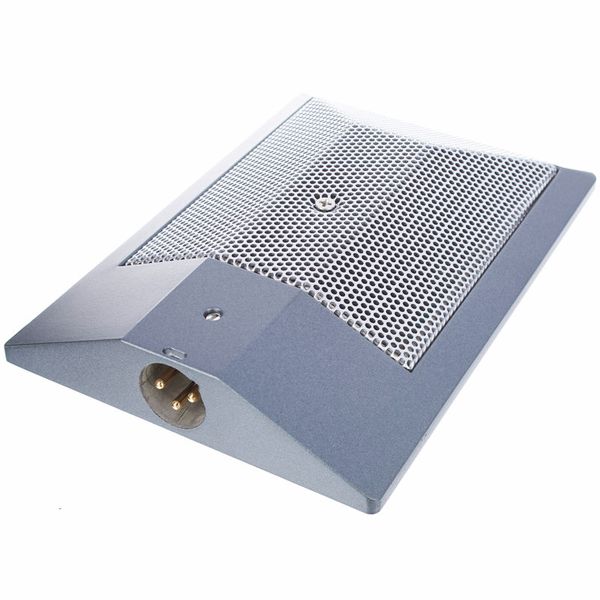
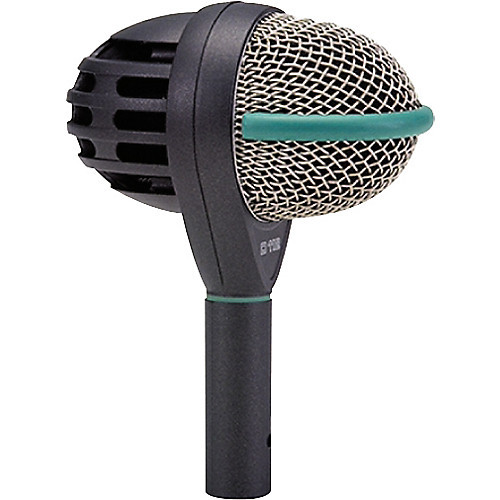
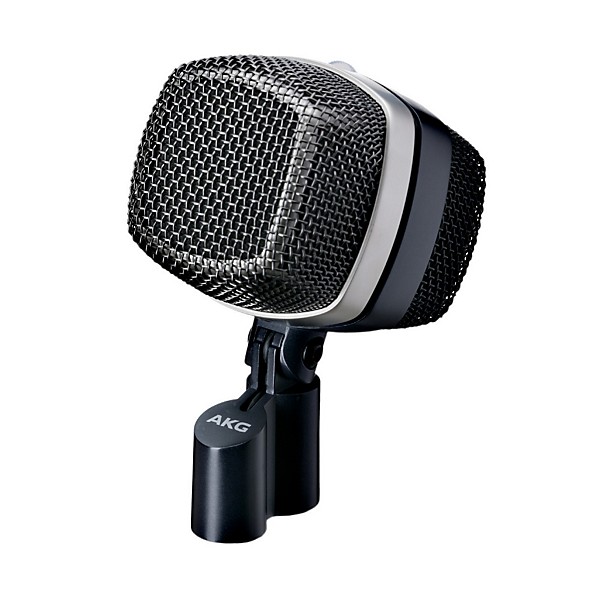
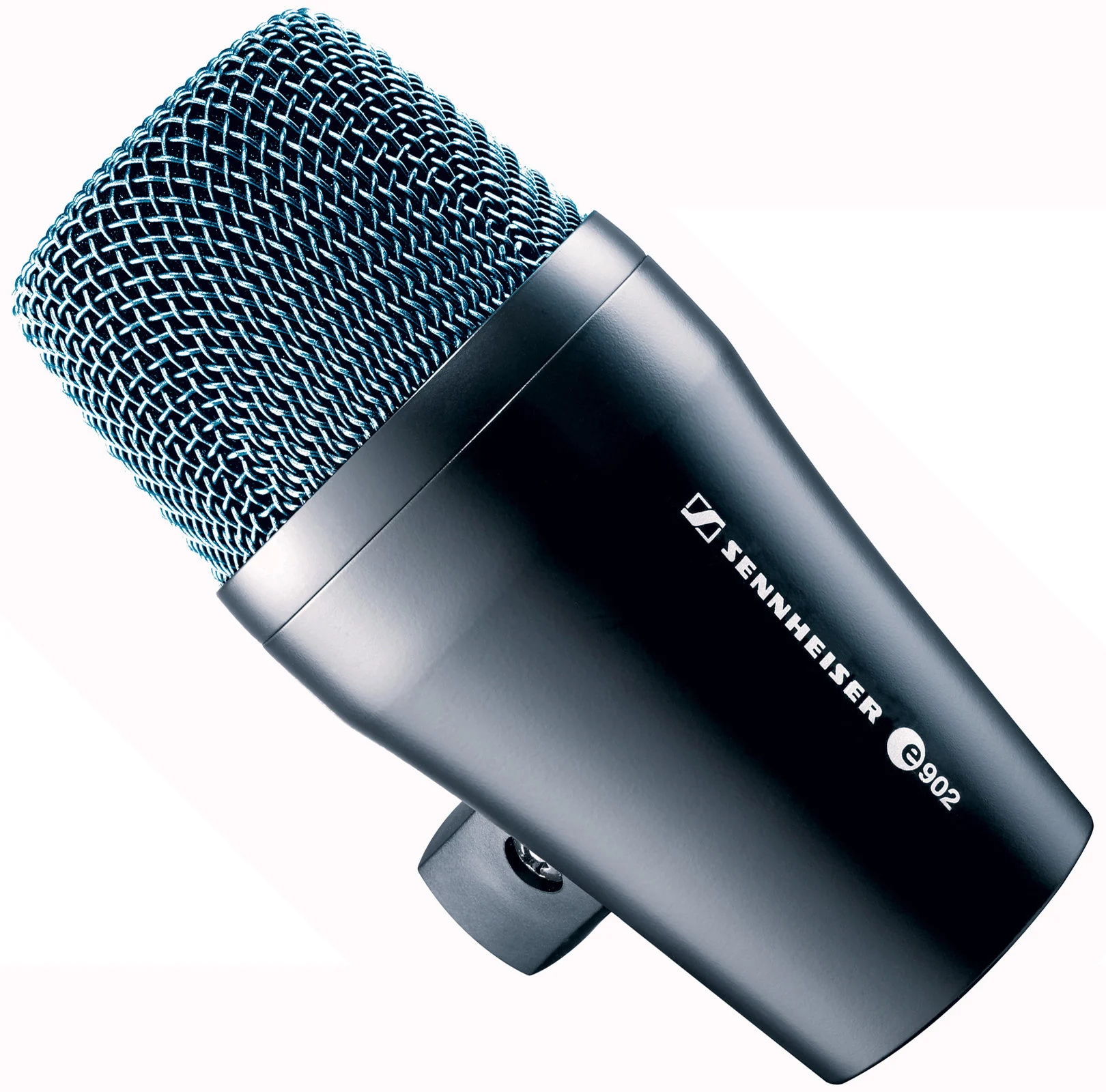
For kick drum the catalog has several dynamics: the Shure BETA 52A (20–10,000 Hz), AKG D112 MKII, Sennheiser e902 (20–18,000 Hz) and the large-diaphragm AKG D12VR. The Shure BETA 91A is a condenser that lies on a pillow inside the kick and needs phantom power. Many engineers use the BETA 91A inside and one dynamic outside.
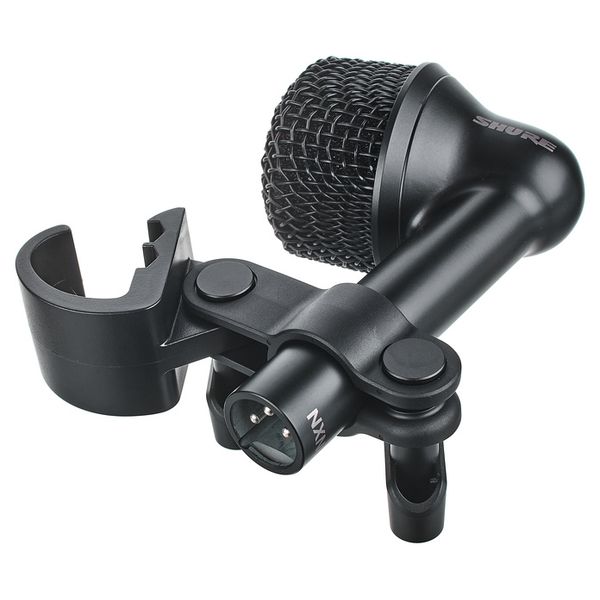
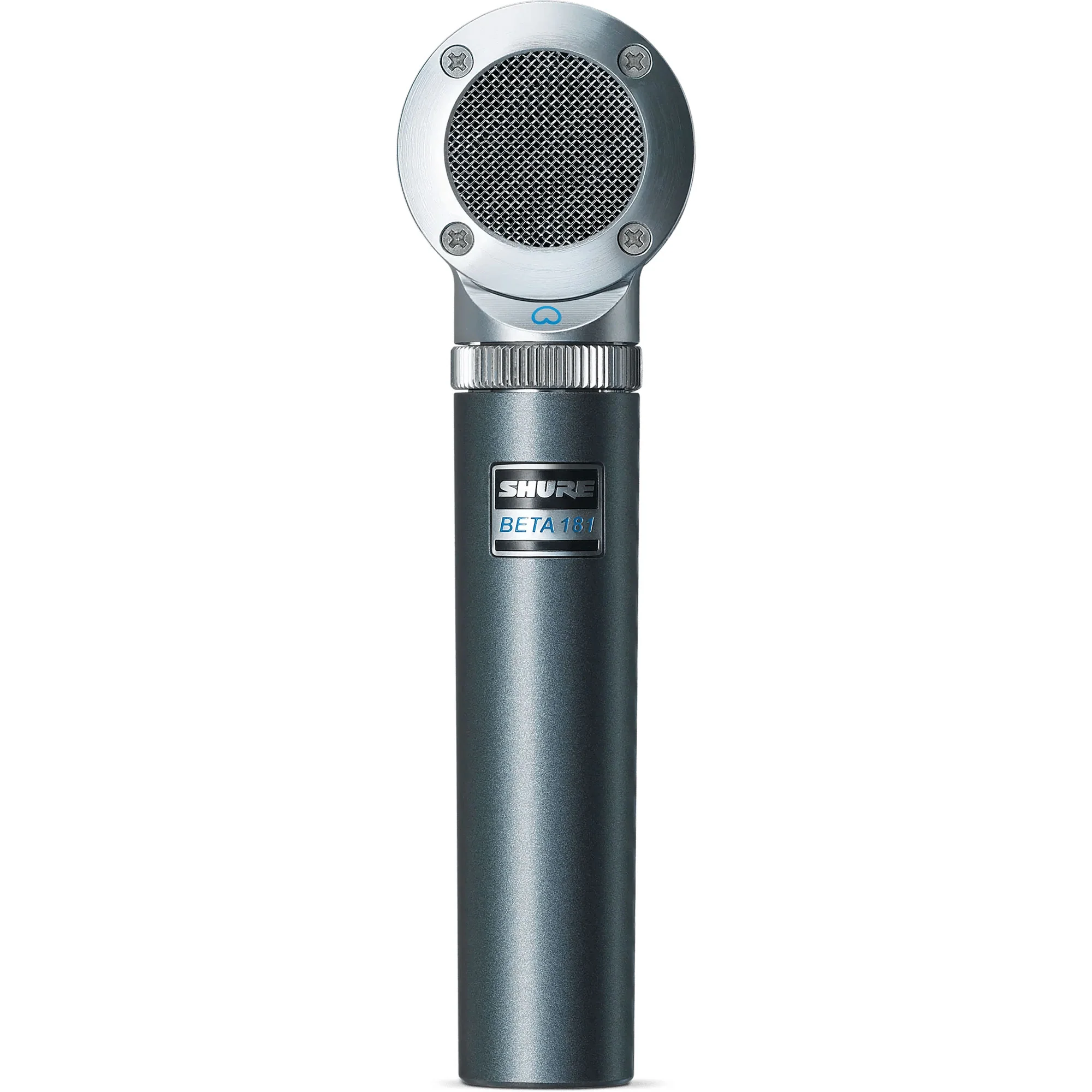
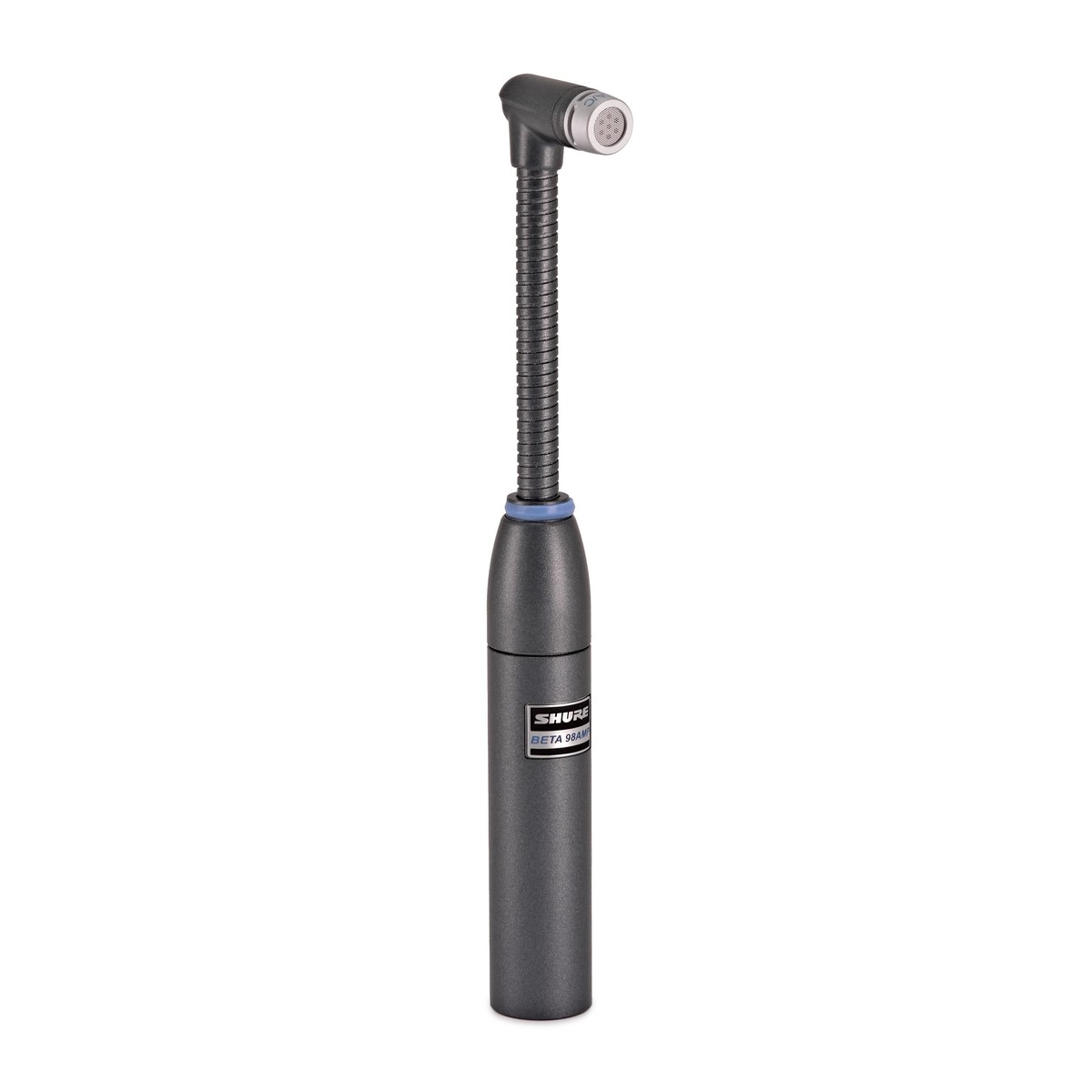
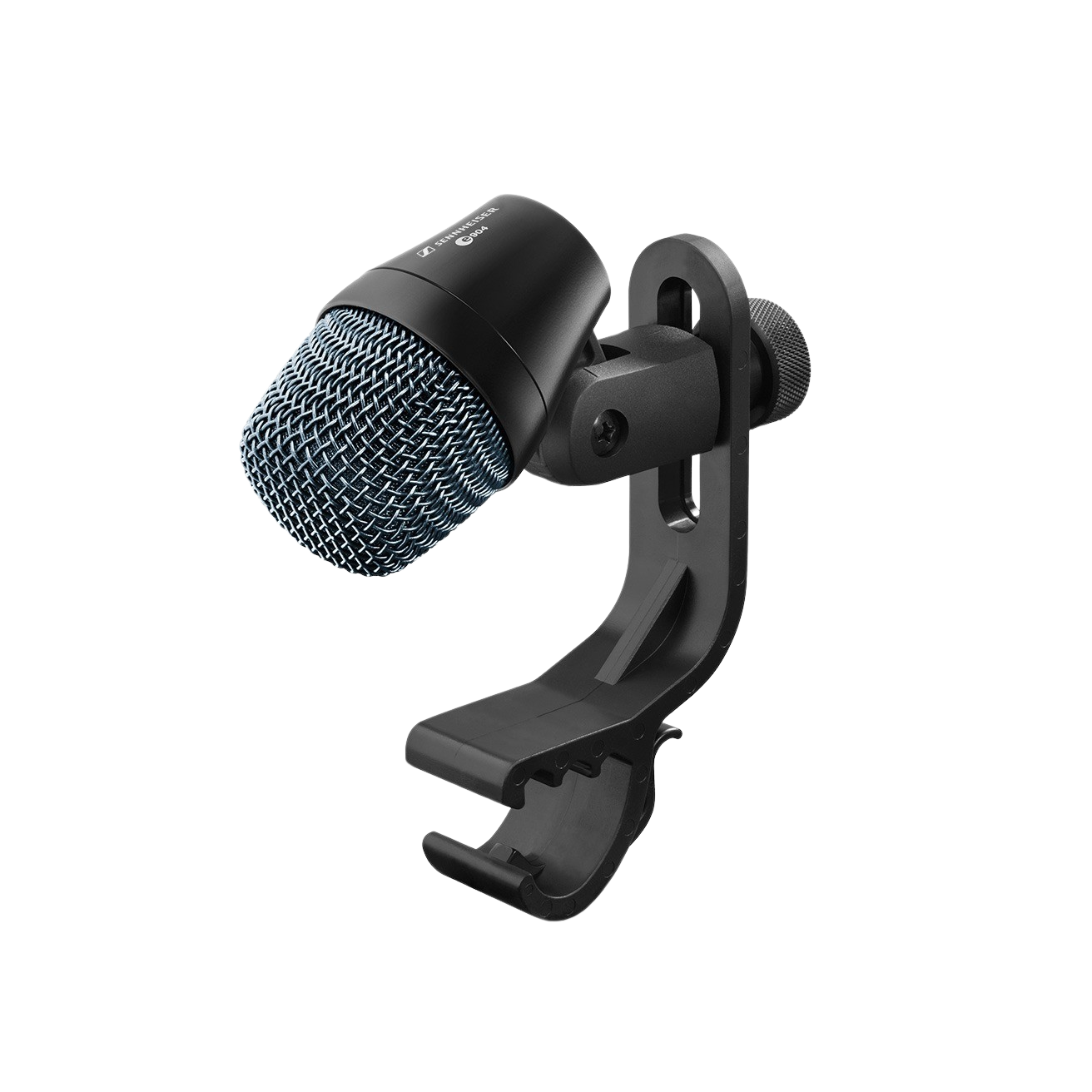
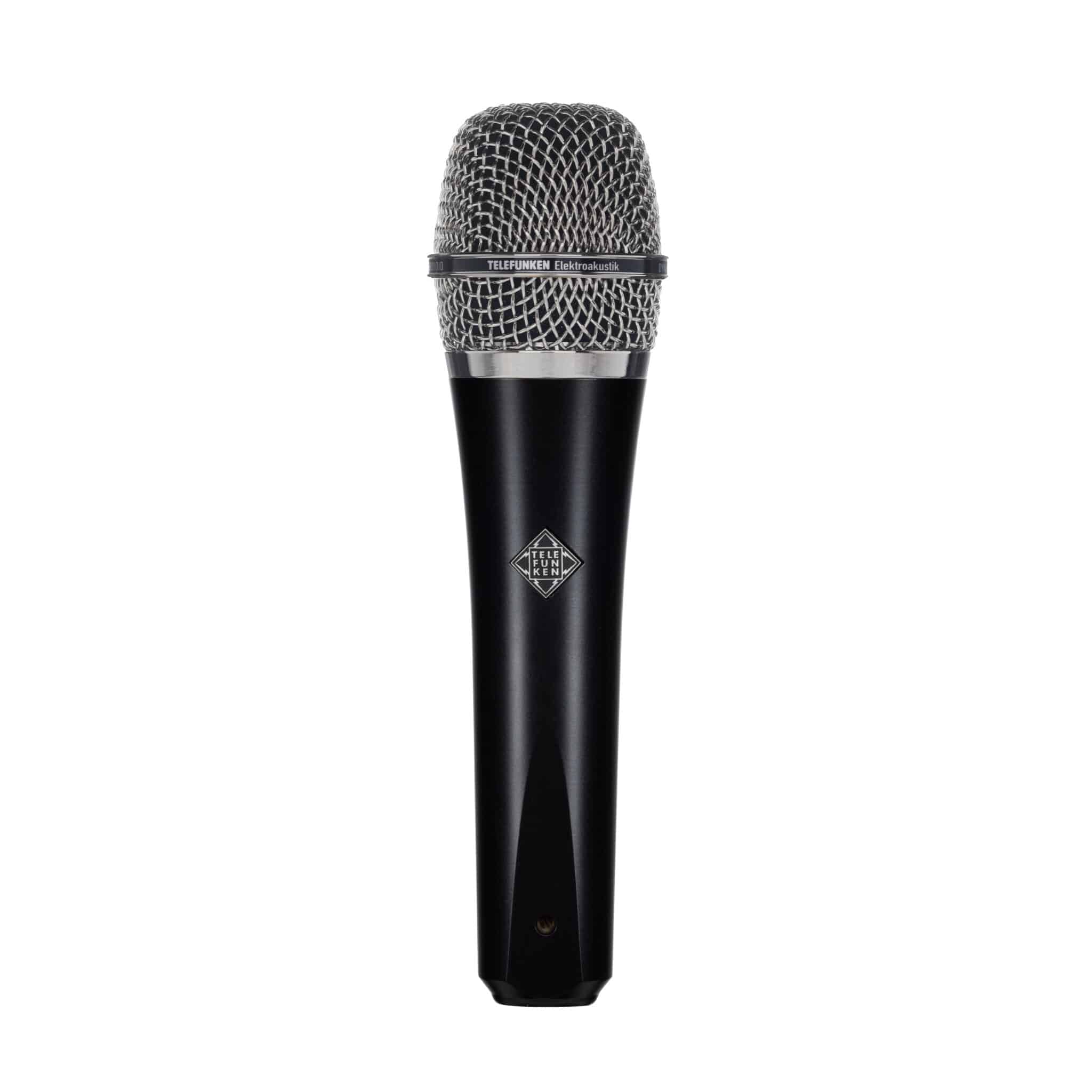
On snare use an SM57, BETA 57A or the supercardioid Telefunken M80, which doubles as a vocal mic. For toms there is the clip-on Sennheiser e904 and the miniature Shure BETA98AMP/C condenser, rated up to 157.5 dB SPL. The Shure BETA181 is a small side-address condenser for tight spots such as under the snare or between toms. The drum miking guide has a full drum mic plan.
- Kick: BETA 52A, D112 MKII, e902, D12VR, BETA 91A (inside, phantom power).
- Snare: SM57, BETA 57A, Telefunken M80, BETA181 underneath.
- Toms: e904 or BETA98AMP/C on clips, no stand needed.
- Cymbals and hi-hat: condensers, see the condenser microphones page.
Bass, brass and percussion
A bass amp takes the same low-frequency mics as a kick drum: the e902, D112 MKII or BETA 52A. Often the bass is taken straight from the instrument with a DI box, and the mic is added if you want the amp's sound as well.
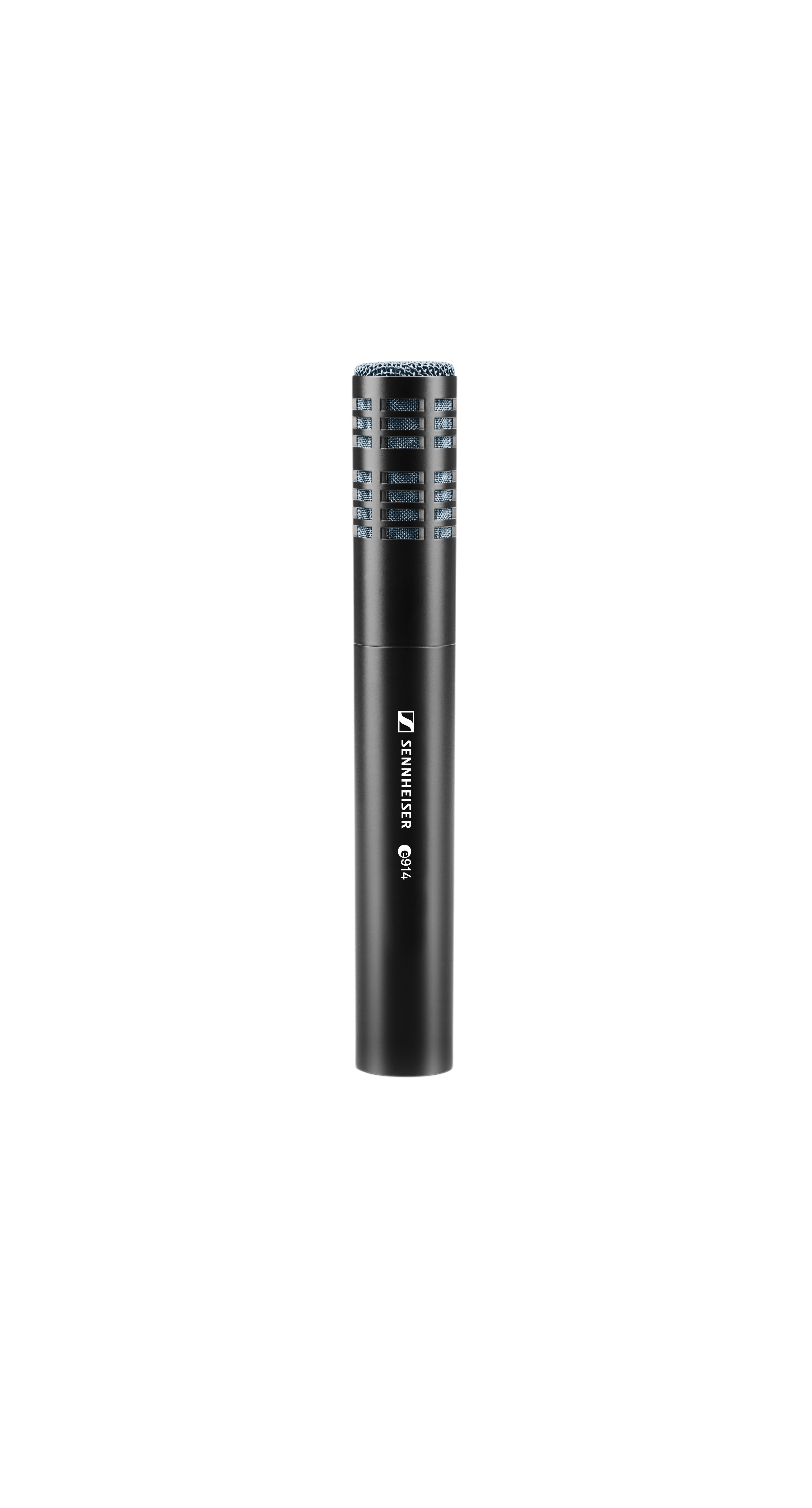
Trumpet, trombone and saxophone work with the SM57, BETA 57A and M80, which handle loud sound up close. Congas, bongos and cajón can take a BETA181 or a clip-on e904. The Sennheiser e914 is a small-diaphragm condenser for stage and studio, good on hi-hat and acoustic percussion.
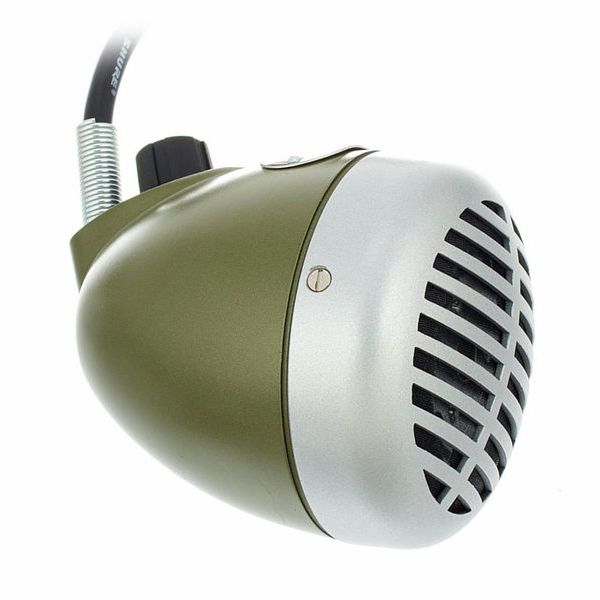
Harmonica: Shure 520DX
The Shure 520DX is made for harmonica: the player cups the mic with the instrument in their hands, and the classic blues harp sound comes when it is plugged into a guitar amp. Going straight into the mixer sounds cleaner but with less character.
If the player uses their own amp, add an SM57 in front of it to the request so that sound reaches the house speakers too.
Phantom power, clips and how many mics
The dynamics (SM57, BETA 57A, BETA 52A, D112 MKII, D12VR, e902, e904, e906, M80, 520DX) need no phantom power. The BETA 91A, BETA181, BETA98AMP/C and e914 condensers need 48 V phantom from the mixer. Clip-on mics fix to the drum rim; the rest need a short stand such as the K&M 259/1 or a boom stand like the K&M 210/9.
The band kit for 200 people has a typical five-piece set: two SM57, a BETA 52A, three e904 and two SM81 for cymbals. Count every mic and DI box, because that sets how many channels the mixer needs.