Drum microphones: which mics to rent for a drum kit
Drums are the instrument on stage that needs the most microphones, and this is where rental lists go wrong most often: the microphones are there but the stands and clips are missing, or the mixer runs out of inputs. Here is what goes where, what we have to offer, and when less is actually more.
Start with what the audience needs to hear
Drums are loud acoustically. In a small café they may not need amplifying at all; it is enough to lift the vocals and guitar above them. In a club or a hall with two hundred people the kick needs help and the cymbals want overheads. At a big concert with subwoofers every drum gets its own channel.
Before choosing microphones, count the mixer inputs. On the six microphone inputs of a Soundcraft Signature 10 the drums start competing with the vocals. For a band, the Soundcraft Ui24R with 24 channels is what we use in the band kit for up to 200 people.
Kick drum
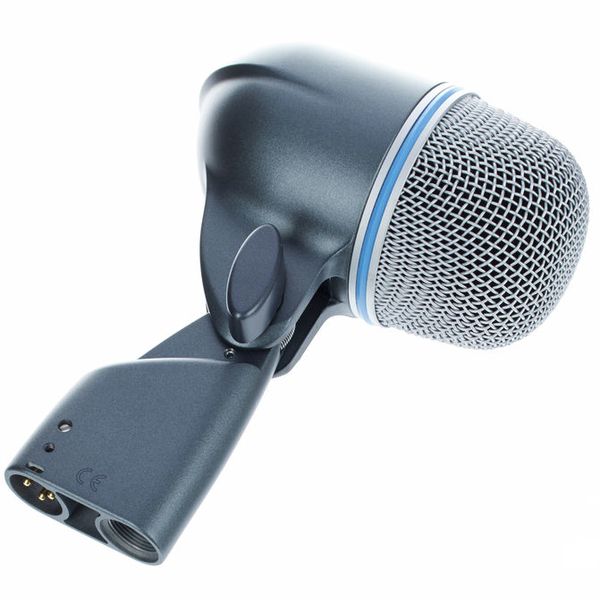
A kick microphone is dynamic, large-diaphragm and takes high sound pressure. We have the Shure BETA 52A, AKG D112 MKII, Sennheiser e902 and Shure Nexadyne 2. All do the same job, the difference is character: the BETA 52A and Nexadyne 2 give more punch, the D112 is rounder, the e902 also works in front of a bass amp.
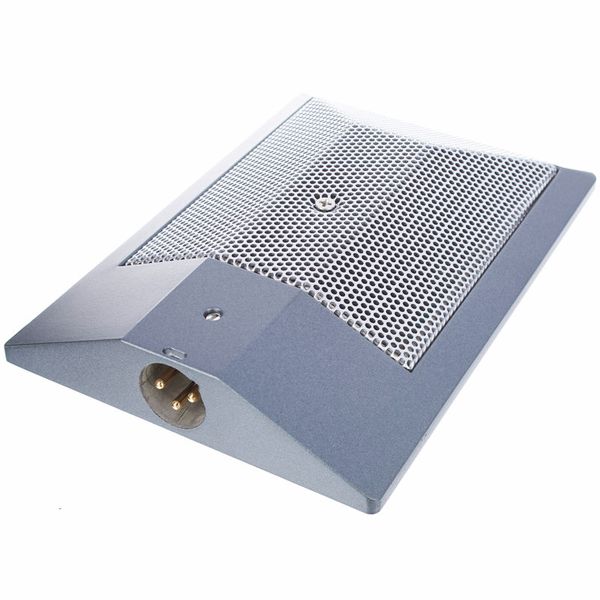
The microphone goes on a short stand (K&M 259/1) at the port in the resonant head or inside it. If you want attack and body at the same time, add a Shure BETA 91A, a flat boundary microphone placed inside the drum on the pillow. Two kick channels are normal at a concert.
Snare
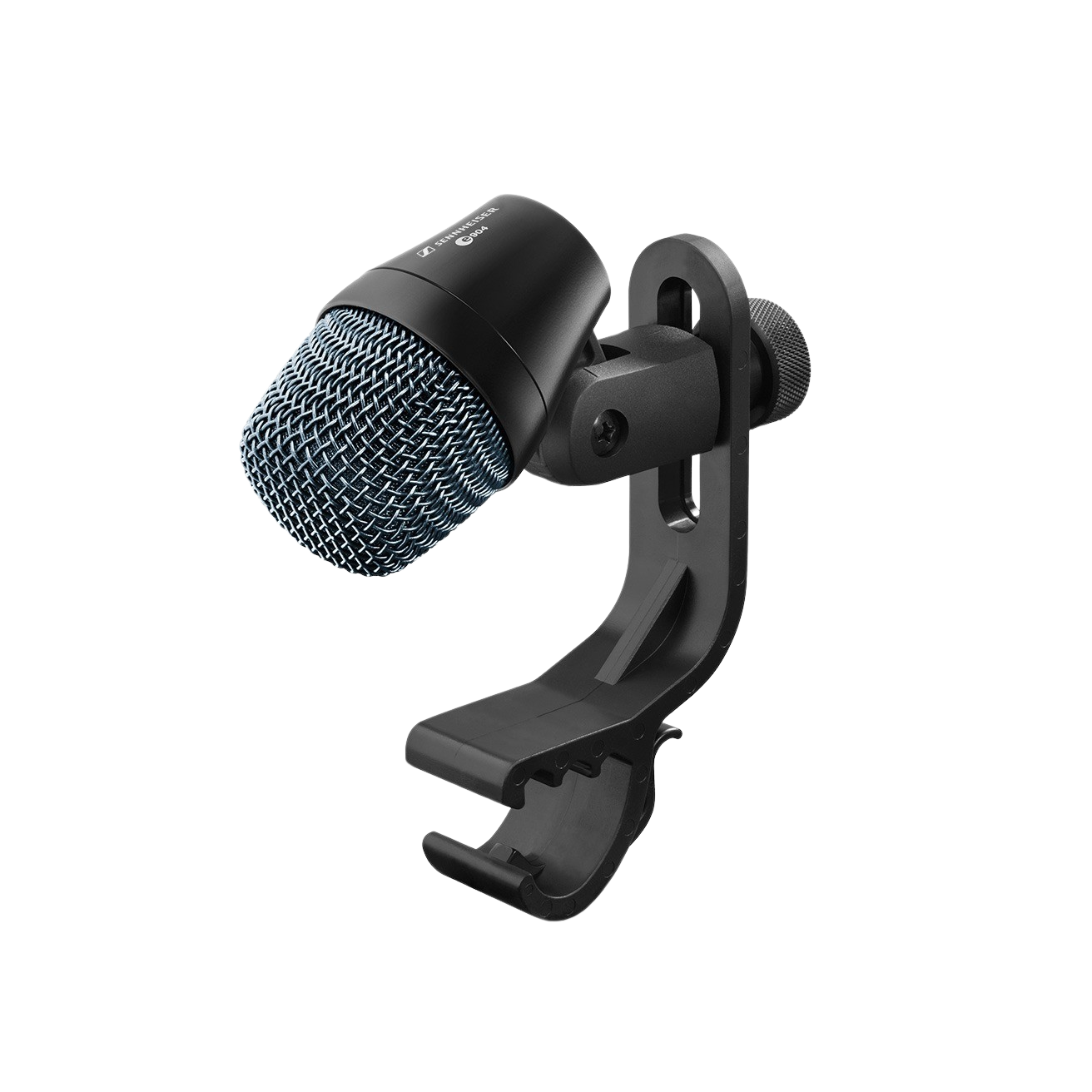
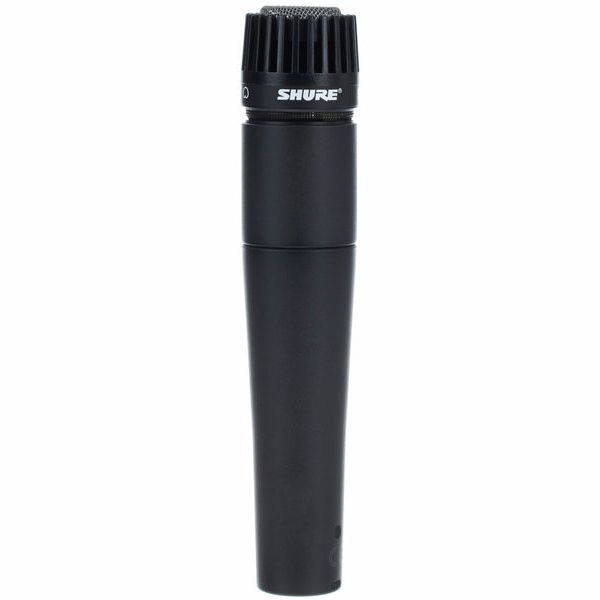
The snare top is taken by a Shure SM57, the stage standard for decades. The Sennheiser e904 clips onto the rim and needs no stand, which is a real advantage on a cramped stage. The Shure Nexadyne 6 is supercardioid and picks up less hi-hat.
A bottom microphone for the snare wires is an extra for larger concerts. If you use one, flip its polarity in the mixer, otherwise the two microphones cancel each other.
Toms
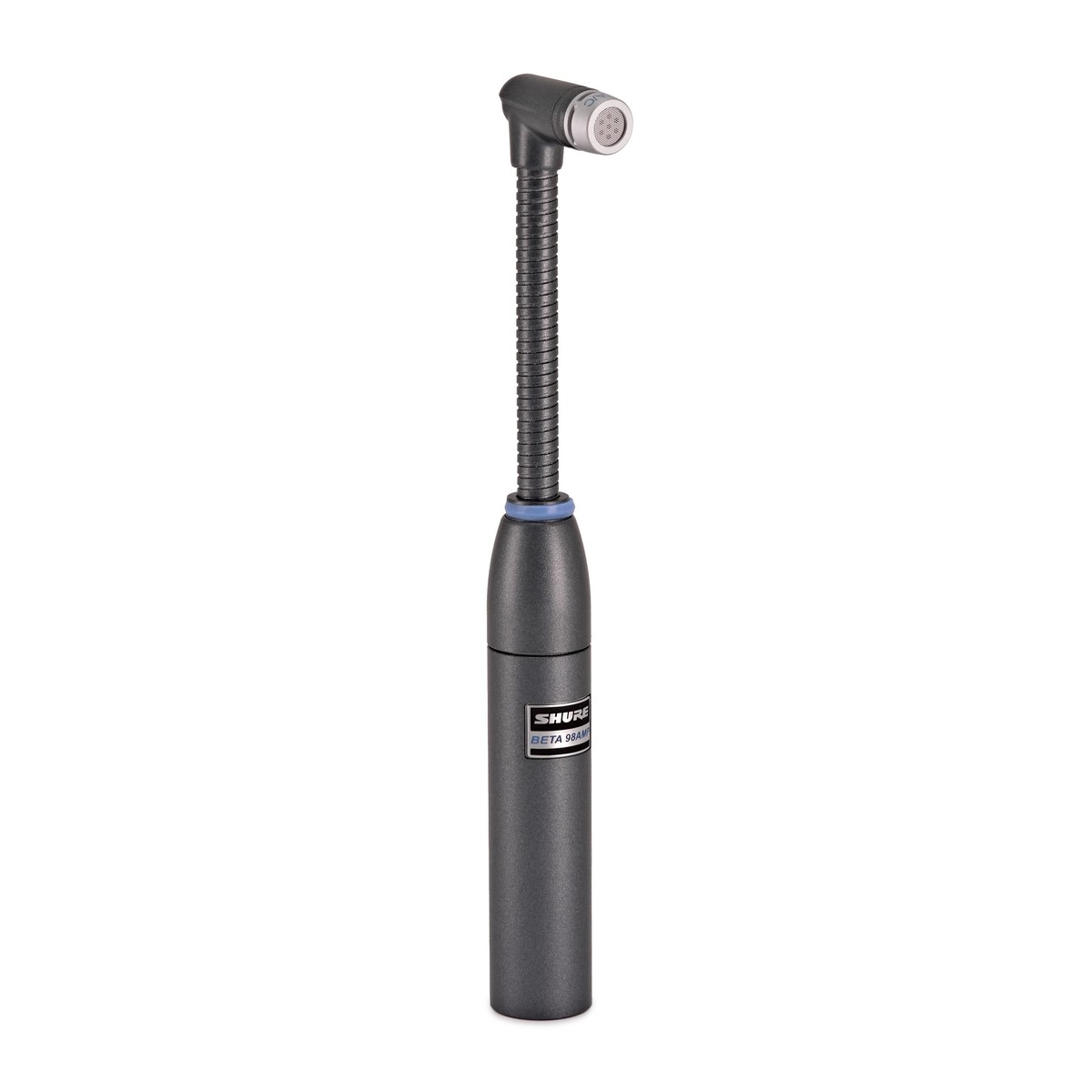
One microphone per tom. The Sennheiser e904 on a clip is the workhorse: quick to mount, needs no stands, survives hits. The Shure BETA98AMP/C is a miniature condenser with its own preamp on the clip, takes less space and sounds more open, but needs phantom power.
The band kit has three e904: one for the snare and two for toms. If there are more toms, add one each.
Overheads and hi-hat
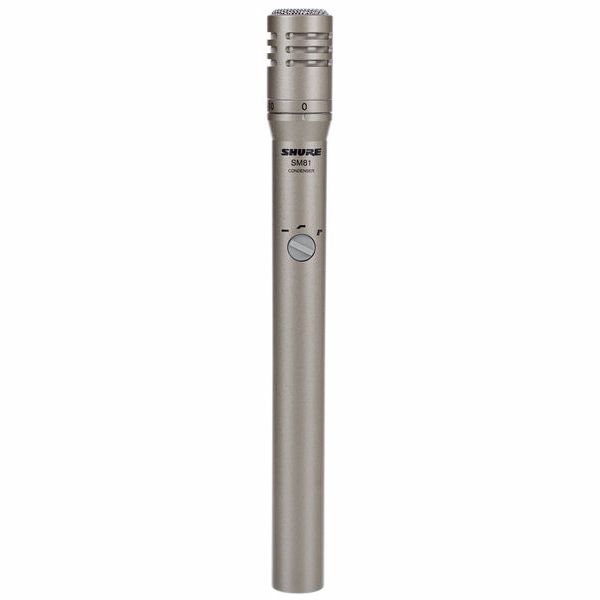
Overheads are two condenser microphones above the kit that capture the cymbals and give a picture of the whole kit. A pair of Shure SM81 is the live standard and is in our band and concert kits. The AKG C414 XLII pair gives more detail and suits recording, the Sennheiser e914 is the more compact option.
Overheads need two tall boom stands (K&M 210/9). A separate hi-hat microphone, SM81 or e914, is only needed when the overheads do not bring the hi-hat through enough. Aim it away from the snare.
Stands, clips and channel count
Three typical levels we get asked for:
Tell us how many toms and cymbals the drummer has and we will put the list together with stands, clips and cables.
- Four microphones: kick (BETA 52A), snare (SM57), two overheads (SM81). Enough for most club gigs; needs one short and three tall stands.
- Seven: the above plus three e904 on clips for the toms. No extra stands.
- Nine: the above plus hi-hat and snare bottom, or a BETA 91A inside the kick.