Phantom power
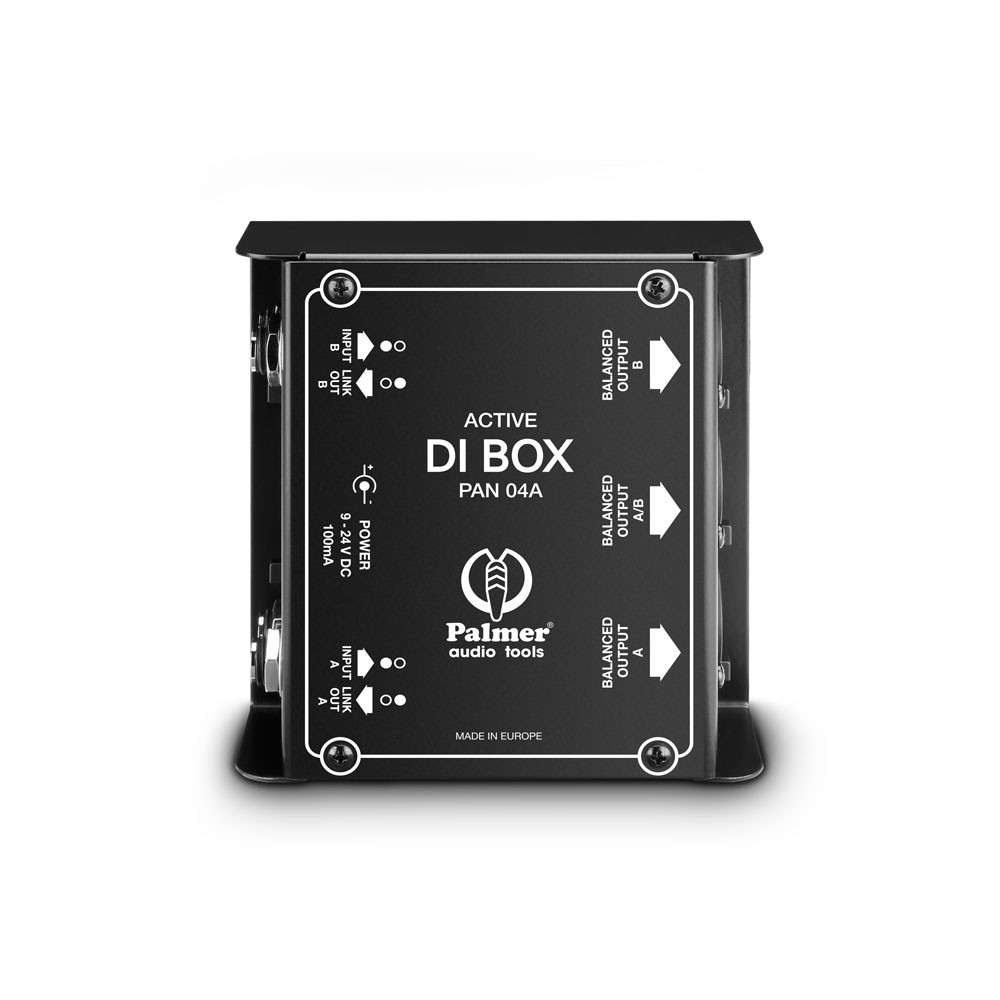
Phantom power is a 48-volt DC supply the mixer sends down the XLR cable to power condenser microphones and active DI boxes without a separate power adapter.
Why it is called phantom
A condenser microphone contains electronics that need power to work. Instead of running a separate power lead to every microphone, the mixer sends 48 volts down the same XLR conductors that carry the audio. The power rides invisibly in the cable like a phantom: it does not disturb the sound and generally does no harm to a dynamic microphone that does not need it.
The mixer has a phantom power button or switch marked 48 V or +48. On larger and digital consoles you switch it per channel; many compact mixers have one switch for all microphone inputs at once.
What needs phantom power
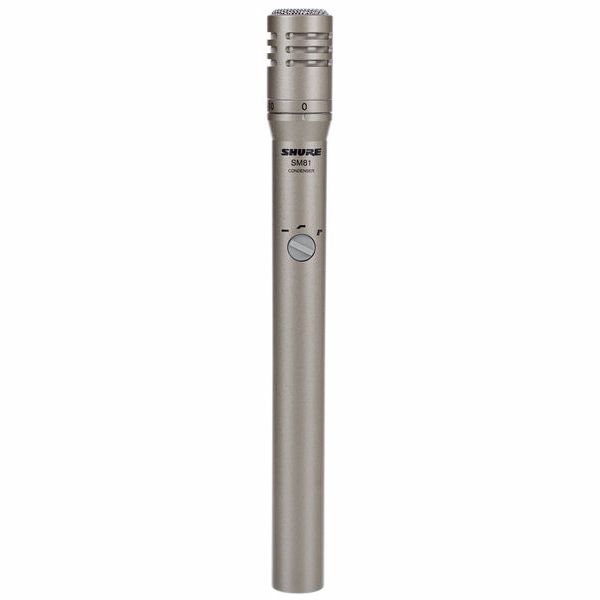
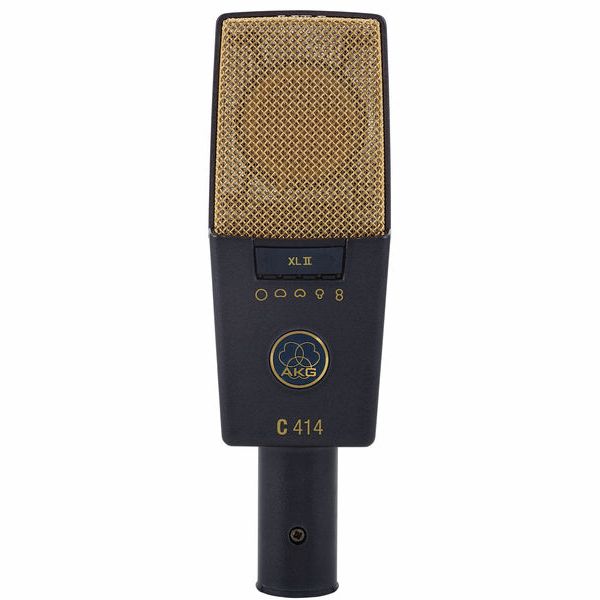
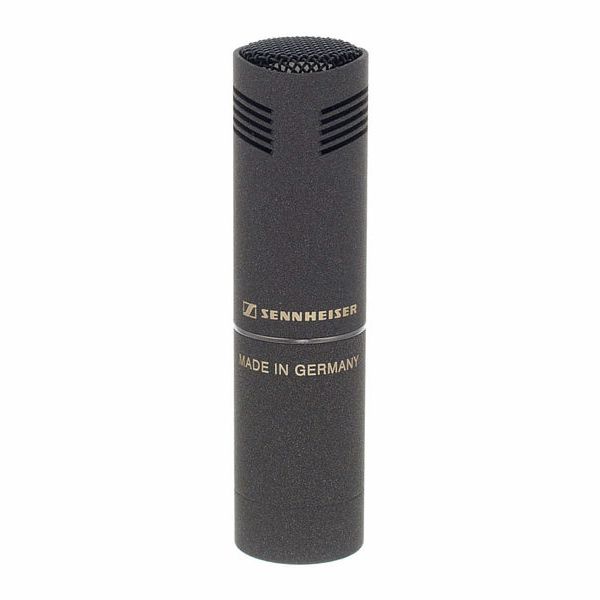
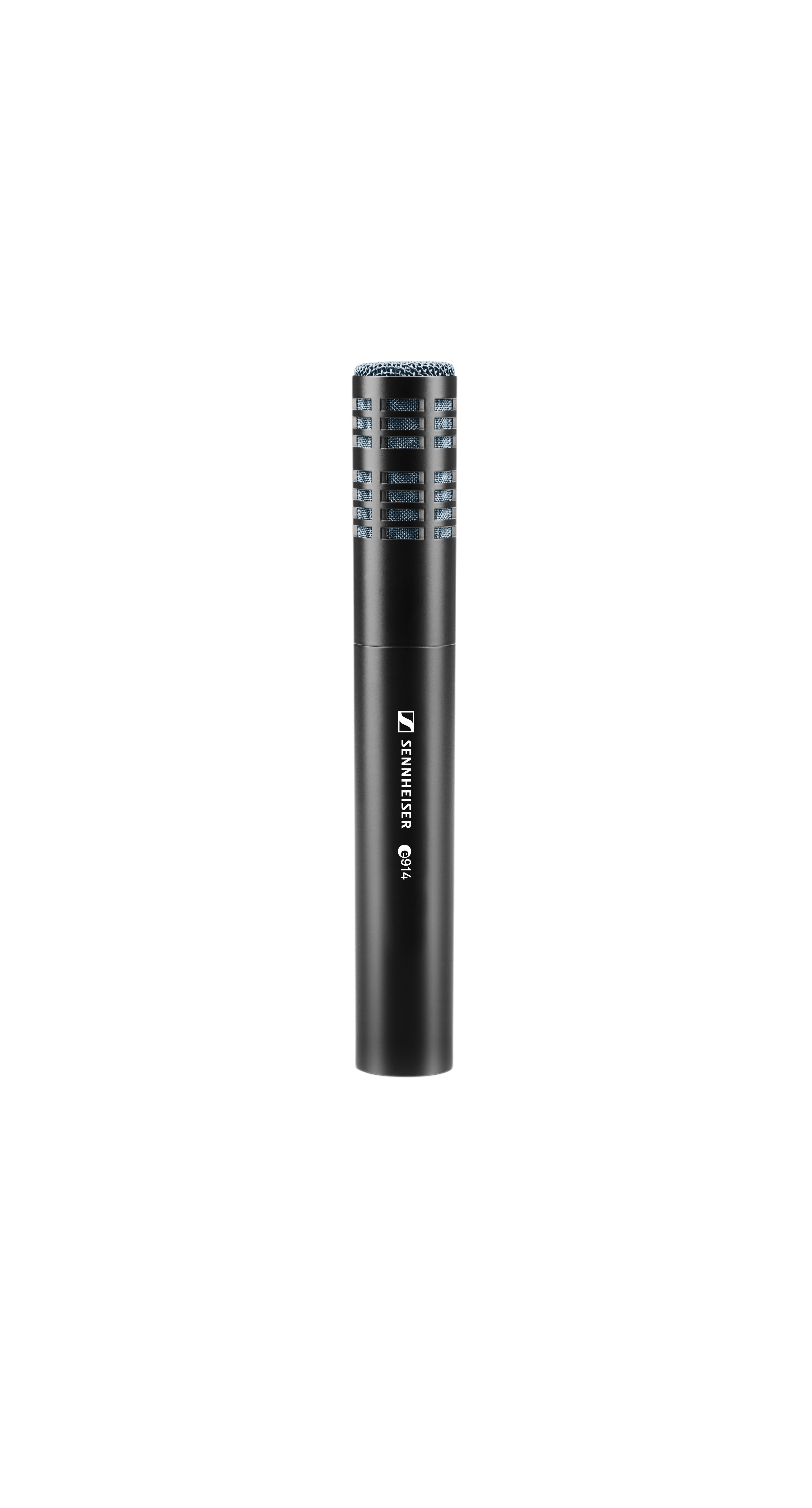
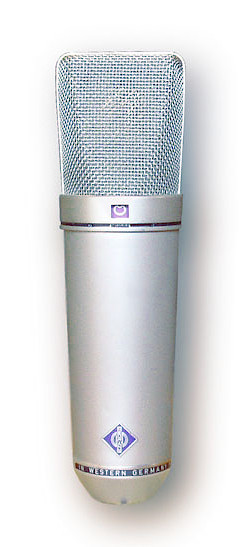
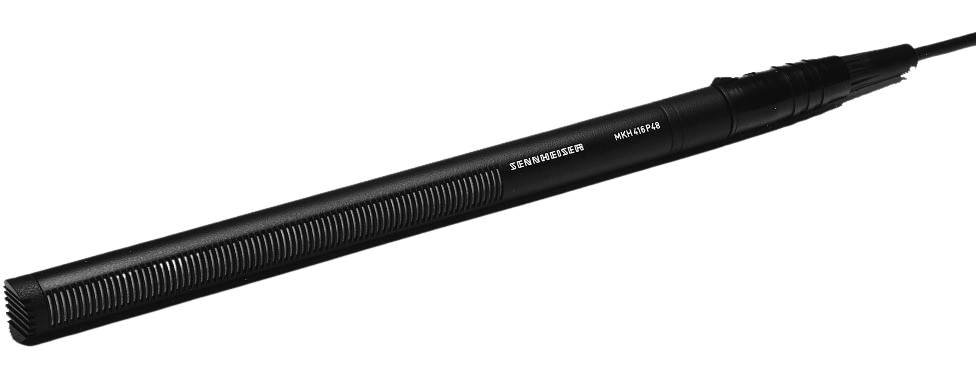
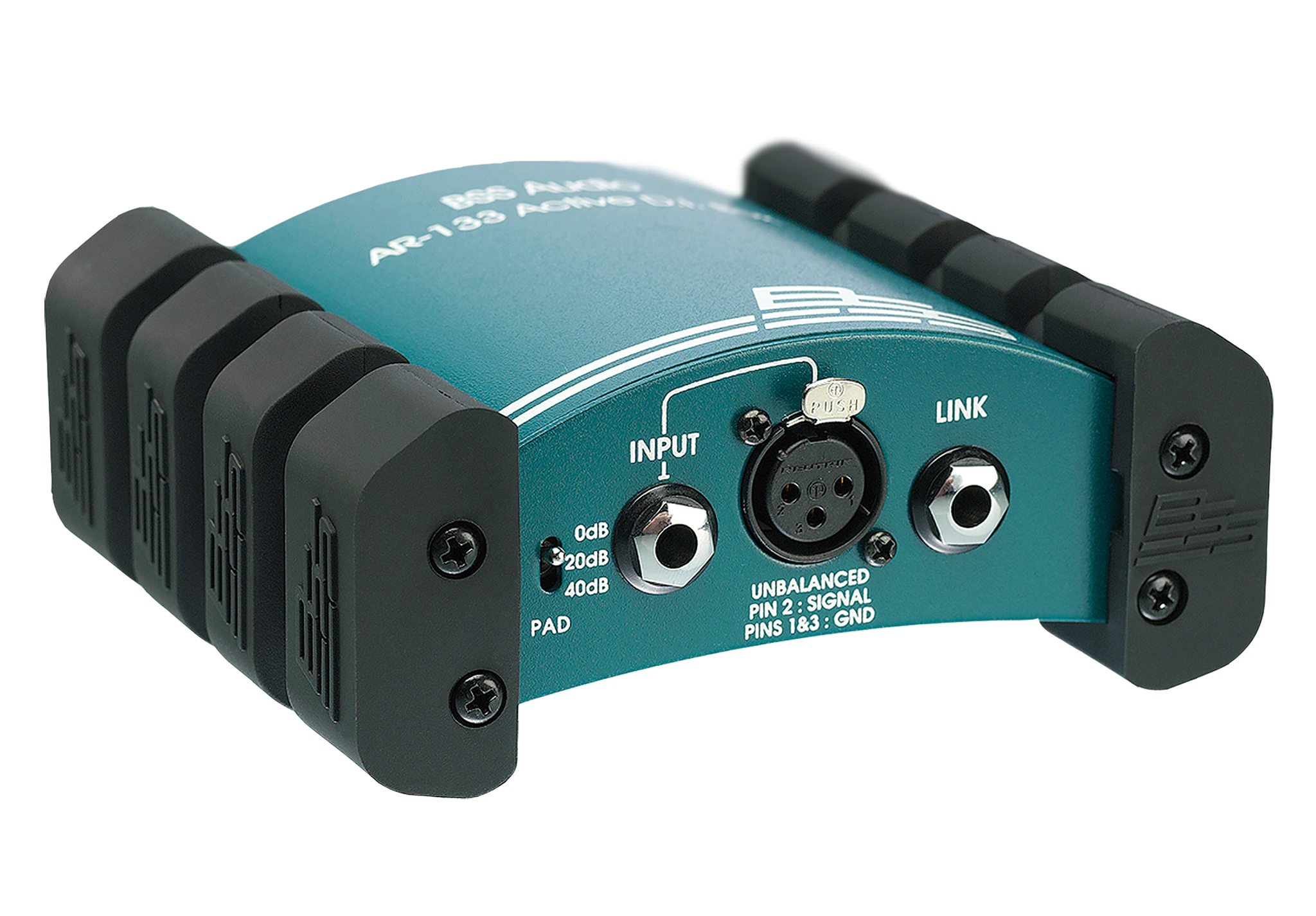
Wired condenser microphones need it: the Shure SM81, AKG C414 XLII, Sennheiser MKH8040, Sennheiser e914, Neumann U87 (the P48 in its name means exactly 48 V power) and the Sennheiser MKH 416-P48U3 shotgun. So does the active DI box BSS AR-133.
Phantom power is not needed by dynamic microphones such as the Shure SM58, SM57 and Sennheiser e904, by passive DI boxes, or by wireless receivers. The condenser capsule of a wireless lavalier or headset is powered by the transmitter, not the mixer.
Common mistakes
Switching phantom power on, or plugging in a condenser microphone, while the channel fader is up sends a loud pop through the speakers. It can damage a speaker and startles the audience. The right order is: fader down, connect the microphone, switch on 48 V, wait a couple of seconds, then bring the level up.
Another mistake is hunting for a broken microphone when phantom power is simply off. A third is switching on global phantom on a mixer where an unbalanced device on an adapter or an old ribbon microphone is plugged into one of the inputs. In those cases ask a technician first.
- Fader down first, then 48 V.
- Silent condenser microphone: check the 48 V switch first.
- A wireless receiver does not need phantom power.