Band sound equipment: what a five-piece band needs
The most useful document when ordering sound equipment for a band is the input list: one line for every microphone or DI box that goes into the mixer. Here is that list for a typical five-piece band (drummer, bassist, two guitarists, keyboard player, three singing voices), with the microphones, stands and monitors, plus the channel count that results and the mixer that holds it.
Drums: six channels
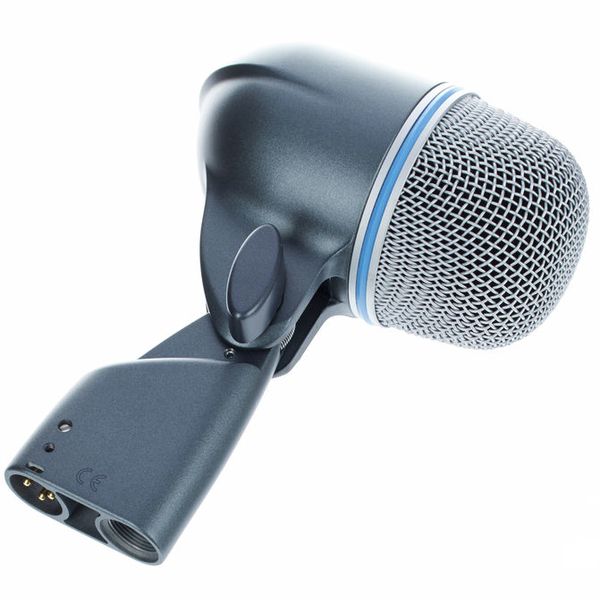
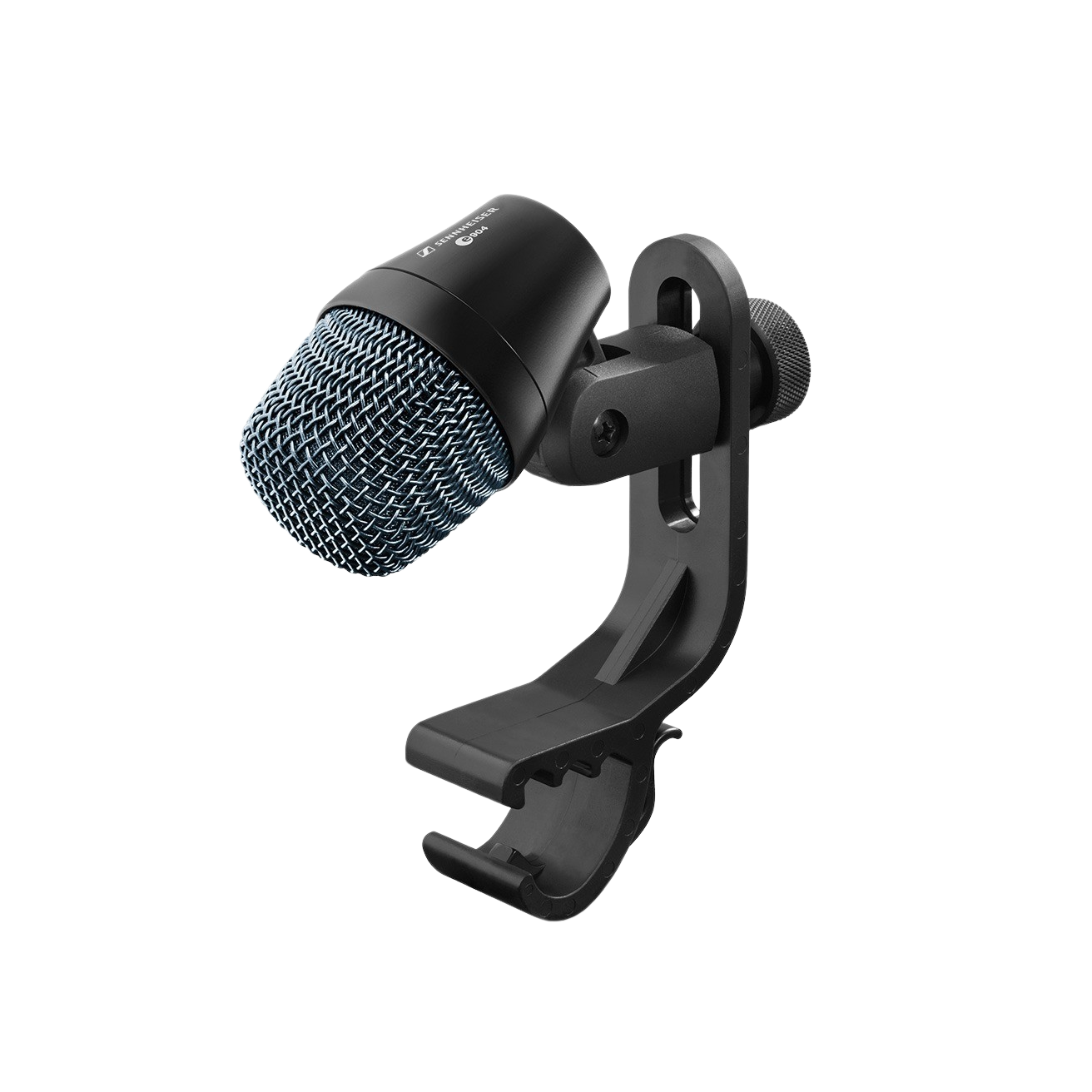
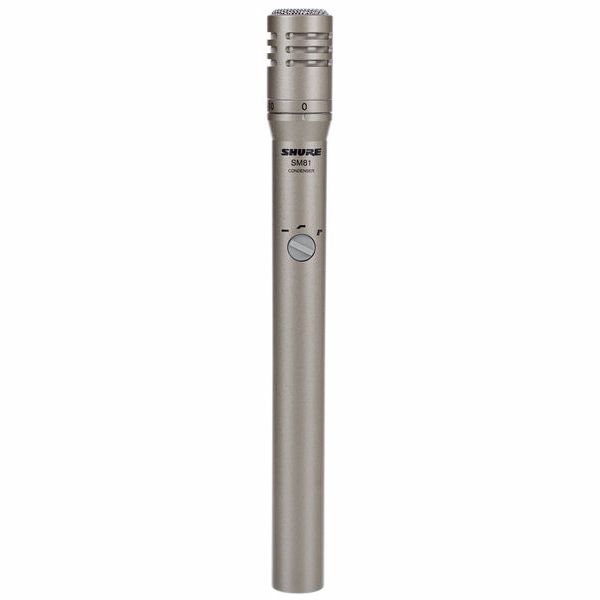
The drum kit is the biggest source of inputs on stage. In a club-sized room the kick, snare, toms and two overheads that pick up the cymbals and the kit as a whole are enough. The kick microphone must take high sound pressure and deliver low end: the Shure BETA 52A is built for that. Snare and toms get Sennheiser e904 microphones, which clip onto the drum rim and need no stand. For overheads a pair of Shure SM81 condenser microphones on tall boom stands does the job.
- 1. Kick: Shure BETA 52A, short stand K&M 259/1
- 2. Snare: Sennheiser e904, clipped to the rim
- 3. Tom 1: Sennheiser e904, clipped
- 4. Tom 2 (floor tom): Sennheiser e904, clipped
- 5. Overhead left: Shure SM81, tall boom stand K&M 210/9
- 6. Overhead right: Shure SM81, tall boom stand K&M 210/9
Bass, guitars and keys: five channels
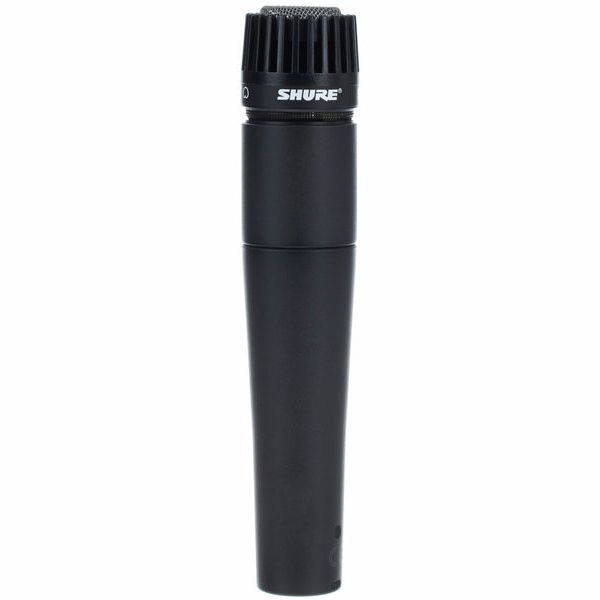
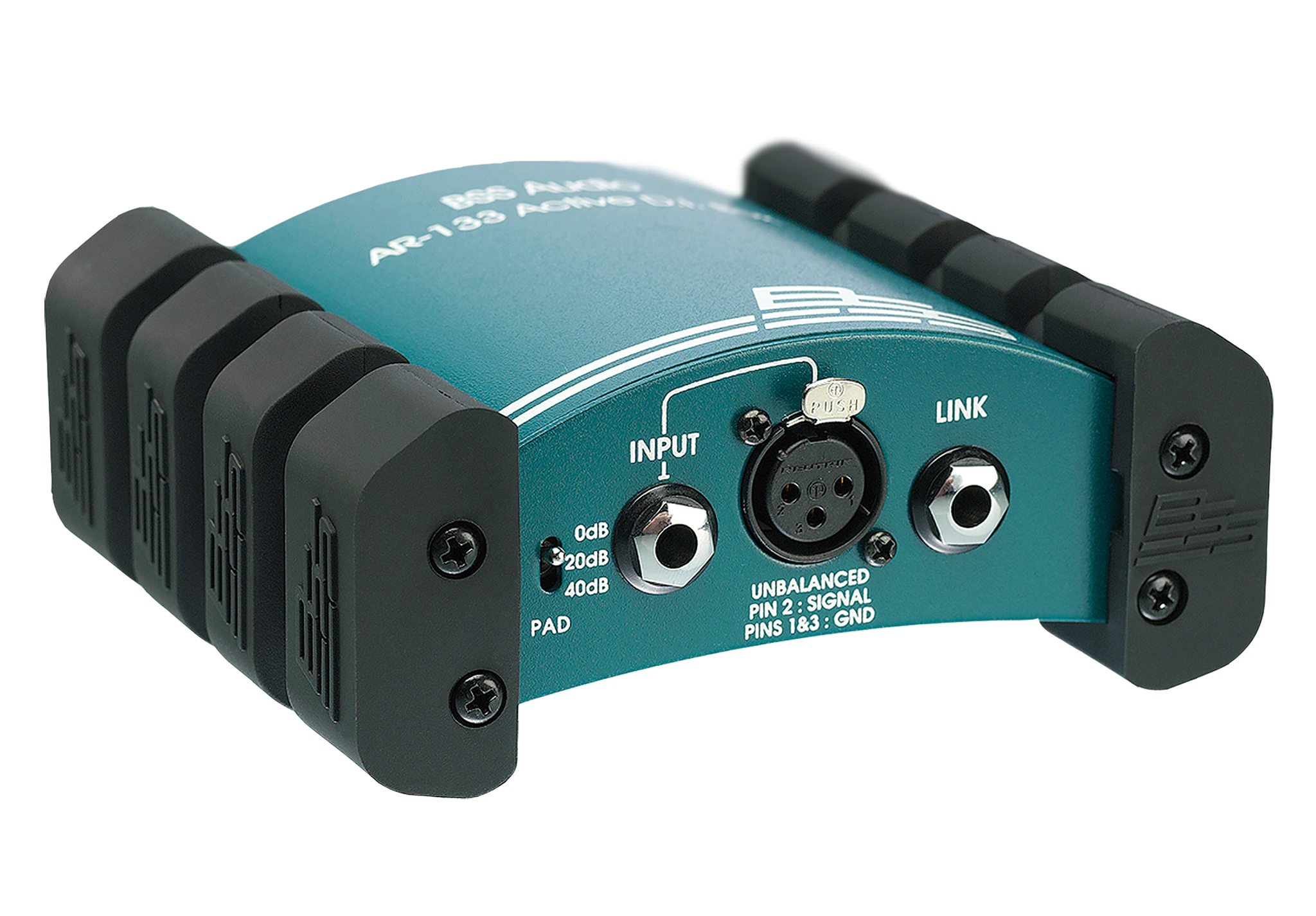
Bass goes into the mixer through a DI box rather than a microphone in front of the amp: the active BSS AR-133 takes the signal from the bass or from the amplifier's line output and sends it to the desk on balanced XLR, while the bassist hears the amp on stage as before. Guitar amps, on the other hand, sound the way they are heard, so they get a microphone: a Shure SM57 or Sennheiser e906 placed close to the grille, between the centre and the edge of the cone. The SM57 needs a short stand; the e906 can hang over the amp on its cable.
A keyboard is stereo and deserves two channels, otherwise sounds panned left and right collapse into each other. Two BSS AR-133 DI boxes or one stereo DI such as the Palmer PAN-04A do that job.
- 7. Bass: DI box BSS AR-133
- 8. Guitar 1: Shure SM57, short stand K&M 259/1
- 9. Guitar 2: Sennheiser e906 or a second SM57, short stand
- 10. Keys left: DI box BSS AR-133
- 11. Keys right: DI box BSS AR-133
Vocals: three channels
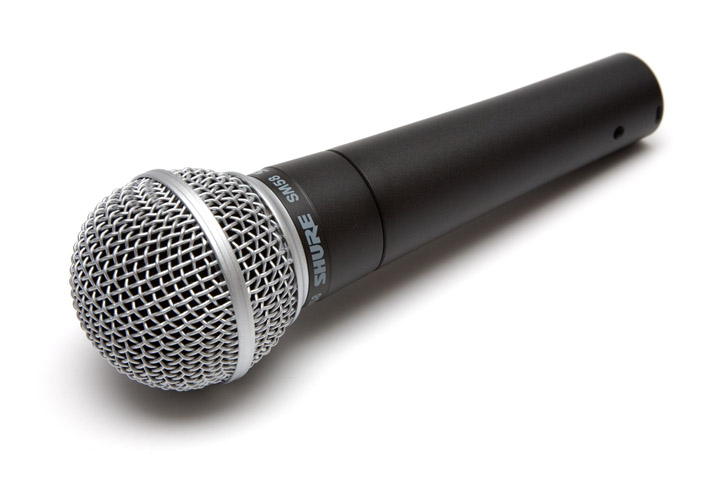
Three singing voices mean three dynamic vocal microphones on tall boom stands. The Shure SM58 is the standard that works in any hand and survives whatever a stage does to it. If one singer wants a louder, sharper sound and there are many open microphones on stage, the supercardioid Shure BETA 58A helps keep feedback under control. Note that a guitarist who sings backing vocals needs a tall stand that reaches over the guitar.
- 12. Lead vocal: Shure SM58 or BETA 58A, tall stand K&M 210/9
- 13. Backing vocal 1: Shure SM58, tall stand
- 14. Backing vocal 2: Shure SM58, tall stand
Total: 14 channels, plus spares
The list gives fourteen inputs. Add two channels for break music from a laptop (a Radial USB-PRO or Palmer PLI-04 DI box) and one wireless handheld for the host, and you are at seventeen. That is the number to keep in mind when choosing the mixer. The Soundcraft Signature 10 with its six microphone inputs is out of the question here. The Soundcraft Ui24R with twenty-four channels holds the whole list with room to spare and also provides the monitor mixes the band needs. For a bigger stage or a Dante connection the Yamaha DM3 or the QL1 with a stage box fits.
Stands add up to six tall ones (two overheads, three vocals, one spare) and three short ones (kick, two guitar amps). The cable count equals the input count plus the monitor and speaker cables; if the band is not bringing its own cables, say so when ordering.
Monitors and PA
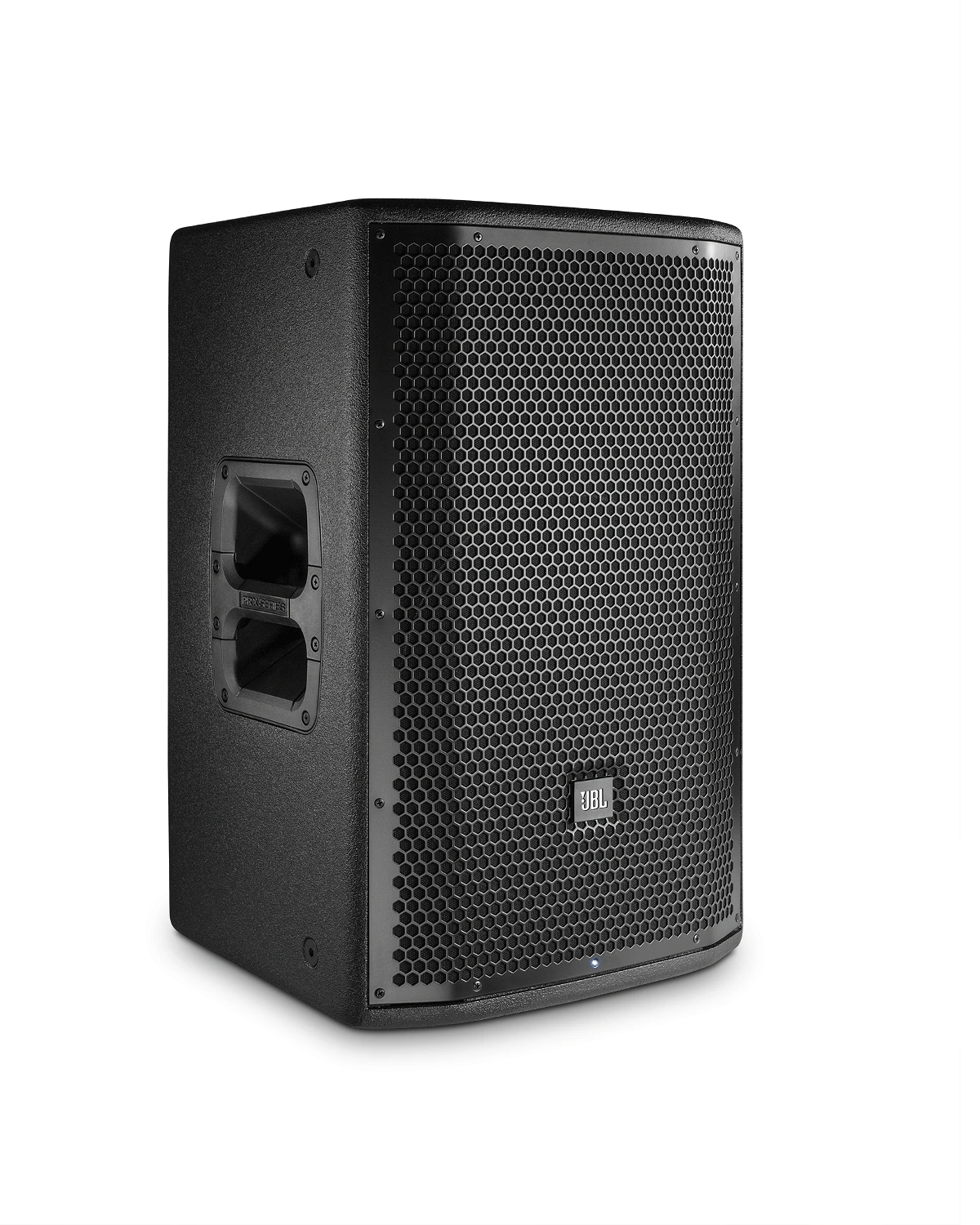
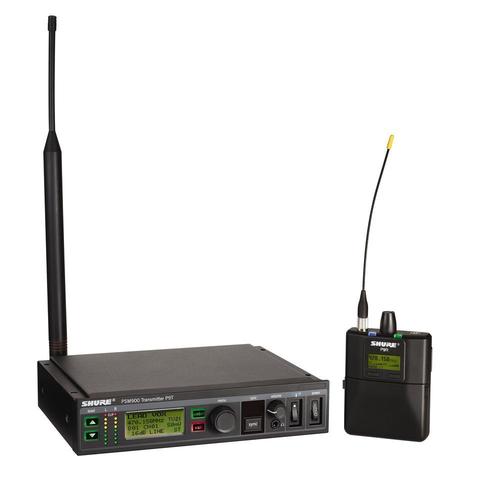
A five-piece band needs at least three monitor mixes: vocals at the front, the drummer, and one for the instrumentalists. Two to four wedges is typical; in our band kit the monitors are two JBL PRX812 speakers that work tilted on their side. If the band has in-ear systems, the mixes still come from the mixer, and the Ui24R lets each musician set their own mix from a phone.
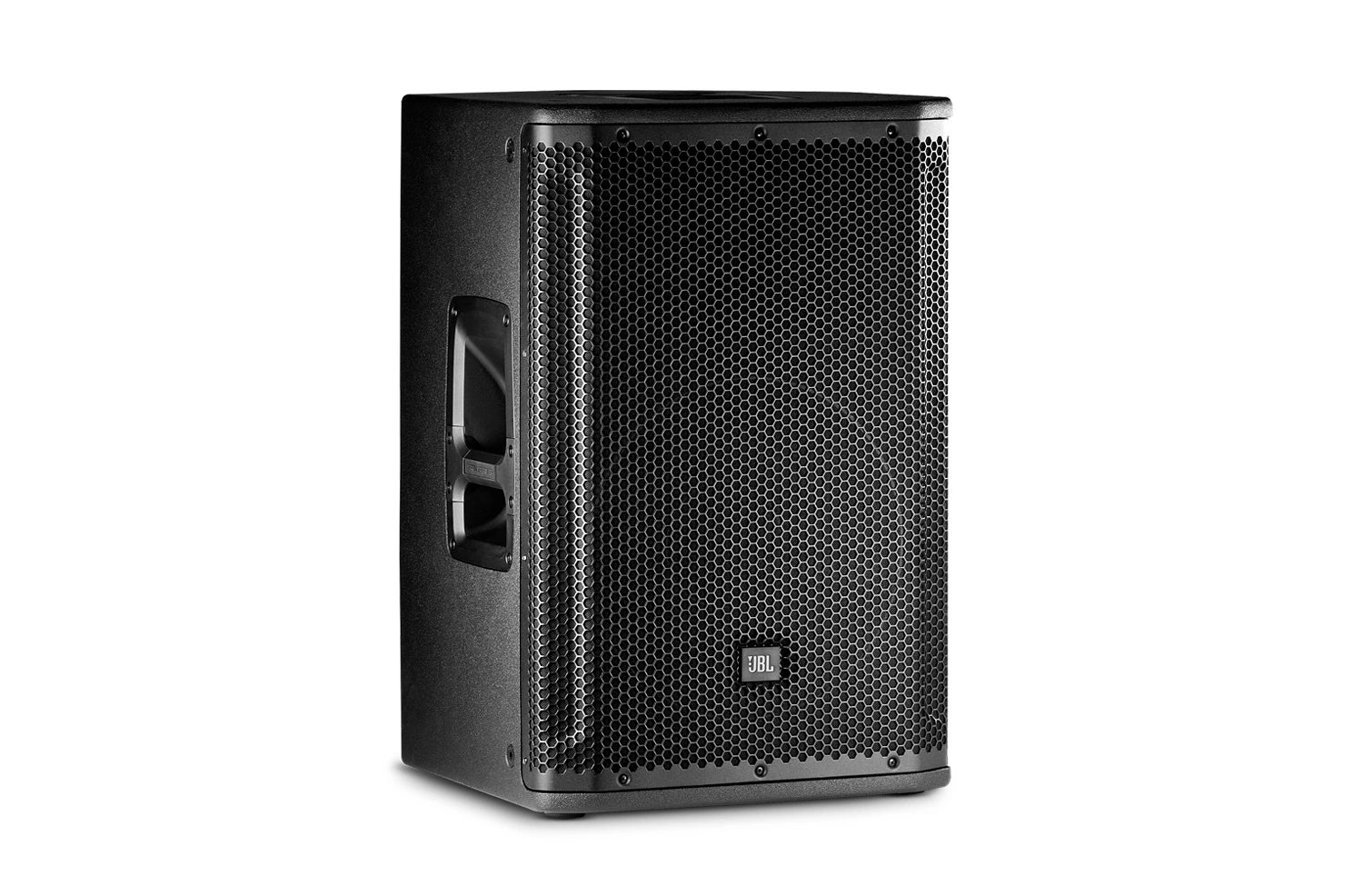
Towards the room, for up to 200 people, two JBL SRX812P tops on poles above two JBL SRX828SP subwoofers do the work. A band with drums and bass needs subwoofers in any case, even in a smaller room, otherwise the top has to produce the bass on its own and runs out of headroom before the volume is there.
The band kit for up to 200 people as a starting point
Our band kit for up to 200 people is built from this very list: a BETA 52A, three e904, two SM81, two SM57, two SM58, two BSS AR-133, six tall and three short stands, a Ui24R mixer, two PRX812 monitors, SRX812P tops and SRX828SP subwoofers. For a five-piece line-up add one SM58 for the third vocal and one DI box so the keys can be stereo; both can be added to the cart separately. If the band brings its own microphones, send us their list and we will leave the duplicates out of the kit.