
Phantom power: without it a condenser stays silent
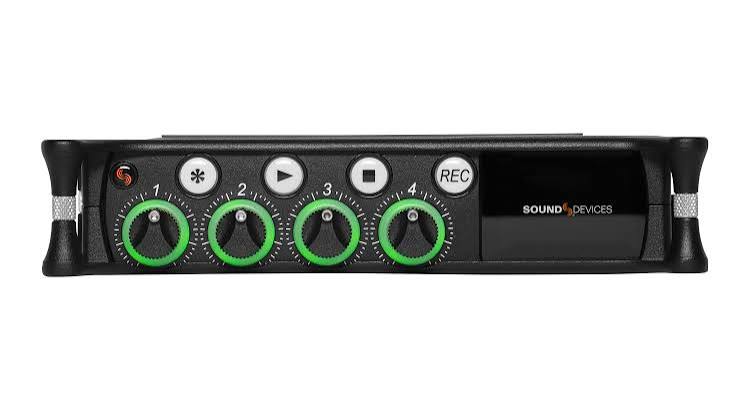
A condenser's capsule and preamp need current, which comes from the mixer or recorder down the same XLR cable. This is 48 V phantom power, and the mixer has a switch for it per channel or per group of channels. Every condenser on this page needs it, including the Sennheiser MKH 416-P48U3, which carries P48 in its name for exactly that reason.
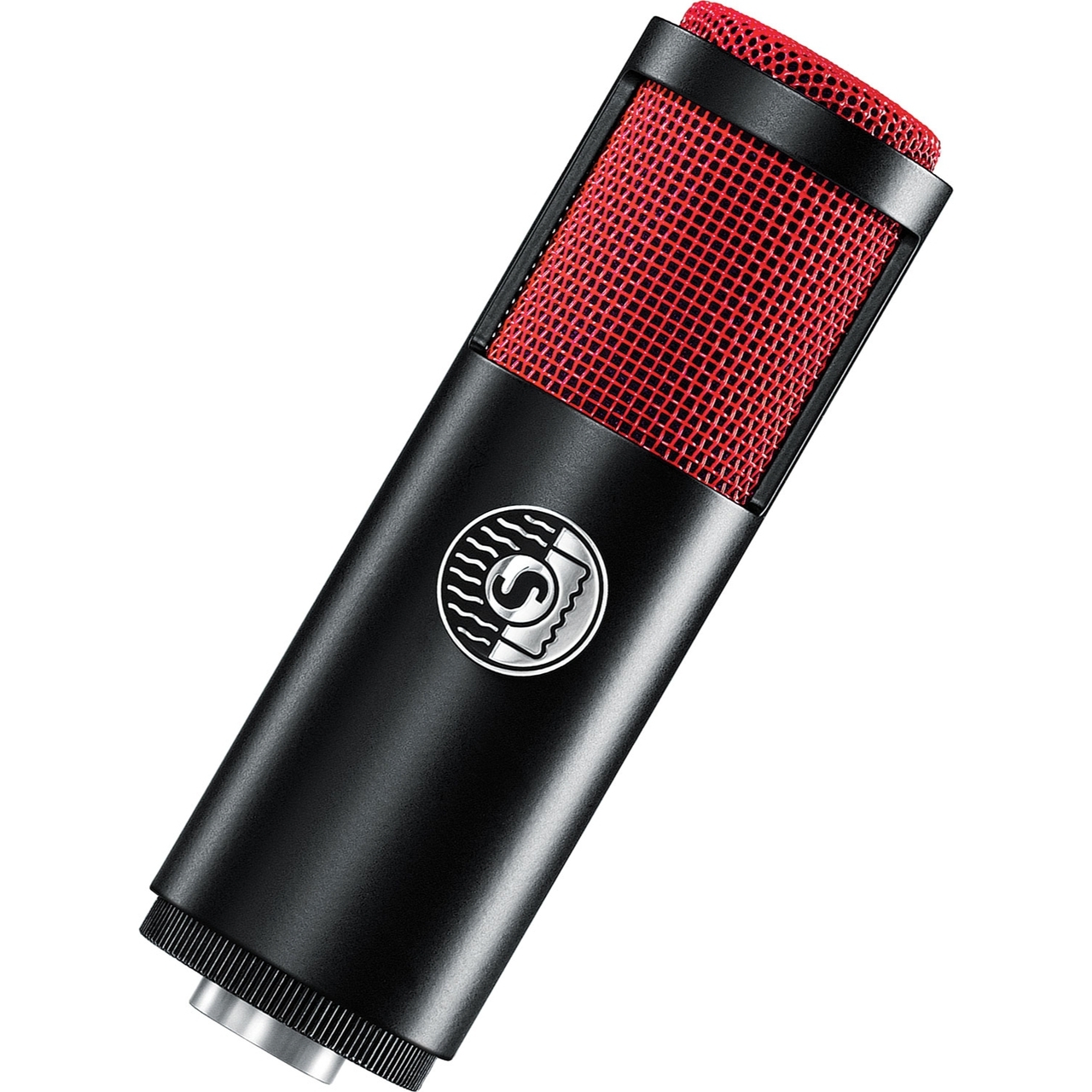
Switch phantom on with the channel fader down and wait a few seconds before raising the level, so the speakers do not pop. Phantom does not harm dynamic mics on balanced cables, but keep it off on a ribbon mic channel such as the Shure KSM313.
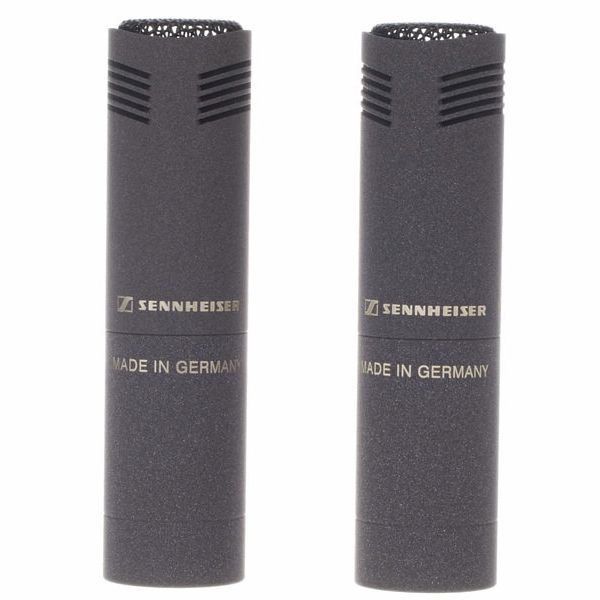
Small diaphragm: Shure SM81 and Sennheiser MKH8040
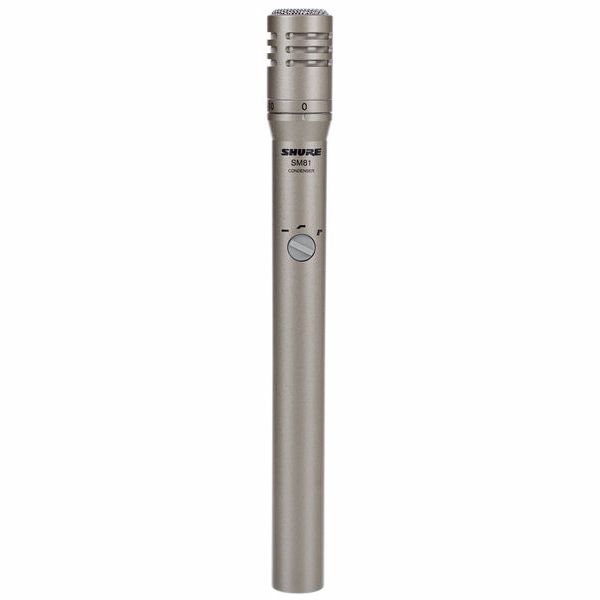
The Shure SM81 is a cardioid small-diaphragm condenser with a 20–20,000 Hz range. On stage it is the most common mic for cymbals and acoustic guitar, and the band and concert kits put two SM81 over the drums. It also suits piano and ensembles.
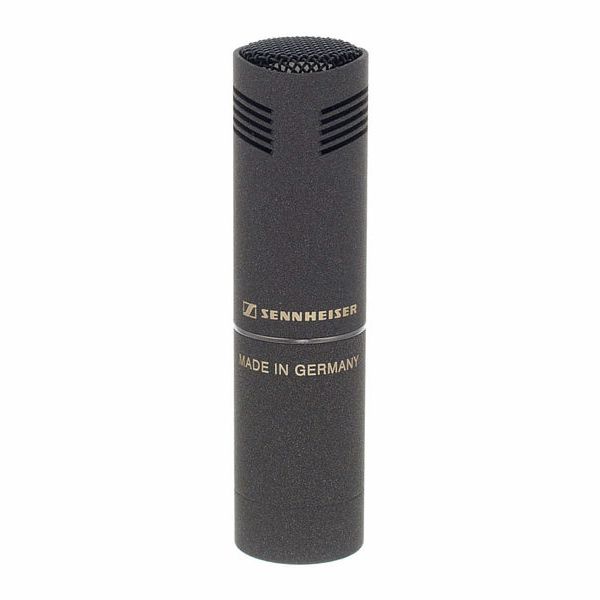
The Sennheiser MKH8040 is a cardioid mic with a 30–50,000 Hz range that handles 142 dB SPL. The RF condenser design of the MKH series is not very sensitive to humidity, so it also works in churches and outdoors. The stereo pair is the heart of our concert recording kit: two mics on stands in front of the audience give a natural stereo picture of a choir, orchestra or acoustic concert.
Large diaphragm: AKG C414 XLII and Neumann U87
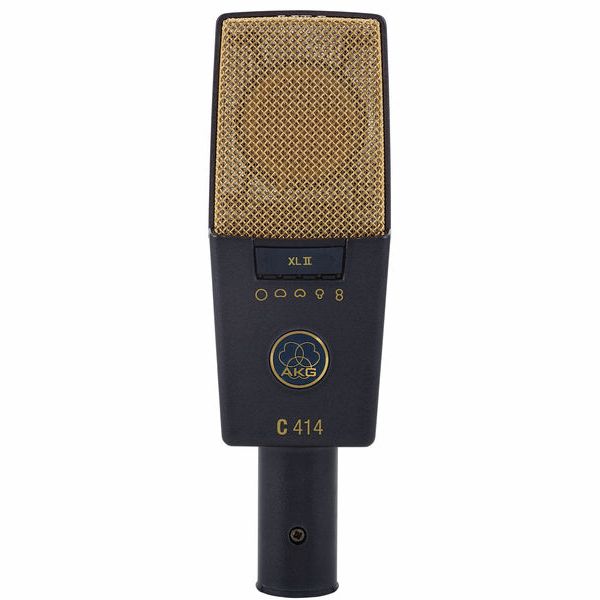
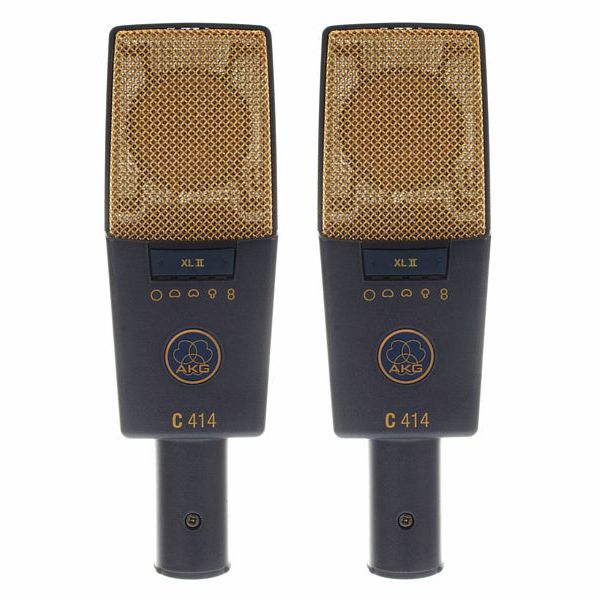
The AKG C414 XLII is a multipattern reference mic (20–20,000 Hz). A switch selects cardioid, omni or figure-of-eight among others, so the same mic works for a soloist, choir, piano and room recording. The XLII is the brighter-voiced version, much used on vocals and acoustic instruments. The matched pair is meant for stereo recording.
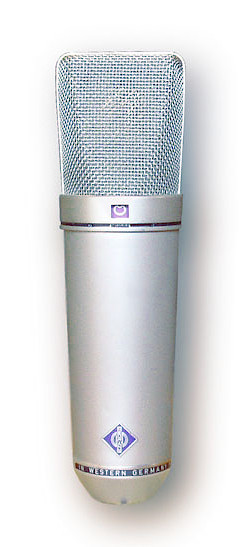
The vintage Neumann U87 is the classic large-diaphragm multipattern studio mic (U 87 P48). It is used for voice-over, radio and podcast studios, and for vocals where you want that particular sound. An old mic needs careful handling: a shock mount, a solid stand and a dry room.
Special cases: Sennheiser MKH 416 and DPA 4099
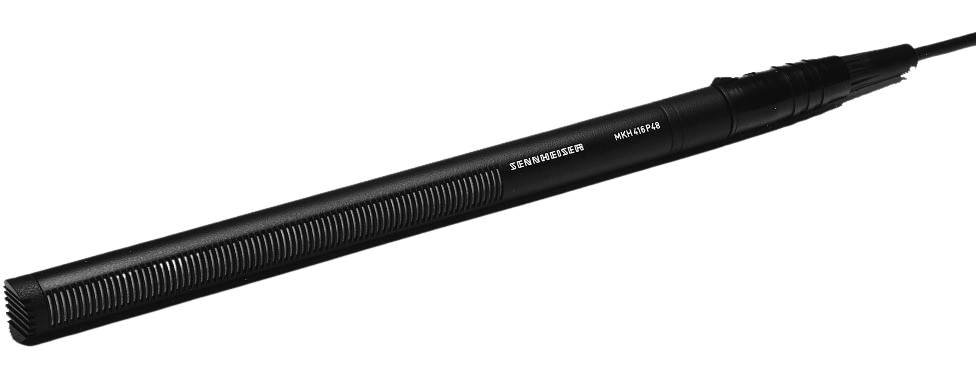
The Sennheiser MKH 416 is a short shotgun (40–20,000 Hz). It picks up narrowly from the front and keeps the sides quieter, which makes it the film standard: the mic sits on a boompole such as the K-Tek Airo above the frame. The same mic is used for voice-over.
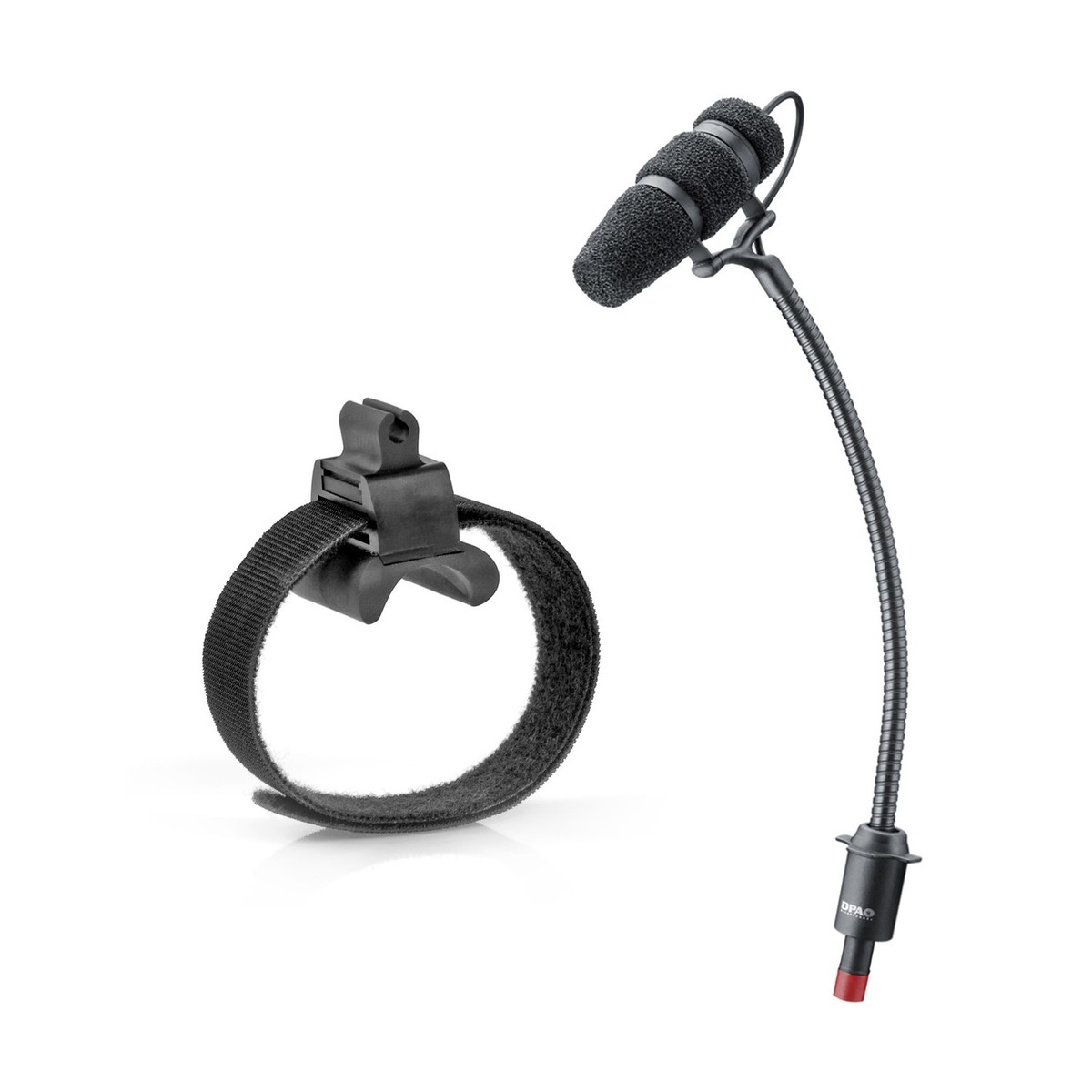
The DPA 4099 CORE is a high-SPL instrument mic (25–20,000 Hz, 142 dB) that mounts directly on the instrument: violin, saxophone, acoustic guitar or piano. With the capsule that close to the source it works even on stages where other condensers would howl. DPA uses its own connector, so an XLR connection needs an adapter.
Why not a condenser on a loud stage
On a loud rock stage the drums, guitar amps and monitors are all close to the mic. A sensitive condenser a few metres from its source hears all of them, and the engineer cannot turn it up before it starts to howl. So on stage dynamics go on vocals and amps, and condensers only where the source is quiet or the mic is very close, as on cymbals or a DPA 4099 on an instrument.
A choir or acoustic ensemble in a hall is the opposite: that is where a condenser belongs. Place the mics higher and slightly in front of the singers, keep the speakers in front of the mics, and do not expect a choir to go as loud as a band.