Start from the band's input list
Ask the band for an input list and a stage plot before you rent anything. The input list is a table where each row is one channel: which instrument, which microphone or DI box and whether it needs phantom power. The stage plot shows where everyone stands and where the monitors go. From those two sheets you can count microphones, stands, cables and console channels and keep a couple of channels spare.
If the band has no list, send us the line-up and instruments. A typical drum kit takes five to eight channels for kick, snare, toms and overheads; bass and keyboard go into the console through DI boxes.
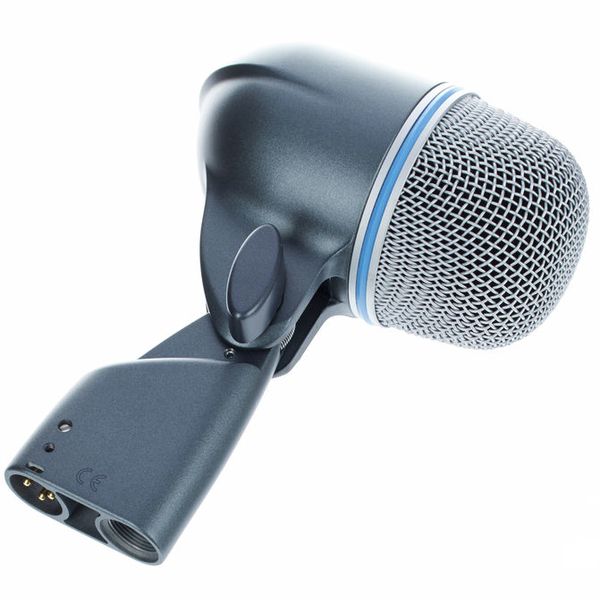
- Kick drum: Shure BETA 52A, supercardioid.
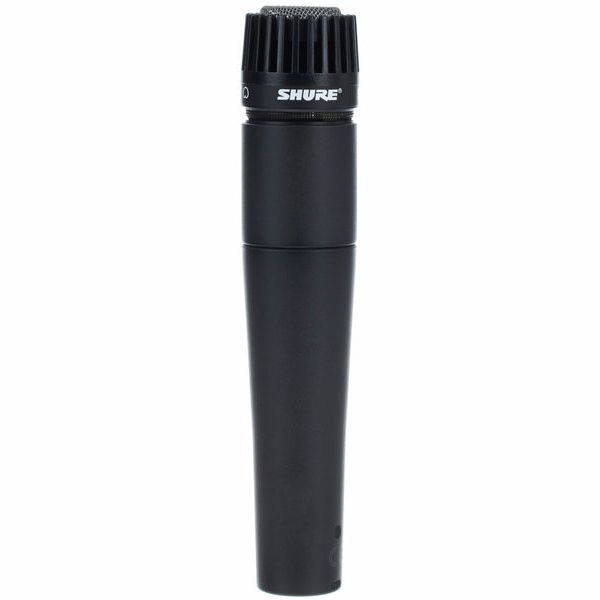
- Snare and guitar amp: Shure SM57.
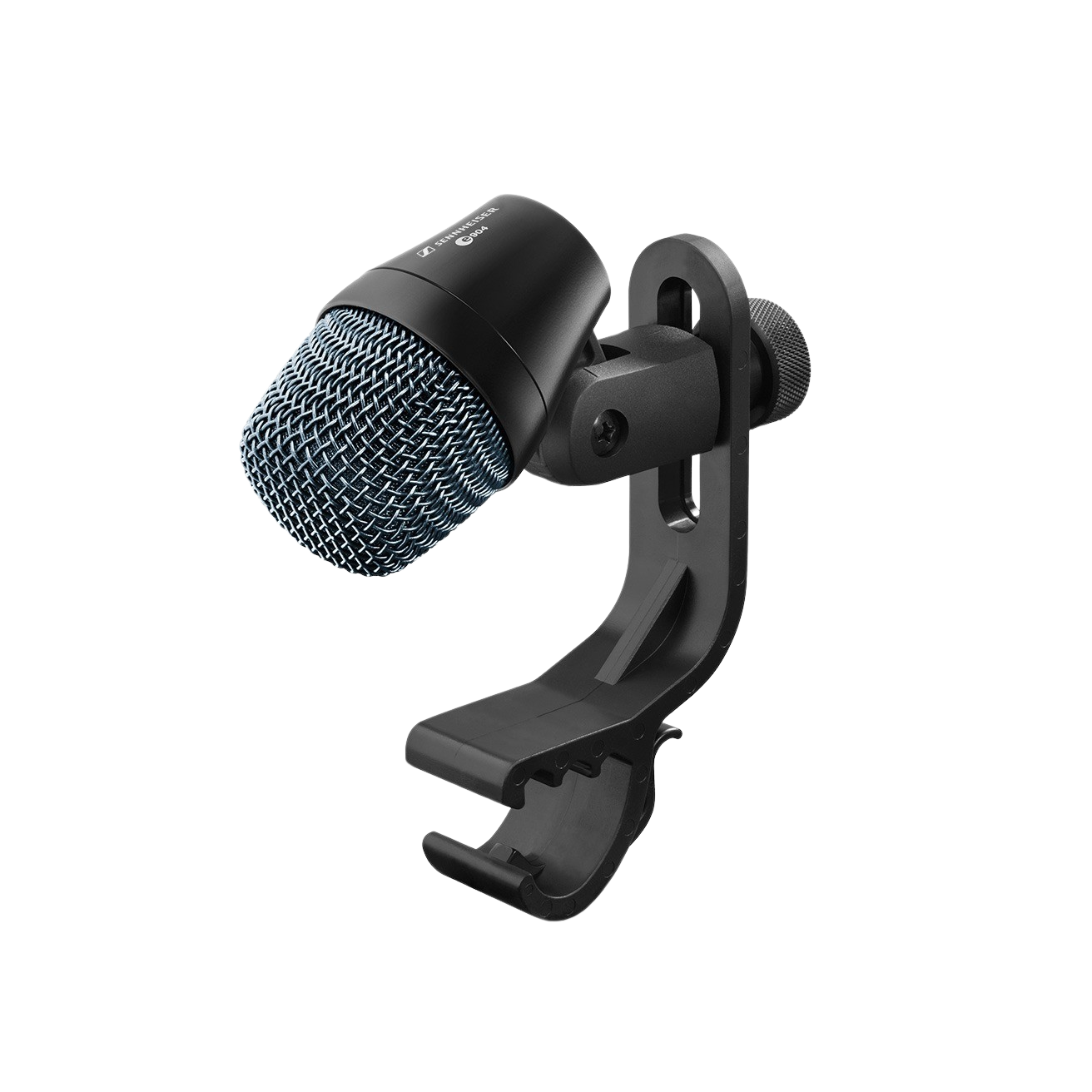
- Toms: Sennheiser e904, clamps straight onto the rim.
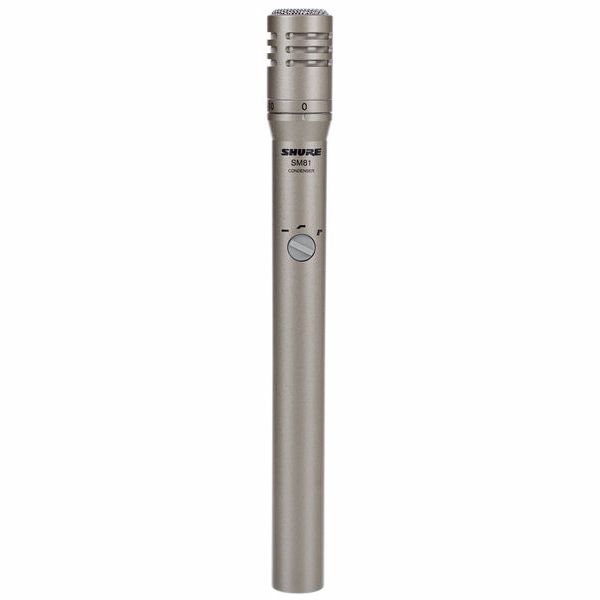
- Overheads and hi-hat: Shure SM81 condenser.
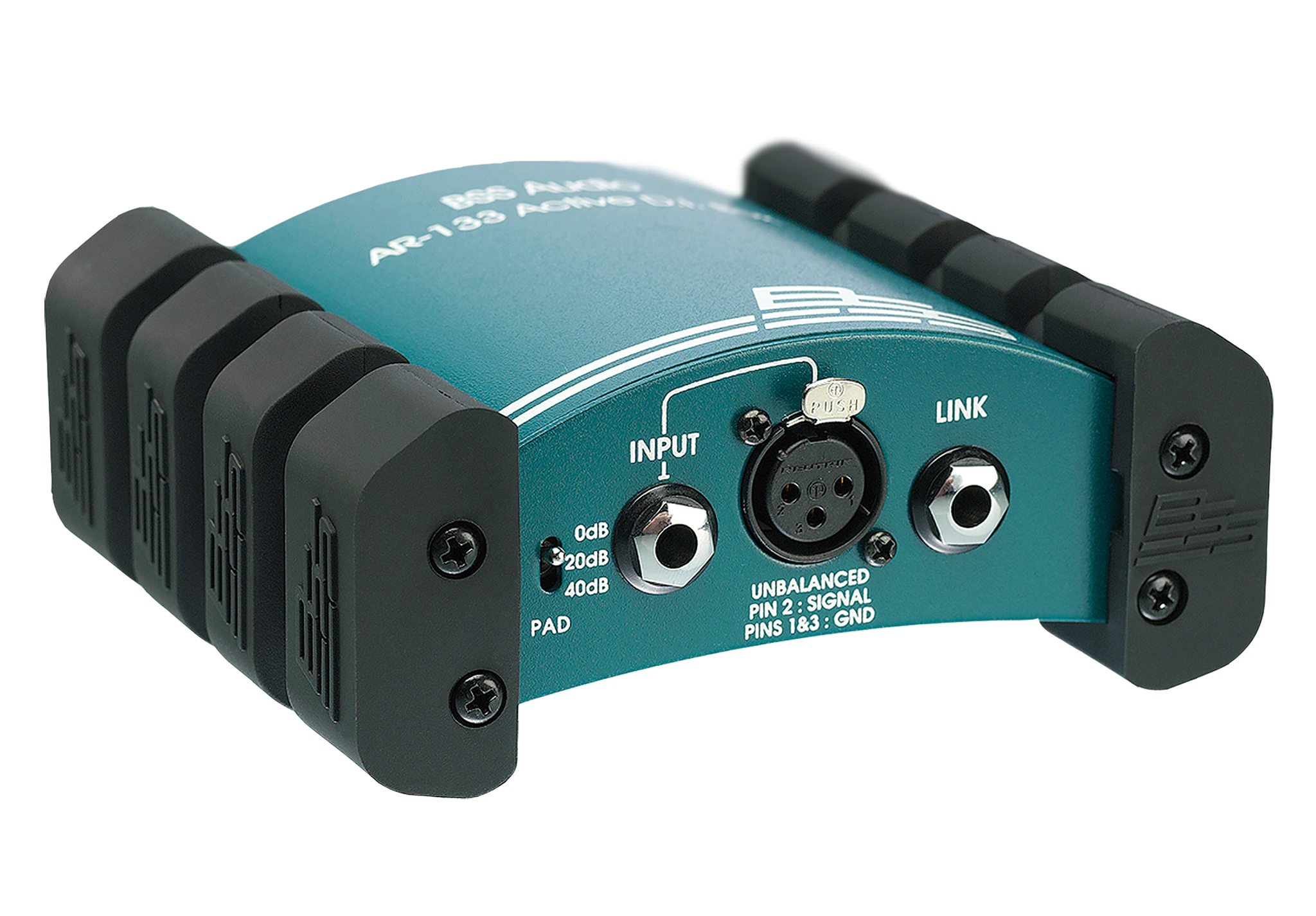
- Bass and keys: BSS AR-133 active DI box.
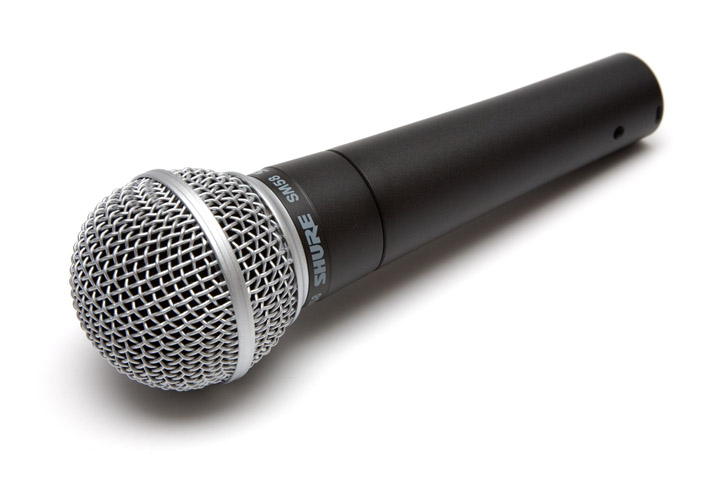
- Vocals: Shure SM58 on a long K&M 210/9 boom stand.
Console size follows the channel count
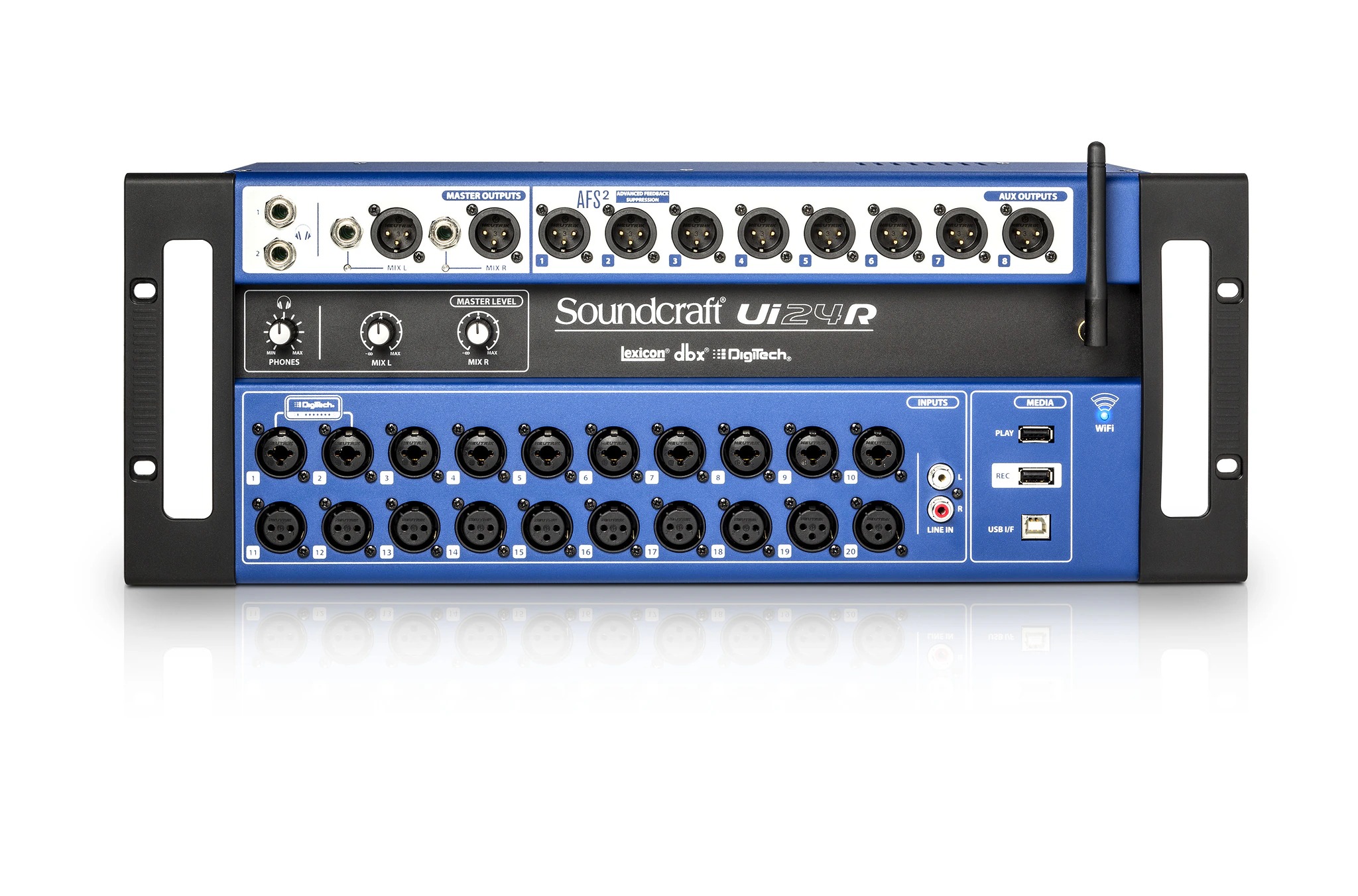
An acoustic duo is covered by a Soundcraft Signature 10 with six mic inputs and built-in effects. For a full band our kits use the Soundcraft Ui24R: 24 channels, USB multitrack recording and wireless control from a tablet, so the engineer can walk the room during the sound check and hear what the back row hears.
For a larger concert with the console at the back of the hall there is the Yamaha QL1 with a Yamaha RIO1608-D2 stagebox. The mics plug into the box on stage and one Dante network cable runs to the console instead of a heavy multicore through the audience.
Stage monitors and monitor mixes
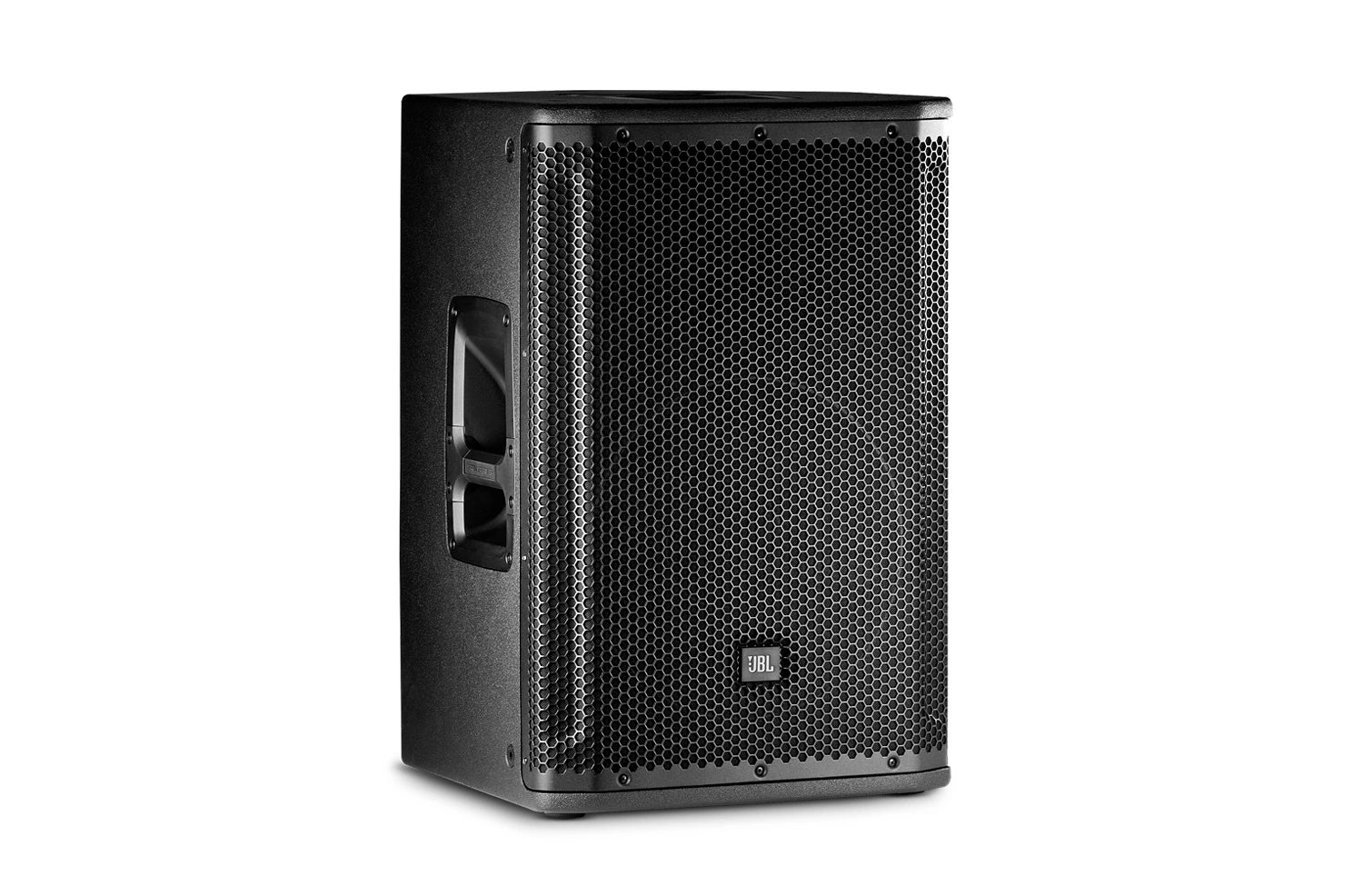
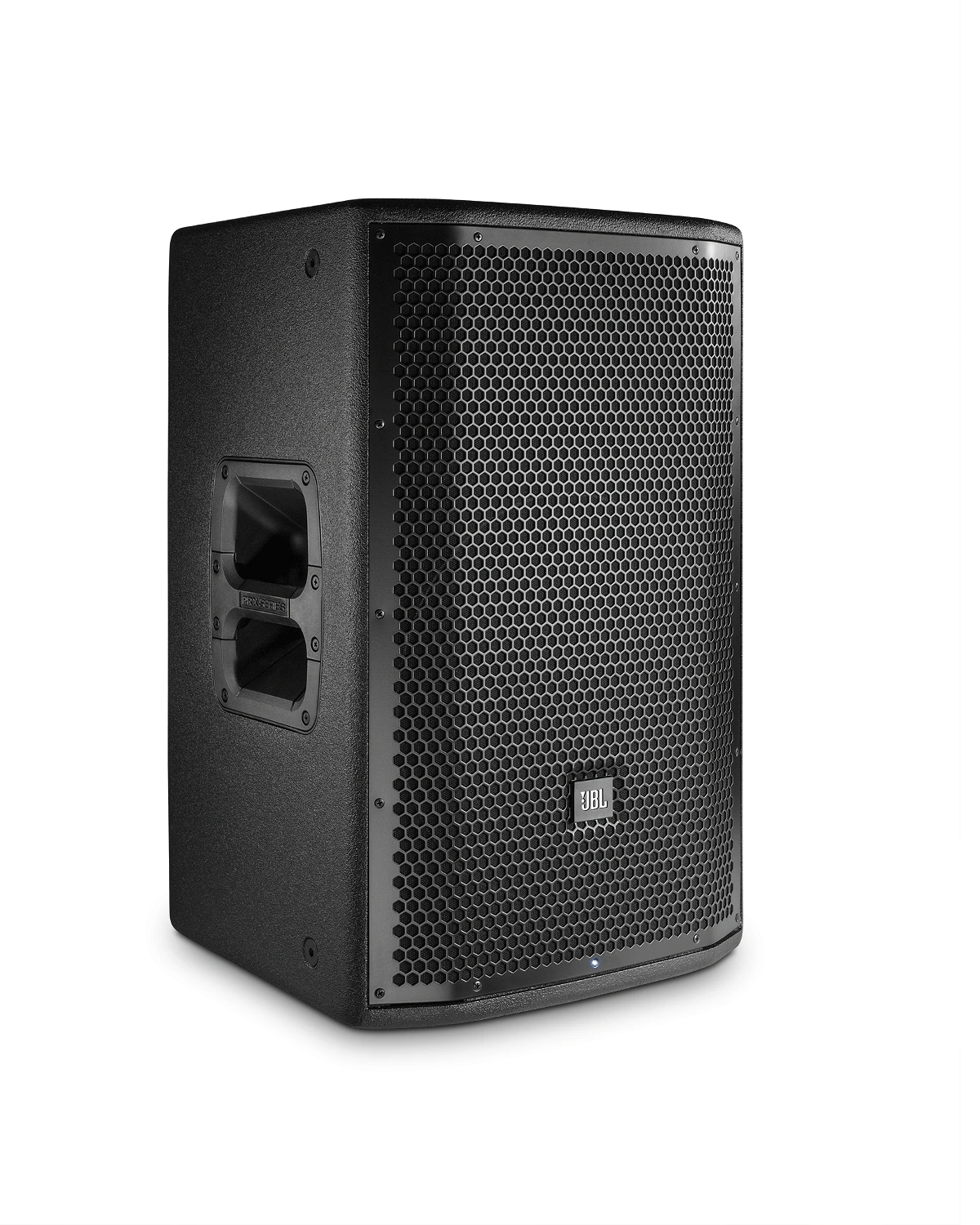
Every musician wants to hear something different: the singer her own voice, the drummer bass and vocals, the guitarist the keys. Each of those is a separate aux output on the console, a monitor mix. Plan at least one wedge per front-line musician and one for the drummer. The JBL PRX812 works both as a main speaker and as a floor wedge; for a bigger stage there are passive JBL VTX M22 monitors with an amplifier.
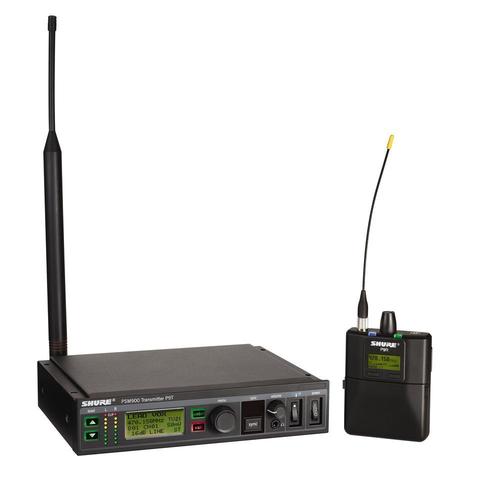
On a small stage, or when the band plays to a click, consider in-ear monitors. The “In-ear monitor kit for four musicians” holds four Shure PSM900 systems with earphones. The stage gets quieter and the room sounds cleaner, but each player needs a personal mix and some time to get used to it.
PA size by room size
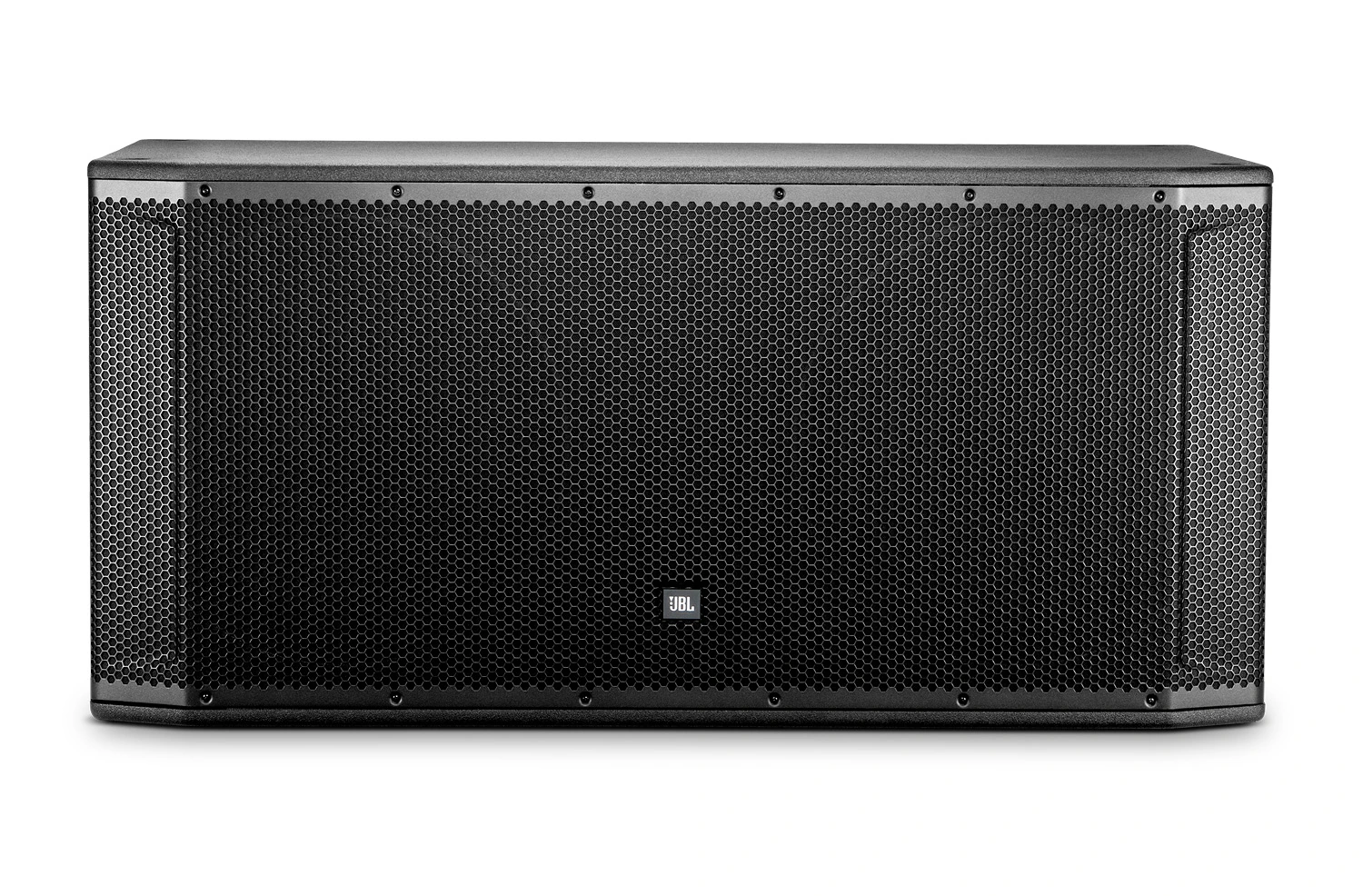
For up to 200 listeners indoors the “Live band kit for up to 200 people” fits: two JBL SRX812P on poles above two dual-18 JBL SRX828SP subs, a Ui24R console, two PRX812 wedges and all the drum, guitar and vocal mics with stands. Kick and bass guitar need a subwoofer; without one the band sounds thin.
For up to 500 listeners or outdoors the “Concert kit for up to 500 people (line array)” brings JBL VTX A8 line array, VTX B28 subwoofers, Crown amplifiers and a Yamaha QL1. A line array keeps the level even from the front rows to the back of the room.
Who runs the desk, and what usually goes wrong
Many bands bring their own engineer and only need the equipment. If you have nobody, book our technician to set up, run the sound check and stay behind the console for the show. The band should play, not turn knobs on the mixer.
- Too little time for the sound check: a band needs an hour, not ten minutes.
- A wedge pointed straight at the front of a vocal mic, causing feedback.
- Guitar amps so loud in a small room that the console can no longer help.
- Short stands for the kick drum and amps were never ordered.
- Nobody checked the mains load and a breaker trips during the first song.