
Shure PSM900: transmitter, receiver and earphones
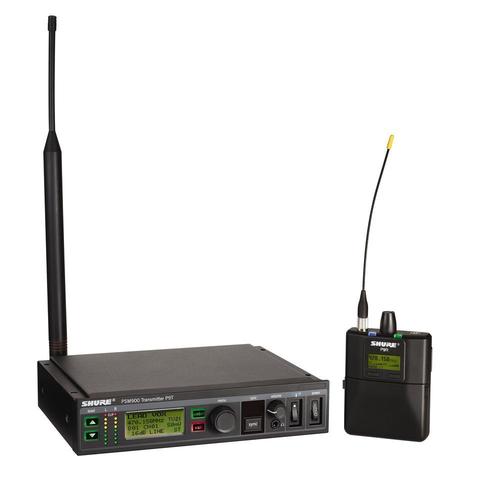
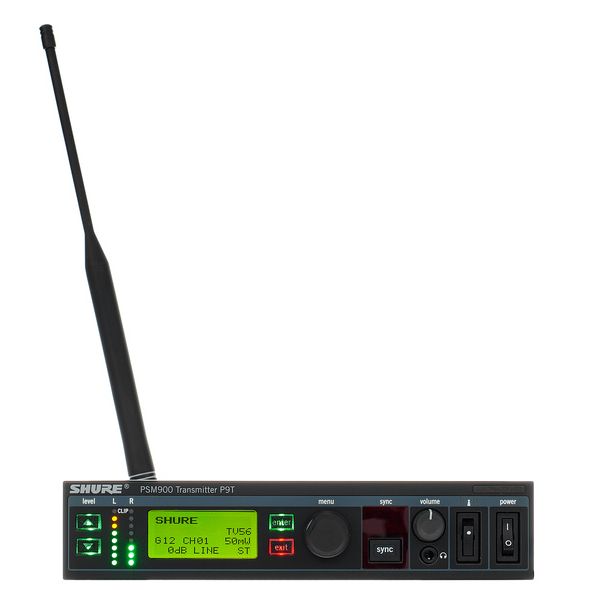
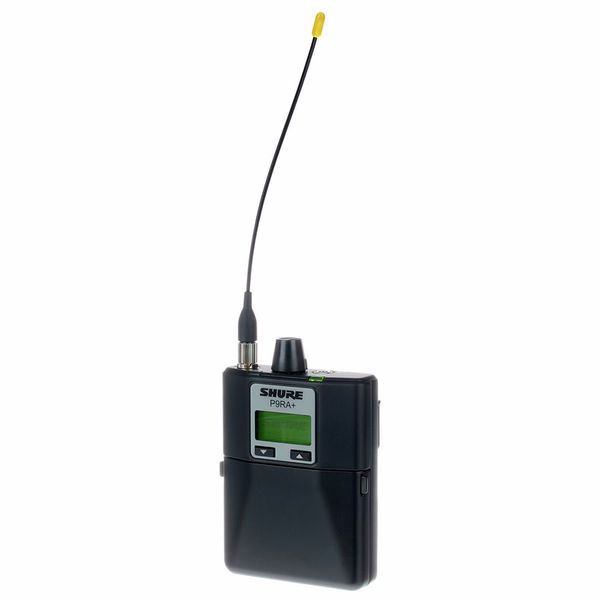
The Shure PSM900 is a stereo personal monitor system made of the rackmount P9T transmitter and the P9RA+ bodypack receiver. The transmitter takes one stereo or mono mix from the mixer and sends it by radio to the receiver. You rent the PSM900 as a set and can add extra P9T transmitters and P9RA+ receivers.
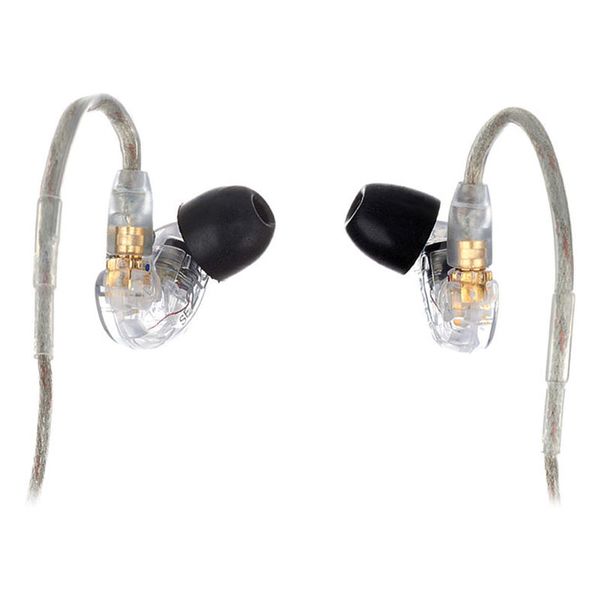
The earphones are Shure SE215CL, sound-isolating in-ear phones. They block stage noise, so the mix can be heard at a lower level. Many musicians prefer their own earphones or custom moulds; they plug into the receiver with a standard 3.5 mm jack.
How many transmitters and receivers
You need as many transmitters as there are different mixes, and as many receivers as there are musicians. Two backing singers who listen to the same mix can both tune to the same P9T, each with their own P9RA+.
The In-ear monitor kit for four musicians contains four PSM900 systems, a PA421B combiner, an HA-8091 antenna and four pairs of SE215CL. For a five-piece band add one P9T and one P9RA+, or use a wired solution for the drummer.
- One mix = one transmitter (P9T or one ADTQ channel)
- One musician = one receiver (P9RA+, ADXR or P9HW)
- Several transmitters = a combiner and one good antenna
- Every musician = their own earphones
Wired options: P9HW and TASCAM MH-8
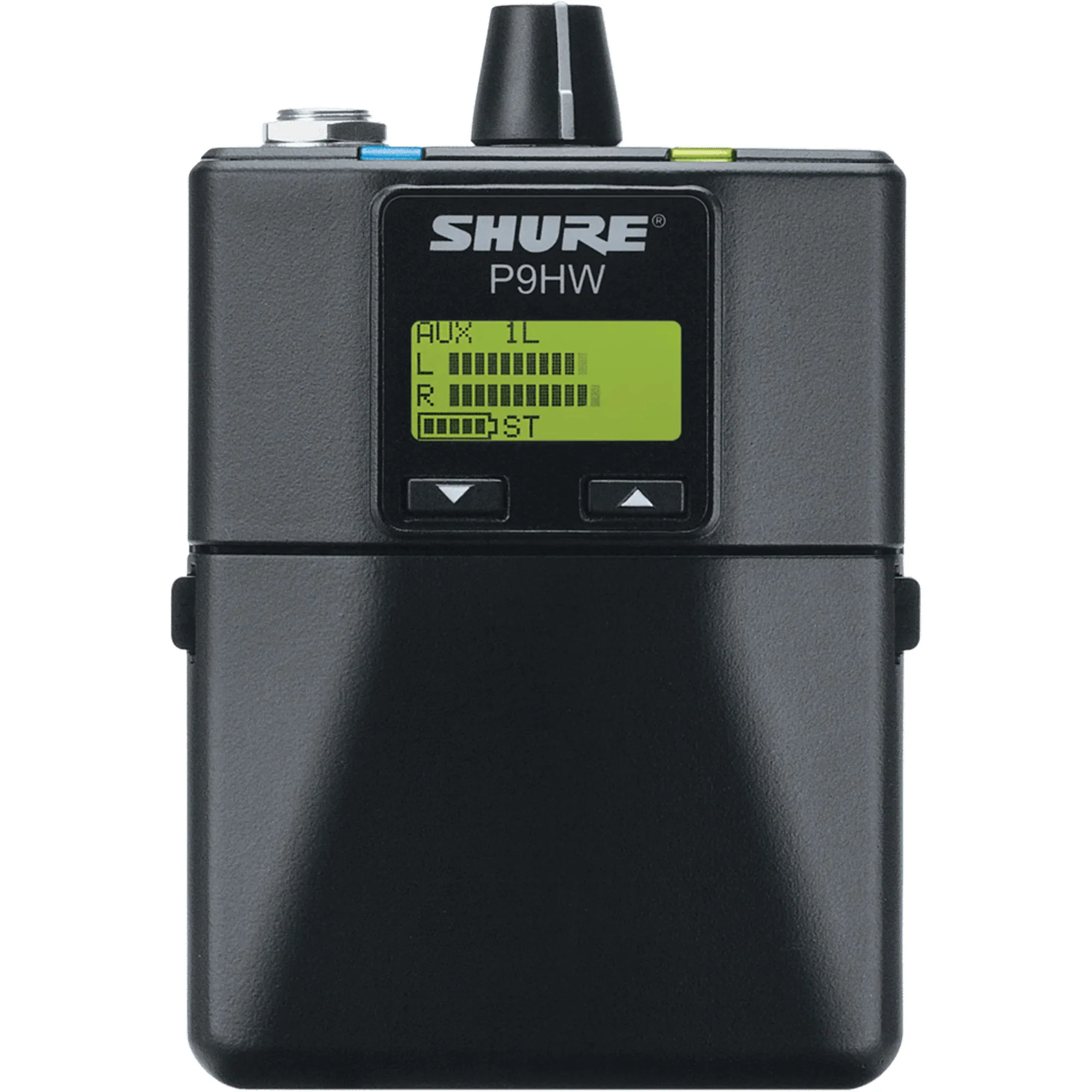
The Shure P9HW is a wired bodypack. It connects to the mixer output by cable and works as a headphone amplifier on the belt. It suits a drummer or keyboard player who stays put: it uses no radio frequency and cannot suffer RF dropouts.
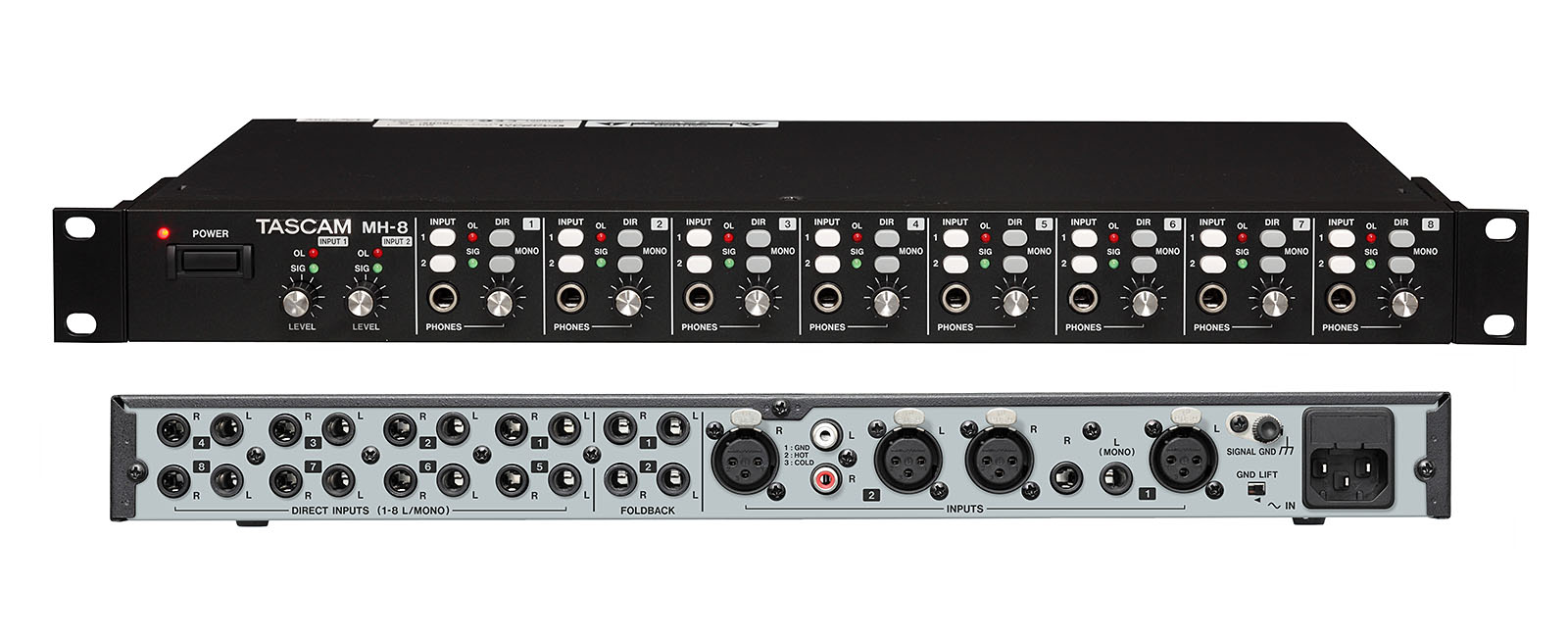
The TASCAM MH-8 is an eight-channel headphone amplifier. With it several people can listen to different sources on headphones without radio, for example at rehearsal, during a recording, in an interpreter booth, or when the engineer wants a separate listening point for the crew.
Axient Digital PSM for bigger stages
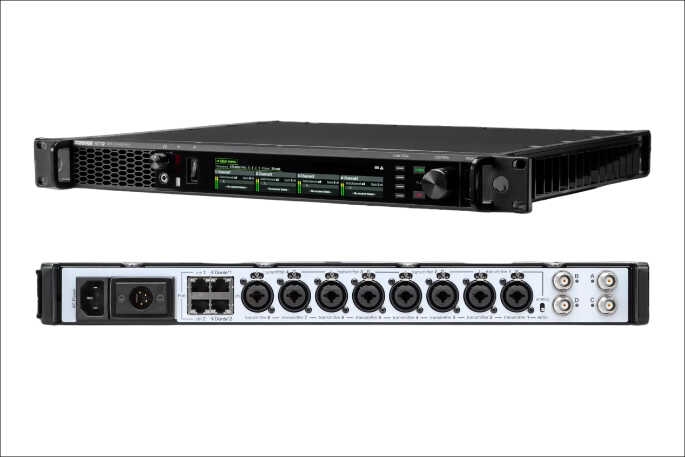
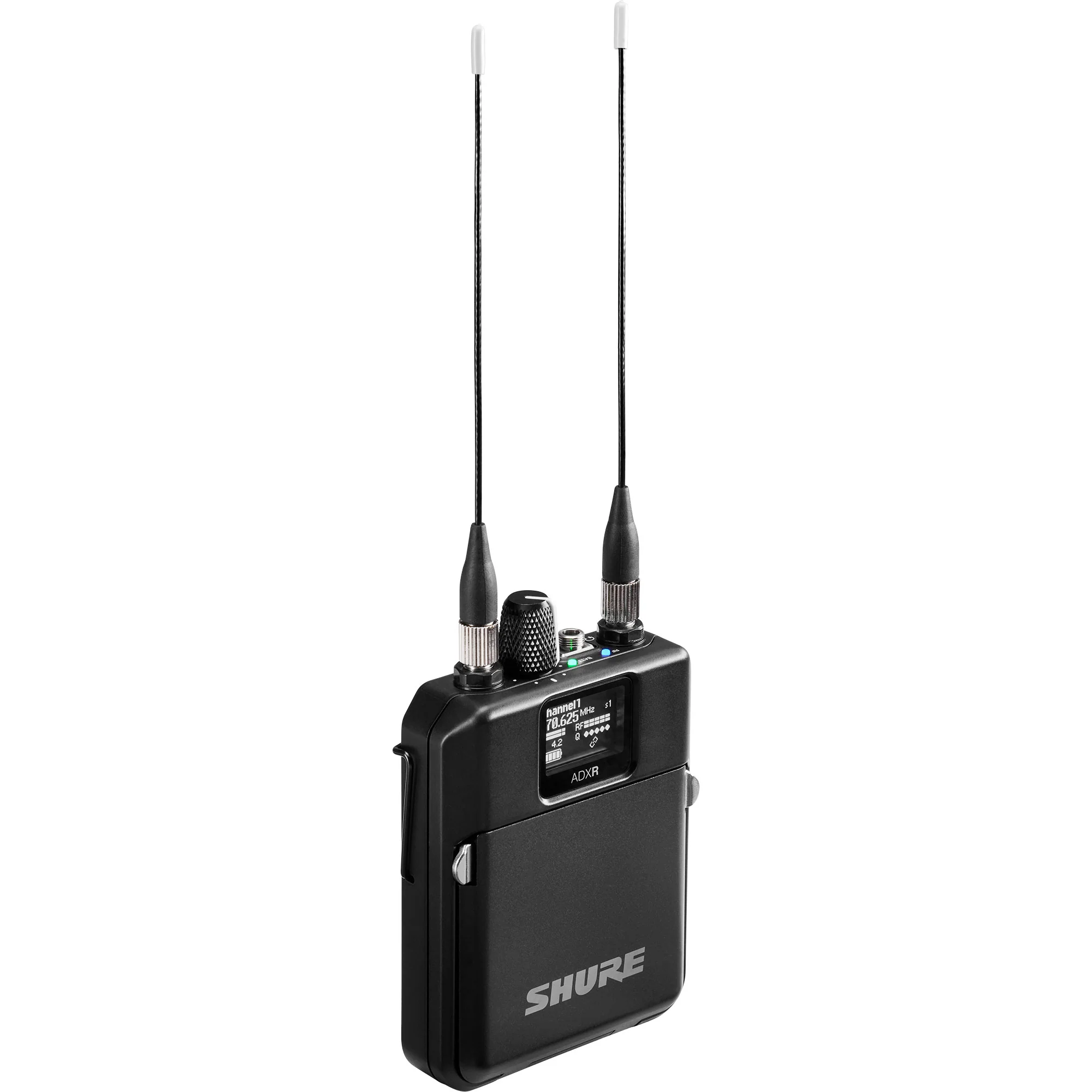
The Shure ADTQ is the Axient Digital PSM quad transmitter: four transmitters, so four separate mixes, in one rack unit. The receiver is the ADXR bodypack. It is a digital system for larger concerts, theatre and TV production, where there are many channels and the radio environment is crowded.
Do not mix Axient Digital PSM and PSM900 at the same event unless you know exactly how to coordinate the frequencies. Pick one platform and plan all frequencies together.
Antennas, frequencies and typical mistakes
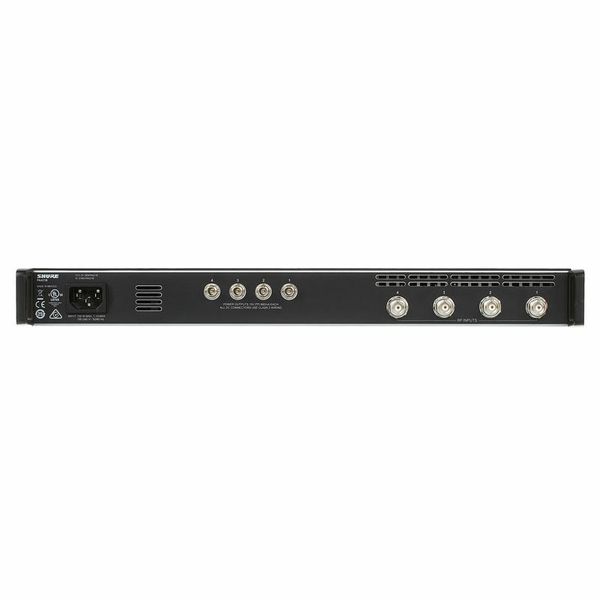
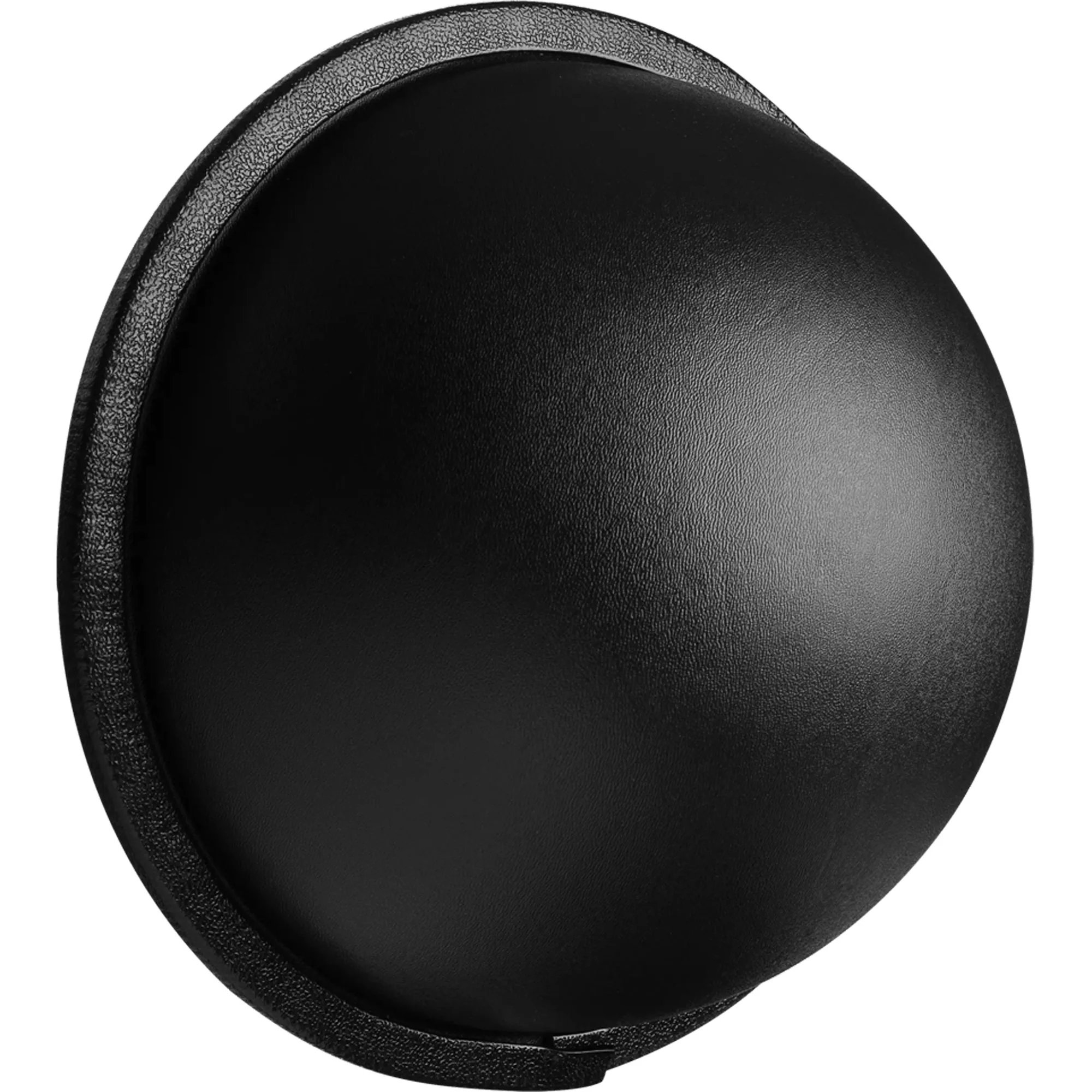
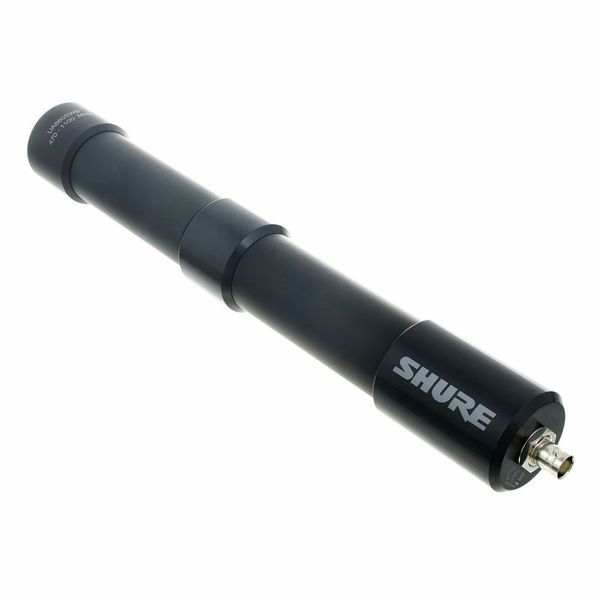
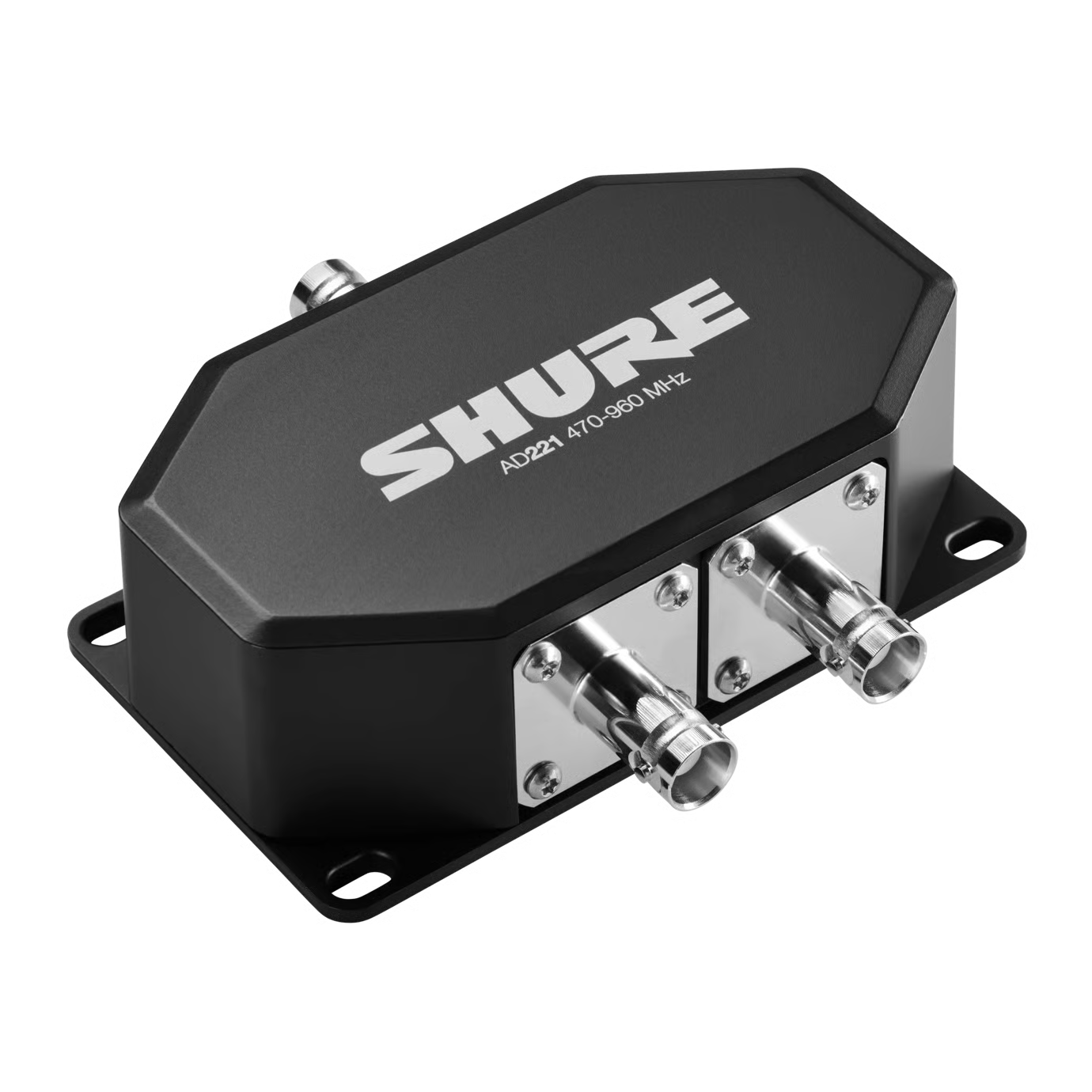
With more than one transmitter, they are combined into one antenna. For PSM900 transmitters there is the Shure PA421B; for Axient Digital PSM the AD221 two-way passive combiner and splitter. The Shure HA-8091 is a domed helical antenna that aims the signal at the stage for steadier reception. The UA860 is an omnidirectional passive antenna for simpler situations.
In-ear transmitters and wireless mics share the same UHF range, so all their frequencies must be planned together. Another typical mistake is a mix with no audience in it: the musician feels cut off. Put one or two mics toward the crowd and blend a little of them in. The third is volume. Start low, because in-ear phones put the sound right at the eardrum.