In-ear monitors or stage wedges: which one does the band need
The monitor is what the musician hears on stage, and how well they play depends on it. The two options are a stage monitor, a wedge on the floor, and an in-ear monitor in the ear. Neither is better in itself; they solve different problems and bring different obligations. Here is what each gives the band, what it demands, and how to choose.
What a wedge gives you
A stage monitor is a speaker that stands on the floor in front of the musician, pointed at them. It asks nothing of the musician: step on stage, hear yourself, play. Besides the monitor the band also hears the room, the audience and each other, which for many is the live feeling itself. Setup is quick and anyone can say at rehearsal: more vocal, less guitar.
The price is stage volume. Every wedge is one more speaker playing towards open microphones, and the louder the stage gets, the closer feedback comes. The singers' wedges push the guitarist to turn the amp up, which pushes the wedges up again, and in the room the result is a muddy sound the engineer can no longer fix from the desk.
What an in-ear monitor gives you
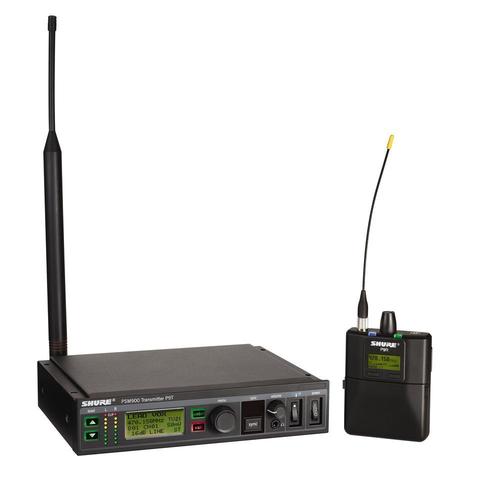
With in-ears the musician hears the mix straight from earphones fed by a transmitter and a receiver worn on the belt. The stage stays quiet, only what should reach the microphones reaches them, and out front the engineer has clean control of the sound. A stereo mix lets instruments be placed across the image so that everything does not pile up in one spot in the ear. For a singer it is the healthiest option for the voice, because they no longer have to shout over the wedges.
There are obligations, though. Earphones isolate the outside world, so the audience reaction disappears; the usual answer is a pair of ambient microphones on stage or a musician leaving one earpiece loose. Every musician needs their own channel and their own transmitter, or at least their own receiver, and someone has to build those mixes at rehearsal. And batteries: a receiver with a dead battery means the musician hears nothing at all.
How many mixes you need
With wedges you can manage with fewer: two singers often share a mix and the drummer gets their own. Three or four monitor mixes is a typical band requirement, and it is also why an analogue mixer gets tight here, since every mix needs its own aux output. With in-ears every musician wants their own mix, because there is no compromising inside the ear. A five-piece band means five stereo mixes and only a digital mixer does that comfortably; the Soundcraft Ui24R lets each musician adjust their own mix from a phone, which saves a lot of rehearsal time.
What our IEM kit contains
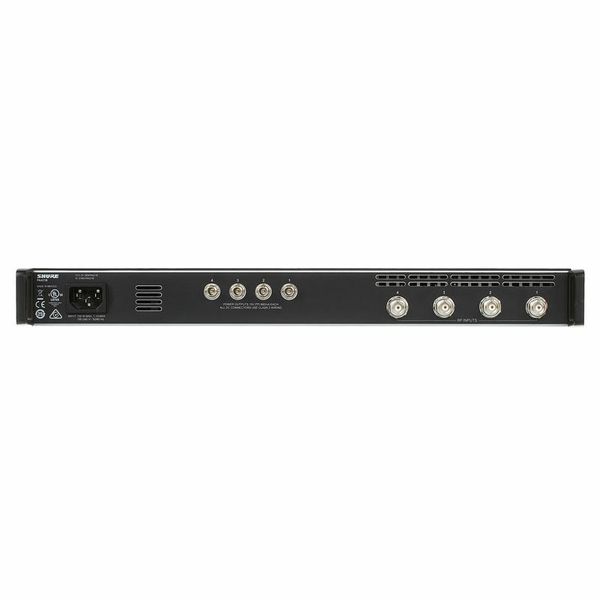
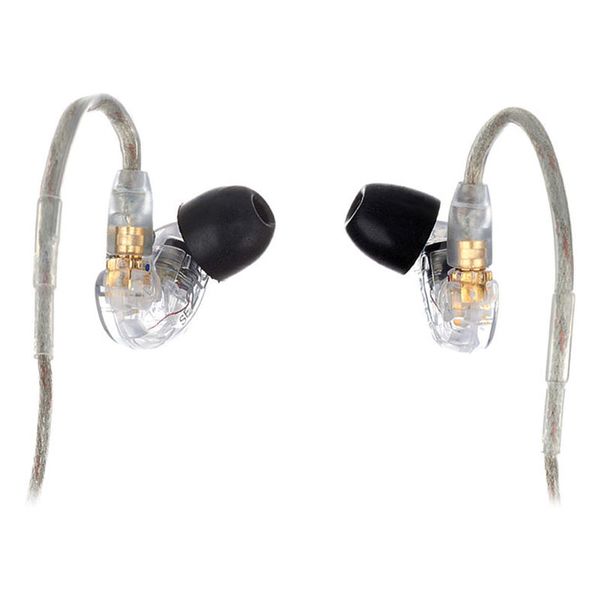
The in-ear monitor kit for four musicians is assembled so it works without additions. Each musician gets a Shure PSM900 stereo system, made up of a P9T transmitter and a P9RA+ receiver, plus Shure SE215CL earphones. The four transmitters are combined through a Shure PA421B antenna combiner into one Shure HA-8091 directional antenna, so there are not four antennas interfering with each other on stage but a single one pointed at the musicians.
The kit needs a mixer with at least four free stereo outputs and a person to build the mixes. If the band has its own custom-moulded earphones, use those; the SE215CL is the universal option that fits most people.
- 4 × Shure PSM900 (P9T transmitter + P9RA+ receiver)
- 1 × Shure PA421B antenna combiner
- 1 × Shure HA-8091 directional antenna
- 4 × Shure SE215CL earphones
When wedges are the better choice
If the band has never played on in-ears, the day of the concert is not the time to start; getting used to them takes several rehearsals. When there are many performers changing over quickly (a dance night with three bands, a party where guests sing), a wedge is faster and more robust. If the stage holds only an acoustic duo or one speaker, a single monitor is entirely enough.
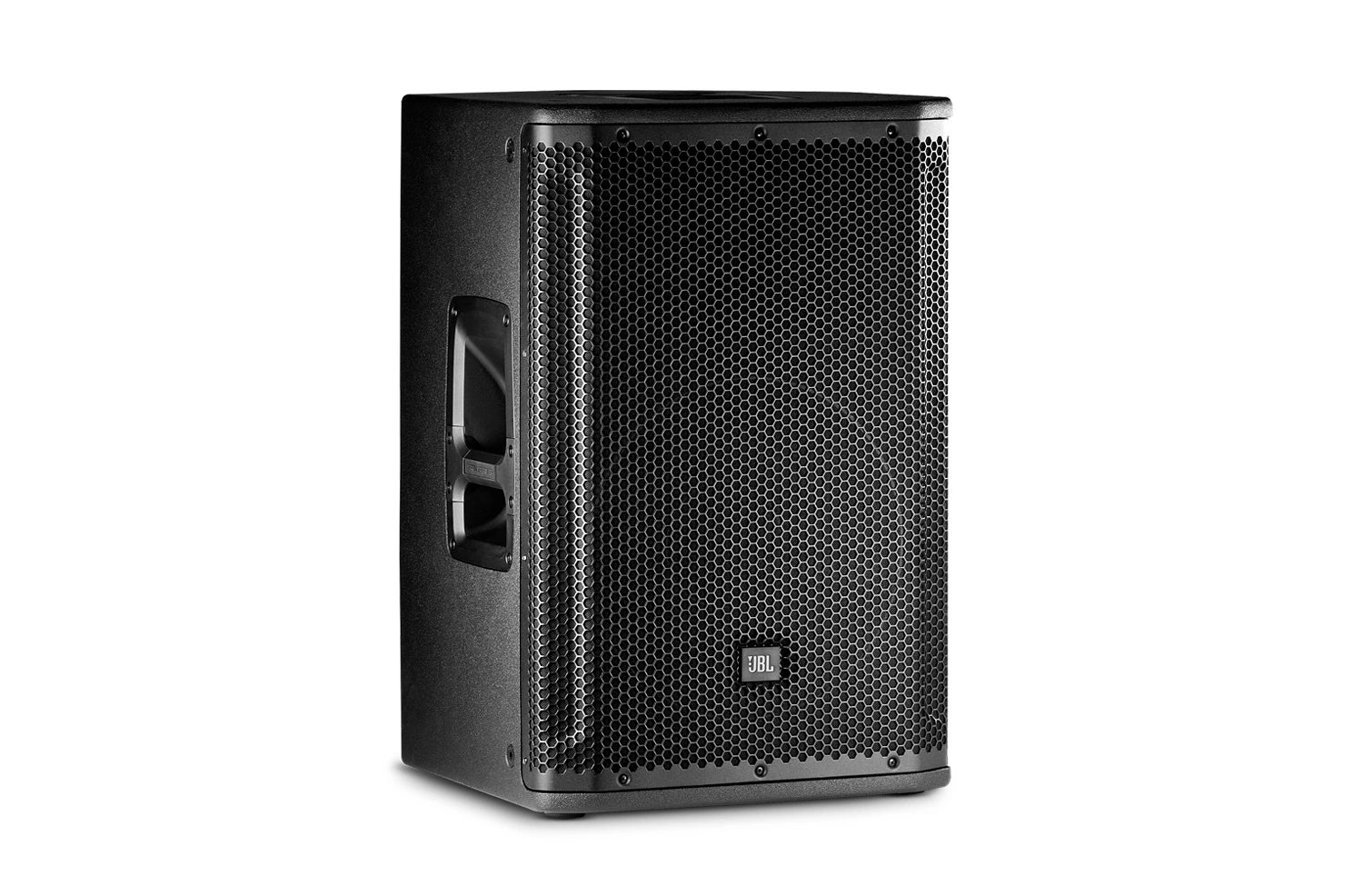
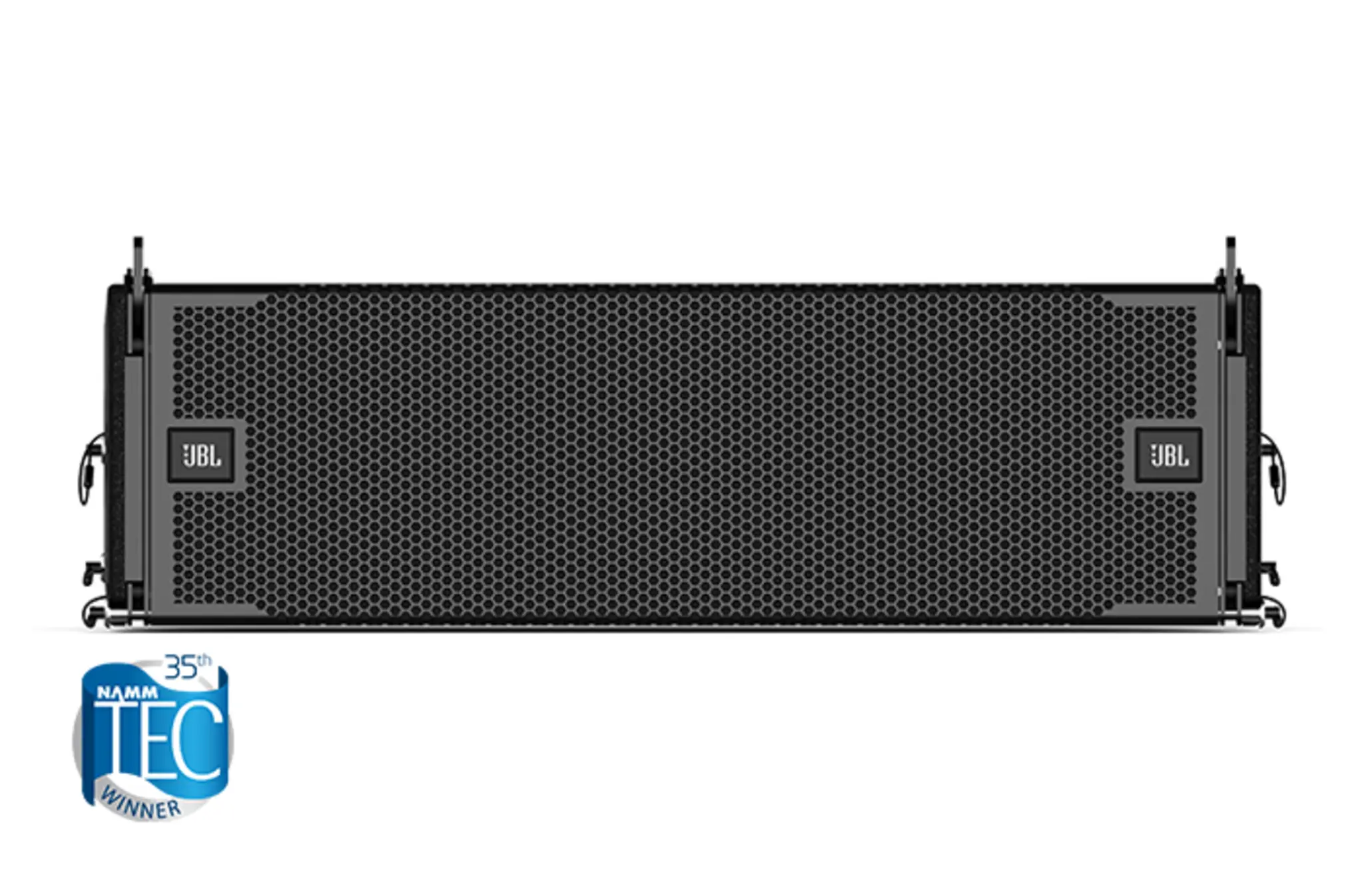
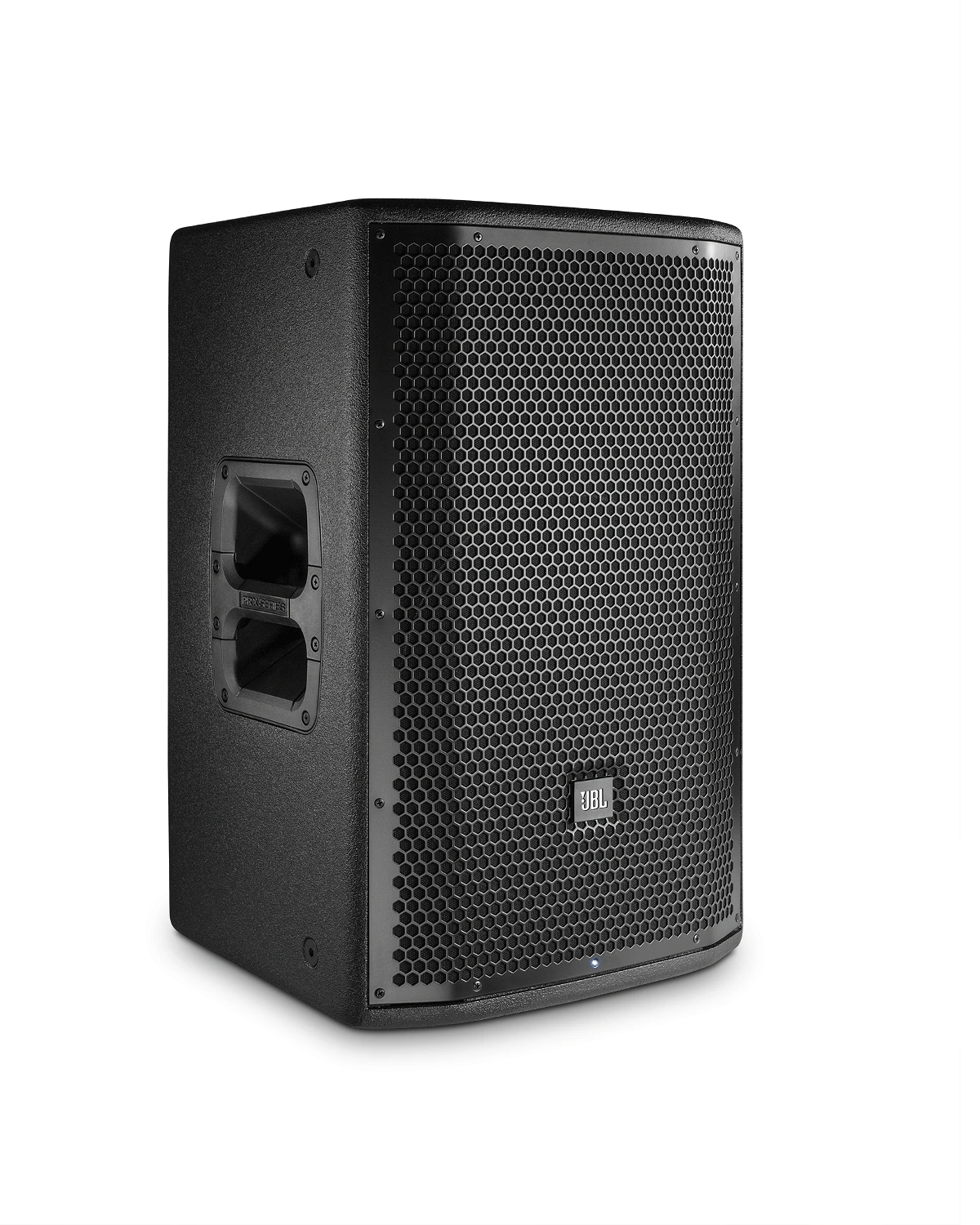
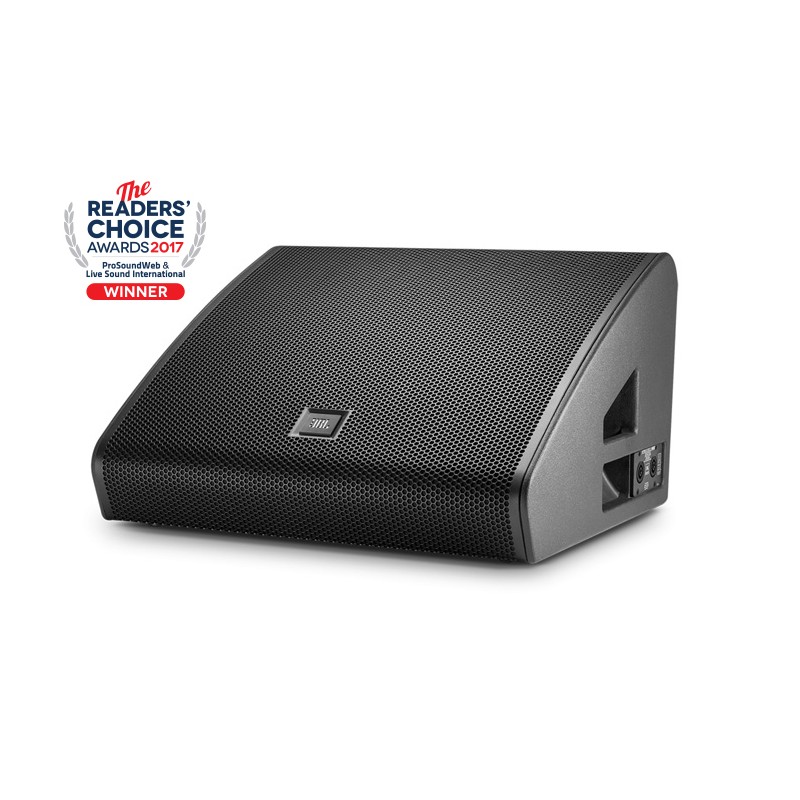
In our band kit for up to 200 people the stage monitors are two JBL PRX812 active speakers, which work as wedges when tilted on their side and need only a signal and a power cable. The concert kit has four JBL VTX M22 passive stage monitors with a Crown I-Tech 4×3500HD amplifier that gives each monitor its own channel. The smaller JBL VTX M20 is the lower-profile member of the same family for a cramped stage.
Both at once
In practice a mixed setup is common: singers and the keyboard player on in-ears, drummer and bassist on wedges, or the drummer on in-ears and everyone else on wedges. It works well as long as the engineer remembers there is still an open speaker on stage reaching the singers' microphones. Tell us when ordering who uses what, and we will assemble the kit so there are enough outputs and channels.