


Dedicated monitor or an active speaker on the floor
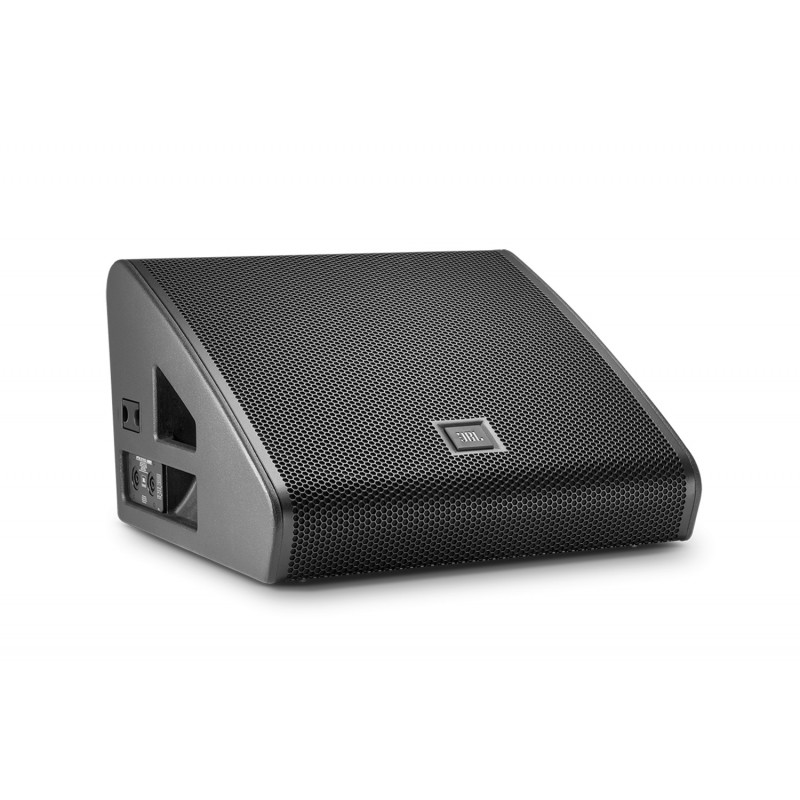
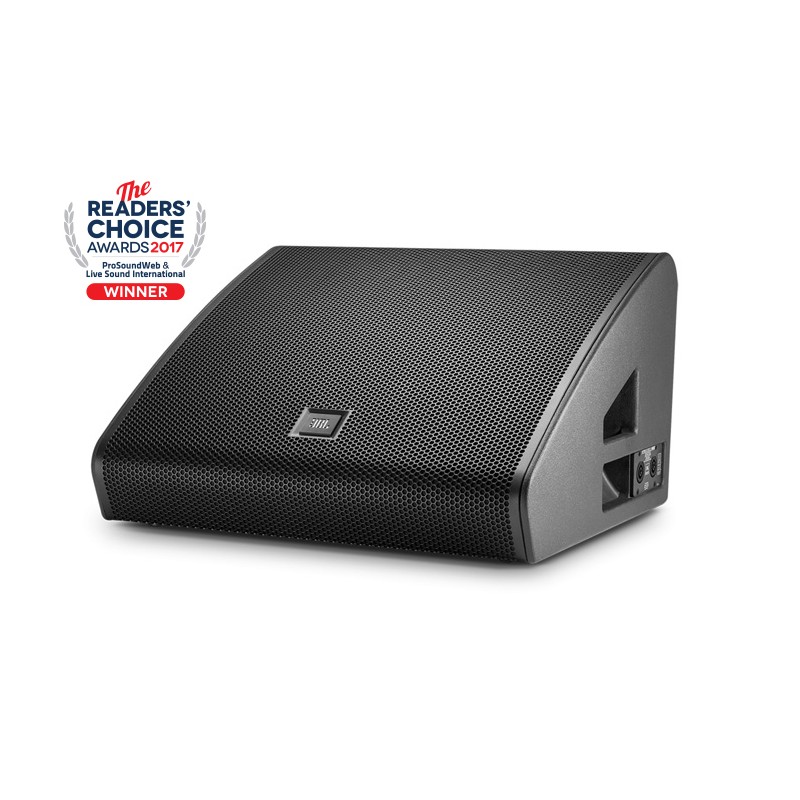
The JBL VTX M20 (2×10″ plus a 3″ compression driver, 1250 W, 136 dB) and the VTX M22 (2×12″ and 3″, 1500 W, 138 dB) are low-profile stage monitors. They are built for the stage floor: the box is low, does not hide the performer from the audience and aims up toward the face. The M22 is bigger and louder, for a drummer, a loud rock band or a large outdoor stage. The Concert kit for up to 500 people has four M22.
The M20 and M22 are passive and need an amplifier. A four-channel Crown I-Tech 4×3500HD drives four monitors, each with its own mix. That makes sense when you also rent the VTX line array and an amp rack is there anyway.
At smaller events an active speaker used as a monitor is simpler. The speaker lies on its side on the floor so that its angled face points at the performer. All it needs is a power cable and one XLR cable from a mixer aux output.
Which active speaker as a monitor
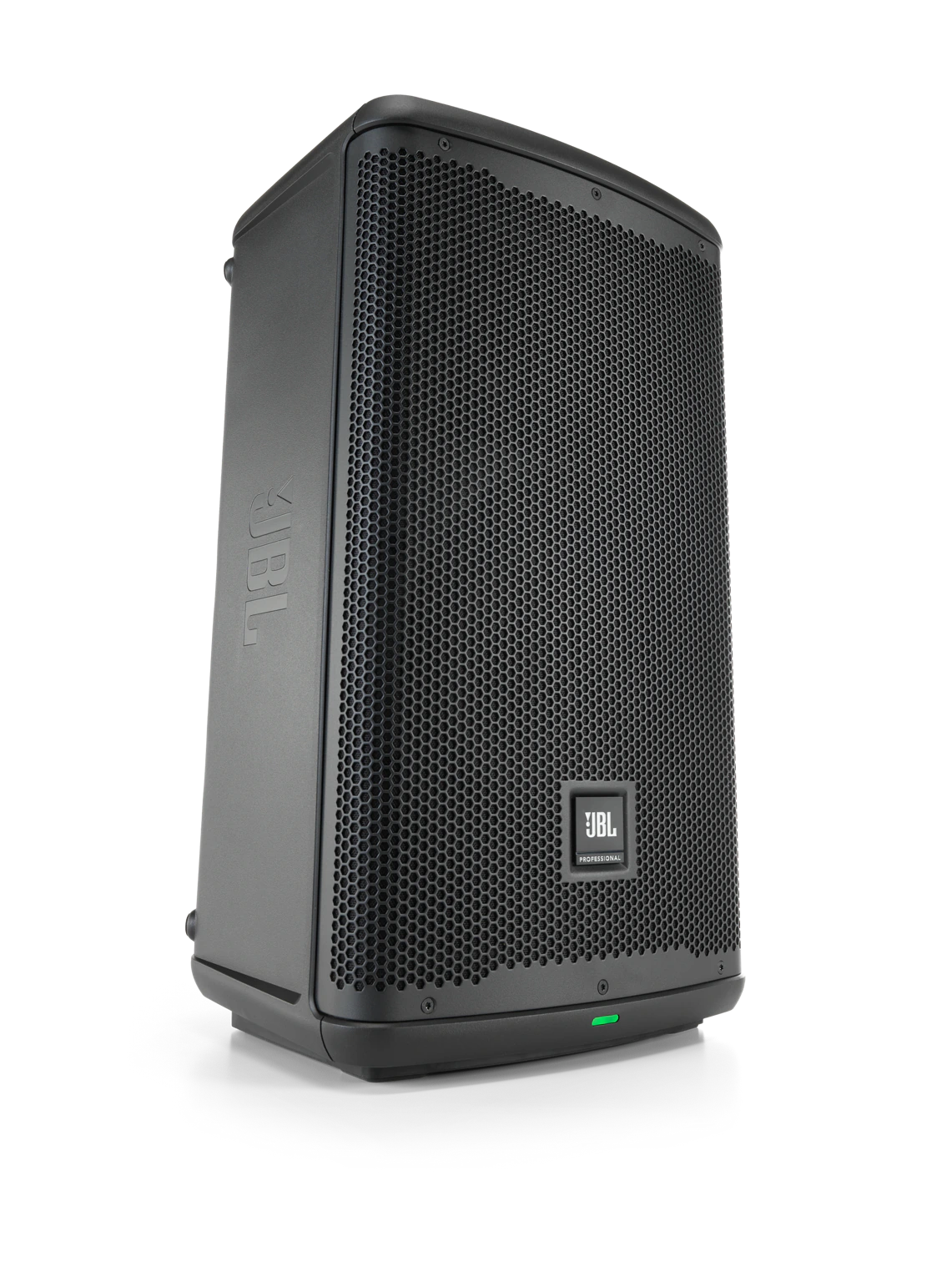
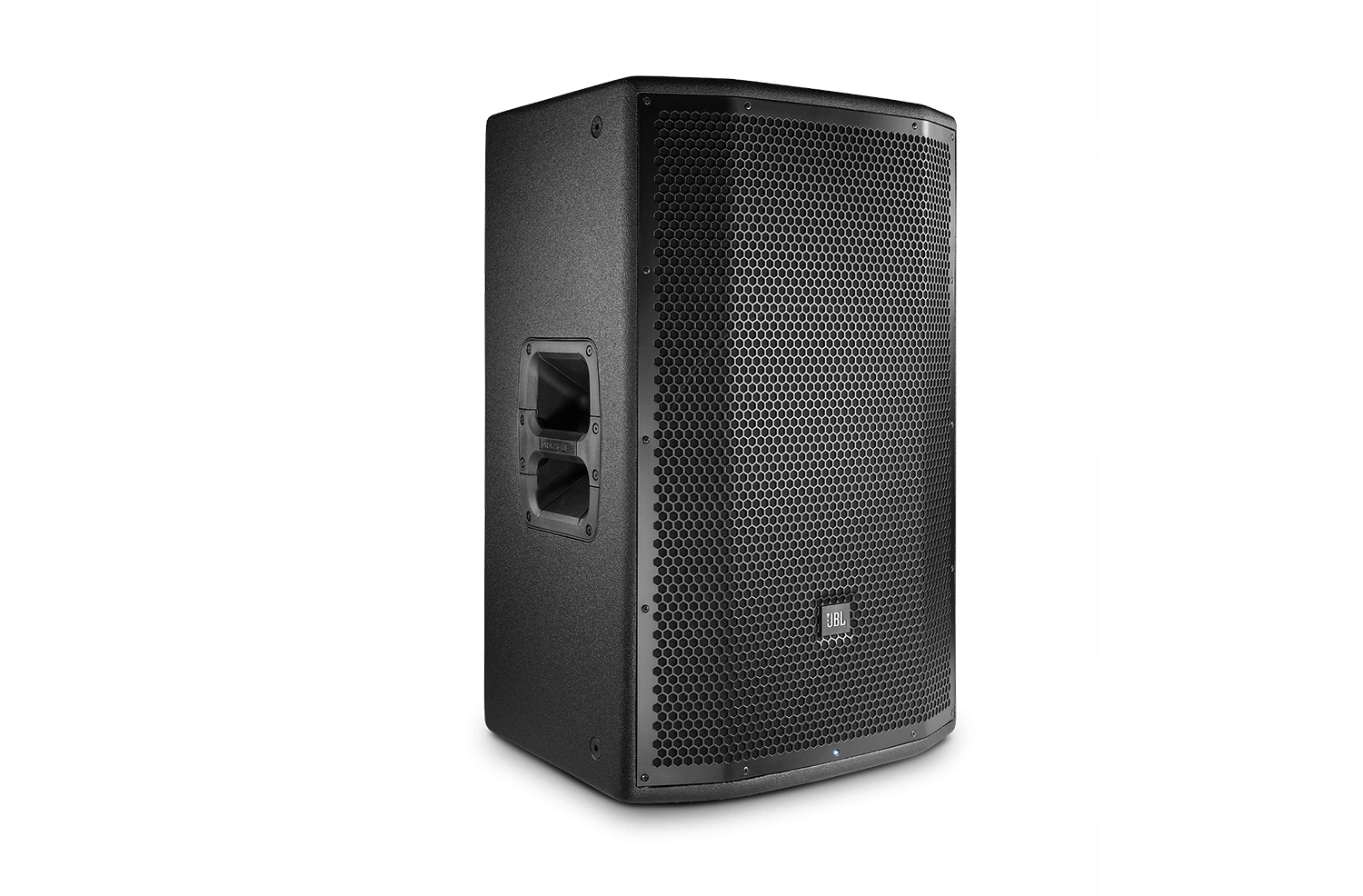
The JBL EON710 is light and small, enough for an acoustic duo, a speaker or a DJ booth; the Acoustic duo kit for up to 80 people uses one as a monitor. The JBL PRX812 is the all-round wedge for a singer and the front line of a band. The PRX815, with its 15″ woofer, gives more low end and so suits a drummer or bass player. The JBL SRX812P (2000 W, 136 dB) is the choice when the band is loud and the monitor has to cut through.
- Presenter, acoustic act, DJ: EON710
- Singer, band front line: PRX812
- Drummer, bass: PRX815
- Loud band: SRX812P or VTX M22
How many monitors you need
The basic rule is one monitor per distinct mix. A singer mostly wants their own voice, a drummer the bass and guitar, a keyboard player a bit of everything. If two musicians are happy with the same mix, they can share one monitor or use two speakers on one mix.
Solo singer or presenter: one monitor. Acoustic duo: one or two. Five-piece band: four or five, often two for the front line, one for the drummer and one for guitar or keys. Our guide on what a five-piece band needs has a more detailed breakdown.
What the mixer needs for monitors
Every monitor mix comes from its own aux output on the mixer. A small analogue mixer like the Soundcraft Signature 10 is fine for an event with one or two monitors. For a band, a Soundcraft Ui24R or Yamaha DM3 is better, where monitor mixes are set separately, and with the Ui24R a musician can even run their own mix from a phone.
On a big stage the monitor mix is often done on a separate console. If there are many performers and too much monitor sound on stage, consider in-ear monitors, which have their own page.
Feedback and other typical mistakes
The monitor is the most common cause of feedback, since it sits closer to the microphone than any other speaker. A cardioid mic such as the Shure SM58 is least sensitive directly behind, so the wedge goes in front of the singer with the back of the mic toward it. Never aim the monitor into the mic capsule.
The second mistake is too much monitor level: musicians try to outdo each other and the stage sound spoils the house mix. Start quiet and add only what the performer asks for. The third is a loose monitor cable at the front of the stage. Tape it down, because performers often step back next to the wedge.