In-ear monitor (IEM)
An in-ear monitor system sends a performer's monitor mix straight into earphones, usually by radio from a transmitter to a receiver pack worn on the belt.
What an in-ear monitor is
On stage a musician has to hear themselves and the others. Traditionally that is the job of a wedge on the floor. An in-ear monitor puts the same monitor mix straight into the ear: the musician wears snug earphones that block out stage noise and hears only the mix the engineer builds for them.
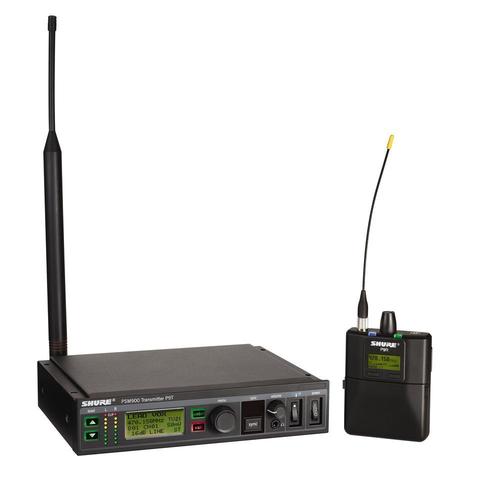
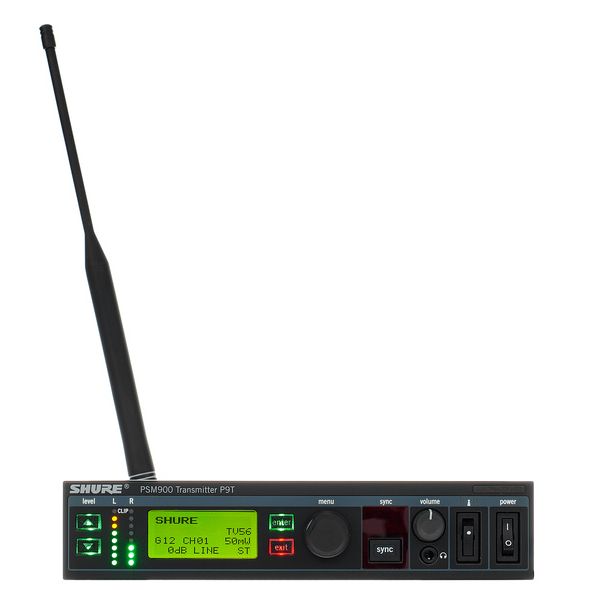
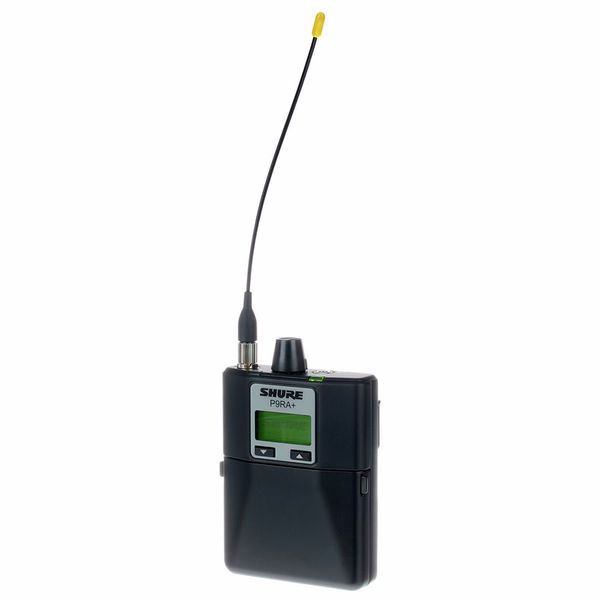
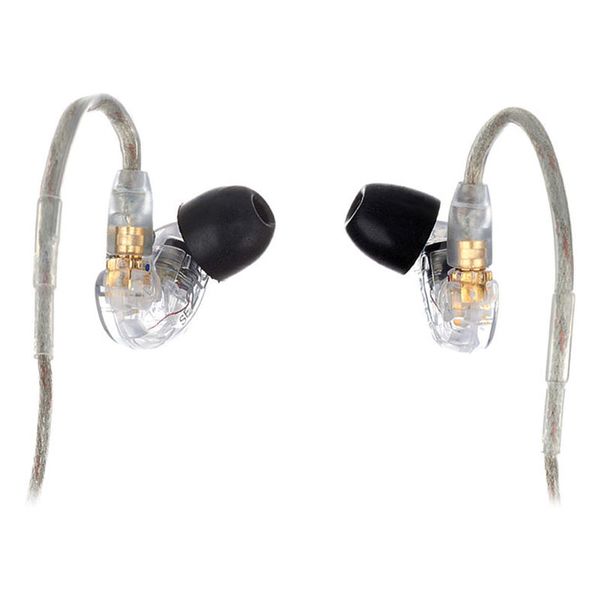
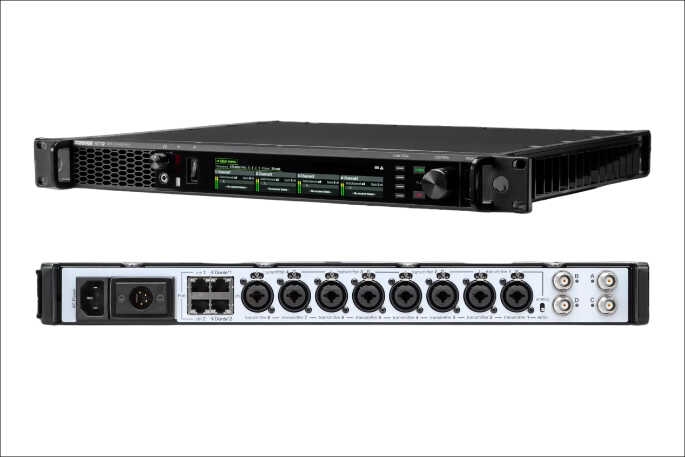
The system has three parts. The transmitter sits in a rack and takes the monitor mix from the console, for example the Shure P9T. The receiver is a small belt pack, for example the Shure P9RA+, into which the earphones plug. The third part is the earphones themselves, such as the Shure SE215CL. The Shure PSM900 system includes transmitter and receiver together.
How it works
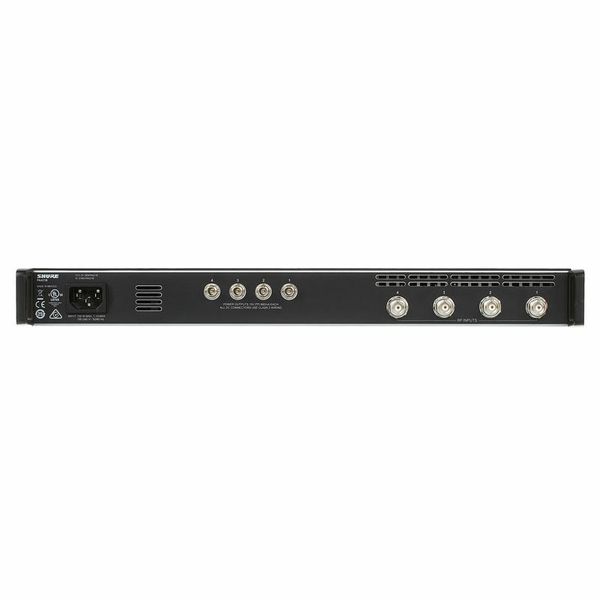
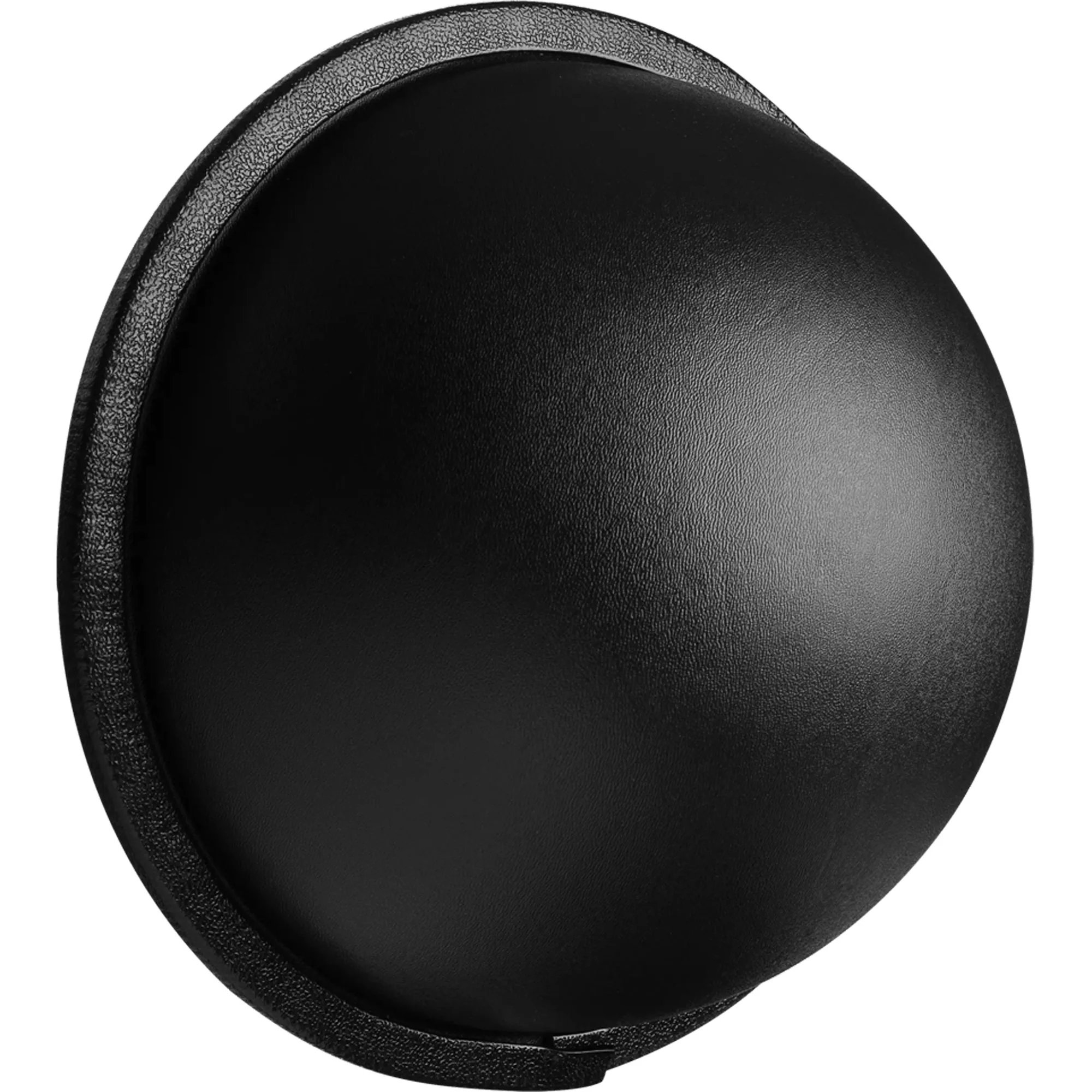
A wireless in-ear system uses the same frequency bands as wireless microphones, so frequencies have to be coordinated. Several transmitters are joined through an antenna combiner such as the Shure PA421B into one antenna, for example the directional Shure HA-8091. That avoids a row of antennas next to each other and gives a more stable signal.
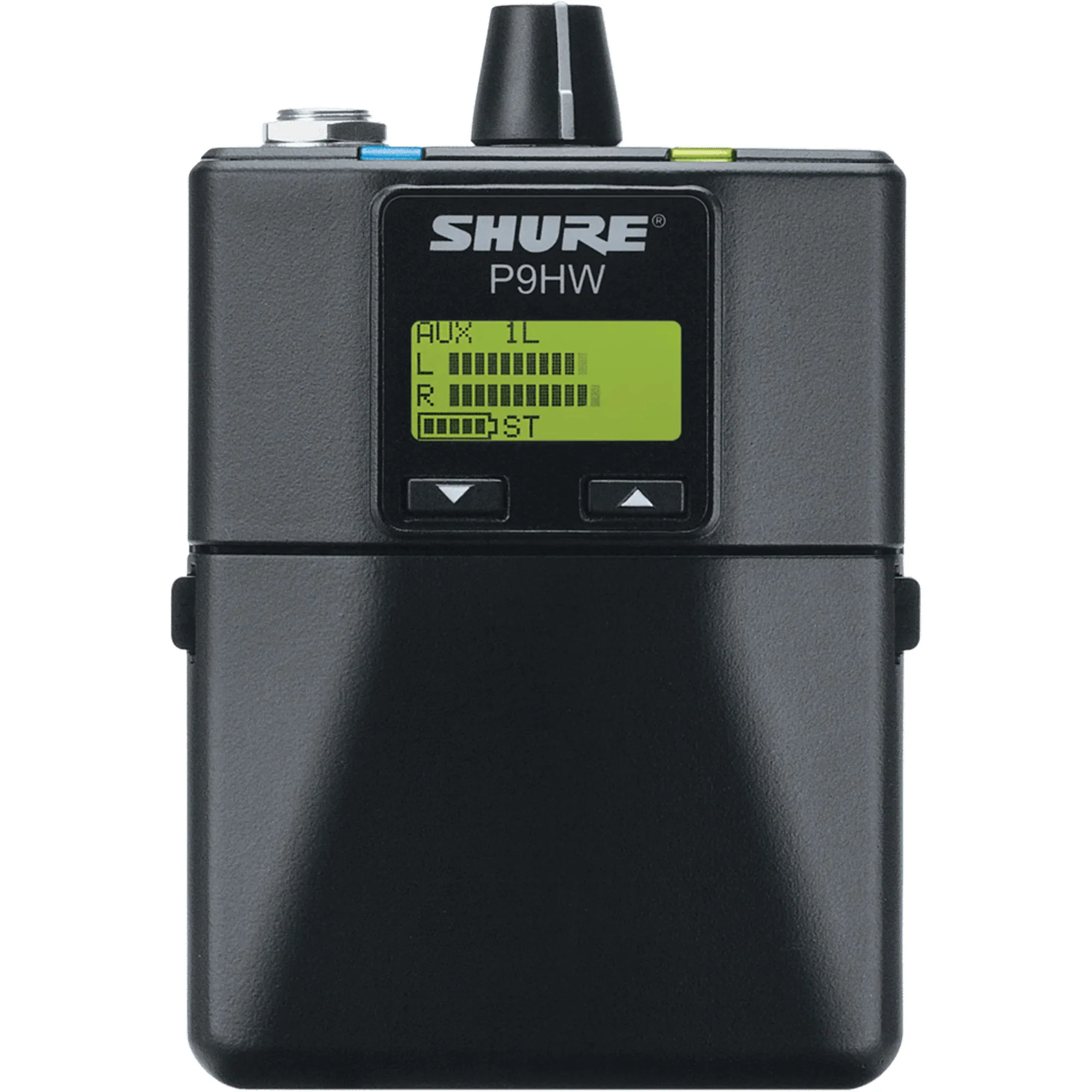
A stereo system such as the PSM900 lets the engineer pan the musicians left and right, which makes the picture clearer and allows listening at a lower level. For a drummer who stays put, a wired Shure P9HW pack is often enough; it needs no radio frequency and no batteries.
Practical advice
Earphones must seal in the ear, otherwise the bass disappears and the musician turns the level too high. Try the tip sizes before the sound check. Talk to the musicians about volume: because the earphone sits in the ear canal, a mix that is too loud harms hearing faster than a wedge does.
- Every musician needs their own receiver and usually their own mix.
- If everyone listens to the same mix, several receivers can work from one transmitter.
- A pair of audience mics on stage brings the room into the mix.
- Change batteries before every show, not when the warning lights up.
Common mistakes
How in-ears compare with wedges is covered in a separate guide, and setup step by step in the in-ear setup guide. These are the main mistakes.
- Frequencies are not coordinated with the wireless mics and there is noise in the ear.
- The musician wears only one earphone and turns the level too high to make up for the open ear.
- There are no audience mics and the performer feels cut off from the crowd.
- No antenna combiner is used and several transmitters' antennas interfere with each other.