
Why 500 people get a line array
Sound from a conventional speaker drops by about 6 dB in open space every time the distance doubles. If the front row is five metres away and the back row forty, the difference is so large that one is too loud and the other too quiet. Line array elements are stacked in a column and angled so the top elements throw far and the lower ones cover near. The result is a more even level from front to back.
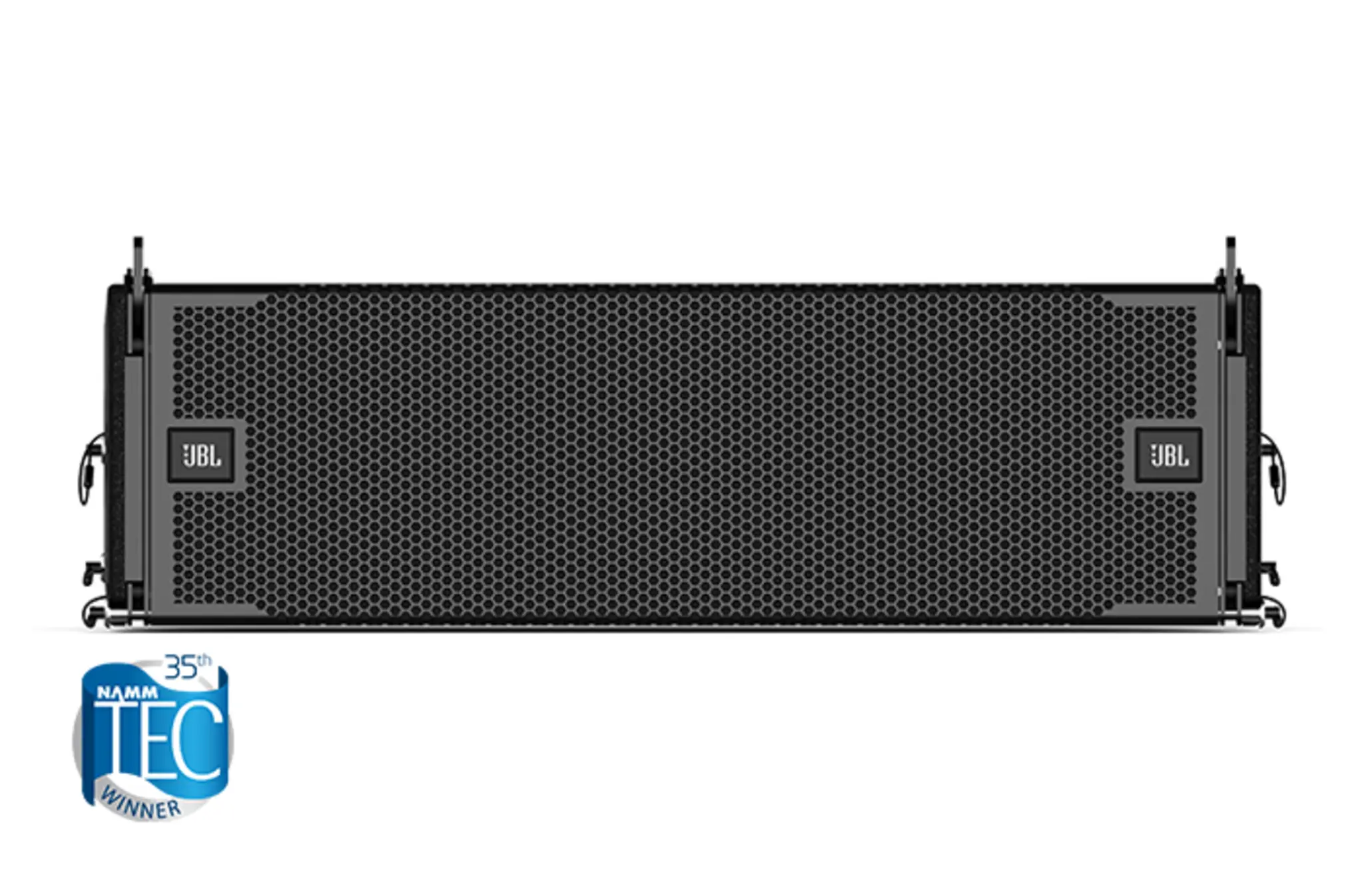
The JBL VTX A8 is, per the catalog, a passive line array element: two 2-inch HF drivers, four 3.5-inch mids and two 8-inch woofers, 990 W and up to 139 dB. The concert kit has six of them, three on each side of the stage.
What is in the concert kit and how it fits together
The signal chain is longer than at smaller sizes, and every link matters.
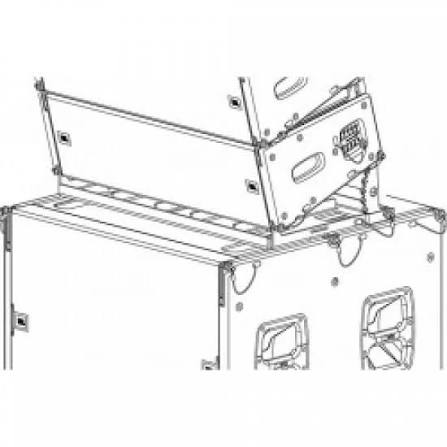
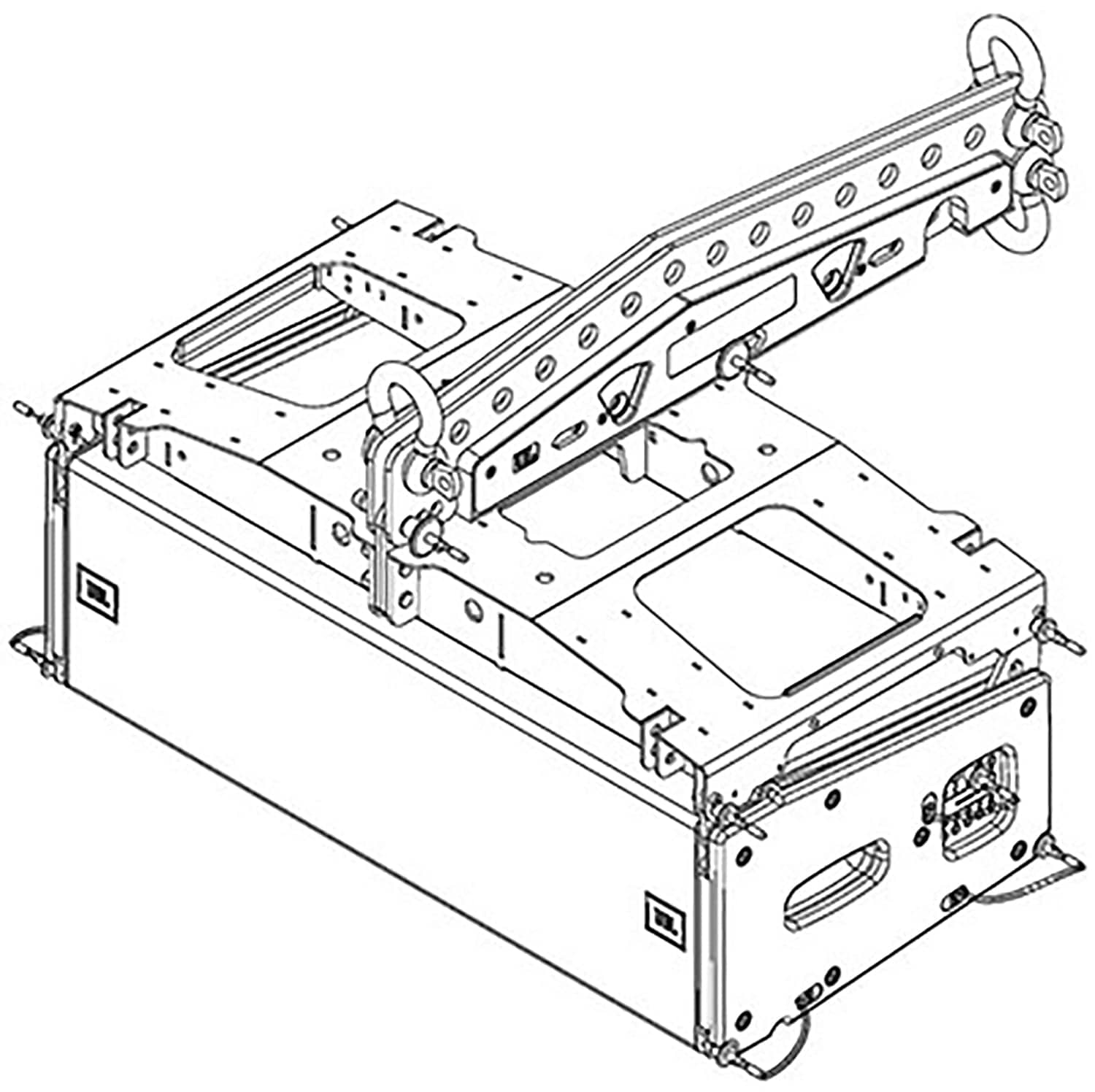
- Main speakers: 6× JBL VTX A8, ground-stacked on JBL VTX A8 BP base plates. If the venue allows flying, the JBL VTX A8 AF array frame is used.
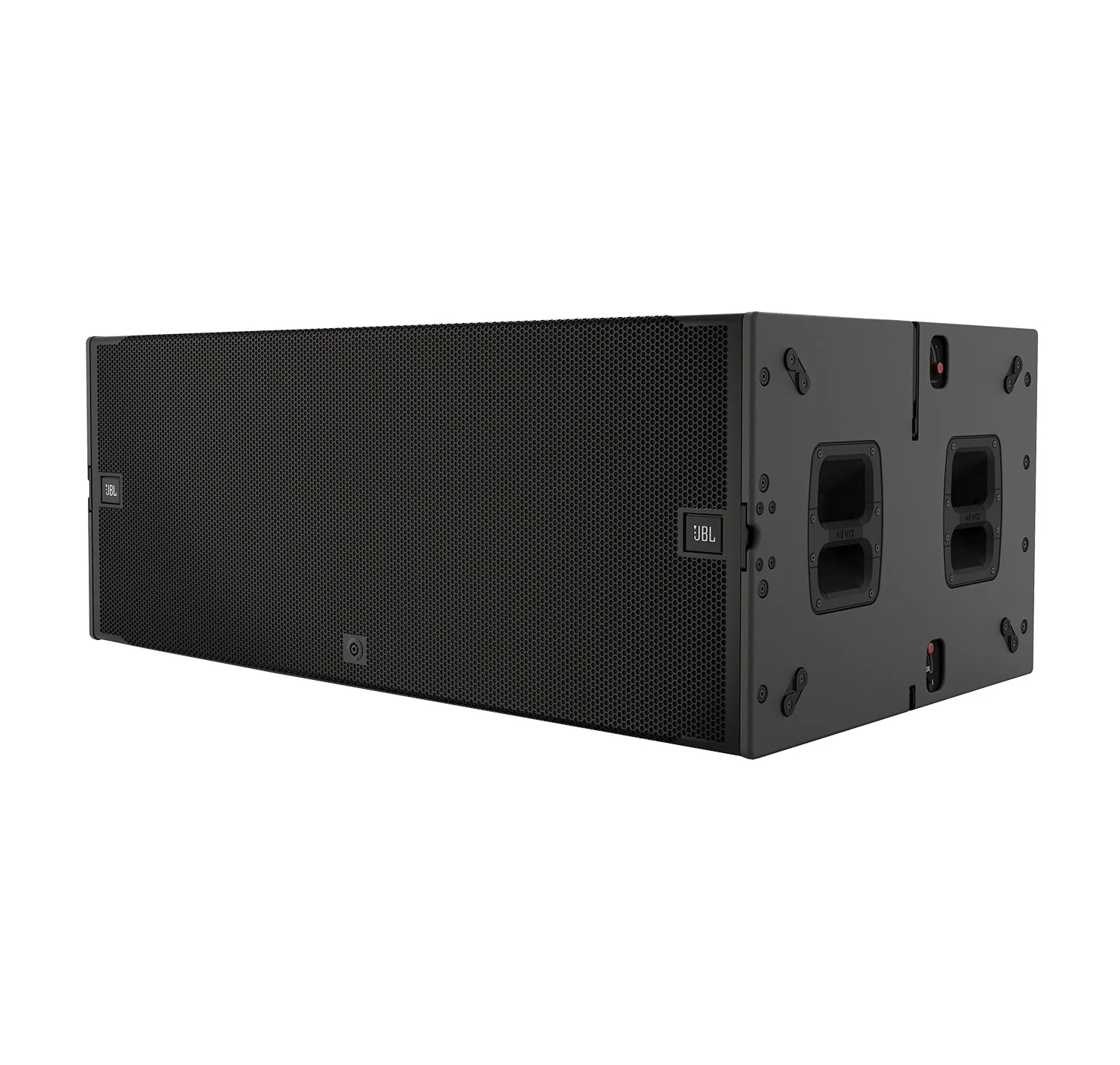
- Bass: 2× JBL VTX B28 passive dual 18-inch subwoofers, 2600 W and up to 141 dB per the catalog, 25–80 Hz.
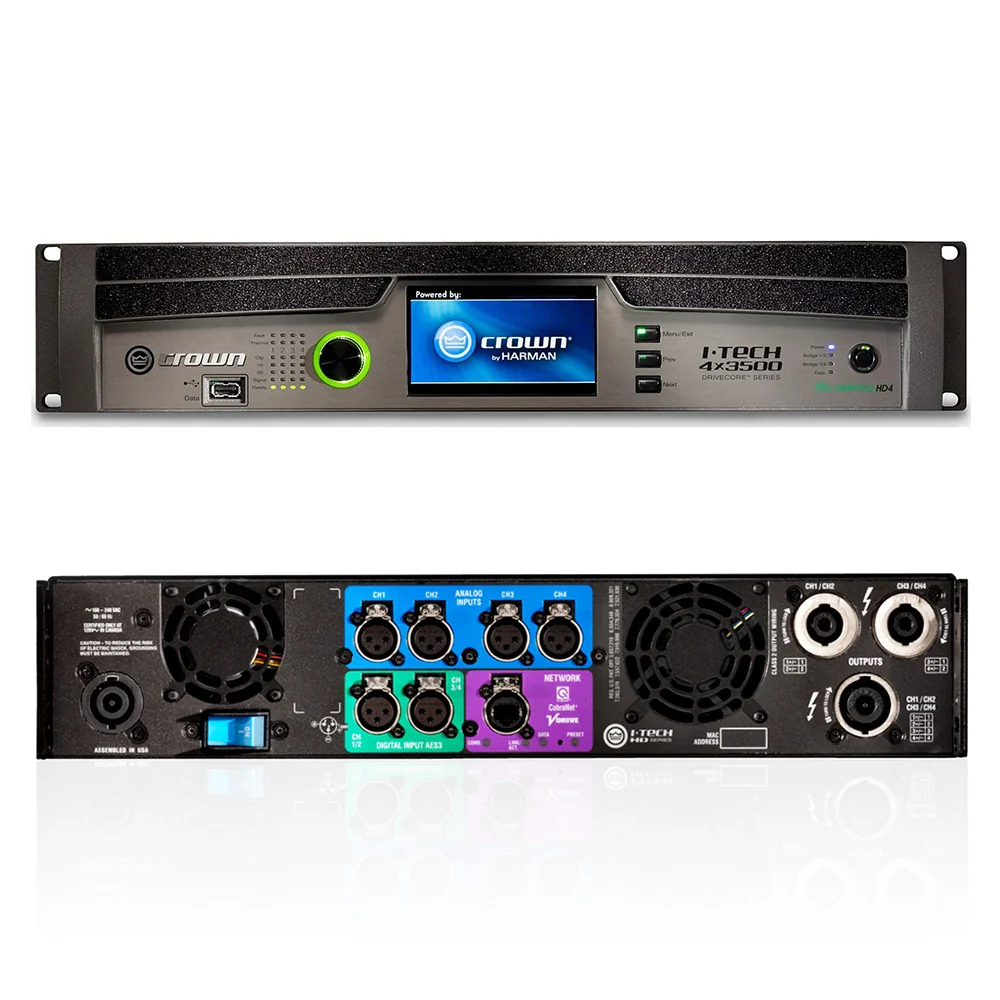
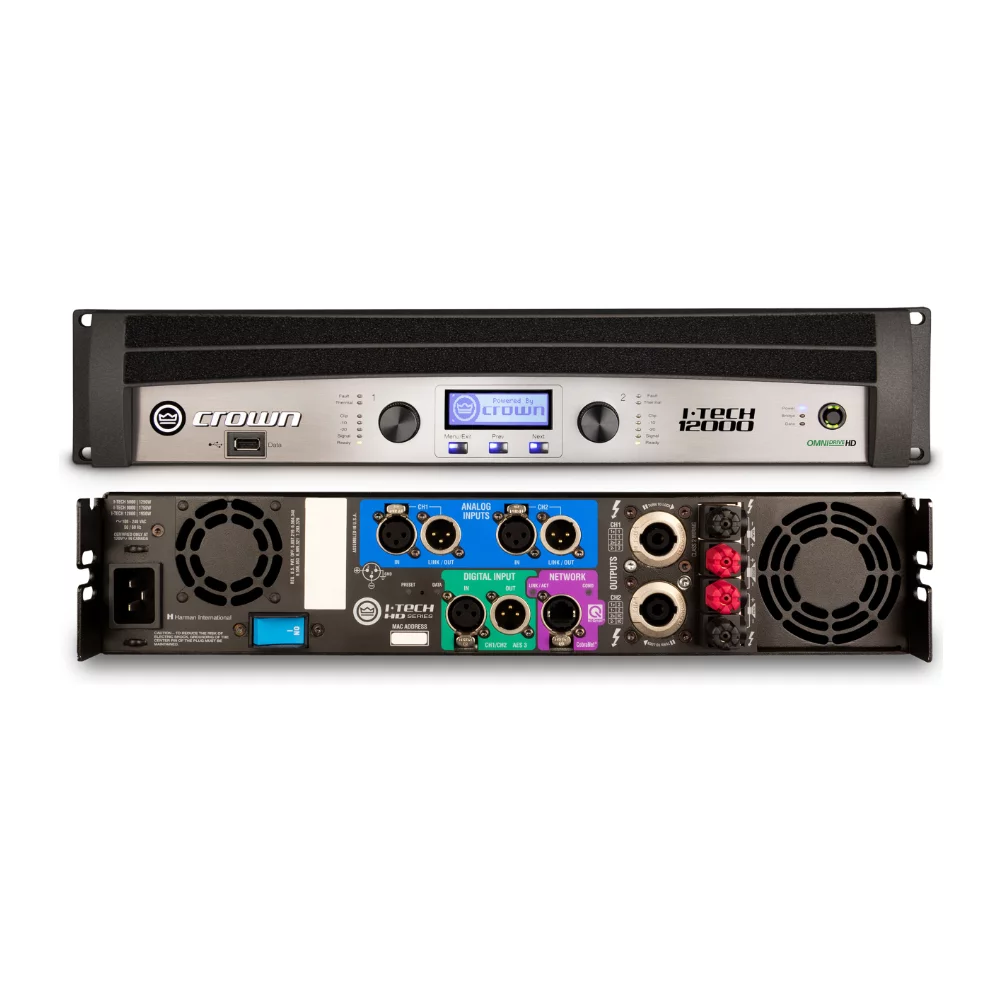
- Amplifiers: Crown I-Tech 4×3500HD four-channel amps for the array elements and monitors, a Crown I-Tech 12000HD for the subs.
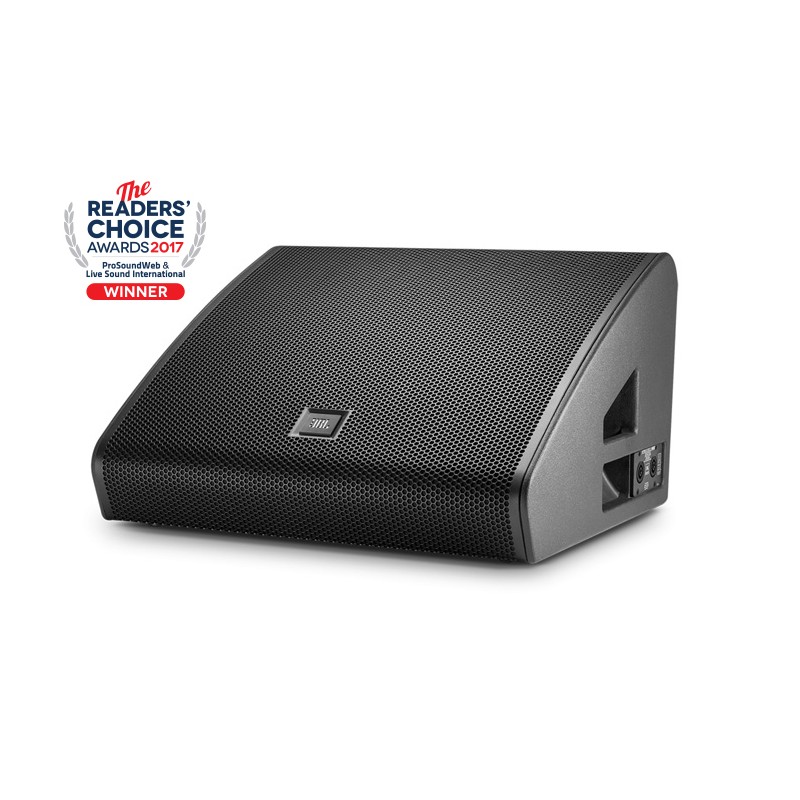
- Stage monitors: 4× JBL VTX M22, a floor wedge with two 12-inch drivers.
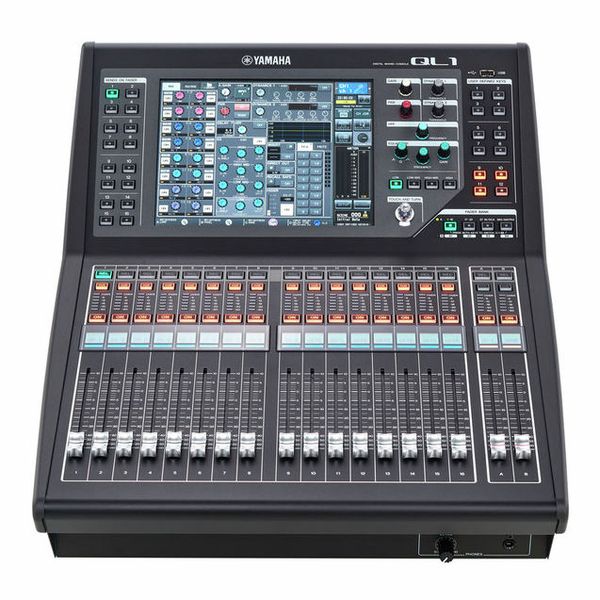
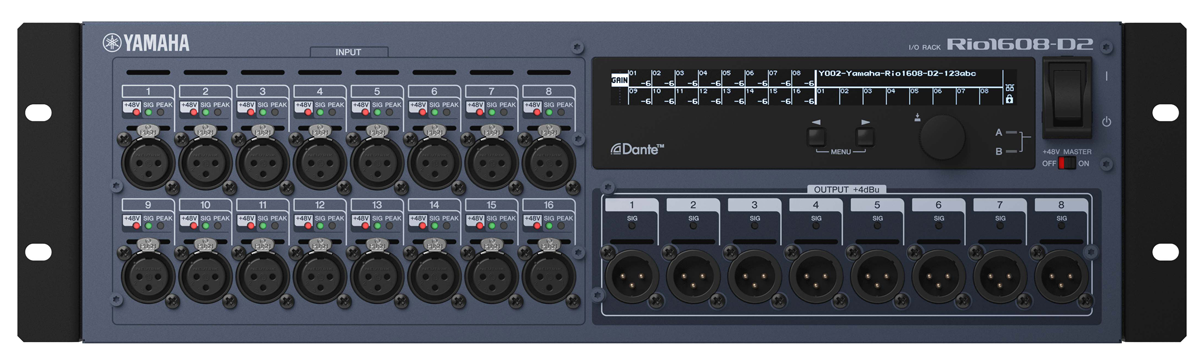
- Console and signal: a Yamaha QL1 digital console with 48 inputs and a Yamaha RIO1608-D2 stagebox on stage, linked over Dante with one network cable.
- Microphones for the band, three BSS AR-133 DI boxes and K&M stands.
A speech event for 500
A gala, annual meeting or opening ceremony for five hundred does not need concert bass but does need the same even coverage. With two VTX A8 hangs, speech is clear at the back of the room; there can be fewer subs, or they are kept only for the evening music. Another route is several JBL SRX812P pairs, with the second and third delayed in the middle and at the back.
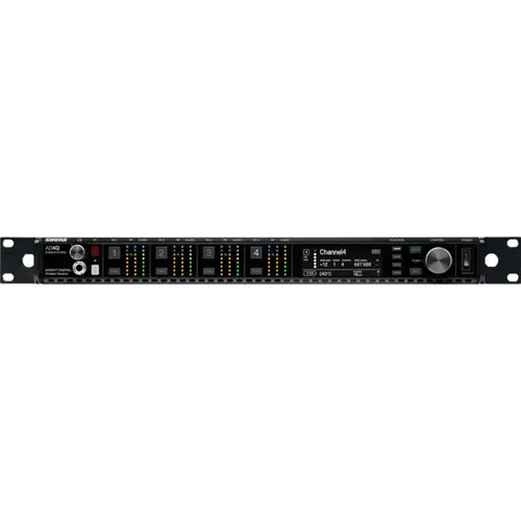
There are many microphones at such an event and they must be reliable. The Shure Axient Digital system, for example the AD4Q four-channel receiver with AD2/B58 handhelds and ADX1 bodypacks with headsets, is made for big stages. The Shure AD600 spectrum manager helps plan frequencies when there are many channels.
The band and monitors on a 500-person stage
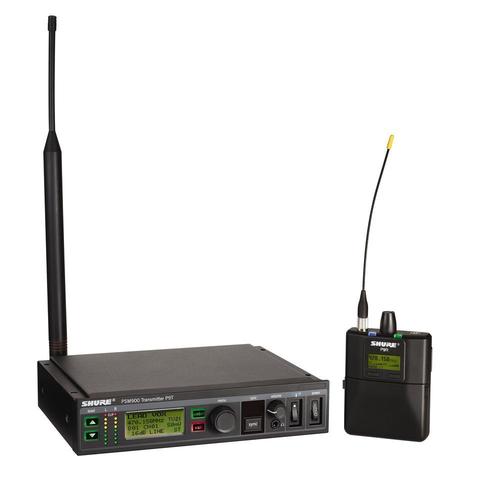
At a concert for five hundred, stage sound must be mixed separately. Four VTX M22 wedges give the singers and drummer their own mixes from the QL1's aux outputs. If the musicians prefer earphones, the In-ear monitor kit for four musicians uses Shure PSM900 systems. In-ears also lower the stage volume, which keeps the house sound cleaner.
Send a stage plot and input list before the event. The kit's mics are meant for a typical rock or pop band: Shure SM58 for vocals, SM57, BETA 52A, three Sennheiser e904 and two SM81 for drums. Brass, strings or a choir need extra microphones.
Placement, power and outdoor conditions
The line array stacks stand on both sides of the stage with the subs underneath or in front of the stage. The console sits in the middle of the audience with a clear view of the stage. The long cable run from stage to mixer is covered with cable ramps so people do not trip and wheeled gear does not roll over it.
The amp rack needs a strong, dedicated power supply. In a hall this is agreed with the venue's electrician; outdoors you need a generator and a power plan. Outdoors, 500 people also means wind, rain and neighbours: the stacks are secured, the amps and console covered, and level limits checked against the venue's or municipality's rules.
Crew and schedule
A system for five hundred is not set up by the organiser. At least one engineer runs the house sound and another looks after the stage, monitors and microphones. Setup, tuning the system with a measurement microphone and the band's sound check take several hours, so the venue has to be available in the morning or the day before.
If the performer has a technical rider, send it with the rental request so the offer contains exactly what the band expects. Setup, transport and the technicians' time are listed separately in the offer.