The shell helps the performers, not the audience
A song festival shell is built to project the choir's sound forward and give the singers feedback. For amplified sound it does nothing in the audience area: grass and people do not reflect sound back, and the back rows are much quieter because of the distance from the speakers. The shell can even cause echo on stage if the main speakers sit too far inside and point towards it.
That is why the main speakers go beside the front edge of the stage, outside the shell, aimed at the audience. Only monitors stay on stage, and their sound must point at the musicians, not the audience.
The main system: line arrays on the sides
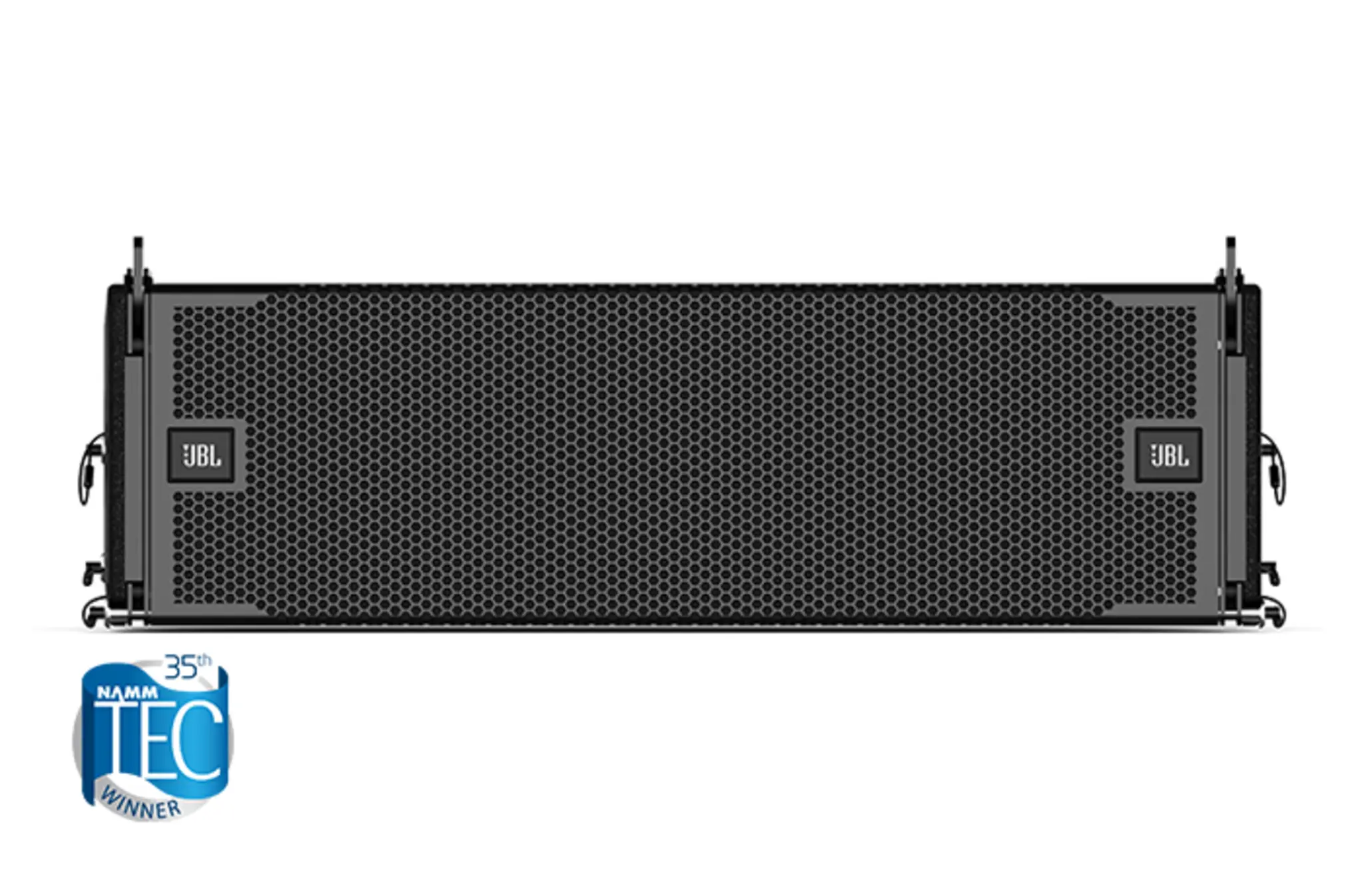
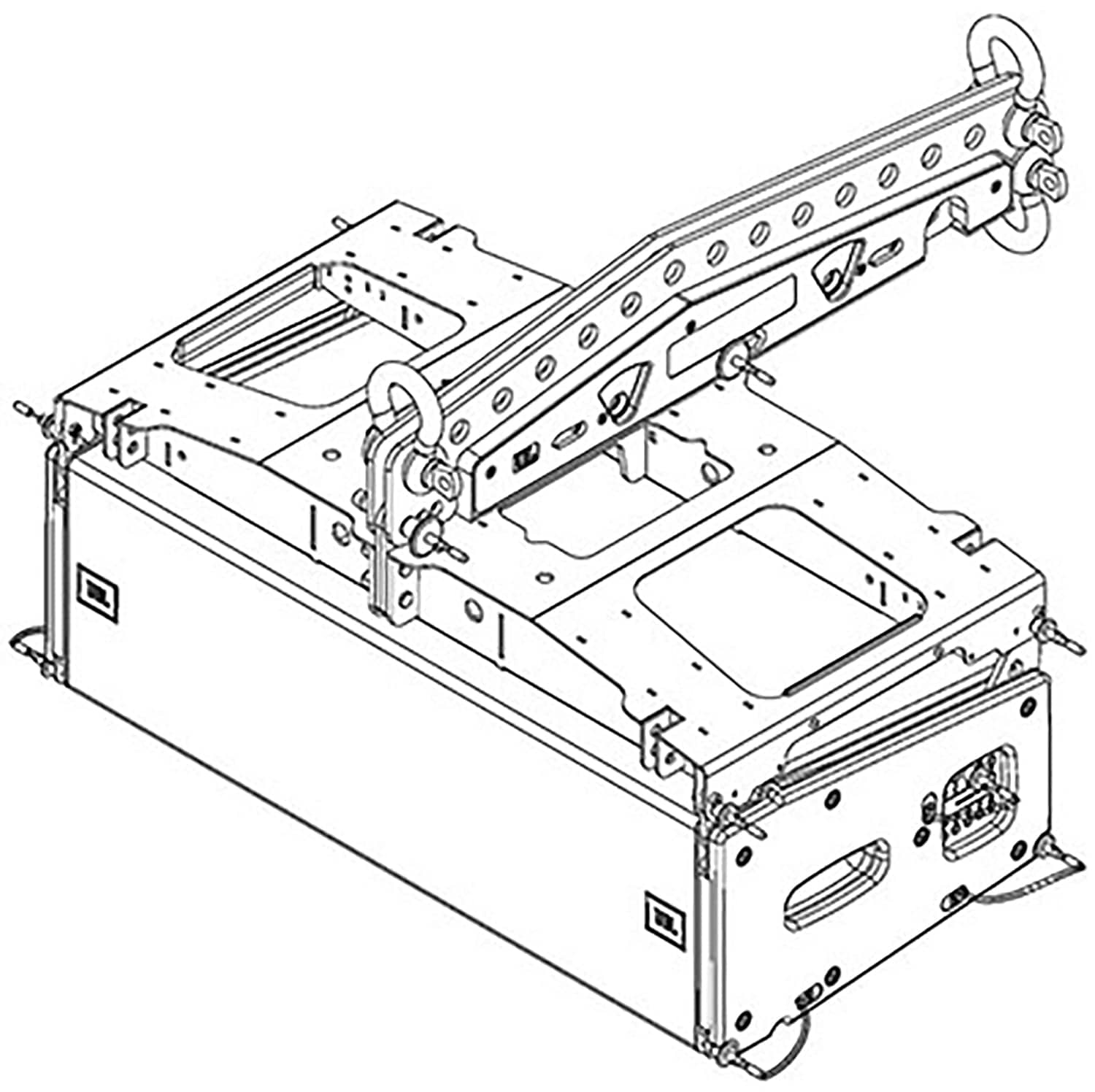
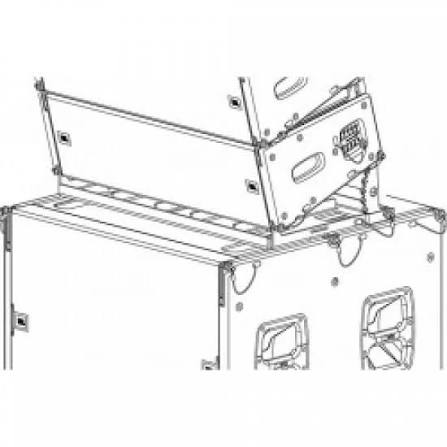
For an open field a line array is the right tool, because its vertical coverage can be shaped so the top elements play to the back of the slope and the lower ones to the front rows. JBL VTX A8 elements stand on a JBL VTX A8 BP base plate on the ground or stage, or, if the stage owner provides rigging points and permission, hang from a JBL VTX A8 AF frame. The higher the hang, the more even the sound across the field.
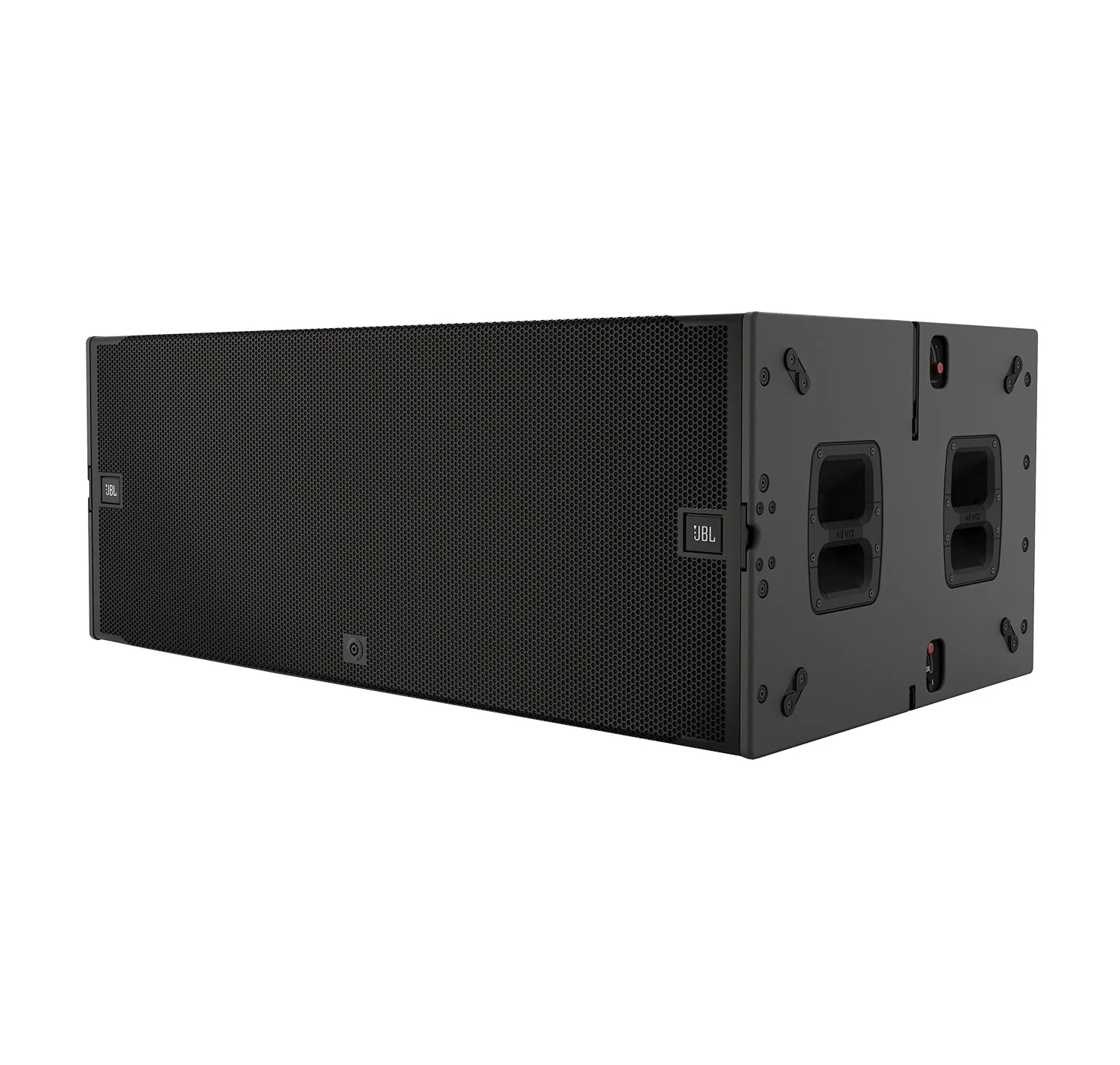
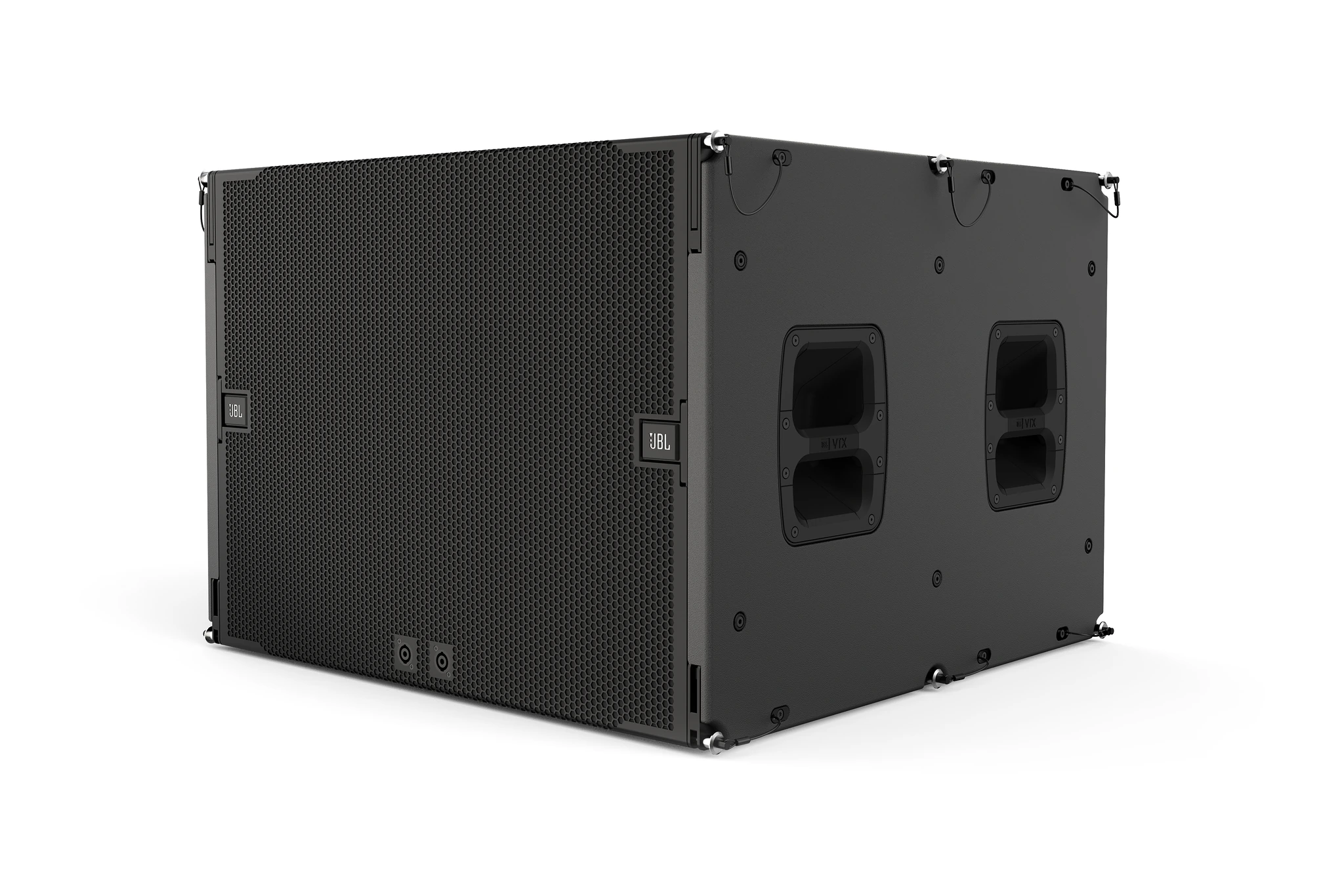
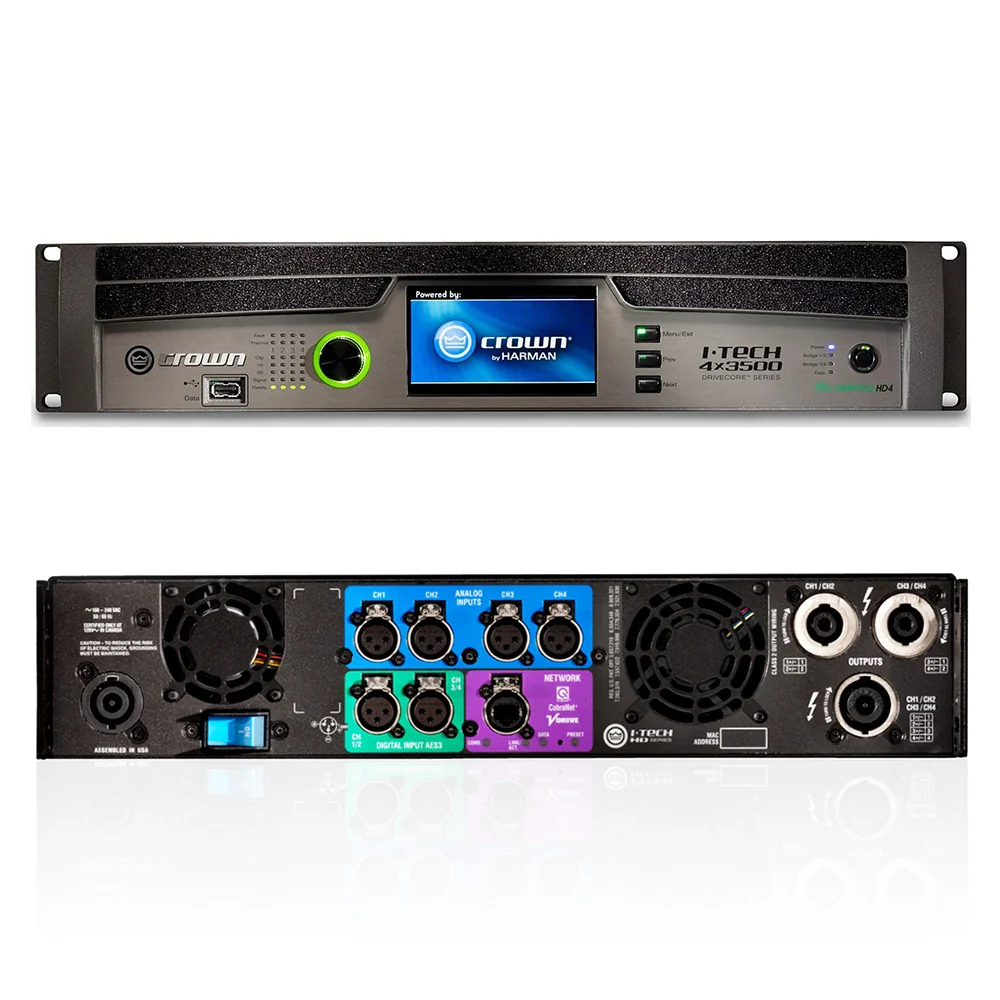
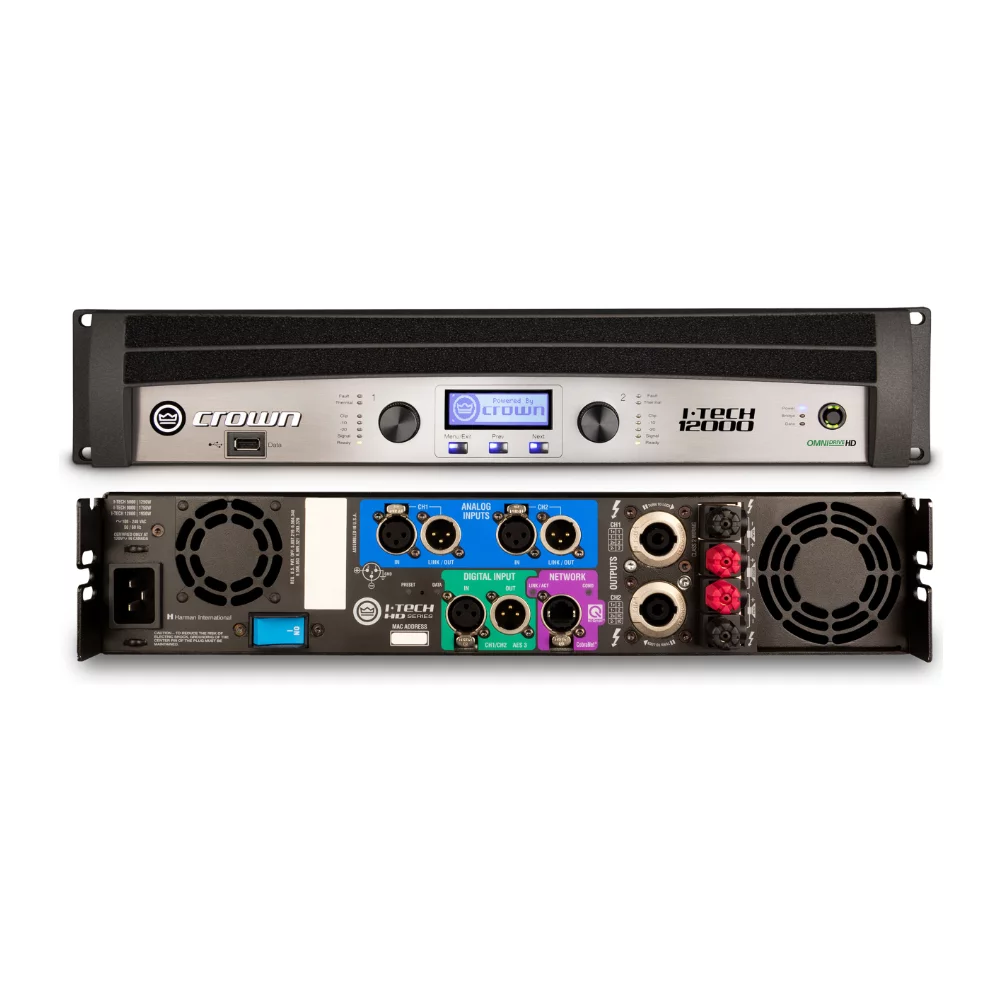
Bass comes from passive JBL VTX B28 or VTX B18 subwoofers in front of the stage. All passive speakers need amplifiers: the Crown I-Tech 4×3500HD has four channels, the Crown I-Tech 12000HD two. The amp rack stands in the shade beside the stage and needs a strong, dedicated power feed.
Delay speakers in a large audience field
When the audience area is deeper than the main system covers evenly, delay towers go in the middle or at the back: speakers on a high support that play only to the rear section. The delay is set by how far the tower is from the stage, because sound travels about 3 ms per metre. With the delay set right, the audience does not hear the delay speaker separately but still feels the sound is coming from the stage.
JBL SRX812P on Gravity TLS 431 B touring stands, rated in the catalog for a 25 kg maximum load, or JBL VTX A6 elements on a base plate work as delays. Signal and power have to reach the tower, so plan and cover the cable route across the audience area in advance.
Hearing on stage: wedges, sidefills and in-ears
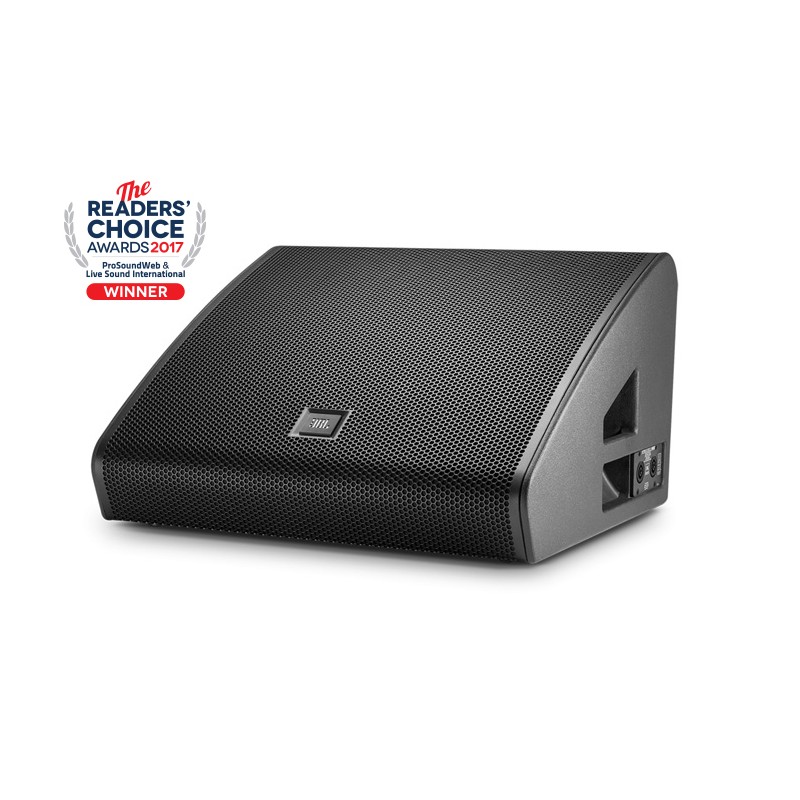
On an open-air stage performers hear no room reflections, and the mains are behind them. Everything they hear comes from monitors. The JBL VTX M22 is, per the catalog, a 138 dB stage monitor with two 12-inch drivers, placed in front of a singer or the drummer. On a wide stage, sidefills go on the sides so the whole ensemble and the choir hear the beat and the soloist.
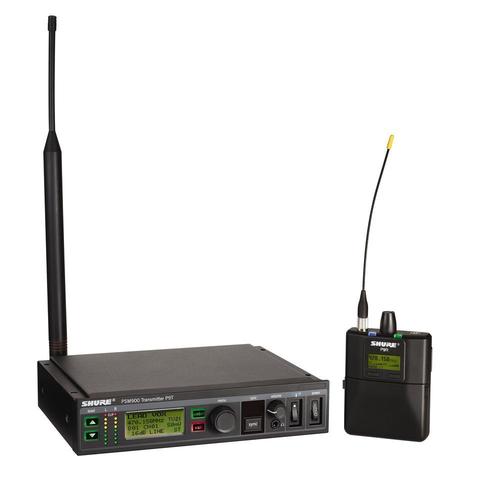
The Shure PSM900 in-ear system lowers stage volume and gives each musician their own mix. On a large stage the Shure PA421B antenna combiner and Shure HA-8091 helical antenna help the signal reach every corner. A choir needs condenser mics aimed from above, and there is a separate guide on miking choirs.
The mixer, the FOH tent and the stage link
The mixing position, or FOH, sits in the middle of the audience on the axis of the main system, where the engineer hears what most listeners hear. It needs a tent or roof, a table, power and a barrier so the crowd does not press into the desk. A Yamaha QL1 digital console suits a smaller stage; a stage with more inputs calls for a Yamaha DM7.
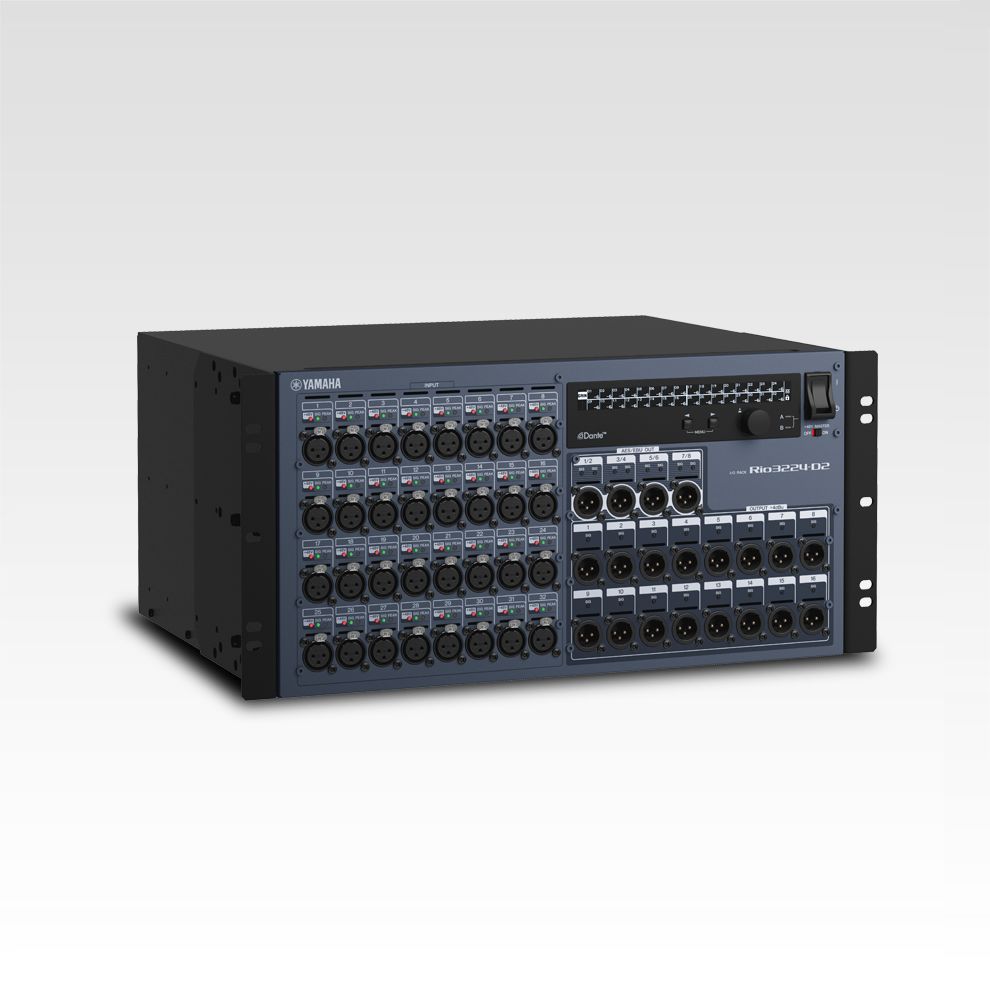
Nobody runs a thick multicore from stage to FOH anymore. On stage a Yamaha RIO3224-D2 stagebox with 32 inputs and 16 outputs links to the console over Dante. Because the cable is long and crosses the audience area, always run a spare and cover both with cable ramps.
Weather, schedule and changeovers
Rain under the stage roof is usually not a problem, but the side speakers, the mixer and the delay towers are in the open. Plan covers, and in wind check that high or flown speakers are secured. Wind limits for flown systems are set by the stage owner or structural engineer.
At a concert with several acts, changeovers are the most critical part. A stage plot and input list from each act let you plan the changeover so the next line-up's mics and monitors are ready. The sound check happens in the morning before the audience arrives, and level limits are agreed according to the venue's or municipality's rules.