Why loudness does not help in a sports hall
Covering a hall with two speakers from one end means playing them very loud. People nearby get too much, people far away hear mostly reflections from the walls and roof. The louder it gets, the more echo, and speech intelligibility disappears.
You get better results by spreading the sound over several speakers, each covering its own part of the stands from close by and at a lower level. The direct sound then reaches the listener before the reflections drown it. A full hall sounds better than an empty one, because people and clothing absorb sound, but that only helps so much.
Speakers along the stands
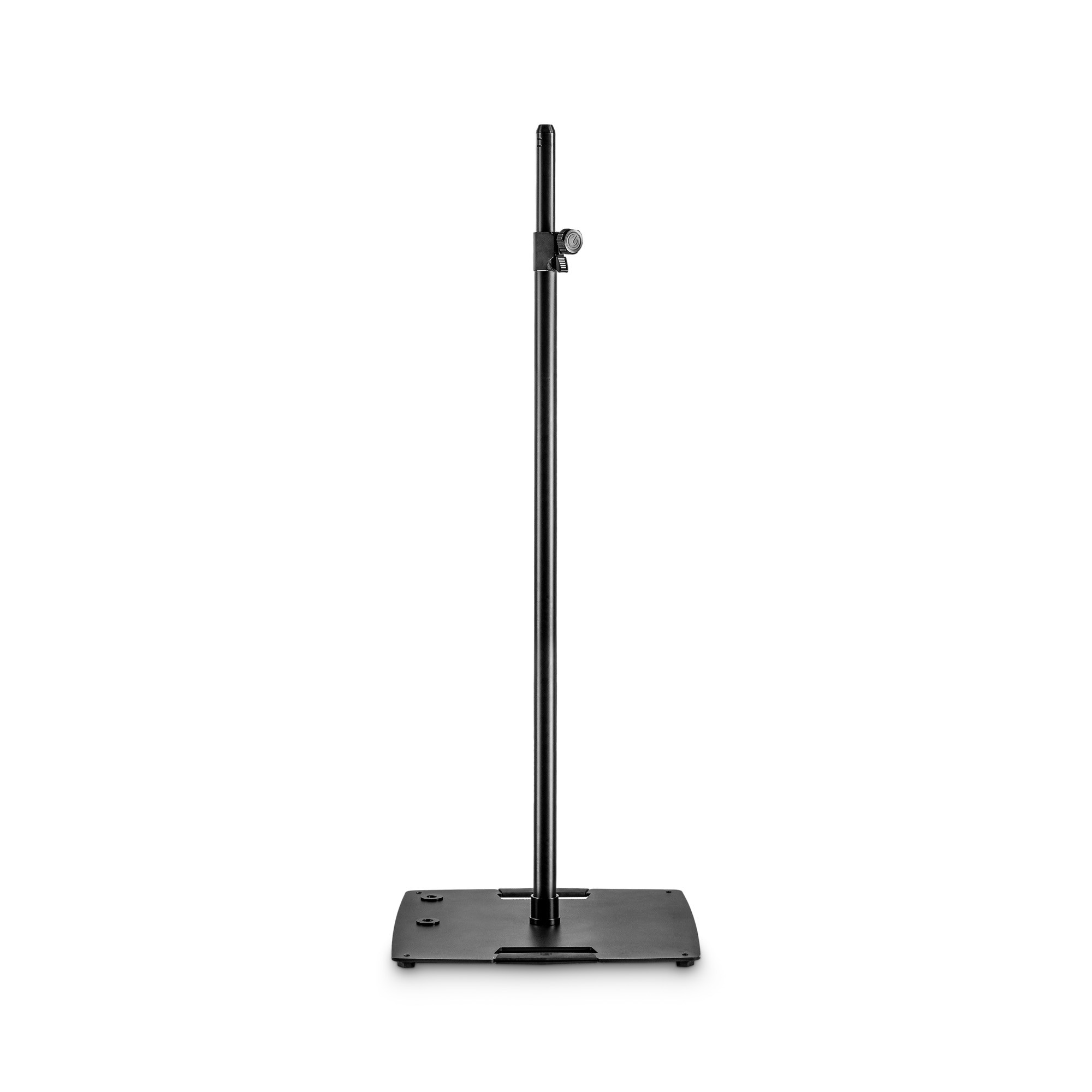
The usual answer is to place pairs of speakers along the side of the stands, each aimed down at its own section. A tall stand such as the Gravity TLS 431 B with a square steel base holds the speaker steadily and lifts it above the heads in the front row. In a long hall there may be three or four pairs, and the further ones need a delay so the sound does not arrive twice.
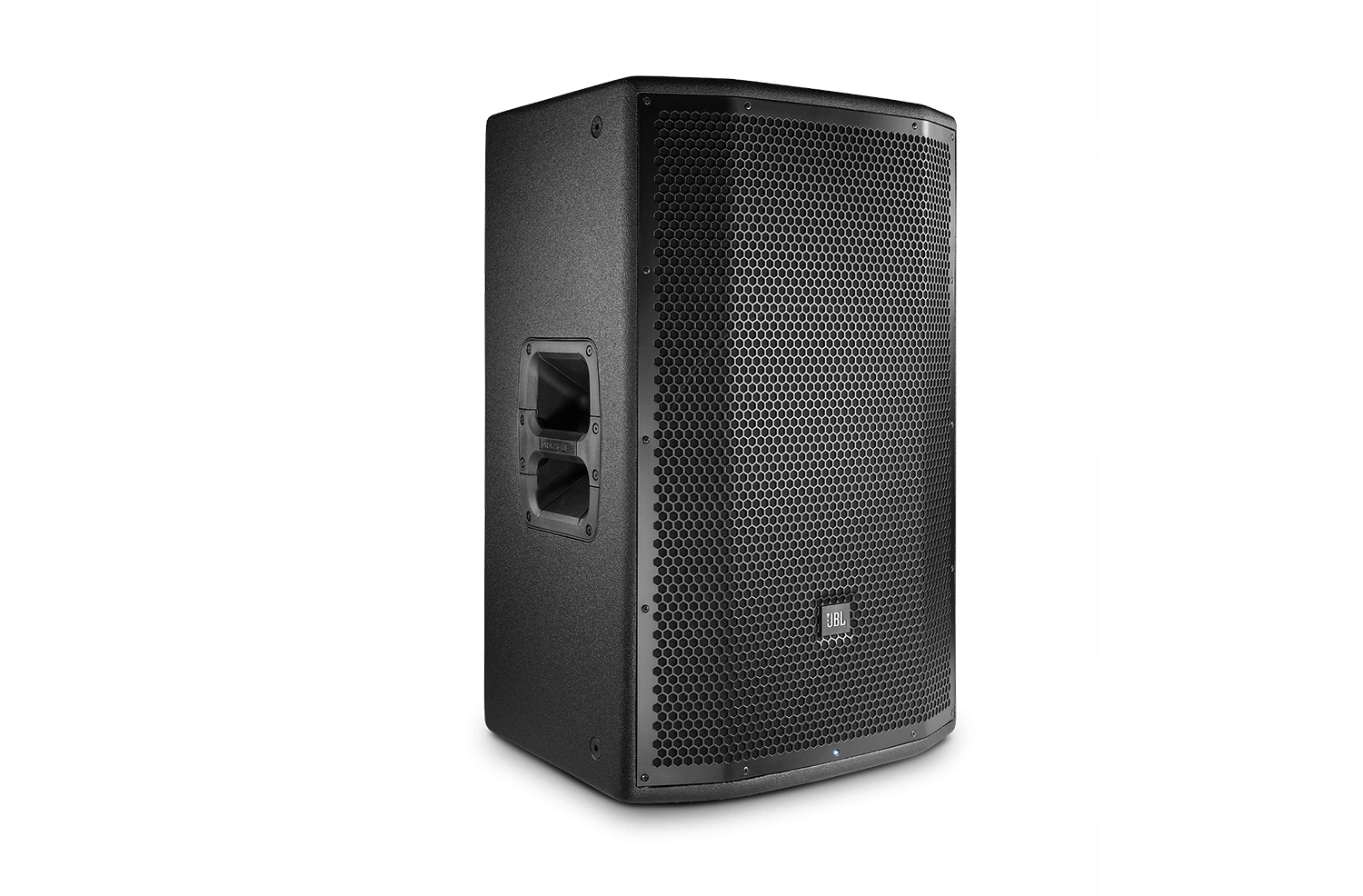
For big stands and a loud crowd, JBL SRX812P speakers have the reserve to be heard even when the crowd shouts. In a smaller hall or at a training session JBL PRX815 or PRX812 are enough. The court itself usually needs no speakers, because athletes hear the stand speakers anyway.
- Aim the speakers at the audience, not at the opposite wall.
- Do not put a speaker behind a basket or goal where the ball flies.
- Secure stands and cables so nobody running can pull them over.
- Ask the venue which tape is allowed on the sports floor.
The announcer and the microphone
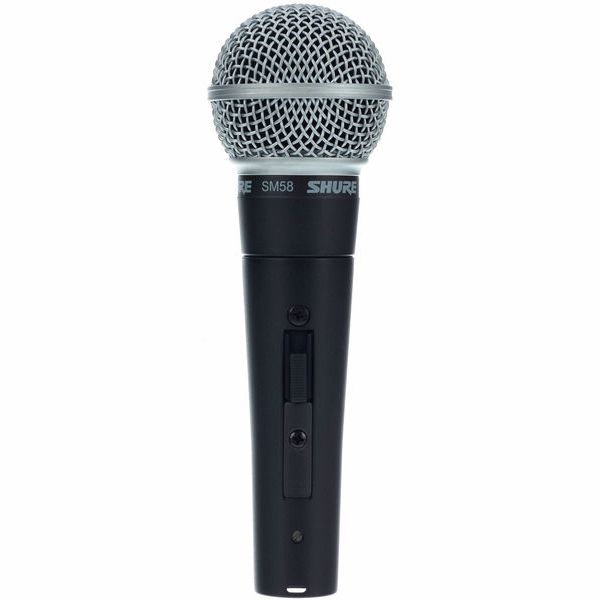
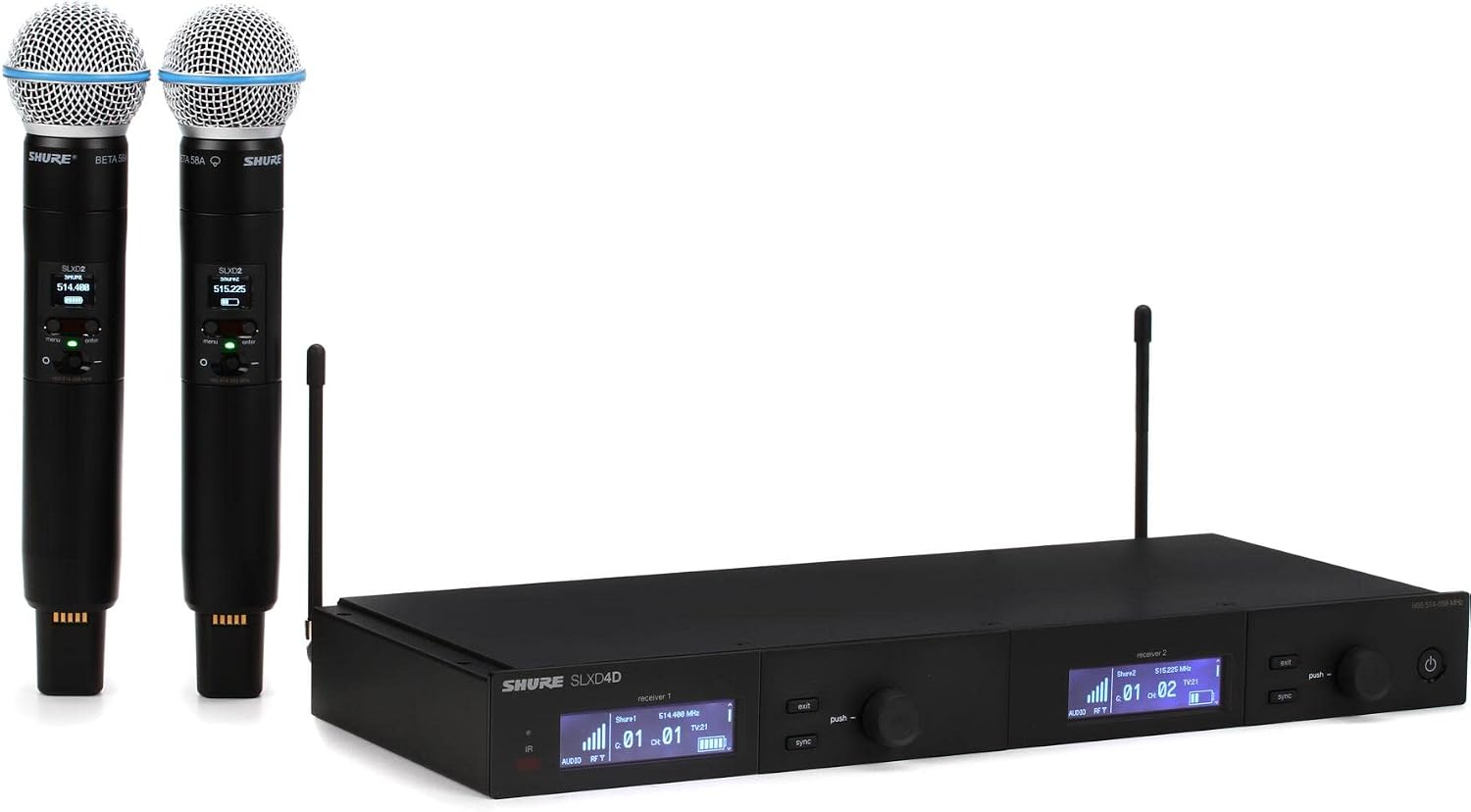
The announcer usually sits at the scorer's table beside the court. A wired Shure SM58SE on a stand or table suits them: it has an on/off switch, so the mic stays silent when the announcer is not speaking. If the announcer moves around or interviews athletes, add a wireless handheld, for example the Shure SLXD24D/B58 set with two microphones.
In a reverberant hall the announcer has to speak slowly, in short sentences, and pronounce names clearly. The mic has to be close to the mouth. If the speakers are behind the announcer's table you will get feedback, so make sure the announcer sits behind the speakers, not in front of them.
Warm-up music and breaks
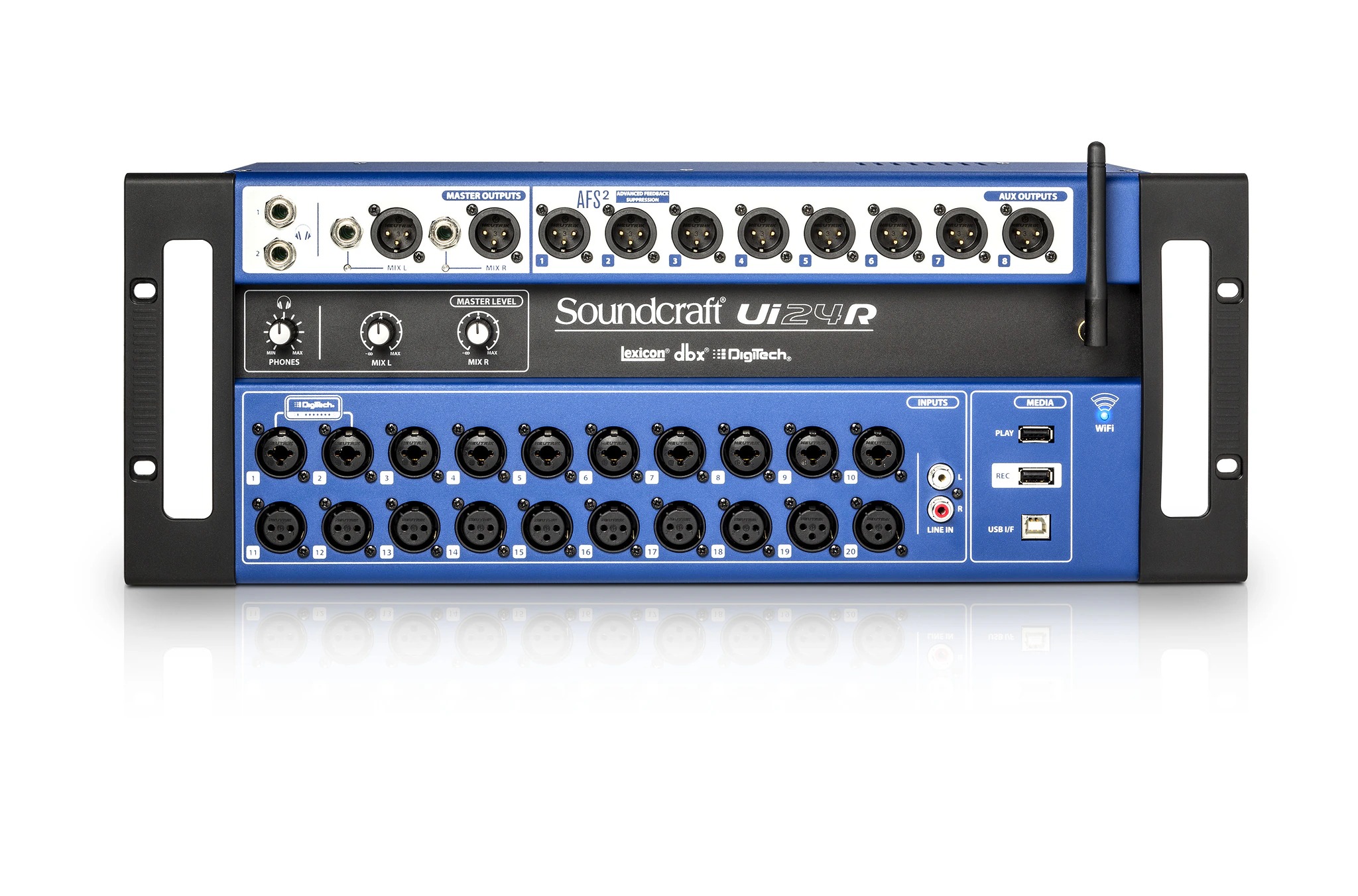
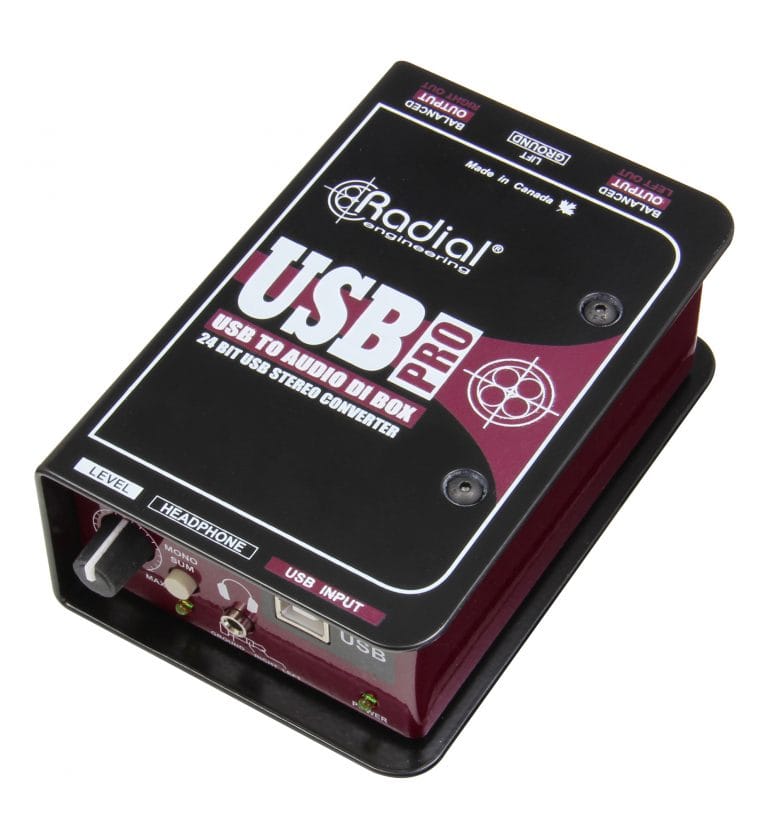
During warm-ups and breaks music plays, usually from a laptop. A Radial USB-PRO connects the laptop to the mixer and the signal reaches the speakers without hum. The Soundcraft Ui24R is controlled from a tablet over Wi-Fi, so you can set the level while walking along the stands and listening to how it sounds in different places.
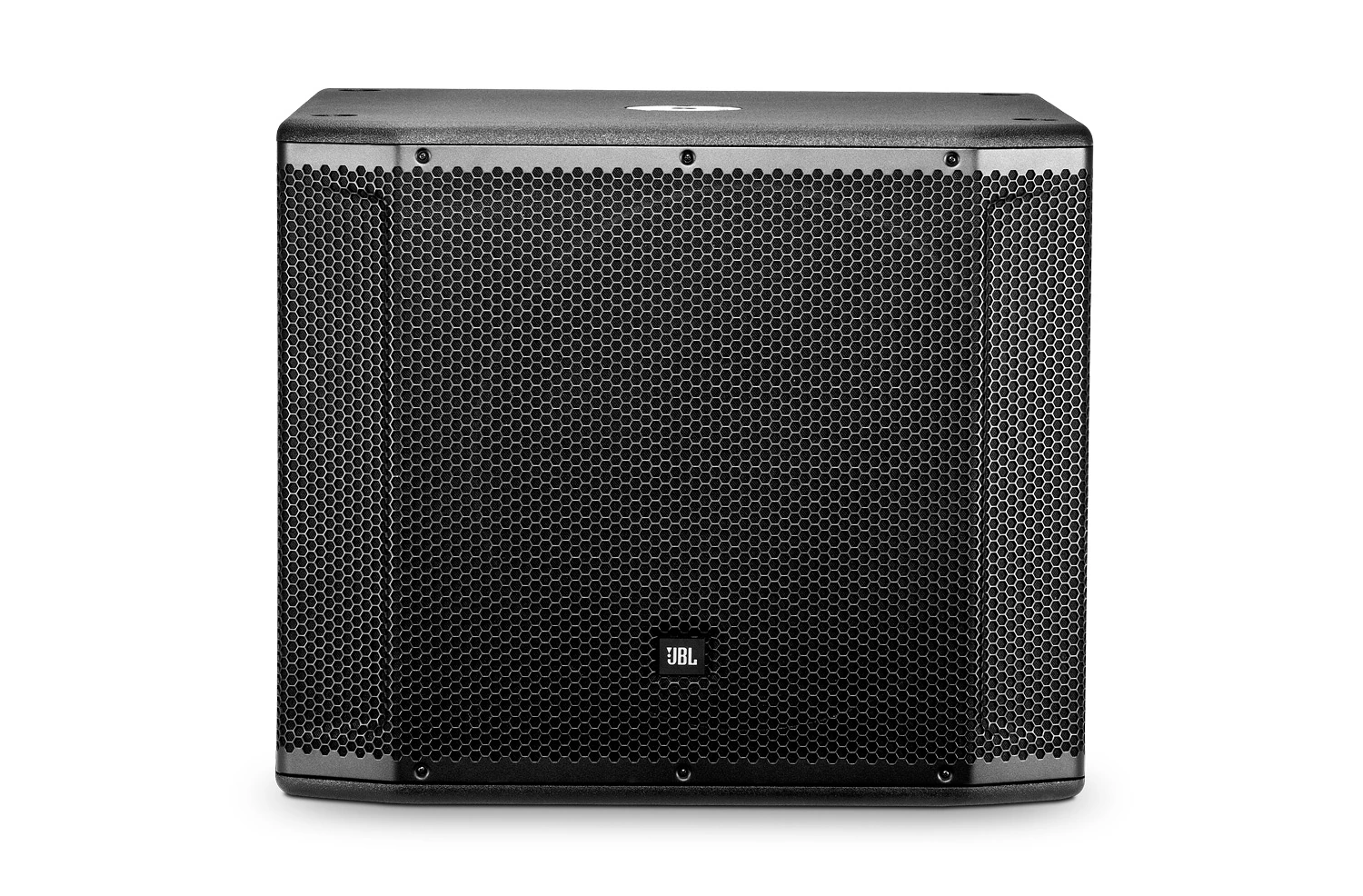
Bass is especially boomy in a sports hall and makes the walls rattle. A sports competition does not need a subwoofer. For a dance competition, aerobics or a show, one JBL SRX818SP kept at a moderate level is enough.
What to rent for a sports hall
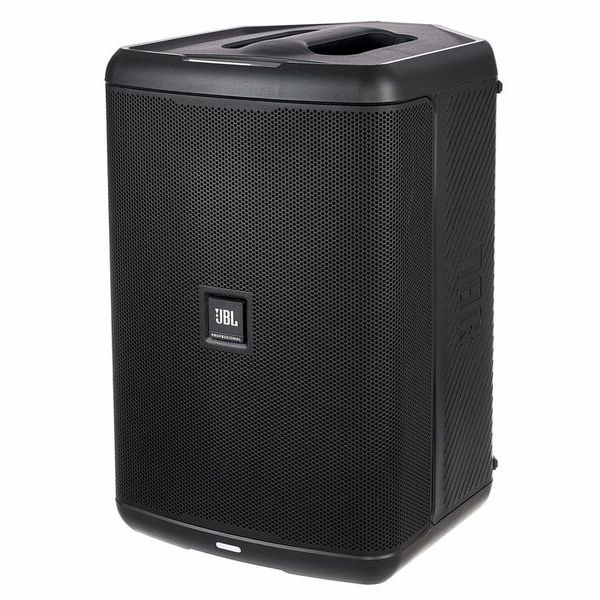
For a big competition the Outdoor event kit for up to 300 people fits: two JBL SRX812P, two SRX828SP subwoofers, a Ui24R mixer and wireless mics. In a sports hall it is better to leave out the subwoofers and add speaker pairs for the other part of the stands. For a training session or small tournament without a socket by the court, the Battery-powered speech kit for outdoors with two JBL EON COMPACT ONE works.
Long distances mean a lot of cable. Measure the distance from the mixer to the furthest speaker and tell us, so the offer includes the right cable lengths.