Power amplifier
A power amplifier turns the mixer's weak line-level signal into an electrical current strong enough to move the drivers of a passive speaker.
The link between mixer and speaker
The mixer's output is at line level, only a few volts. That is enough for an active speaker, but a passive one needs hundreds or thousands of watts. A power amplifier takes the line signal, draws energy from the mains and delivers the same signal through the speaker cable at many times the power. In an active speaker this part is built in; in a passive system it is a separate unit in a rack.
Channels, watts and impedance
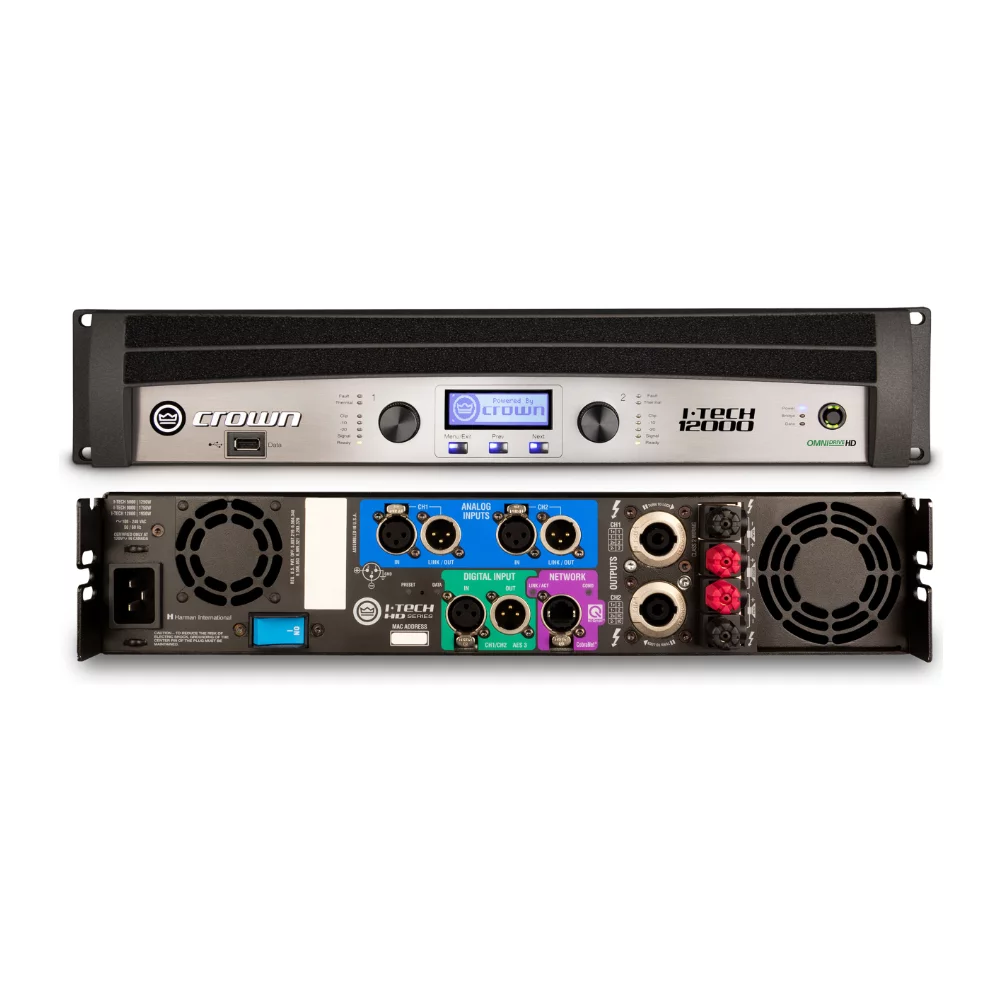
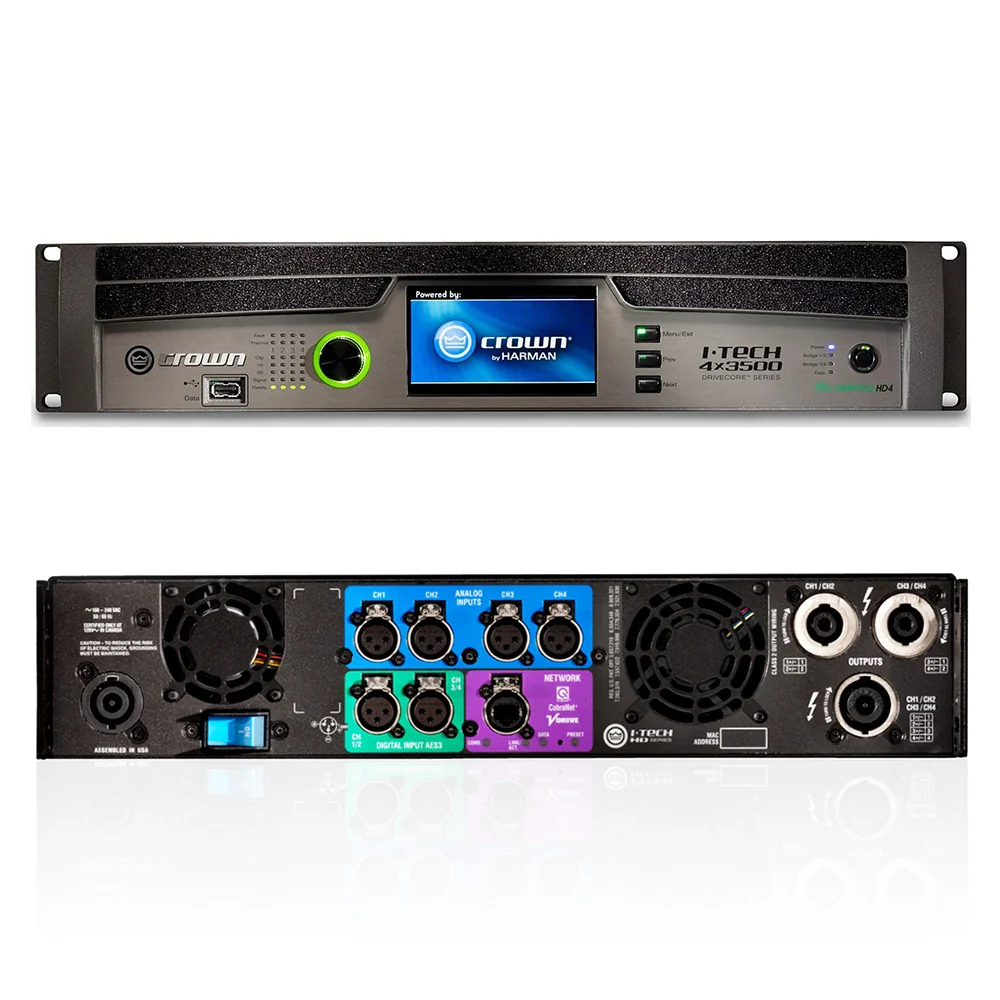
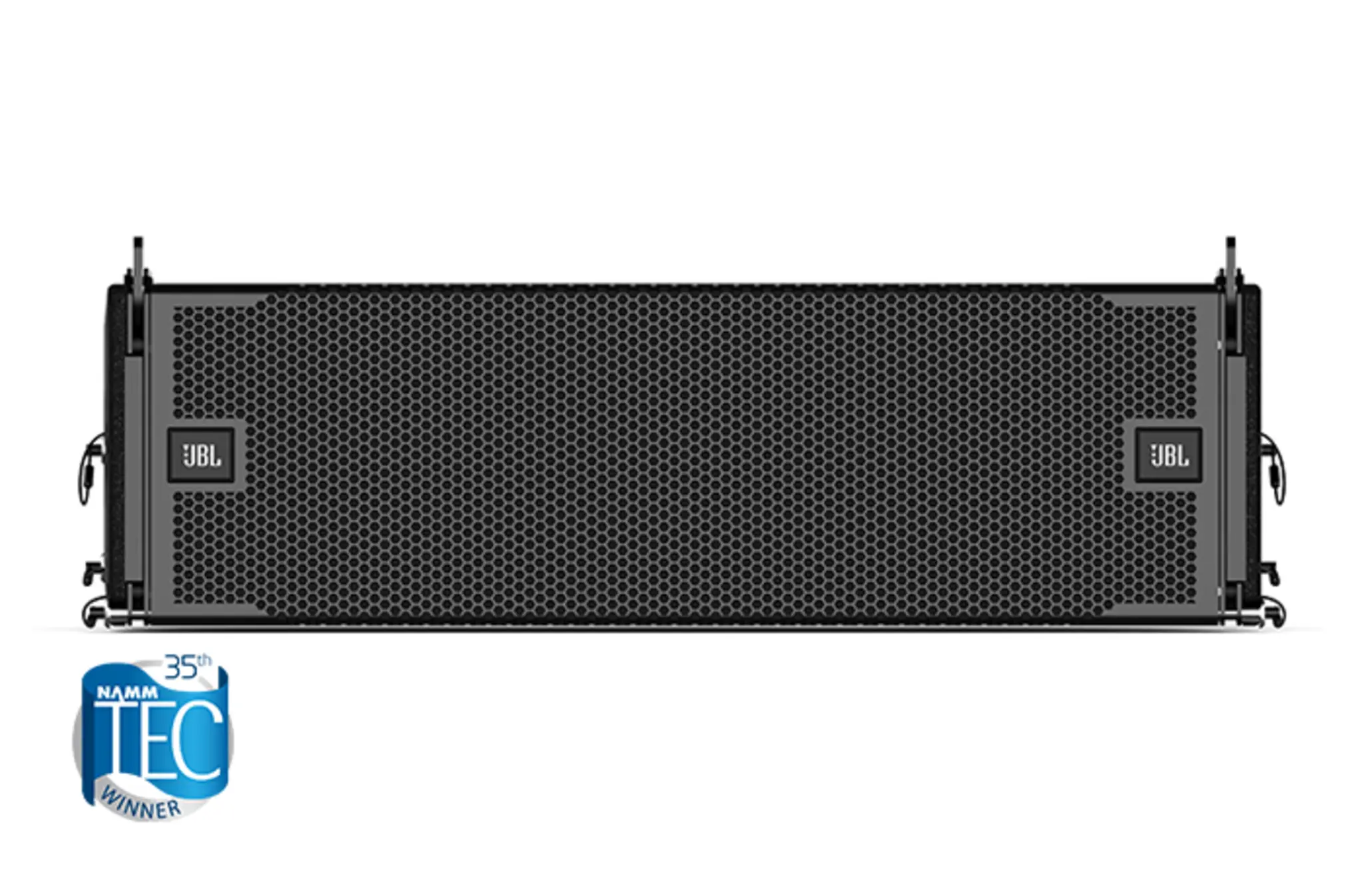
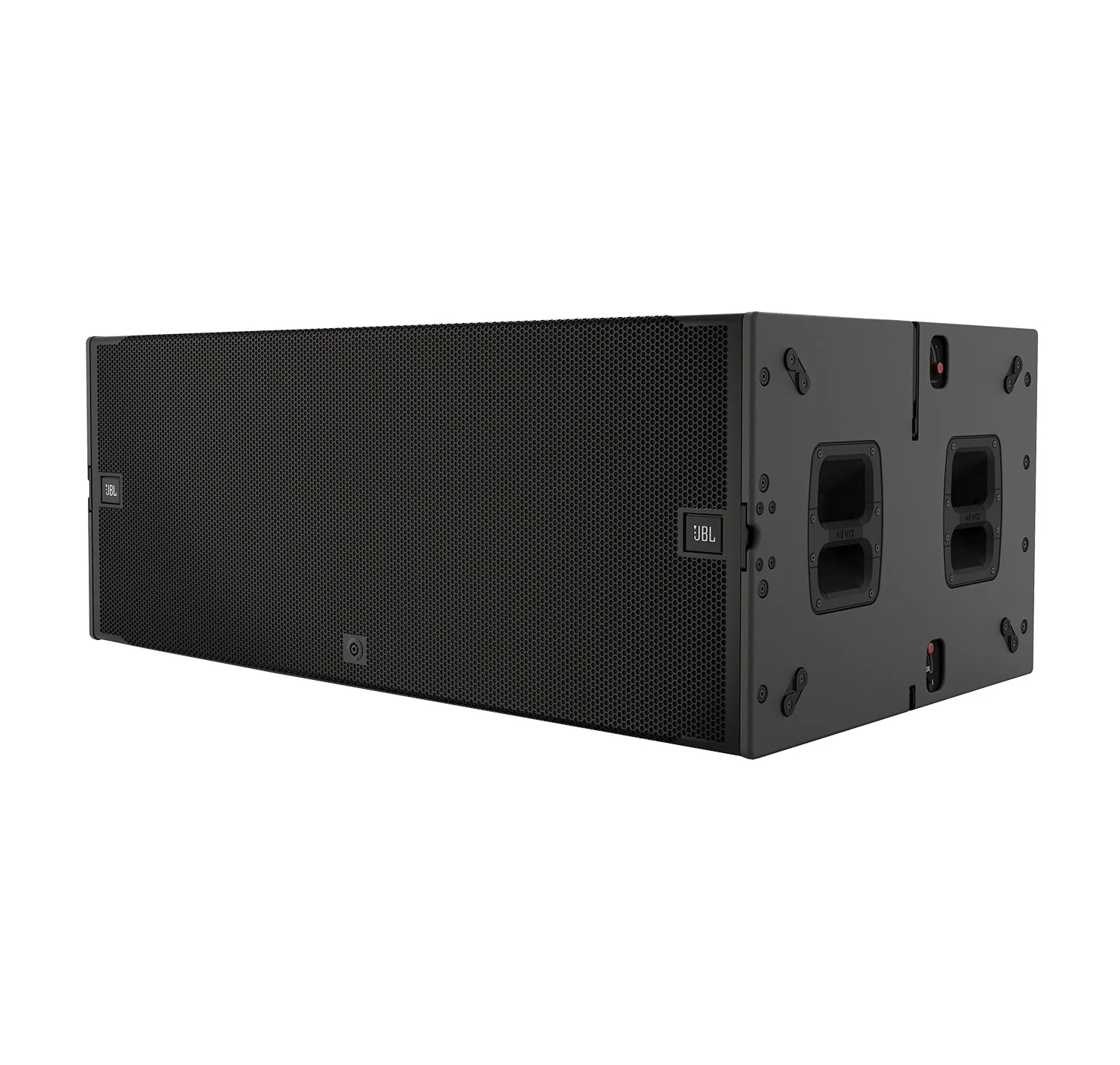
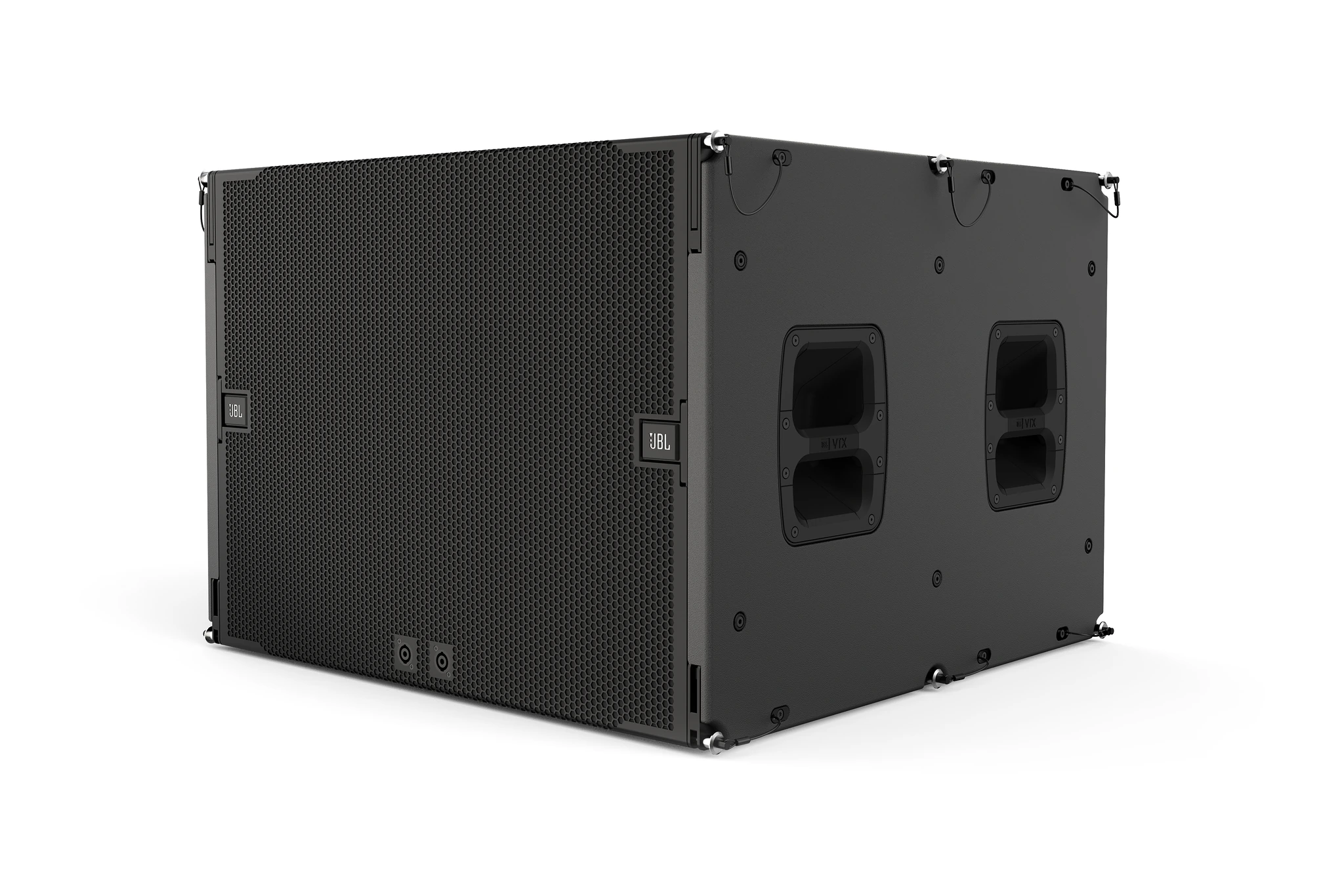
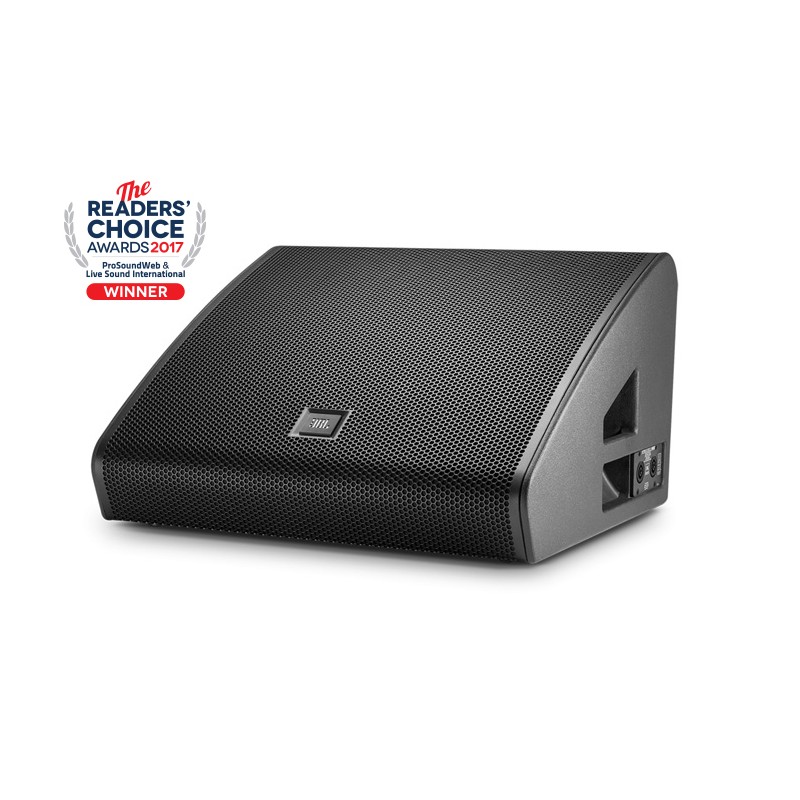
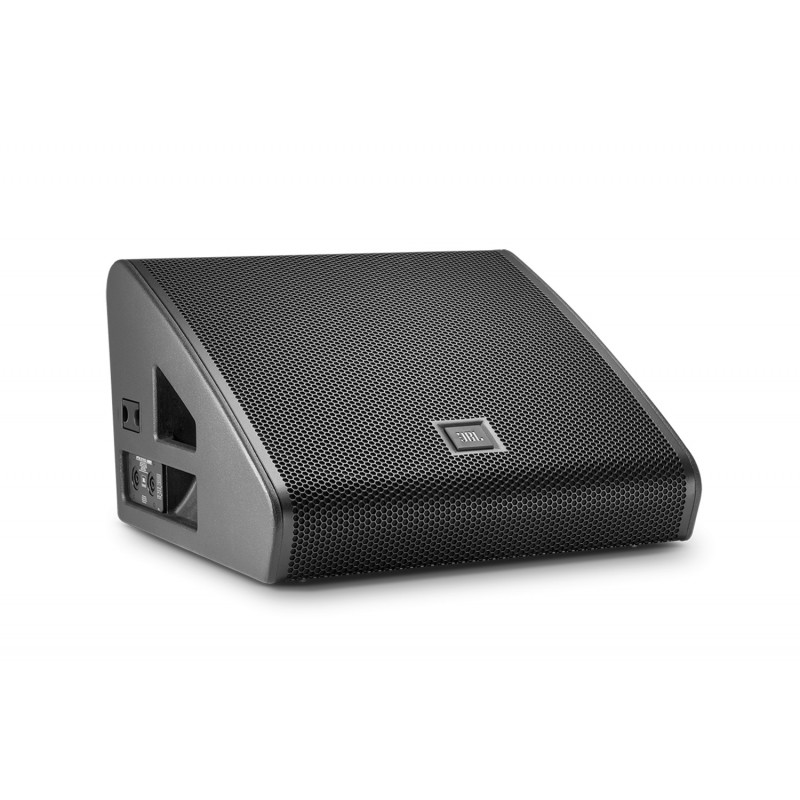
Each amplifier channel drives one speaker or a group of speakers. Per the catalog the Crown I-Tech 12000HD has two channels at 2×4500 W and suits subwoofers such as the JBL VTX B28. The Crown I-Tech 4×3500HD has four channels at 4×4000 W and can drive line array elements or stage monitors. The watt figure depends on the speaker's impedance, measured in ohms; a lower impedance asks more current from the amplifier.
A processor inside the amplifier
Modern touring amplifiers are more than amplifiers. The Crown I-Tech HD series has built-in signal processing that holds the speaker manufacturer's preset: crossover, EQ, delay and limiter. That way the amplifier itself protects the speakers from overload. This is why a passive speaker should never be connected to just any amplifier without the right preset, even if the wattage looks right.
Practical notes
Powerful amplifiers draw a lot of current at high volume and need proper power, their own circuit protection and free airflow for cooling. Do not cover the rack or leave it in hot sun. Speaker cables need an adequate cross-section, especially over long runs. Amplifiers are switched on last and off first to avoid a thump in the speakers. A system like this usually goes out with a technician who knows the presets.