Technical rider
A technical rider is the performer's document that sets out the sound, lighting and stage equipment, time and space they expect the organiser to provide for the show.
What a technical rider is
A rider is an attachment to the agreement with a performer. The technical rider describes what a band, DJ or theatre company needs for the show to work: the PA in the room, monitors, mixer, microphones, backline, lighting, stage size, power and the schedule. The hospitality rider is a separate document about food, dressing rooms and accommodation.
The input list and stage plot are usually part of the tech rider. For smaller acts they may be the whole rider; big artists send a rider of several pages that also covers where the FOH desk goes and what the engineer needs.
How an organiser should read a rider
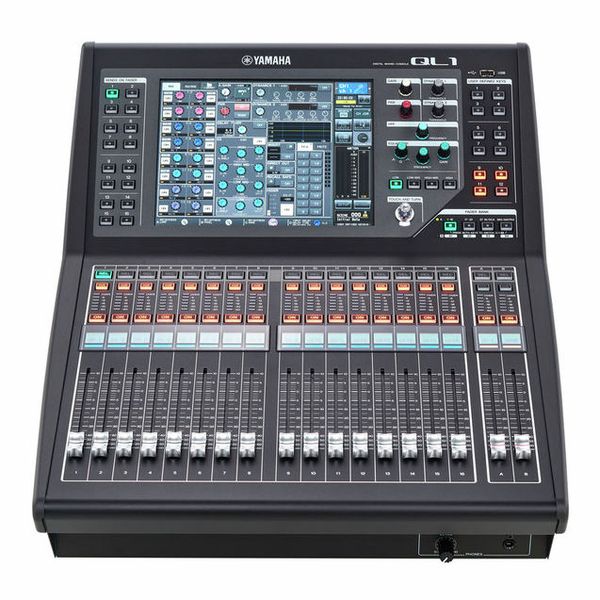
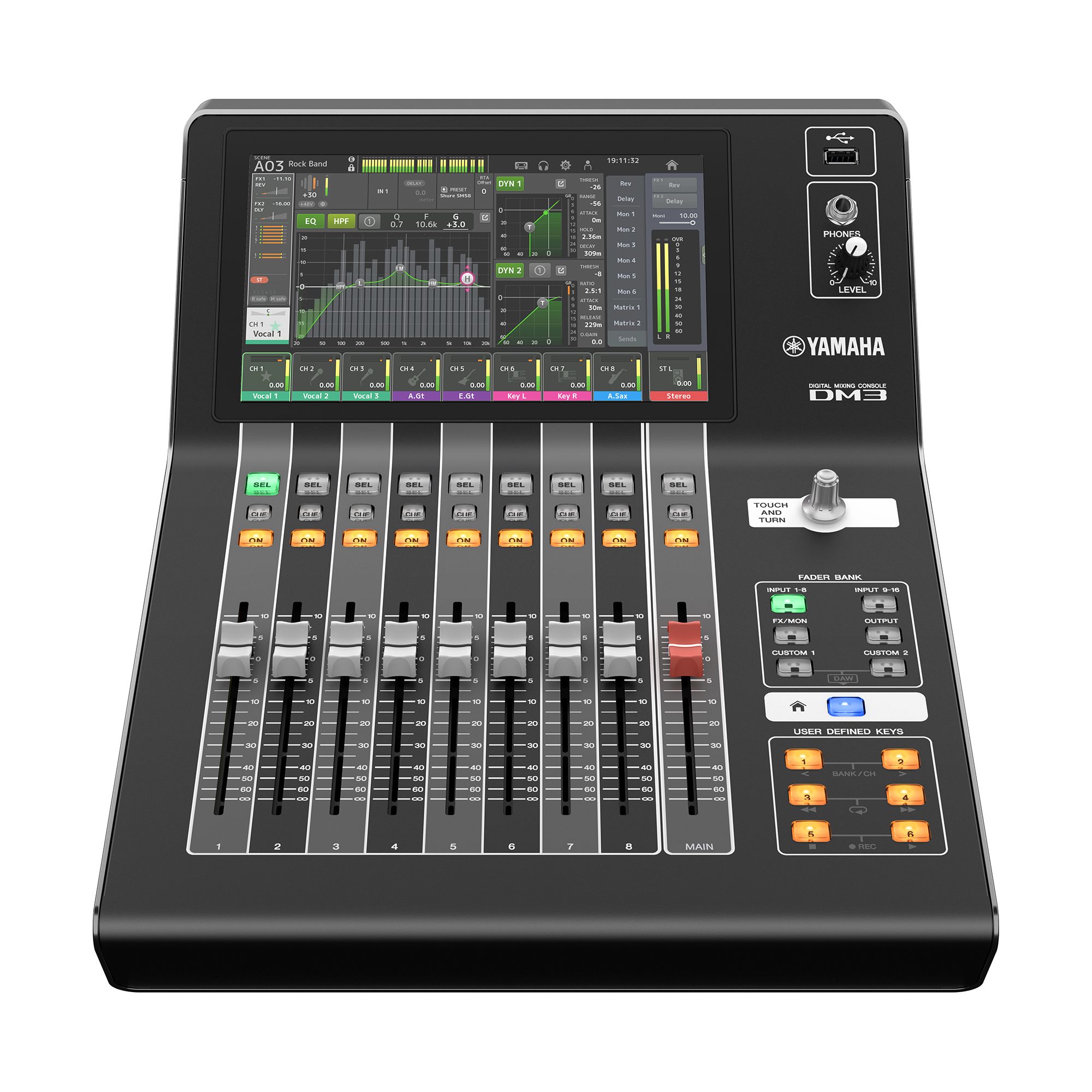
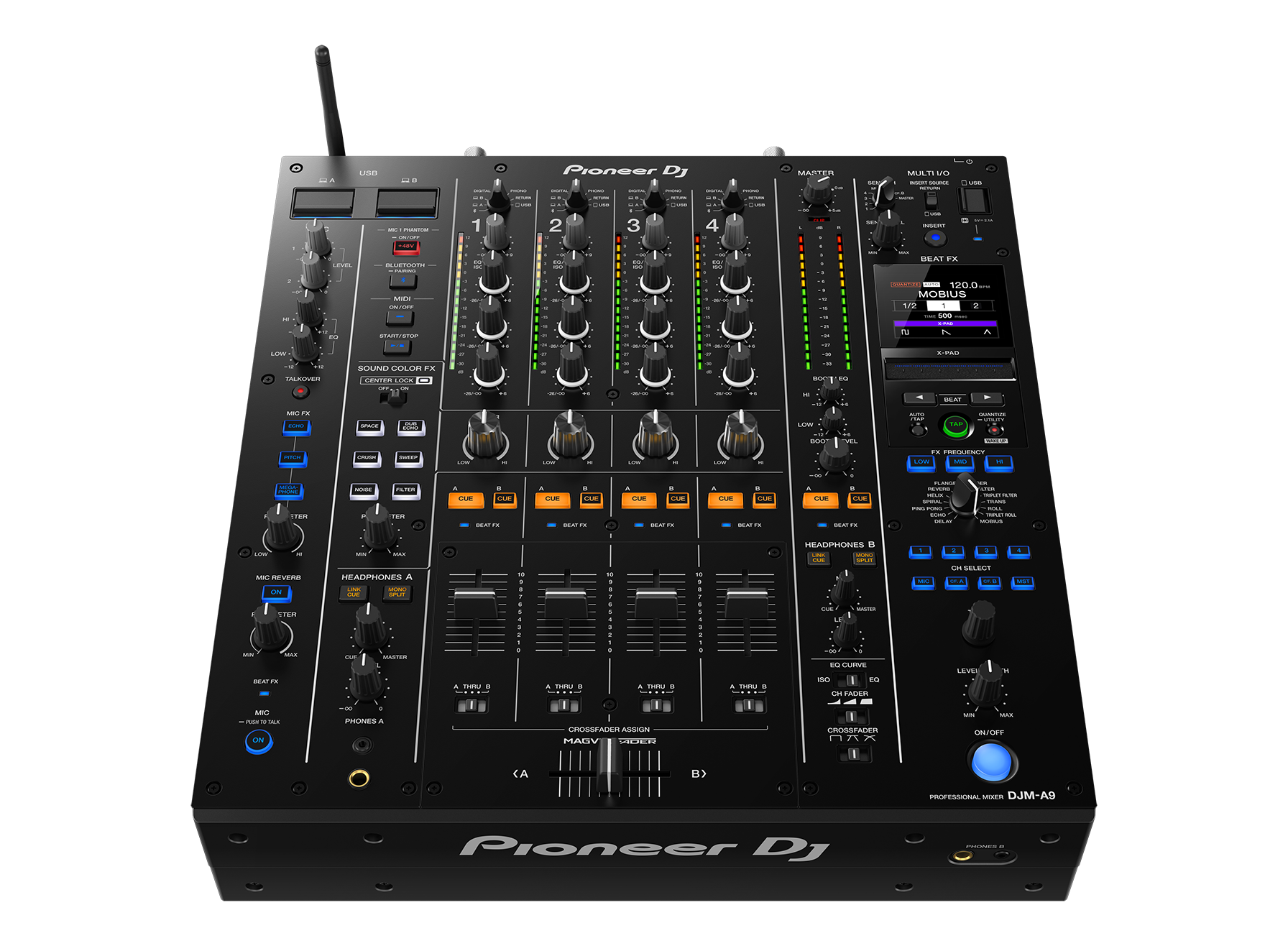
A rider is not an order to be followed to the letter. It is the performer's wish list and a basis for negotiation. Many riders name a console model followed by “or equivalent”, meaning a desk of the same class will do. If the rider asks for a Yamaha QL1 class desk and the rental has a Yamaha DM3, confirm with the band's engineer before the day.
When reading a rider, separate three things: what is really required, such as the number of monitor mixes or in-ear systems; what can be substituted, such as microphone models; and what was written for a bigger stage and is unnecessary in a small room.
From rider to rental
The simplest route is to send the rider, input list and stage plot to the rental company, which turns it into an equipment list and marks where it suggests substitutes. With Showgear you can add the gear to a rental request on the site, or call and email the rider. The offer then lists every item and, if needed, delivery, setup and a technician.
Agree on times with the band's engineer too: when the stage is free for setup, when the sound check is and whether the band brings its own engineer or uses the house one.
Common mistakes
Rider problems mostly come from reading the document too late.
- The rider is opened a week before the event and it turns out more wedges or in-ear systems are needed.
- The organiser assumes the band brings everything, but the rider makes backline and PA the organiser's job.
- Substitutes are not agreed with the performer and their engineer finds a different mixer on the day.
- An old rider with a different line-up reaches the rental company and the wrong number of mics is ordered.