Coverage angle
Coverage angle tells you how wide and tall a sector a speaker covers evenly with high frequencies before the sound turns dull and quiet.
Two numbers: wide and tall
Speaker data usually gives coverage as two numbers in degrees: horizontal and vertical. The horizontal angle tells you how much of the room the speaker covers from left to right. The vertical angle tells you how much height it covers, from the front rows to the back. At the edge of the angle the sound is, by the manufacturer's definition, already noticeably quieter than straight in front of the box.
Why it affects intelligibility
Bass spreads in almost every direction, but the high frequencies that carry consonants and the clarity of speech travel in a focused way. Someone sitting outside the coverage angle hears the bass and a general rumble but has trouble making out words. That is why people at the sides of a room often complain that the sound is loud but unclear. The horn, the flared part in front of the high-frequency driver, sets the angle.
Using the angle when placing speakers
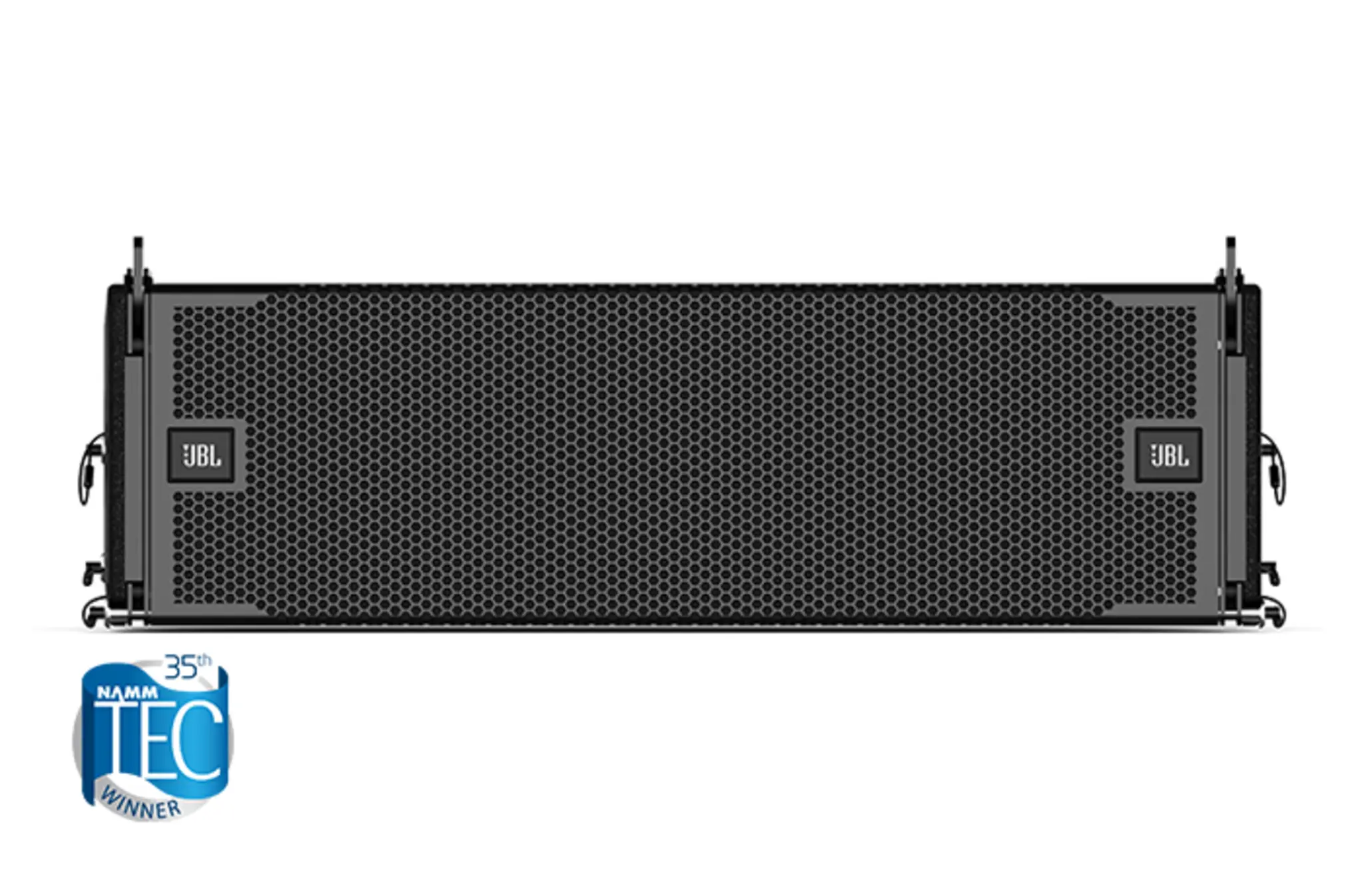
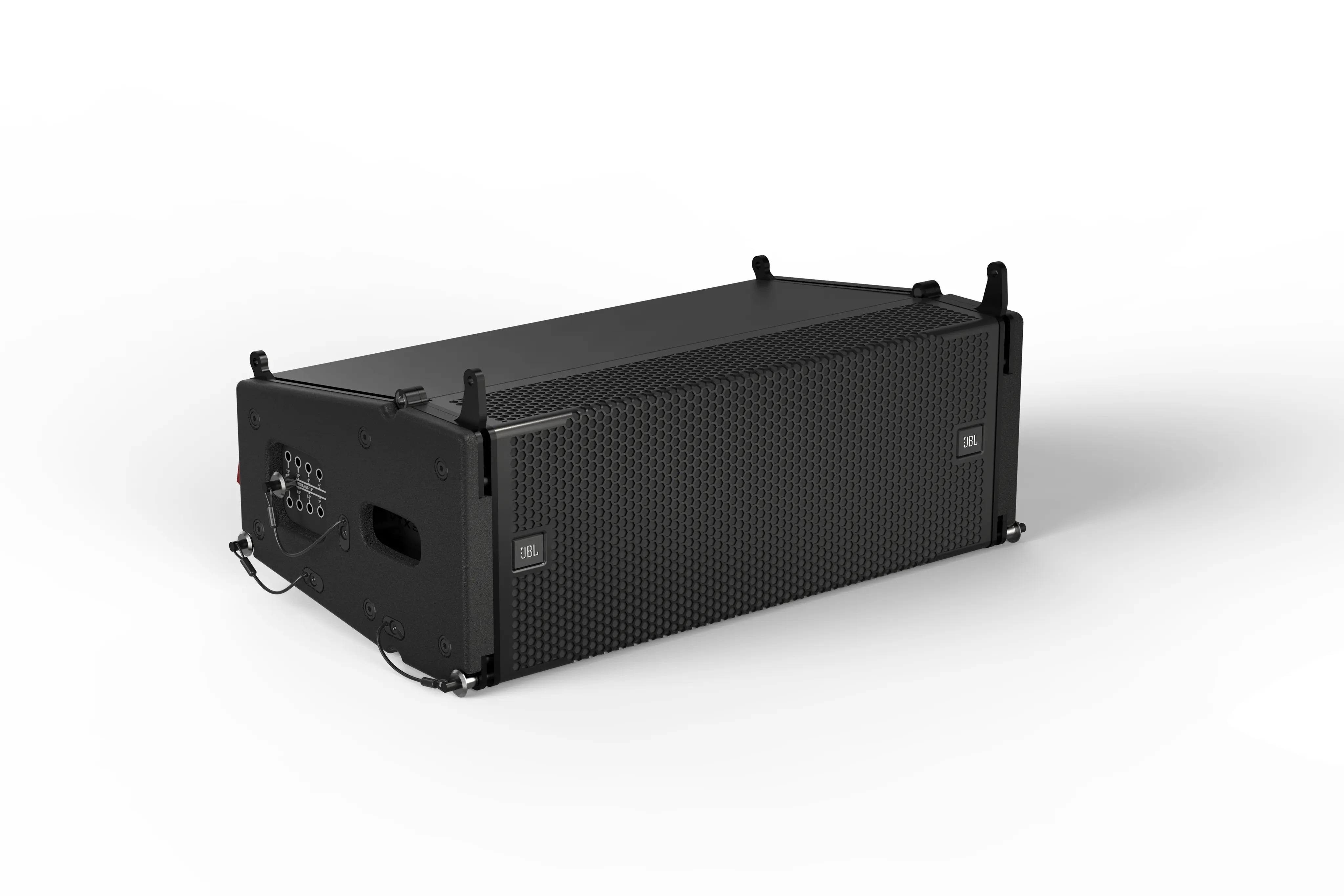
Picture a cone coming out of the speaker and lay it over the audience. Aim the speaker so the cone covers the seats, not the walls, the ceiling or an empty dance floor. If the room is wider than one speaker's angle, add a third speaker at the side or turn the two mains slightly outwards. A line array such as the JBL VTX A8 has a wide horizontal and a narrow vertical angle, and its vertical coverage comes from the angles between the elements.
- Tables or seats must be inside the cone
- Avoid hitting walls and glass directly; they reflect
- Two speakers whose cones overlap heavily interfere with each other
Common mistakes
Speakers are often pointed straight ahead and parallel, which leaves the outer tables of the front row out of coverage. Another mistake is a speaker too close to the audience: close up the cone is narrow and only the people in the middle get the high frequencies. A third is aiming a wide-angle speaker down a long hall, where much of the energy goes to the side walls and turns into echo.