
Why outdoors needs a bigger system
In open air the level drops by about 6 dB every time the distance from the speaker doubles, and there are no reflections to make up for it. Grass, bushes and clothed people absorb high frequencies. So outdoors you need a system at least one size bigger than for the same audience in a hall.
The other consequence is a good one: outdoors there is no echo, so close up, speech is often clearer than in a reverberant sports hall. The problem is distance, not clarity. That is why it works better to raise the speakers and aim them at the back of the crowd than simply to add volume.
Mains or battery: choose by power
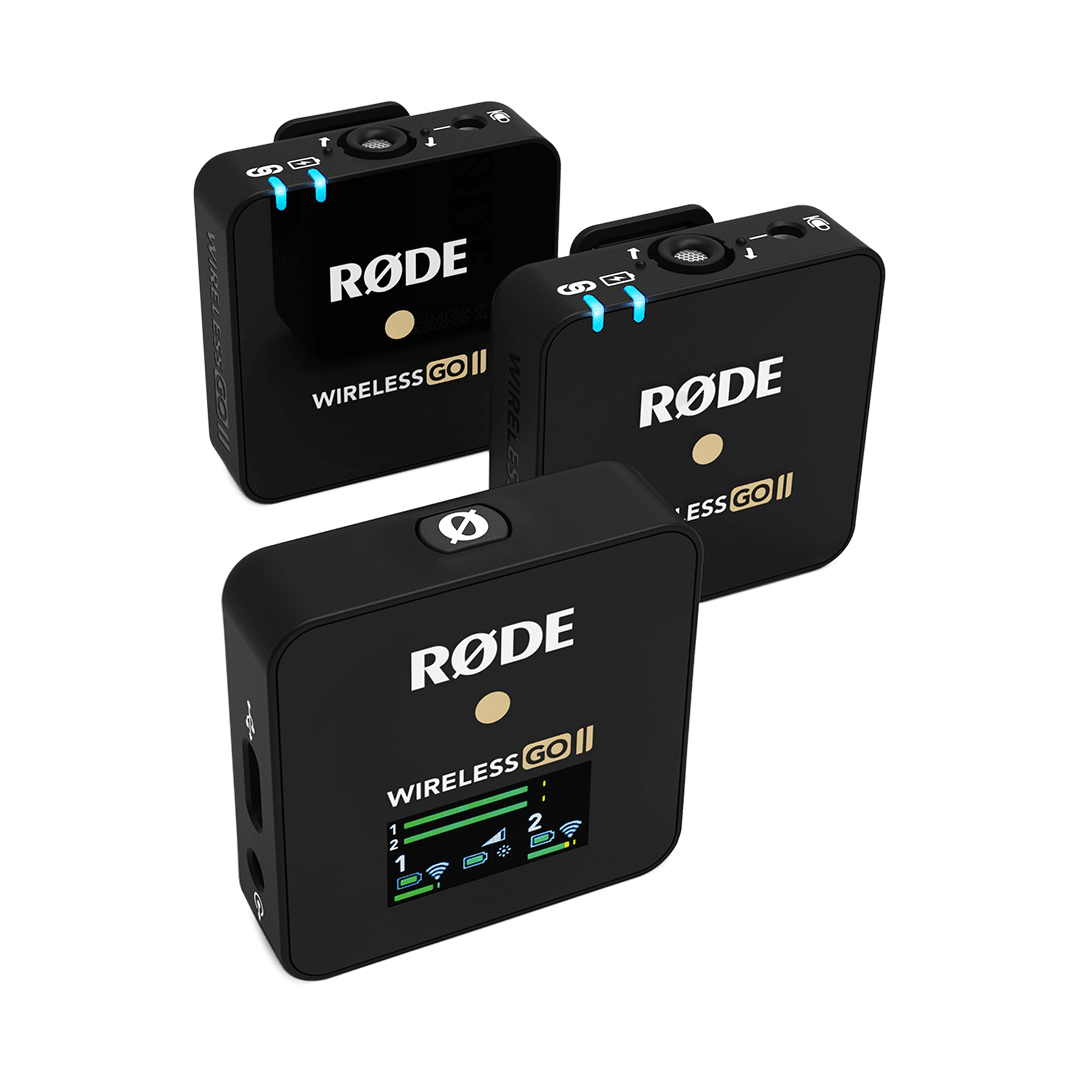
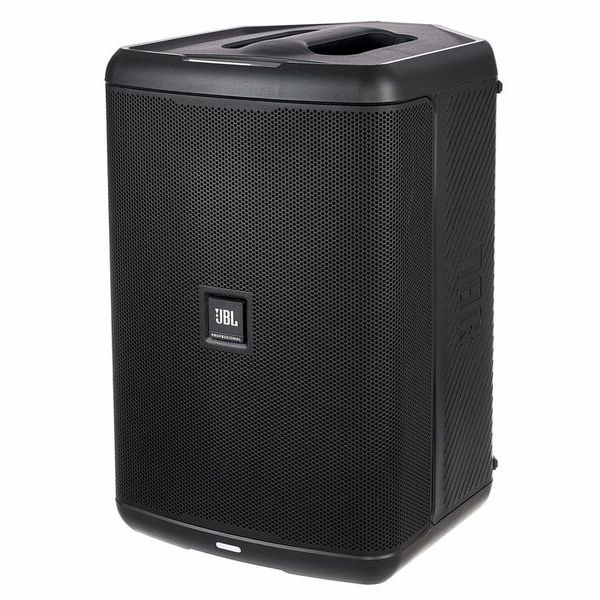
Where there is no electricity, in a forest, on a beach or beside a running track, the Battery-powered speech kit for outdoors fits: two JBL EON COMPACT ONE battery speakers, a RØDE Wireless GO II wireless mic and two stands. The catalog lists up to 12 hours of battery and 112 dB maximum output. It is meant for speech and background music for about 50 people.
All bigger systems need mains power. Each active speaker and subwoofer is connected separately, so a four-box system needs four power points on two sides of the stage. If you use a generator, place it away from the speakers and audience, because its noise is heard in the pauses between words. There is a separate guide on power and cables.
Wind, stands and microphones
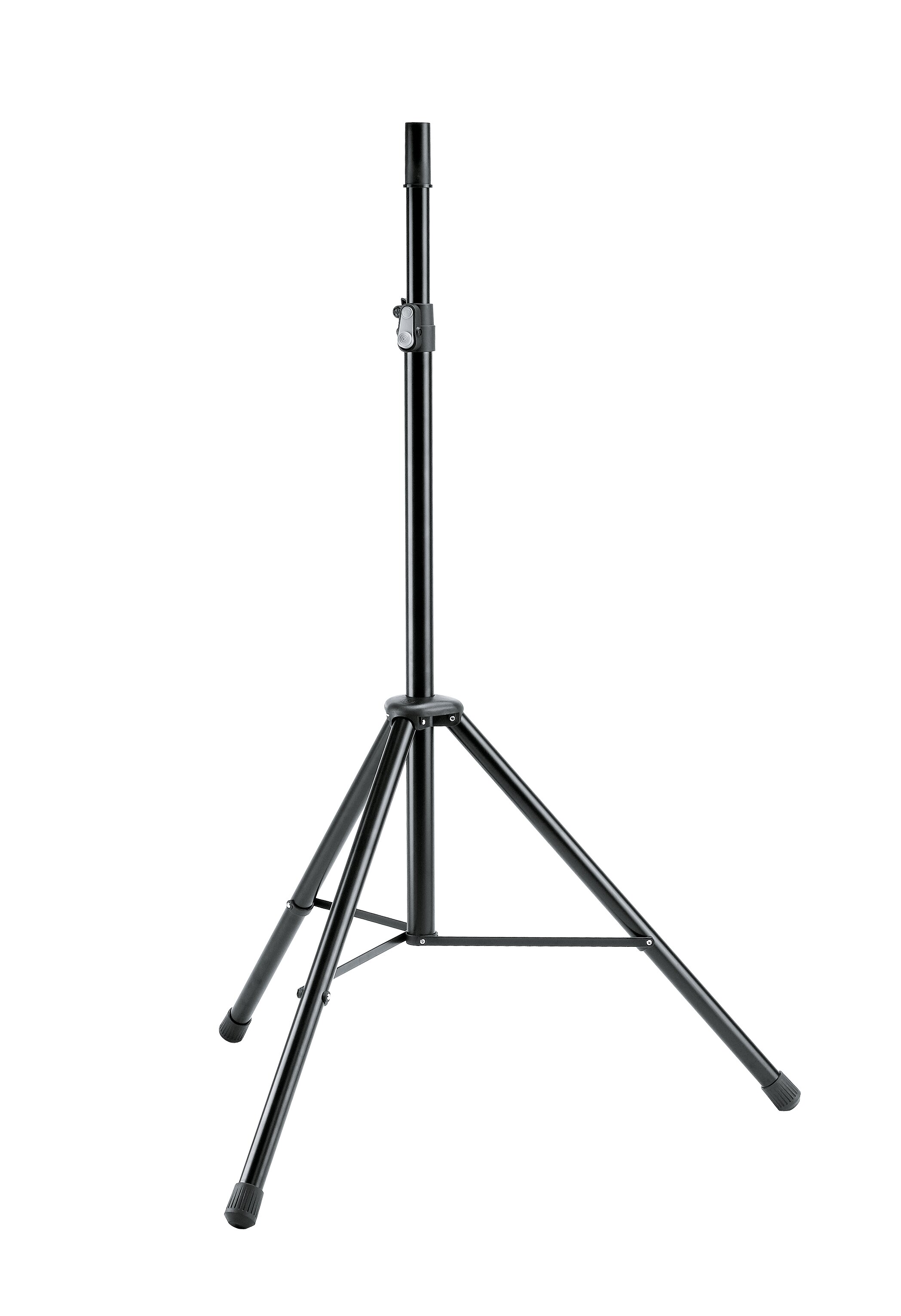
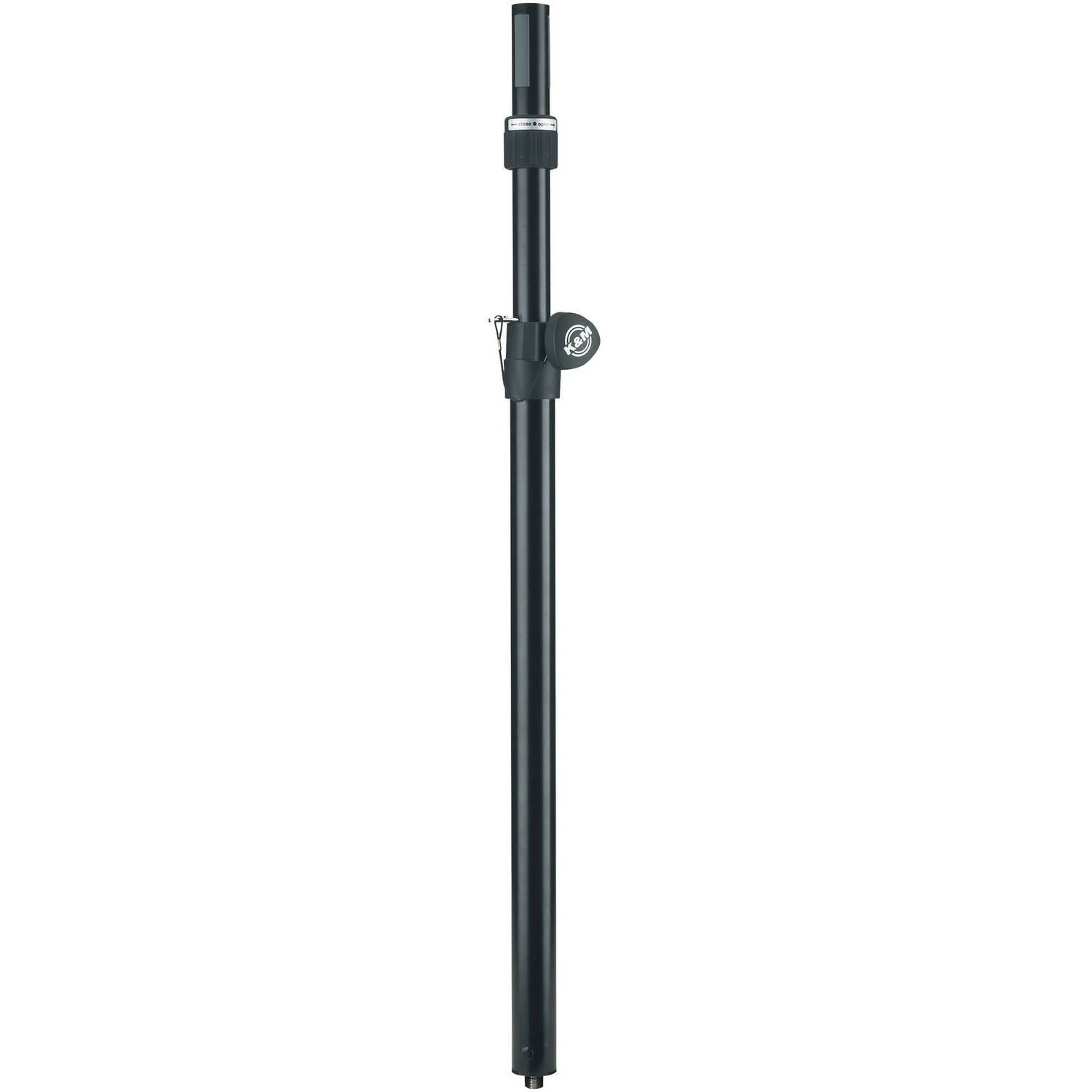
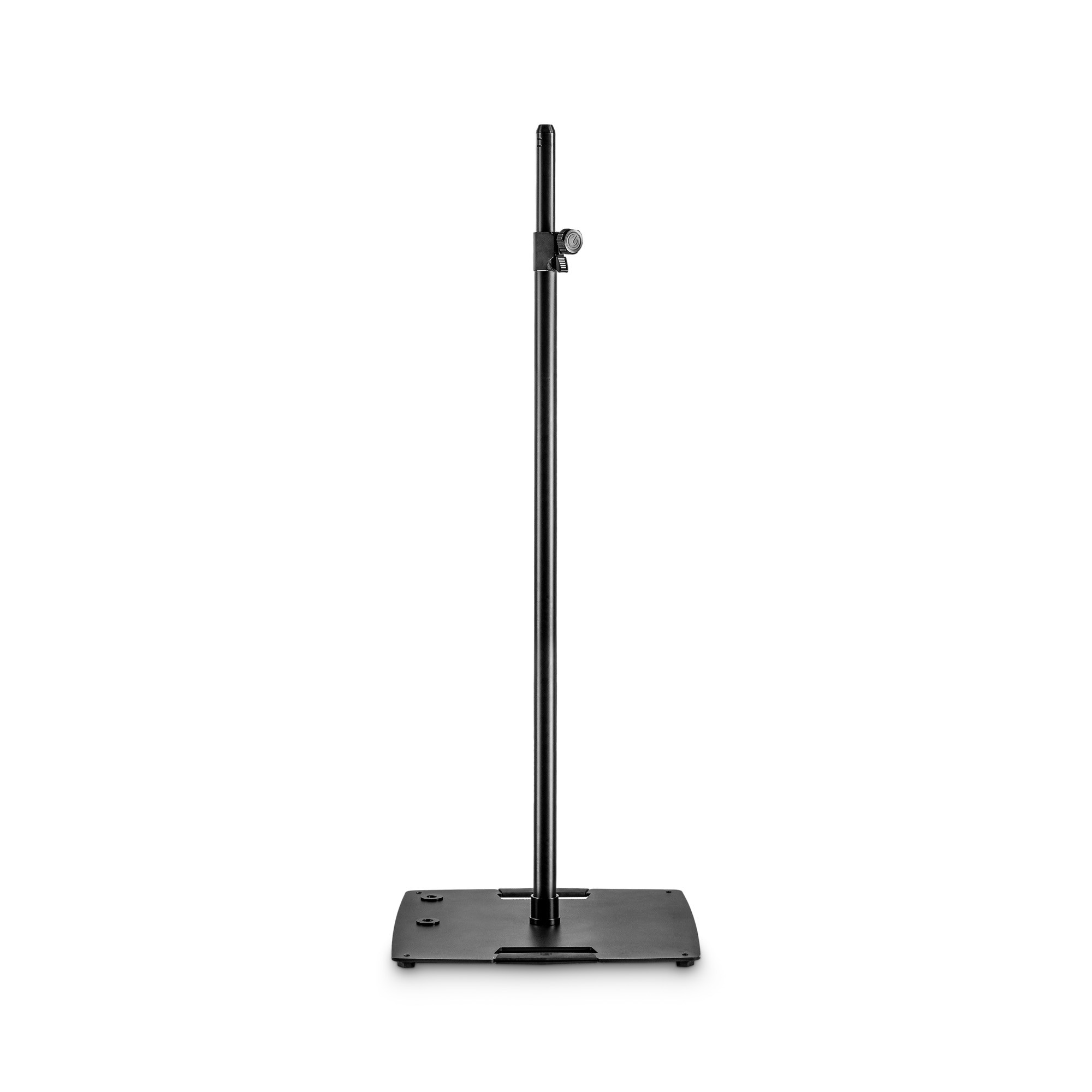
Wind works in two ways outdoors. First, it pushes on a speaker standing high on a stand. For tall speakers use the Gravity TLS 431 B, which per the catalog has a square steel base and a 25 kg maximum load, and weigh the base down with sandbags. Do not raise a light tripod to full height in a strong wind. A speaker on a pole above a subwoofer is steadier than one on a stand.
Second, wind rumbles in the microphone. Keep a handheld close to the mouth, because the closer the voice the less wind you hear, and use a foam windscreen. A lavalier mic is the most sensitive in wind. Wind also carries sound: people downwind hear better than people upwind.
Rain, sun and dew
Ordinary PA speakers and mixers are not rainproof. Plan a roof or tent over the stage and the mixer in advance, and place speakers so water does not run onto them from above. Lift power distribution and plug connections off the ground so they do not end up in a puddle.
In the sun, black speakers and the mixer screen heat up, so the desk should be in the shade. Early morning and late evening bring dew that wets cables and connectors. If gear stays outside overnight, cover it and check that the connections are dry before switching on.
Neighbours and how sound travels
Outdoors bass carries far, further than speech or high frequencies. Near houses, aim the speakers away from homes and do not put subwoofers against a building wall. Cooling evening air can carry sound even further near the ground.
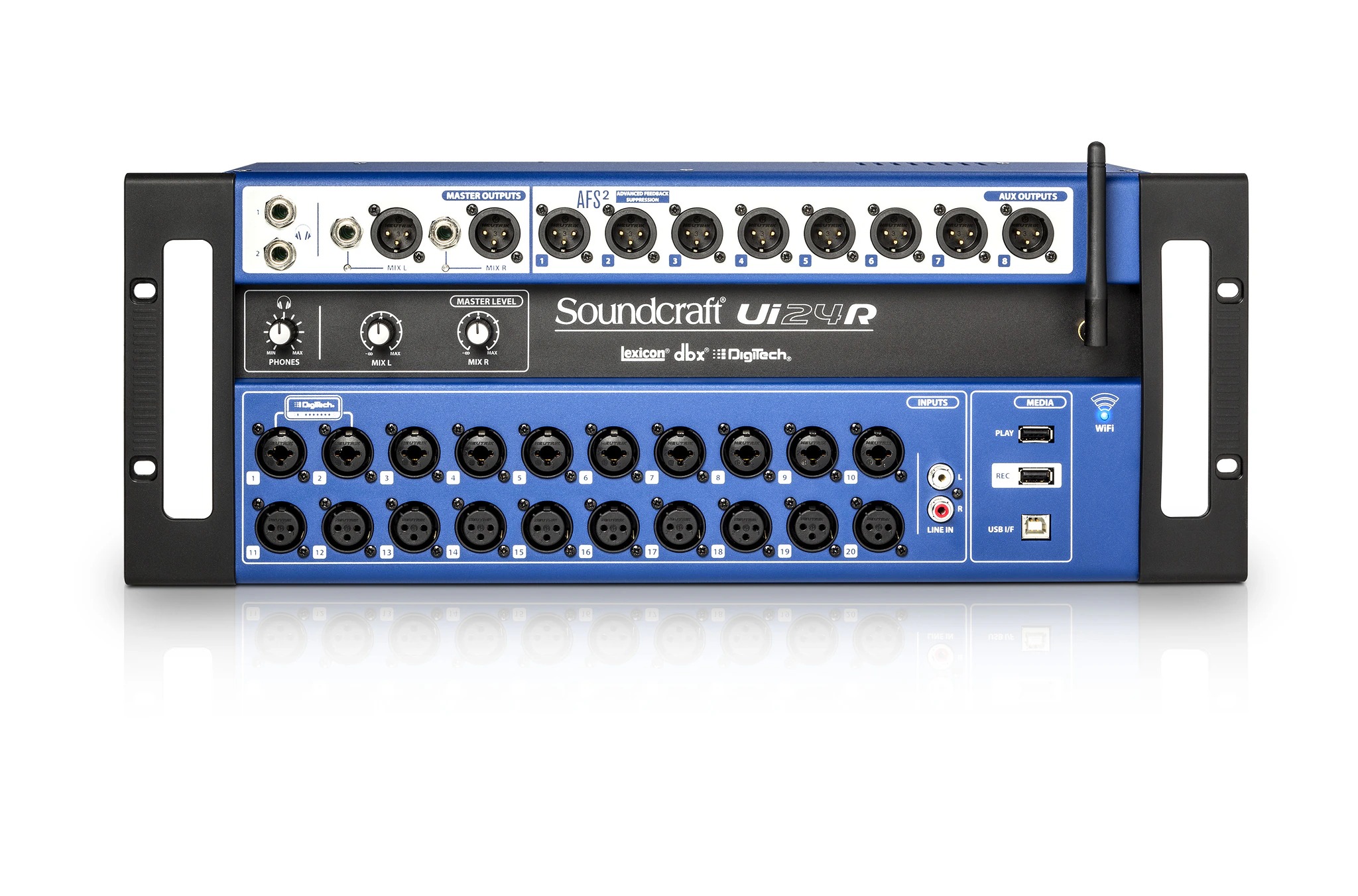
Level and time limits are set by the municipality or the site owner, so check the rules before planning the event. A digital mixer such as the Soundcraft Ui24R lets you cap the system's overall level so nobody turns it up by accident late at night.
Which kit for an outdoor event
Audience size and content decide the system, but outdoors always one step bigger.
- Up to 50 people, speech and background, no power: Battery-powered speech kit for outdoors.
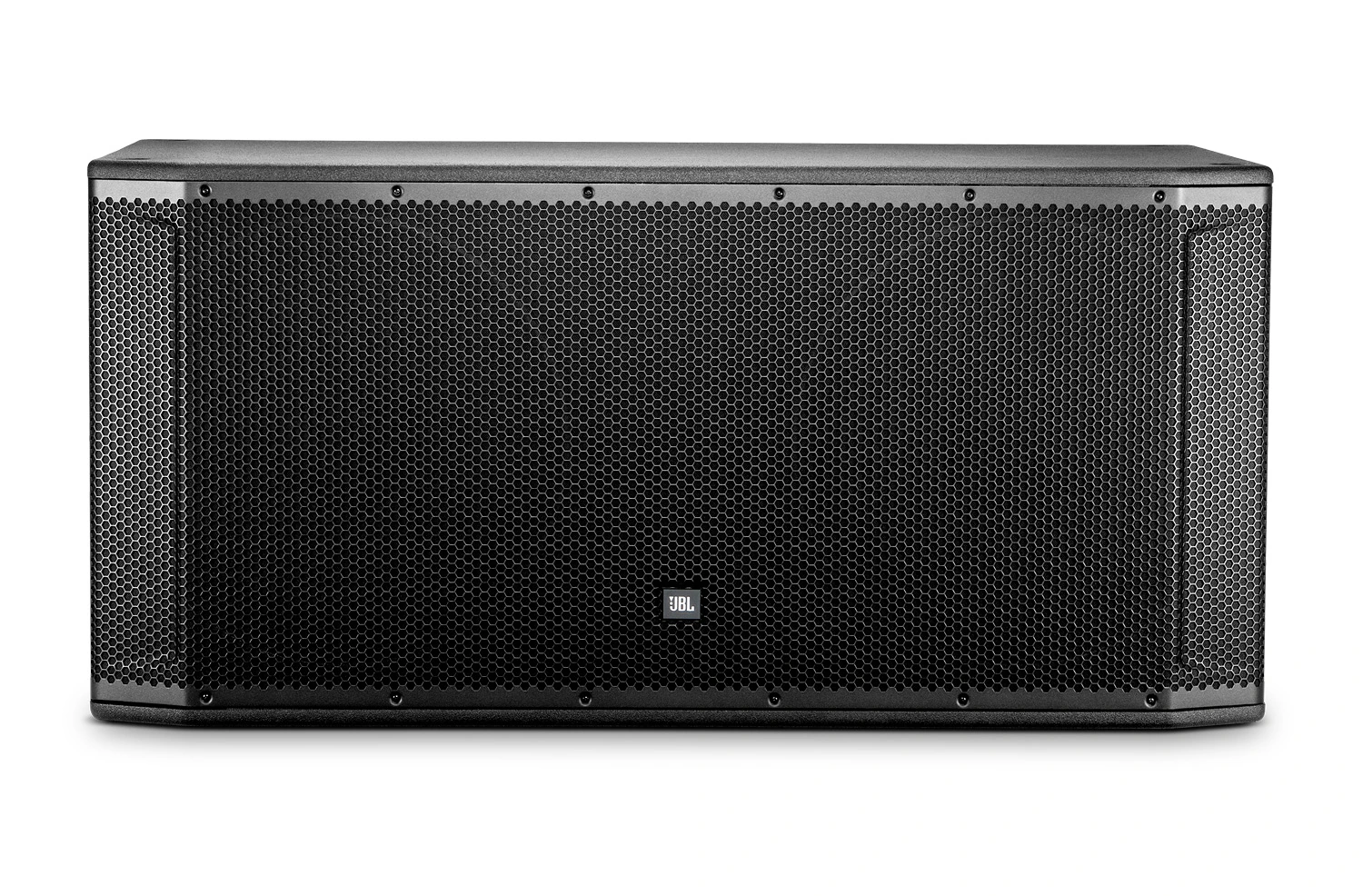
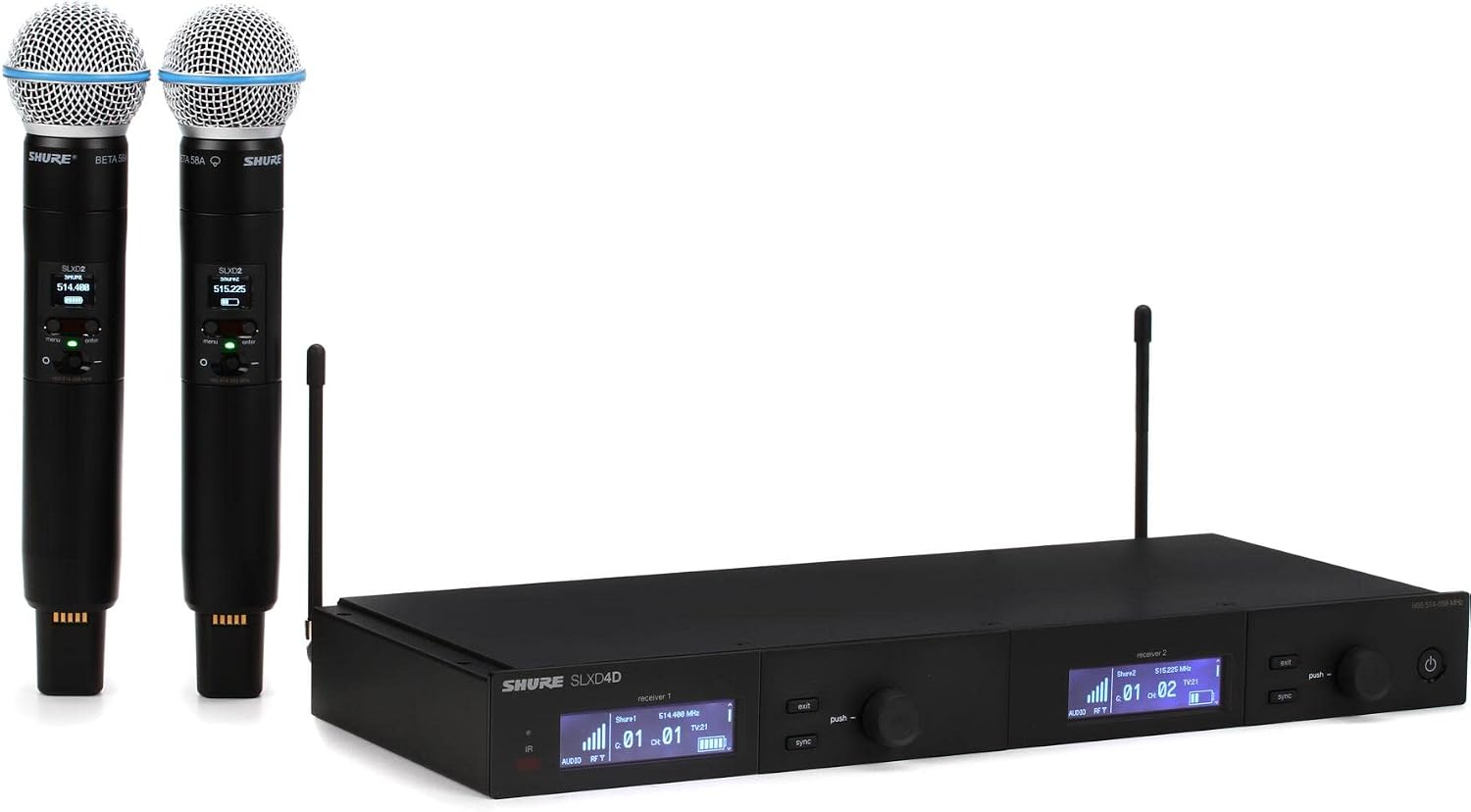
- 100 to 300 people, speeches and dancing: Outdoor event kit for up to 300 people, with two JBL SRX812P and two dual 18-inch SRX828SP subwoofers, a Ui24R and Shure SLXD24D/B58 wireless mics.
- Concert or festival up to 500: Concert kit for up to 500 people (line array) with JBL VTX A8 elements.
- A long sports course or a spread-out site: several smaller speaker points along the area beat one loud speaker at the start.