
What tent walls and roof do to sound
Tent PVC fabric partly reflects mids and highs, so a marquee sounds livelier than an open field but much drier than a stone hall. Straight parallel walls can produce a slight flutter echo on speech if the speakers aim straight at a wall.
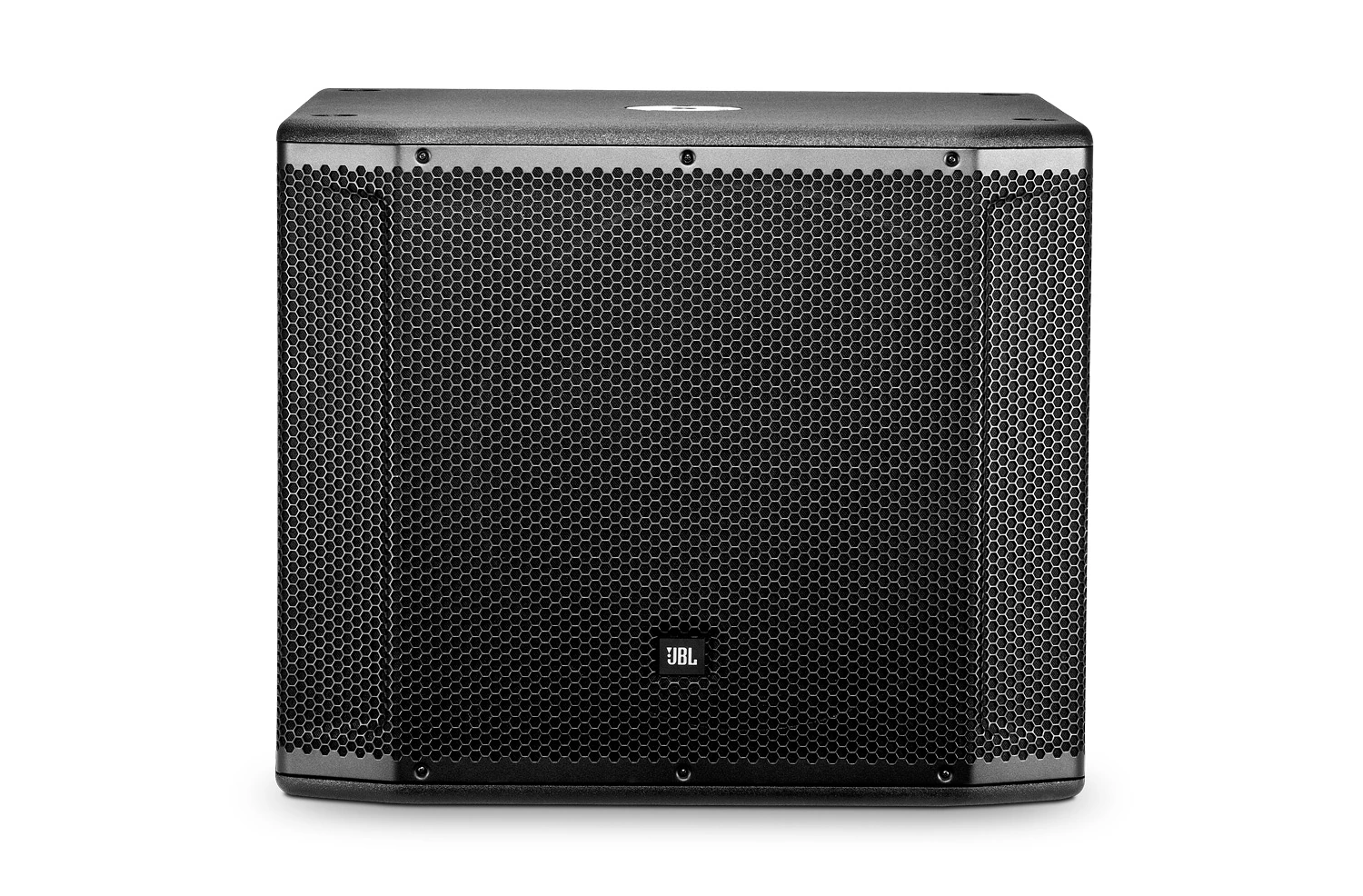
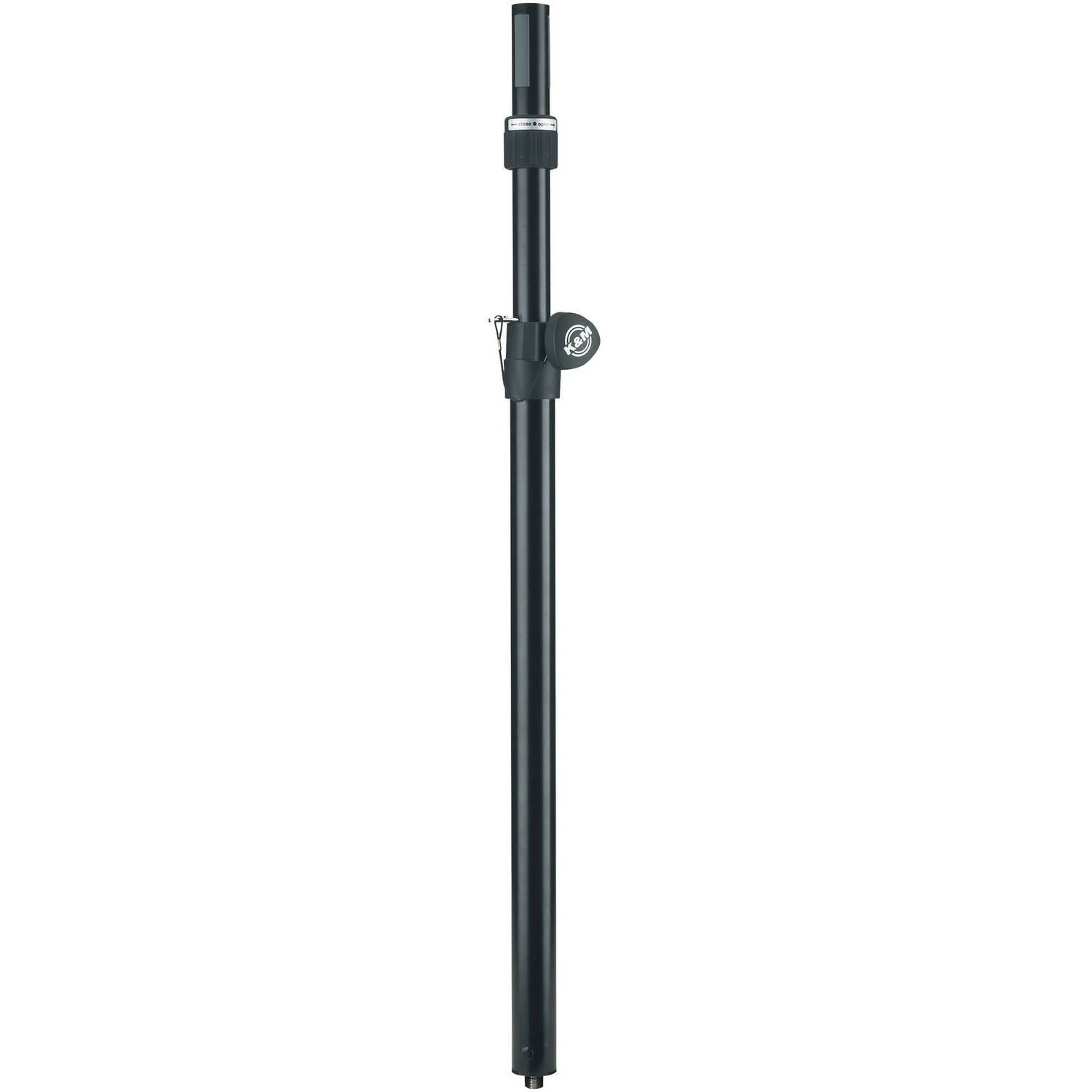
Fabric does not stop bass. Subwoofer sound goes through the wall almost unchanged and is heard in neighbouring farmhouses or hotel rooms as if the tent were not there. If the tent is near houses, choose one subwoofer instead of two for dancing, place it at the end of the tent furthest from the houses and agree on a time for the music to end.
Low eaves and poles: where the speakers go
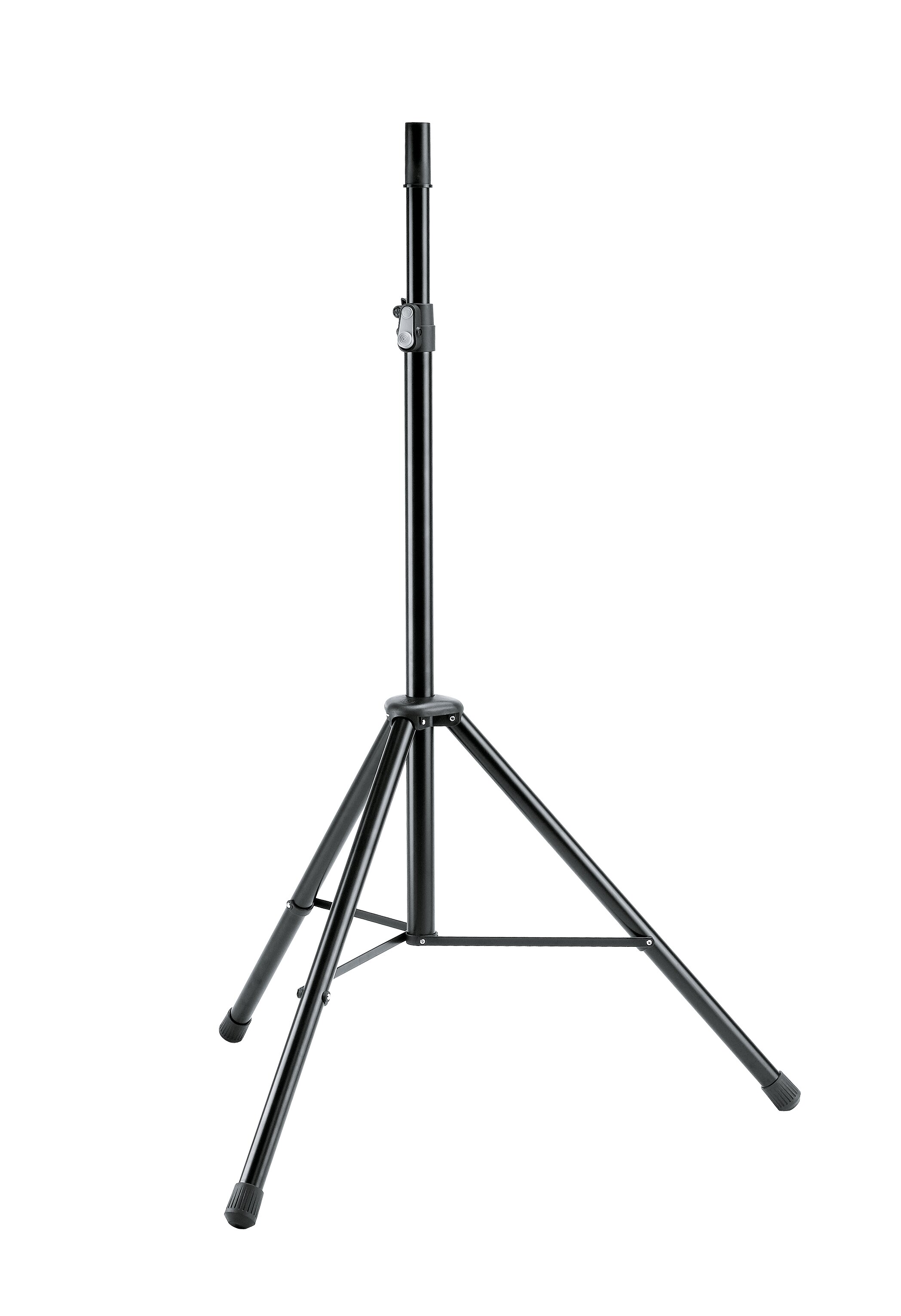
A tent ceiling is high in the middle, but at the sides often only a little above head height. A speaker on a stand fits under the eaves if it is not at full height, but make sure its top does not touch the fabric and the speaker does not play straight into the roof. The best spot is by the end wall, where the roof is higher, with the speakers aimed down the length of the tent.
The central poles are the most awkward part of a marquee. If a pole stands between a speaker and the audience, it casts a sound shadow. Move the speaker so the row of poles is off its axis. Do not hang speakers from the tent frame without the tent company's permission: the frame is designed for the tent, not extra load.
A long tent and a second pair of speakers
A wedding marquee is often long and narrow, for example two rows of tables with the dance floor at one end. If the speakers are only by the dance floor, guests at the far end struggle to follow the speeches while it is too loud up close. The fix is a second, quieter pair in the middle or the far third of the tent.
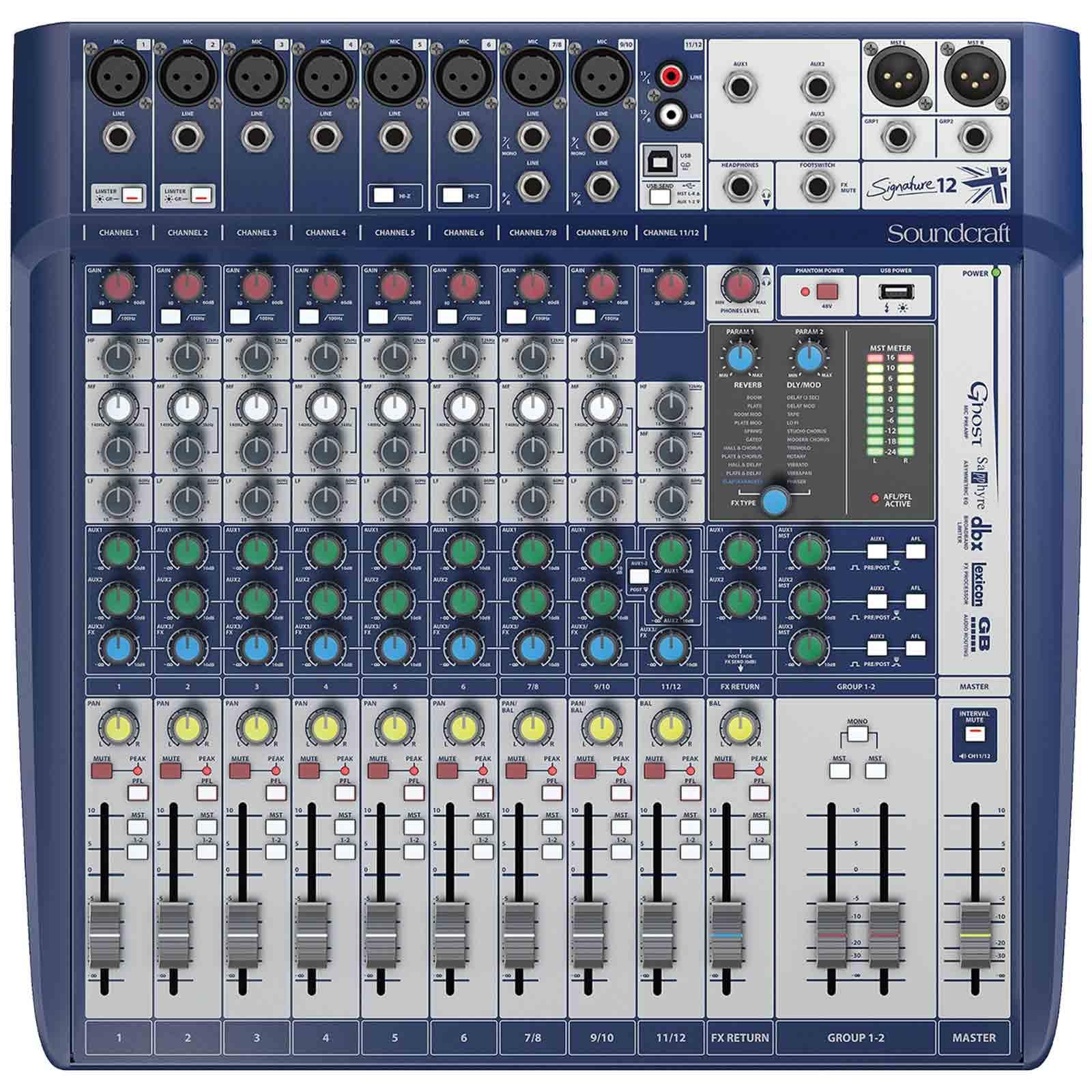
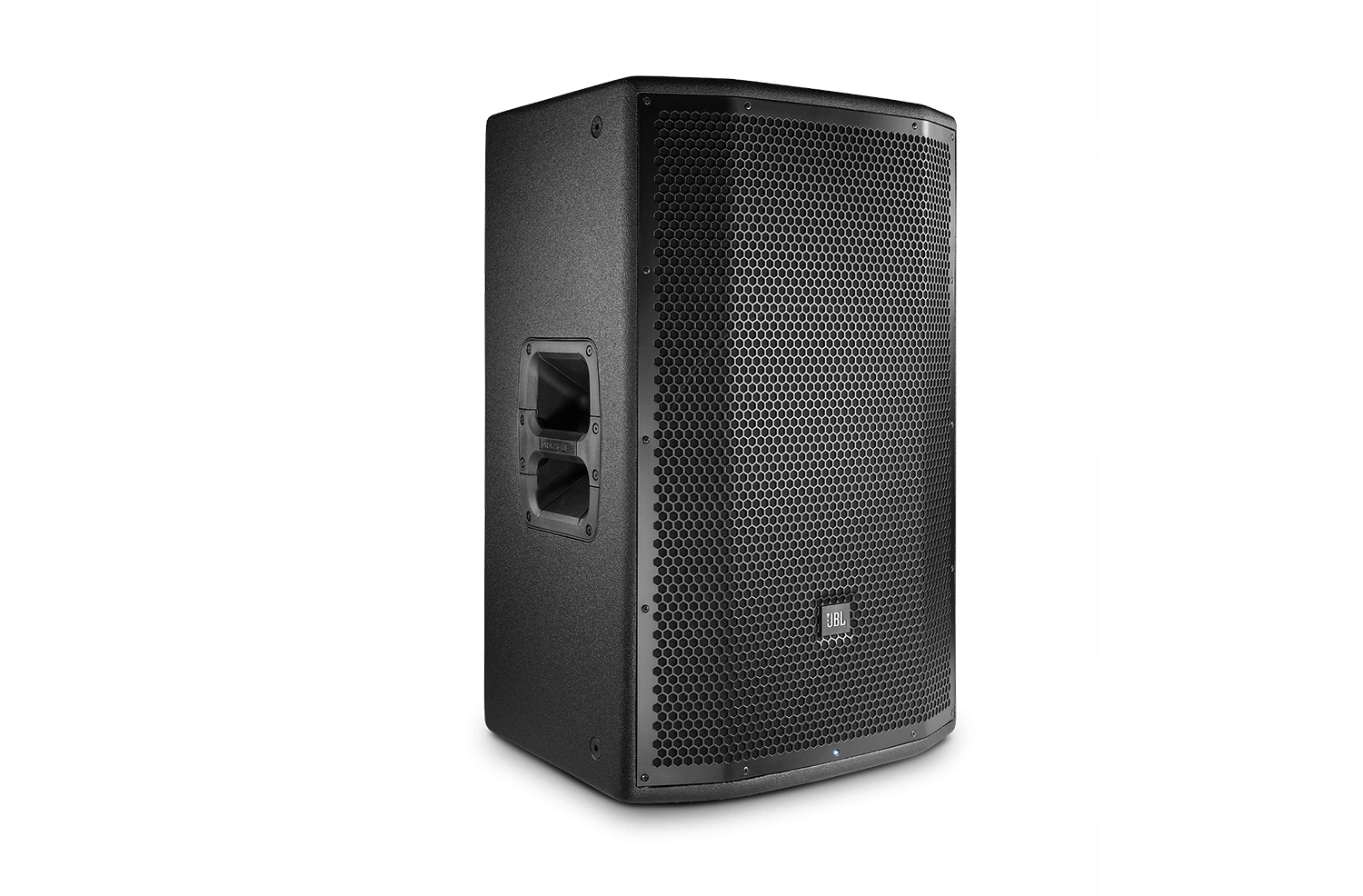
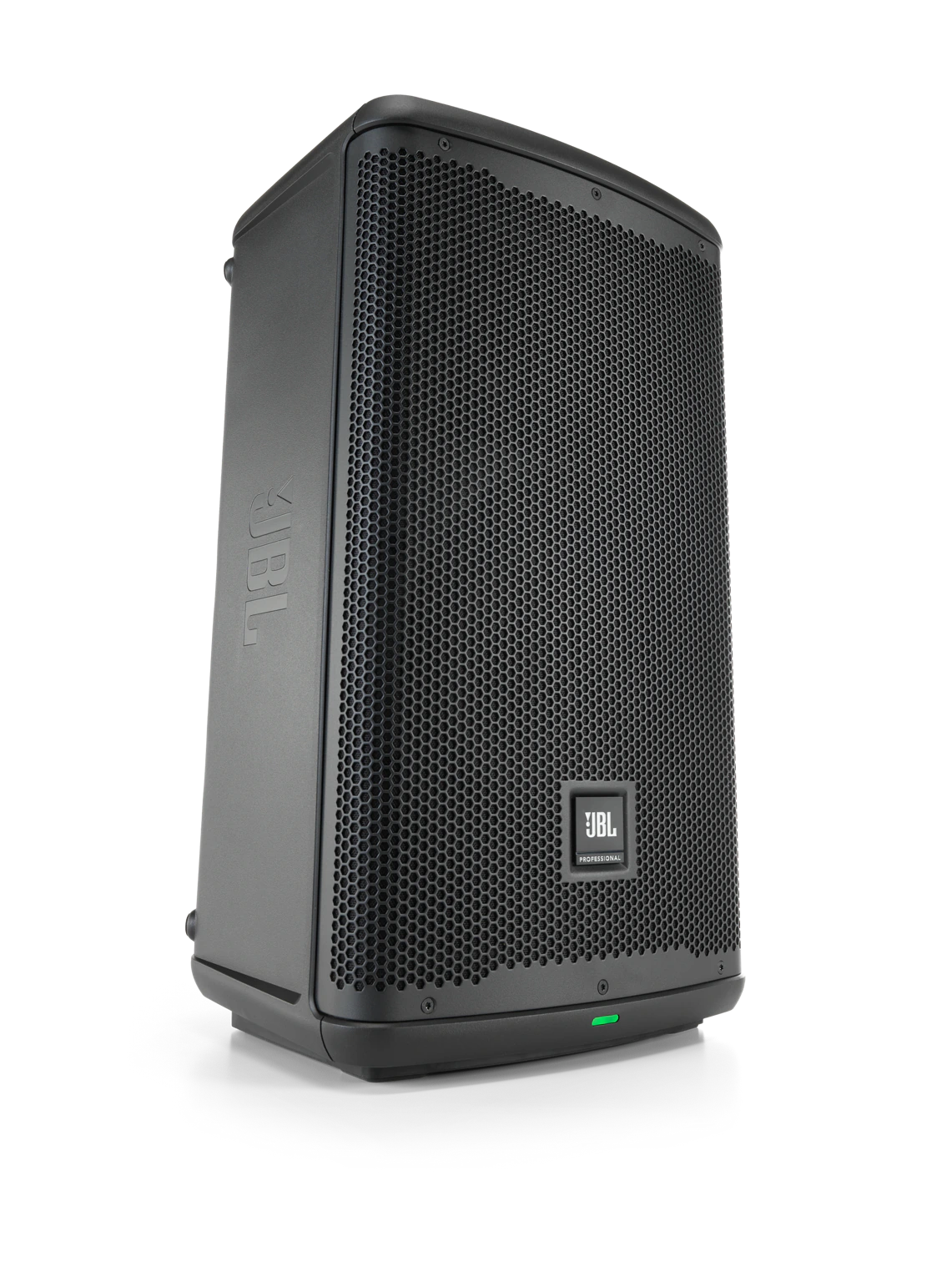
JBL EON710 or JBL PRX812 on stands work for the second pair. They connect to a separate mixer output and get a small delay so their sound reaches listeners almost together with the main speakers. Setting the delay needs a digital mixer or a speaker processor, so put the tent's length in the rental request and the offer will include a suitable solution.
Damp, condensation and a wet floor
When a tent that warmed up in the day cools in the evening with a hundred people inside, moisture gathers under the roof and starts to drip. Do not put the mixer or amps directly under the lowest point of the roof, and keep an uncovered desk under plastic or a shelter when it is not in use.
Many tents have no floor, and the grass is wet with dew in the morning. Lift power distribution and cable joints off the ground, run cables along the edge of the tent rather than across walkways, and cover cables crossing the dance floor with cable mats. On soft ground speaker stands need wide feet or a board, or they will lean.
Microphones and noise in a tent
Rain on a tent roof is loud and raises the background noise. During a speech, keep the handheld close to the mouth so its level stays above the rain. Tent heaters and the hum of a generator are audible too, so put the generator away from the tent and on the opposite side from the speakers.
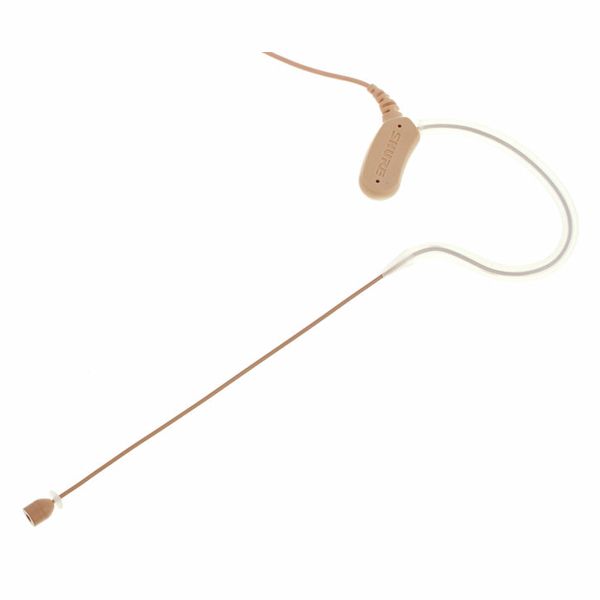
For the person leading the ceremony or speeches, a Shure MX153T earset is convenient: it stays close to the mouth while they move. In a marquee the distance between mic and speakers is usually short, so the person talking must stand behind the speakers or feedback will start.
Kits by tent size
Tents are measured in guests, but think about length too. A long tent needs more speaker points than a square one for the same number of guests.
- Up to 50 guests, speeches and background: Speech kit for up to 50 people.
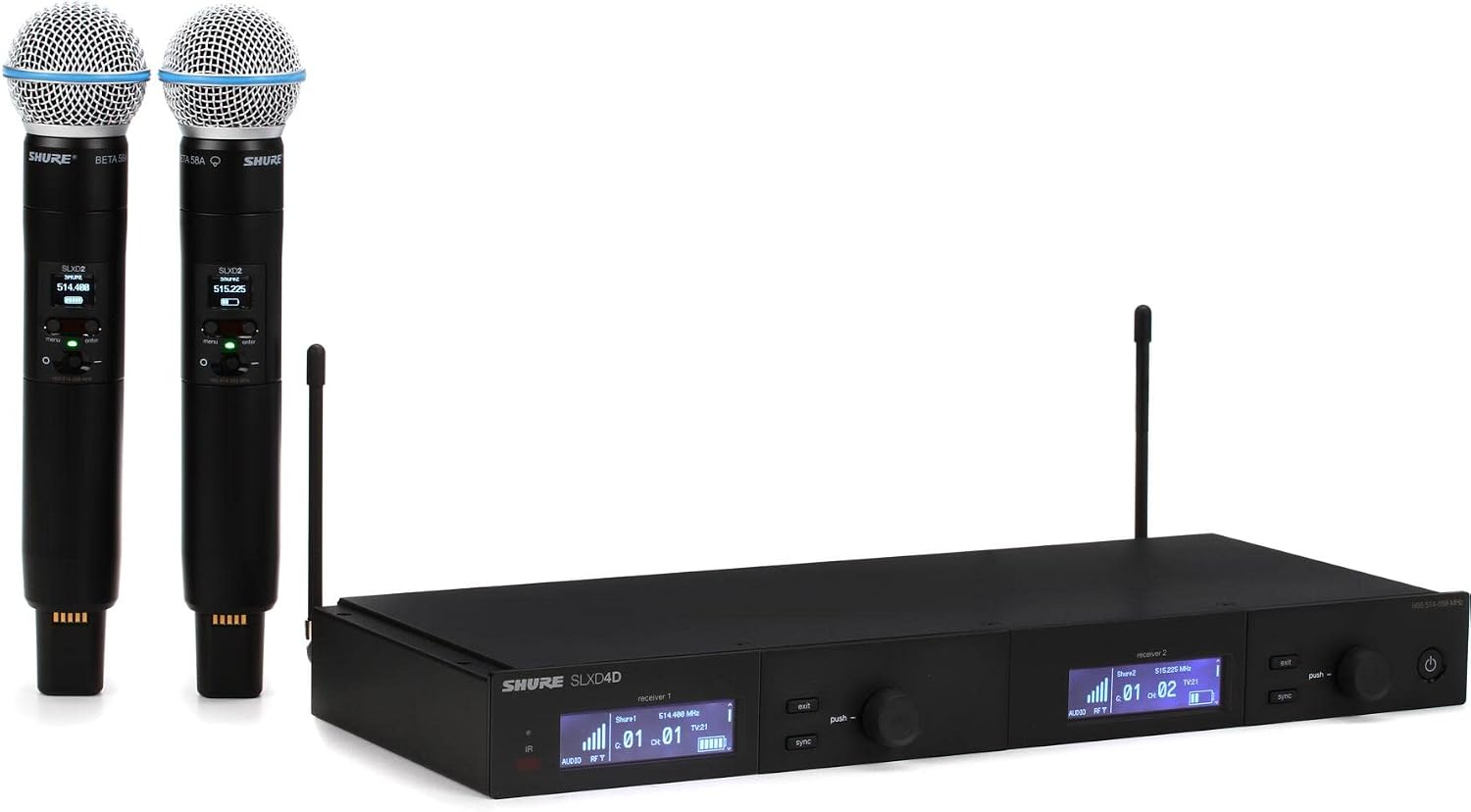
- 80 to 150 guests, a wedding: Wedding sound kit with two JBL PRX812, one SRX818SP subwoofer, a Soundcraft Signature 10 mixer and wireless mics.
- Up to 100 guests, a dance party: Party kit for up to 100 people with two JBL PRX815 and one subwoofer.
- Up to 200 guests, a big party: Party kit for up to 200 people, plus a second pair of speakers if the tent is long.