Delay speaker
A delay speaker is an extra speaker placed mid-audience or further back, whose signal is delayed so it arrives together with the sound from the mains, not ahead of it.
Why sound fades further back
The further you move from the main speakers, the quieter and muddier the sound. In a long hall or an outdoor area the mains can only be turned up so far, because the front rows are too close. A delay speaker solves it differently: an extra speaker near the distant rows brings clear sound to them without deafening the front.
Why the delay is needed
Sound travels through air at about 343 metres per second, roughly three milliseconds per metre. The electrical signal reaches the delay speaker along the cable almost instantly. If a delay speaker stands 30 metres from the mains without delay, people near it hear each word twice: first from the delay speaker, then from the mains. So the delay speaker's signal is held back in the mixer or processor by the flight time of the sound, and usually a little more, so the ear still hears the sound as coming from the stage.
Where delay speakers are used
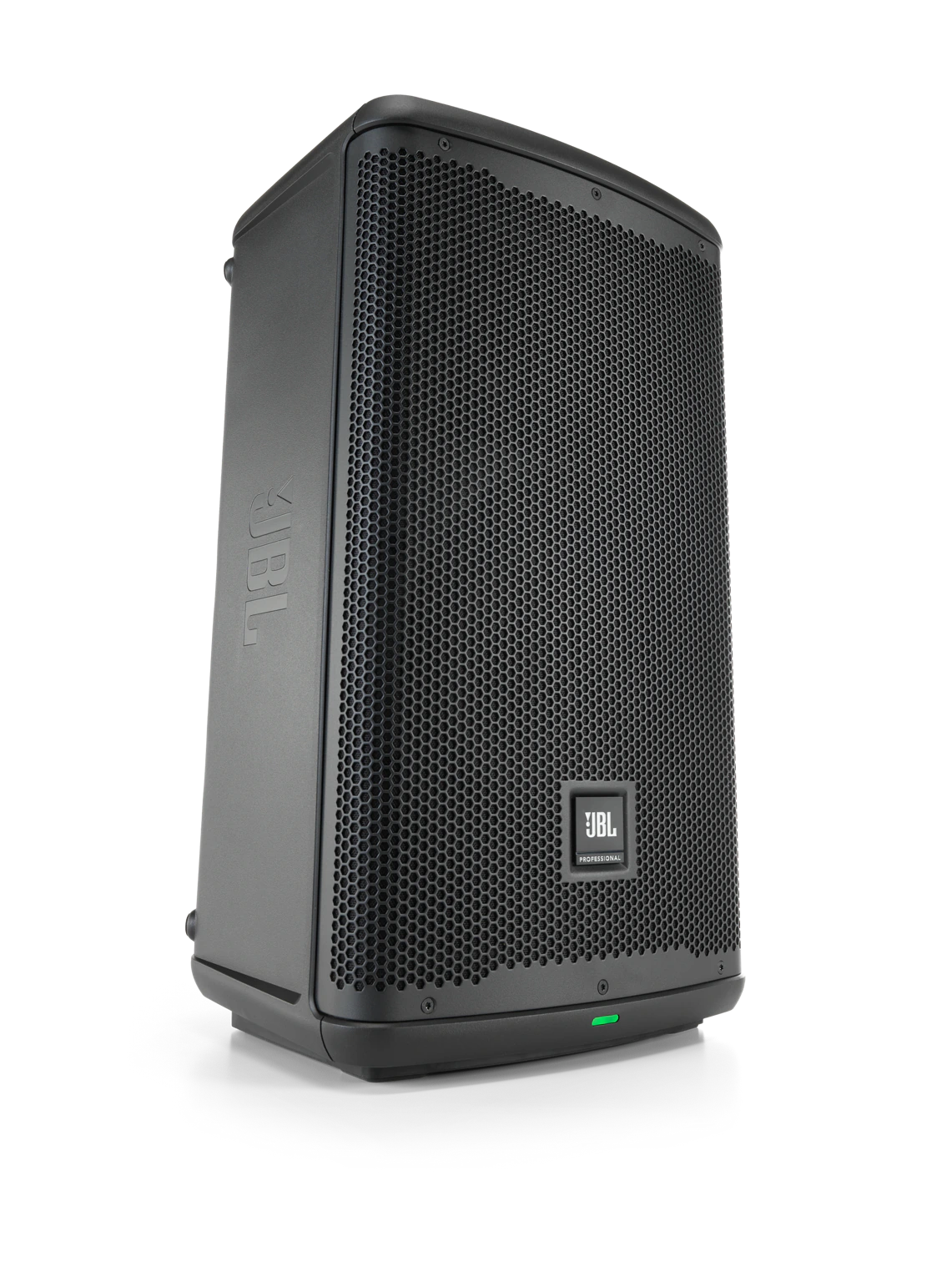
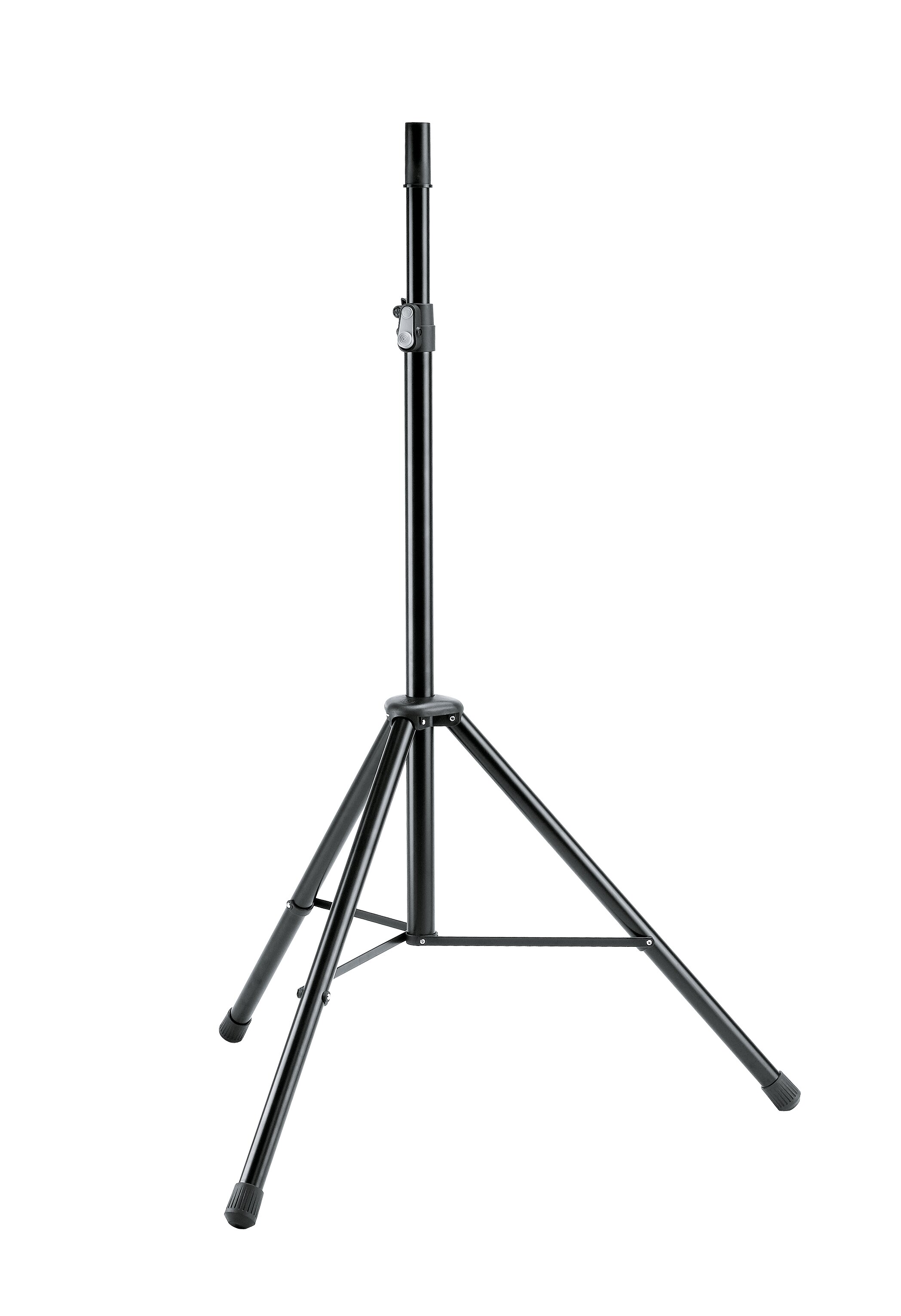
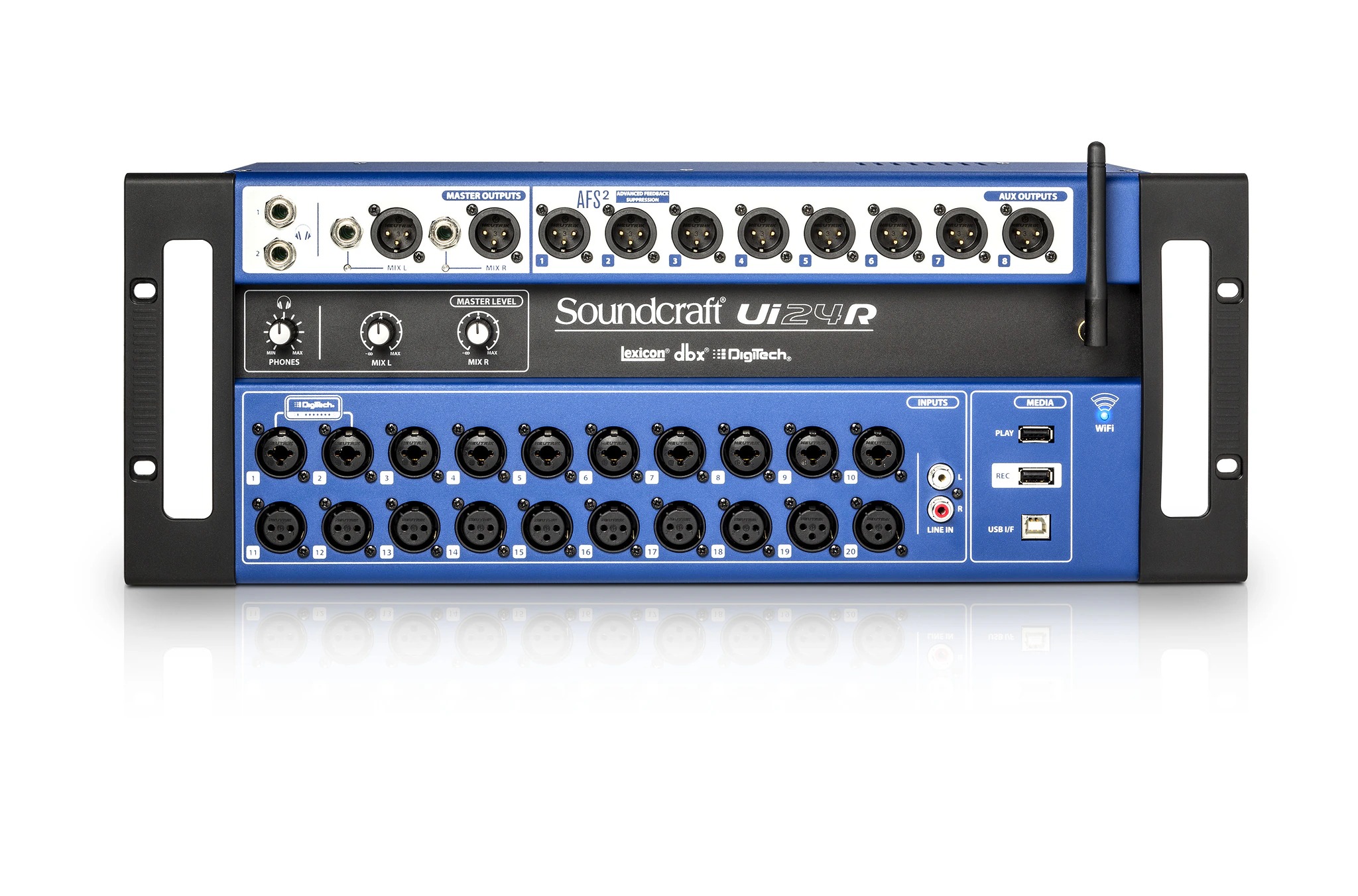
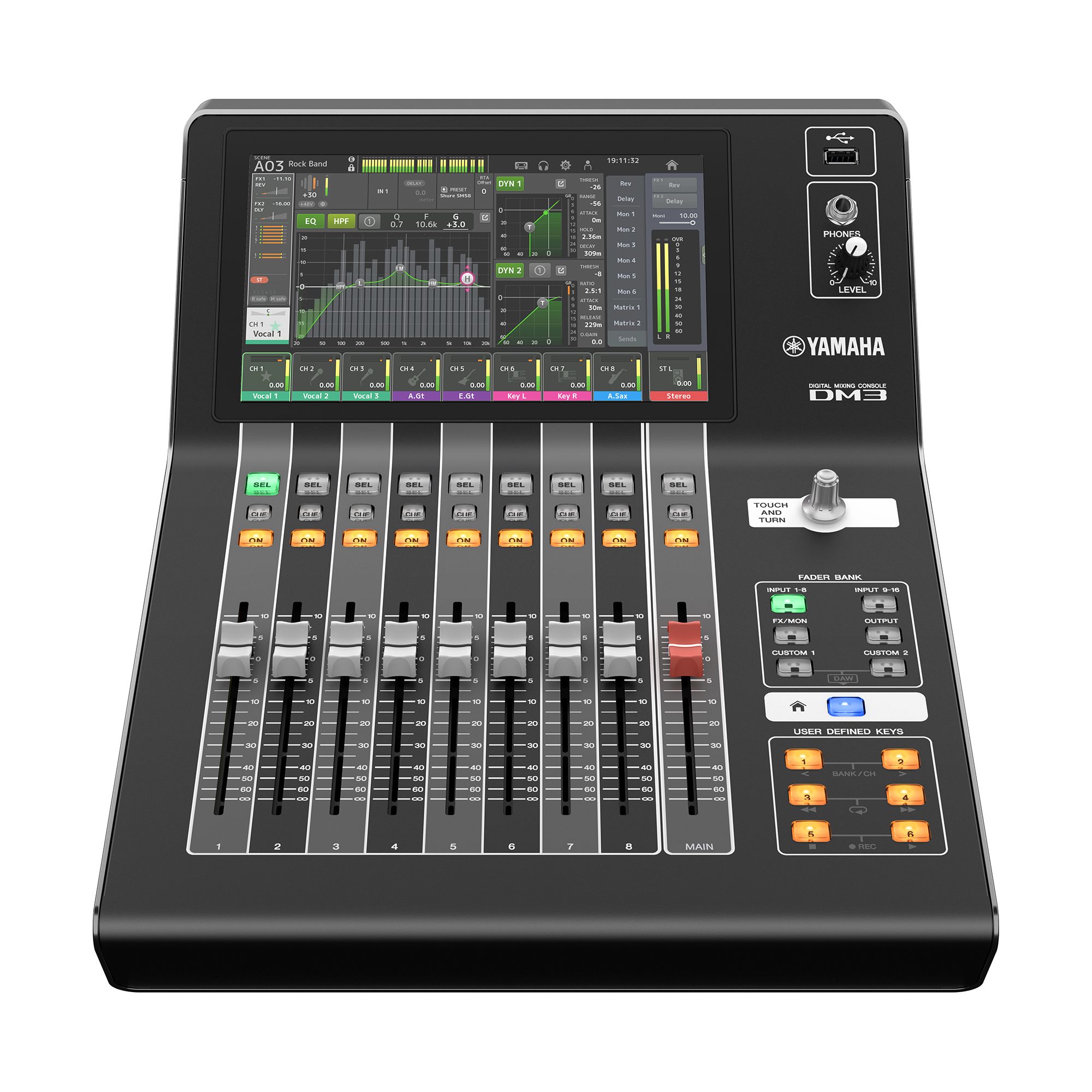
Typical places are a long conference hall where the back rows are far away, an area behind a balcony or pillars, a tent with poles in the middle and an outdoor event with the audience spread over a large field. A smaller active speaker such as a JBL EON710 or PRX812 on a stand works as a delay speaker. The delay is set per output in a digital mixer such as the Soundcraft Ui24R or the Yamaha DM3.
Common mistakes
The most common mistake is a delay speaker with no delay, which creates an echo and makes speech hard to follow. Another is making it as loud as the mains, so it disturbs the people sitting near it. A delay speaker should be quieter and aimed only at the rear area, never back towards the stage. A third is measuring the wrong distance: what counts is the distance from the main speaker to the listener, not the cable length.