Reverb
Reverb is an effect that adds artificial room sound, making a voice or instrument sound as if it were in a bigger hall, church or room than it really is.
What reverb is
Every room answers back. If you sing in an empty church, the notes hang on for a moment after you stop. That is reverberation. A microphone close to the mouth picks up mostly the direct sound and sounds dry. A reverb effect adds that room sound back artificially.
Most reverb effects offer several types: hall, room for a smaller space, plate for a bright metallic sound, and church. The key settings are decay time and pre-delay, which leaves a short gap between the direct sound and the tail so words stay clear.
How reverb is used on a mixer
Reverb is usually not inserted on the channel itself. The mixer has an effects processor, and each channel is fed to it with an aux or FX send in whatever amount suits it. The effect's output comes back into the main mix. That way several singers share the same space and sound more natural together.
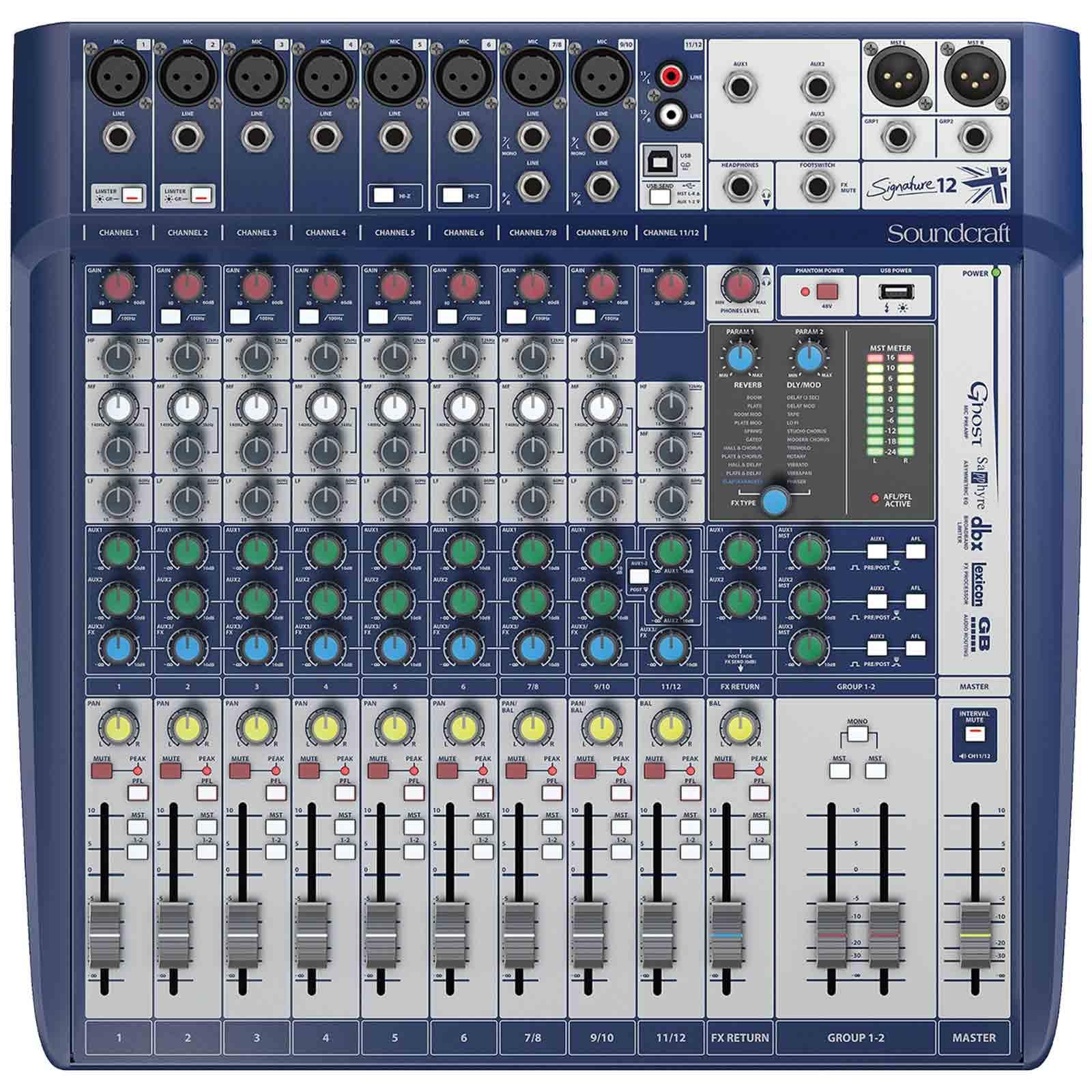
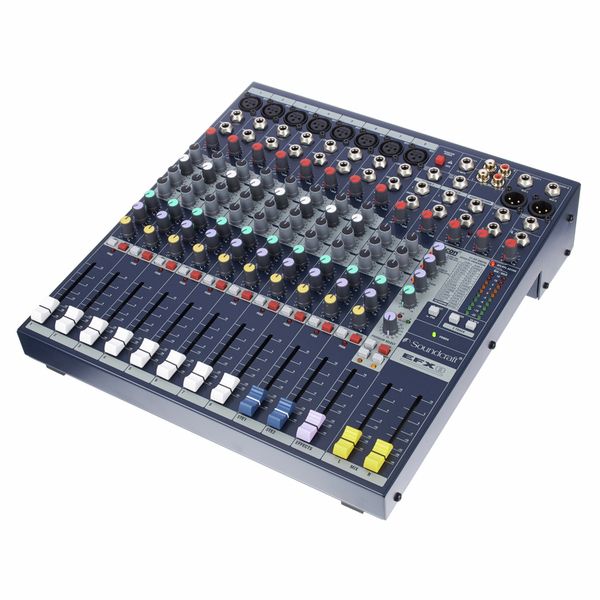
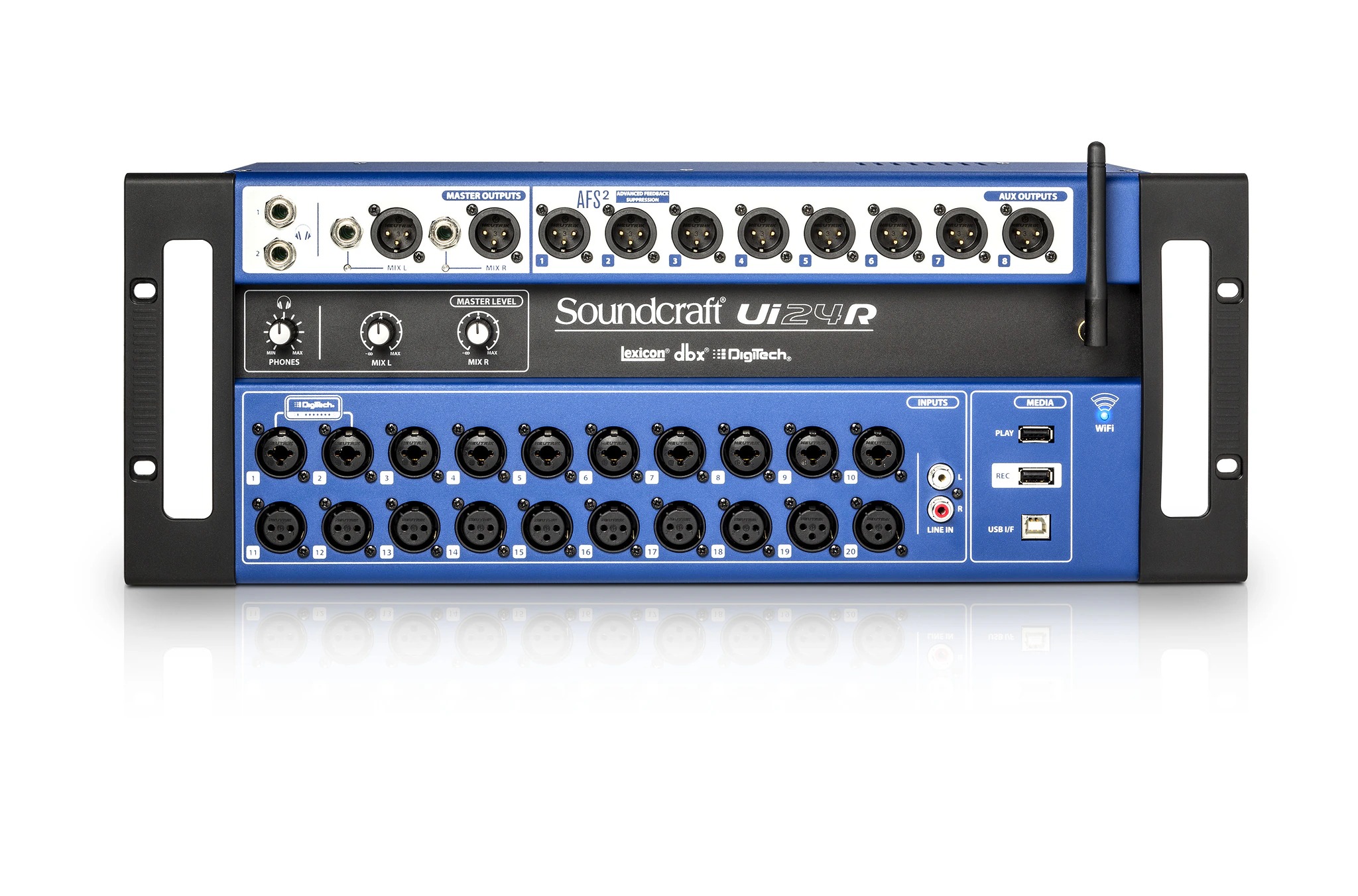
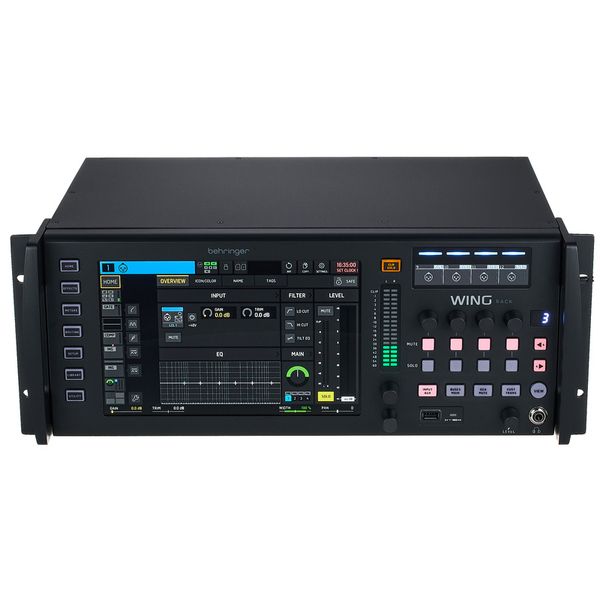
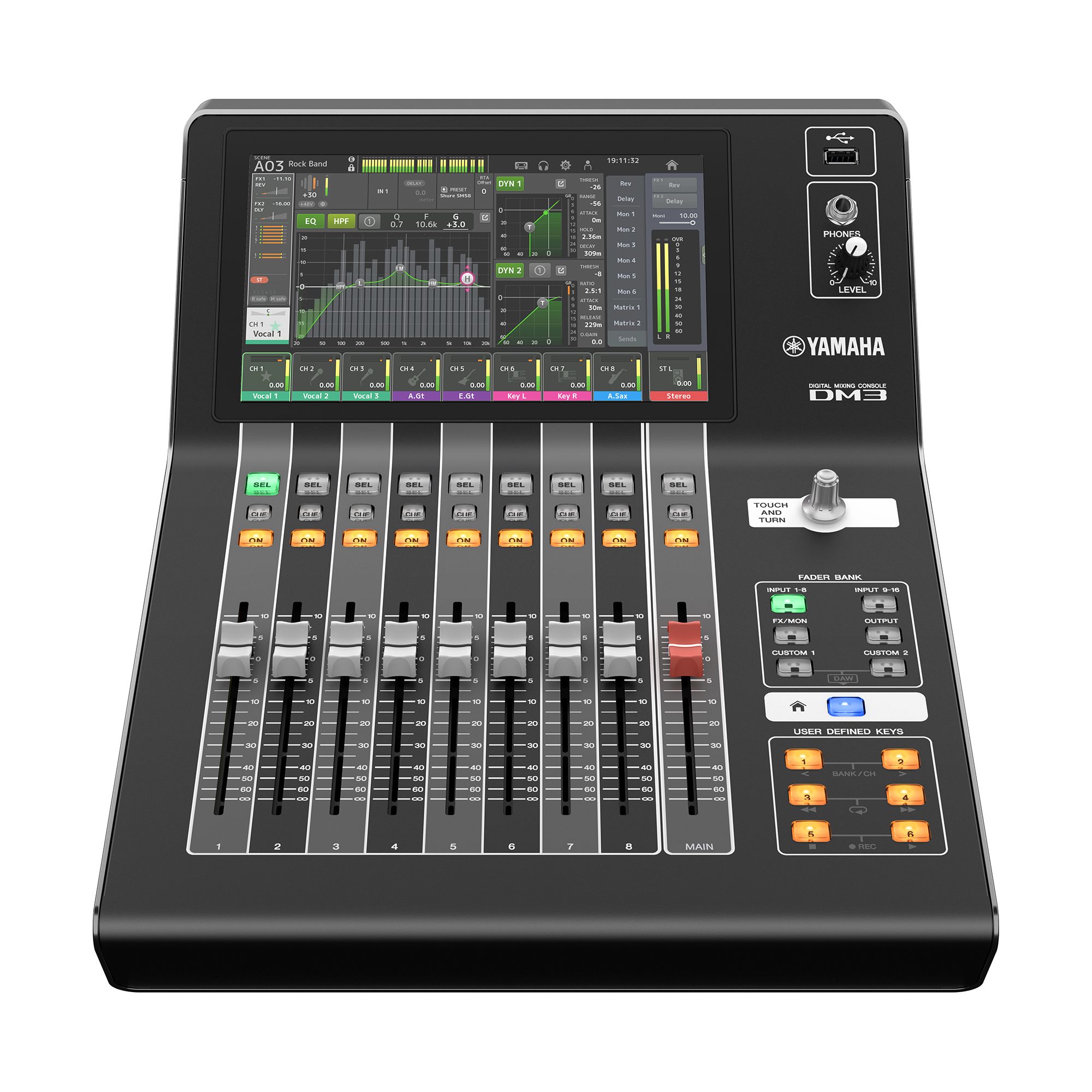
The FX in the names of the Soundcraft Signature 10 and EFX8 means built-in effects, so even an analogue desk for a small acoustic set has reverb. Digital mixers such as the Ui24R, Wing Rack or Yamaha DM3 run several effects processors at once, so vocals and drums can get different spaces.
When to add it and when not to
For a singer or an acoustic instrument, a moderate reverb adds warmth and helps them blend into the band. A dry vocal in a big room can sound like an announcement. For speech the rule is the opposite: presenters get no reverb, because it hurts intelligibility.
The room itself matters most. A sports hall or church with hard walls already has plenty of reverberation, and added reverb turns the sound to mush. A small carpeted room or an outdoor event benefits much more.
Common mistakes
The most common mistake is setting reverb on headphones or in an empty hall. It sounds right in headphones and far too much in the room. The second is leaving the reverb on while the singer talks between songs; on a digital desk you can mute the effect with a button or a scene. The third is sending reverb to the stage monitors, where it distracts the performer and raises the risk of feedback.