Changeover
A changeover is the break between two acts, when the previous band's gear comes off stage, the next band's goes on and the sound setup is switched over.
What a changeover is
When several bands play one night, the stage has to be rebuilt between them. The previous band takes off its drums, amps and pedals, the next brings its own, microphones are moved and the mixer loads the new band's settings. This break is called the changeover.
At festivals and club nights the changeover is often the tightest part of the schedule. The audience waits, the next band's set time shrinks with every minute and often the line check is the only check there is time for before the first song.
What makes it faster
Shared backline helps most. If all bands use the same drums and bass amp, only the cymbals, snare and guitars change and the drum mics can stay where they are. If each band has its own kit, set it up in advance on a rolling riser beside the stage.
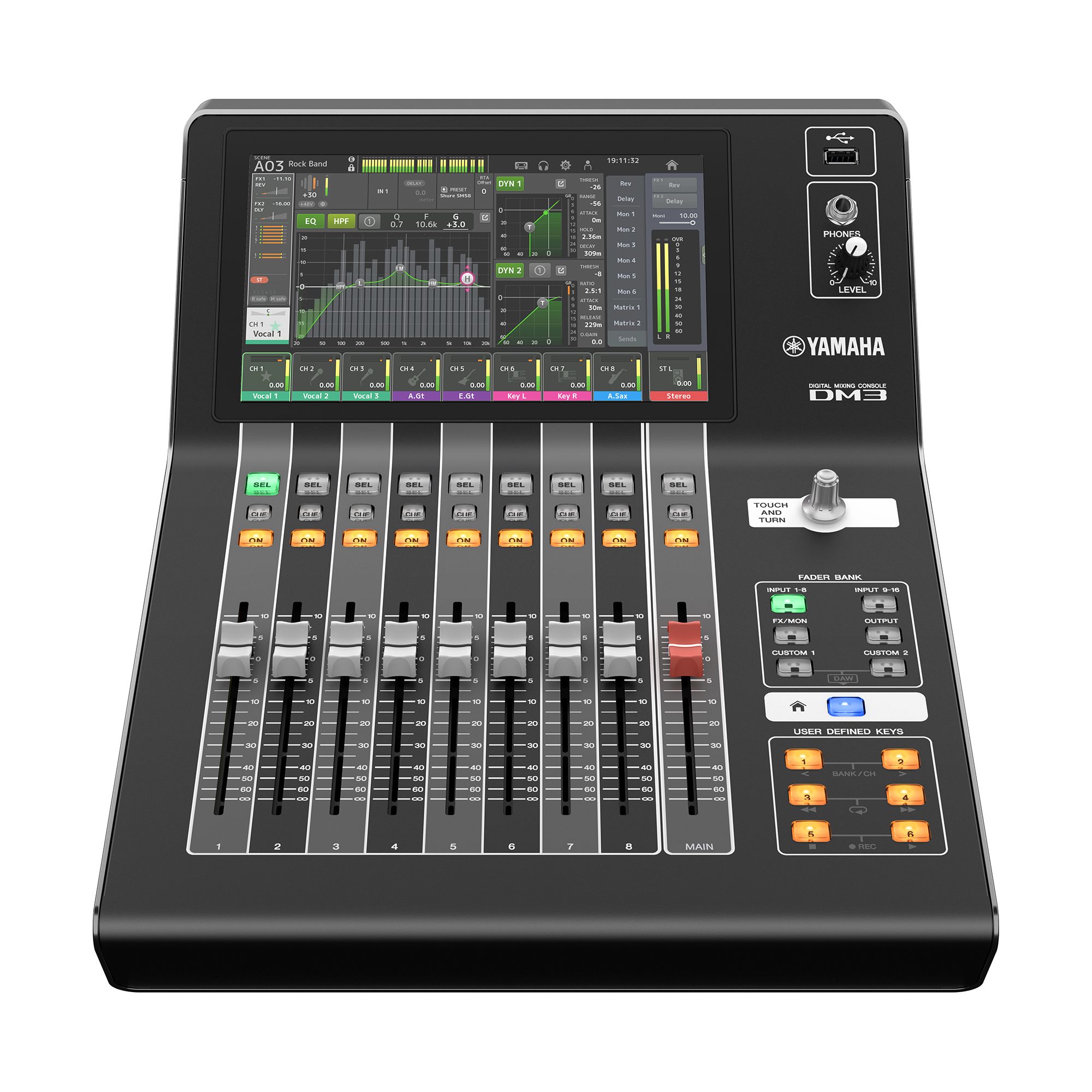
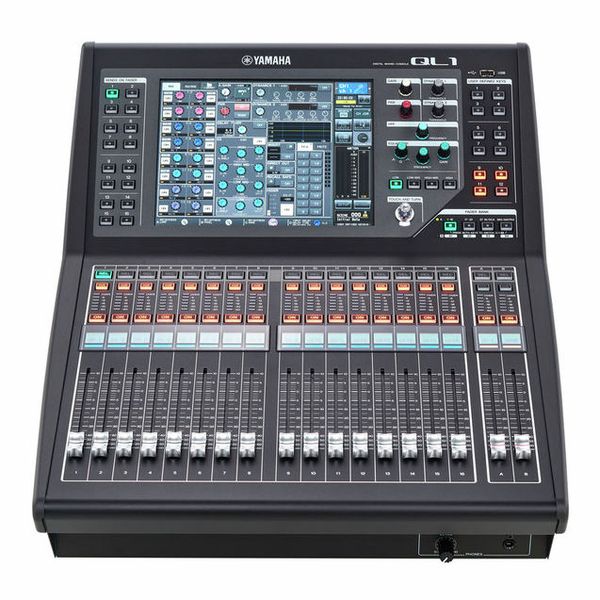
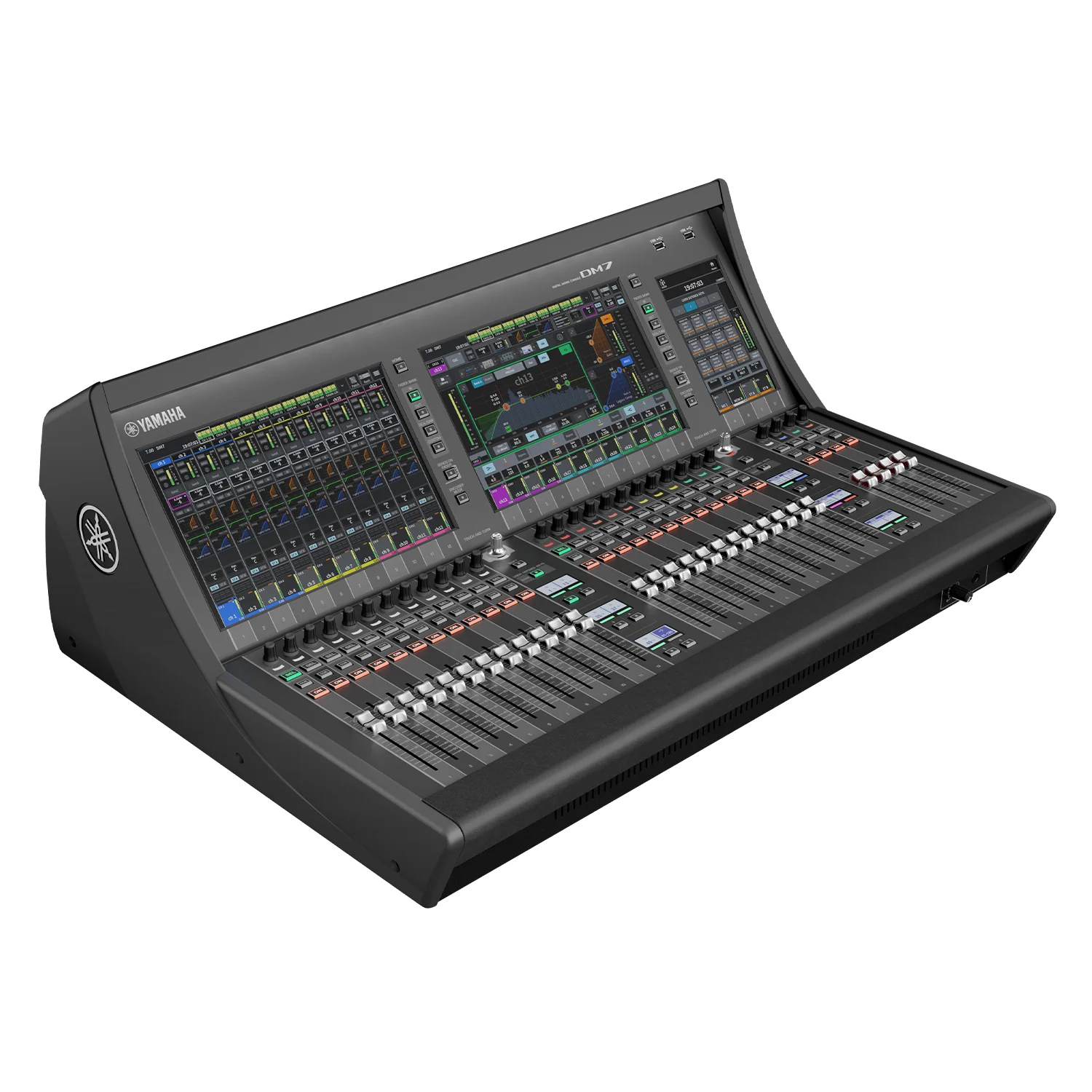
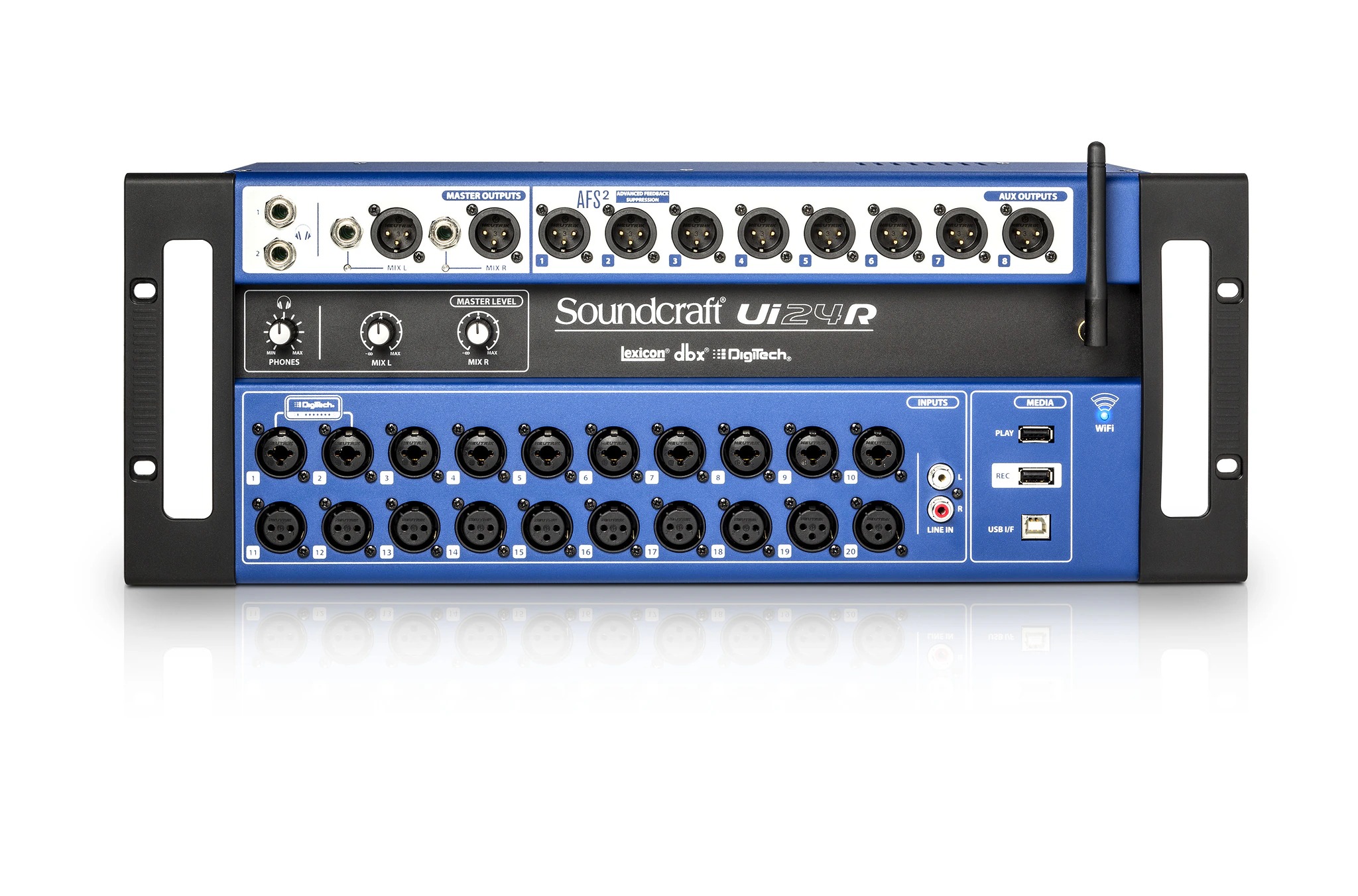
A digital mixer shortens the changeover too. The Yamaha DM3, QL1 or DM7 and the Soundcraft Ui24R store each band's settings as a scene: channel names, gain, EQ and monitor mixes. At the changeover the new scene is loaded and the engineer only has to check that the microphones are in place.
- An input list and stage plot from every band before the event.
- A common channel layout: vocals and drums on the same channels for every band.
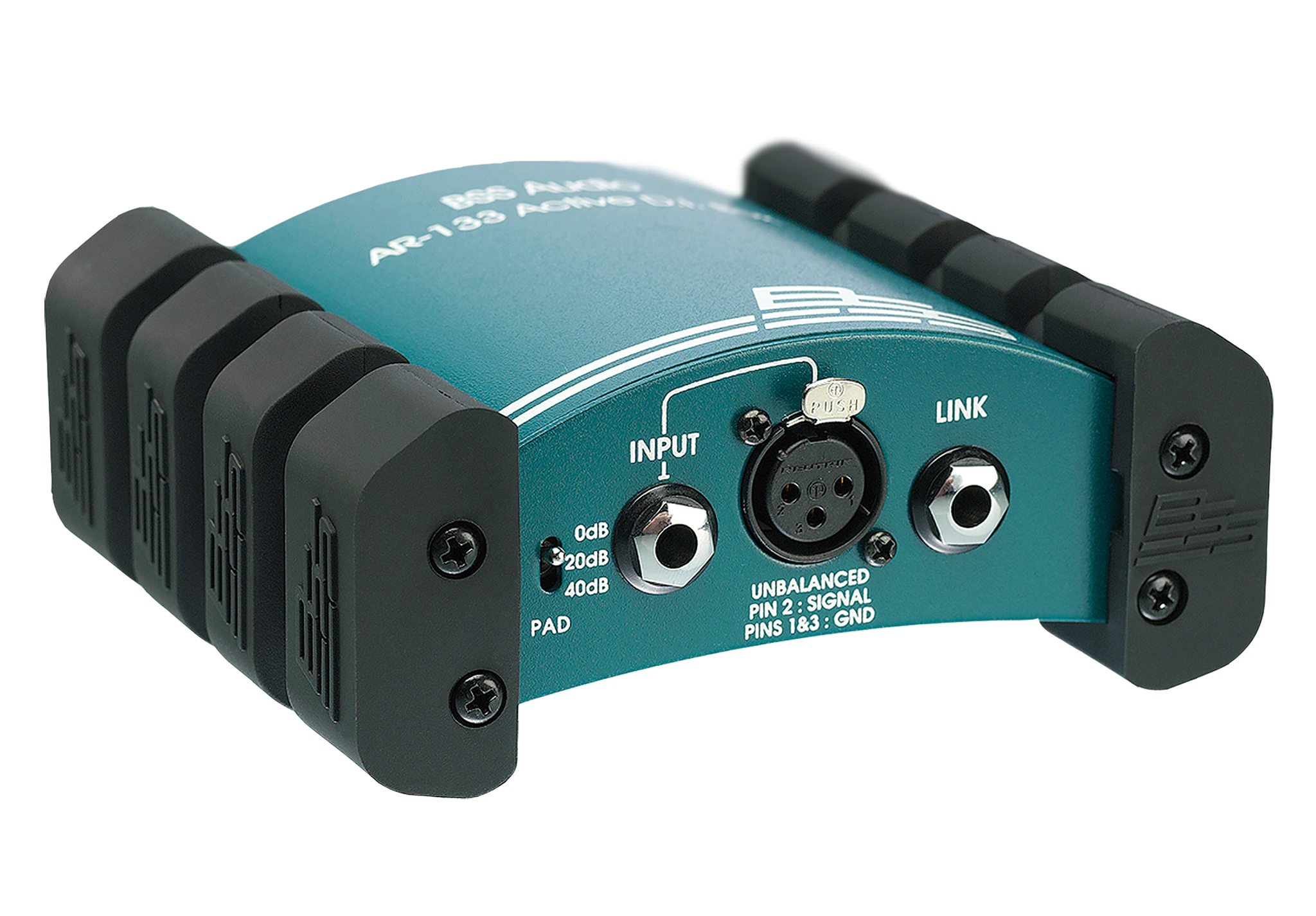
- Each band's cables and DI boxes labelled.
- Two people on stage and one at the console.
Planning changeovers in the schedule
A small acoustic act changes over in a few minutes; a full rock band with its own drums needs a lot longer. Ask each band what they bring and allow realistic changeover time, not just what looks good on paper. The band that sound checked last often plays first, because its settings are already on the desk.
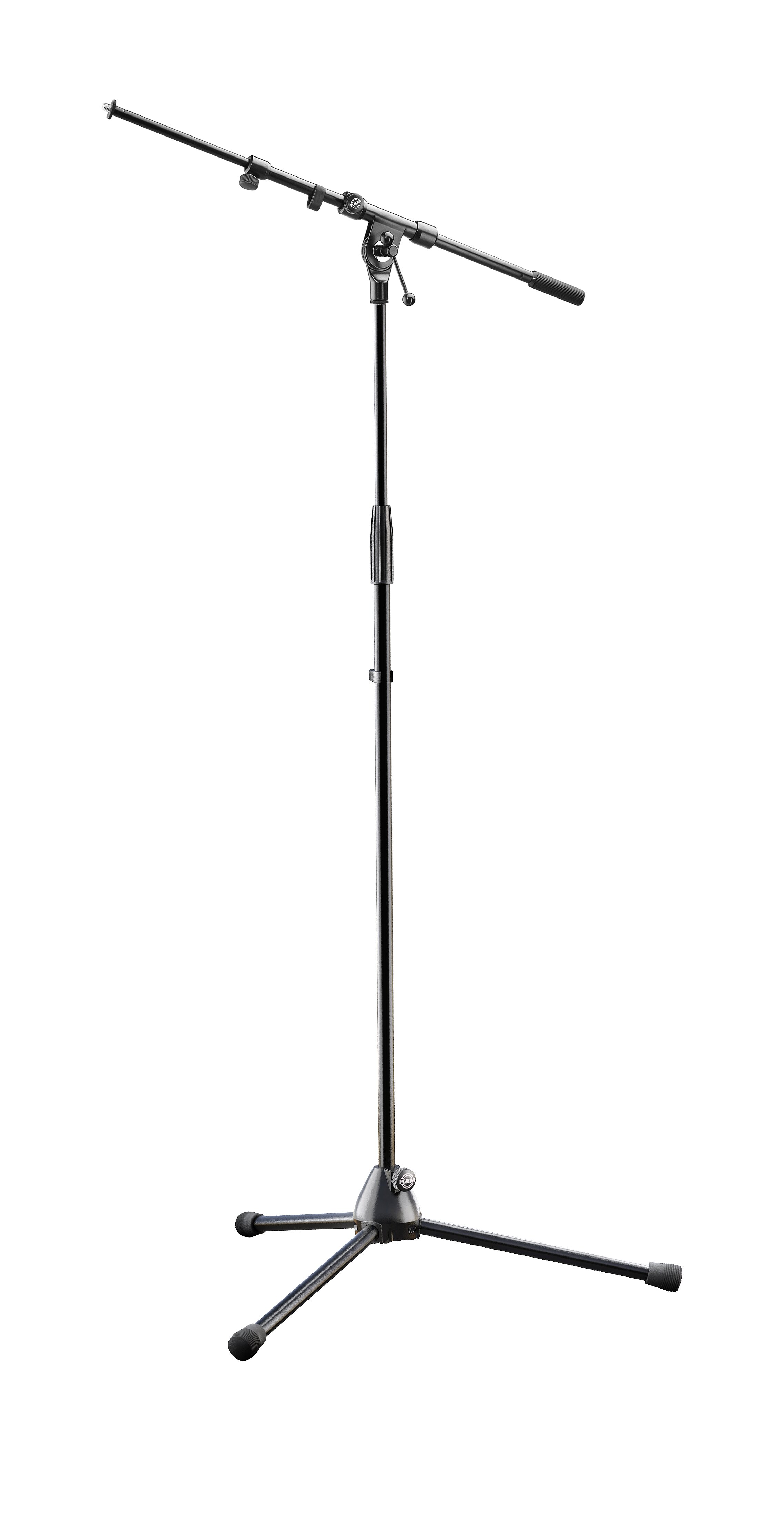
If you rent the gear, remember that a multi-band night needs more mic stands and cables, because the next band's mics are set up before the previous set ends.
Common mistakes
Changeovers overrun for almost always the same reasons.
- Bands have not agreed on shared backline and every drummer builds a kit from scratch.
- The new band's settings were never saved and the engineer sound checks in front of the audience.
- The stage is dark and the changeover is done by torchlight.
- Wedges stay where the previous band had them and the new singer cannot hear themselves.