Miking a choir or ensemble: microphones and placement
A choir is a special source for sound equipment. Thirty voices together are already powerful, but every singer is far from the microphone and no voice can be controlled on its own. That is why a choir is not miked like a band, with a mic at every source's mouth. A choir gets a few condenser mics placed high in front, each listening to a whole section, and the amplification is a modest lift rather than loud sound. This guide covers when to amplify a choir at all, which mics to rent, where to put them and how to avoid the feedback that comes so easily with choirs. It also suits a vocal ensemble or small instrumental group whose sound equipment rental is part of a concert, service or school ceremony.
Does the choir need amplifying at all?
In a church, concert hall or assembly hall with good acoustics, a choir often sounds better without amplification. The room carries the voice, and speakers only add noise and send the sound to the wrong place. Before renting sound equipment, listen to a rehearsal from the back of the room. If the singing and the words come through well, a mic for the conductor or host may be all you need.
Amplification is needed in a large hall, outdoors, in a tent or sports hall, and when the choir sings with a band or loud accompaniment. If the concert is recorded or streamed, microphones are needed too, even if they do not go to the room speakers at all.
Which microphones to rent for a choir
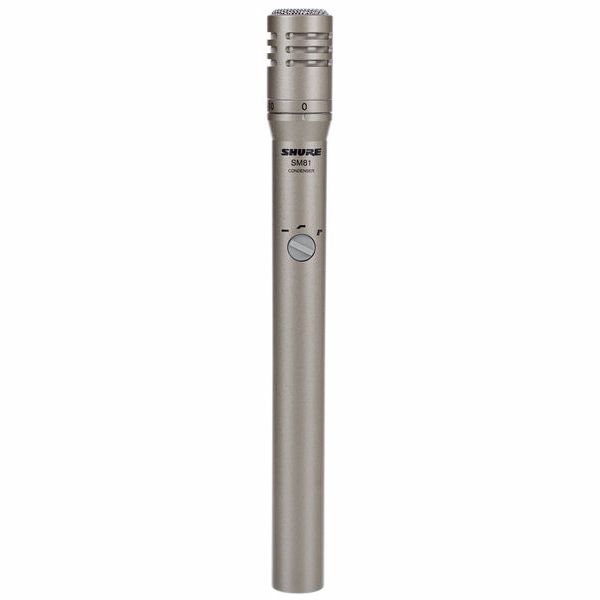
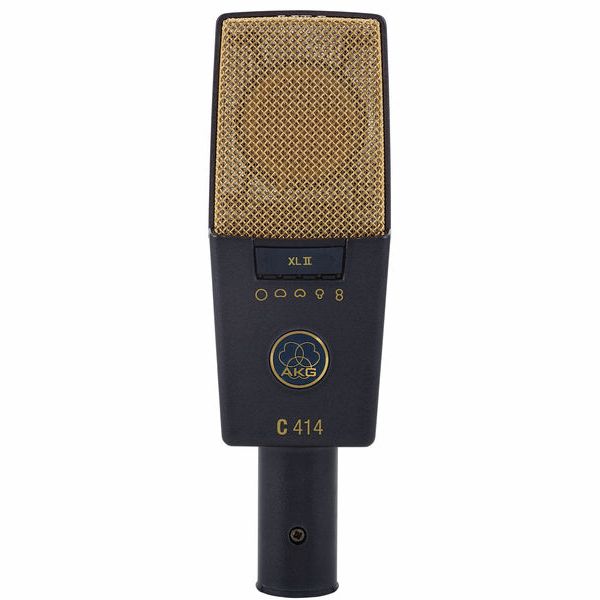
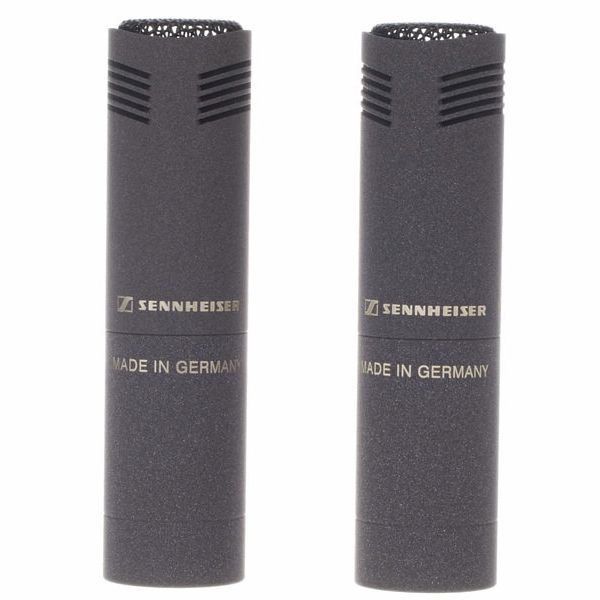
Choirs suit condenser mics, because they are sensitive and pick up a more distant voice in detail. The Shure SM81 is a cardioid small-diaphragm condenser that is dependable and works well on tall stands in front of a choir. The AKG C414 XLII is multi-pattern and can be set wider or narrower as needed. The Sennheiser MKH8040 stereo pair is mainly for recording.
A dynamic vocal mic such as the SM58 is the wrong choice for a choir: it is made for singing up close, and a choir heard from a distance sounds dull and quiet through it. All condenser mics need 48 V phantom power from the mixer. Check the mixer provides it and that it is switched on for those channels.
How many mics, and where
Place the mics in front of the choir and higher than the front-row singers' heads, aimed towards the upper rows. That puts the mic at roughly the same distance from the back singers as the front ones, so all rows stay in balance. A mic that is too low hears only the front row.
A narrow choir may need only two mics; a wide one needs more, so each mic covers its own part of the choir. A useful rule of thumb is the three-to-one rule: the distance between two mics should be at least three times the distance from the mic to the singers. Then two mics do not hear the same voice too similarly and the sound does not turn hollow. Do not overdo it: every extra mic adds room echo and feedback risk.
- Height: above the front row's heads, aimed at the back rows.
- Distance: mics in front of the choir, not among the singers.
- Spacing: at least three times the distance to the choir.
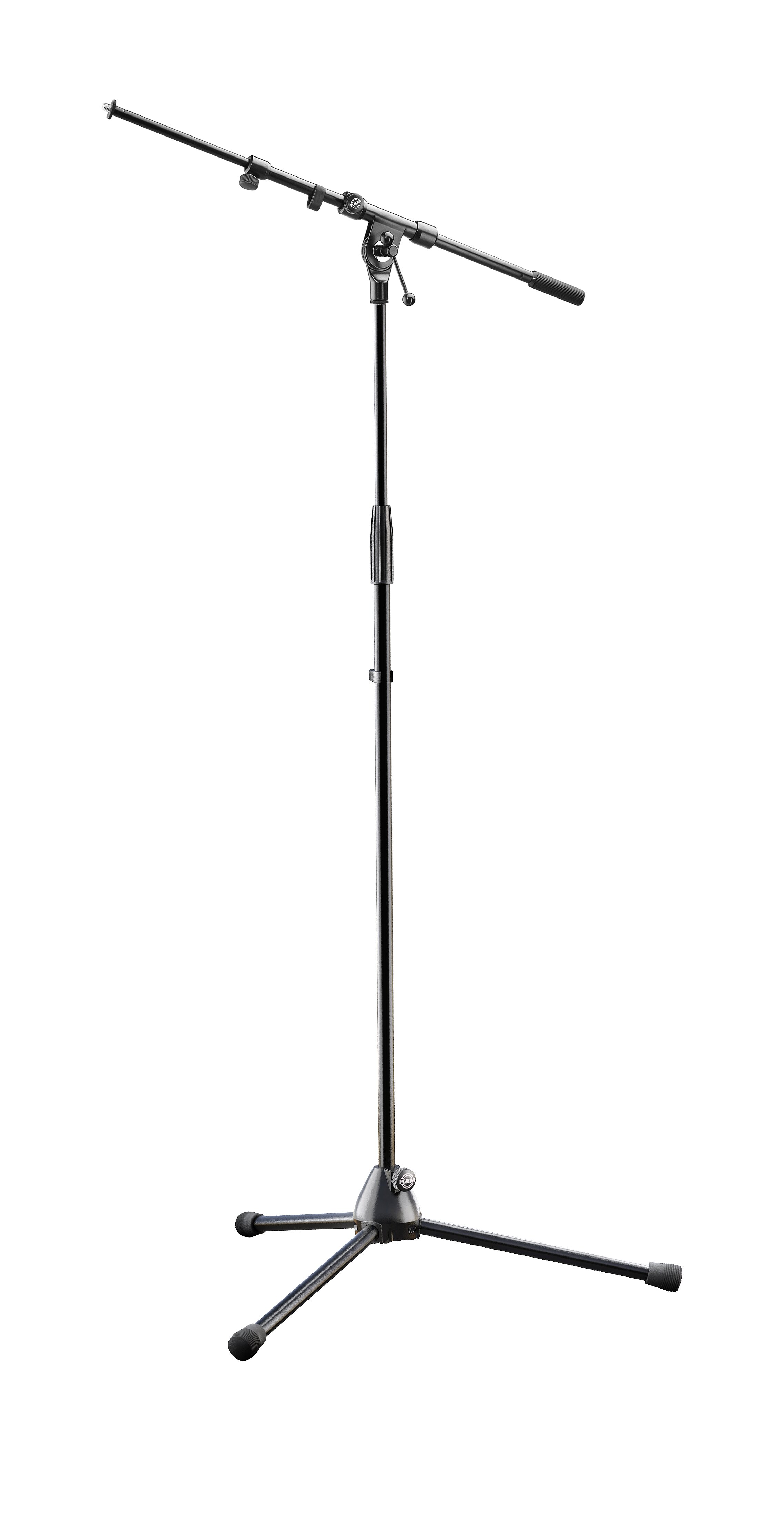
- Stands: tall and stable, such as the K&M 210/9.
Feedback and speaker placement
Choir mics are far from the singers, so the mixer has to add a lot of gain. The more gain, the more easily the mic picks the speakers back up and starts to ring. That is why a choir can never be made as loud as a band's lead singer. The aim is for the choir to sound as clear at the back of the room as in the front rows, not louder than it would unamplified.
Put the speakers in front of and to the sides of the mics, not pointing at them. A cardioid mic is least sensitive at the back, so with the mic aimed at the choir, its back faces the room and the speakers. Do not put monitors in front of the choir unless they are truly needed. Speaker placement is covered in "Speaker placement indoors and outdoors", feedback in "How to prevent microphone feedback".
Soloists, conductor and piano
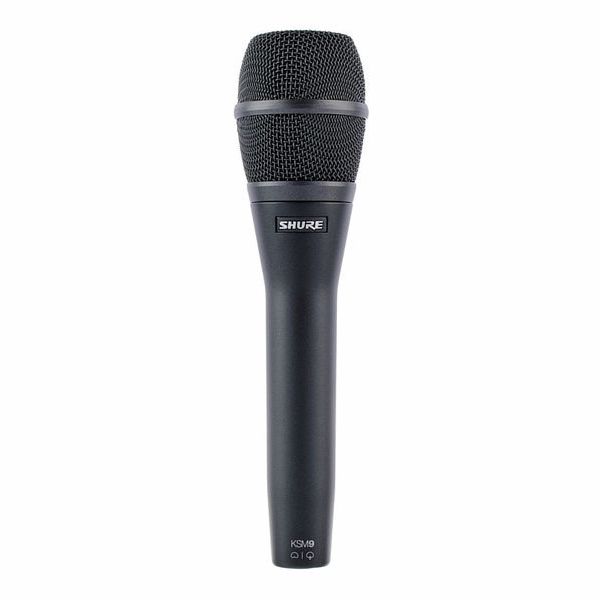
When a soloist steps out of the choir, they need their own mic, because the choir mics do not bring out a single voice. A wired or wireless handheld on a tall stand in front of the choir works, such as a wireless mic with a Shure KSM9 condenser capsule, or an SM58. Open the soloist's mic only for their part, otherwise it hears the choir up close and upsets the balance.
A conductor or host who talks to the audience also needs a mic, because the choir mics point the wrong way for them. A piano gets one or two condensers, such as the SM81, under the lid or in front of the open lid. The piano is usually louder than the choir, so its mic needs little gain.
Vocal ensemble and small instrumental group
Four to eight singers are an in-between case. If the ensemble sings together and wants to keep its own balance, two condensers in front work as for a small choir. If it sings with a band or loud accompaniment, each singer gets their own vocal mic and the balance is made at the mixer. Miking an acoustic line-up is described in "Sound for an acoustic gig".
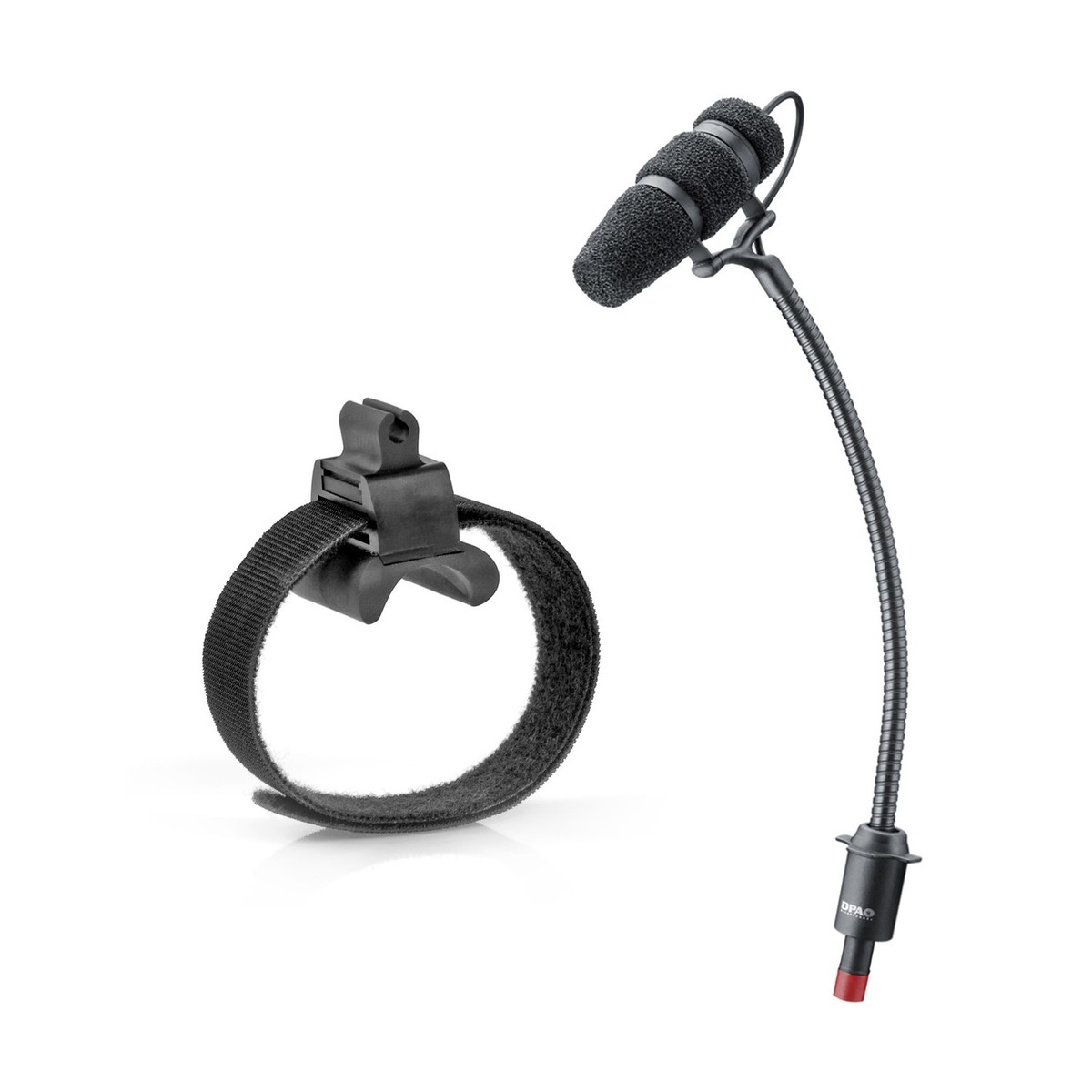
In a string or wind ensemble, mics clipped to the instrument, such as the DPA 4099, move with the instrument and pick up less of the neighbours. A double bass or cello can also have a DI box if the instrument has a pickup.
Recording and sound check with a choir
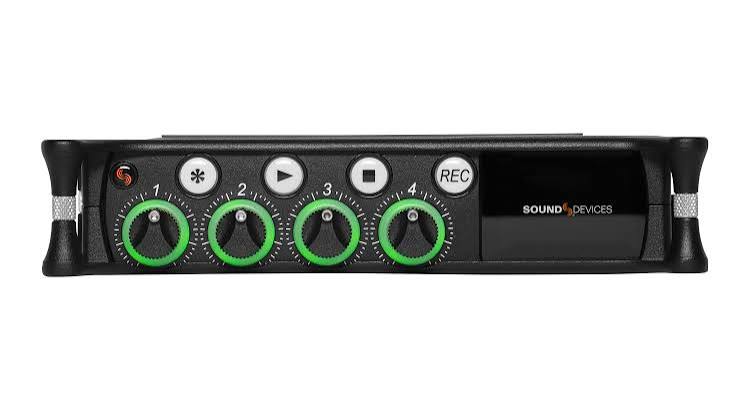
If the concert is recorded, set up a separate stereo pair for it, such as the Sennheiser MKH8040 on a tall stand in the room in front of the choir, and record it to a recorder or a separate track on the mixer. Mics for the room and mics for the recording do different jobs. The ready-made option is the "Concert recording kit"; recording is covered in detail in "Recording the sound of an event".
Do the choir's sound check with everyone present and with both a loud and a quiet piece. Walk the room and raise the gain carefully until the choir is clear at the back. If it starts to ring, pull the gain back a little rather than adding top with EQ. Mark the mic positions on the floor with tape so they go back to the same place for the concert.