A typical programme and what each part needs from the sound
Most company nights follow the same rhythm: a reception with background music, a welcome speech from the CEO, a programme led by the host, staff recognition, dinner and finally a dance set. Each stage uses the equipment differently, and a good plan notes for every part where the sound comes from and who holds the microphone.
- Reception: quiet background music from a laptop or phone; people need to be able to talk.
- CEO speech and awards: a speech microphone, and if there is a video, its audio from the laptop.
- Dinner: background music even quieter, the host makes occasional announcements.
- Dance set: a band or DJ, a subwoofer and full volume.
How many microphones and which type
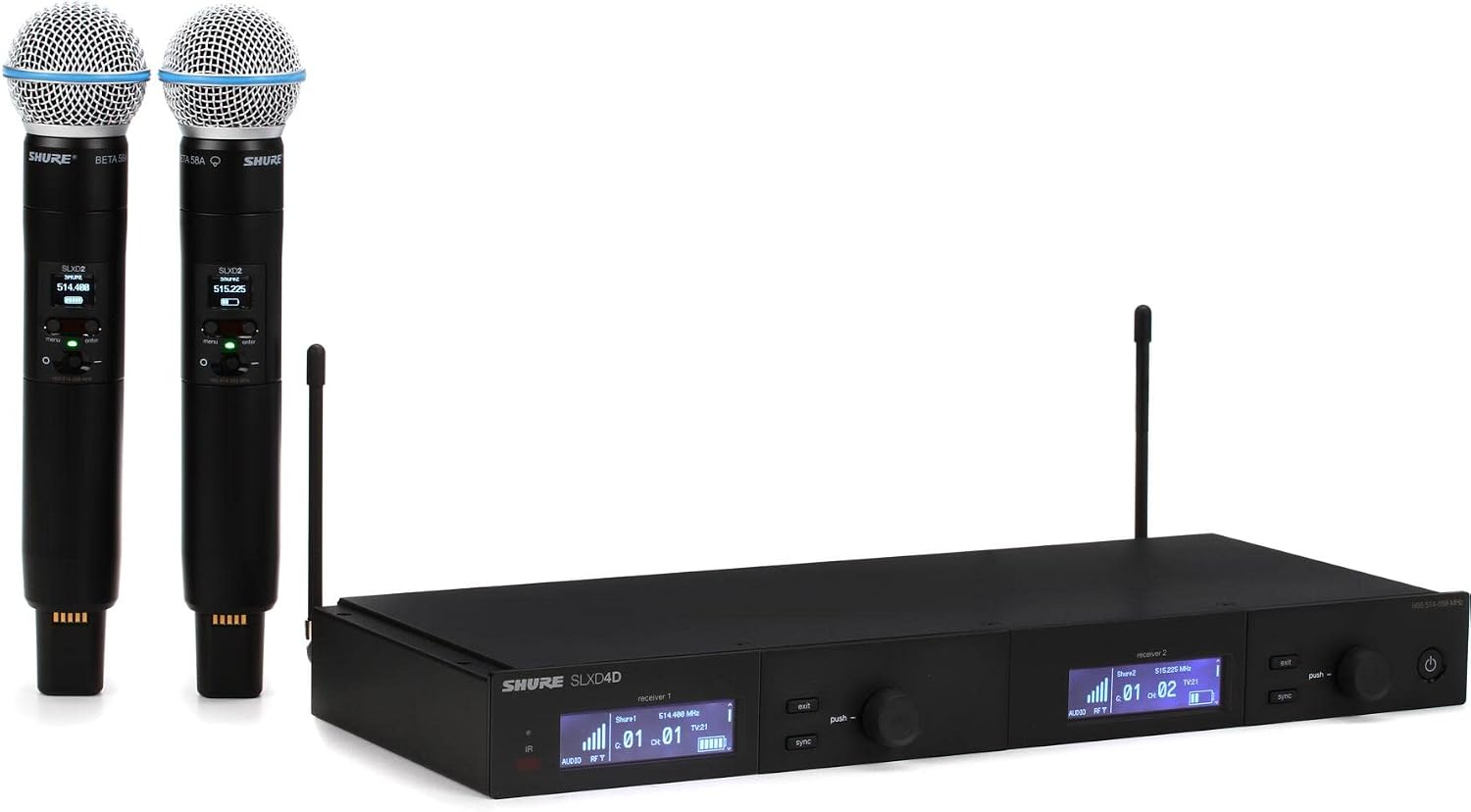
Two wireless handheld microphones are almost always enough. One belongs to the host and never leaves their hand; the other moves between speakers and award winners. The Shure SLXD24D/B58 is exactly that: a dual-channel digital system with two BETA 58A handhelds.
If the host walks around the room, runs games or needs both hands free, swap their handheld for a headset or a lavalier. For the CEO's speech, a lectern with a microphone on a stand works better than a handheld: a nervous speaker often holds the microphone at chest height and the voice disappears.
Speakers and subwoofer by number of guests
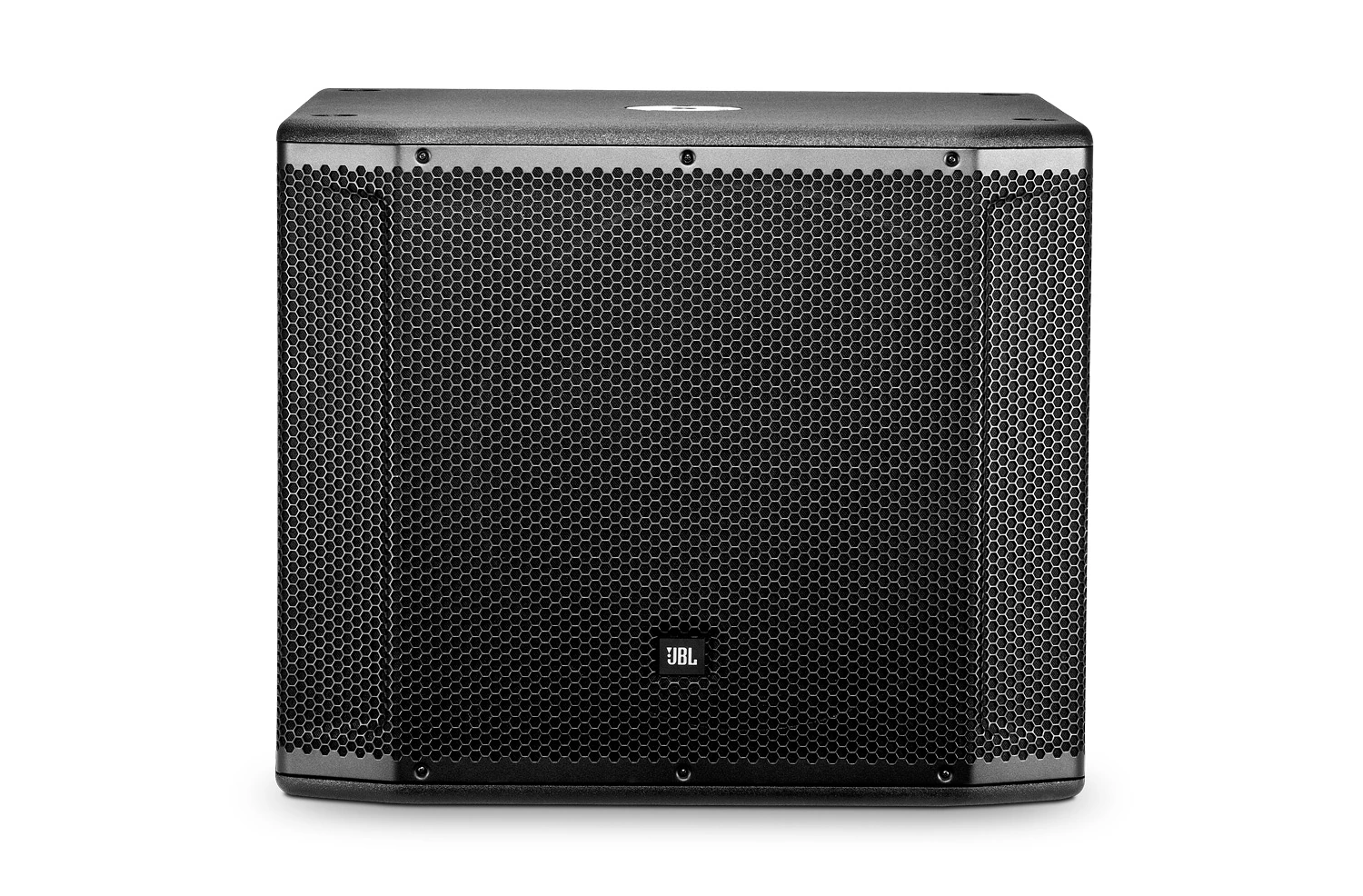
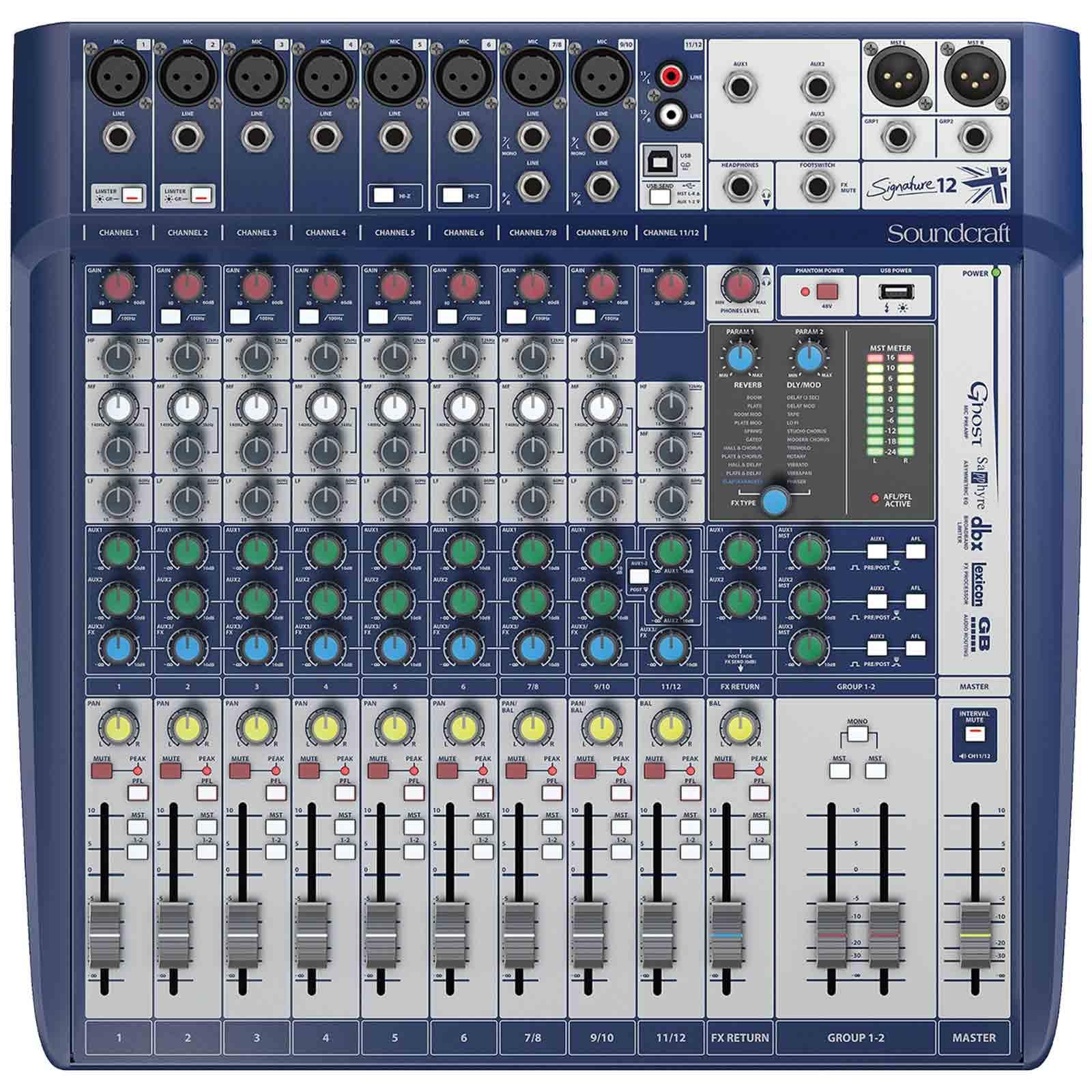
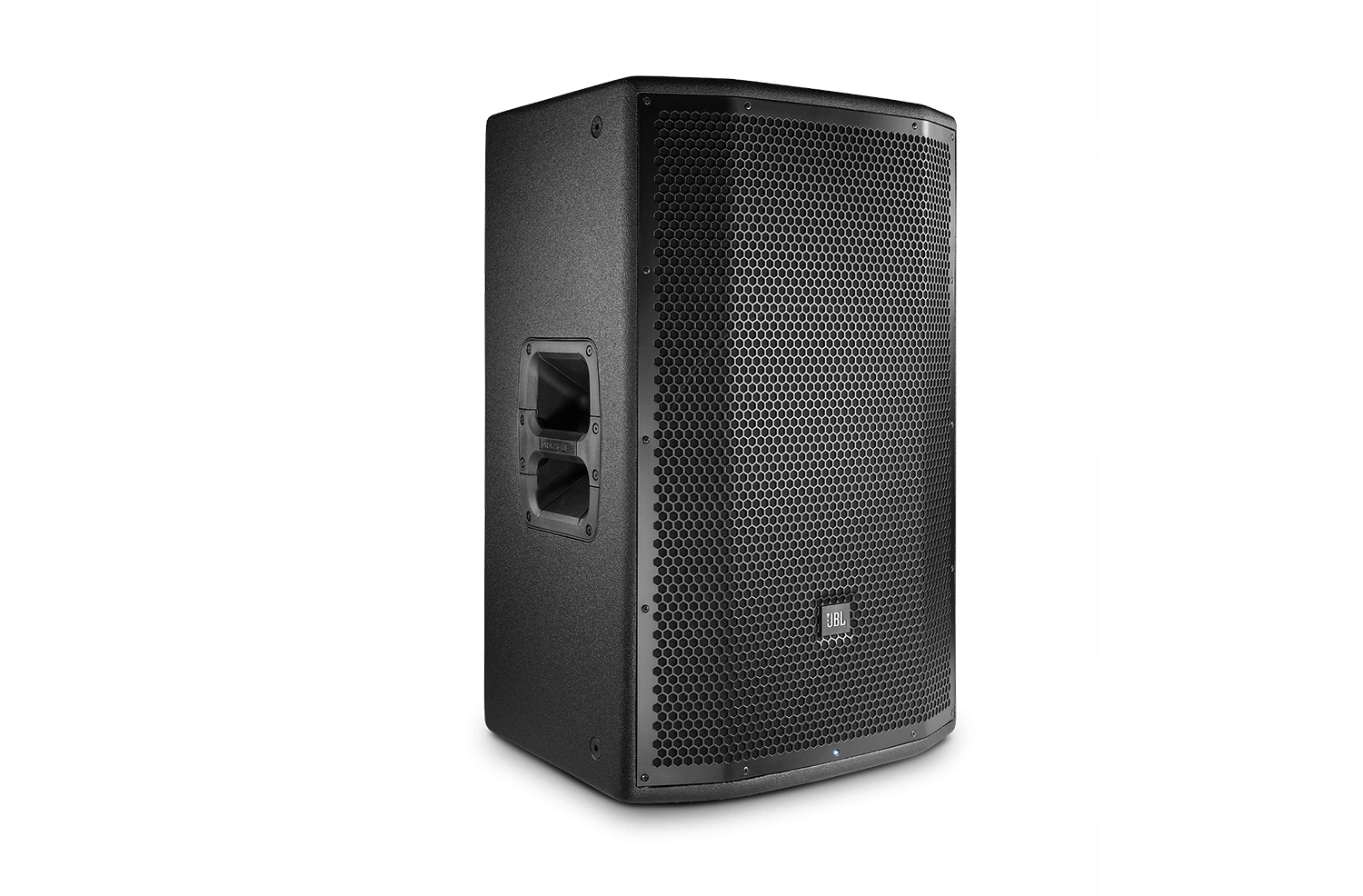
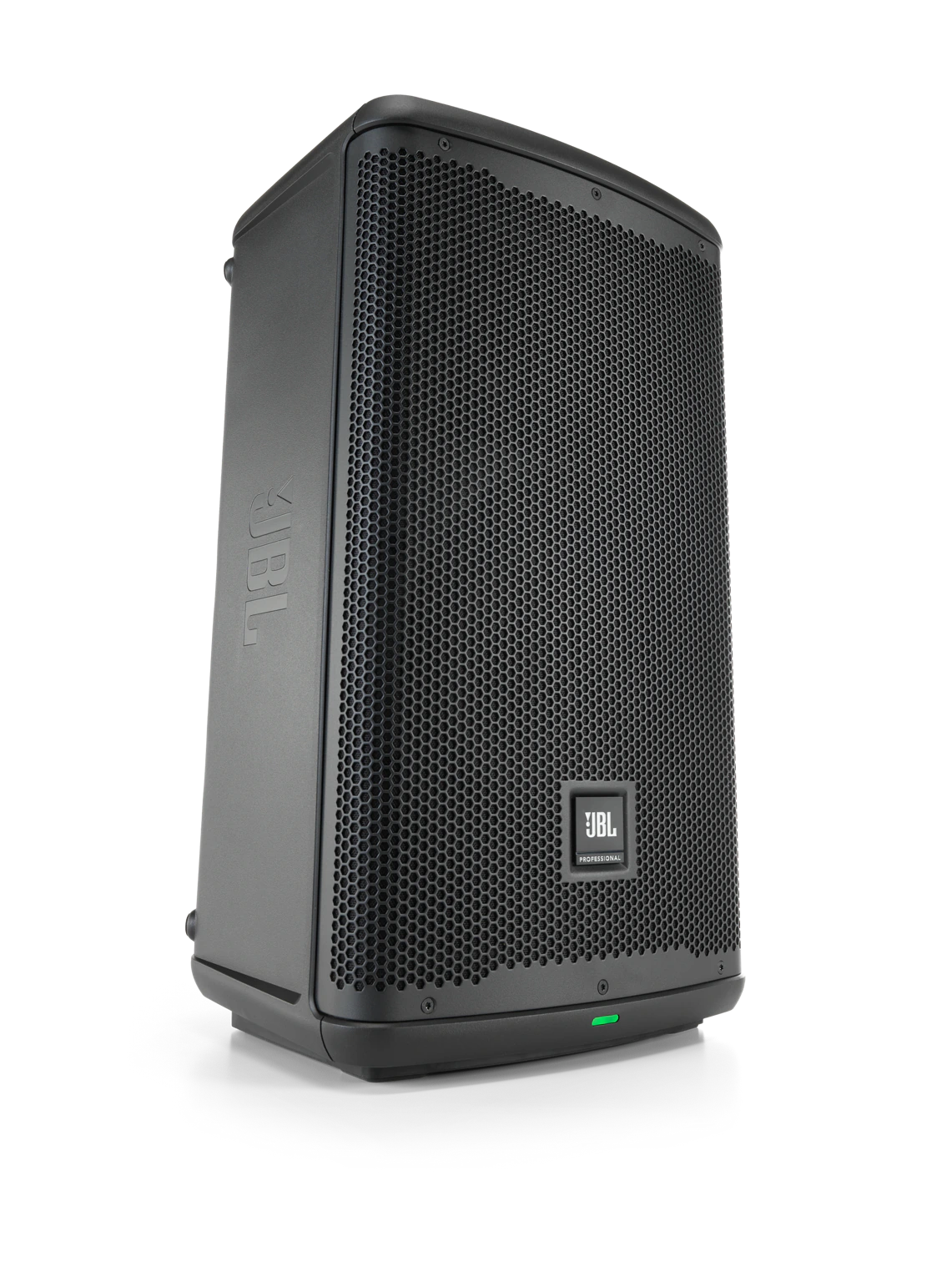
For up to 50 people with no dancing, the Speech kit for up to 50 people does the job: two JBL EON710 speakers and a small Soundcraft Notepad 12FX mixer. If the same group also wants to dance, choose the Party kit for up to 100 people, with two 15-inch JBL PRX815 speakers and one JBL SRX818SP subwoofer.
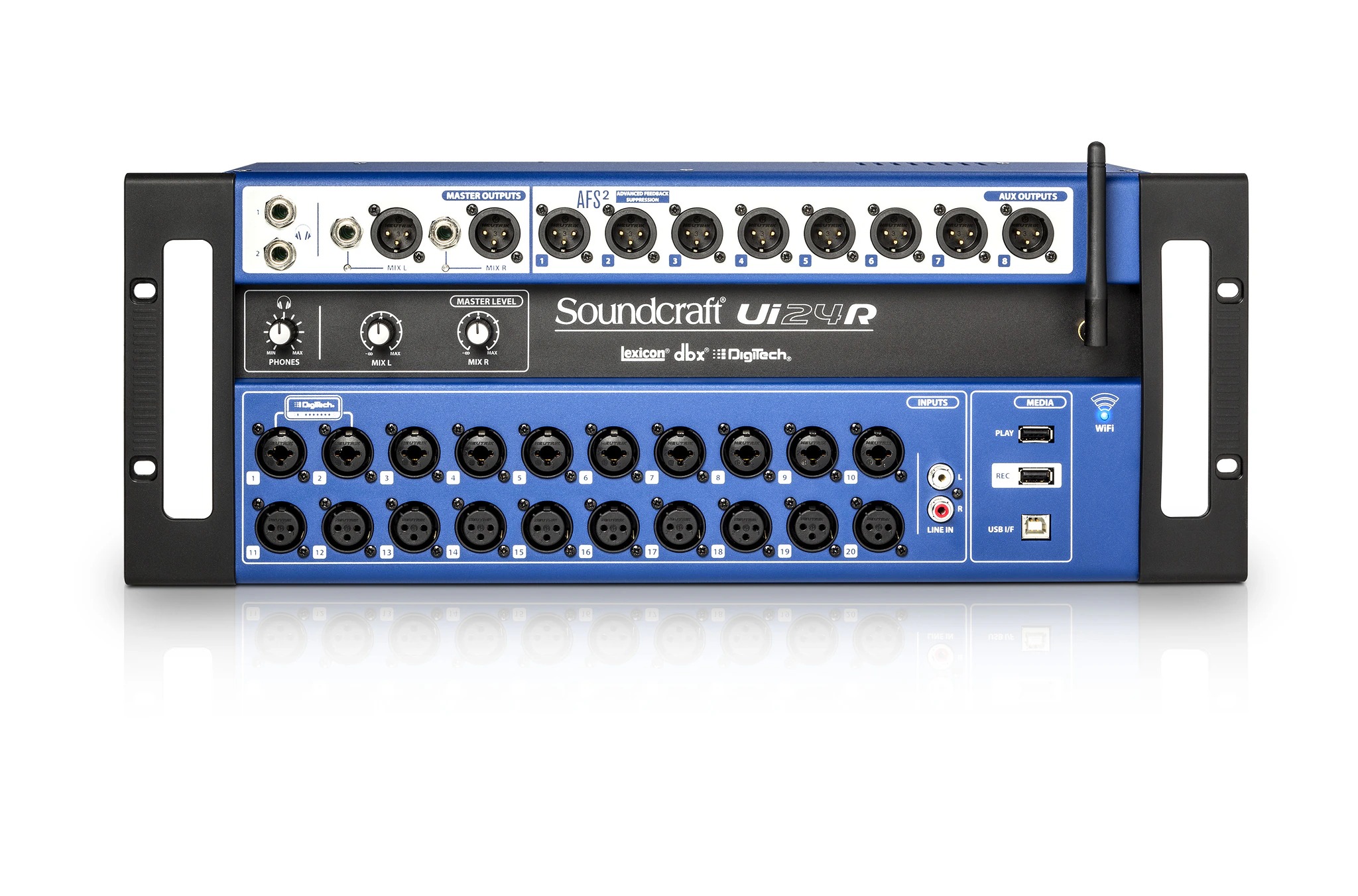
For a room of 150 to 200 guests there is the Party kit for up to 200 people: two JBL SRX812P speakers on top of two SRX818SP subwoofers and a Soundcraft Ui24R digital mixer that can be run from a tablet at the back of the room. If a live band plays, look at the Live band kit for up to 200 people, which adds stage monitors and instrument microphones.
Who runs the desk
During the speeches someone has to watch the microphone levels: speakers talk at very different volumes, and an award winner is usually quieter than the host. At a small event, one technically confident person from the organising team can handle it, as long as they are not also greeting guests at the door.
With a band or several performers, book a technician who stays for the whole evening. The technician's work and the setup are a separate service priced in the offer. See also our guide on when you can handle a rental yourself and when not.
Typical mistakes at corporate events
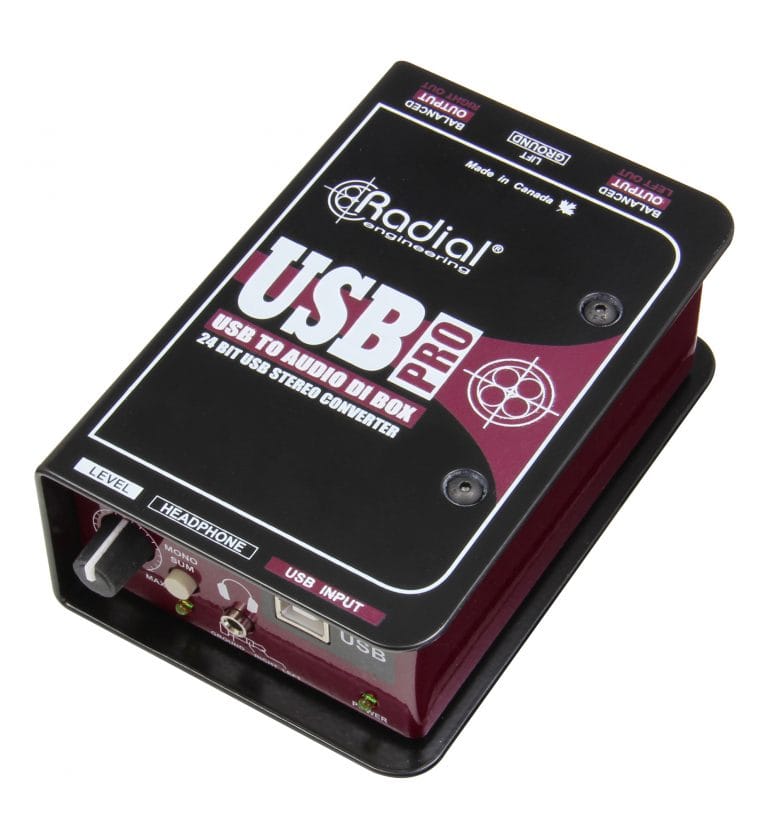
The most common problem is a greeting video whose audio cannot be heard. The laptop's headphone output gives a buzzing signal or nothing at all, because nobody thought about the cable. The Radial USB-PRO laptop DI box connects the computer over USB straight into the mixer and fixes both issues.
- Background music at the reception so loud that people have to shout.
- The band brings its own PA, but nobody planned what the speakers use before the band starts.
- Speakers placed behind the stage, so the microphone squeals when the host steps in front of them.
- Microphones run out of battery mid-evening because nobody changed them beforehand.