Stage plot
A stage plot is a simple top-down drawing of the stage showing where musicians, instruments, amps, monitors and power points go, and which way the audience faces.
What a stage plot is
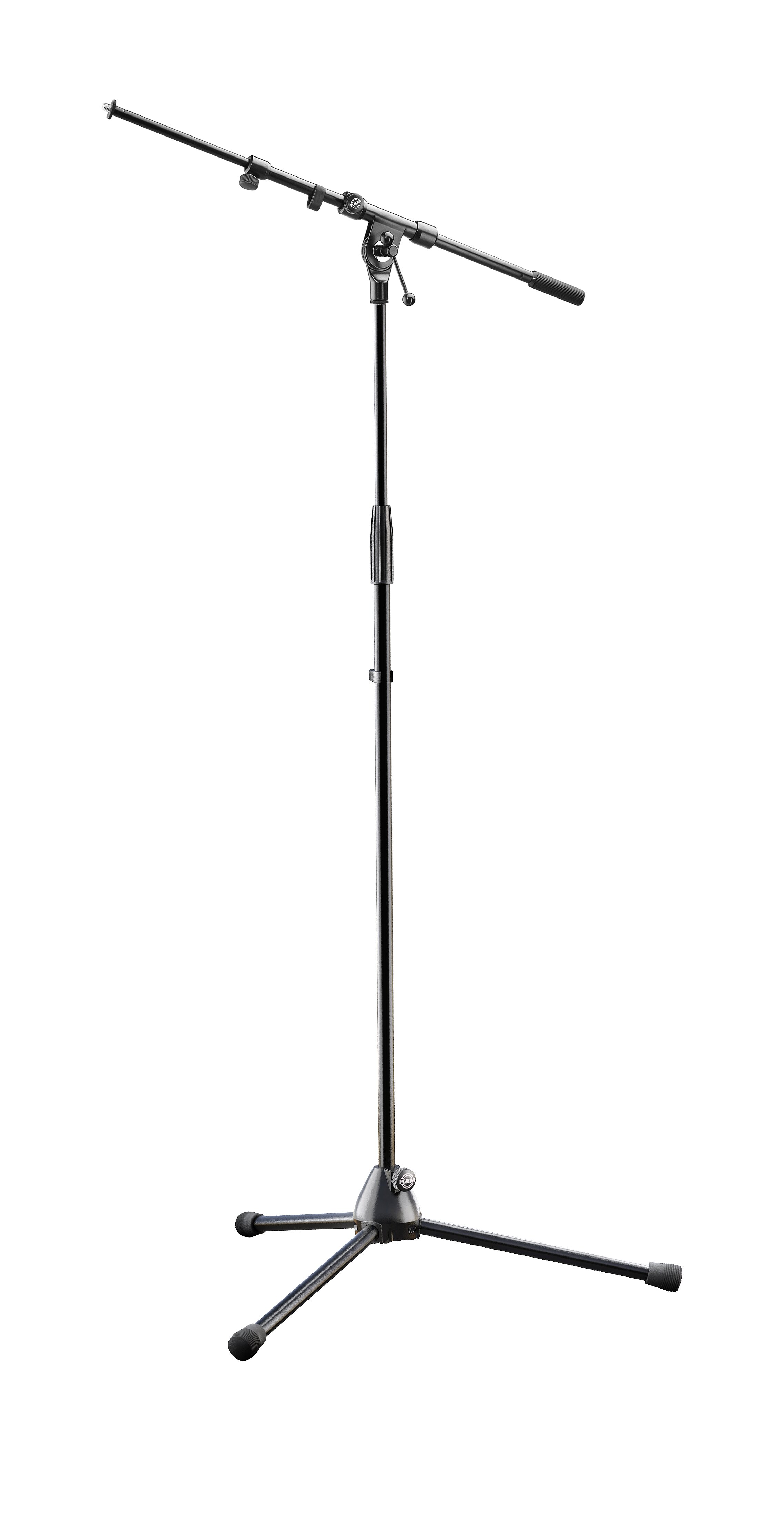
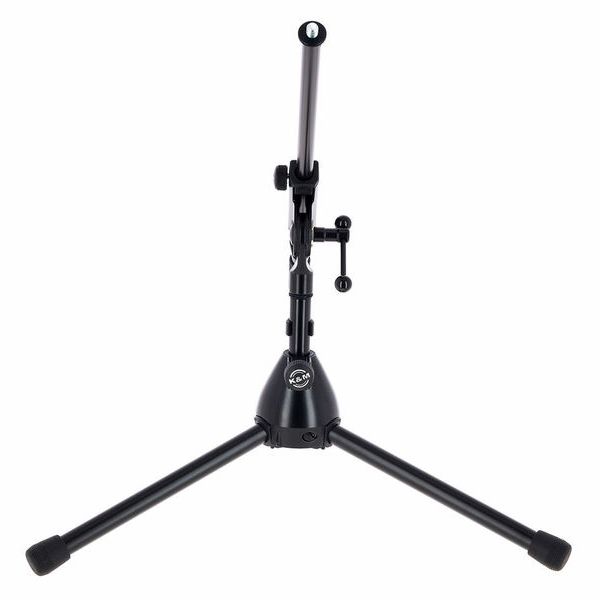
A stage plot is the layout drawing of a band or a show. It is a view of the stage from above: the audience at the front, the back wall behind, and in between the position of each musician with their instrument, mic stand and monitor. Artistic accuracy does not matter; a hand-drawn sketch photographed with a phone is perfectly usable as long as it is clear.
The stage plot complements the input list. The list says channel 12 is an acoustic guitar through a DI box; the plot shows that the guitarist sits on the right edge of the stage and needs a power socket and a wedge next to them.
Why the stage plot matters
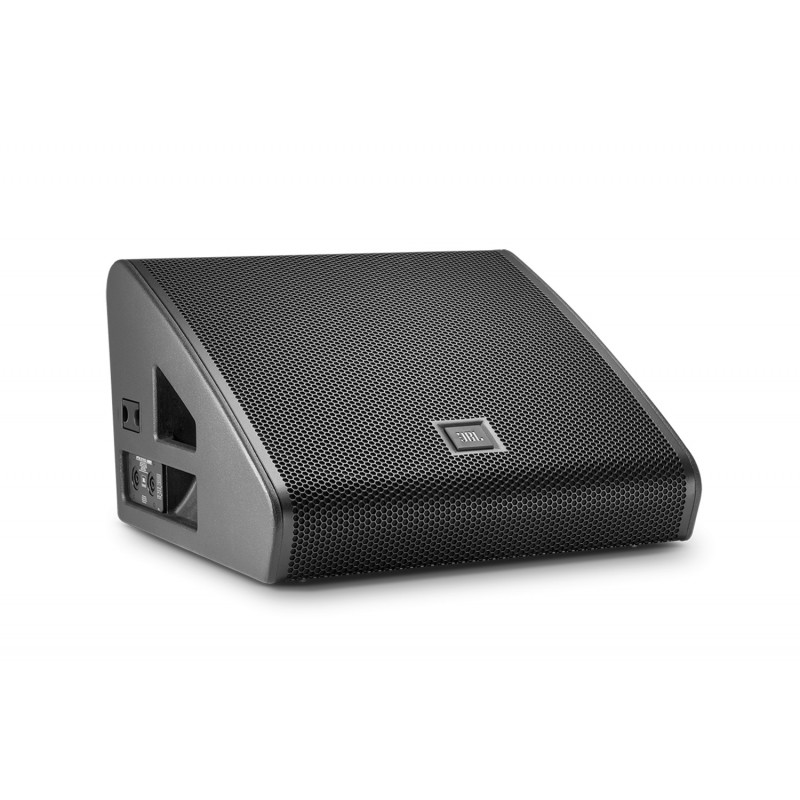
With a plot in hand the engineer can plan cable runs and where the stagebox goes before arriving. They see whether the drums are in the centre on a riser, where the guitar amps stand and whether the stage is big enough for the band at all. If the plot shows five wedges, the engineer knows the rental needs five stage monitors, for example JBL VTX M20 or PRX812, and five separate monitor mixes on the mixer.
At a changeover the plot matters even more. When every band sends its own plot, the stage crew can prepare the next band's instruments and stands so the turnover goes quickly.
What to mark on a stage plot
Use simple symbols with a label next to each. The engineer can ask about the rest.
- The direction of the audience, so it is clear which side is stage left and which stage right.
- Each musician's name or role, with their instrument and microphone.
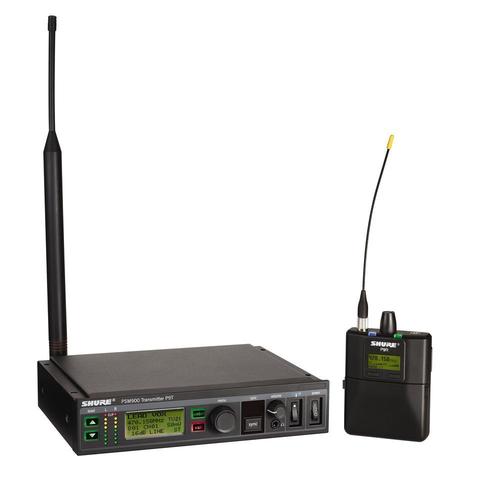
- Monitors with a number matching the monitor mix, or a note for an in-ear system.
- Power sockets for amps, keyboards and pedalboards.
- Risers for drums or keys and their approximate size.
- Whether the singer uses a handheld on a stand or moves around with a wireless mic.
Common mistakes
A stage plot only helps if it matches how the band really stands on stage.
- Left and right are drawn from the musician's view while the engineer reads them from the audience. Always write which view it is.
- Power sockets are missing and extension leads are run across the stage on the day.
- The plot was made for a big stage, the venue has a small corner, and nobody checks whether everything fits.
- The number of wedges on the plot does not match the monitor mixes in the input list.