Sound check
A sound check is the rehearsal before an event where the engineer and performers set the level and tone of every microphone, instrument and monitor under real conditions.
What a sound check is
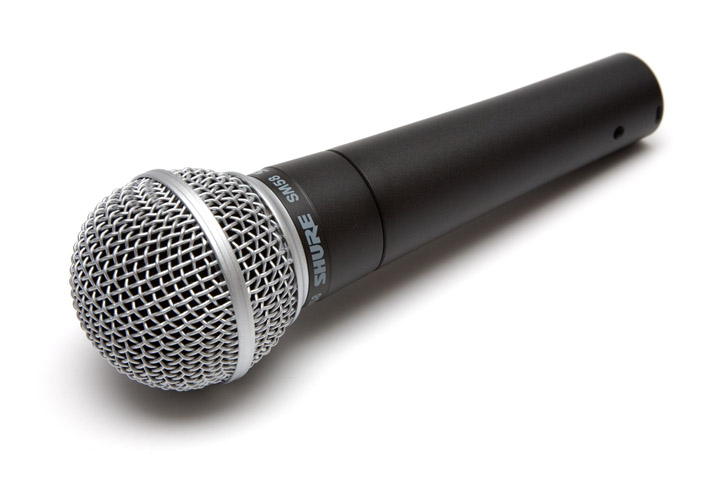
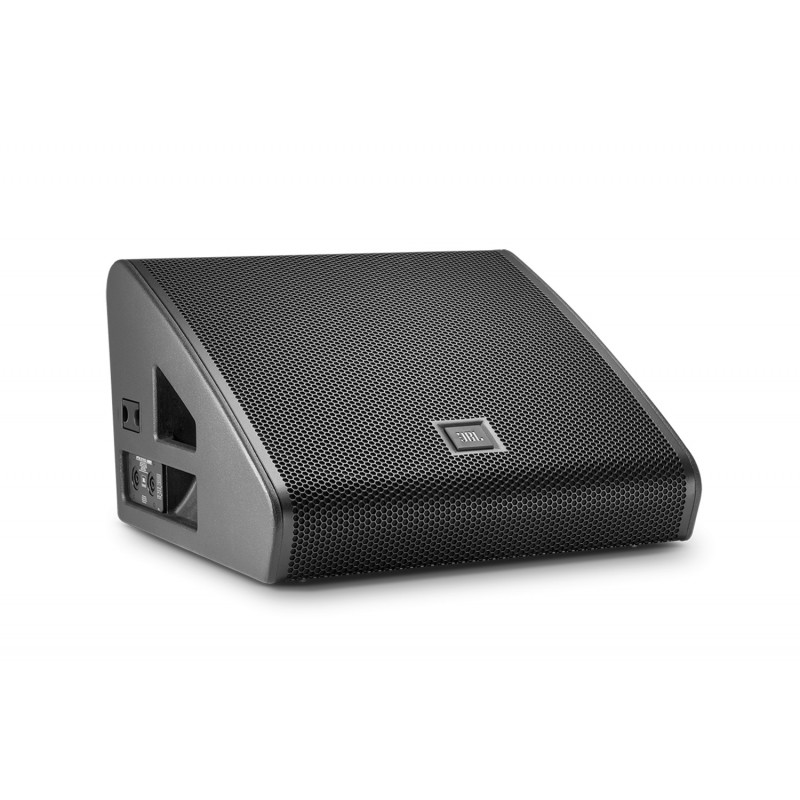
A sound check is the rehearsal before the event: performers play or speak into their actual microphones while the engineer sets each channel's gain, tone and level on the mixer. At the same time the engineer builds the monitor mix on wedges or in-ear monitors so the performers can hear themselves and each other. By the end the room should sound balanced and the stage should be free of feedback.
A sound check is not the same as a line check. A line check only confirms that every cable and channel works. The sound check comes after it and is about the sound itself: how loud the vocal sits against the drums, how much reverb the speech gets and whether the guitar finds its place in the mix.
Why it matters at an event
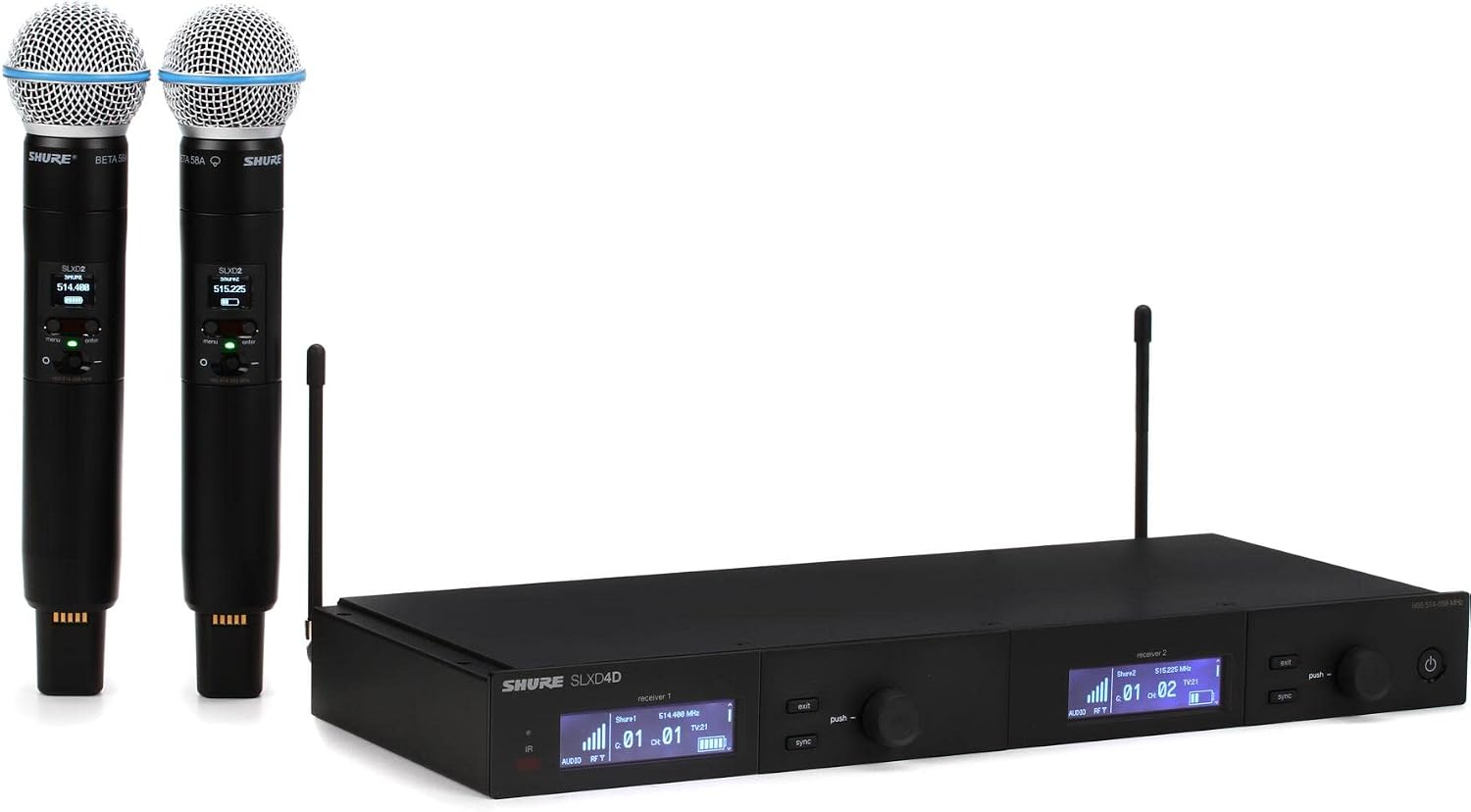
Without a sound check, the first song or the first speech becomes the rehearsal, in front of the audience. The engineer raises gain live, a microphone starts to ring and the performer cannot hear themselves in the monitor. Even at a simple seminar it pays to try each speaker's wireless microphone, because every voice and every way of holding a mic is different.
An empty room sounds different from a full one. People absorb sound, so in the evening you may need a little more level and a little less top end than in rehearsal. An experienced engineer leaves headroom for that instead of pushing everything to the limit during the check.
How to plan the sound check
Put the sound check into the schedule when you plan the day. The equipment has to be set up and connected before it starts, so setup begins earlier. If you rent the equipment with a technician, they run the check. If you set up yourself, follow a step-by-step guide and give each performer their own slot.
- Check with the same microphones, instruments and speakers that will be used in the evening.
- All performers are present and play as loud as they will at the show.
- Doors open only after the sound check is finished.
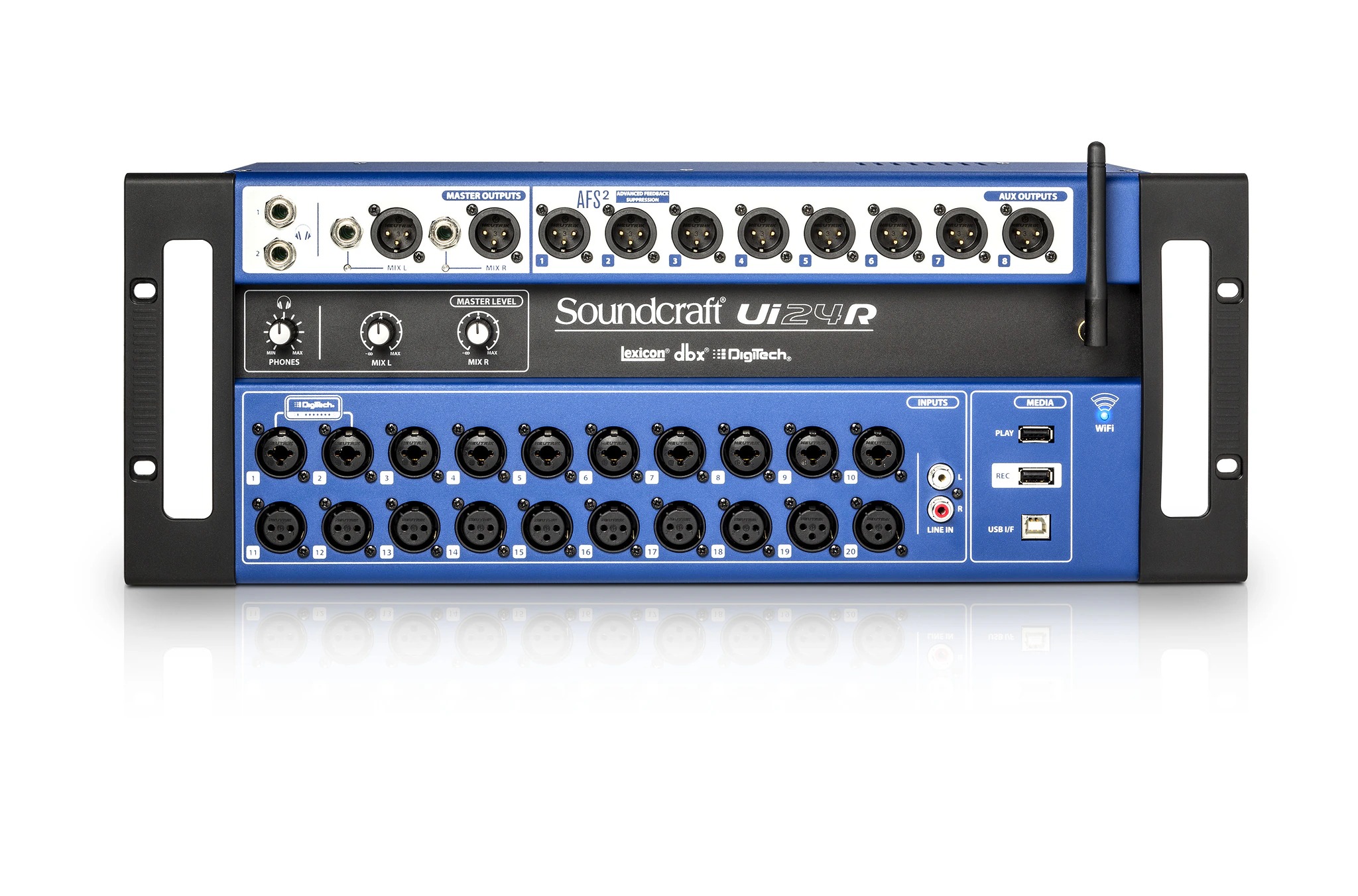
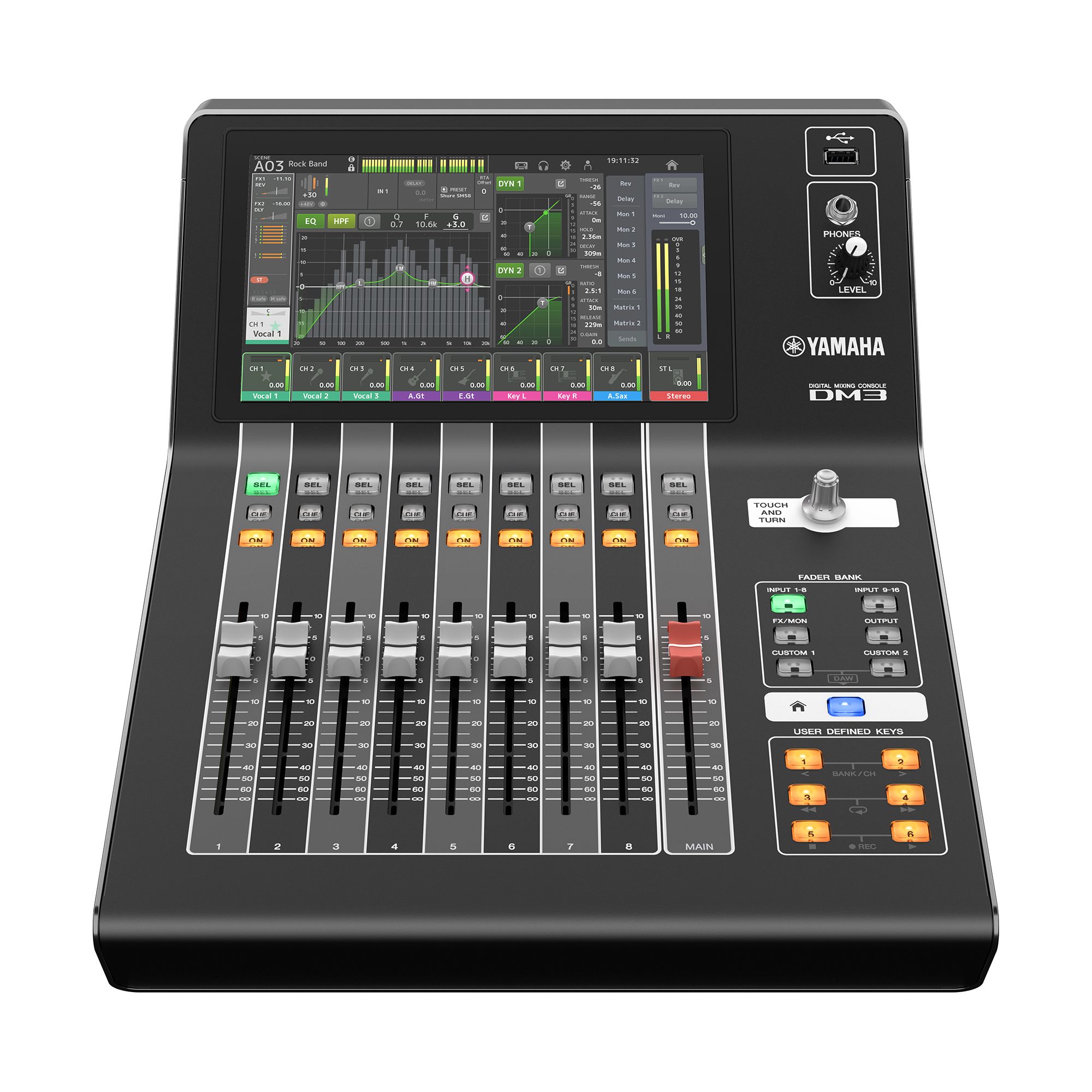
- On a digital mixer such as the Soundcraft Ui24R or Yamaha DM3, save the settings as a scene so nothing has to be found again later.
Common mistakes
Most sound check problems come from a rehearsal that does not match the evening.
- The band plays quietly in the check and much louder at the show, so the whole mix has to be rebuilt.
- The singer is missing from the check and the vocal is set in front of the audience.
- The check is skipped because setup ran late and guests are already arriving.
- Speakers, monitors or microphones are moved after the check and the feedback comes back.
- The performer only says “one, two” instead of singing or speaking real lines.