Subwoofer
A subwoofer is a bass speaker with a large driver that reproduces only the lowest frequencies and takes that heavy work off the main speakers.
Bass you feel in your body
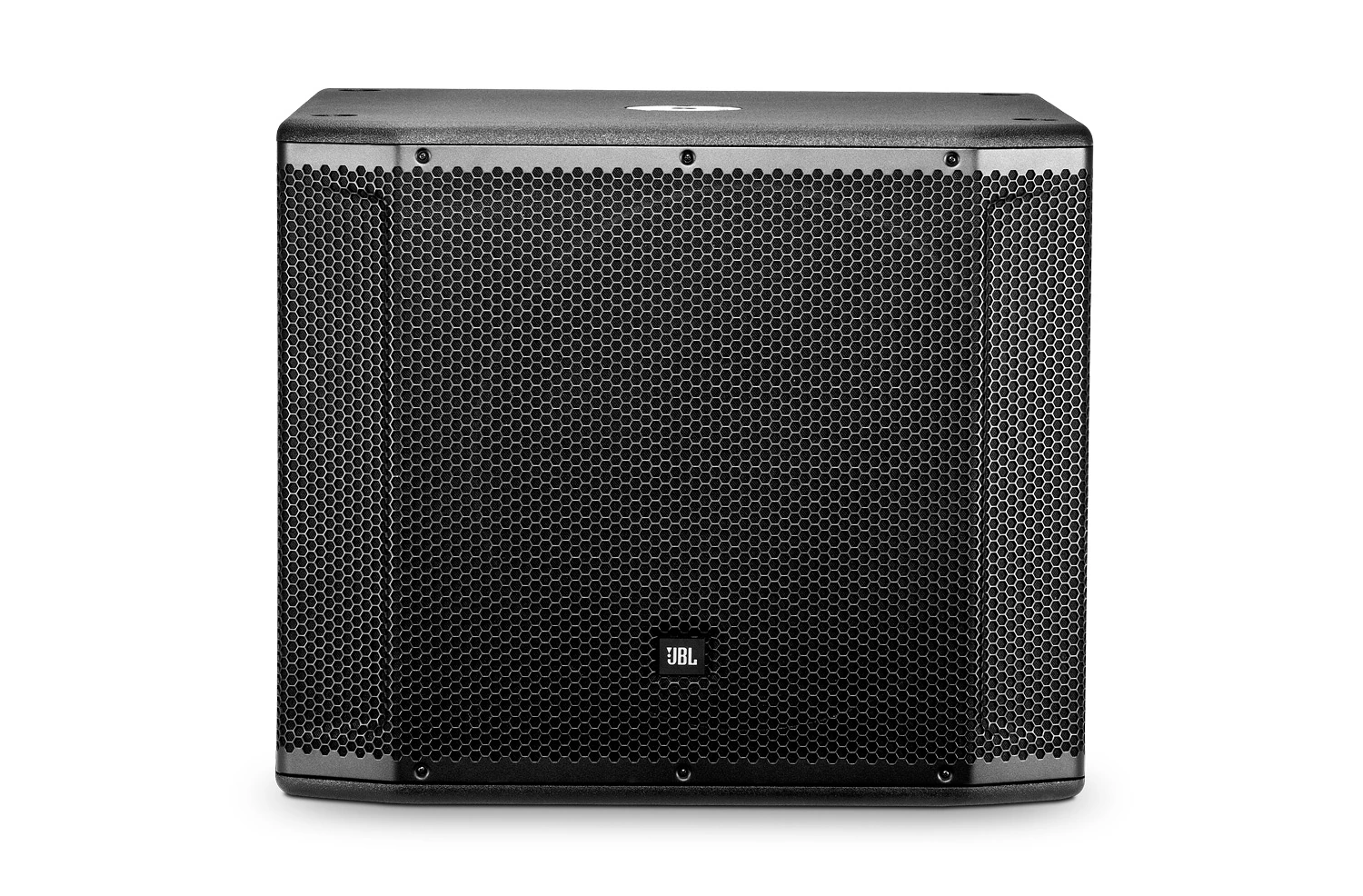
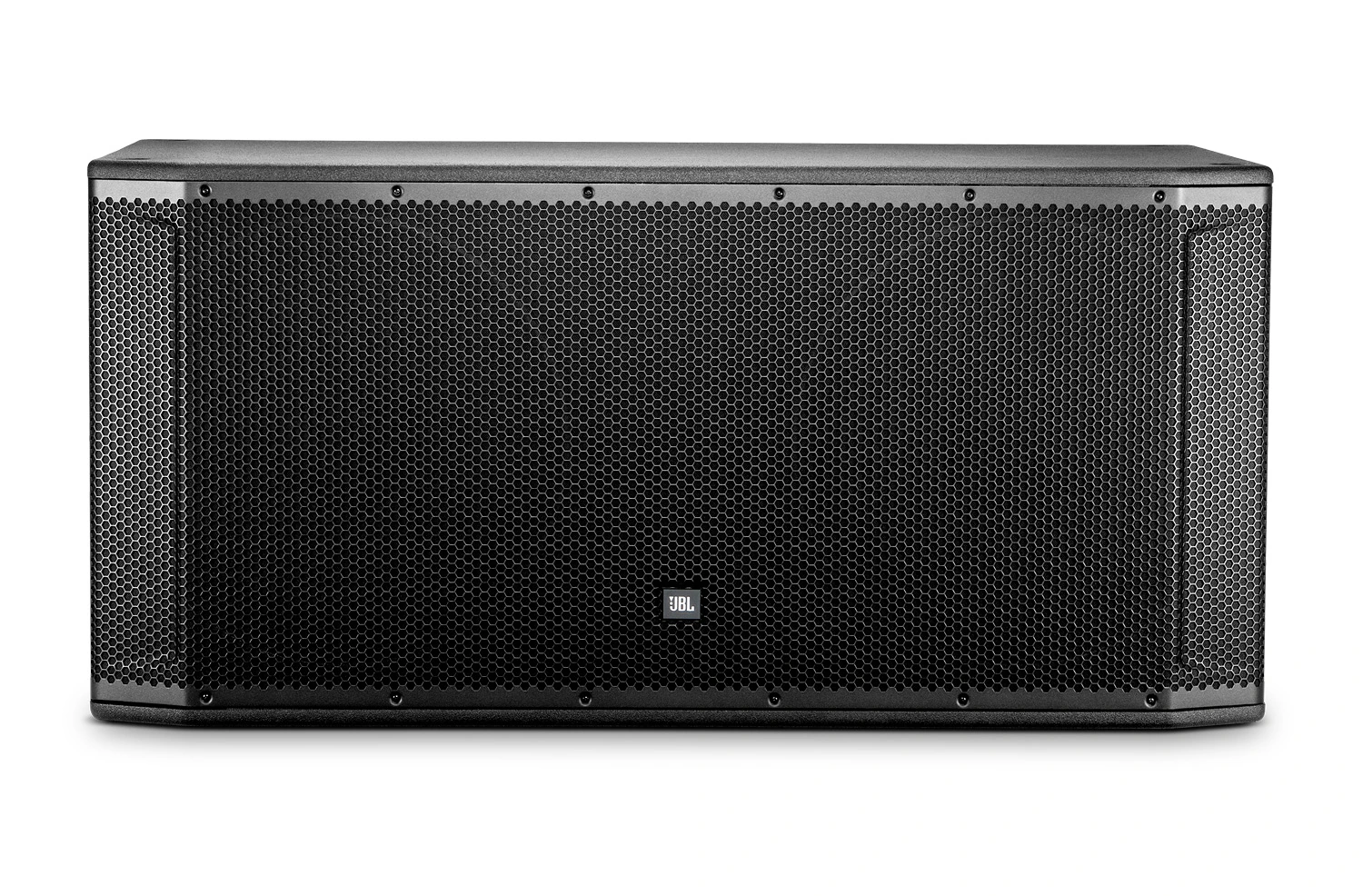
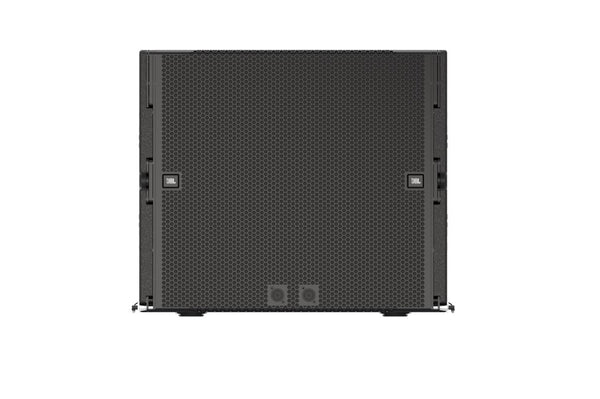
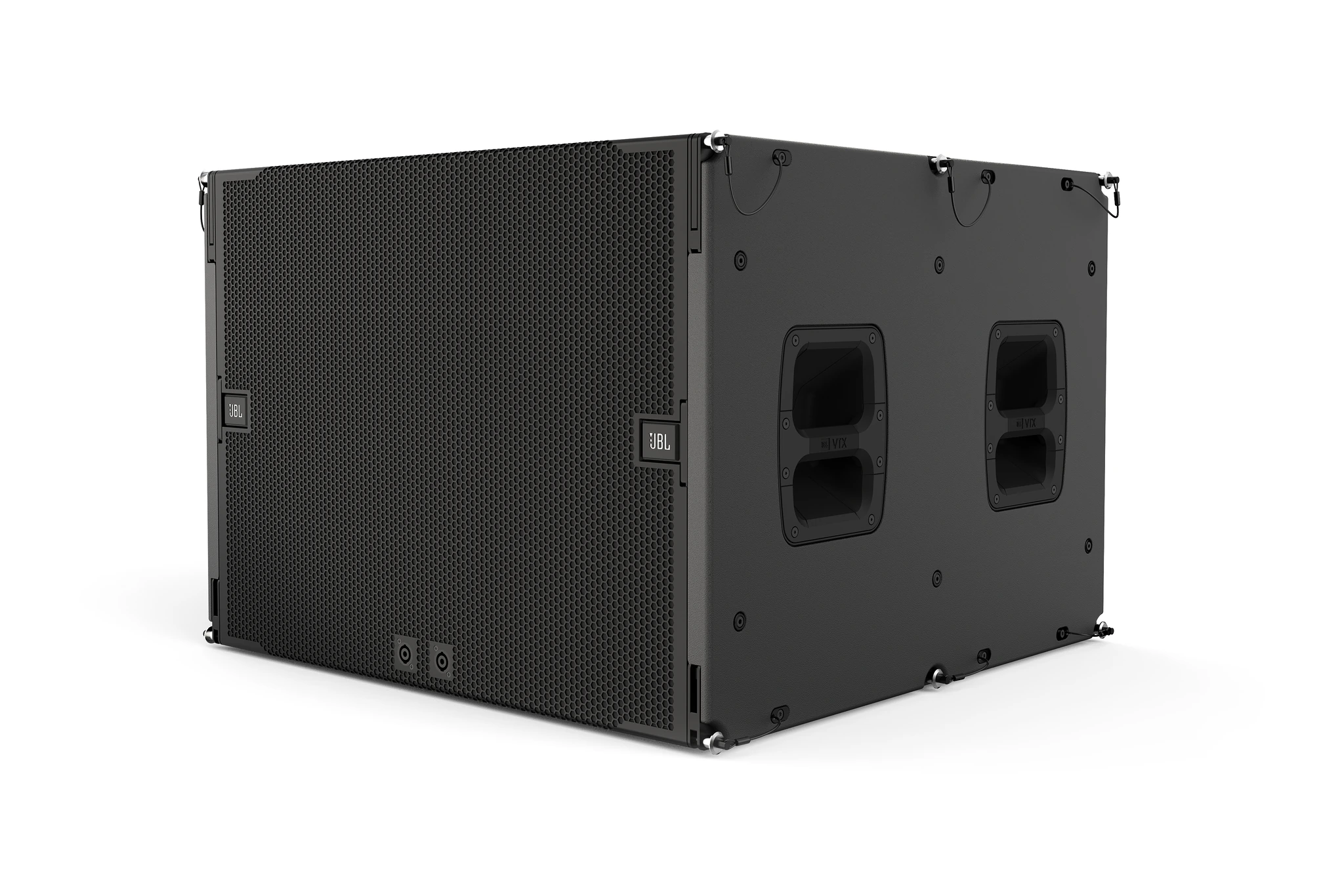
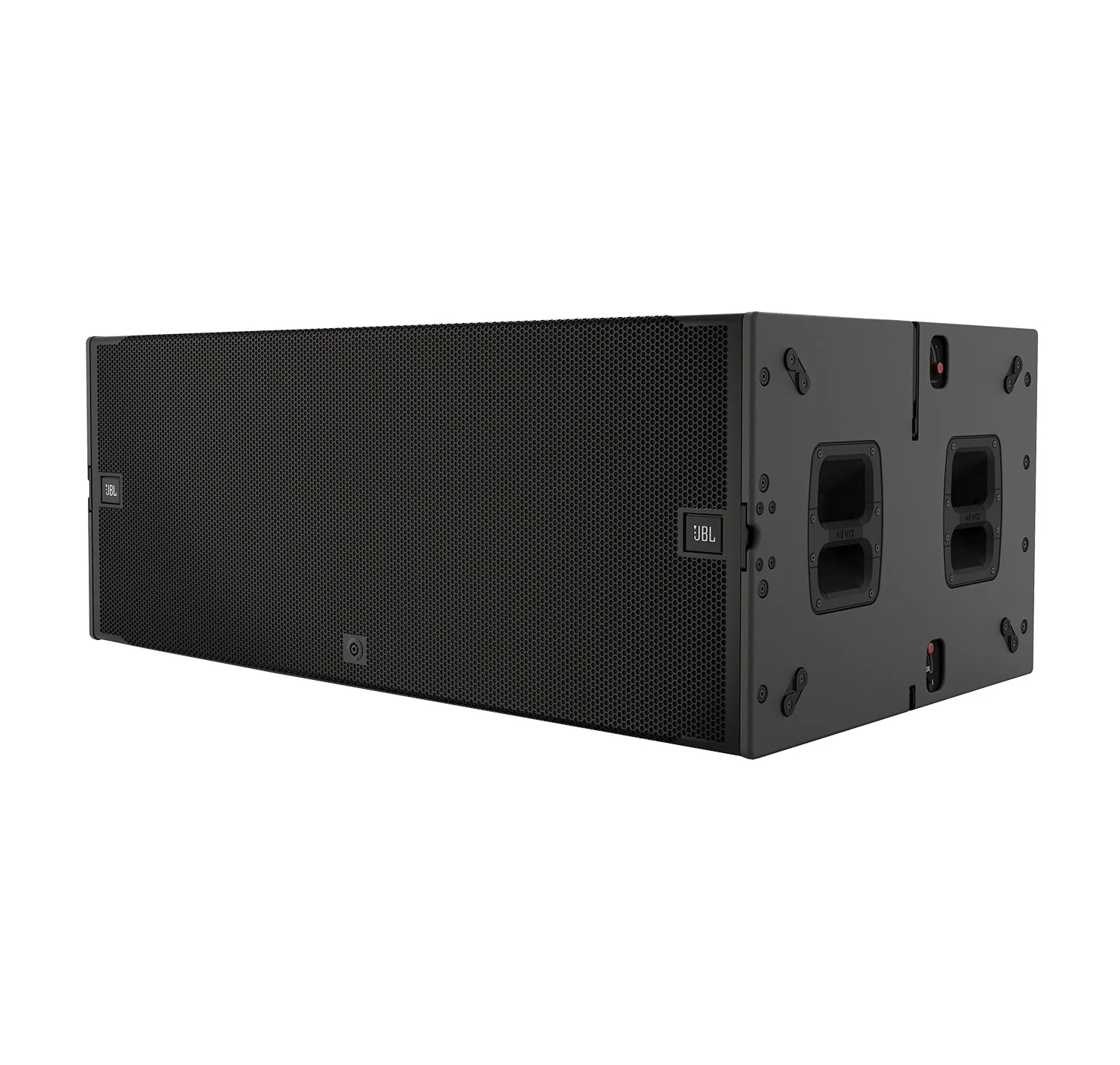
The 10- or 12-inch driver of a normal speaker can play bass, but it struggles to deliver the deepest part, where the kick drum and the base of electronic music live, at enough volume. A subwoofer has one or two 15- or 18-inch drivers in a large cabinet. Per the catalog the JBL SRX818SP plays 29–150 Hz and the VTX B28 goes down to 25–80 Hz. These are frequencies you feel in your chest more than you hear.
How a subwoofer fits into the system
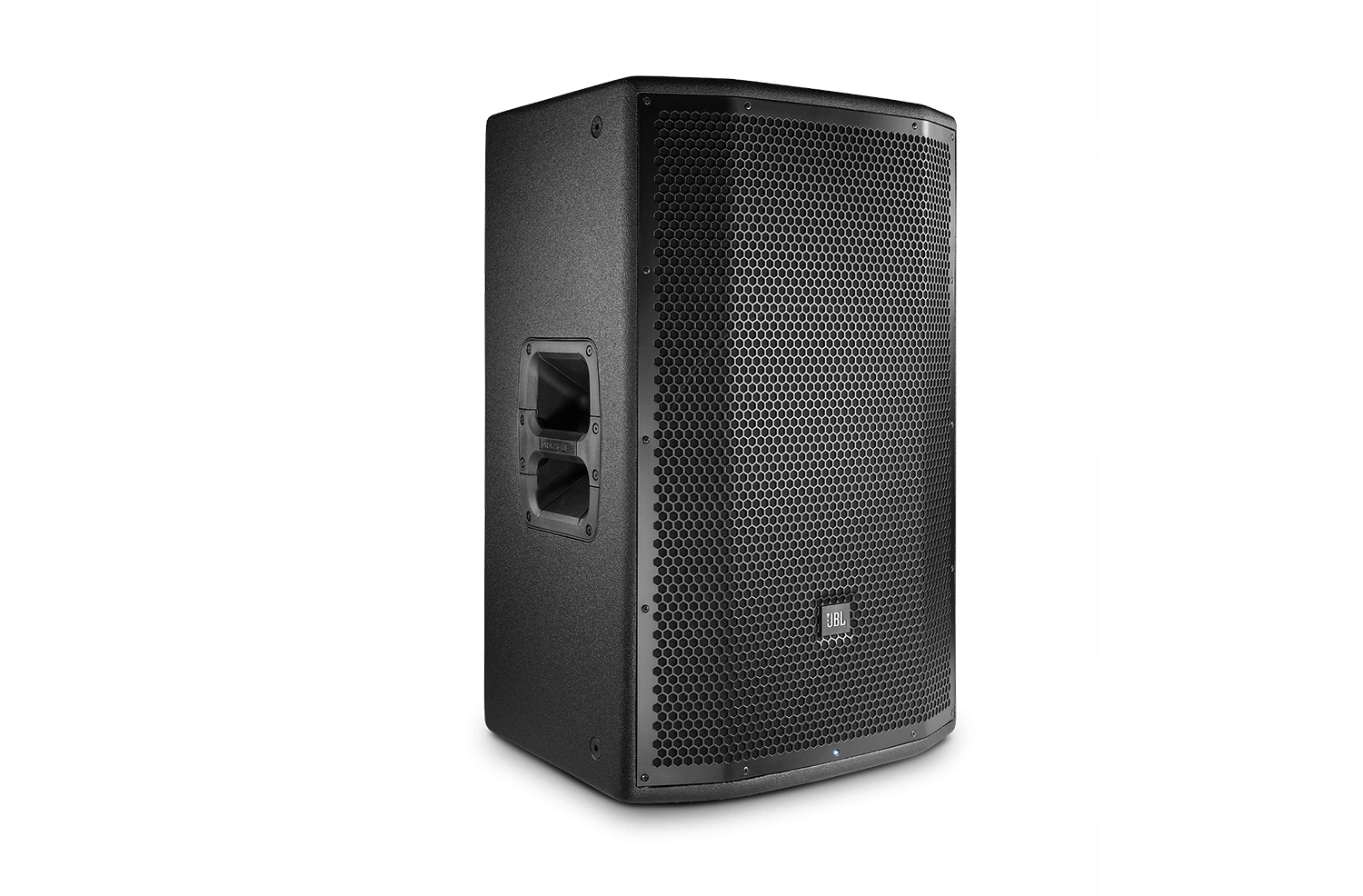
A crossover splits the signal in two: low frequencies go to the subwoofer, the rest to the main speakers. Active subwoofers such as the SRX818SP and SRX828SP have the crossover built in, and the top speaker can be fed from the subwoofer's output. The passive VTX subwoofers get their signal from a Crown amplifier whose processor does the split. Freed from deep bass, the main speaker works more easily and sounds clearer.
Placement and quantity
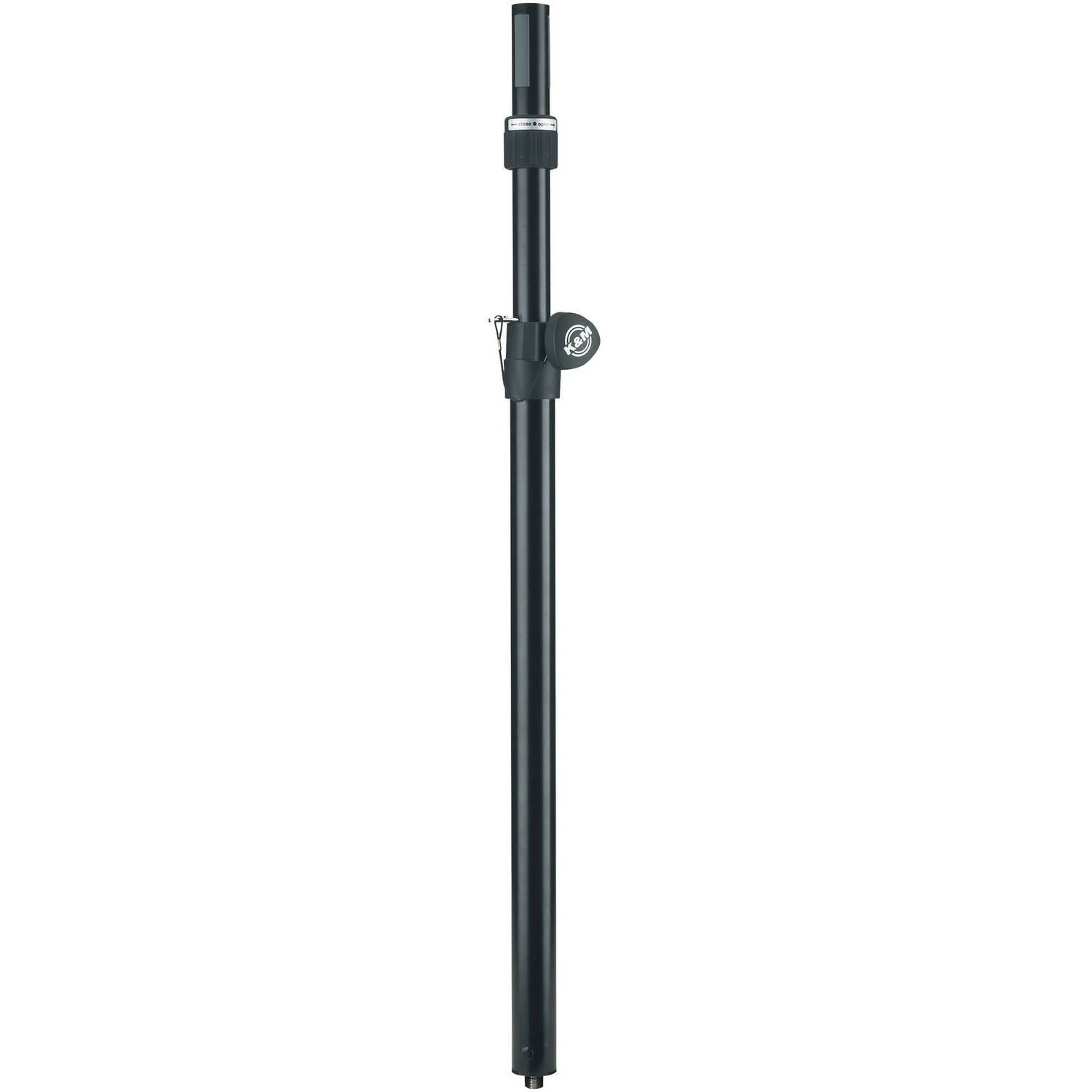
Bass spreads in all directions and along the floor, so subwoofers usually sit on the ground, in front of the stage or under the main speakers. Two subwoofers at opposite sides of a stage can create a strong bass zone in the middle of the room and weak spots elsewhere. Placing two boxes side by side often gives a more even result. A Speaker Pole lifts the top speaker onto the subwoofer so it sits above the audience's heads.
Common mistakes
A speech event usually does not need a subwoofer, and loud bass actually makes speech muddier. Another mistake is turning the bass up so far that it carries through walls to the neighbours: low frequencies pass through structures far better than high ones. A third is putting a subwoofer in a corner without allowing for it, since the corner boosts the bass and makes it boomy.