When do you actually need a subwoofer
The subwoofer is the most often over- or underestimated part of a sound system. It gets ordered for a speech event where it does nothing, and left out of a dance party where people then wonder why the floor stays empty. Here is the technician's view: when a sub is needed, how many, where to put them and what to keep in mind before you confirm the hire.
What a subwoofer does and does not do
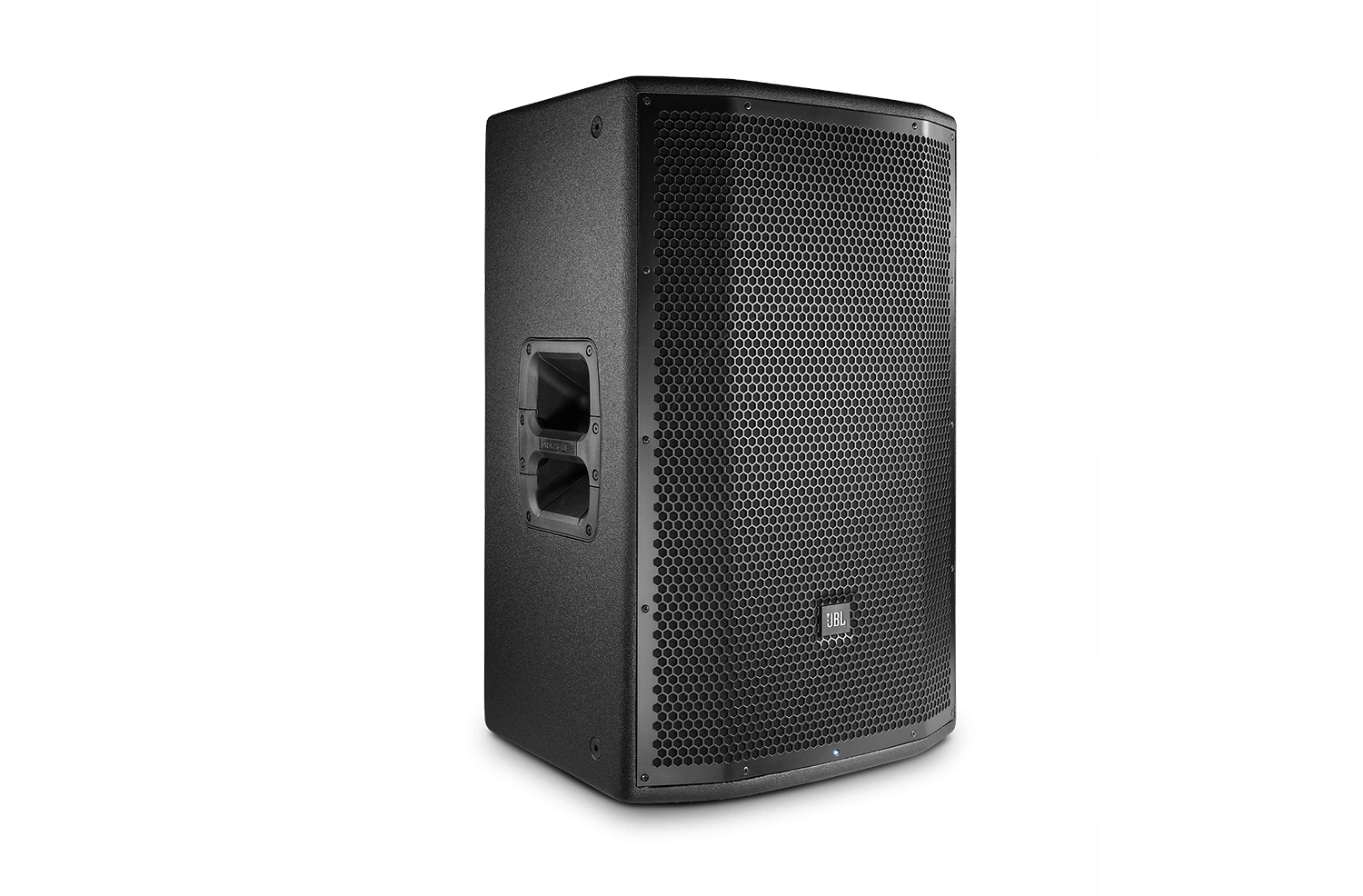
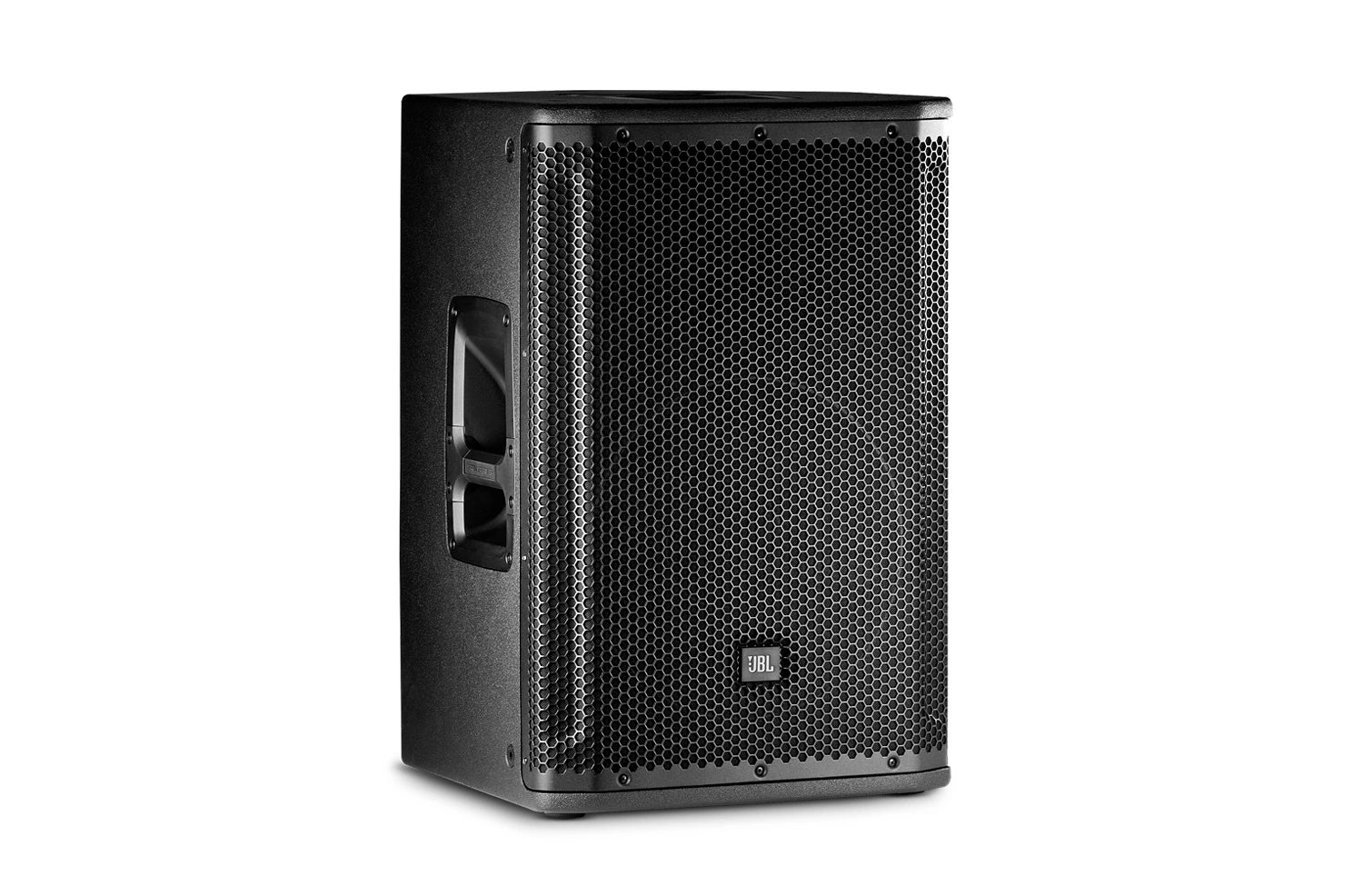
An ordinary active speaker such as the JBL PRX812 or JBL SRX812P covers the whole audible range, but the lowest frequencies come out of it quietly and with effort. A subwoofer takes those low frequencies over, and the top speaker can concentrate on voices and instruments. The result is not just more bass but also a cleaner and louder midrange, because the top no longer has to produce the bass.
A subwoofer does not turn a poor speaker into a good one and does not replace a second top speaker. If the room is long and the sound does not carry to the back row, the problem is the number or placement of the speakers, not the bass. And if speech is hard to understand, a sub only makes it worse.
Speech, background music, dancing, band
The answer depends on what kind of sound is playing in the room, not on how many people are there:
- Speech and presentations: no subwoofer. The human voice does not go that low and bass only muddies speech. Our speech and conference kits do not include one.
- Background music at a reception or dinner: rarely. If the music is a quiet companion, the tops are enough. One sub makes sense when the music is part of the mood and the room is large.
- Dance floor and DJ: always. Dance music is built on bass and without it the sound feels thin, whatever the volume.
- Live band: yes, if the band has drums and bass guitar. An acoustic duo manages without; our acoustic duo kit has no sub.
One or two, 18-inch or 2×18
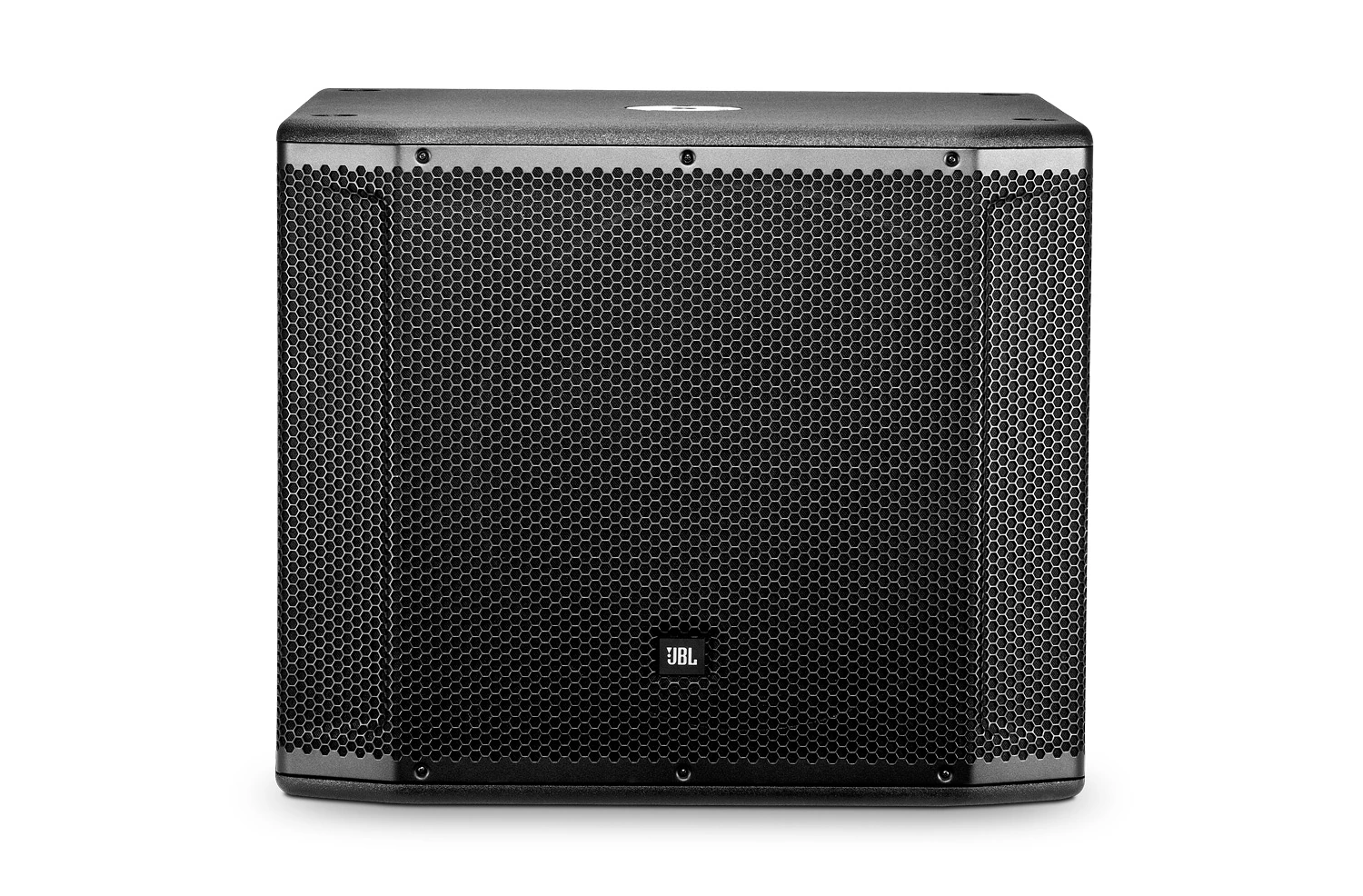
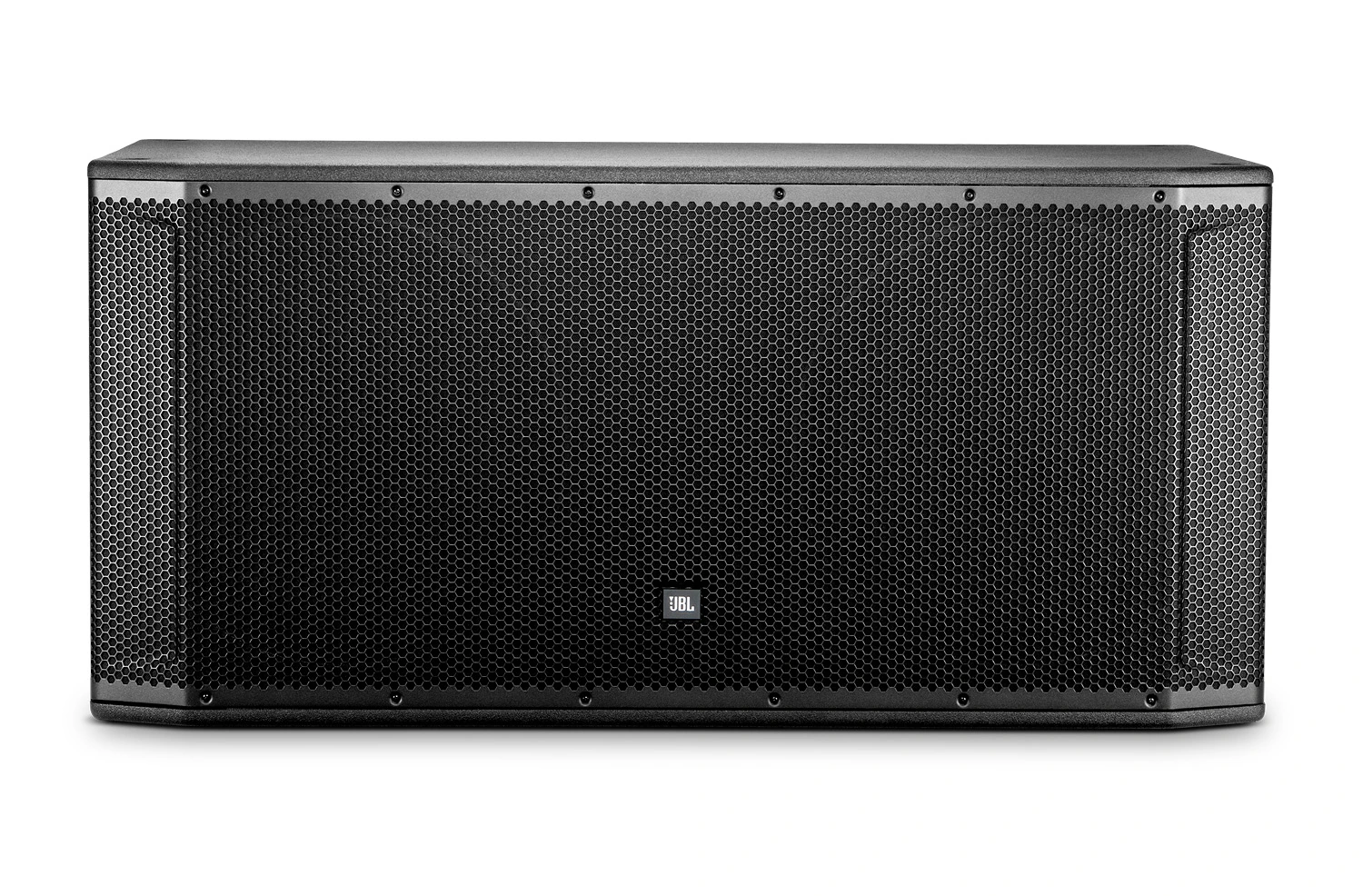
Rule of thumb: up to 100 people and one dance floor, one JBL SRX818SP, a cabinet with a single 18-inch driver that goes centre front of the stage or under one of the tops. For 150 to 200 people or two tops on a wide stage, two SRX818SP, one under each top. Our party kit for up to 100 people has one sub, the kit for up to 200 has two.
The JBL SRX828SP is a cabinet with two 18-inch drivers and gives considerably more bass from one box than the SRX818SP. It is the right choice for a band, an outdoor event and a bigger dance floor where two SRX818SP would fall short. The band kit for up to 200 and the outdoor kit for up to 300 use exactly these. One big box is easier to place than two medium ones, but it is heavier to lift and takes two people.
Placement: floor, wall and distance pole
A subwoofer always goes on the floor. The floor supports the bass and it carries further than from a table or high up on a stage. Pushed against a wall or into a corner the bass gets stronger still; that is useful when you have few subs and a nuisance when the bass starts to boom. Two subs placed side by side at the centre of the stage reinforce each other and give more even bass across the room than two in opposite corners, which leave parts of the room in a bass hole.
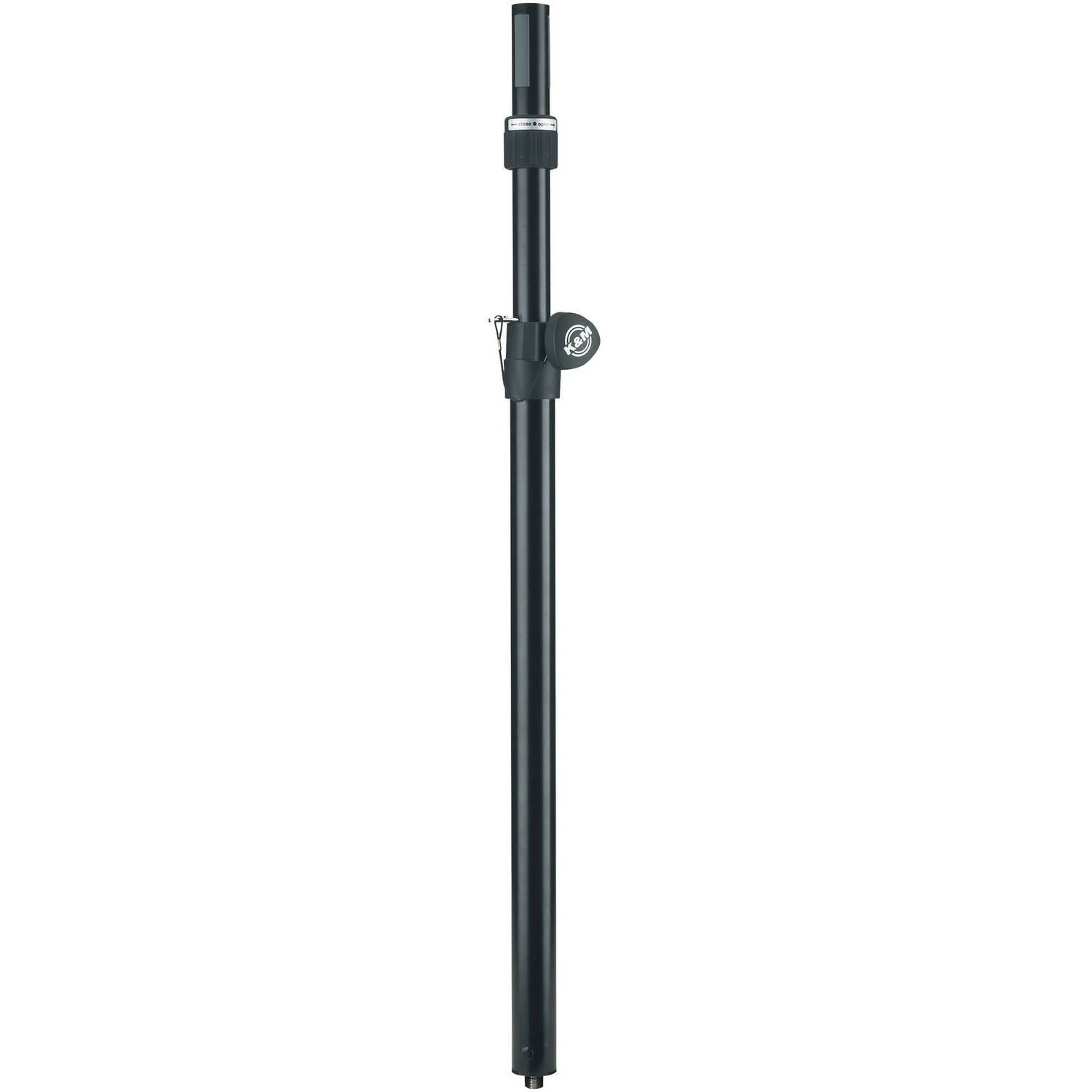
The top speaker goes on the sub on a distance pole, listed with us as Speaker Pole. That puts the top at the right height without separate stands. The pole goes into the socket on top of the sub and the top speaker onto the pole; check that the pole is fully seated and the speaker stands straight. The SRX818SP and SRX812P are a matched pair for this, which is how they appear in the DJ kit and the party kit for up to 200.
Power, neighbours and noise
An active subwoofer is the part of the system that draws the most current. Give it its own socket and do not hang the tops and the DJ booth off the same extension lead; a thin lead heats up and the breaker may trip at the loudest moment. Outdoors, keep the extension leads straight and dry on the ground and the connectors off the soil.
Bass passes through walls and ceilings better than the rest of the sound. In a hall in an apartment building or a hotel with rooms next door, the sub is what the neighbours hear, even when the level in the room itself seems reasonable. If the event runs past the start of quiet hours, agree in advance when the sub comes down or is switched off; the rest of the sound can keep playing and the dancing does not necessarily suffer much.