Polar pattern
A polar pattern shows from which directions a microphone hears sound well and from which it hears poorly, and it affects both the tone and the risk of feedback.
How to read a polar pattern
The maker draws the polar pattern as a circle seen from above, with the microphone in the middle. The line shows how sensitive the mic is to sound from each direction. The further the line is from the centre, the better that direction is heard. Places where the line dips close to the centre are called nulls: sound from there is barely picked up.
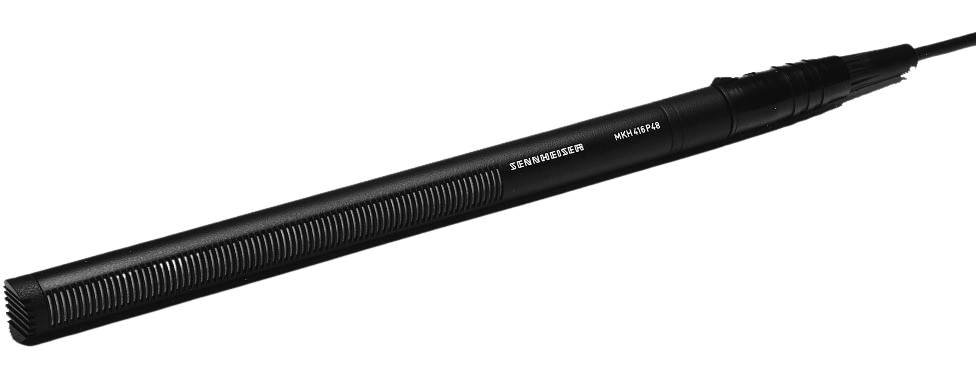
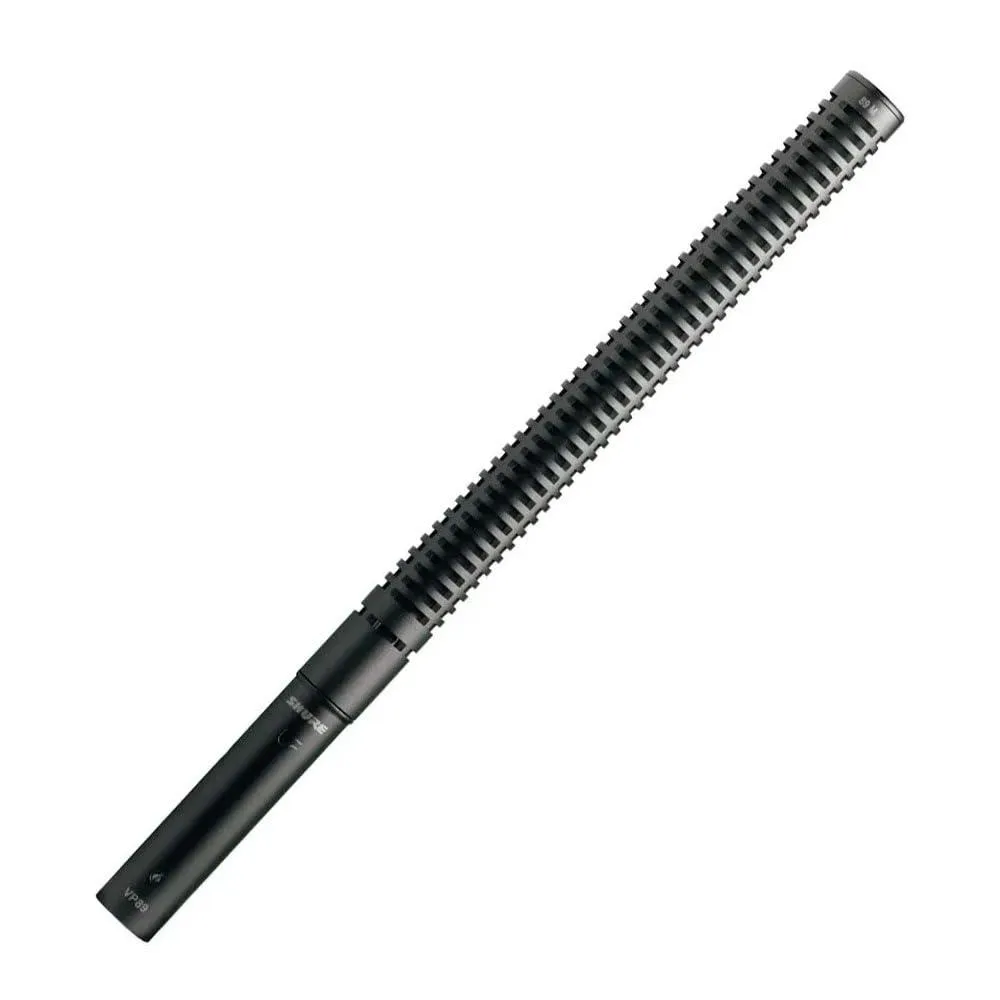
The common shapes are the cardioid or heart, the narrower supercardioid, the omnidirectional circle that hears equally all around, and the figure-eight that hears front and back but not the sides. Shotgun mics such as the Sennheiser MKH 416 and Shure VP89M are narrower still and pick up mainly straight ahead.
Why it matters at an event
Event sound has two opposing wishes: the mic must hear the speaker and, at the same time, as little of the PA, audience and neighbouring instruments as possible. A directional mic lets you get louder before the speakers' sound loops back into it. An omni sounds more natural and is more forgiving when it slips off the mouth, but it has to sit close to the mouth.
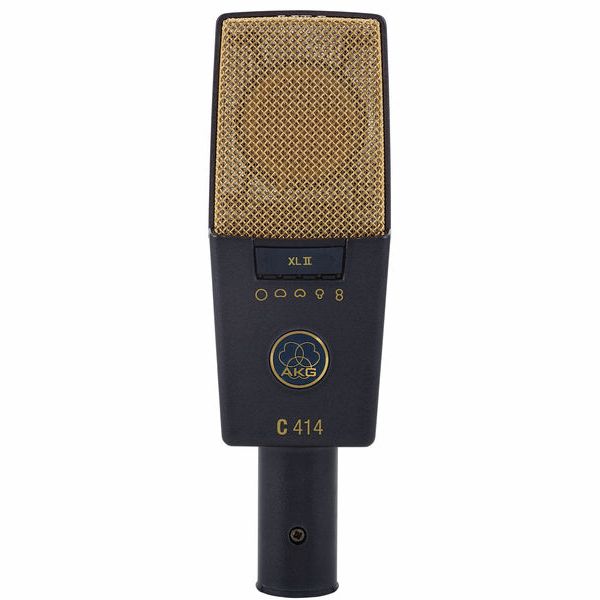
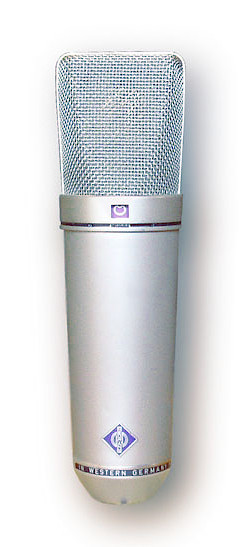
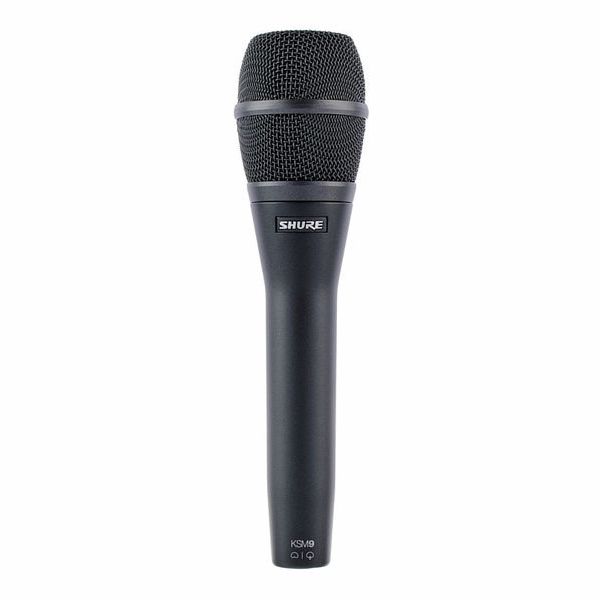
Some mics have a switchable pattern. The AKG C414 XLII and Neumann U87 offer several, and the Shure KSM9 switches between cardioid and supercardioid. That helps with recording and choirs, where one mic may be used close up or further away.
Practical choice and common mistakes
Pick the pattern by where the mic sits and what is around it. Then put the stage monitor in the direction of the mic's null, not just anywhere.
- Handheld on a loud stage: cardioid or supercardioid.
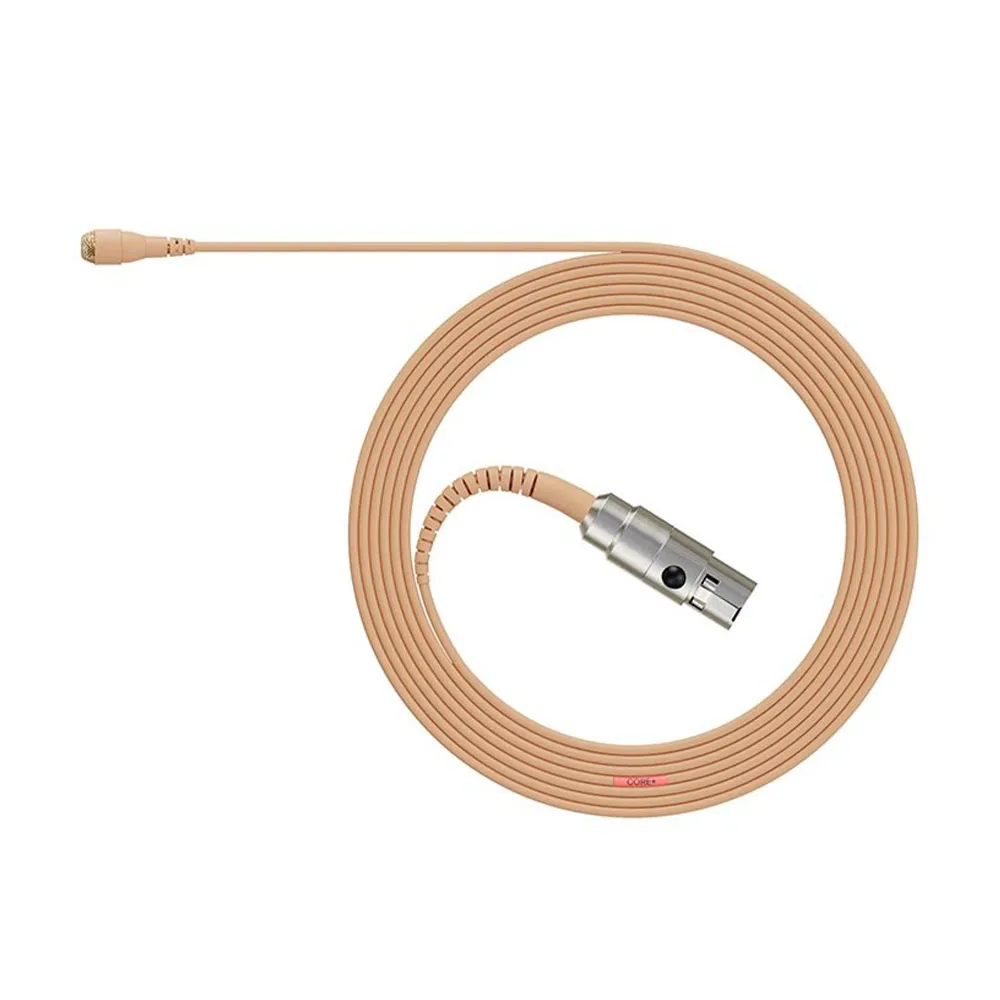
- Lavalier or headset for speech: often omni, because it does not go dull when the head turns.
- Two-person interview at a table in a noisy room: two separate mics rather than one figure-eight in the middle.
- Mistake: pointing the mic at the ceiling or the audience. The front of the capsule has to face the source.
- Mistake: covering the grille with a palm. It ruins the pattern and makes a directional mic prone to feedback.