Speech outdoors: microphone and speakers against wind and noise
An opening in a park, a graduation in the schoolyard, a memorial ceremony, sports day prizes or a guided tour: speech outdoors behaves very differently from speech in a hall. There are no walls to reflect sound, the wind blows into the microphone, traffic and generators make noise and the audience stands spread out. The problem here is not reverb but sound that disappears and noise that covers it. This guide covers protecting the mic from wind, where to put speakers, how many you need and how to do a sound check outdoors. For mains power, cables and rain, read the separate guide on sound equipment at outdoor events.
What is different outdoors
Indoors the walls and ceiling help carry sound to the listener. Outdoors sound spreads away from the speaker and weakens fast: every time the distance doubles, the level drops by about six decibels. A listener twenty metres from the speaker hears it noticeably quieter than someone at ten metres.
At the same time there is always background noise outdoors: traffic, wind in the trees, children, the caterer's generator, a nearby street. Speech has to sit clearly above it. That is why the same audience needs more or bigger speakers outdoors than indoors, and they need to be closer to the listeners.
Wind affects both the microphone and how sound travels. A strong crosswind carries the high frequencies away, and the downwind side of the audience hears speech better than the upwind side.
Step 1: protect the microphone from wind
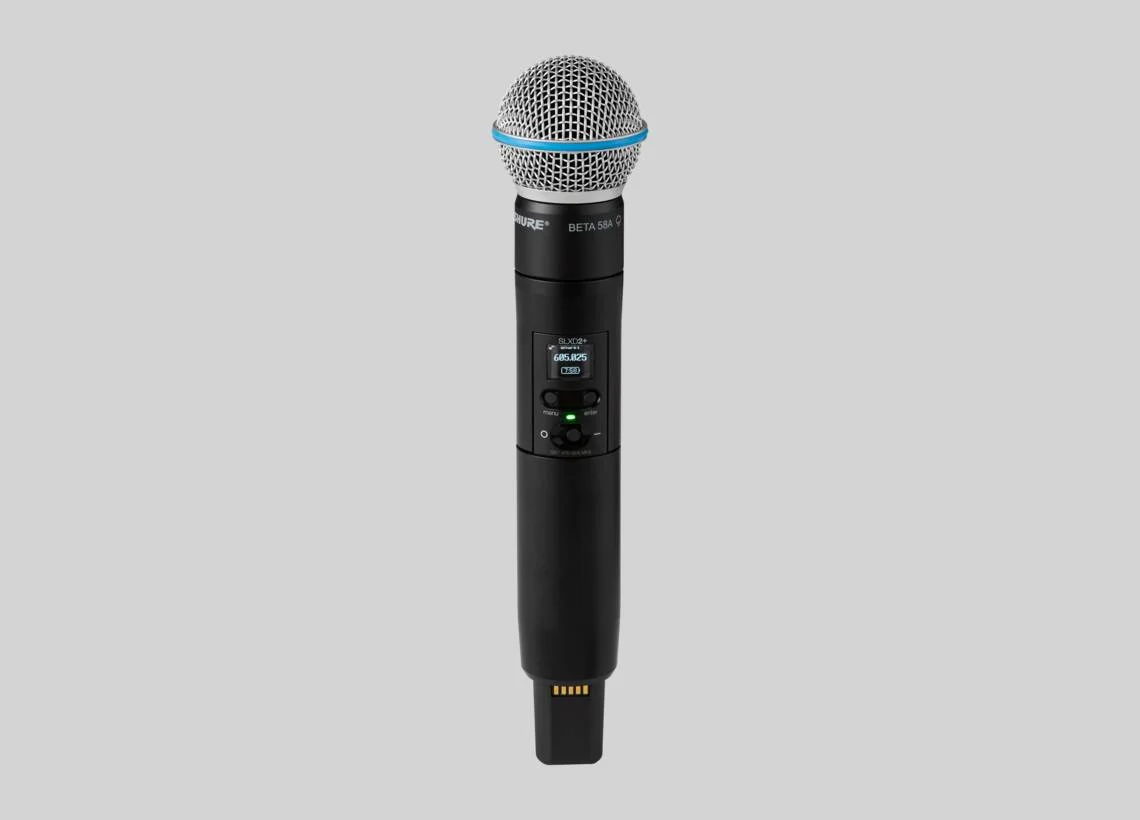
Wind blowing across the mic grille produces low rumble and crackle in the speakers. It is one of the most common reasons outdoor speech is hard to follow. Handheld mics such as the Shure SM58 and BETA 58A have a foam layer under the grille that helps in light wind. In strong wind, add an extra foam windscreen and ask the presenter to hold the mic slightly to the side of the mouth rather than straight in front, so breath and wind do not go straight into the capsule.
Headsets and lavaliers are more sensitive to wind because they are small and exposed. A lavalier can be hidden under clothing or clipped on the sheltered side. In very strong wind, a handheld with a windscreen is the safest choice outdoors.
On the mixer, switch on the high-pass filter on the mic channel and set it higher than usual. Wind rumble is mostly very low, and the filter removes much of it without harming the voice.
- Handheld with windscreen: the safest in windy weather.
- Lavalier: under clothing or on the sheltered side.
- High-pass filter on, set higher than usual.
Step 2: place speakers by noise and audience
Before setup, look where the noise comes from. If a road runs along one side, place the speakers so the audience stands between them and the road and the speakers point away from it. Speech then does not compete with traffic, and less sound reaches the neighbours.
Speakers belong in front of or beside the presenter, not behind. If they sit behind the mic, their sound goes straight back into it and feedback risk rises. Raise the speakers on stands above head height so the back of the crowd gets direct sound. Outdoors the stand's strength and weight matter because wind rocks the speaker. A Gravity TLS 431 B with its square steel base is steadier than a plain tripod, and every stand's legs should be weighted.
If the audience is spread wide, on a grandstand or a long field for example, three or four speakers in different spots, each covering its own part, work better than two. Speaker safety rules are in our guide on speaker placement in halls and outdoors.
Step 3: how many speakers outdoors
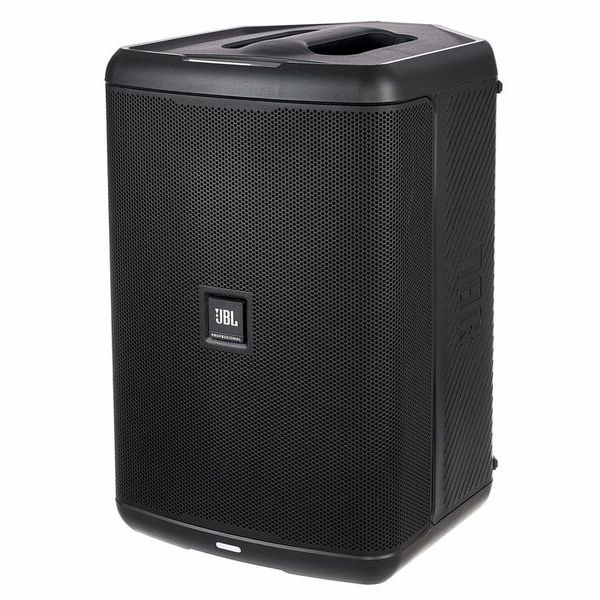
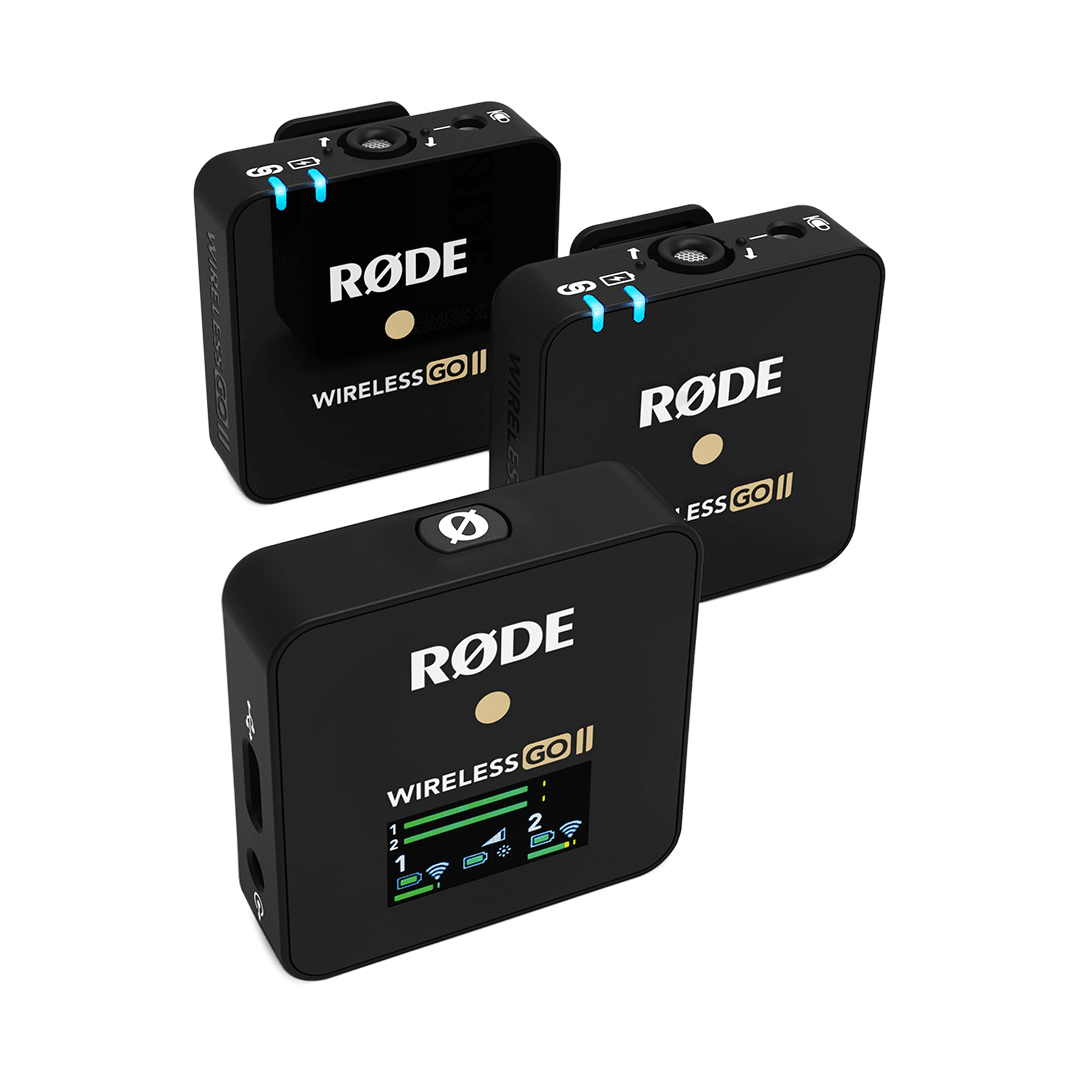
For a small group of up to about 50, on a guided tour, an outdoor lesson or a welcome speech at a garden party, two battery-powered JBL EON COMPACT ONE are enough. The Battery-powered speech kit for outdoors pairs them with a RØDE WIRELESS GO II, a small mic that clips onto clothing. No mains power is needed.
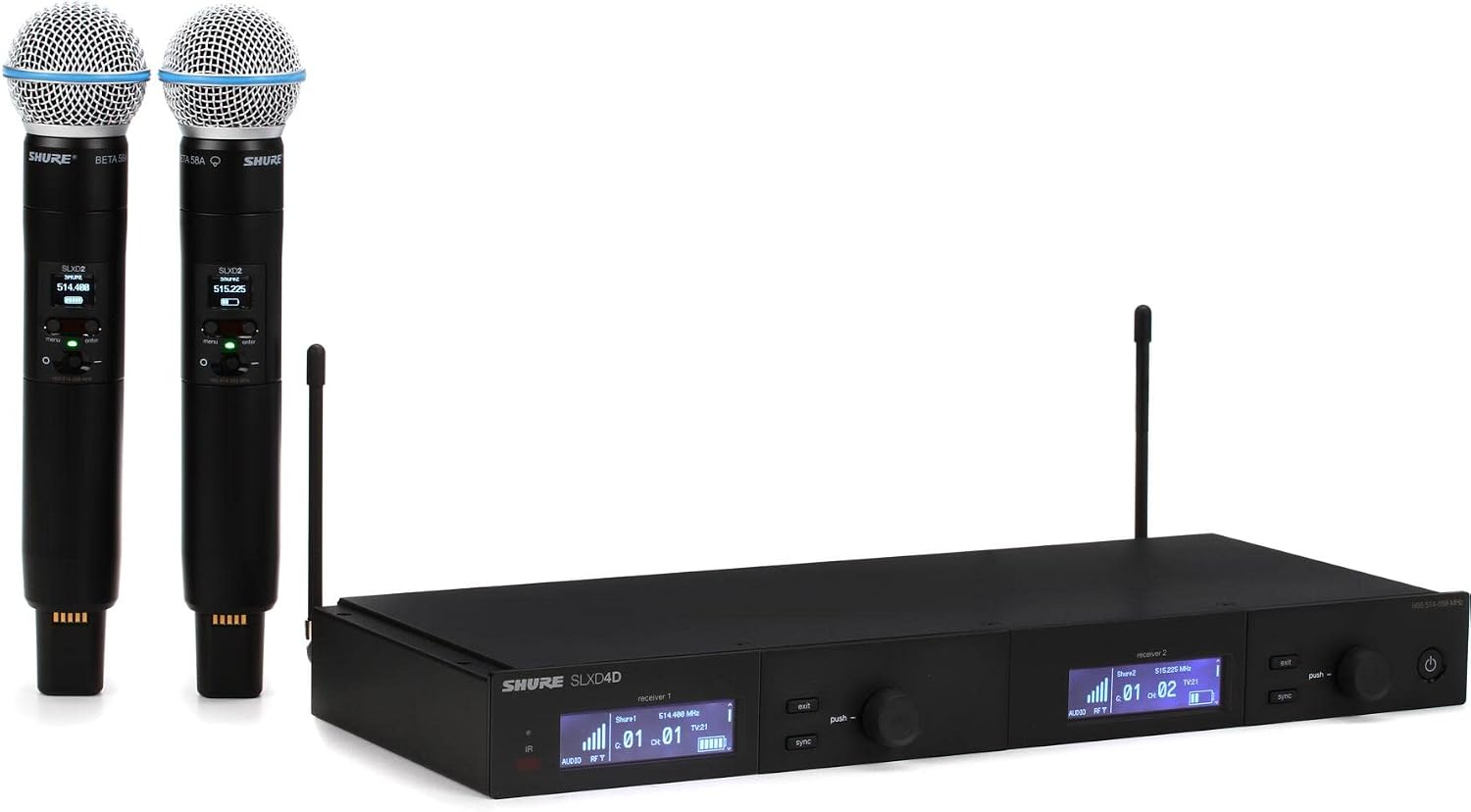
For one to two hundred listeners outdoors, speech needs 12-inch active speakers such as the JBL PRX812 or the more powerful JBL SRX812P, plus wireless handhelds such as the Shure SLXD24D/B58. If the event also plays music or the crowd is bigger, the Outdoor event kit for up to 300 people adds subwoofers and a digital mixer.
Speech does not need a subwoofer. If one is in the kit for music, keep the speech mics out of the sub or use the high-pass filter so wind rumble does not reach the bass boxes.
Step 4: sound check in the open air
Do the sound check in the same spot and, if possible, at the same time of day as the speech. Traffic, wind direction and surrounding noise change through the day. Have someone talk at a normal voice and walk the edges and the back of the audience area.
If speech is not clear at the back edge, check the speakers' direction and height first. Turning up helps more outdoors than indoors, as there is no reverb, but it has limits: a speaker that is too loud near the presenters causes feedback and bothers neighbours. Then the answer is an extra speaker for the other part of the crowd.
Check the wireless range too. Outdoors there are no walls to reflect the signal, but bodies and cars can block it. Put the receiver up high with a clear line of sight to the presenter.
- Sound check at the same time of day as the event, where possible.
- Walk the edges and the back of the audience area.
- Wireless receiver up high, in line of sight of the presenter.
Neighbours and local rules
Outdoors sound travels far, especially in the evening and over water. Aim speakers away from homes and do not turn up more than needed. Speech is short and quieter than music, but for an event lasting hours check the municipality's or landowner's rules on outdoor events and sound, and let nearby residents know in advance.
Tips for the presenter outdoors
The presenter can help a lot. Speak a little slower than indoors, because outdoors nothing supports the sound and distant listeners need time. Keep the mic near the mouth even when turning towards different parts of the crowd. Do not walk in front of the speakers.
In strong wind, turn so the wind blows on your back, not your face; then your body shelters the mic. Keep water at hand for longer speeches, as the throat dries faster outdoors. Our guide for presenters covers holding the mic in more detail.