Decibel and sound pressure level (dB SPL)
The decibel is a logarithmic unit for sound pressure level, how loud sound is where the listener stands; in speaker data it shows maximum loudness.
A logarithmic scale
The ear is remarkably sensitive: the gap between the quietest audible sound and a painfully loud one spans millions of times. To describe such a range conveniently we use decibels, a logarithmic scale. SPL, sound pressure level, is the pressure of sound in the air. Zero dB SPL is the threshold of hearing, normal conversation sits somewhere around 60 dB and a loud concert far above that.
Three rules of thumb
Decibels do not add up like ordinary numbers. Two identical speakers in the same spot give about 3 dB more than one. Doubling amplifier power also gives about 3 dB, which the ear hears as a small but noticeable change. For sound to seem twice as loud you need roughly 10 dB more. Each time the distance doubles, a point source loses about 6 dB in open air.
- About 1 dB is barely perceptible
- About 3 dB is a clearly audible step
- About 10 dB seems twice as loud
- Twice as far away is about 6 dB quieter
How to read speaker data
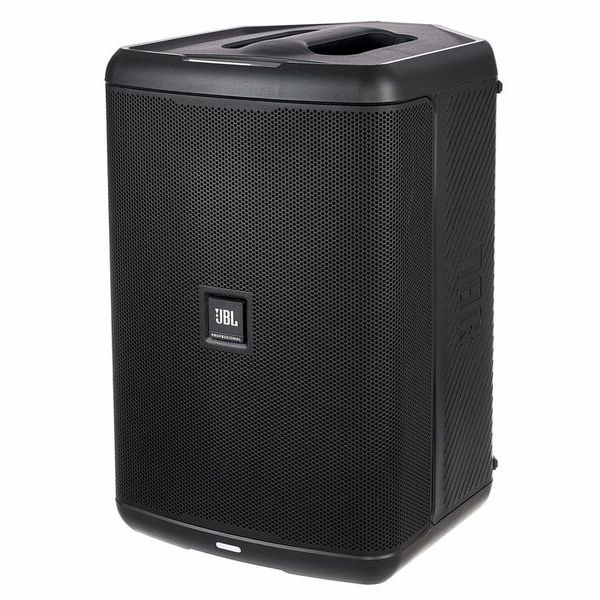
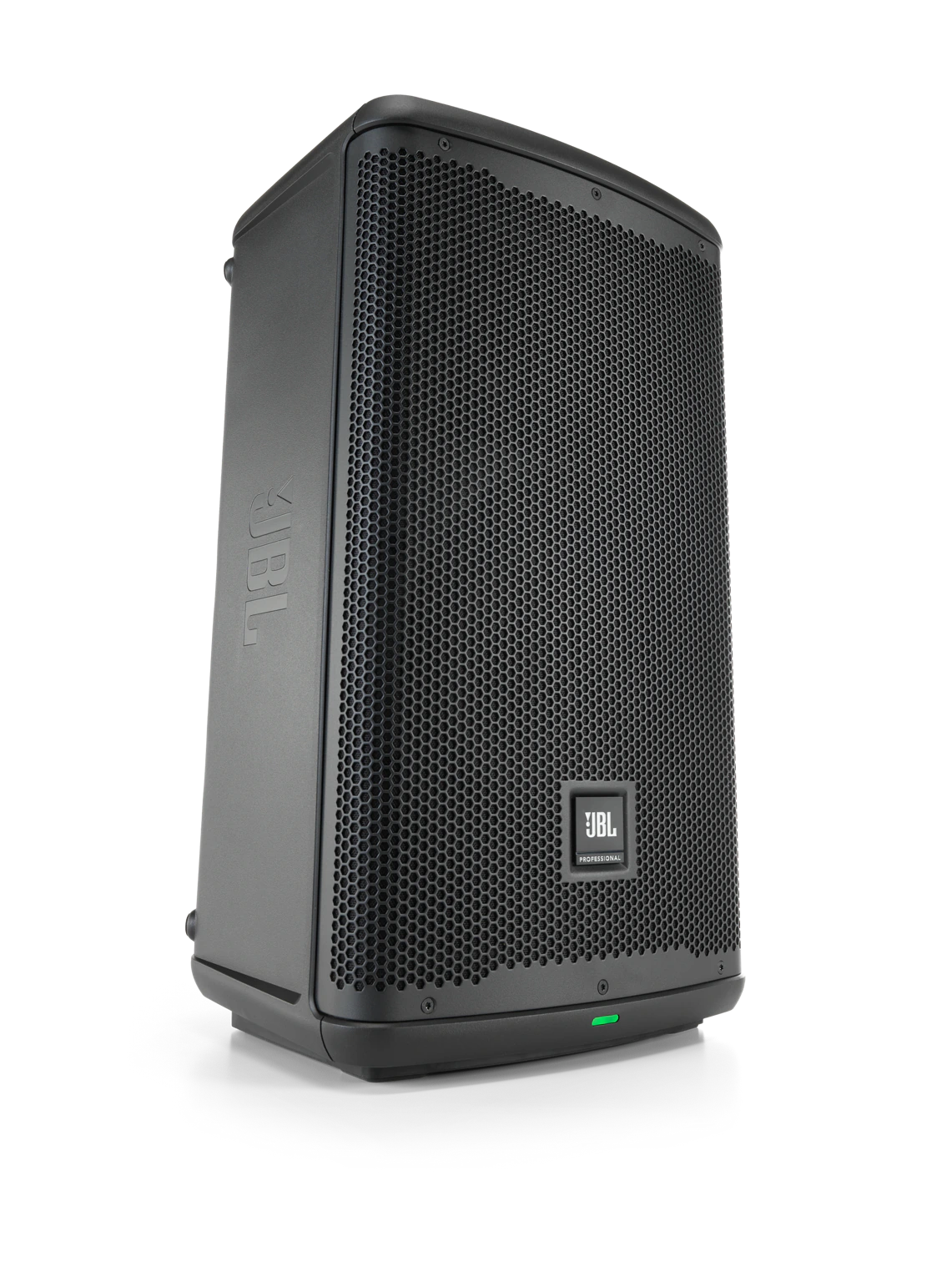
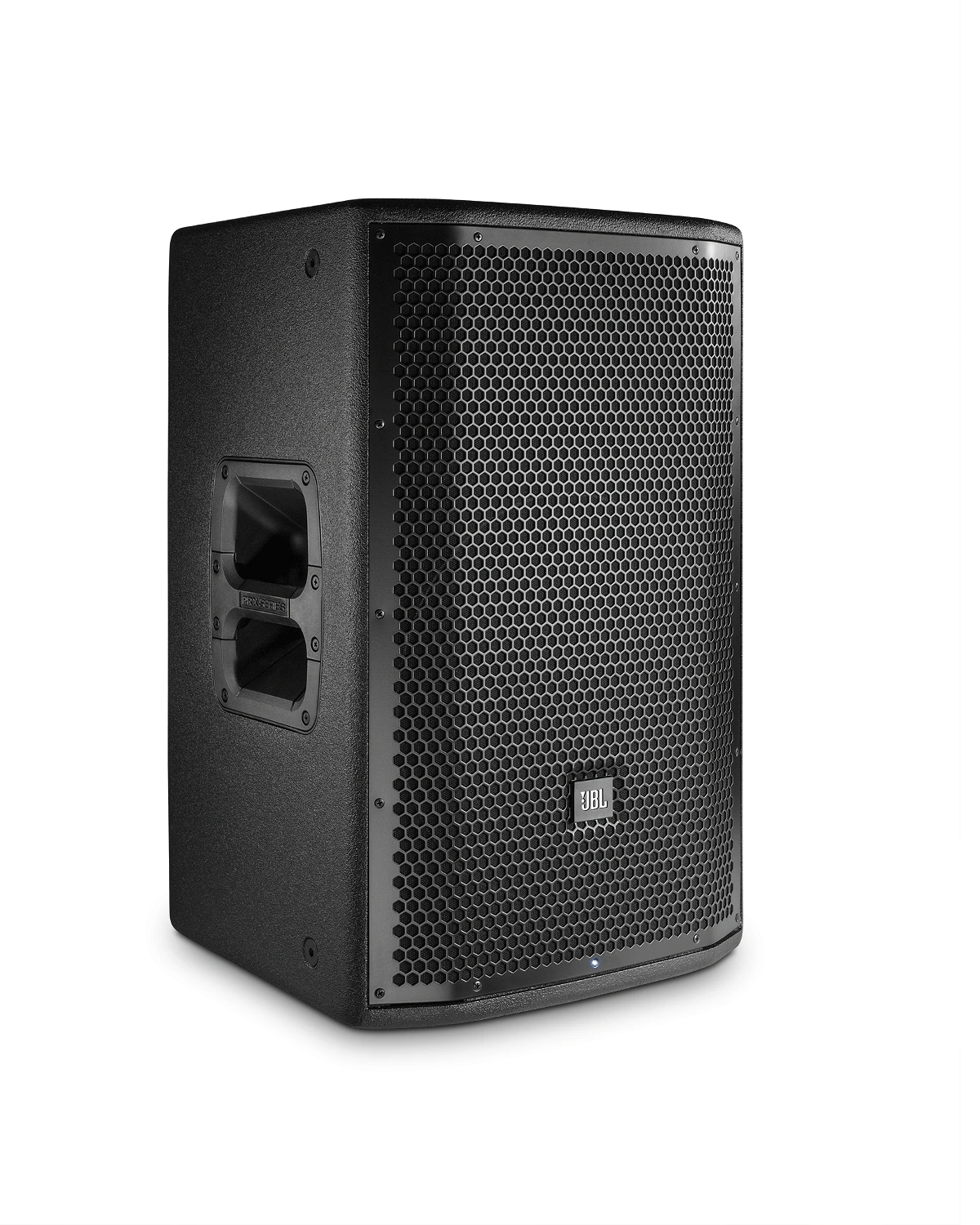
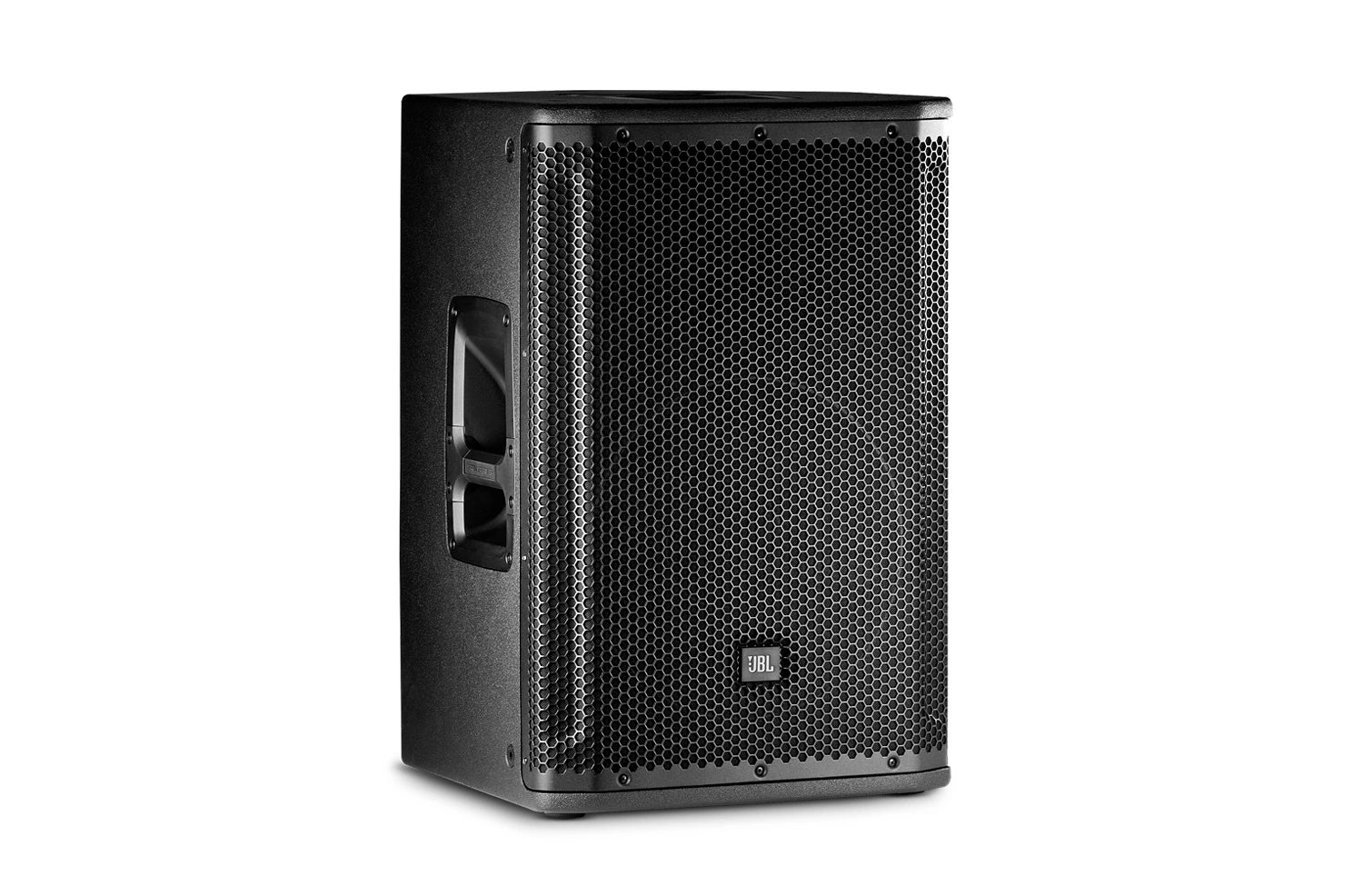
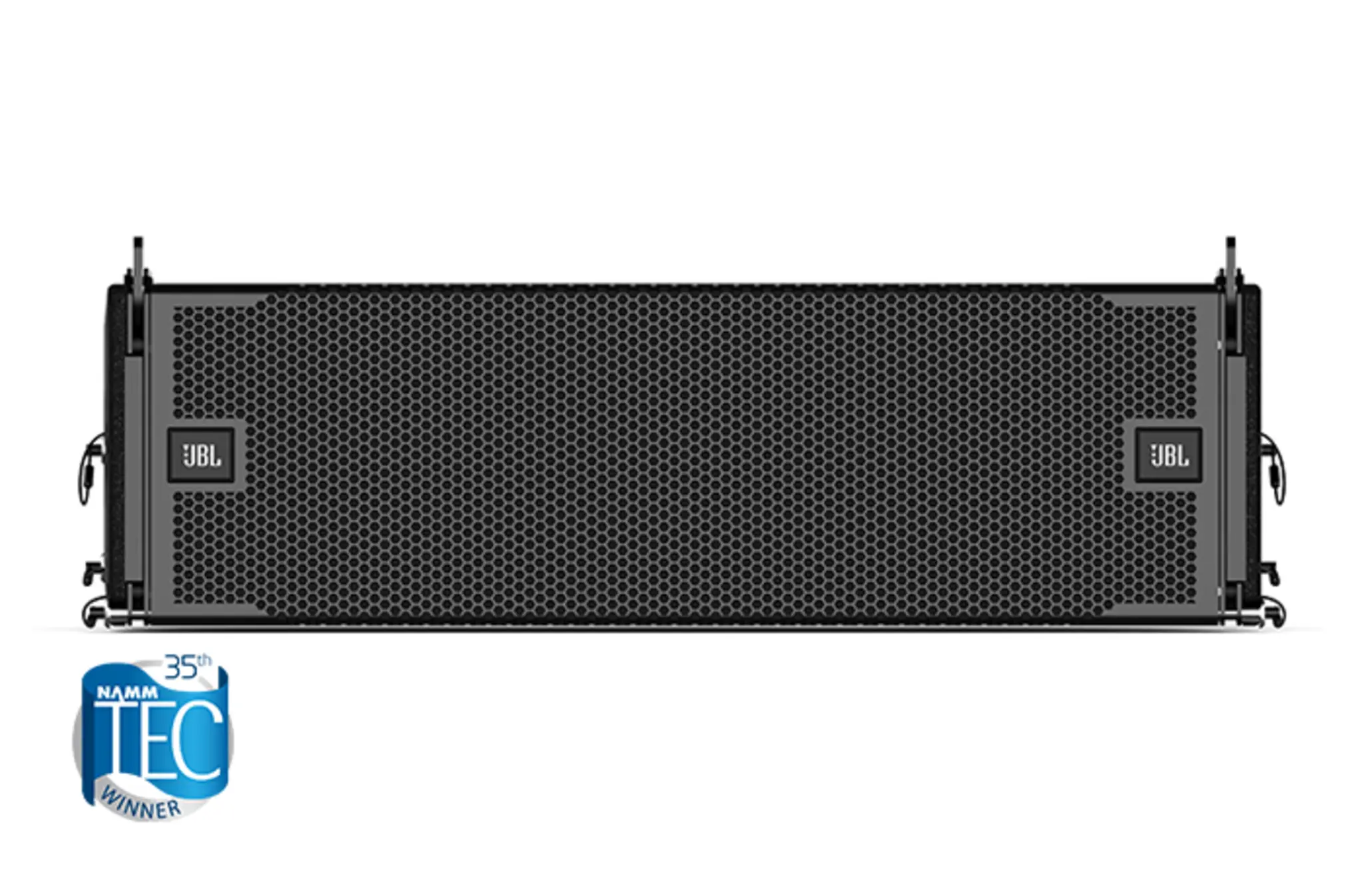
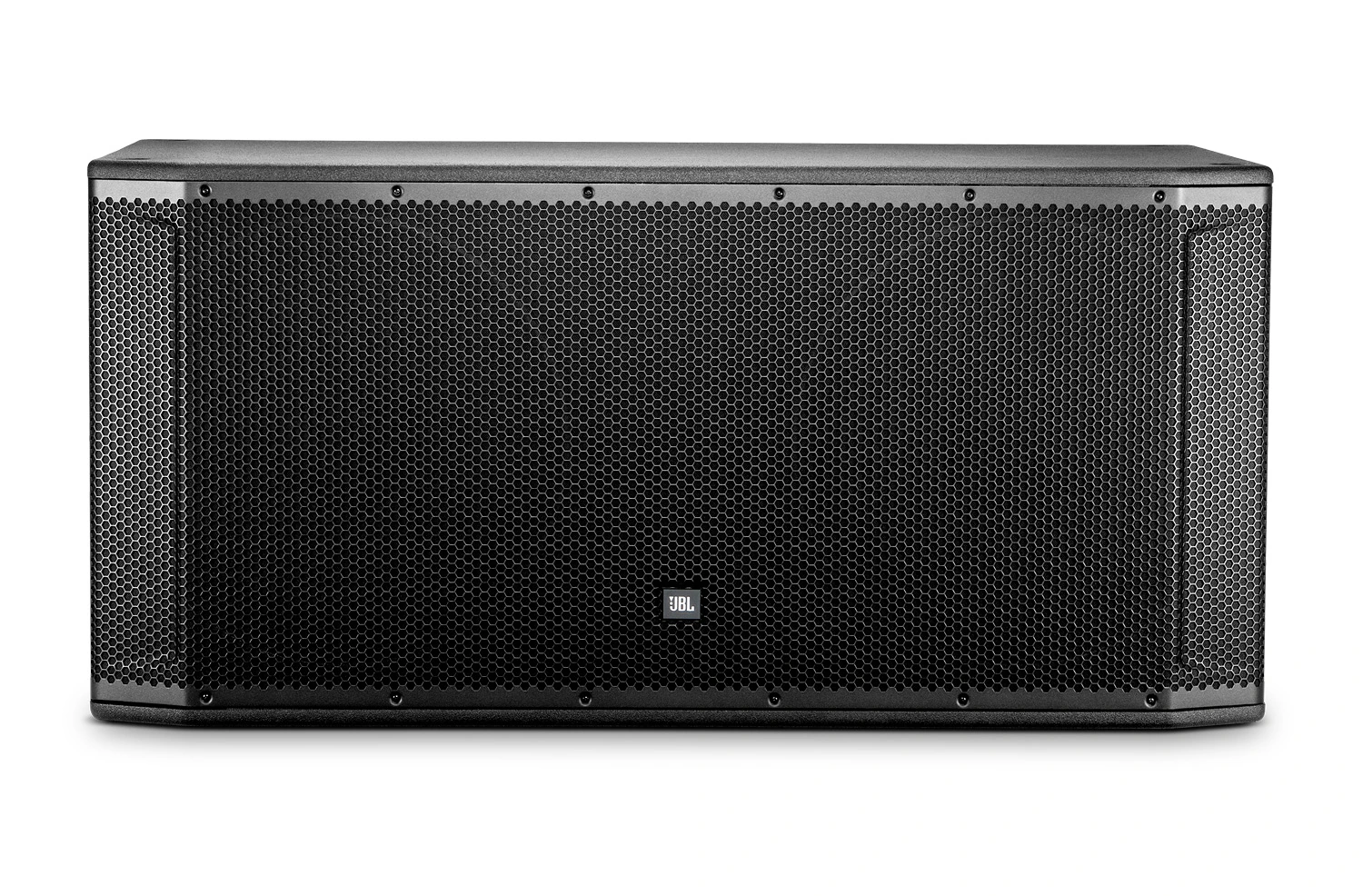
The dB figure in the catalog is the speaker's maximum sound pressure, usually measured at one metre and at peak. The JBL EON COMPACT ONE is listed at 112 dB, the EON710 at 125 dB, the PRX812 at 135 dB and the SRX812P at 136 dB. The VTX A8 line array element is 139 dB and the dual 18-inch SRX828SP subwoofer 141 dB. Remember that nobody sits one metre away: a 135 dB speaker gives in theory about 111 dB at 16 metres, before room reflections or audience absorption change it. Music also needs headroom, because peaks are well above the average level.
Looking after hearing and surroundings
Long exposure to loud sound damages hearing, and that applies to the audience as much as to performers and technicians. Good practice is to keep the level in front of the stage and on the dance floor sensible, offer earplugs when needed and check the level with a sound level meter or a phone app. The venue or the municipality may have rules on loudness that are worth checking before the event. Low frequencies travel furthest, so what reaches the neighbours is mostly bass.