Renting sound equipment: set it up yourself or with a technician
A good share of our customers collect the equipment from the warehouse themselves and get through the evening fine. Others book a technician and are glad afterwards that they did. The difference is not the customer's skill but the complexity of the event. Here is an honest look at where the line runs between managing alone and needing help, what can go wrong, and how much time each option really takes.
What you can set up yourself
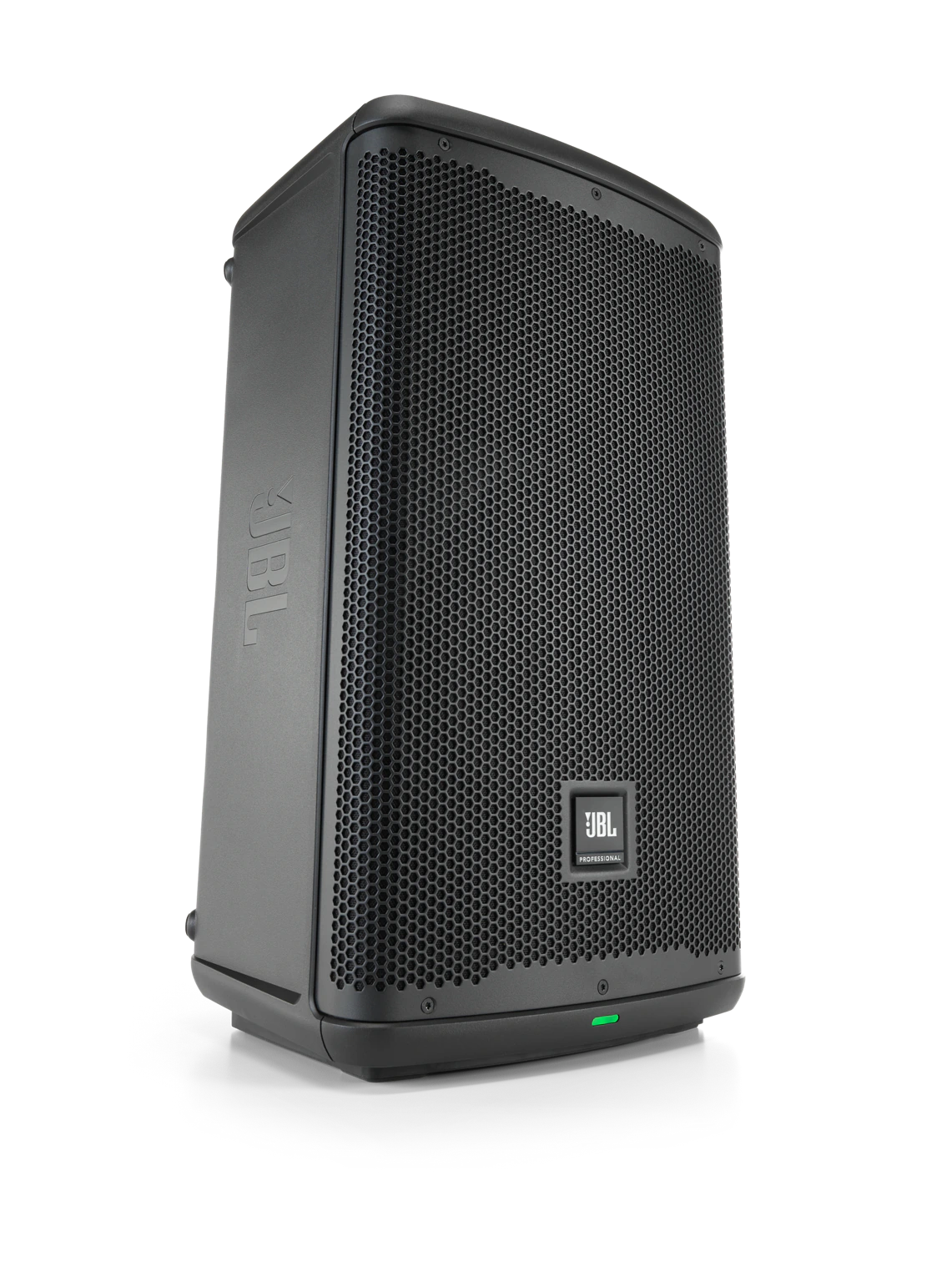
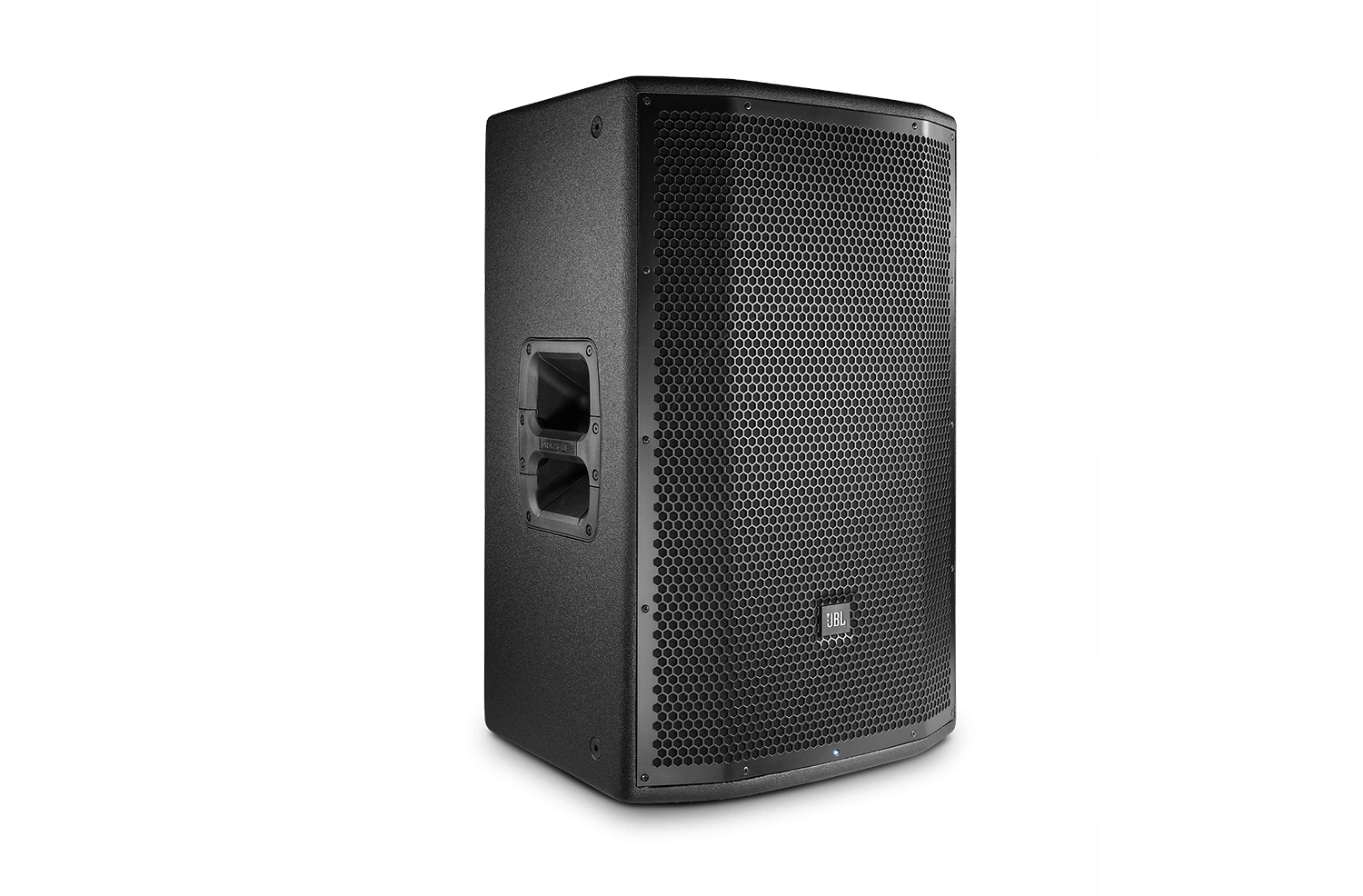
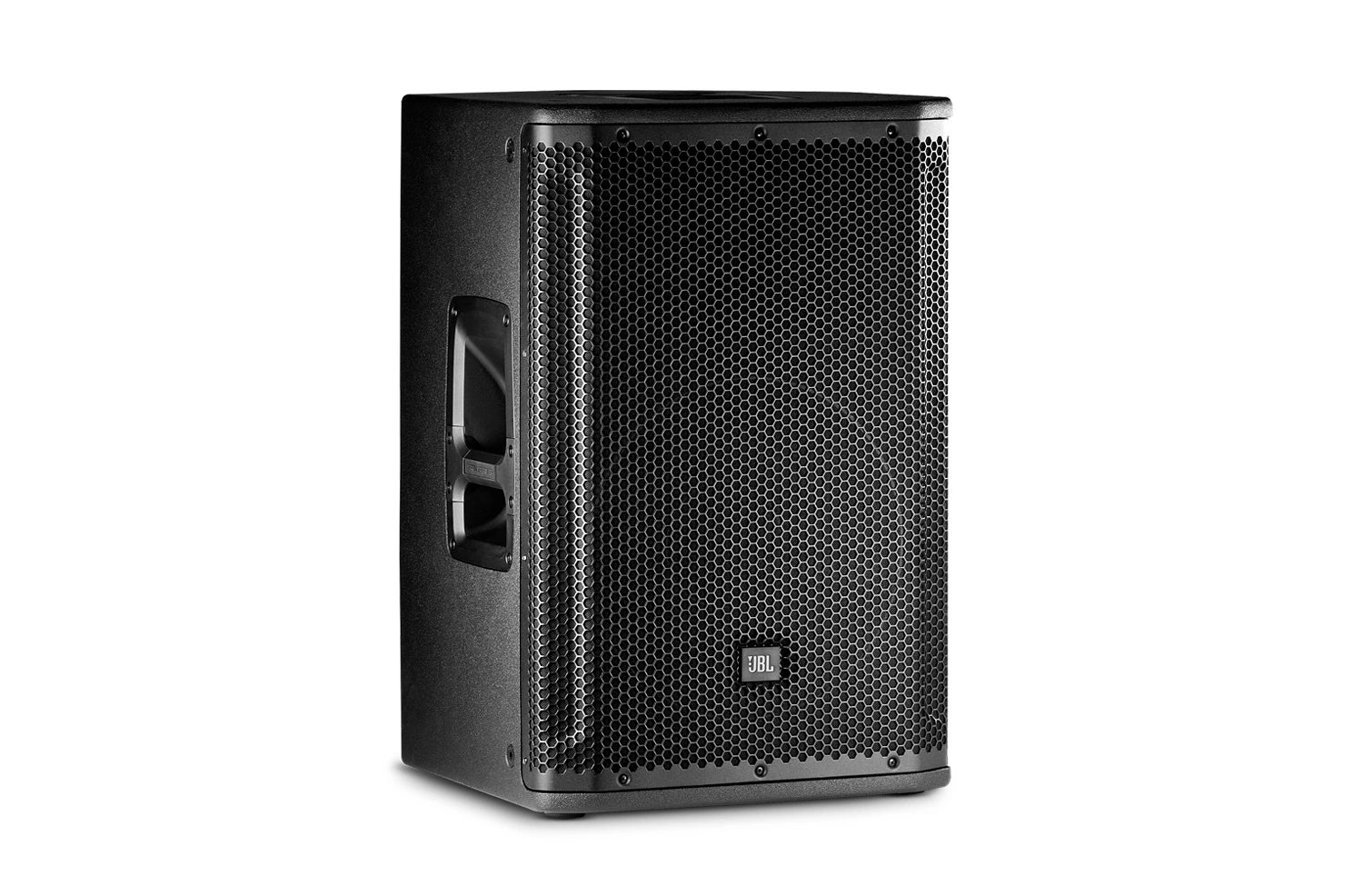
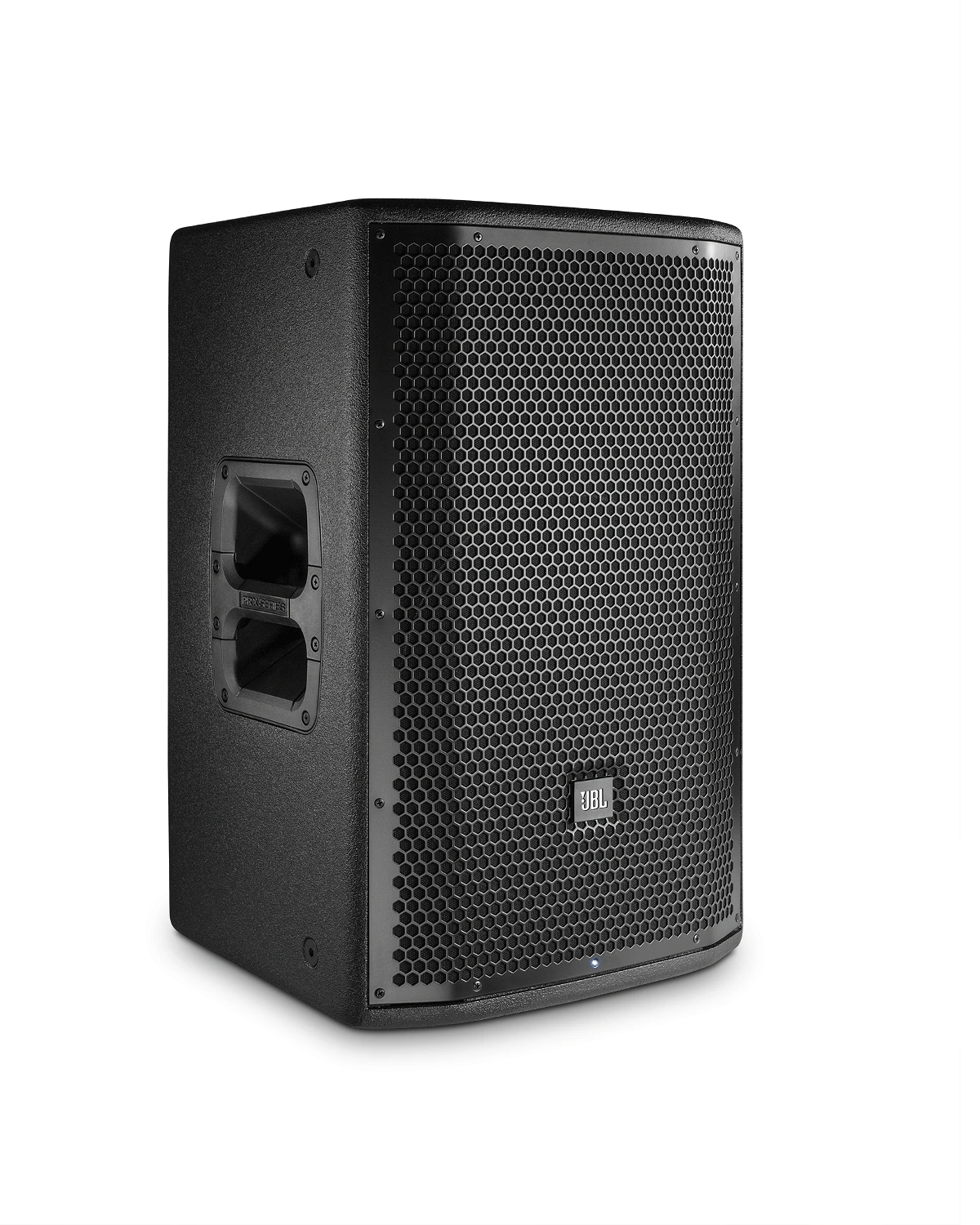
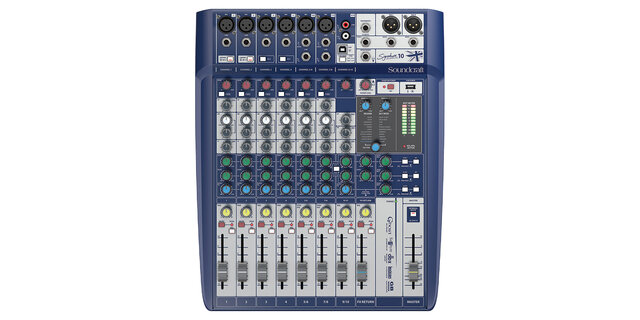
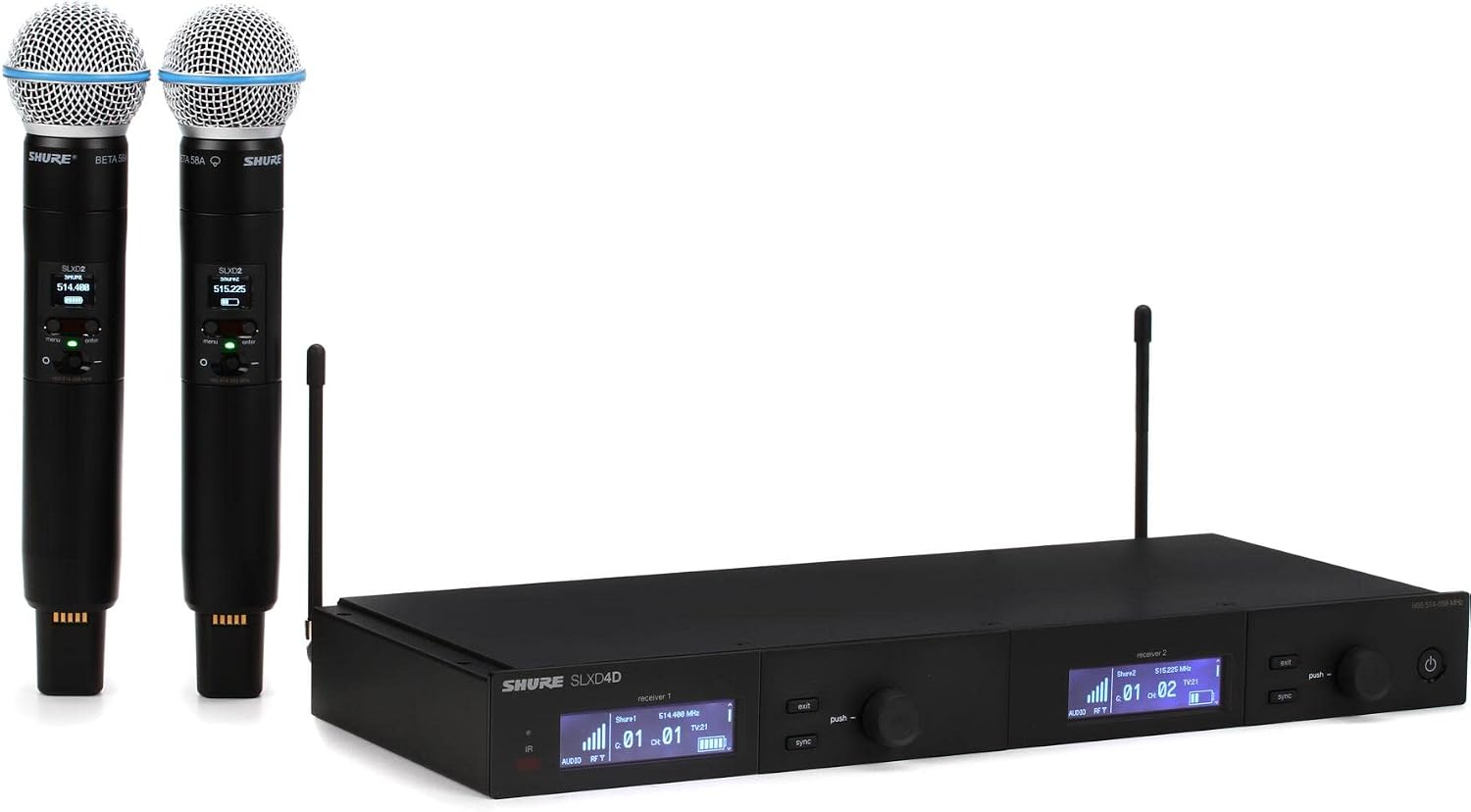
Two active speakers on stands, one small mixer and up to two wireless microphones is a set that anyone who can connect a television can assemble. Speaker on the stand, power lead to the wall, XLR cable from the mixer to the speaker, microphone receiver into a mixer input. That is what our speech kit for up to 50 people and the party kit for up to 100 look like: a Soundcraft Signature 10 or Notepad 12FX mixer, two Shure SLXD24D/B58 handhelds and a DI box for the laptop.
A single subwoofer is also inside this limit (it is just one more speaker fed from the mixer or from the top's through output), as is music from a laptop. When you collect the kit, ask us to show how the microphone pairs with its receiver and in which order to switch things on.
- Up to two tops and one subwoofer, all active
- One analogue mixer with up to ten inputs
- Up to two wireless channels (handheld or headset)
- Music from a phone or laptop through a DI box
What needs a technician
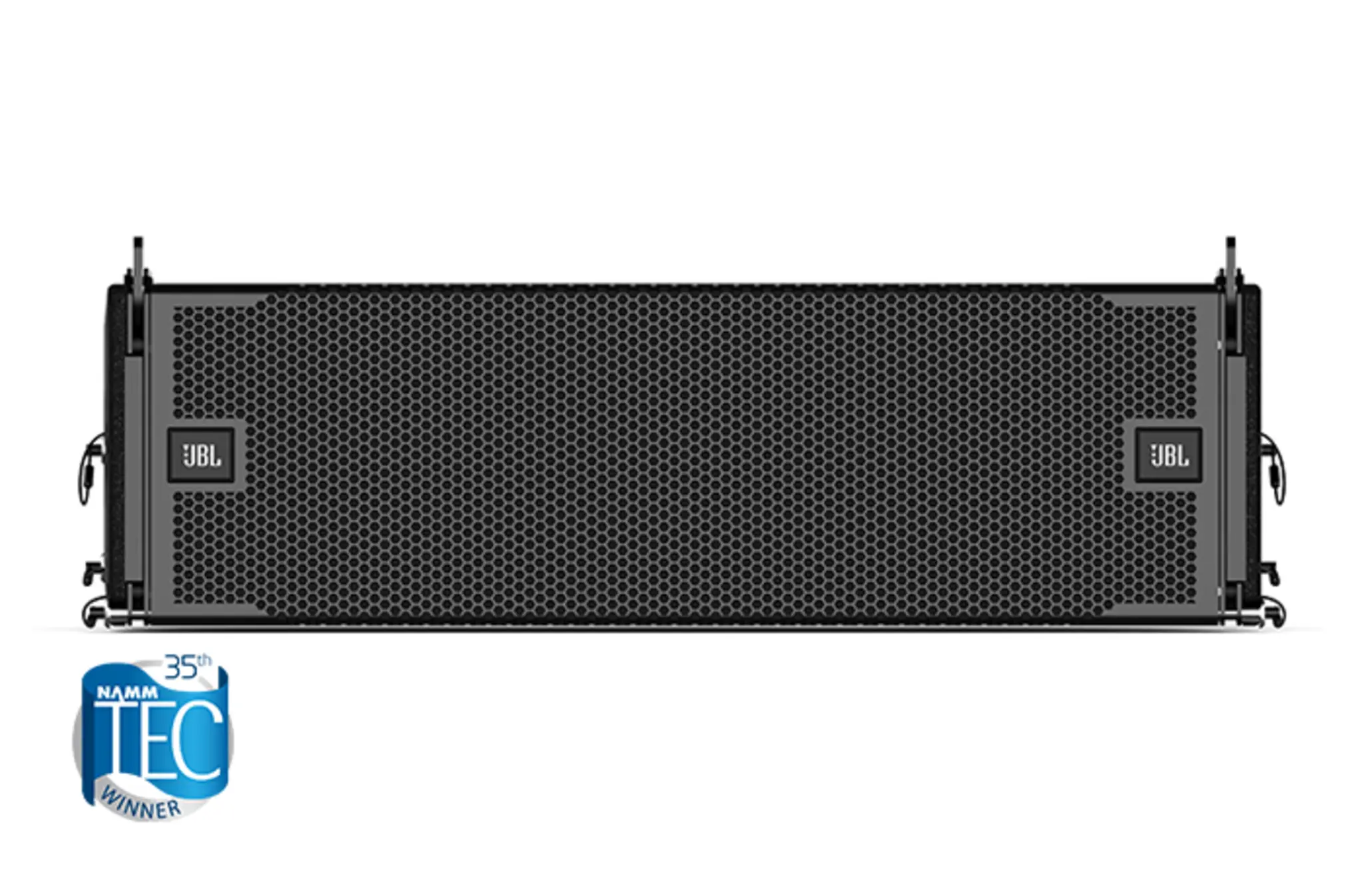
The line runs where the system has to be tuned rather than just plugged in. A line array (for example JBL VTX A8 elements on Crown amplifiers) needs flying or stacking, angle calculations and amplifier settings; nobody does that for the first time on the morning of the event. A band with stage monitors means separate monitor mixes and keeping feedback under control with six open microphones on stage.
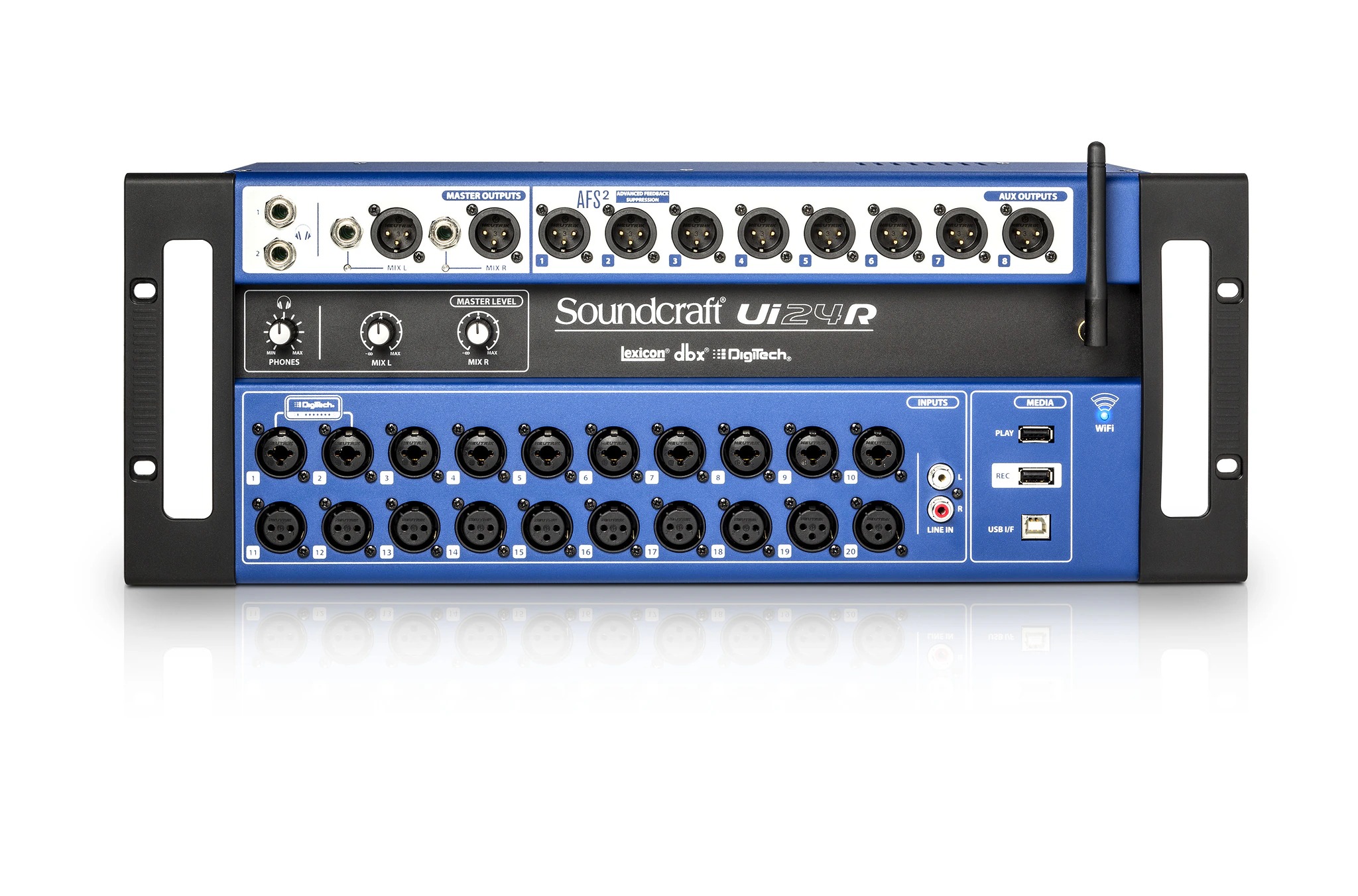
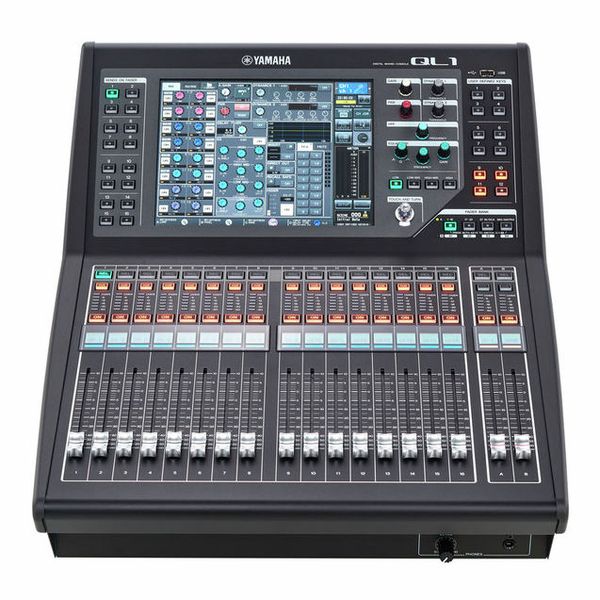
More than four wireless channels calls for frequency coordination and antenna placement, otherwise transmitters start interfering with each other. A Dante network (Yamaha DM3, QL1 with a RIO stage box, Shure SLXD4QDAN) is an ordinary computer network, but a wrong setting means silence rather than bad sound. In these situations the technician is part of the kit, not an optional extra.
- Line array or passive speakers on separate amplifiers
- A band with monitors, especially with more than one monitor mix
- More than four wireless channels, or in-ear monitors
- Dante or other networked audio, recording, live streaming
What actually goes wrong
The most common failure is feedback. It happens when a microphone is in front of a speaker or the speaker walks with the microphone into the speaker's coverage. The fix is room layout: speakers facing the audience, speakers standing behind the speaker line. The second common case is a microphone that goes silent mid-speech. The cause is almost always the battery or a switch pressed by accident. Fit fresh batteries right before the event, not the day before, and keep the second microphone as a spare.
The third is the wrong cable: a laptop plugged into a microphone input, a stereo signal into one channel, or simply an extension lead that is too short. These take ten minutes to solve when someone knows what to look for, and an hour of nervous experimenting when they do not.
How much time it takes
Setting up a simple kit takes an inexperienced person about an hour including a sound check, and packing down half an hour. Add the drive to the warehouse and back. If the event starts at 18:00, be on site by 16:00 at the latest and test every microphone before guests arrive.
A technician also allows an hour for the same kit, two to three hours before soundcheck for a band system, and more for a line array. The important difference is that the technician stays: if something happens during the evening, the solution is minutes away instead of phone calls away.
How to decide
Ask yourself three questions. Can one of us stay at the mixer for the whole event instead of being a guest? Will there be more than two microphones or performers at the same time? Would a failure be expensive (a client, your reputation, a one-off occasion)? If the answer to all three is no, set it up yourself. If even one is yes, ask for a technician quote. A middle path often makes sense: our technician delivers and sets up the system, runs the sound check and leaves, and in the evening the customer only presses play.
Technician, delivery and setup are priced on request. Call +372 5562 0282 or write to info@showgear.ee, describe the event, and we will tell you honestly whether you can manage alone.