Active or passive speakers: which to rent
This question comes up every day in speaker rental, and the answer depends less on sound than on who sets the system up and how much time there is. An active speaker has its amplifier built in; a passive one needs a separate amplifier and speaker cable. Here is what that means in practice, and when each choice is the sensible one.
What the difference actually is
An active speaker has the amplifier and signal processing inside the cabinet. Two cables go to it: mains power from the wall and a signal cable from the mixer, usually XLR. A passive speaker holds only the drivers and a crossover; the amplifier sits in a separate rack and a thick speaker cable, usually with a Speakon connector, runs to the box.
The consequence for a renter: with active speakers you can manage on your own, while a passive system needs someone who knows amplifier settings, the speaker processor and the cabling.
The in-between option is an active subwoofer that passes the signal on to the top speaker. In our party kits the active SRX818SP sits on the floor, the top sits on a pole above it and each has its own amplifier, so the cable runs stay short and simple.
What active speakers give a renter
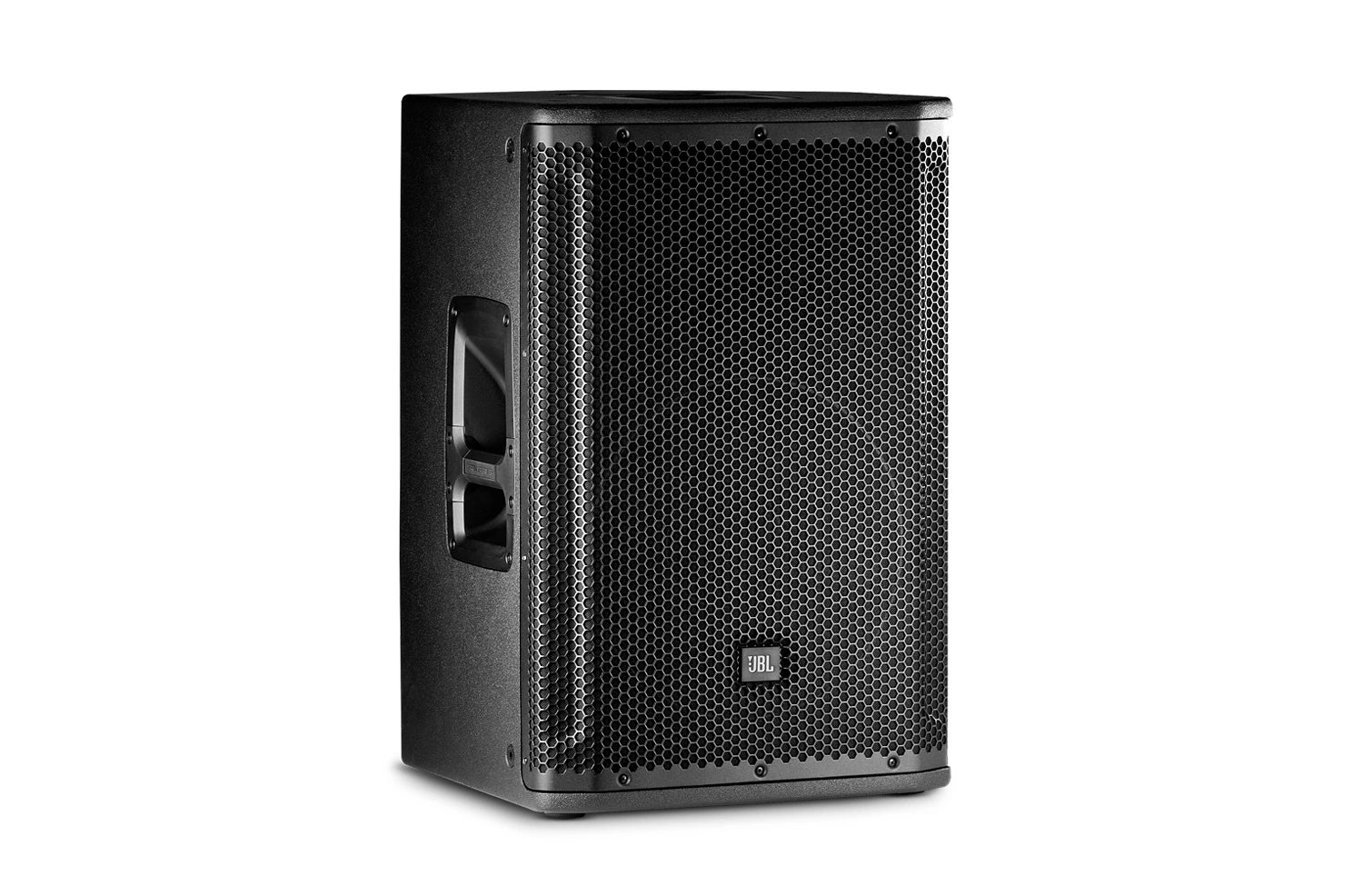
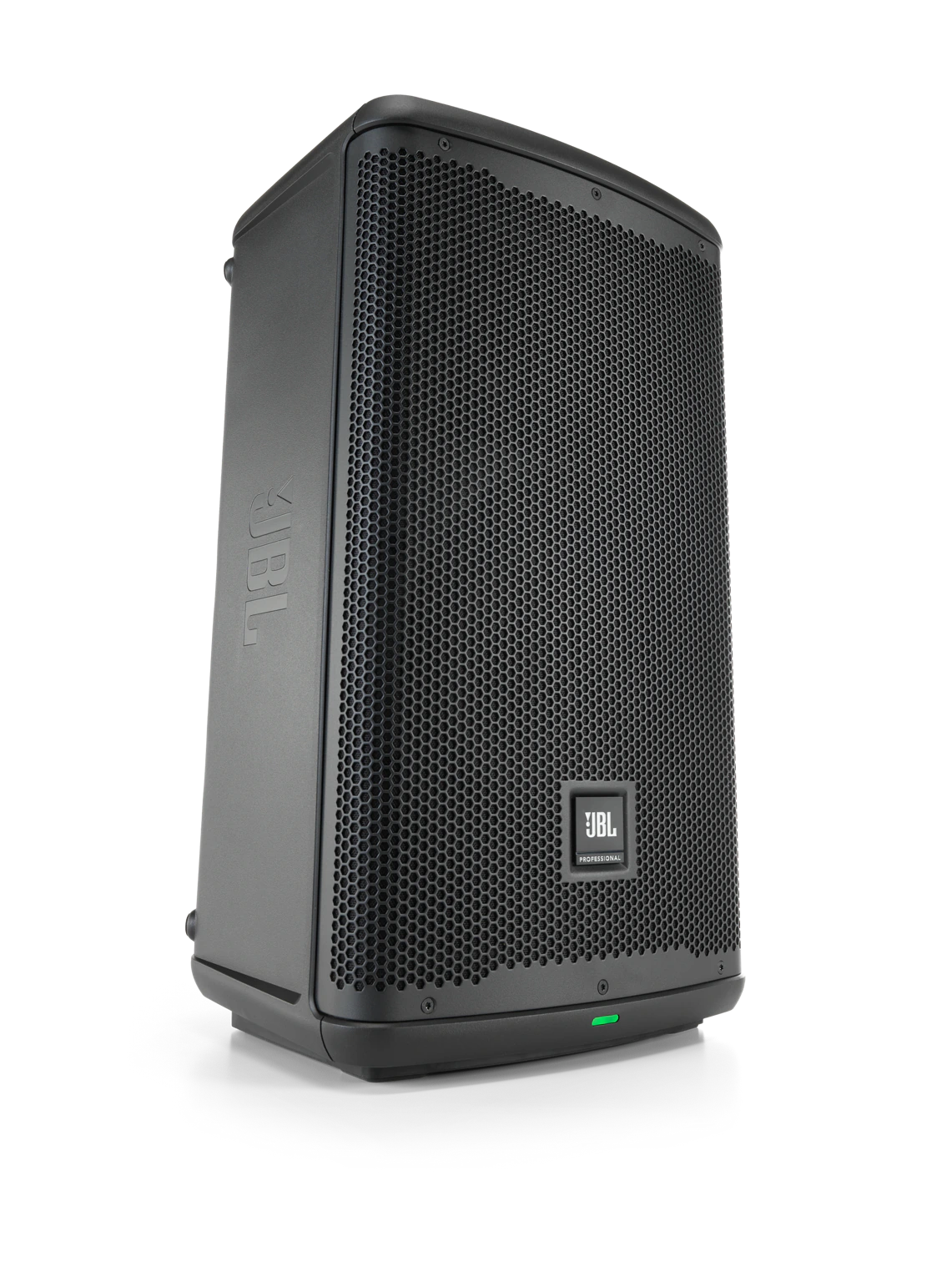
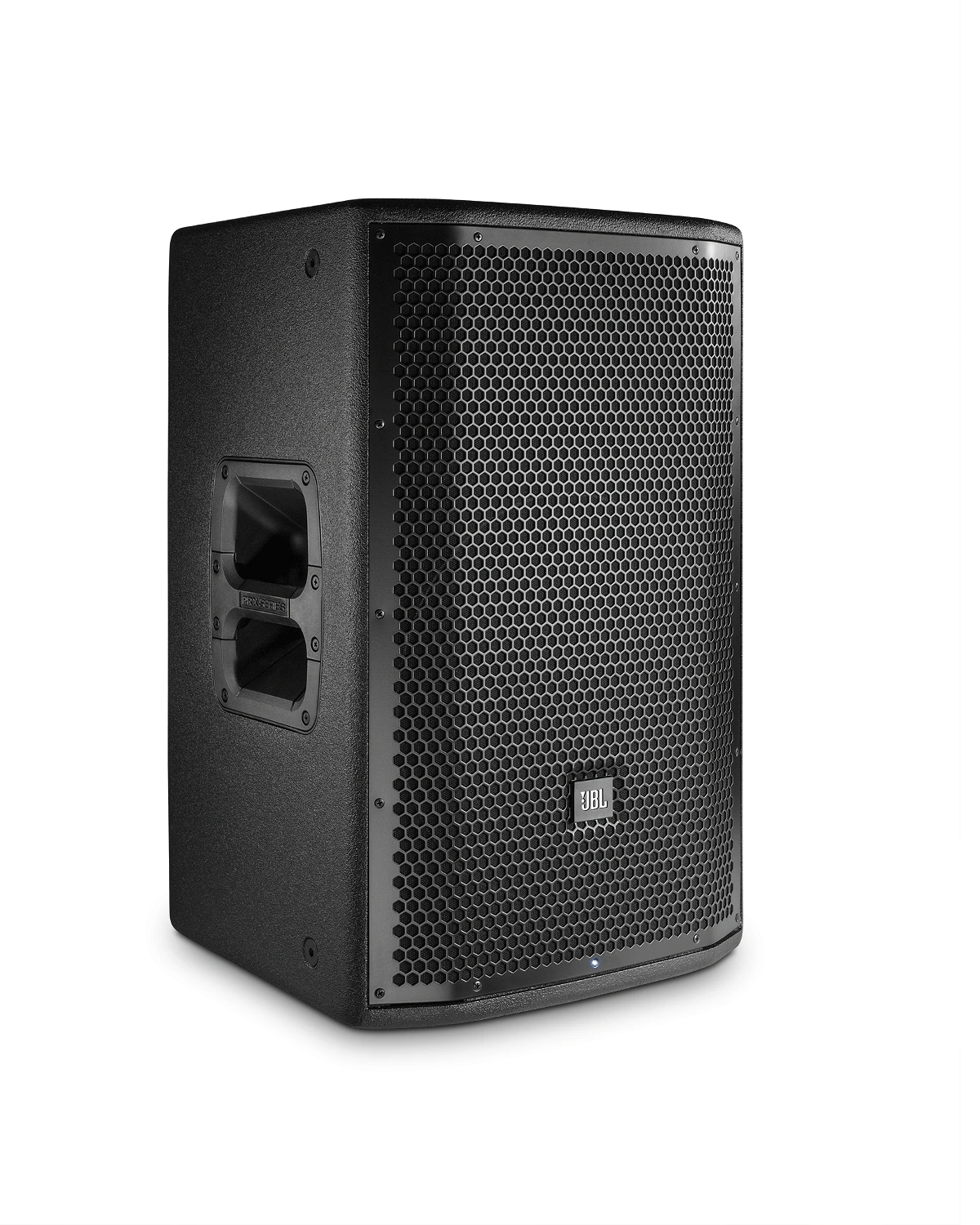
Speed and simplicity. A JBL PRX812 or SRX812P goes on a stand, power in, XLR from the mixer, and it plays. The amplifier is tuned by the manufacturer for exactly that box and the protection is built in, so an inexperienced user cannot easily overload it. The same goes for active subwoofers such as the JBL SRX818SP, which often also has an output for the top speaker.
Our party, wedding, presentation and DJ kits are all built on active speakers for this reason. The packed gear fits in a car and two people have it standing in half an hour.
- Fewer boxes: no amplifier rack and no speaker cables.
- Every speaker needs a socket or an extension lead, including at the stands.
- Setup is limited to a sensitivity knob and a couple of filter switches.
- If one speaker fails, the other keeps playing.
What a passive system gives
The point of a passive system shows at a larger scale. When there are six or eight boxes on stage, as with a line array, it is easier to run speaker cable to them from one amplifier rack than to bring power and signal to each one. The amplifiers and processor sit beside the stage where the technician can watch them.
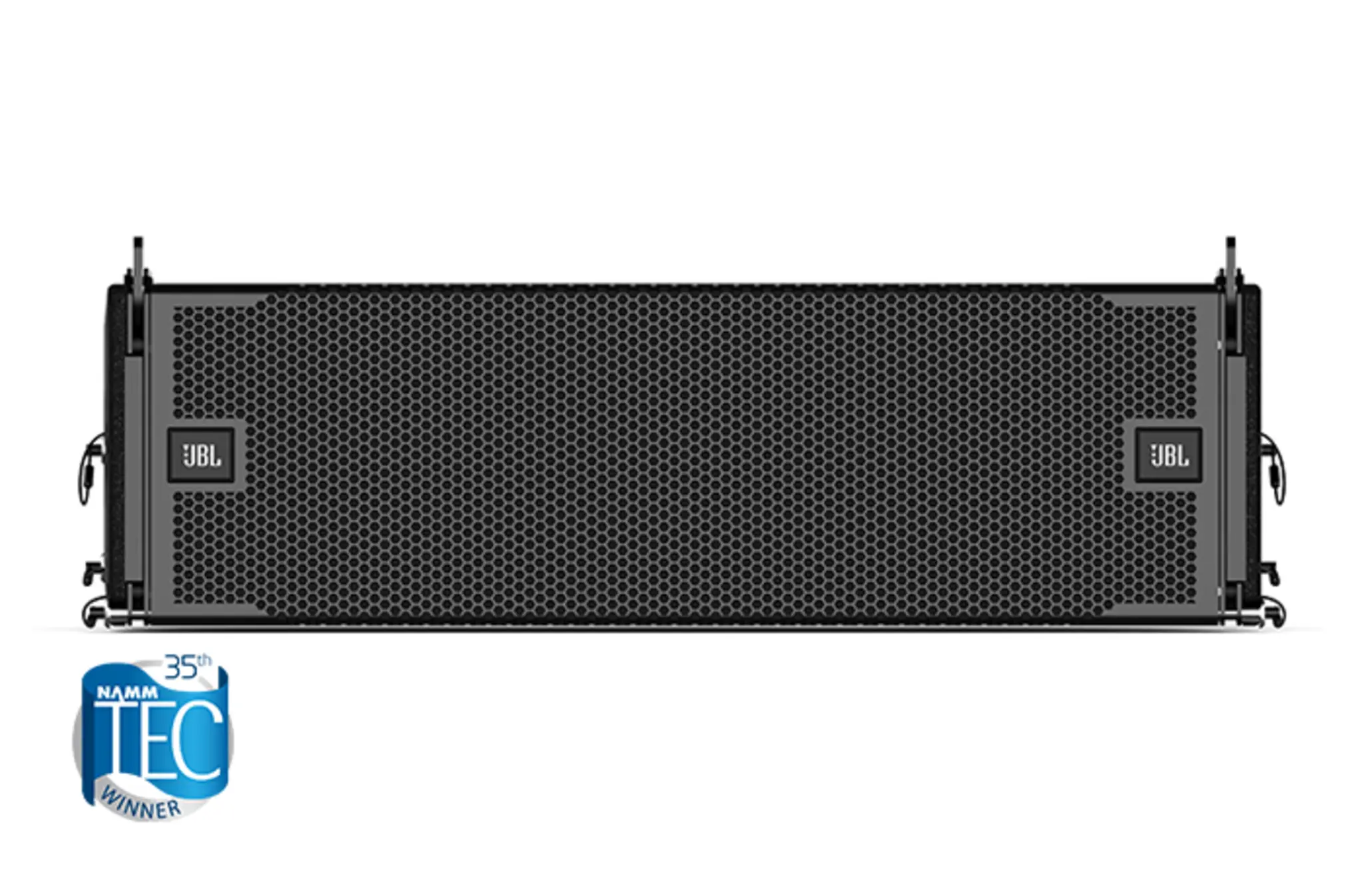
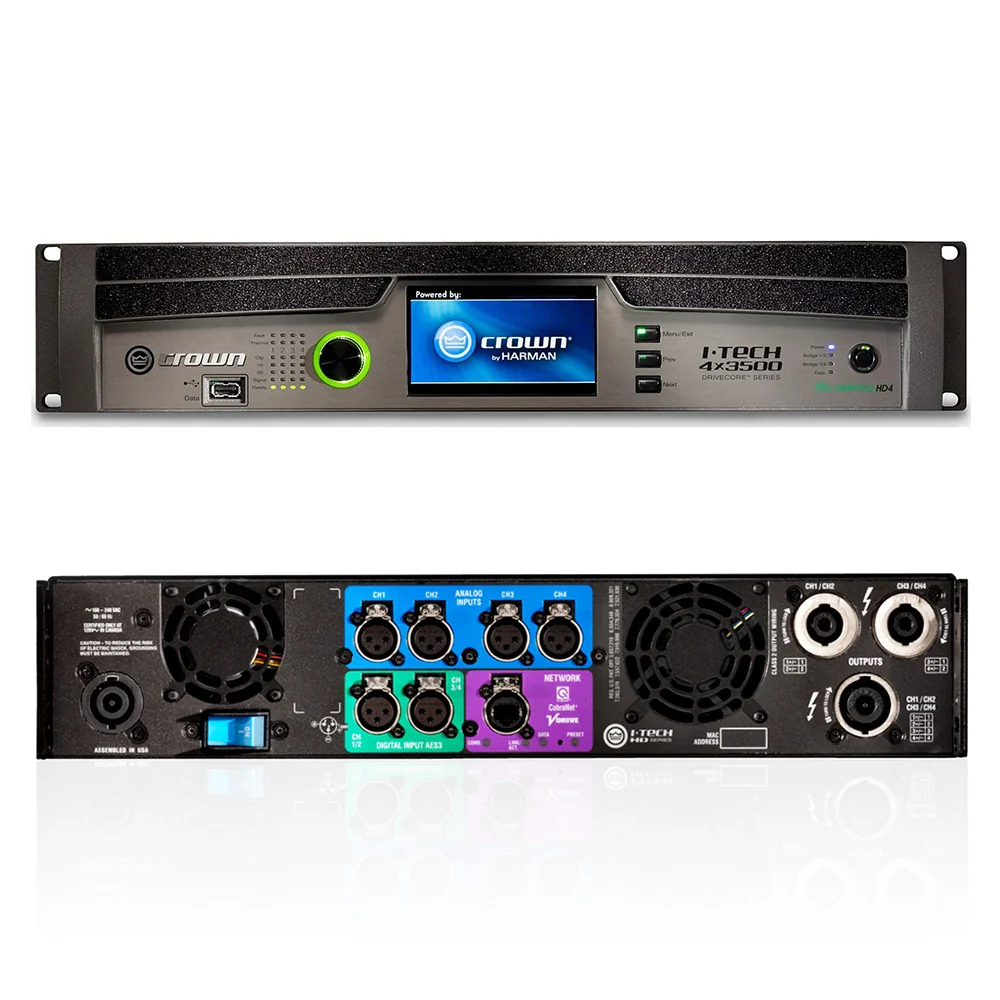
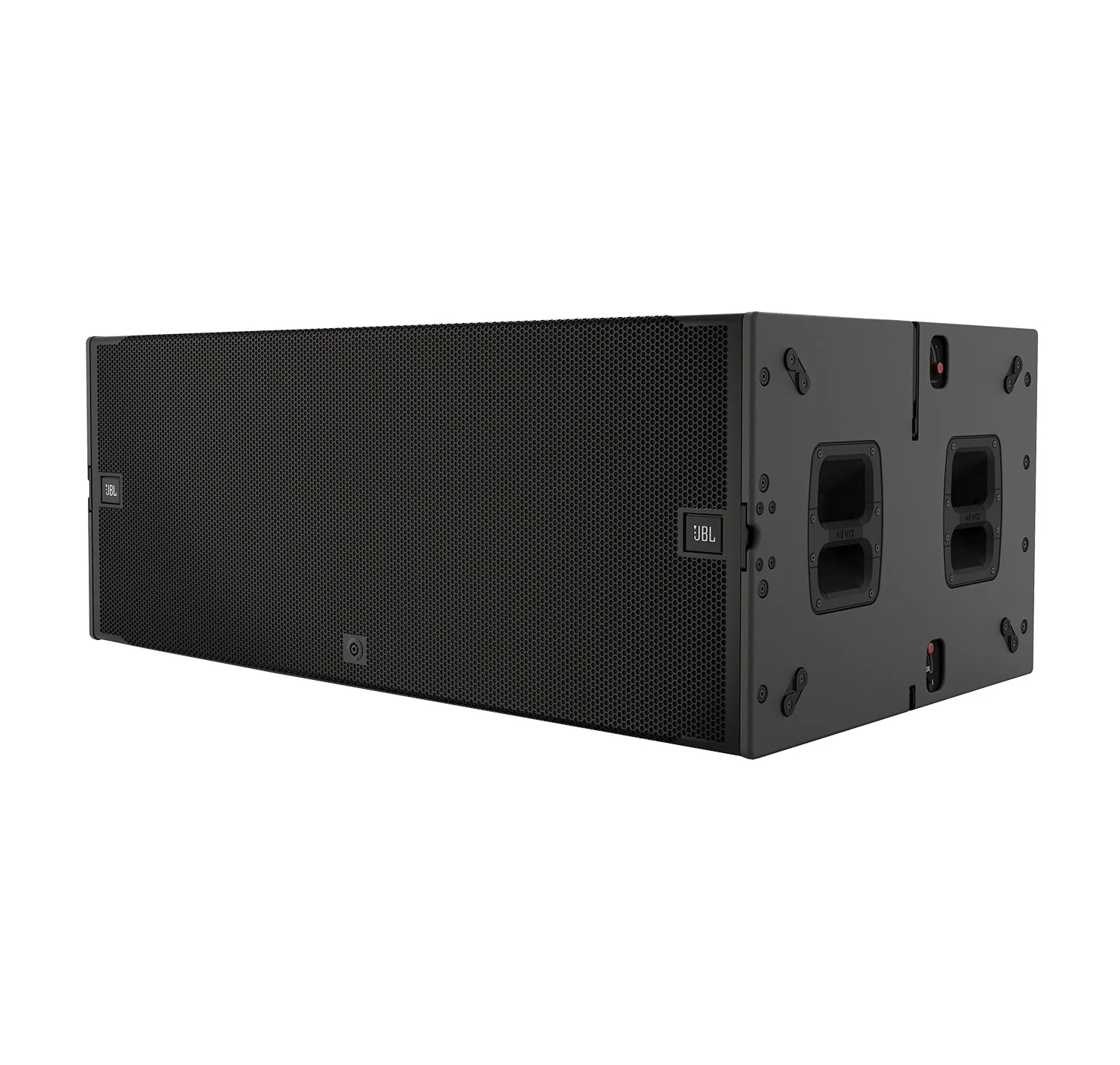
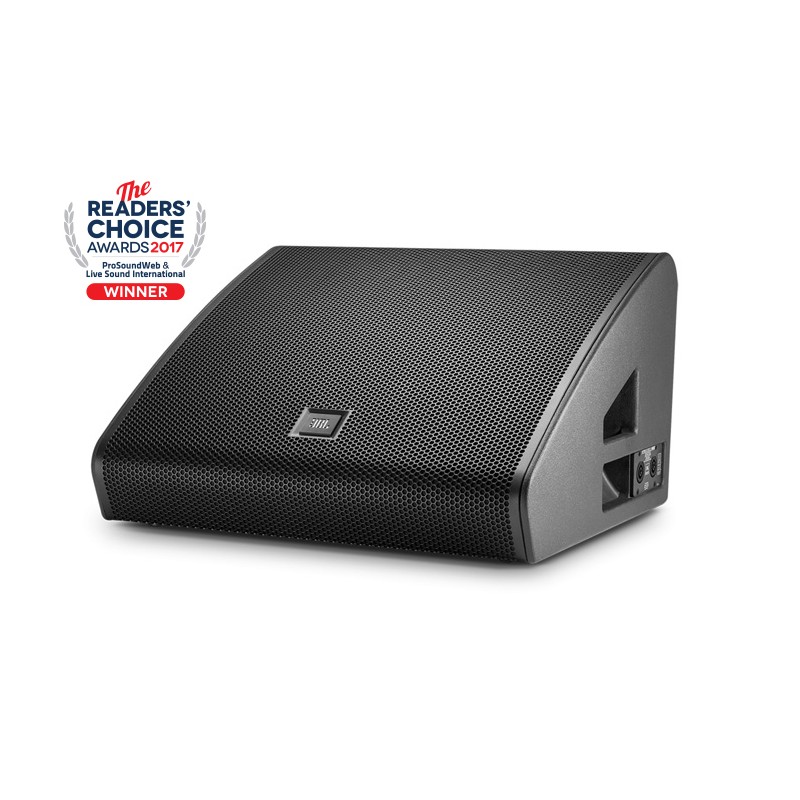
Our Concert kit for up to 500 people (line array) is built exactly this way: the JBL VTX A8 line array elements and VTX B28 subwoofers are passive and driven by Crown I-Tech amplifiers, one four-channel unit for the array, one two-channel unit for the subwoofers and another for the JBL VTX M22 stage monitors. The amplifiers hold the speaker presets and limiters that keep a passive system safe.
A passive stage monitor has one more advantage: there are no power leads on stage, and the monitor itself is a rugged box without electronics that a spilled beer will not kill.
Power and cables at the venue
With active speakers, think ahead about where the sockets are. Every speaker and subwoofer needs power, and extension leads have to reach the stands without anyone tripping over them. A smaller system runs from an ordinary wall socket.
The amplifiers of a passive system need solid power in one place, often a 16 A or three-phase connection, and we agree that with the venue before the event. Speaker cables are thick and long, but they are only needed around the stage.
Which one suits you
Active and passive are not quality grades. The active SRX812P and the passive VTX A8 from the same maker are both concert speakers; they simply suit events of different scale.
- Setting up yourself, audience up to 300: active speakers, for example the PRX or SRX series with an active subwoofer.
- Band for up to 200 people, monitors needed too: active PRX812 boxes work well as monitors, all in the Band kit for up to 200 people.
- Concert or festival for 500 people with solid bass until the end: passive line array with a technician.
- Not sure: tell us the headcount, venue and programme and we will recommend.