Passive speaker
A passive speaker has no built-in amplifier; it receives its power from a separate amplifier through a speaker cable.
A speaker that waits for an amplifier
A passive speaker contains only drivers and a cabinet, sometimes with a simple passive crossover. It is not plugged into the mains. All its energy comes from an amplifier that may stand next to the stage or in a rack tens of metres away. A thick speaker cable carries the power, in professional gear usually with a speakON connector.
Why large systems are passive
Concert and festival systems are often built from passive speakers. The amplifiers sit in one place, where the technician can see their status and control them remotely. The speakers themselves are lighter, which matters when a line array hangs from a frame. The amplifiers' built-in processing holds a manufacturer preset for each speaker model that sets the crossover, EQ and protection.
Passive speakers in our catalog
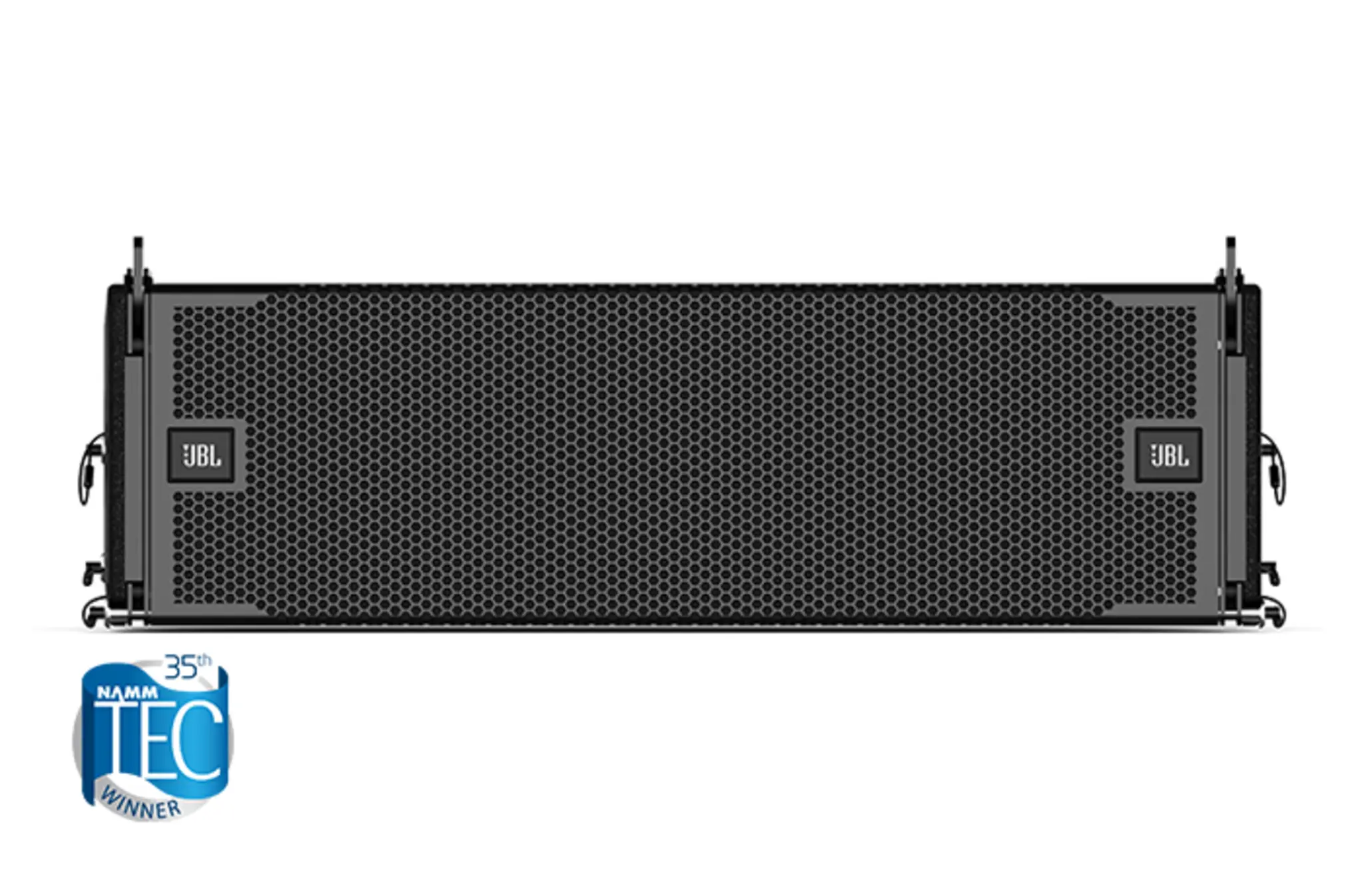
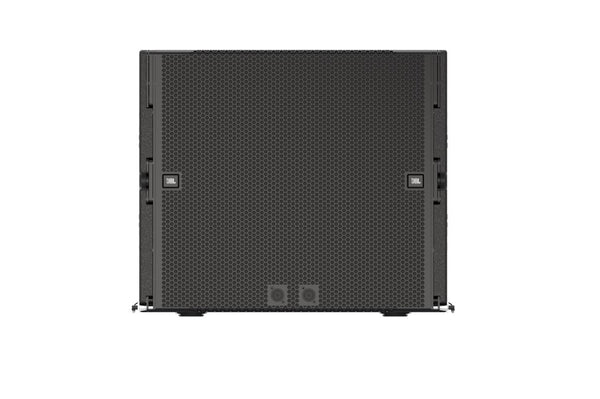
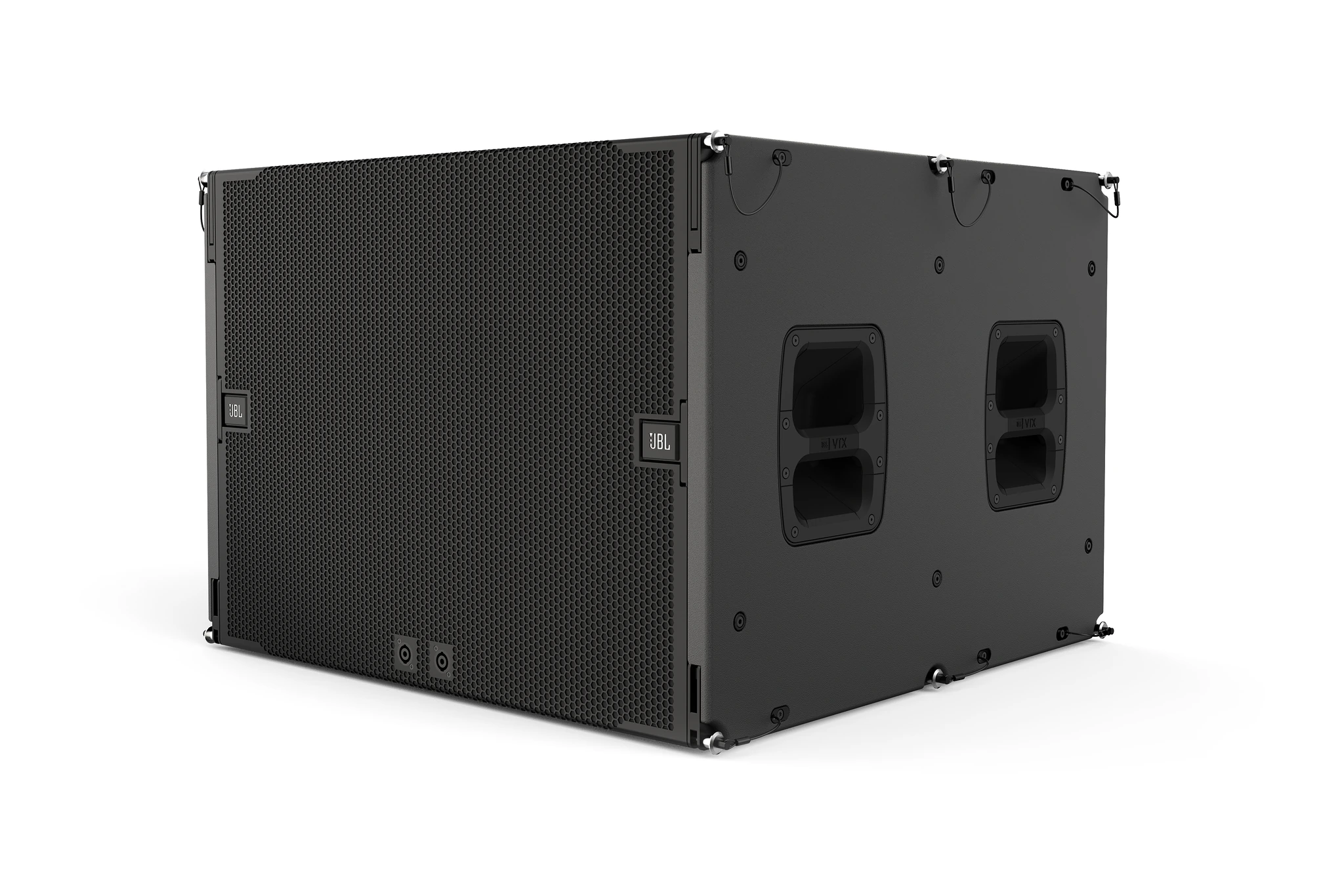
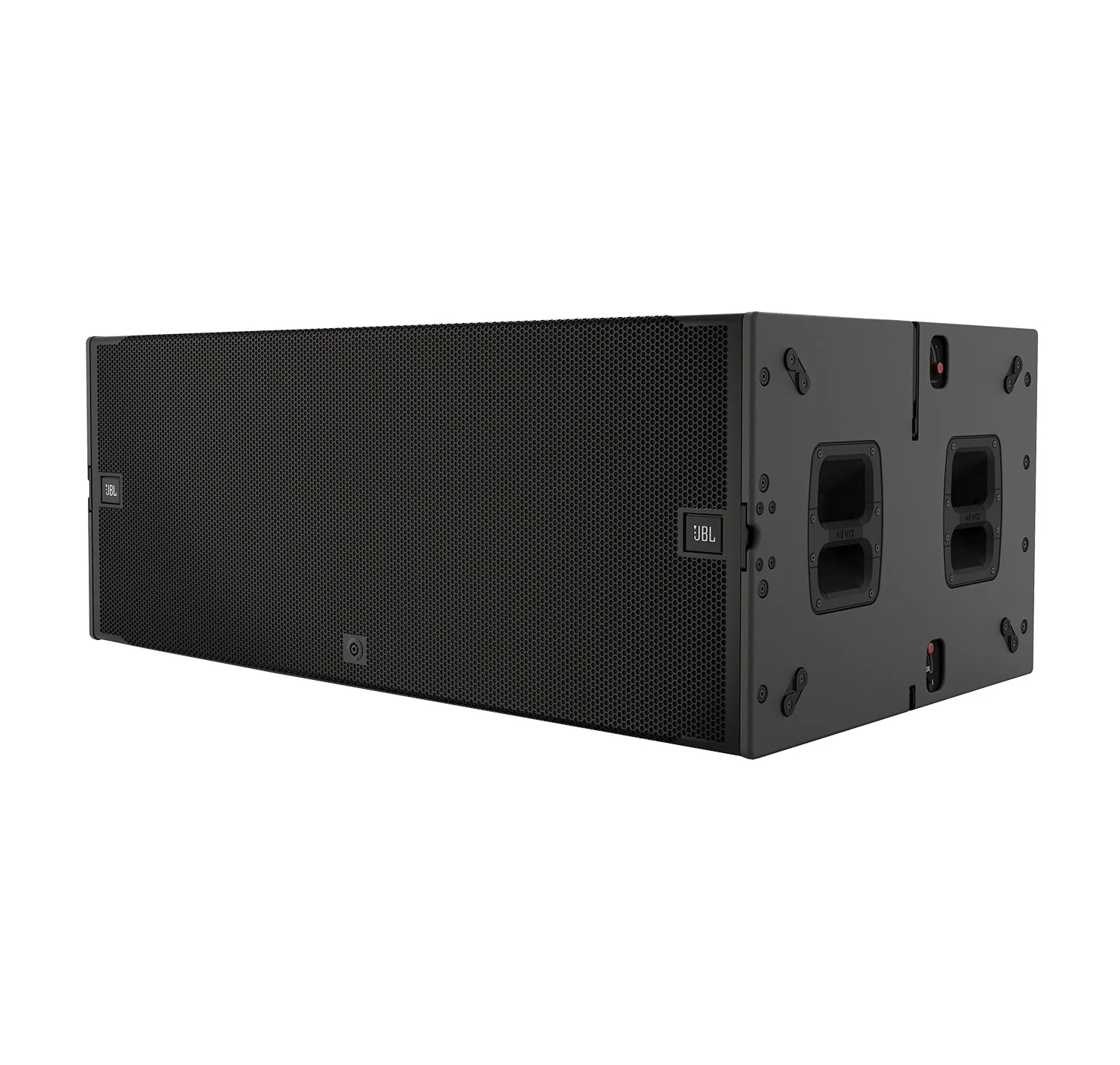
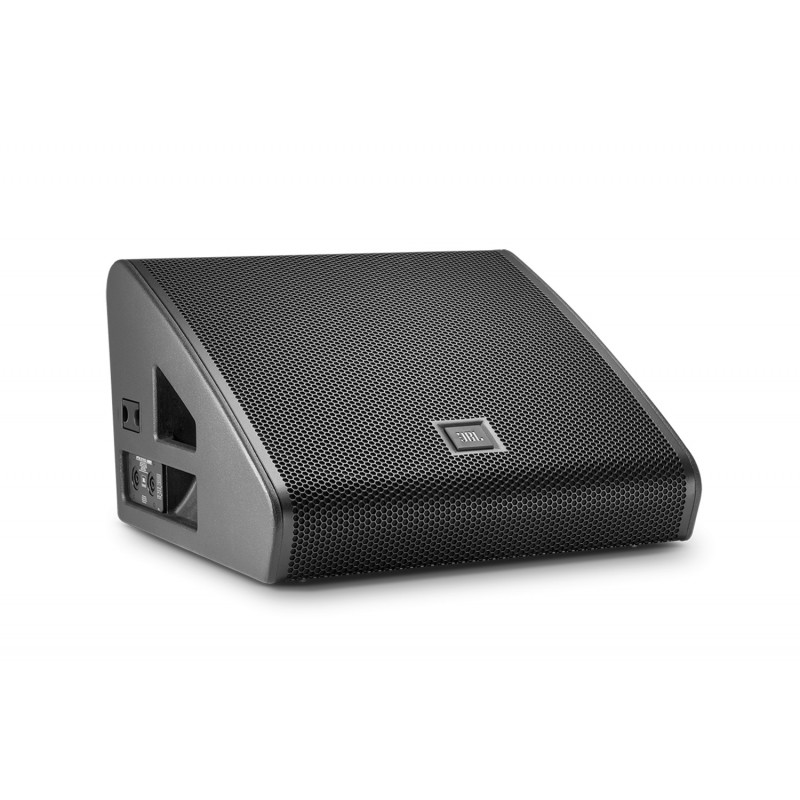
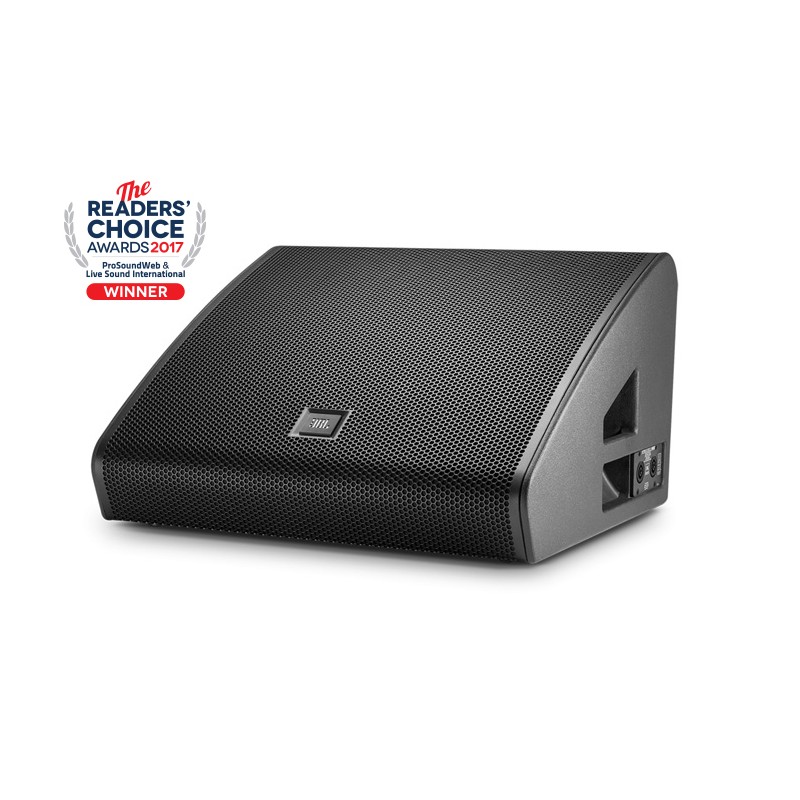
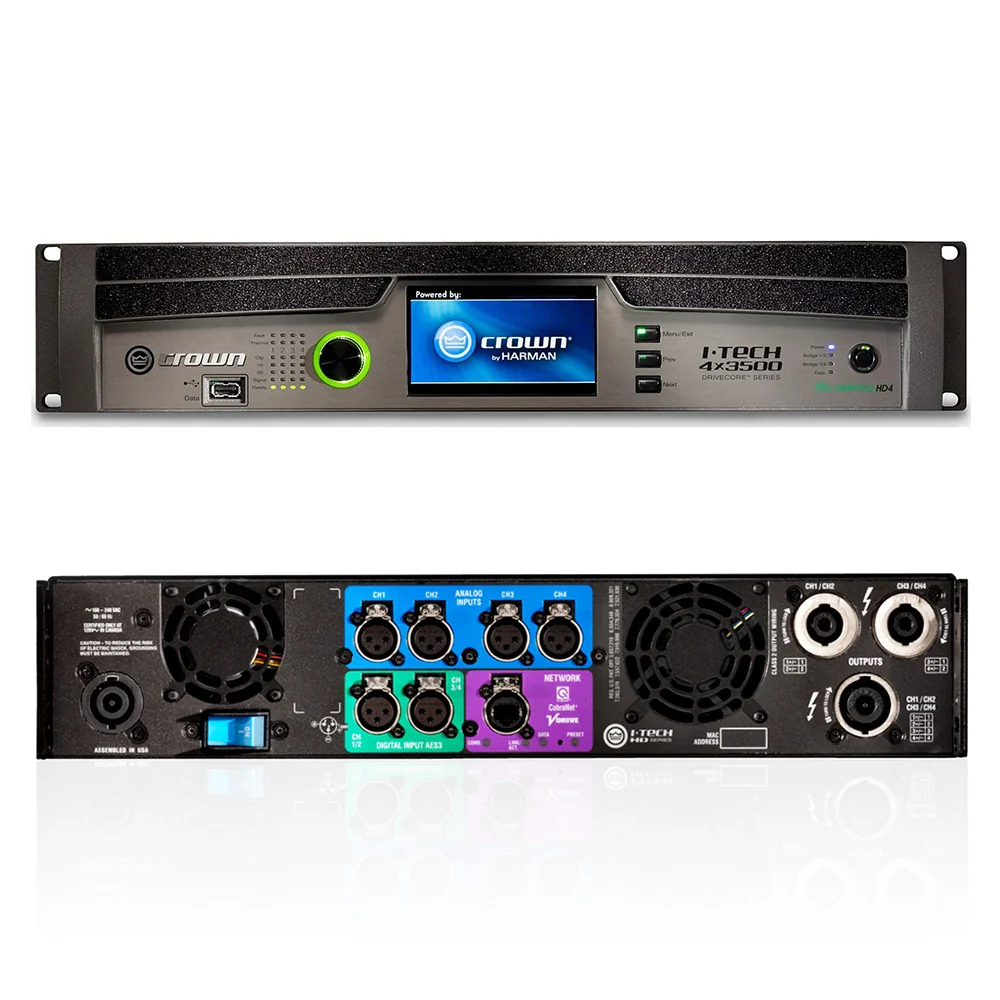
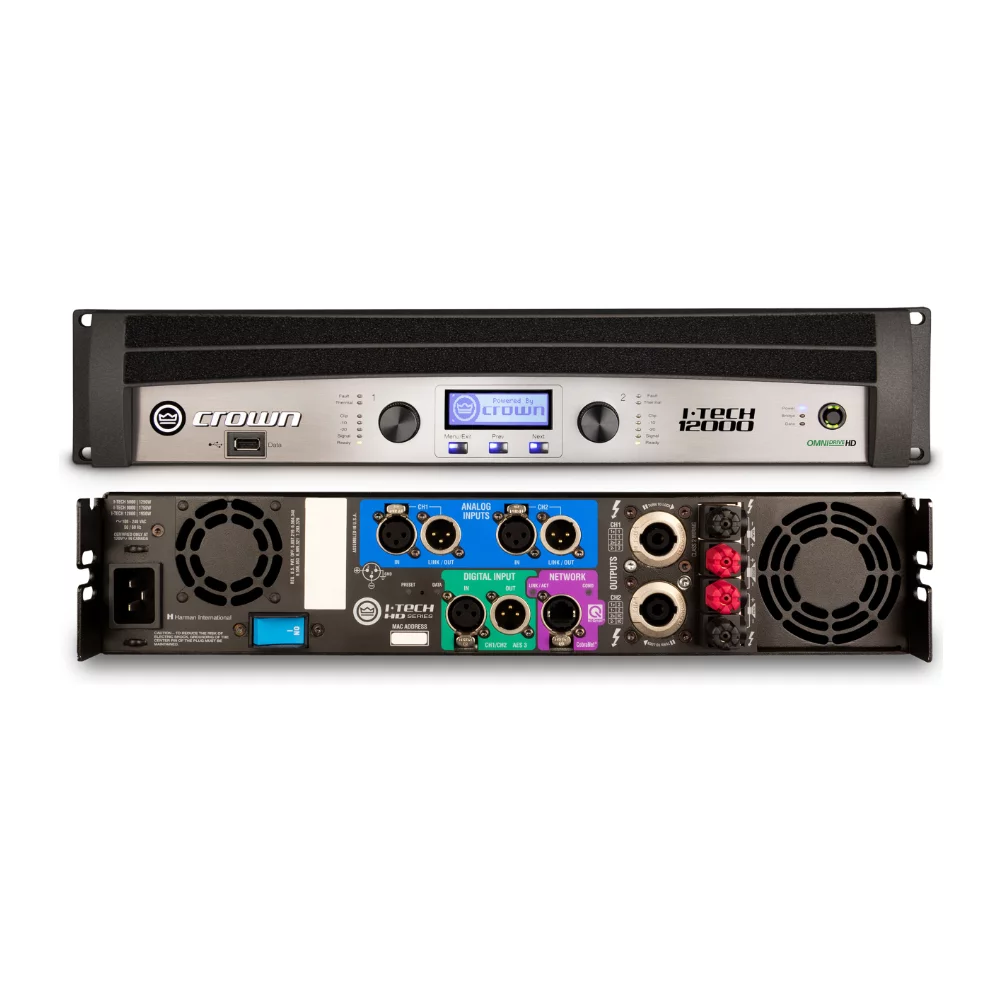
The JBL VTX A8 line array element, the VTX B15, B18 and B28 subwoofers and the VTX M20 and M22 stage monitors are passive. They are driven by Crown I-Tech amplifiers. The Crown I-Tech 4×3500HD has four channels; the I-Tech 12000HD has two very powerful channels. The Concert kit for up to 500 people (line array) is a good example: six VTX A8, two B28 subwoofers and four M22 monitors, all fed from separate Crown amplifiers.
Common mistakes
Never connect a passive speaker to a mixer output or to an active speaker's link socket: they carry only a weak line signal, so the speaker stays quiet or silent. Another mistake is wiring too many speakers in parallel on one amplifier channel, which drops the impedance too low. A third is the wrong amplifier preset: without the manufacturer's setting a tweeter can be damaged. That is why a passive system usually goes out with a tuned amplifier rack and a technician.