Crossover
A crossover splits the audio signal into frequency bands so that each speaker driver receives only the frequencies it is built to play.
Each driver to its own job
No single driver plays the whole audible range well. A large woofer is sluggish and beamy at high frequencies, and a small high-frequency driver would break if fed bass. A crossover splits the signal so that low frequencies go to the big driver and high ones to the small one. The point where one driver hands over to the next is the crossover frequency.
Two-way, three-way and subwoofer
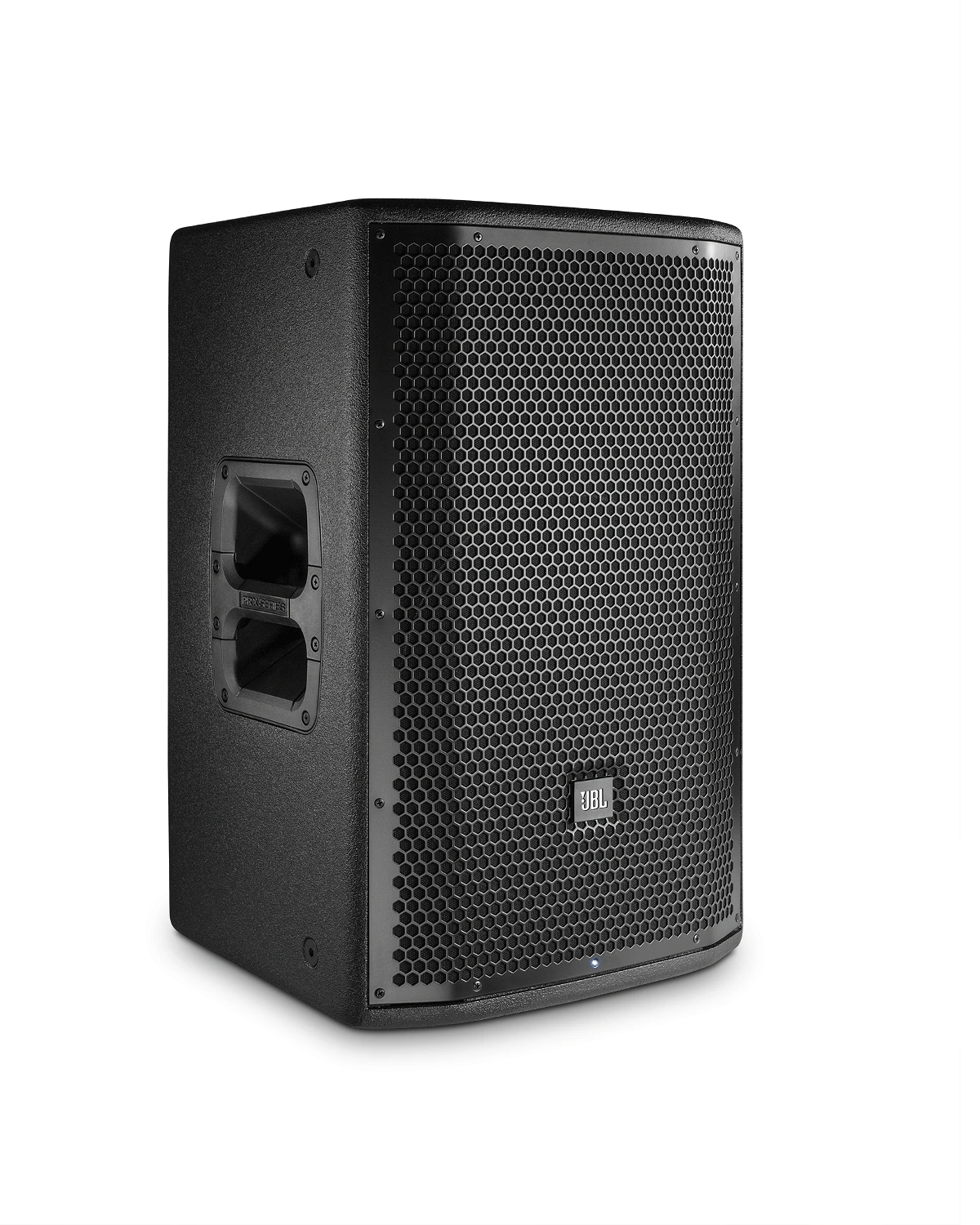
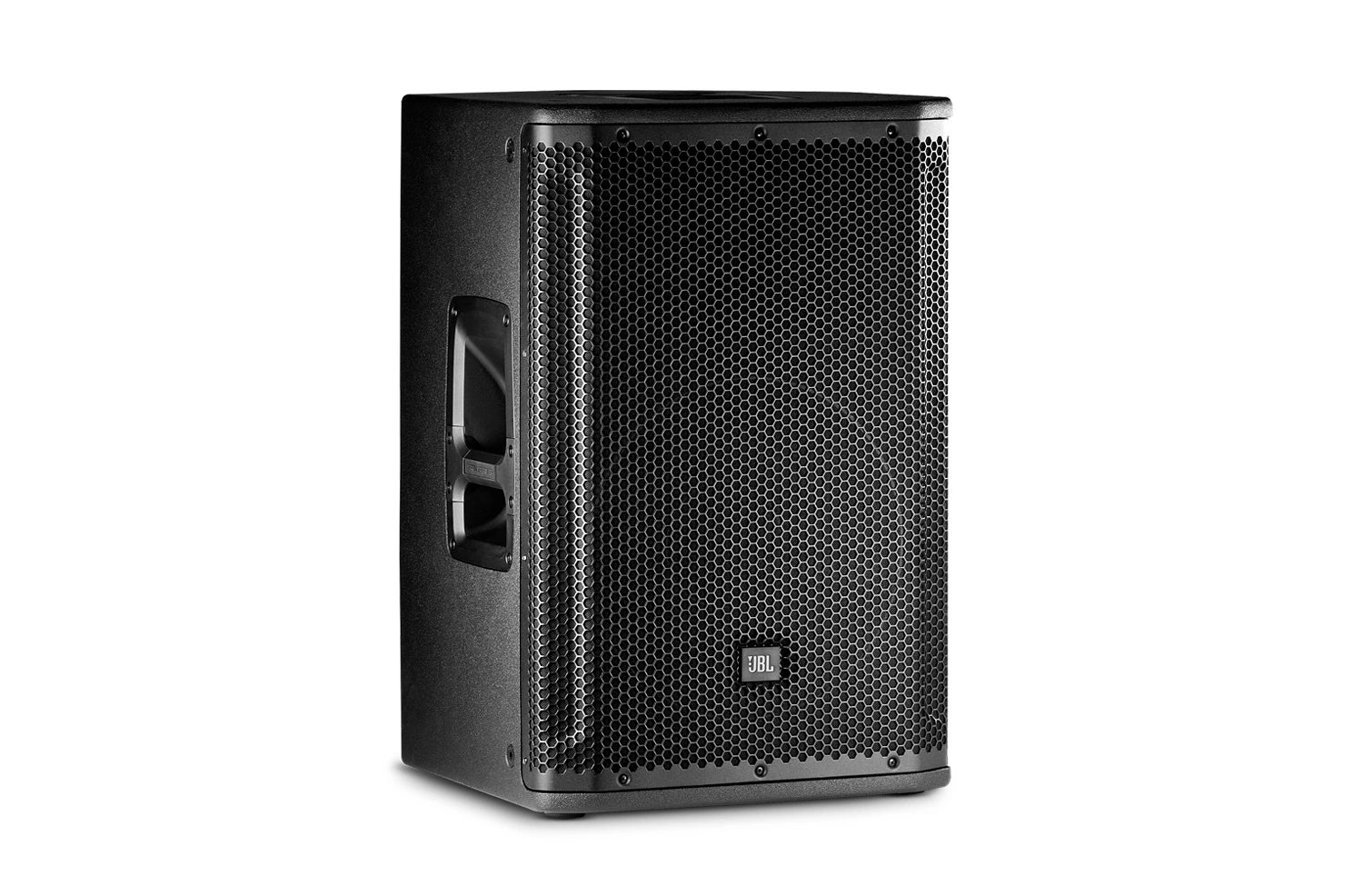
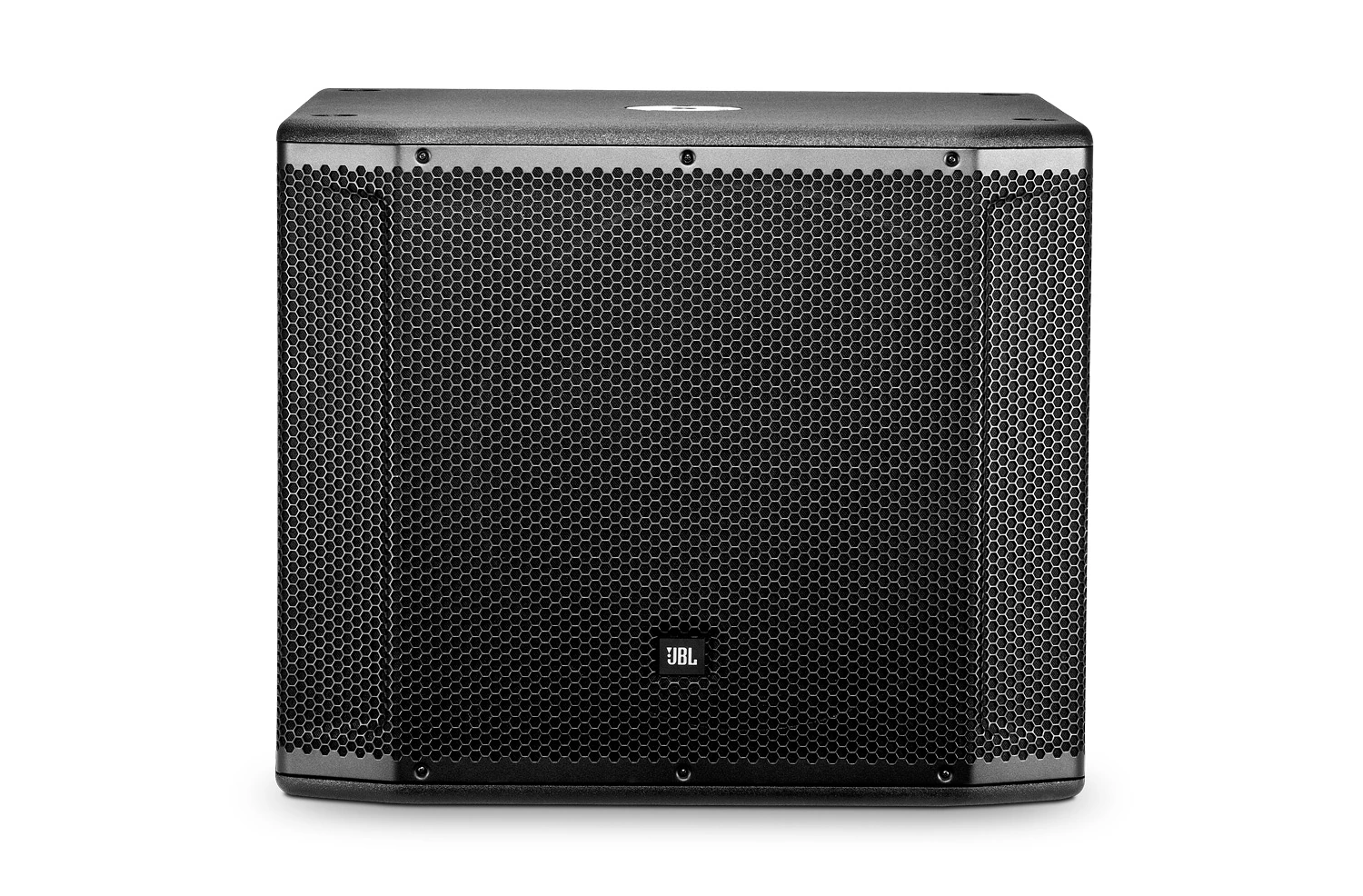
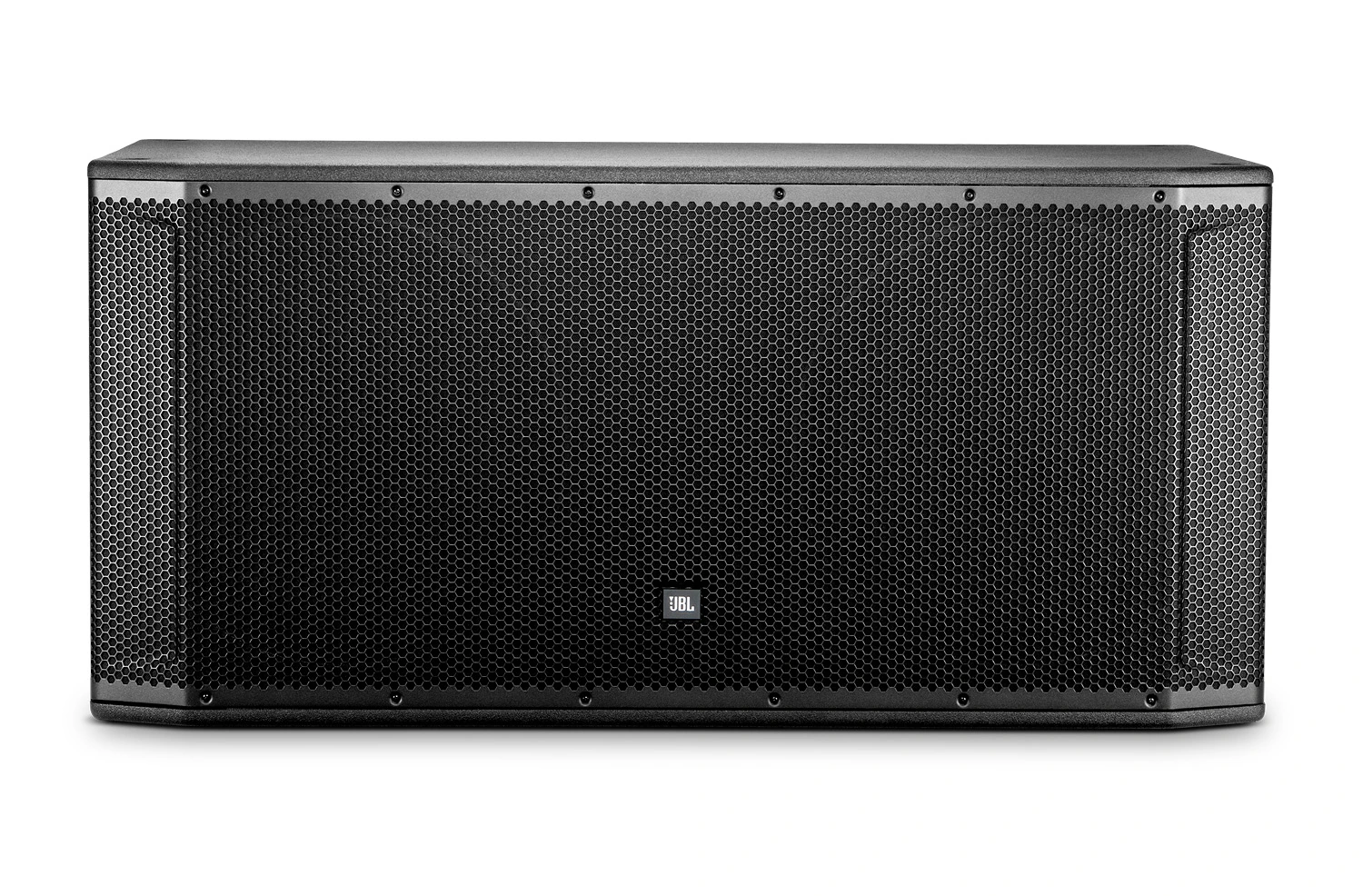
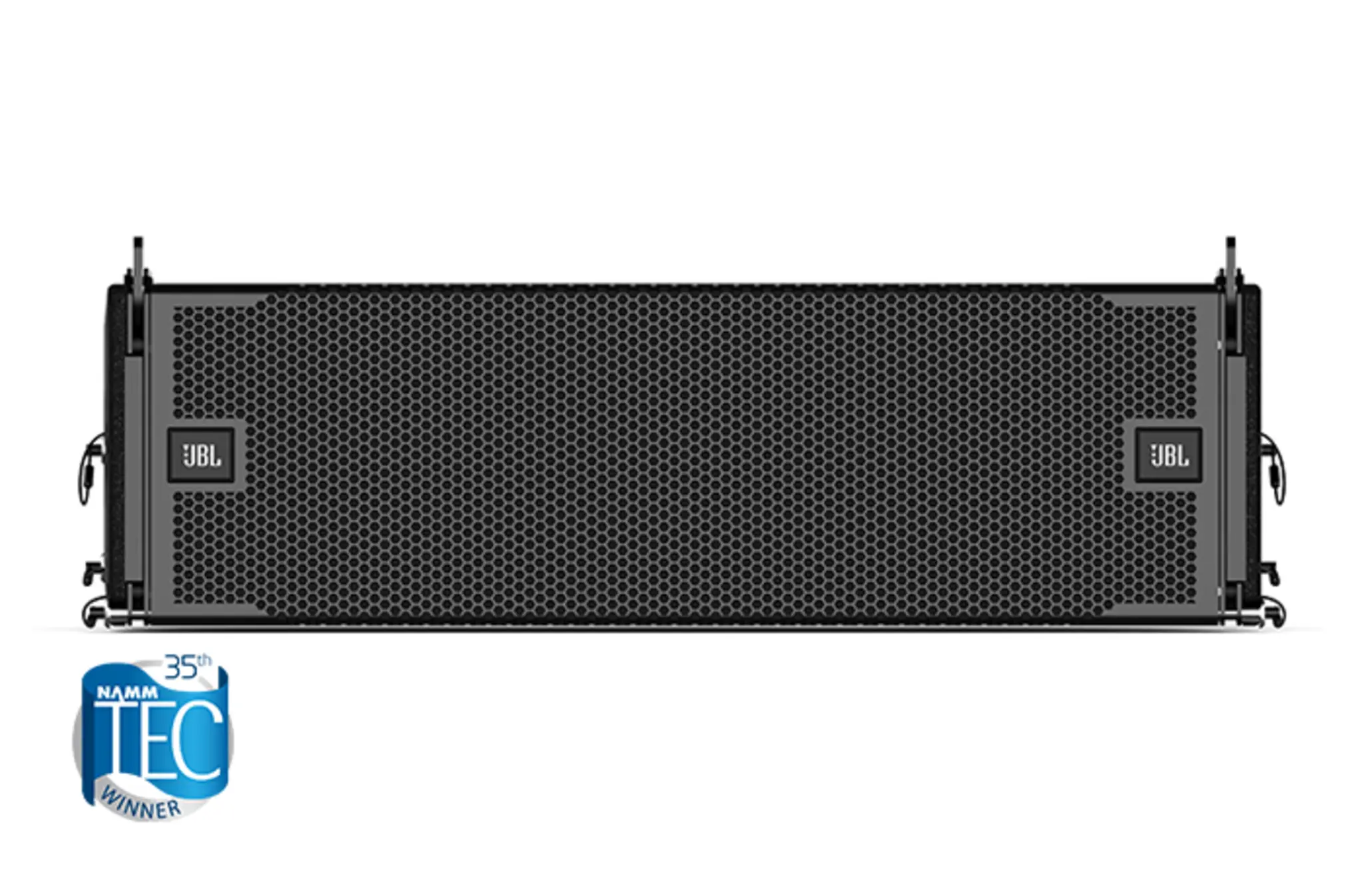
The catalog shows how many bands a speaker has. The JBL PRX812 is marked HF/LF, so it is two-way: a 12-inch woofer and a 1.5-inch high-frequency driver. The JBL VTX A8 is HF/MF/LF, three-way, with the mid frequencies on their own drivers. Adding a subwoofer creates one more split: everything below a certain frequency goes to the subwoofer and the main speaker receives only what is above it.
Passive and active crossovers
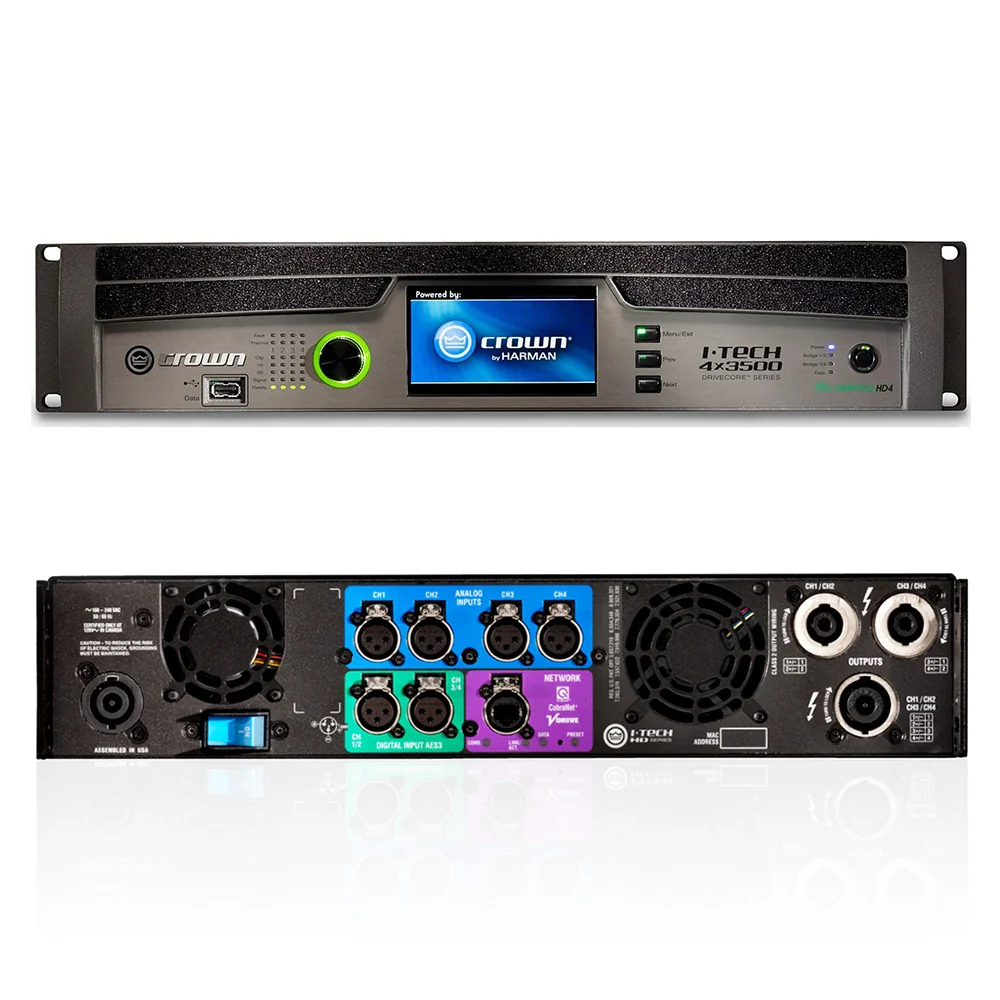
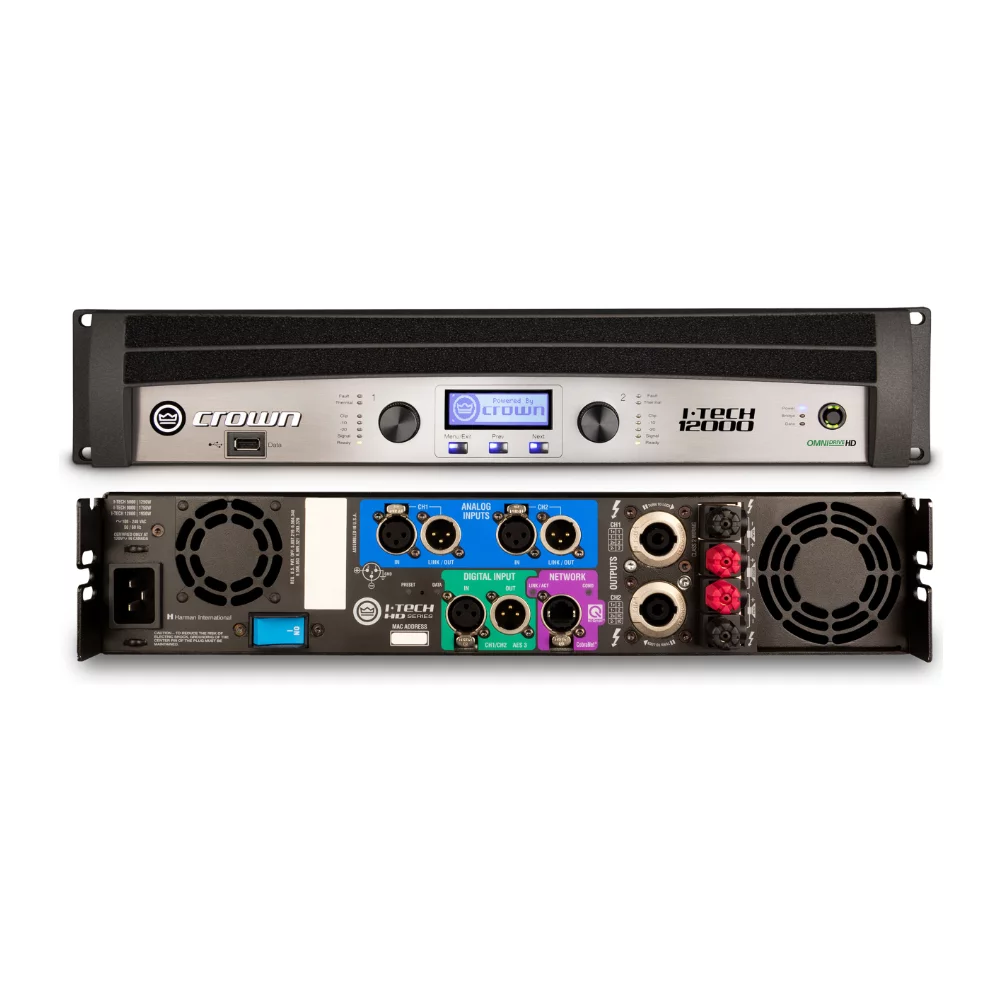
A passive crossover is a circuit of capacitors and coils inside the cabinet that splits an already amplified signal. An active crossover works before the amplifier and today is digital. Active speakers such as the SRX812P have it built in. In a passive system the Crown I-Tech amplifier's processor does the job, loaded with the JBL preset. An active split is more precise and lets each band be protected separately.
What an organiser should know
You do not need to set a crossover yourself, but it helps to know it is there. If the split between an active subwoofer and the top speaker is switched off, both play the same bass and the sound turns thick and muddy. If a passive system's processor holds the wrong preset, the high-frequency driver may receive bass and get damaged. If in doubt, ask the technician before the event to confirm the split between speakers and subwoofers is set.