Speakon connector
Speakon is a twist-locking connector that links passive speakers to an amplifier, so high output current travels safely and the plug cannot fall out by accident.
Why Speakon exists
A passive speaker has no amplifier of its own. The amplifier sits in a separate rack and sends the speaker an already amplified signal that carries far more current than a microphone or line signal. That current needs thick conductors and a connector whose contacts are out of reach of fingers. Speakon was designed for exactly this: you push the plug in and turn it a quarter turn until it locks.
The connector has four or eight contacts. With four, one cable can carry two amplifier channels, for example to the high and low sections of a speaker separately. This is used in multi-way speakers and line arrays.
Which equipment uses Speakon
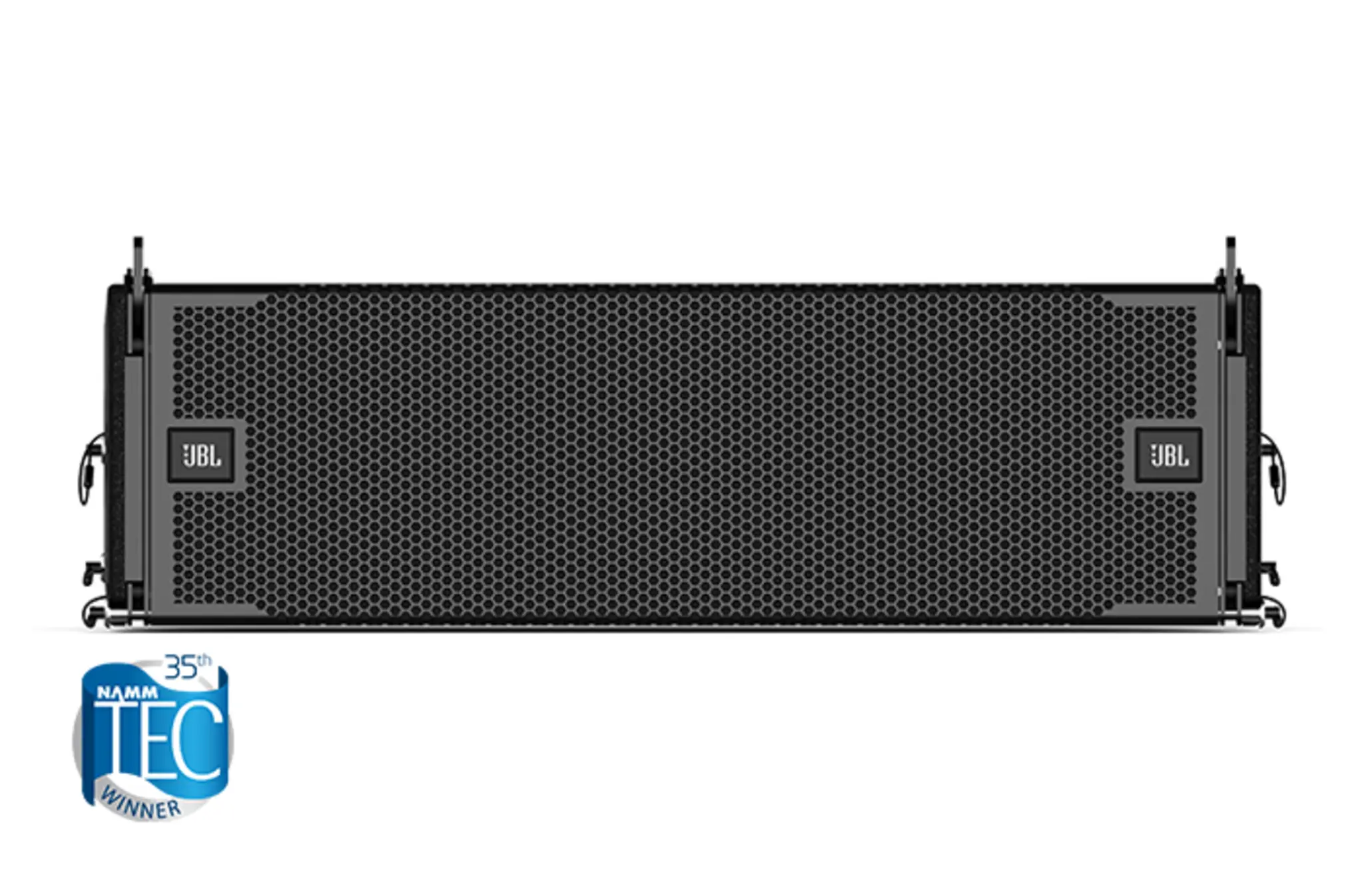
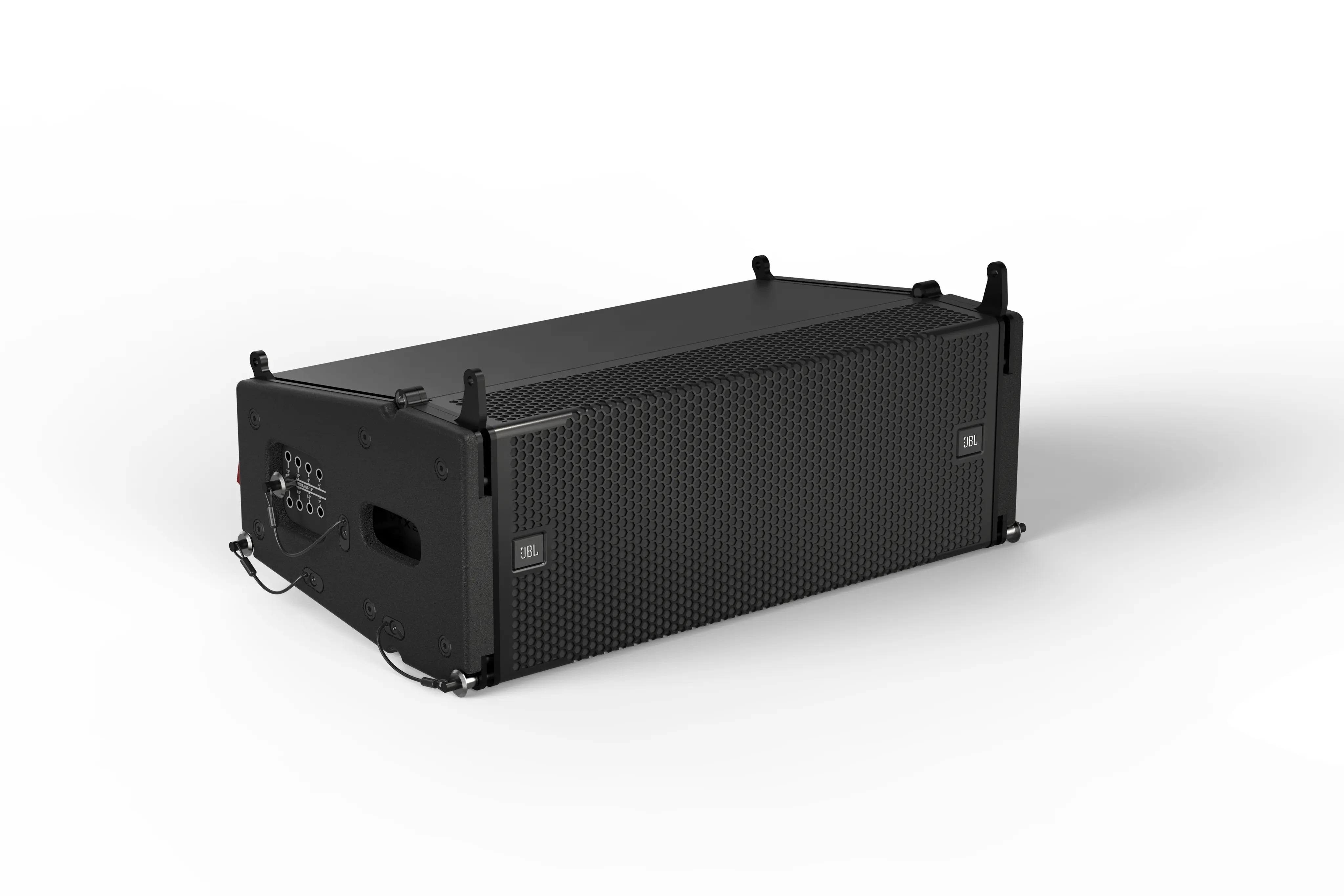
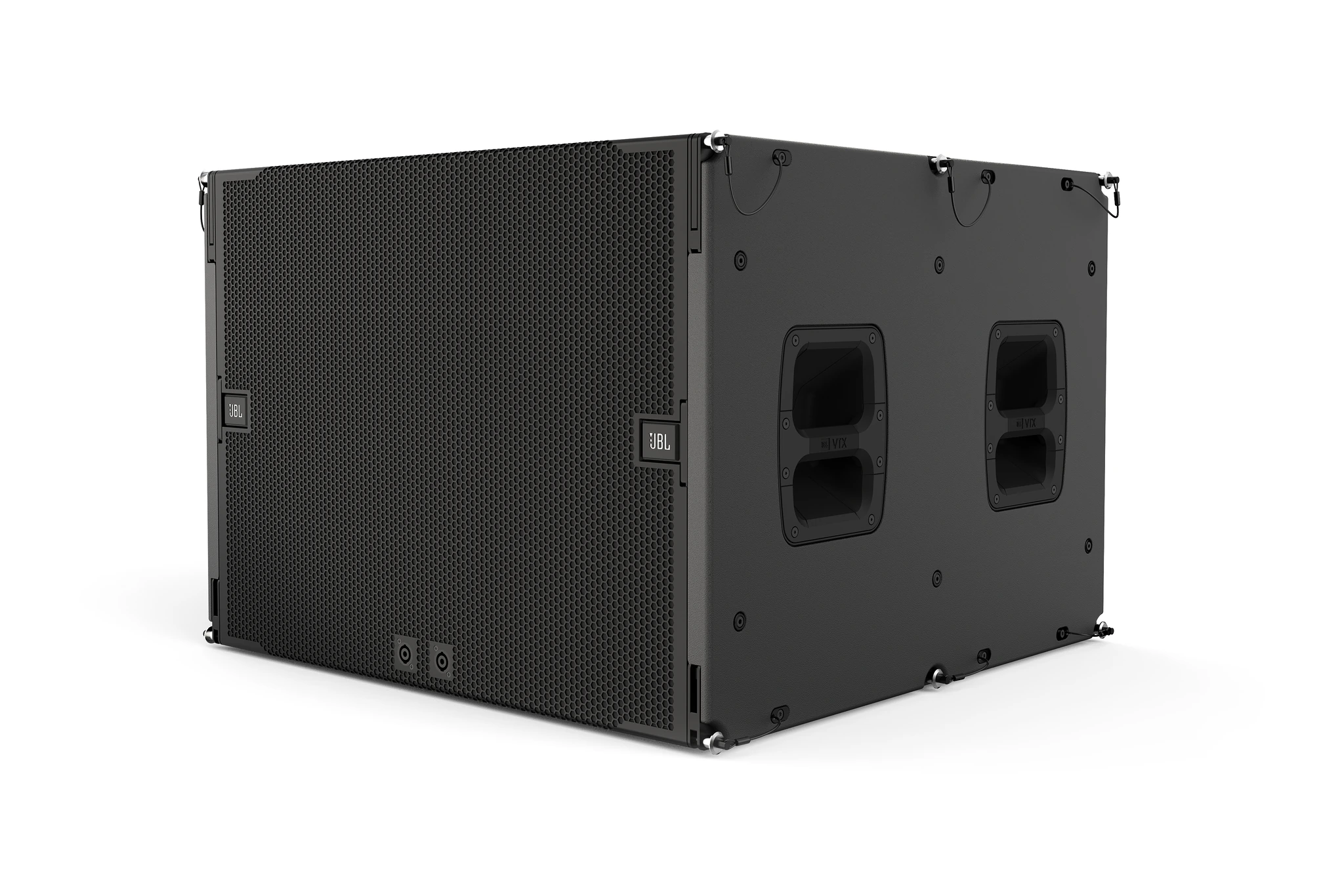
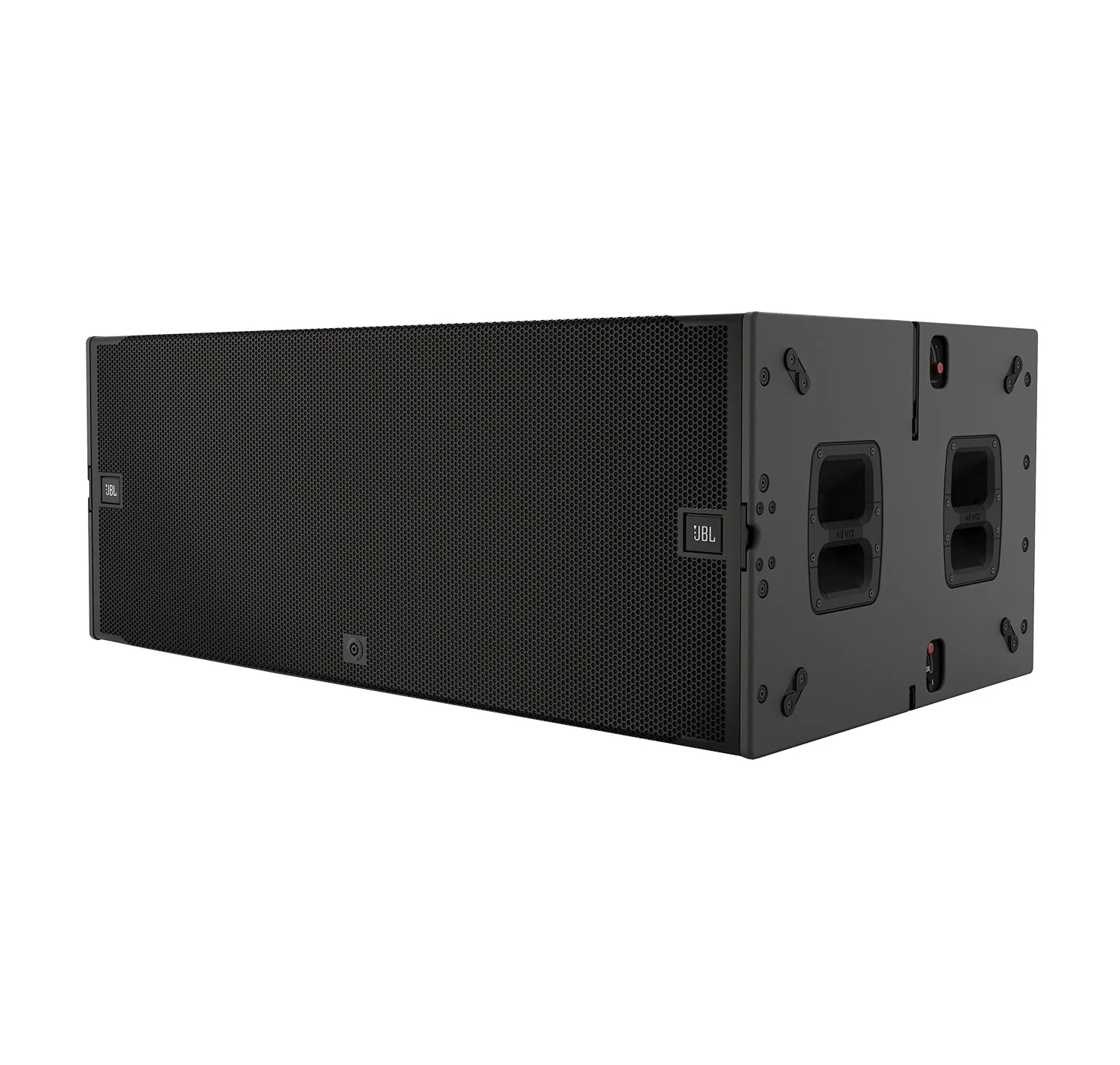
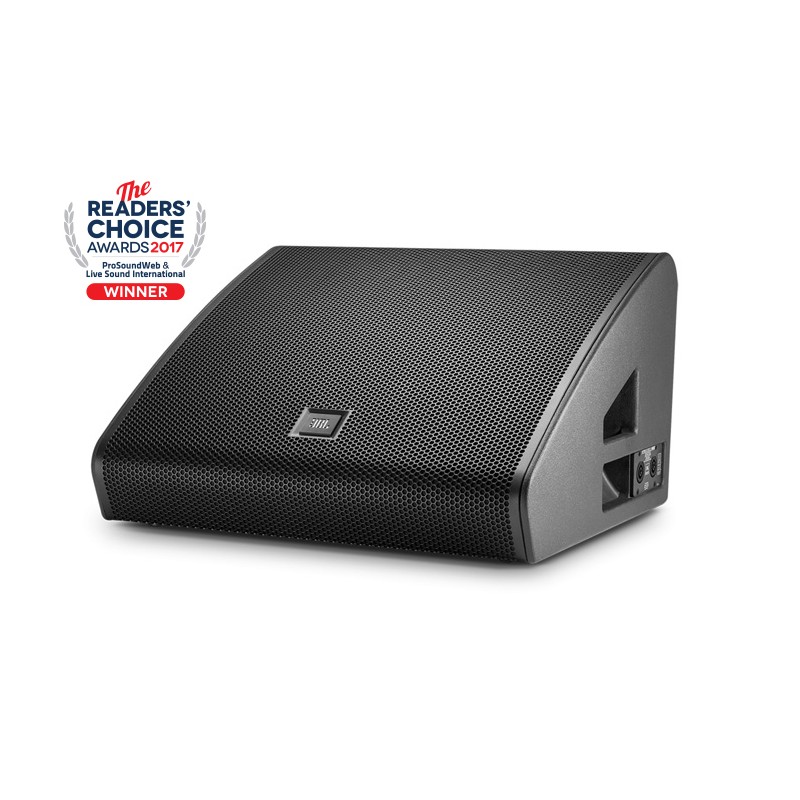
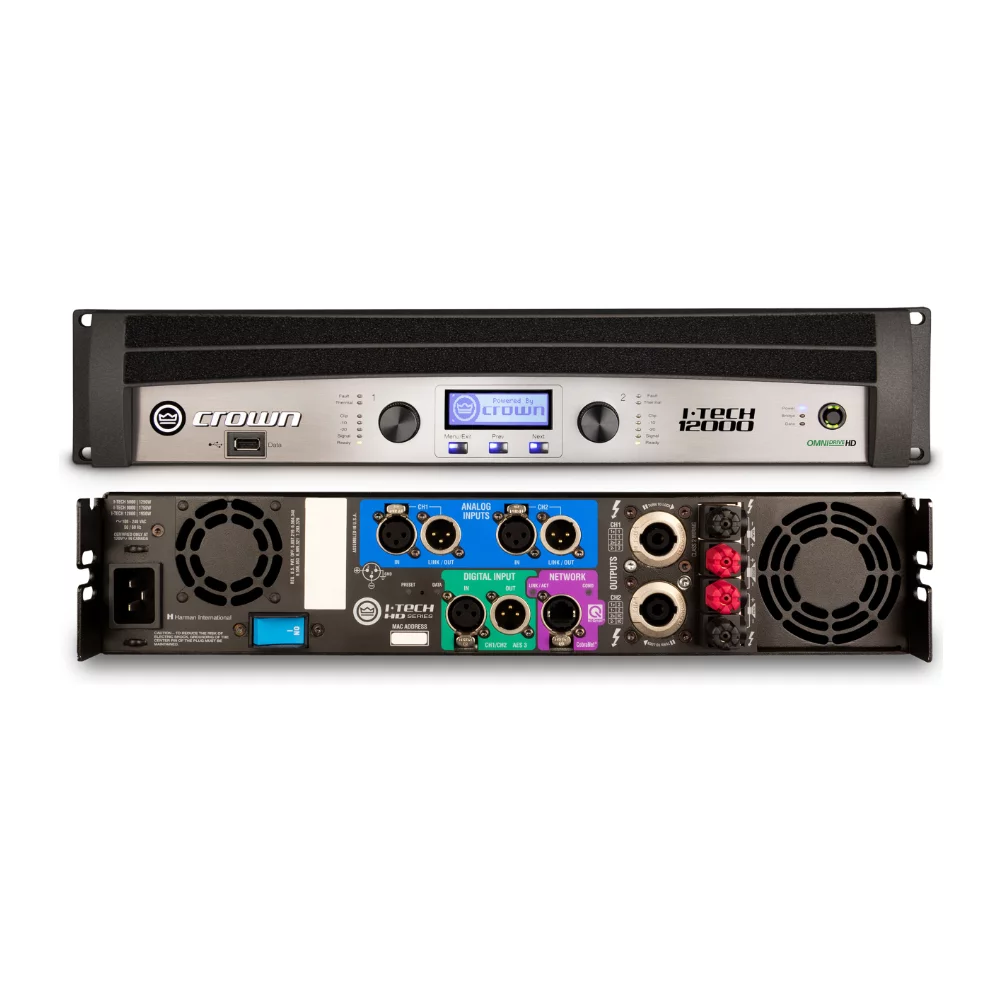
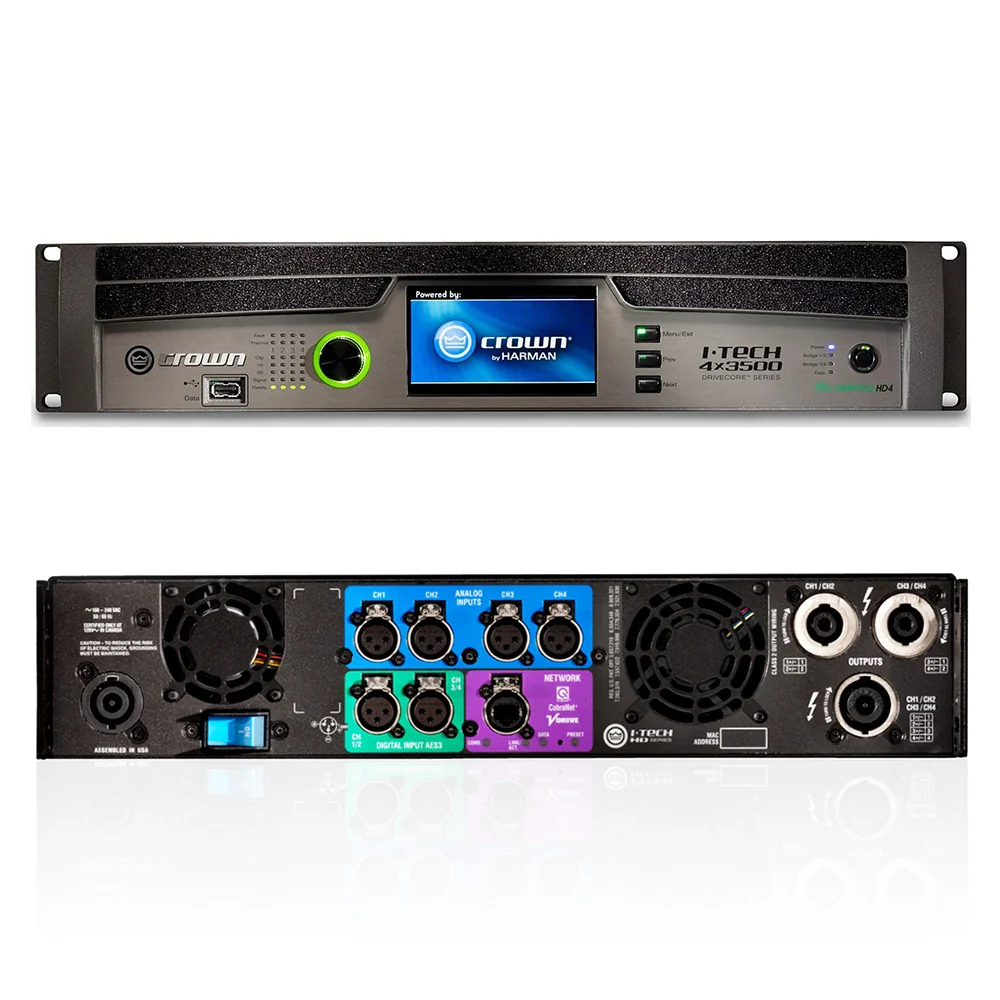
In our stock the JBL VTX passive speakers use Speakon: the VTX A6 and A8 line array elements, the VTX B15, B18 and B28 subwoofers, and the VTX M20 and M22 stage monitors. They are driven by the Crown I-Tech 12000HD and I-Tech 4×3500HD amplifiers, whose outputs are Speakon too.
Active speakers such as the JBL PRX812, PRX815 or SRX812P do not need Speakon for the signal. They take an XLR cable from the mixer and a separate mains cable. If you rent only active speakers, Speakon cables do not belong on your list.
Common mistakes
The most dangerous mistake is connecting or disconnecting a Speakon cable while the amplifier is running. The contacts are live and the speaker gets a jolt. Another is pushing the plug in without turning it: it sits in the socket, but the lock does not hold and the first tug pulls it out. A third is trying to drive a passive speaker over a thin jack-ended cable, which heats up and distorts the sound.
- Switch the amplifier off before cabling and on last.
- Turn the plug until you feel it click.
- Label cables by channel so left and right do not swap.
- Passive system cabling is best left to a technician.