Cardioid subwoofer
A cardioid subwoofer setup arranges and delays several subwoofers so bass goes forward to the audience and is strongly reduced towards the stage and back wall.
Bass that normally goes everywhere
An ordinary subwoofer radiates low frequencies almost equally in every direction. A bass wave is longer than the subwoofer box, so the box cannot steer it. As a result there is almost as much bass on stage and behind the system as in front of the audience. The stage turns muddy, stage microphones pick up bass, and the buildings or neighbours behind get their share.
How a cardioid layout works
The most common method is two subwoofers facing forward and one facing backwards, or three in a row with one turned towards the stage. The reversed box gets an inverted polarity and a delay equal to the time sound takes to cross the distance between the boxes. Towards the rear the sound waves cancel each other; towards the front they add up. The result is a pattern like a cardioid microphone's: strong in front, quiet behind.
What it takes
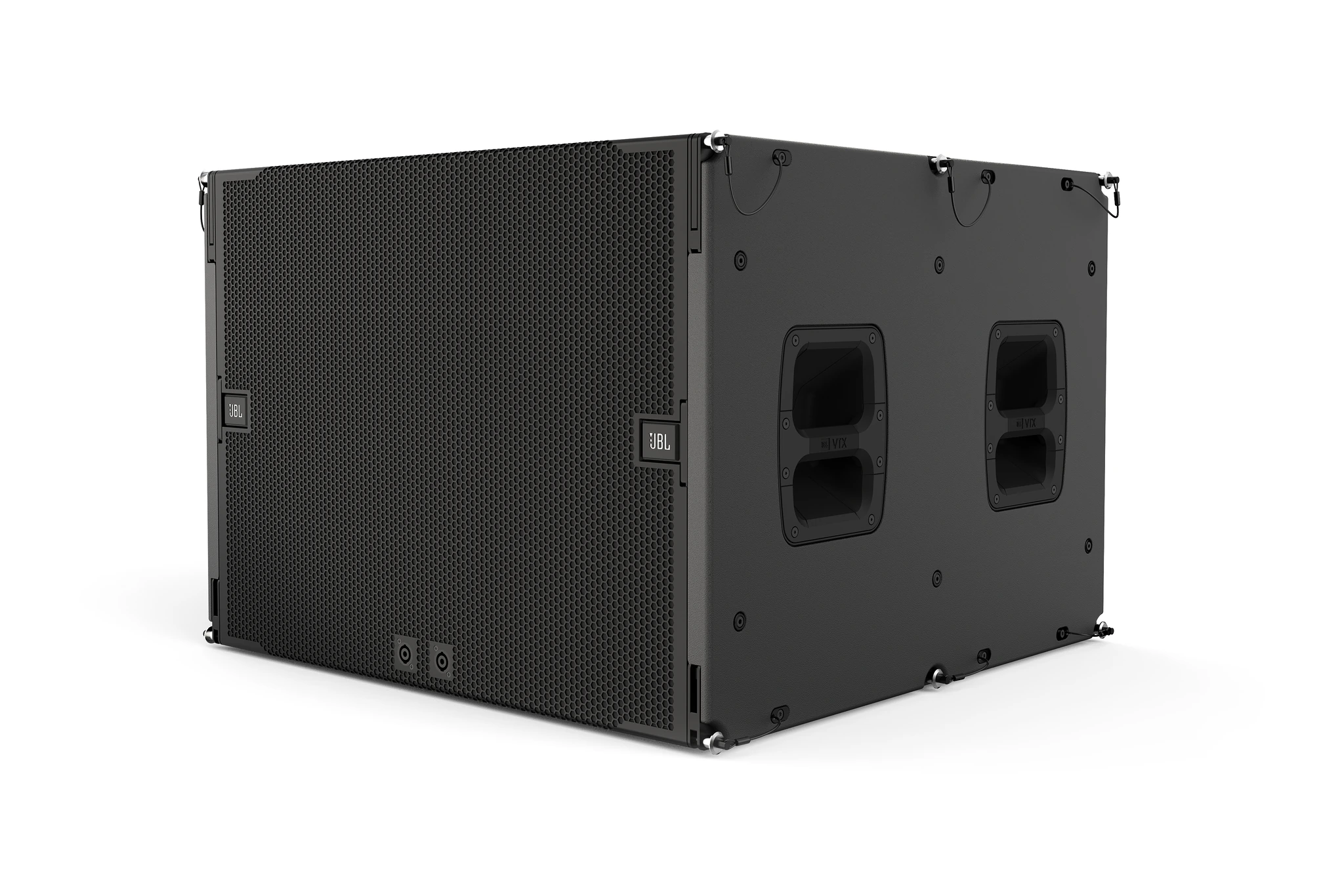
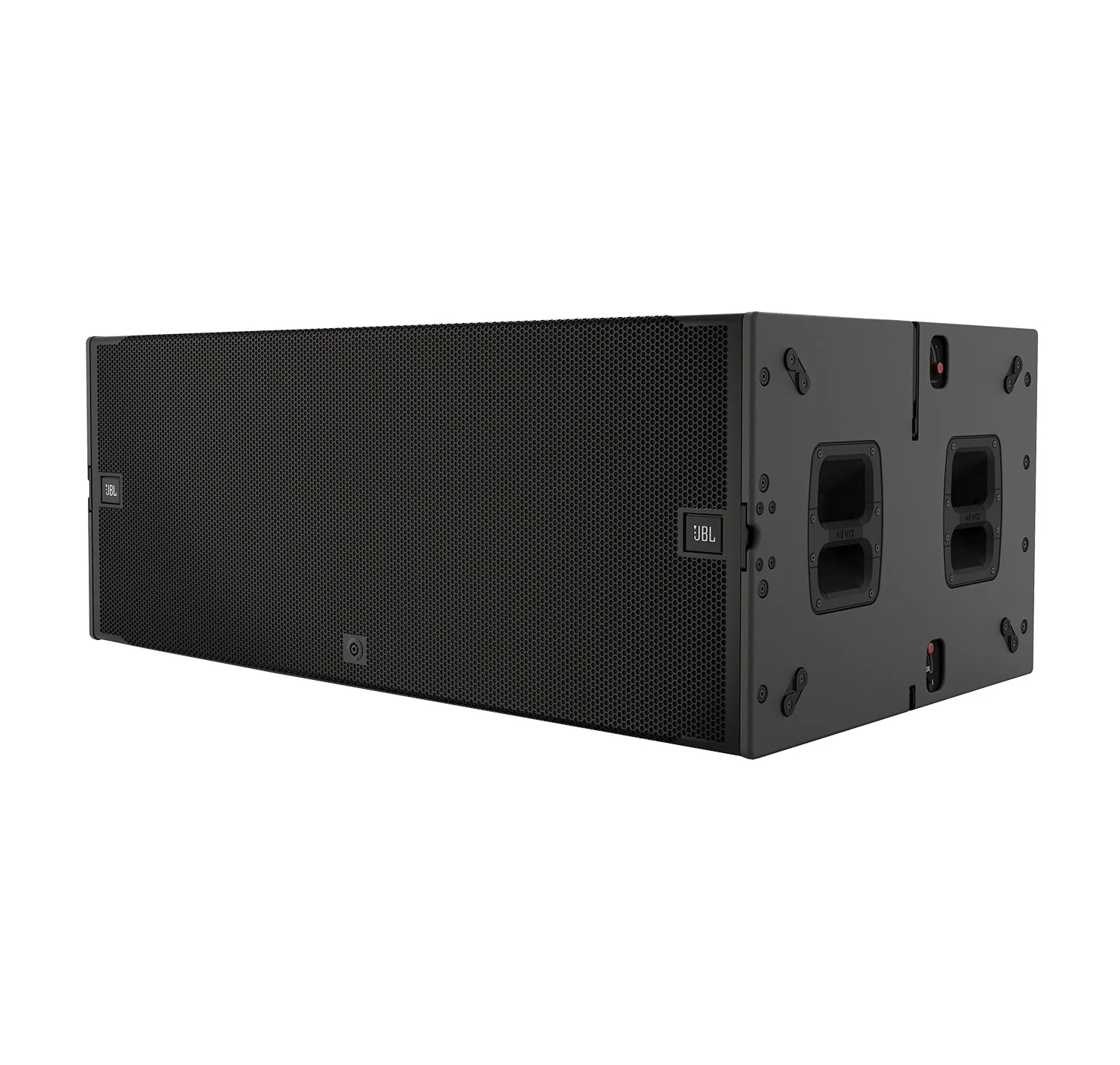
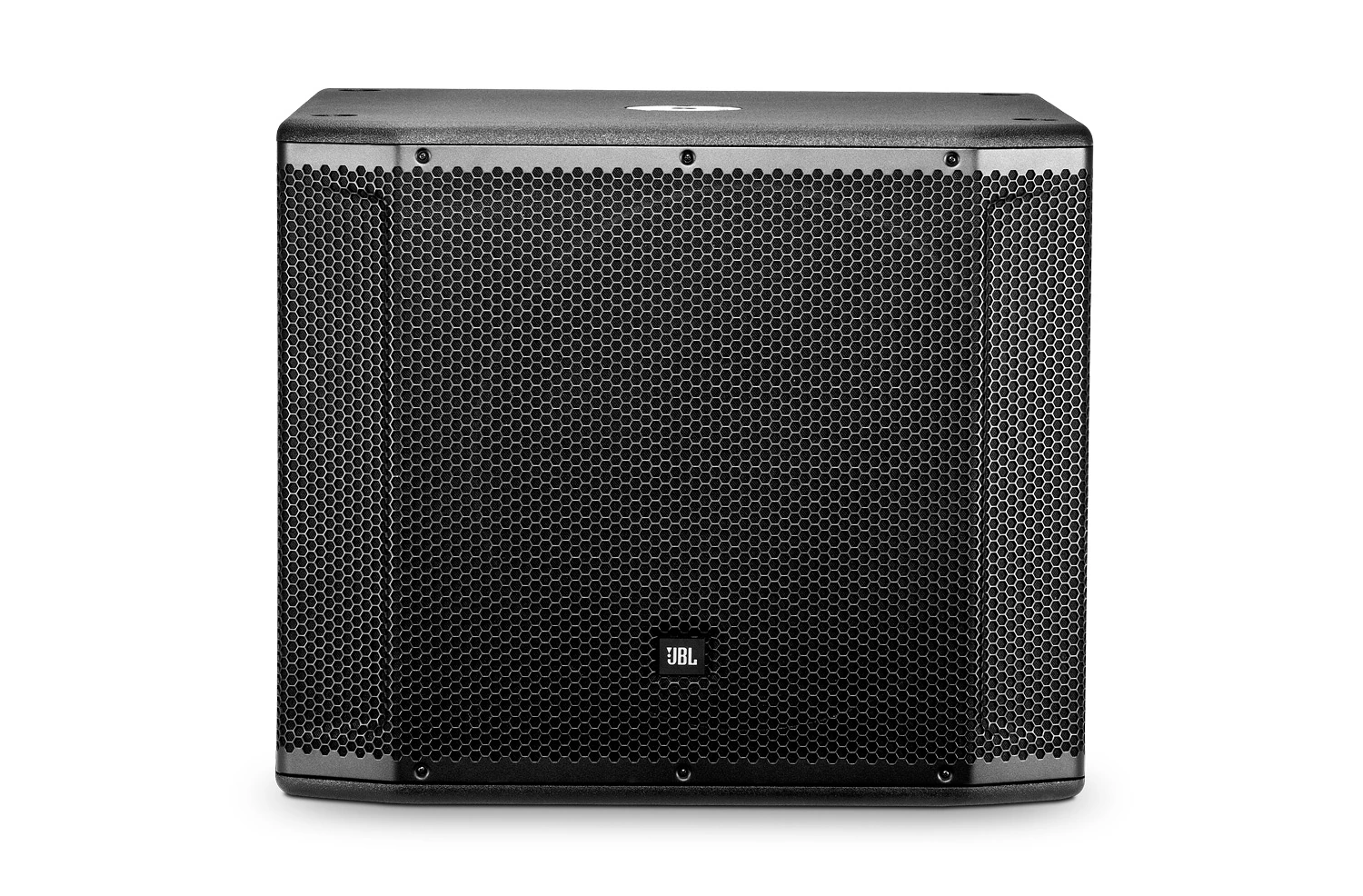
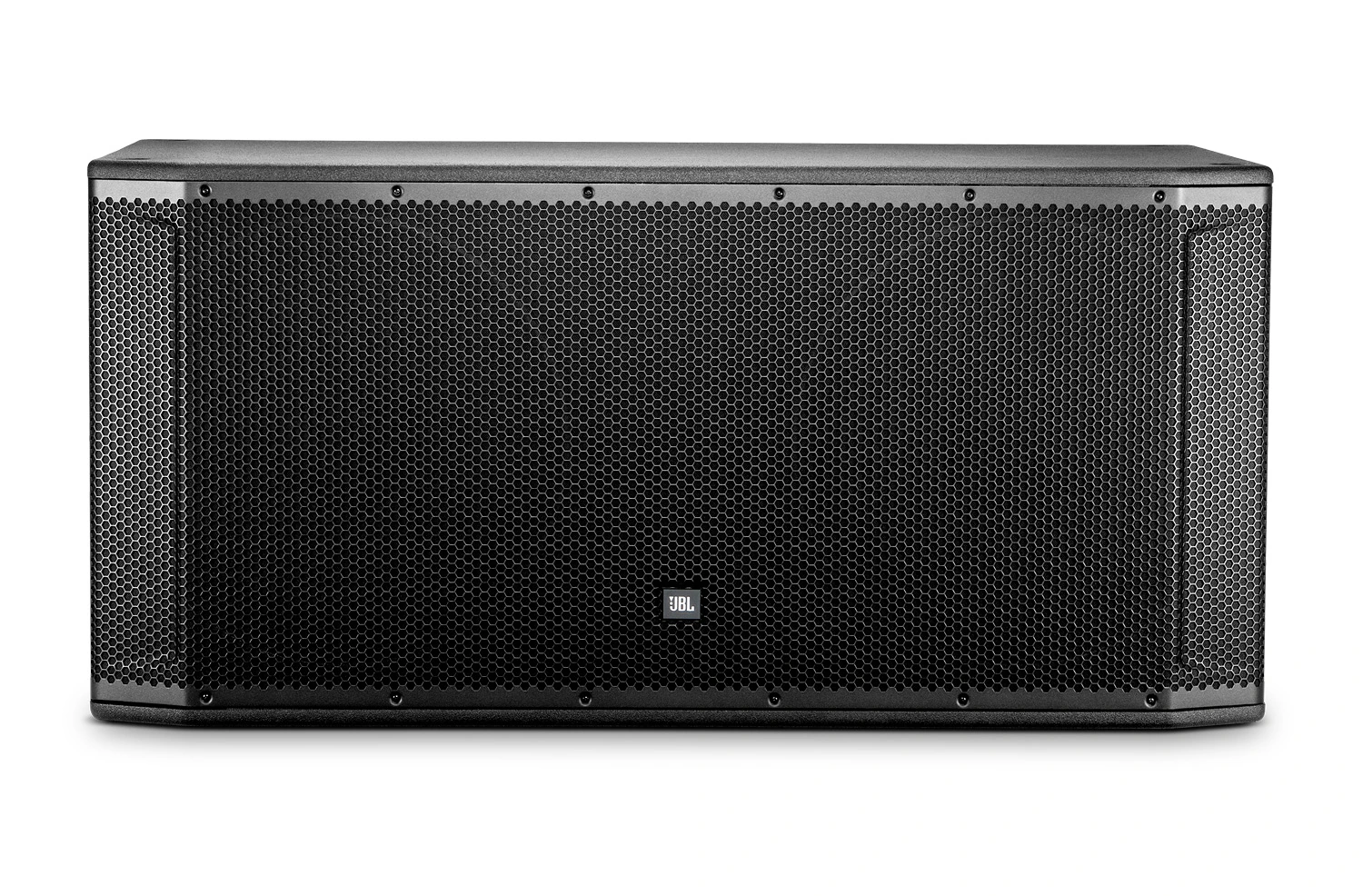
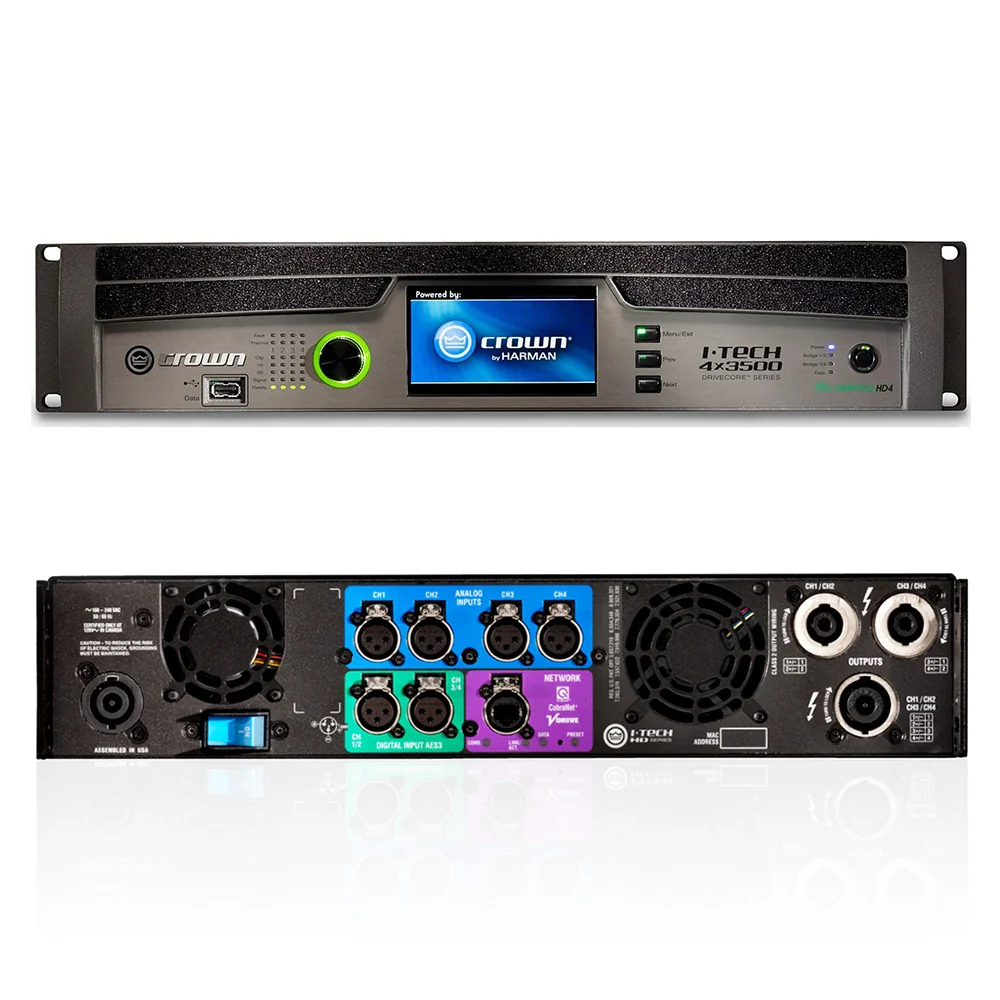
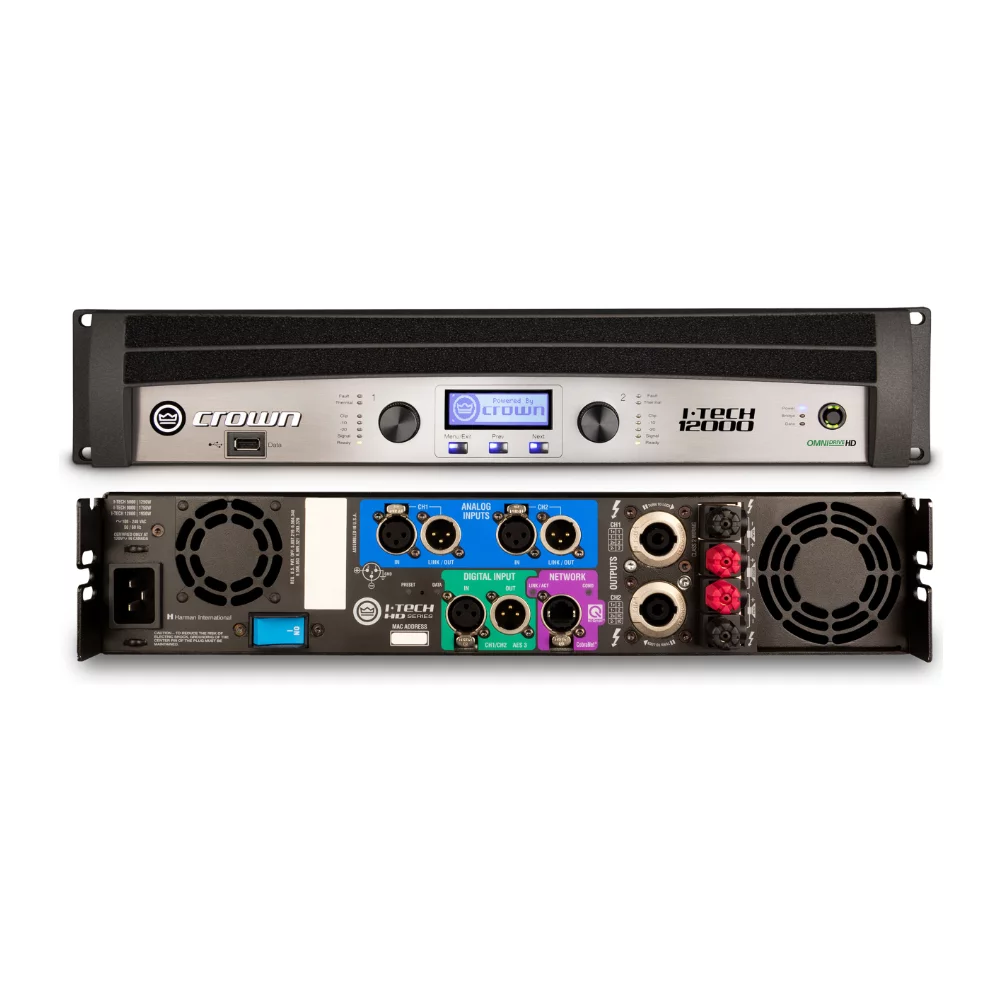
A cardioid setup needs at least three subwoofers or a manufacturer's dedicated cardioid box, separate processing and careful measurement. From our catalog it is done with the passive JBL VTX B18 or B28, whose channels can each be delayed and polarity-flipped in a Crown I-Tech HD amplifier. With the active JBL SRX818SP or SRX828SP you need built-in delay, an external processor or a digital mixer. Setting it up is a technician's job, because a wrong delay can cancel the bass in front instead.
When it pays off
Cardioid bass helps on a large outdoor stage with homes behind it, in a theatre where the stage must stay quiet and at a concert with many open microphones on stage. At a small party with one subwoofer it is neither possible nor needed. Remember that a cardioid layout reduces bass behind the system but does not remove it completely. If the surroundings are sensitive, also keep the level sensible and check the venue's rules.