Running a karaoke night: the equipment and the practical side
Karaoke is easy to run when the equipment is right and someone is in charge of keeping the queue moving. This guide covers what a karaoke system consists of, how to connect it to the speakers, how to keep the microphones clean through the evening and when a subwoofer is justified. The advice is aimed at a company event, a birthday or a wedding after-party with 50 to 100 people.
What a karaoke system consists of
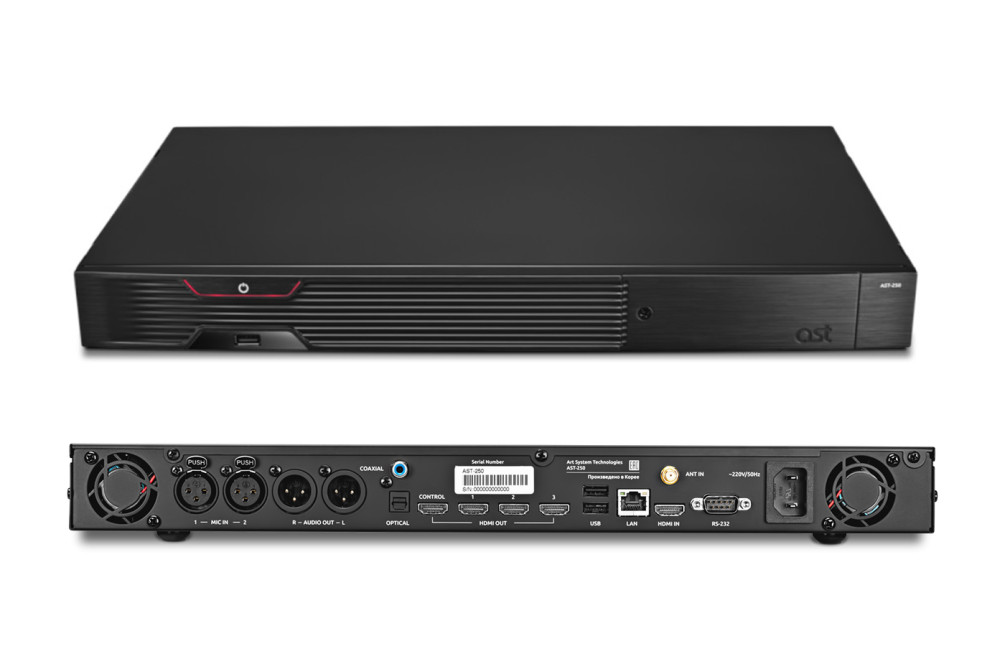
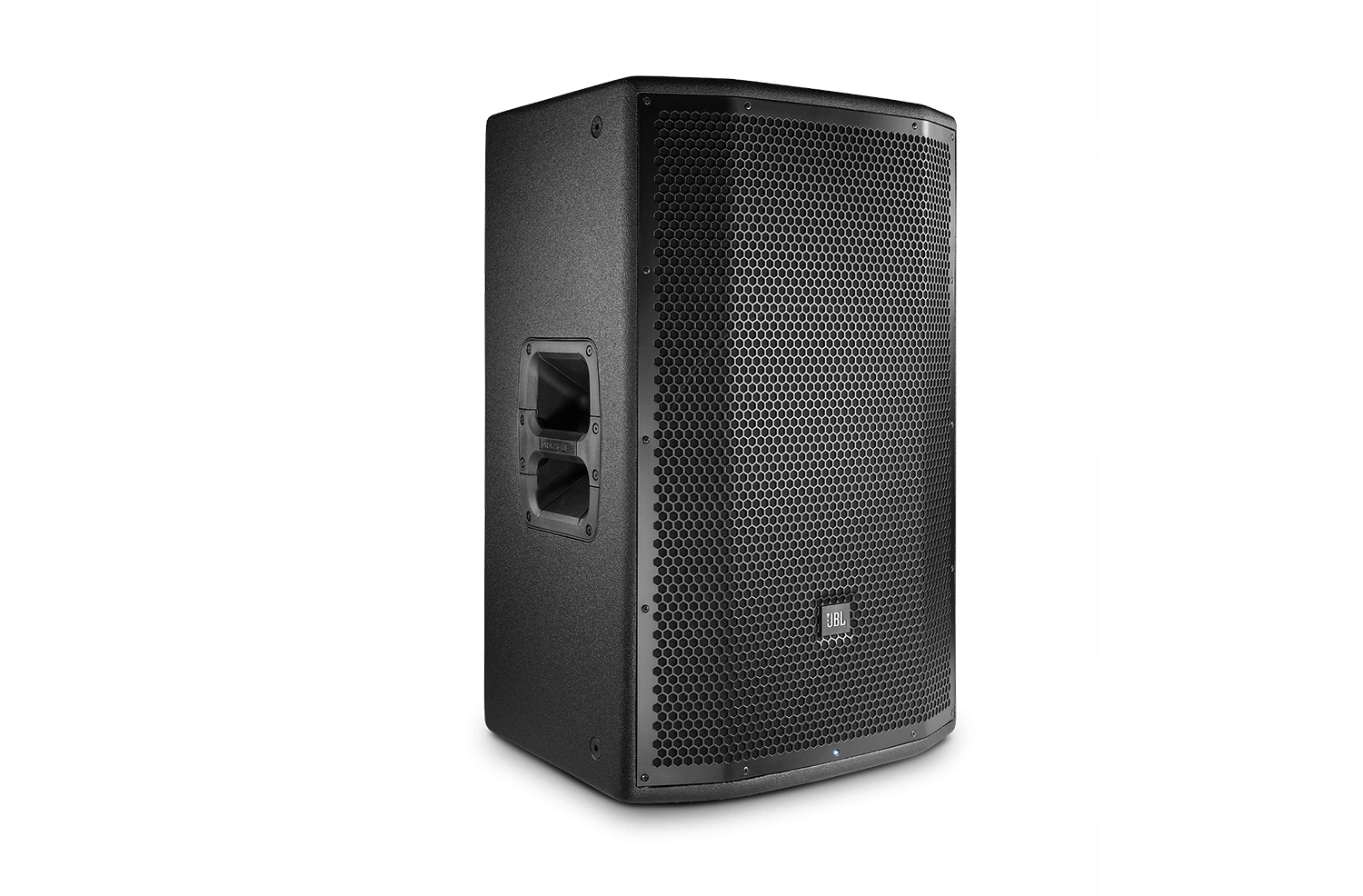
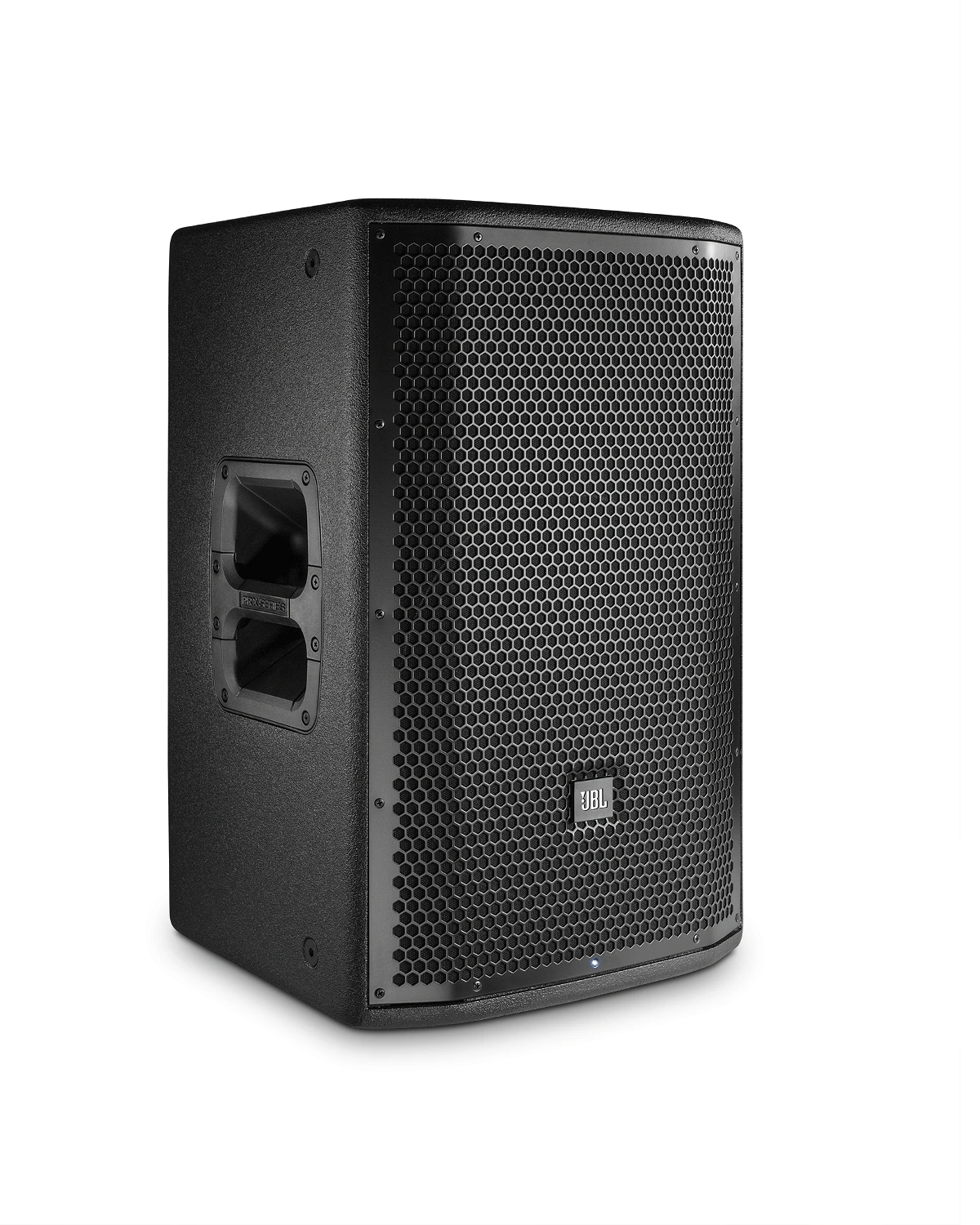
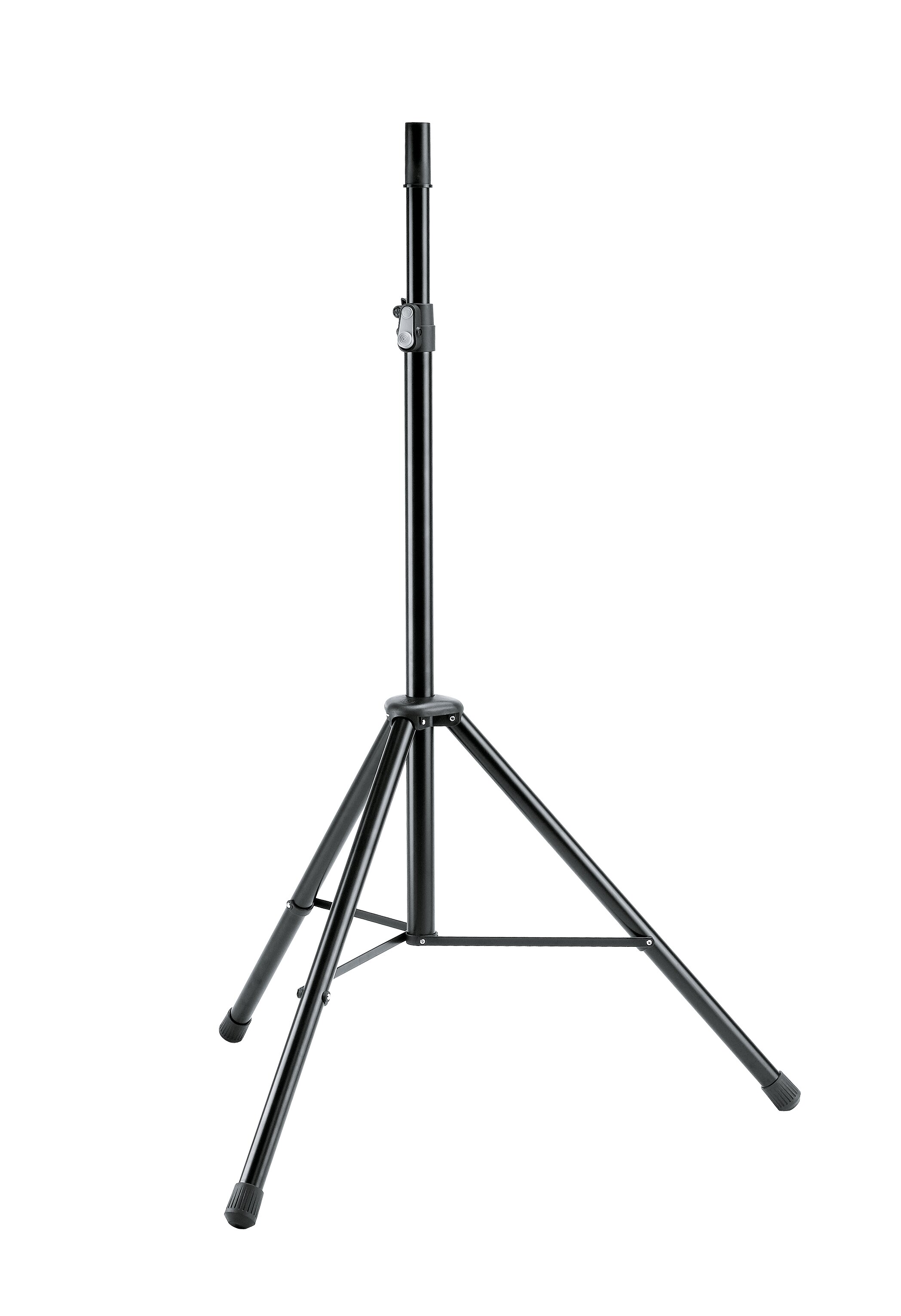
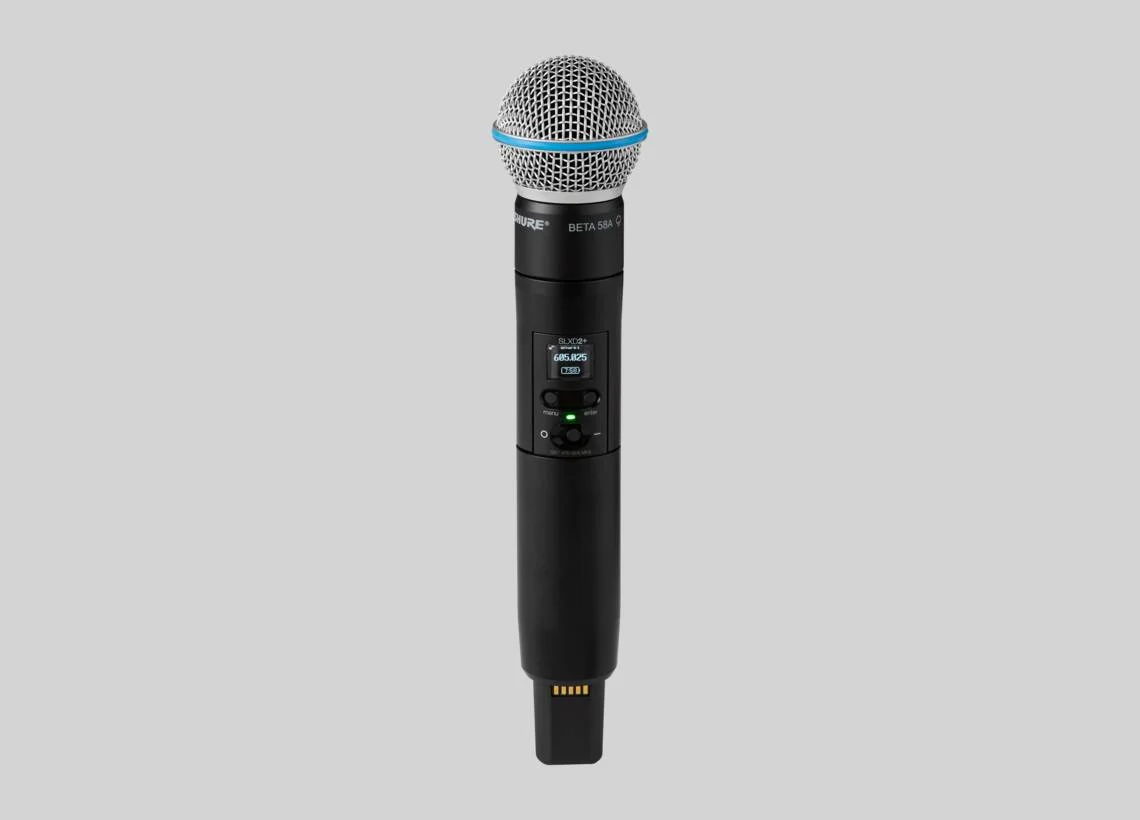
Karaoke needs three things: a device that holds the songs and shows the lyrics, microphones for the singers, and speakers that fill the room. Our karaoke kit has the AST-250 karaoke system, which comes with two Shure SLX-D wireless handheld microphones with BETA 58A capsules, plus two JBL PRX812 active speakers with stands. A separate mixer is usually not needed; the microphone receivers come with the system.
The screen or projector is provided by the customer or the venue. Before the event, check that the screen has a free input to connect the system to and that it is visible to the singer, not behind their back. A second screen facing the audience is nice because everyone sings along, but it is not essential. The TV will also need an extension lead, since it rarely stands next to a wall socket.
Connecting up and sound check
The system's audio output goes by XLR cable to the active speakers, which stand on stands at the front of the room. We show the connections at pickup; there are few of them and they are always the same: power to the system and the speakers, signal from the system to the speakers, picture from the system to the screen.
Before the guests arrive, have someone sing a song or two. Check that the mic does not squeal when the singer steps in front of a speaker and that the backing track does not bury the voice. The speakers must be in front of the singer, not behind or right beside them. If feedback appears, the first step is moving the speakers, not turning everything down.
Mic hygiene and handing over
A karaoke mic passes through dozens of hands and mouths in one evening. Keep cleaning wipes or a disinfectant on the table and wipe the grille between singers. Replaceable foam windscreens are the other option: one per singer or per table, washed afterwards. The BETA 58A grille is metal and takes wiping well.
Agree on one person who hands the microphone on. That way it does not get left on a table, dropped on the floor or lost among the drinks. Check the microphone batteries before the evening and keep spares at hand; the receiver shows the battery level, so running out does not come as a surprise. Keep the receivers and the system itself away from the singers and the glasses.
Volume for a room of 50 to 100
Karaoke does not need concert volume. The goal is for the singer to hear themselves and for the audience to feel like singing along, not to cover their ears. Two JBL PRX812 speakers on stands are enough for a room of this size. Set the level by the singer's voice, not by the backing track, because the backing can always be brought up but the voice has to stay on top of it.
If the speakers are too close to the singer or pointed at them, you get feedback. Move the speakers forward and to the sides so that the singer stands behind the line of the speakers. If the room is very reverberant, say glass walls and a concrete floor, turn down rather than up, because the echo only gets more intrusive with volume.
The queue and the rhythm of the evening
Managing the queue matters as much as the equipment. A sheet of paper or a board on the table where people write their name and the song number keeps things transparent and avoids arguments. One host who announces the next singer and the one after saves the gaps between songs; gaps are what kill a karaoke night.
- Start with well-known, easy songs; a difficult song early on cools the room.
- Keep duets and group songs in reserve for when the queue thins out.
- Agree on an end time and announce the last song in advance, so nobody is disappointed.
- If a singer cannot find their song, help quickly and let the next person sing in the meantime.
When to add a subwoofer
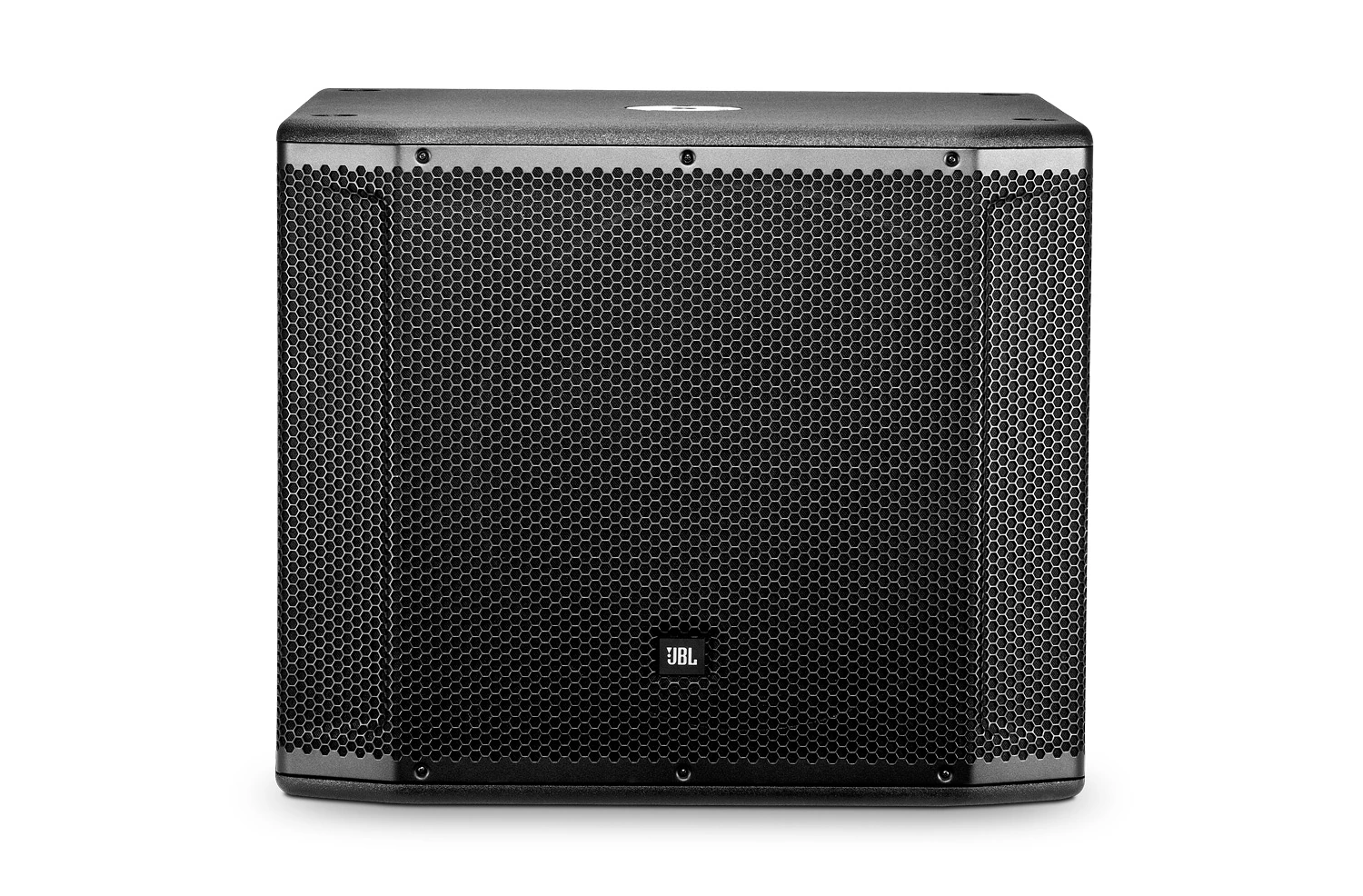
Karaoke is about the voice and that does not need a subwoofer. But if the karaoke turns into dancing later in the night and a DJ or a playlist takes over, add one JBL SRX818SP. The same applies when there are more than 100 people in the room and the songs are mostly dance music. In that case also look at the party kit for up to 100 people, which already includes a subwoofer. We have a separate guide on when a subwoofer is needed.