Collecting and transporting sound equipment: packing, loading and securing
If you choose to collect your sound equipment rental yourself, you pick up the speakers, mixer and microphones at the Tallinn warehouse and the driving and carrying are up to you. Most damage does not happen during the event but in the car and on the stairs: a speaker slides into the door under braking, a mixer knob snaps under a heavy case, a wireless receiver drops off a trolley. Below is a step-by-step guide to getting the gear safely from the warehouse to the venue and back: what to measure before you drive, what order to load in, and what to do in winter when equipment comes from the cold into a warm room.
Before you drive: measure the car and the route
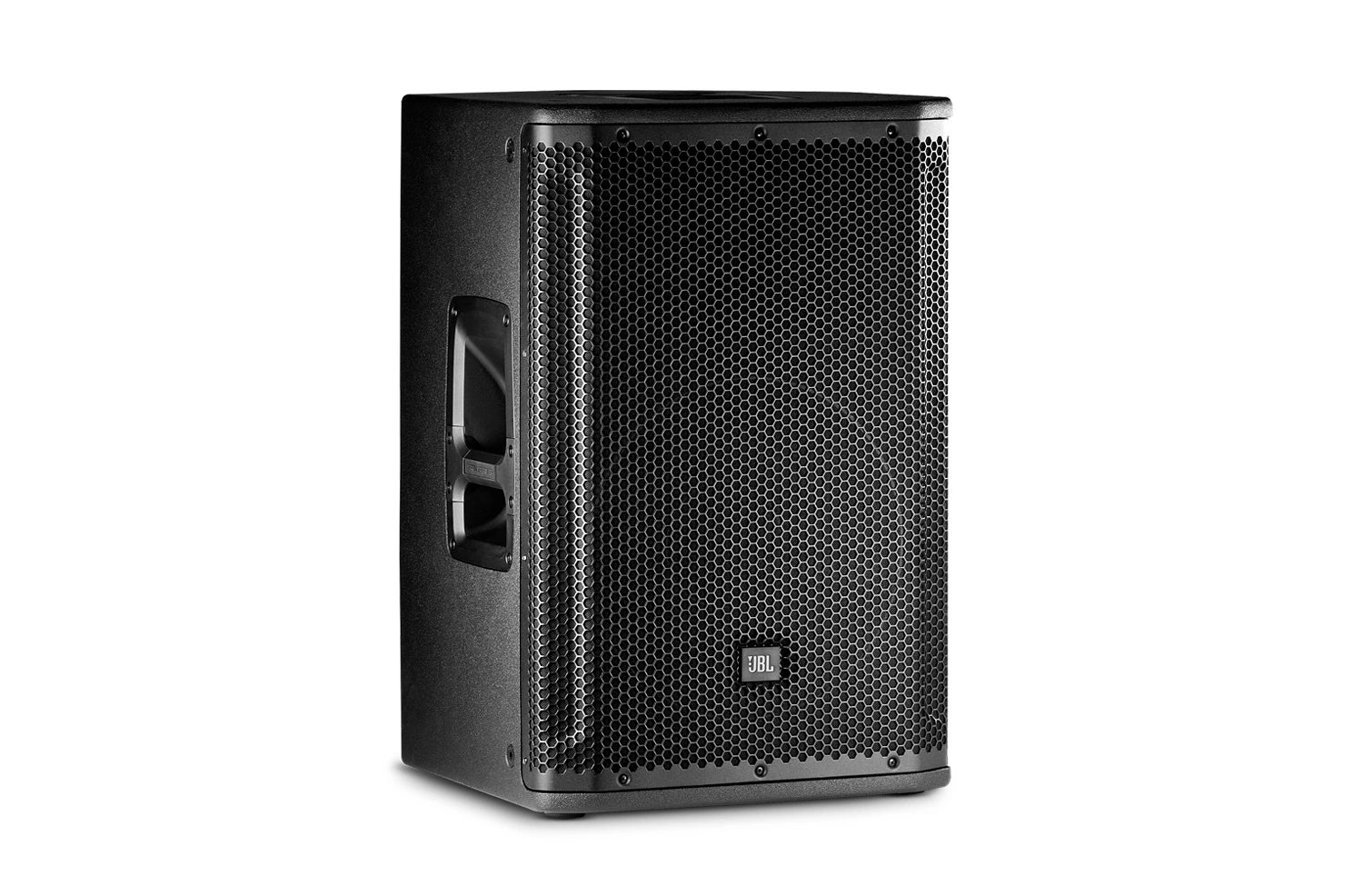
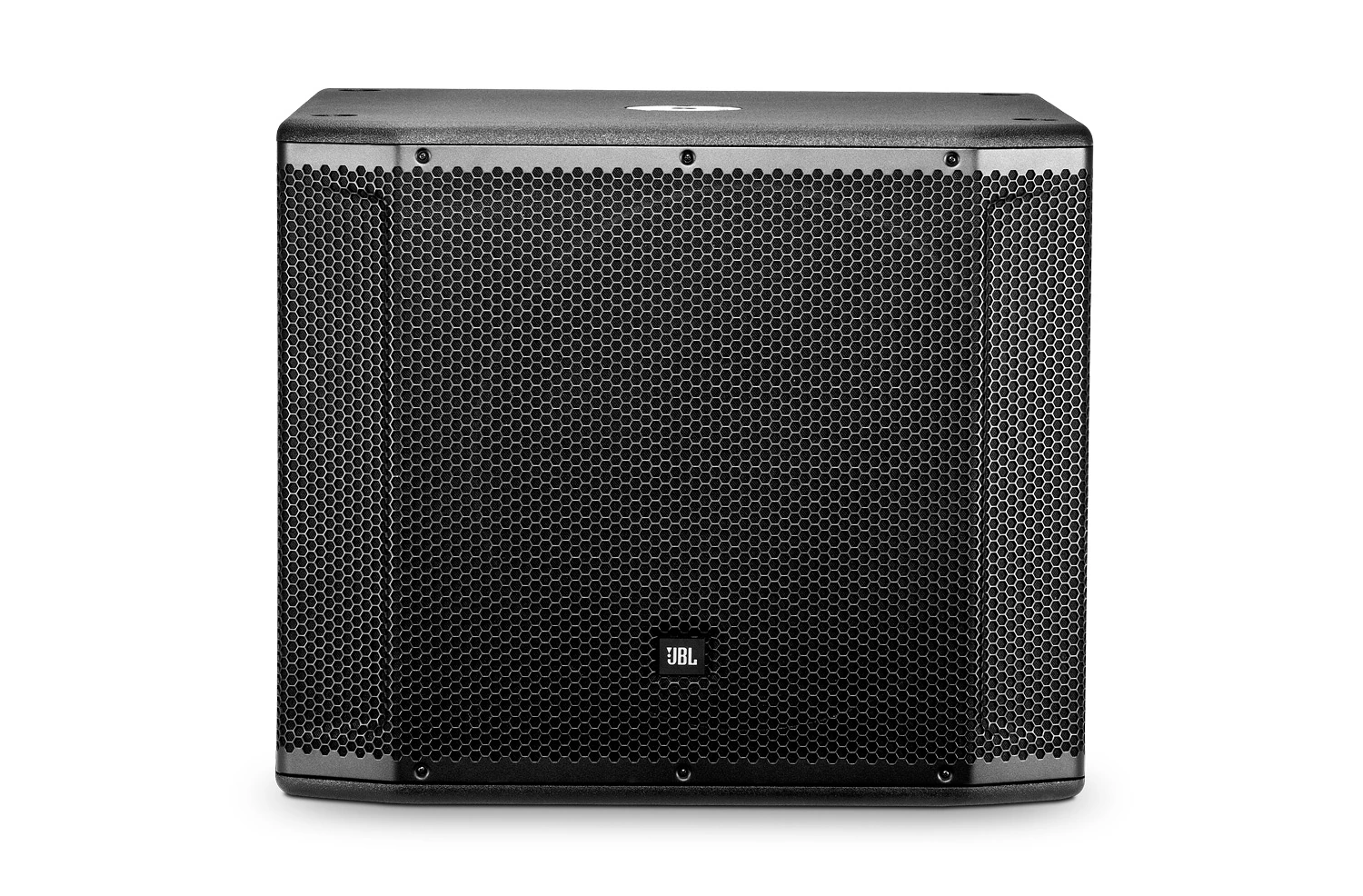
Take the item list from your rental request and check it against the car. Measure the height and width of the boot opening, not just the floor length: a speaker may fit on the floor and still not go through the opening. If in doubt, ask us when you send the request and tell us the car make and model. A kit with a subwoofer, such as the Party kit for up to 100 people with its JBL SRX818SP, usually needs a large estate or a van; a small speech kit often fits in an ordinary car with the rear seats folded.
The other half is the venue. Call ahead and ask where you may unload, how close you can park, whether there is a goods lift or only stairs, whether the doors are locked and who has the key. In the Old Town and in shopping centres the loading time and place are often restricted, and the worst surprise is carrying speakers for three blocks.
- Height and width of the boot opening, floor length with the rear seats down.
- The car's permitted payload from its registration document; heavy speakers and cases add up fast.
- The venue's loading door, lift, stairs and parking.
- Bring: a second person, a couple of old blankets, ratchet straps, work gloves.
Loading order
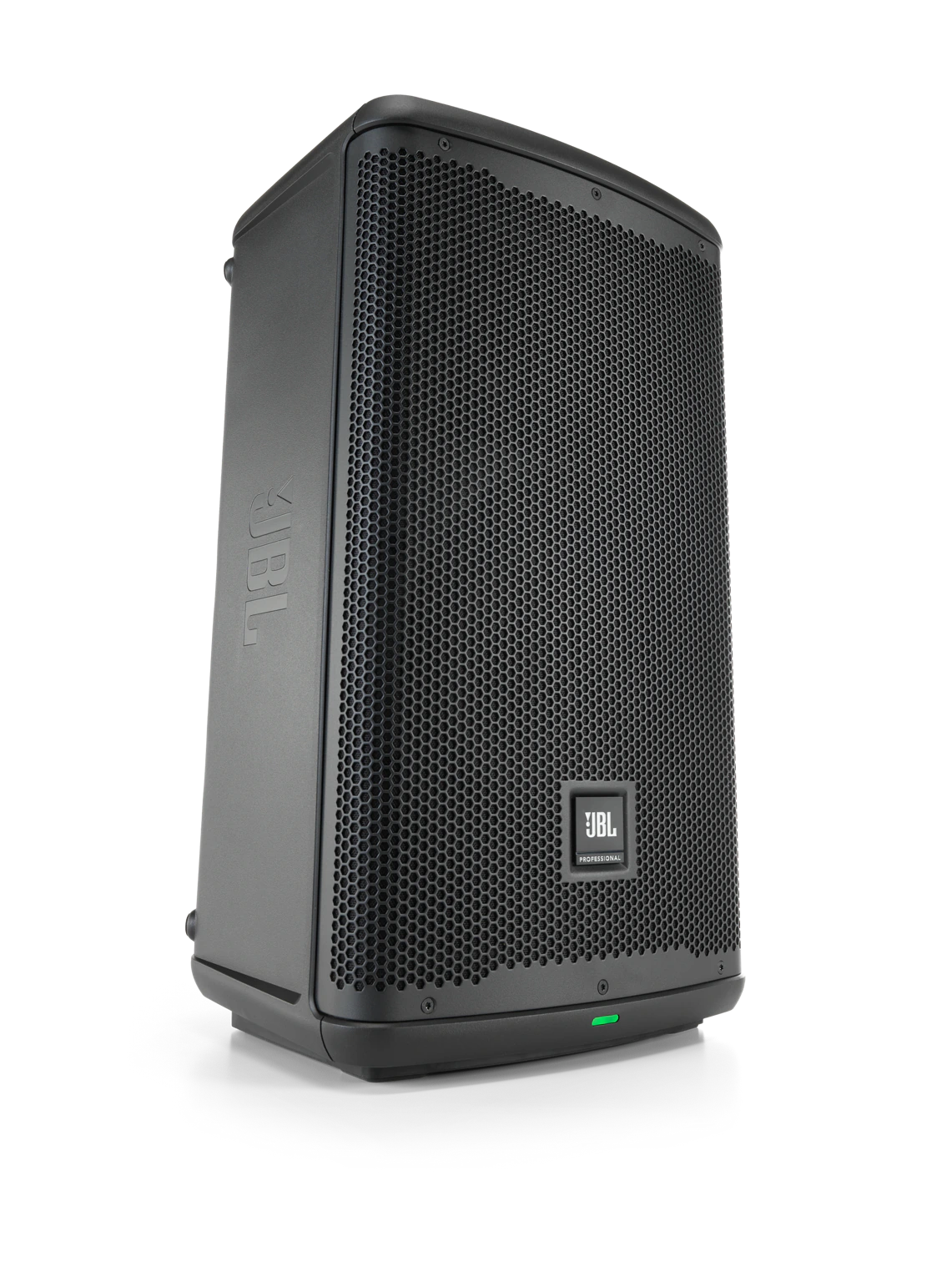
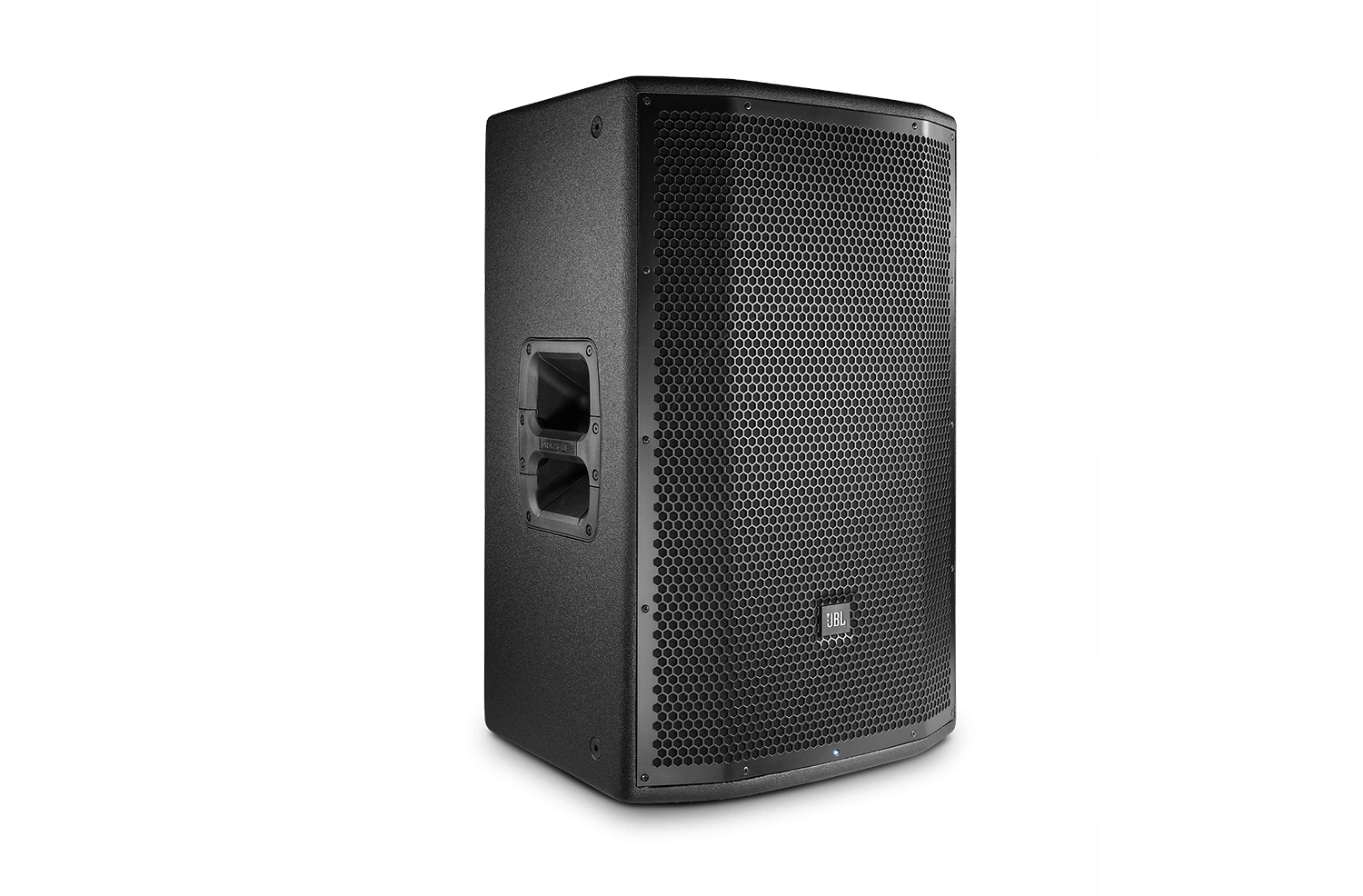
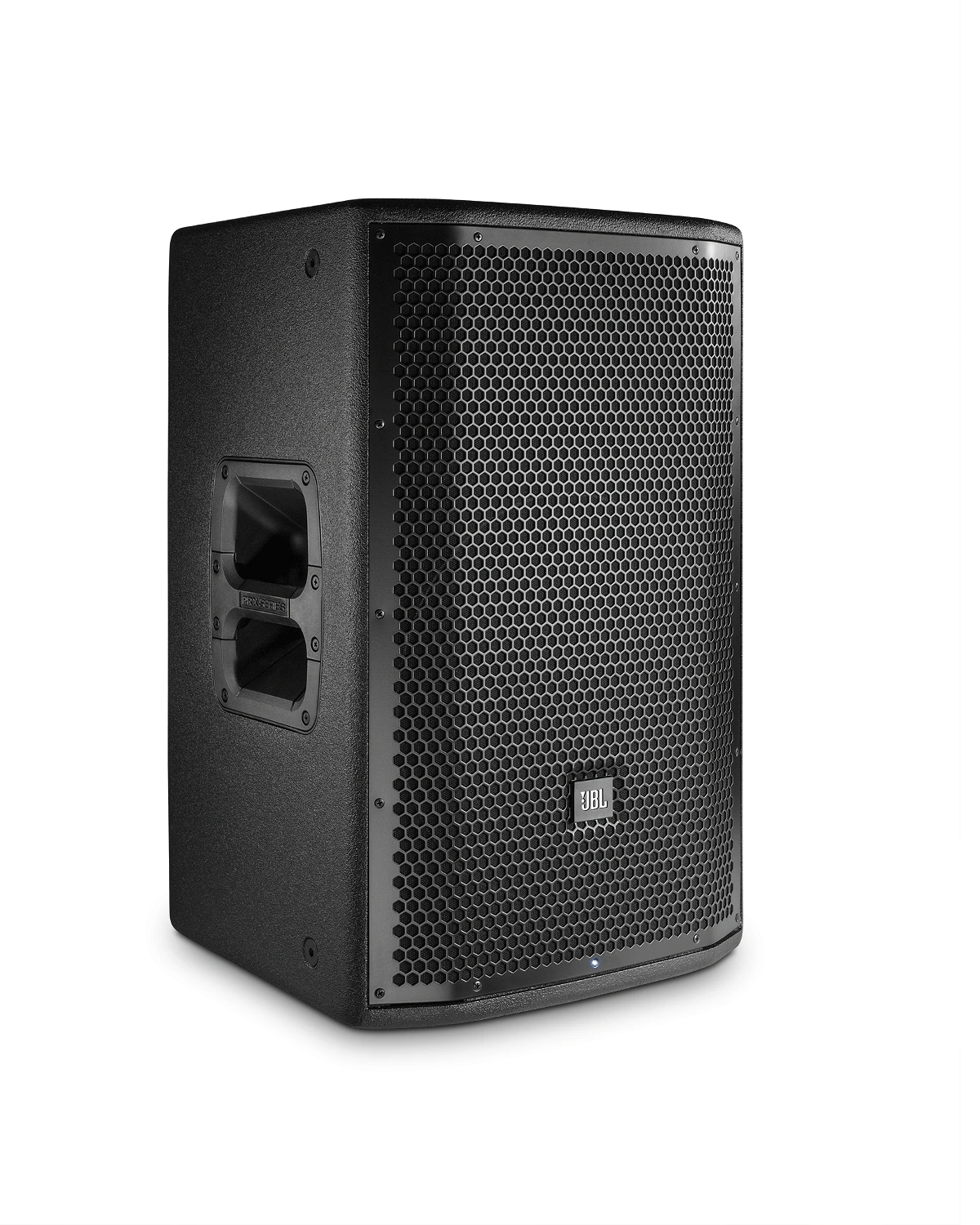
Heavy first, light last. Subwoofers and large speakers go in first, as far forward as possible, against the rear seat backs or the van bulkhead. That keeps the centre of gravity low and gives a box nowhere to gain speed when you brake. A speaker can travel upright or lying on its back, but never face down on its grille: the driver sits right behind the grille and the weight pushes it in.
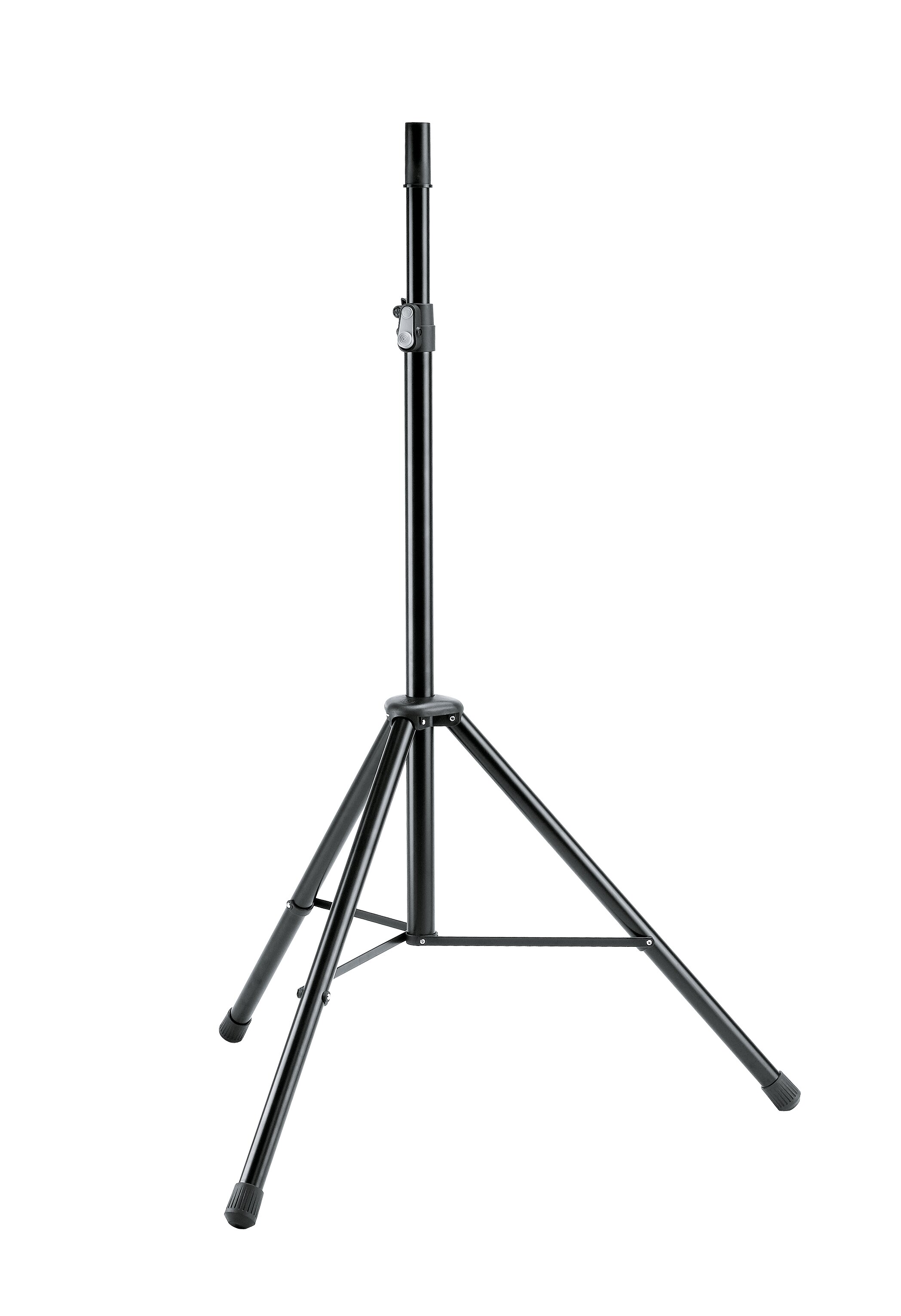
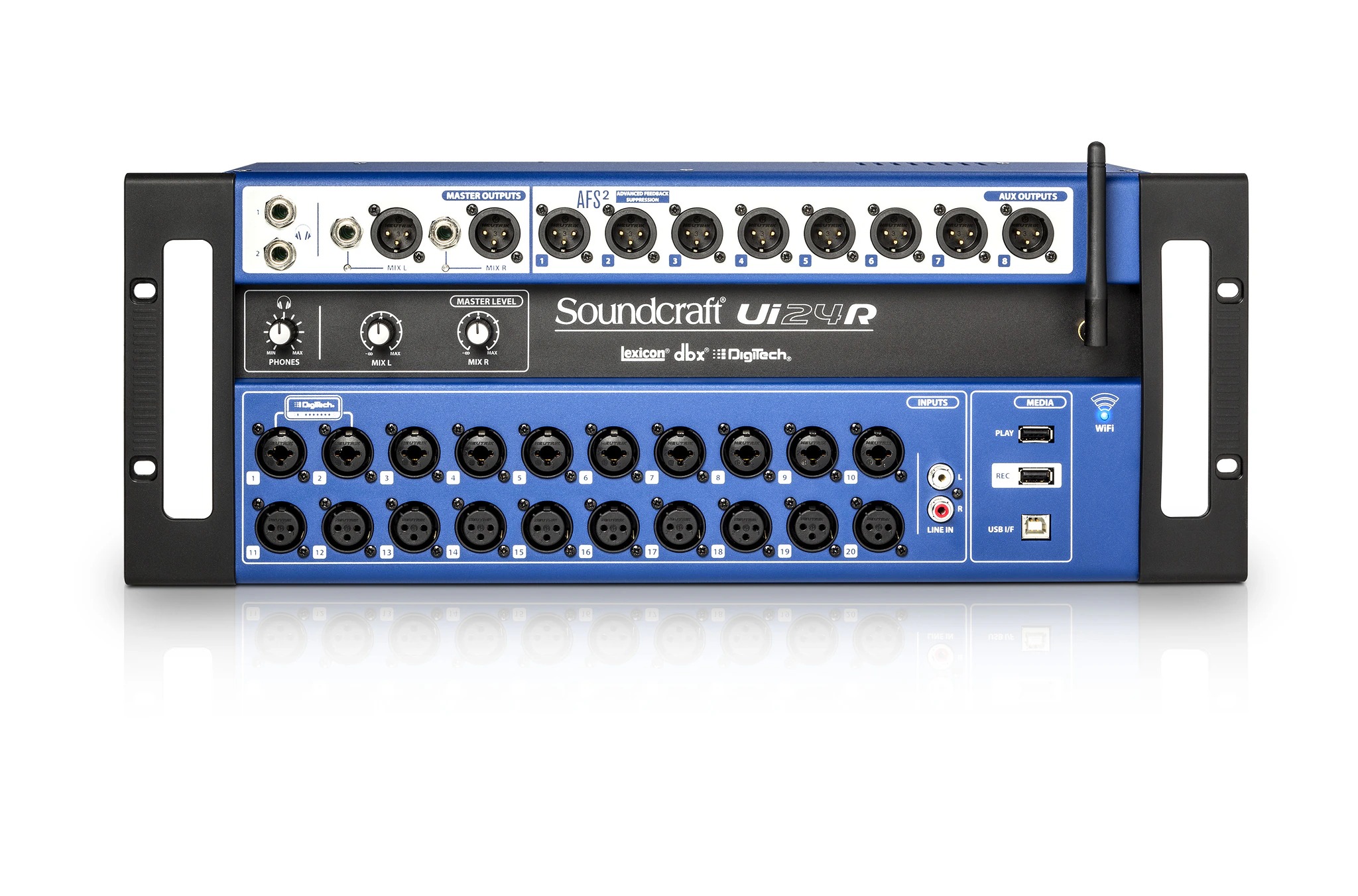
Never put anything heavy on top of the mixer, the wireless microphone case or a receiver. Mixer knobs and faders do not take pressure, and a desk like the Soundcraft Ui24R or Signature 10 should travel in its bag or case on the top layer or in the passenger footwell. Stands and poles go lengthwise along the sides; cable bags fill the gaps.
A useful trick: load in the reverse order of what you need first at the venue. If you start by placing the speakers, the stands have to come out of the car first, so they go in last.
Securing: nothing may move under braking
A loose speaker in the boot becomes a projectile under hard braking, not just a broken speaker. Use the car's lashing points and ratchet straps, and put a blanket between the strap and the cabinet so the strap does not scratch it. Without lashing points, pack the cases so tightly that they support each other and the sides, and fill gaps with soft bags.
Put nothing on the back seat or parcel shelf that could fly forward. If a speaker rides on the passenger seat, belt it in. Drive calmly and check the load after the first corner: that is the best moment to find a strap that has worked loose.
Carrying and lifting at the venue
Before you lift anything out of the car, walk the route empty-handed. Open and wedge the doors, look for thresholds, steps and slippery floors. Large speakers and subwoofers are lifted by two people using the handles, with the legs rather than the back. Never drag a speaker across the floor on its corner: it wears the cabinet corners and can scratch the venue's parquet.
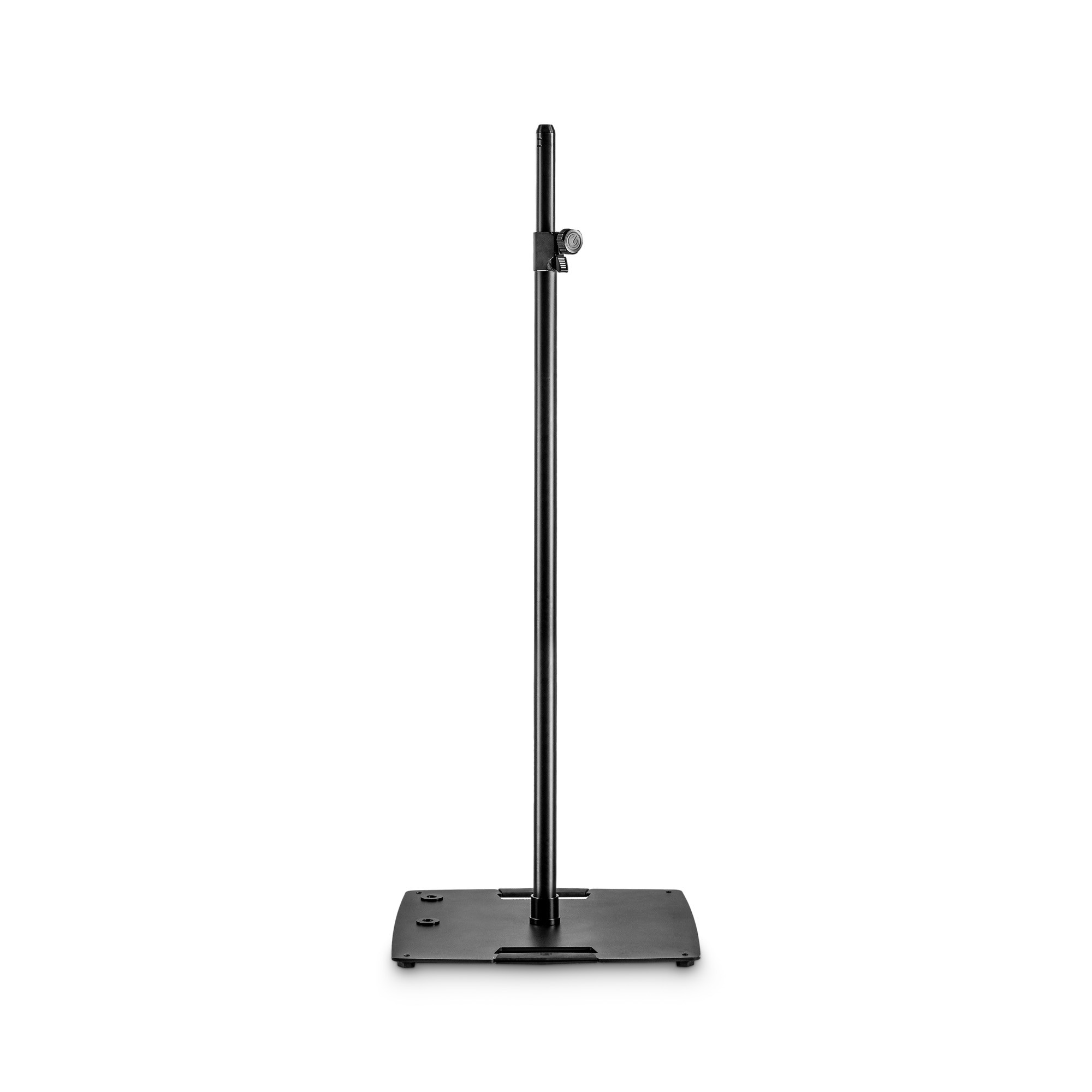
Before putting a speaker on a stand, check the stand's rated load. The Gravity TLS 431 B, for example, is listed in the catalog with a maximum load of 25 kg; for other stands look at the marking or ask us. Lifting onto a tall stand is a two-person job: one lifts, the other guides the speaker's socket onto the stand pin and holds the stand by its legs.
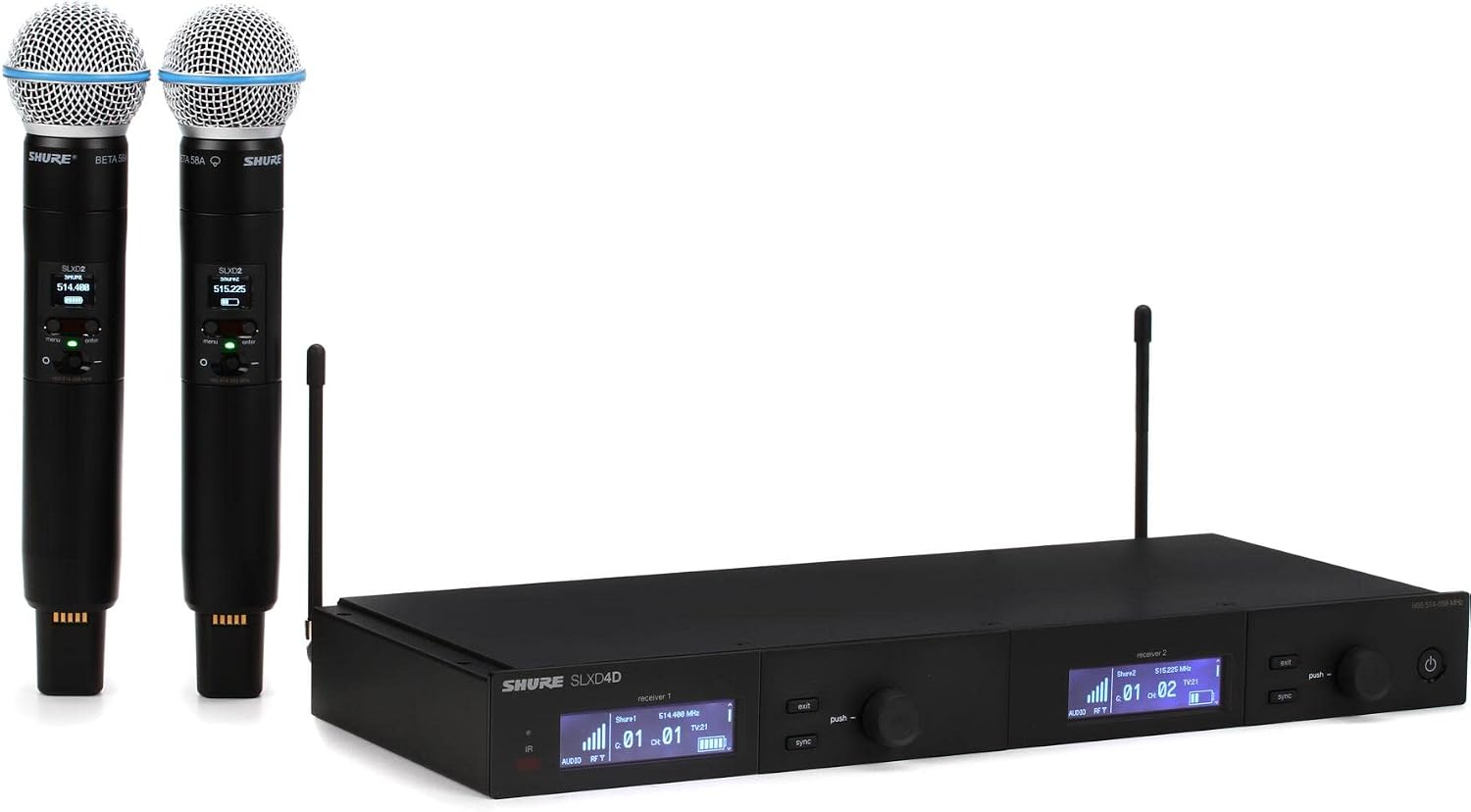
Carry smaller items, such as the Shure SLXD24D/B58 wireless set, receivers and DI boxes, in their cases and keep them in one fixed spot for the whole load-in. Small things go missing exactly when they are left on a chair by the door for a few minutes.
Winter, rain and condensation
In an Estonian winter the biggest risk is moisture. When a mixer or speaker that has been in a cold car is brought into a warm hall, condensation forms inside it, just like on a pair of glasses. You cannot see it, but it can damage electronics if you switch on straight away. Let the gear warm up to room temperature in its bag or case and only then power it up. The colder it is outside, the longer you wait, so arrive earlier in winter.
Do not leave equipment in the car overnight, before or after the event. Besides cold and damp, it is a theft risk. In rain, cover speakers and cases with a blanket or plastic sheet while carrying them and wipe wet surfaces dry before connecting anything. If the gear got wet, mention it when you return it.
Cables, power supplies and small parts
A cable that travels in a knot has to be untangled at the venue exactly when time is shortest. Coil cables the way you received them and keep each one closed with a velcro tie. Bag them by destination: one bag for speakers and mixer, another for microphones.
A power supply always travels in the same bag as its device. A receiver or mixer without its power supply does not work, and the power supply is the thing most often left behind. Take the batteries out of wireless mics for transport or make sure the mics are switched off, otherwise they drain before the event. At the warehouse, take a phone photo of the loaded car: late at night in a dark hall it shows you how everything fitted.
The way back, and when to book transport
After the event everyone is tired and in a hurry, which is when scratches happen and things get forgotten. Pack in the same order and strap down the same way as in the morning. Before leaving, walk the stage and the room: mic clips, antennas, power supplies and a lone cable behind the stage are the classic losses. For counting items, see the guide Sound equipment rental checklist: before the event, at pickup and at return.
If you have no suitable car, the venue is several floors up without a lift, or the day before the event is already full, booking delivery and setup as a separate service may make more sense; its price is in the offer. The guide on renting with or without a technician helps you decide whether to set up yourself.