Multicore snake
A multicore snake bundles many audio cables in one jacket, carrying every stage microphone to the mixer in a single run and the mixer outputs back to stage.
What a multicore is
With twelve microphones and four speakers on stage you would have sixteen separate cables between stage and mixer. They are hard to run, they tangle and people trip over them. A multicore puts all those lines inside one thick jacket. The stage end is a box with numbered XLR sockets; the mixer end has thin numbered tails that plug into the mixer inputs.
A multicore is described with two numbers, for example 16/4: sixteen inputs from stage to mixer and four returns from mixer to stage. The returns carry the signal for the main speakers and stage monitors.
When you need a multicore
For speech and background music with the mixer next to the stage, you do not need one. It becomes necessary when the mixer is in the middle or back of the room and there is a band, a choir or several performers on stage. Also when the mixer sits in another room, such as a theatre sound booth.
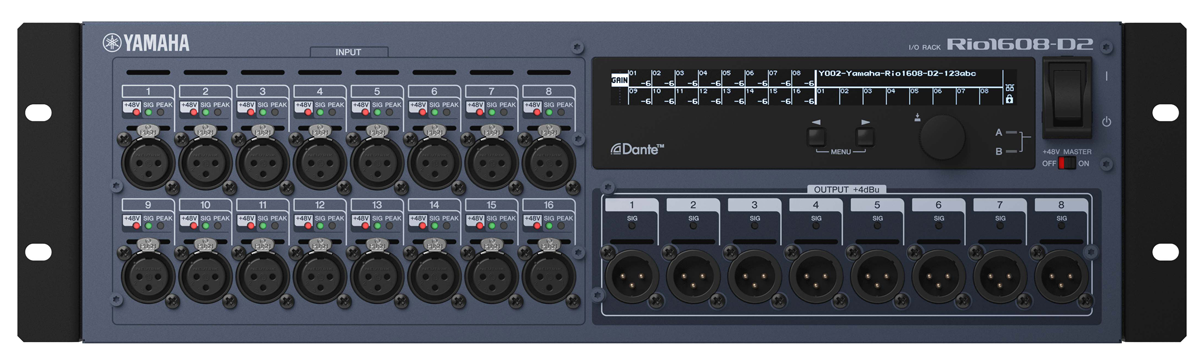
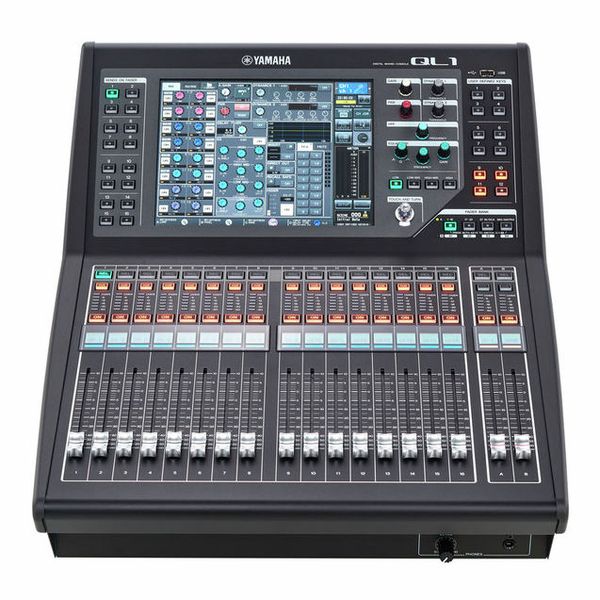
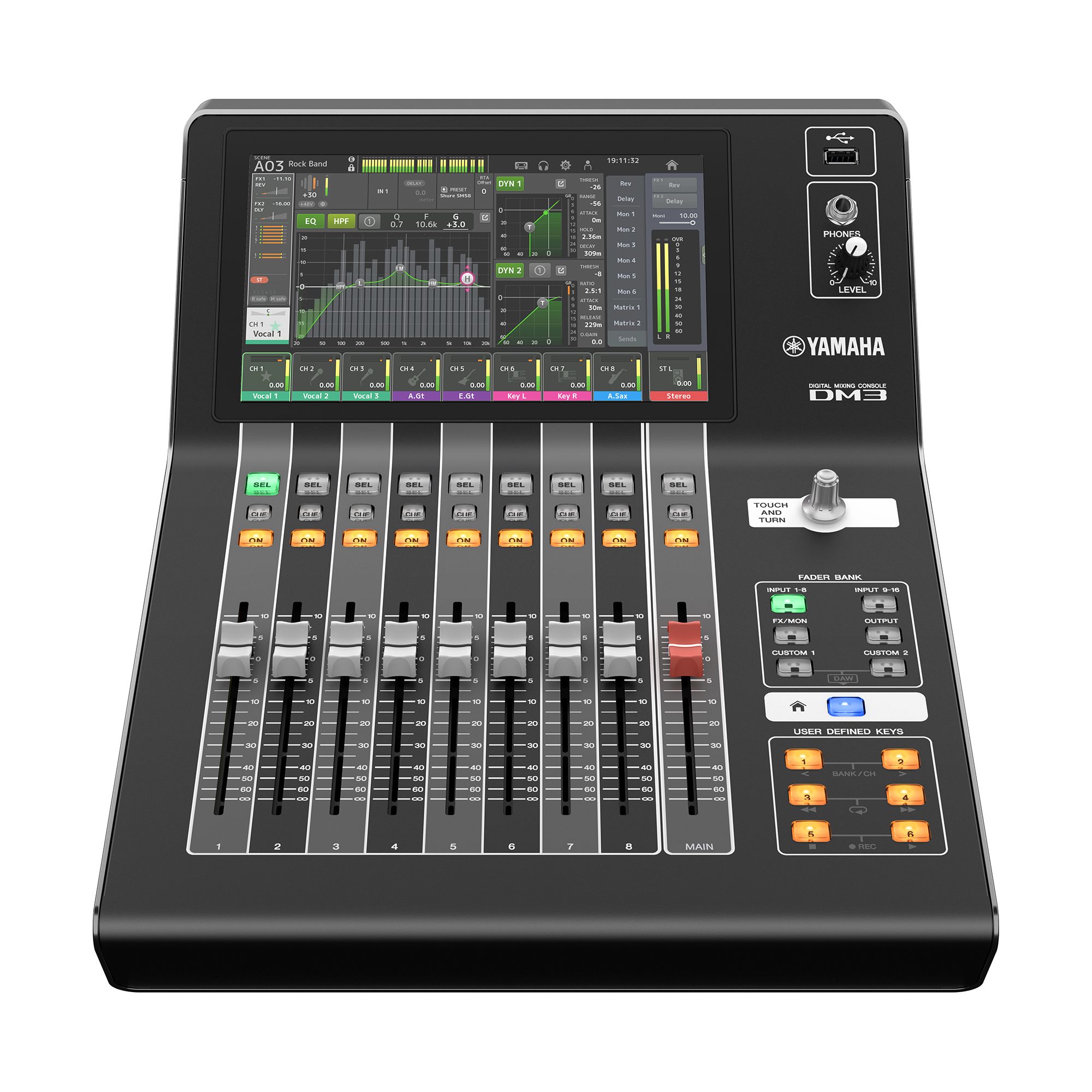
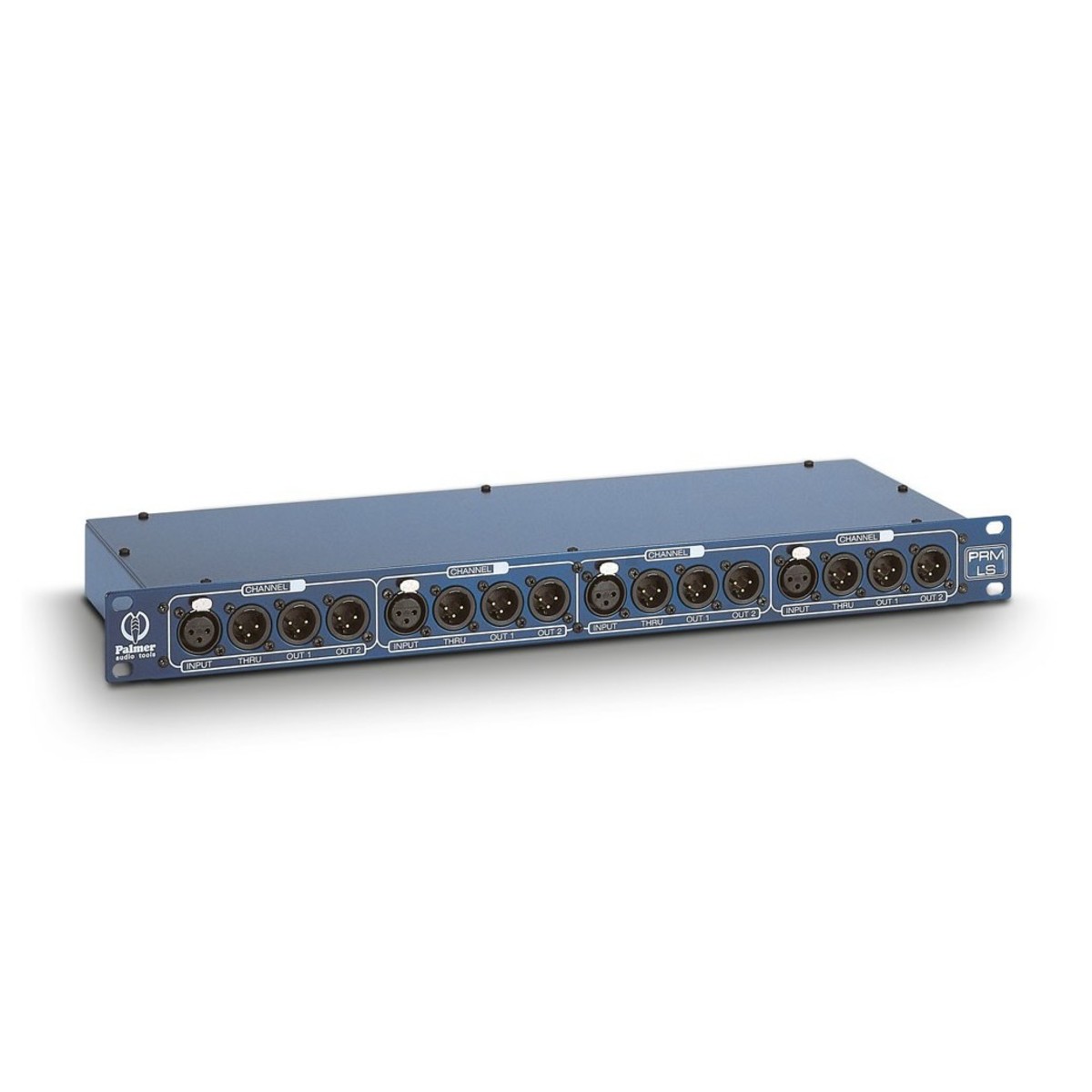
An analogue multicore is heavy and its channel count is fixed. If you need more stage inputs than the cable has, you run a second one. A digital solution, such as a Yamaha RIO1608-D2 or RIO3224-D2 stagebox, sends every channel over one network cable via Dante to a digital console like the Yamaha QL1 or DM3. When the signal also has to go to a video crew or a recorder, a splitter is used, such as the Palmer PRMLS.
Common mistakes
The usual mistake is exactly as many channels as there are microphones. Something always gets added on stage: a guest performer, a second guitar, a backing track. Another is forgetting the returns, and then finding there is no way to send a signal to the monitors. A third is leaving the multicore channels unlabelled, which slows the sound check.
- Allow at least a couple of spare channels.
- Count the returns: main speakers, monitors, subwoofer.
- Patch microphones by the box numbers that match the input list.
- Run the multicore along the wall, not across a walkway.